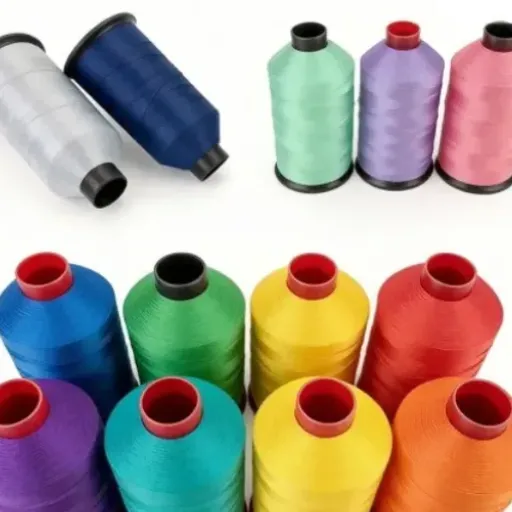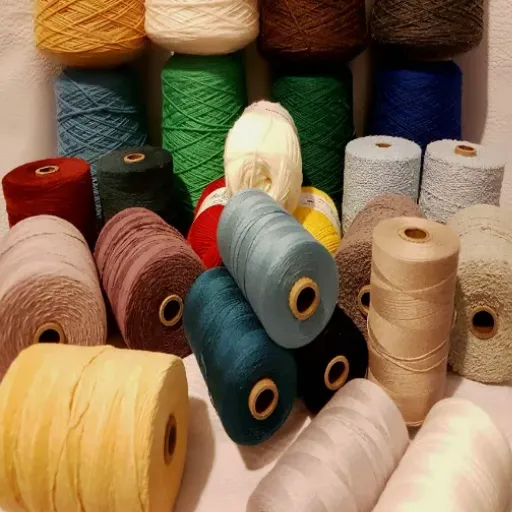
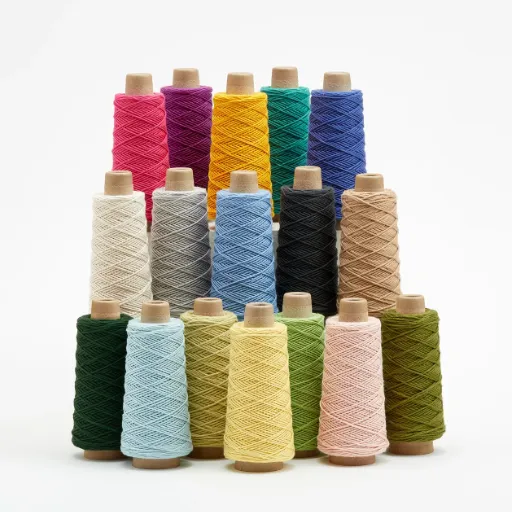
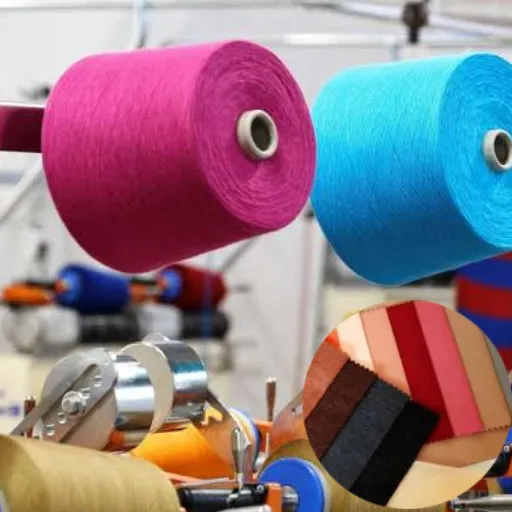




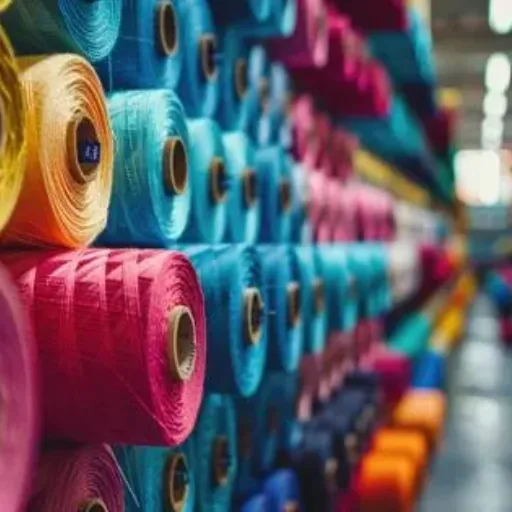
Custom yarn spinning implies that one produces yarn for a specific demand rather than a standard catalog. There is no established product range of standard fiber content or yarn counts because the customer dictates and the supplier customizes the product, to include the fiber content, construction, colors and finishes as well as any other specific demands.
Like any other business too, specialized furniture manufacturing units operate within specified markets. Thus when Mrs. Vasquez went ahead to launch her meridian design collection in Valencia, she was so keen on getting an upholstery yarn in a Sage Green colour. She searched for a high performing cutpile carpet for three months without any success; the best the market could offer was a greenish color far from what she wanted for the design, besides the fact that she had to take fake samples menus for colors and other finishing materials all those years. Finally she was able to place an order with the producer who agreed to custom make the yarn to match her colors in the fabric in the exact shade she wanted There was no question of increasing the cir on the color specifications from specific green to approximately dust green to approximately bluish inadequately turned out as the furniture designed by her and supplied to and manufactured by her. unintended burning of the cardboard in lots of steps such as dyeing. A week later, an excited designer; was informed her materials were ready for collection.
It would be difficult for a newbie to figure out how they will get help from the administrators, or moreover what exactly will happen next following the coding and other services. This is why I want to end up this pleasant communication with you, by giving you a once in a lifetime opportunity and imploring you to help me in return as well. Here are the guidelines so that we can bring this venture to a profitable end for both of us. If you have any questions or need further assistance, don’t hesitate to get in touch with us.
Key Takeaways
- Custom yarn manufacturing lets you control fiber content, count, twist, color, and finish to create yarns unavailable in standard catalogs.
- The process follows nine stages from specification to delivery, with sampling as the critical checkpoint that prevents costly bulk errors.
- Quality control for custom orders uses your specification sheet as the baseline, verifying count, twist, color, and tensile properties against your targets.
- Minimum order quantities exist because custom production requires line setup, raw material sourcing minimums, and dye lot sizing.
- Small-batch custom manufacturing (under 500 kg) has grown 25% annually since 2021, making customization accessible to independent brands.
What Can Be Customized in Yarn Manufacturing?
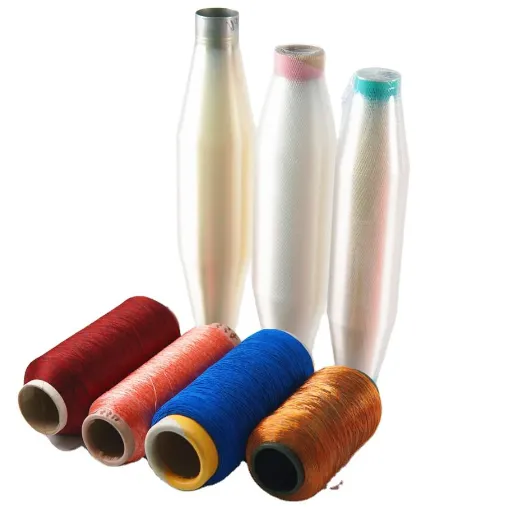
The scope of customization in yarn manufacturing extends far beyond choosing a different color. Modern production facilities can engineer yarns from the molecular level upward, giving buyers control over performance, aesthetics, and sustainability credentials.
Here is what can be customized during yarn manufacturing:
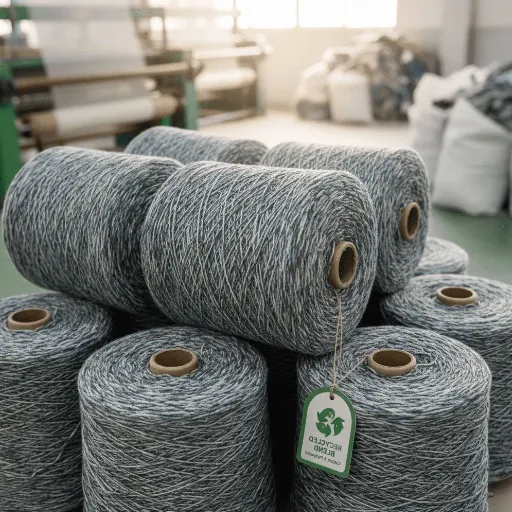
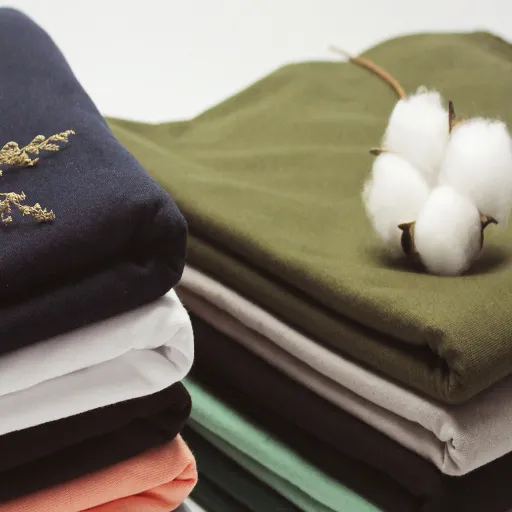
- Fiber content and blending ratios — Natural, synthetic, recycled, or any combination (e.g., 70% organic cotton / 30% recycled polyester)
- Yarn count and thickness — Specified in Ne, Nm, tex, or denier systems to match exact weight and coverage requirements
- Twist level and direction — S-twist, Z-twist, or multi-ply configurations that affect strength, hand-feel, and dye uptake
- Color and dye effects — Solid shades, heather blends, space-dyed, ombre, or multi-color effects matched to Pantone or spectral references
- Finish and functional treatments — Softening, waterproofing, UV resistance, antimicrobial, flame retardancy, or anti-static coatings
- Ply structure and cable construction — Single, two-ply, three-ply, or complex cabled structures for specialized strength or texture
- Packaging and cone specifications — Cone weight, flange type, winding tension, and labeling for compatibility with downstream equipment
When Marcus Chen needed a yarn for his performance outerwear line, he didn’t just want a different color. He needed a specific fiber blend that combined the moisture management of polyester with the natural feel of cotton. It also needed a precise twist level that allowed stretch recovery without pilling.
Standard catalogs couldn’t deliver that combination. Through custom yarn solutions, his manufacturer engineered a 60/40 polyester/organic cotton blend with a medium twist coefficient. The resulting yarn performed exactly as his specifications required.
Custom Fiber Blends: Engineering the Perfect Mix
Making changes in the fibers used not only requires introducing new raw materials but also changing the machine settings. Some fibers make weaker fabrics when spun together. For instance, if one were to blend cotton and linen to create a fabric, a fabric that is both durable and strong would be obtained but with different requirements making use of a cotton/polyester blend due to the difference in the lengths, provided strengths and uptake of moisture of cotton and either fibers.
The manufacturer uses small volume of the proposed blend and conducts laboratory spinning trials. The trial estimates yarn qualities by looking at yarn evenness, tensile properties, and hairiness. So, if in a particular trial quality criteria are met, the proportion of the fiber blend remains fixed and the components are going to be purchased. It is also confirmed by the type of selected recycled materials and waste, for instance certain fiber length and level of contamination are more varied in recycled raw materials as compared to that of New raw materials.
Color Matching in Custom Yarn Production
In produce matches for yarn, manufacturing involves a very thorough color evaluation – lab dip testing. Typically, the buyer presents a reference color as a Pantone, provided associated fabric to provide color shading or gives the option to even proffer a spectral reflectance curve. The laboratory then makes three to five dye baths with small adjustments in the composition. These dye swatches (lab pupils) are dried and observed under artificial light (D65) to determine metamerism – this is when a color is affected by the source of illumination.
When it comes to lab dips and their approval by the buyer – such dip can now be scaled up to the given batch size with a greater or lesser degree of accuracy, depending on whether it is a craft. Modern plants equipped with spectrophotometer, a colorimeter that measures directly color difference, quantitative Delta E values, and the maximum acceptable value mostly being smaller than 1.0. This became evident when Elena Vasquez asked inexact her green sage was to be used by the company, and then identical results for the same six batches were expected in three months.
Want to see how custom color matching could work for your next collection? Explore our custom yarn solutions and request a lab dip sample.
The Custom Yarn Manufacturing Process (Step-by-Step)
Understanding the custom yarn manufacturing process helps buyers set realistic expectations and communicate effectively with their supplier. Unlike standard production, where the manufacturer follows established recipes, custom manufacturing requires adaptation at nearly every stage.
Here is how custom yarns are manufactured from inquiry to finished product:
- Requirements gathering and specification sheet creation — The buyer and manufacturer define fiber content, count, twist, color, finish, quantity, and delivery date in a written specification.
- Raw material sourcing and fiber preparation — The manufacturer procures exact fiber types, often from multiple suppliers, then opens, blends, and prepares the fiber for spinning.
- Lab sample or prototype production — A small batch (typically 1–5 kg) is spun, dyed, and finished to the exact specification for buyer approval.
- Sample approval and specification lock — The buyer tests the sample in their application and either approves it or requests adjustments. Once approved, the specification is locked.
- Production line setup and calibration — Spinning frames, drawing equipment, and twisting machines are adjusted to the custom parameters. Setup can take several hours to a full day.
- Bulk production with in-process monitoring — The full order is manufactured with technicians checking count, twist, and evenness at regular intervals.
- Quality testing against custom specifications — Laboratory tests verify tensile strength, color accuracy, fiber blend ratio, and any functional properties.
- Finishing treatments and final inspection — Yarns receive specified treatments (softening, coating, etc.) and undergo visual inspection for defects.
- Packaging and delivery — Yarns are wound onto specified cones, labeled, and prepared for shipment.
The entire yarn production process follows the same fundamental workflow as standard manufacturing, but custom orders add specification, sampling, and calibration stages that standard production skips.
How Production Lines Adapt for Custom Runs
Manufacturing yarns with non-standard threads can be a complex process, and it’s not simply a matter of flicking a switch. The spinning machine would need additional gearing for draft to produce the finer count. It may be obligatory to exchange the ring travellers or to insert the rotor for the type of fibre used. The revolutions per meter are adjusted to change the number twists to meet the production requirements.
Changes like this are not free or even fast. It may be a completion of this cycle where a frame with a ring spinning system is spinning cotton count 20 has been covered in one hour and going over to Ne 30 cotton poly mix with different twist few hours are required may 2 – 4 hours. Because of the time lost, it has become necessary that purchase orders mandatorily come with the minimum quantity restrictions placed on them – the cost of ‘adjustment’ is to be done on a number of units so as to remain in business.
Sampling and Prototyping: Why It Matters
Virtually all custom yarn order pursuits eventually hinge on the sample stage. A lab sample allows the purchaser to unserstand how the yarn they wish to purchase operates within their own application settings. A textdile maker could use the yarn to produce a small piece and evaluate the evenness of dyeing and other subsequent finishing treatments. For a furniture maker it may be woven and undergoes abrasion testing.
Makers of custom yarns can be supplied with the following information: every third or fourth sample of self-made yarn is subject to adaptation based on the consumer’s preferences. This is a very general figure which is derived from usual textile industry data. Reviews are to be made typically for coloring, twist directions for strength handling or percentage whim ratios for enhanced dye absorption. These problems if resolved before bulk production will check the design errors at the sample production stage. Design errors at the bulk stage result in fiat rejections that include huge money of fiber, chemicals and production hours. Partner with Hebei Lida Textile Co., LTD for innovative yarn manufacturing solutions designed to meet modern textile industry demands.
Equipment and Technology in Custom Yarn Manufacturing
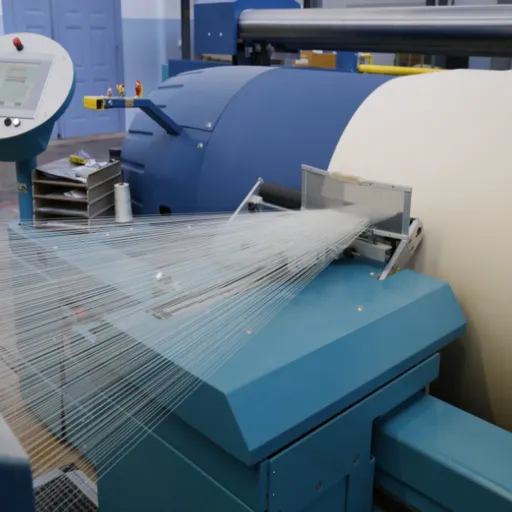
However different it may be from the regular production, in custom yarn manufacturing, the production equipment remains the same. But in custom work, production processes require more precision and changes occurs in shorter periods. A company that has a heavy workload of special or custom orders tends to be well prepared for this changing demands by adopting responsive systems and Performance Management – powered by modern technologies.
Raw fibers are processed by carding and combing machines for continuous sliver. In case of custom blends, cylinder speeds, worker-to-stripper ratios, and flat settings are adjusted by technicians to suit different fiber lengths and crimp. Carding recycled polyester in a blend is even more challenging as reel action has to be more gentle as compared to carding pure cotton because recycled and so the cheaply produced fibers are not even.
Drawing productional lines is a system which has several drafting draft zones and sliver becomes thinner throughout these draft zones. The manufacture of custom yarn needs a specific drafting calculator for the conversion of raw numbers into figures. If the realize requirement differs then the required amount of draft must also be changed accordingly. The electronic type of drafting control enables to provide the relevant ratios rather than having the gear sets changed manually which used to take a significant amount of time for setting.
A collection of spinning systems (Ring, Rotor or Air Jet) is utilized for yarn manufacturing. However, for top disputed bespoke yarns, ring spinning is likely to continue to be the most widely applied since it allows the greatest capacity for controlling twist and fiber positioning. In case of larger appositely designed orders, rotor spins is more affordable in application than other methods as the concern is more of financial savings. Air Jet Spinning is mainly used in making soft and dense yarns which are primarily used in custom synthetics.
Twisting and plying machines are capable of producing plied and cabled constructions by incorporating a number of yarns in one string. Standard requirements on the hand request single, two ply for the sake of balance, three ply for high strength or even industrial application having cables such as cat of nine tail.
Test textile quality consuming equipment such as thick and thin places remote sensors, tensile strength testing machines, yarn evenness monitoring devices and test color spectrophotometer. These machines reveals whether the production yarns is out of the sheet calculated parameters with measurements.
Modern manufacturing plants are turning to automation with the implementation of smart manufacturing devices. Digital color matching has reduced the need to stitch and redo five lab dyes to about two. Automated monitoring of twisting of roving in the plant allows the operating staff to monitor the twisting of the roving in real-time and take necessary correction measures immediately the twisting goes beyond the required limits. With data driven consitency tracking, it is possible to trace and link quality scores of a given measurement to the parameters of a machine at the time of measurement or in case of a batch that fails to match the average tests, determine the cause of nonconformity will be possible for instance an increased pressure from a specific roller. If you have any questions or need further assistance, don’t hesitate to get in touch with us.
Quality Control for Custom Yarn Orders
Quality control in custom fiber production is fundamentally different as its reference is not a factory norm, but a buyer’s individual technical descriptions. Every control test specifies deviation from the levels designed by the buyer, not from a certain fixed point that exists within the system as a whole.
The specification sheet serves an unwavering instruction of the quality department. It contains the respective limits of yarn count together with a margin of tolerance of +3%, twist length ±5%, strength-not less than a mentioned figure of rules, color (difference in brighteners Delta E does not exceed 1.0), and the like – information about whether there exists water repellency or the degree of anti-UV protection.
In process control is usually carried out when a certain quantity of production should be manufactured. The procedure is that the operators draw samples every two or four hours from the line to determine the counts, twists, and evenness of fabrics. Should any of the measurements go close to the limit prescribed, the workers do not let them remain there. They actuate the machine settings to the most appropriate figures instead of waiting for the whole batch to be completed.
Color consistency in textile testing is particularly geared towards variation within a single lot as well as in different lots. The variations in colors within a single lot are also connected with the need for cone #1000 to match cone #1. Variations are equally important when re ordering expects the same shade months after the satisfaction of the original order. Manufacturers has a policy in maintaining dye formulation and dyeing conditions (temperature curves, chemical concentrations, pH levels) to further facilitate the uniformity in different Lots.
Another type of textile quality control verification is checking the blend ratio. Instead of computer software, some organizations prefer to use allowance burn tests or dye dissolution tests to check the real fiber content. In other words, there is a need in case of requesting a percentage of organic cotton in a fabric, although it is a combination with another substance.
Quality control methodology in force is complemented with thorough documentation at all stages of product life-cycle. This includes assigning of unique identifiers to every batch in order to attach manufacturer’s certificates of the raw materials, technology performance specifications, and raw data from testing such batches to the lot, in turn, associated with a batch. If there is inconsistency after a product is assembled, one can understand which fiber or setting orshaded the batch was using the faulty item and how greatly the quality of the product is affected by these discrepancies.
When a batch fails to meet specification, reputable manufacturers halt production, quarantine the affected material, and work with the buyer on resolution. Options include reprocessing, partial acceptance at adjusted pricing, or full rejection and remake. The presence of rigorous yarn factory quality control processes separates professional custom manufacturers from suppliers who simply relabel standard stock.
Custom Yarn Manufacturing by Application
The technical requirements of custom yarn manufacturing vary dramatically depending on the end use. A yarn engineered for fashion has different priorities than one designed for industrial filtration or marine canvas.
Custom Yarn for Fashion and Apparel
One of the major demands that may be imposed on independent textile manufacturers is the necessity of manufacture and delivery within the time frame. There are countless examples why garment makers require quick changes and that is why most of them are opting to work with machinists who can make small runners. For example, a fashion designer may require 200 kg of 16-2018-201-216 peachy blue for a fruit-inspired collection and deliver within three weeks in order to meet the showroom.
Furthermore, tailoring in conventional costumes primarily involves the accurate shades of fabrics’ color, quality of the feel to the hand, and moldability of the finished clothing to the body. The color, dye and texture of the fibers are most essential in selecting the fabric. Naturally, experiments are made with fibers with higher softness and dye but reasonable dyeing. Cotton, viscose, a mixture of increased proportion of silk and its blends with other substances remains common, although there is also a tendency to gradually use or remove such materials as Tencel, organic linen and the like. Twist levels for example are usually kept low to retain the natural drape of the fabric.
Custom yarn for fashion often involves sampling multiple shades before locking the final color. One designer might test five variations of terracotta before choosing the exact tone that complements their print palette.
Custom Yarn for Home Textiles
Home textile manufacturers need durability above all else. Upholstery yarns must pass abrasion tests (Martindale or Wyzenbeek methods) with ratings suited to residential or contract use. Curtain yarns need controlled weight and drape coefficient so panels hang correctly. Bedding yarns prioritize softness and breathability.
Color matching for home textiles presents unique challenges because large furniture pieces and window treatments occupy significant visual space. A slight color variation that might go unnoticed in a garment becomes obvious across a three-meter sofa. Custom yarn for upholstery and curtains therefore demands tighter color tolerances than many fashion applications.
Performance requirements also drive customization. An upholstery manufacturer might need a yarn with built-in stain resistance or flammability certification (CAL 117, BS 5852, or NFPA 701 depending on the market). These properties are engineered into the yarn during manufacturing rather than applied as afterthought coatings.
Custom Yarn for Industrial Use
Engaged in the farthest depth of productivity is industrial custom yarn manufacturing sector. Making yarns that require more than a 8 gram per denier tensile strength are not rare, and UV resistance for even 1,000 hours of exposure could also be requested, or chemical resistant shields especially for filtration needs.
The production of such customized industrial yarns focuses on fiber selection and construction engineering. Standard cotton, and wool are sometimes replaced with high tenacity polyester, aramid or UHMWPE fibers to get topmost results. The yarns are made, paying attention to the strength rather than the softness, ie the appropriate twist level settings are carried out. Furthermore, multi-ply and cabled constructions have manifold loading with these multiple strands ppandard construction enhances the yarn’s evenness.
Testing requirements are rigorous. Industrial yarn manufacturing standards often mandate third-party certification. A geotextile yarn might need ISO 10319 tensile testing. A marine rope yarn might require ABS or DNV type approval.
Custom manufacturers serving industrial markets must maintain laboratory capabilities that go far beyond basic count and twist verification.
Need industrial-grade custom yarn with certified performance? Contact our team to discuss your technical specifications and testing requirements.
Understanding MOQs, Timelines, and Cost Factors
Given that fact, many customers getting custom yarn from The Yarn Attractions would often ask: ‘Why have minimums at all?’ the reality is there are very good reasons indeed why this policy exists; chiefly, the underlying realities of production and the acquisition of raw materials.
One thing to note: the cost of these adjustments takes up a huge chunk of the total cost of the job. When a worker is even operating these machines, the stitching of spools, rearranged, or twisted as it happens in custom design, the work of these machines is even more than the net production. So, for example, a four-hour gap in a line which typically churns out 200kg per hour, means that there will be 800kgs not utilized in this time due to the installation works. That particular cost should be dissipated in the current custom batch.
The ceiling of the number of pieces produced also determines the MOQ. In this case, minimum lengths‐ TextureendsWith jobs, e.g., one textureend, one textureend, appreciated length per piece, one textureend, the piecing of yarns, etc. also relevant to this one. WARP on the fringe position was set at 0 degrees and then, an average of 15.9 degress was applied onto WARP with 14 contestants. However, some had no fringe at all.
Minimum raw materials also contribute to the generation of most MOQs. These fiber suppliers sell units in specific quantities that is in bales. If cotton is to be spun into yarn, then a bale of cotton could have a weight of about 220 kg. If a fibre blend is wanted, of three different fibre types, then to attain this, one bale of each of these fibres has to be bought. Even if the buyer will only take 300 kg of the produced blend, that remains the minimum amount of fibre that has to be purchased. The fiber remaining is either kept in store with operational costs or is not used in anything.
In other words, the dyeing process is not always efficient and makes reuse of dye impossible. Dyers therefore are always looking for customers that provide just in time service. Waitrose in the United Kingdom for instance is in front of the pack with its customer driven approach. How do the different aspects of dye lot size appropriate pigments for color matching and pms color affect stock levels. Get in touch with Hebei Lida Textile Co., LTD to learn more about our advanced yarn manufacturing capabilities and customized textile solutions.
Typical timelines for custom yarn manufacturing break down as follows:
| Stage | Typical Duration | Notes |
|---|---|---|
| Specification and quoting | 2–5 days | Complex blends or finishes take longer |
| Raw material procurement | 5–10 days | Depends on fiber availability |
| Lab sample production | 5–10 days | Includes shipping sample to buyer |
| Sample approval | 3–7 days | Buyer testing and decision time |
| Production setup and bulk run | 7–21 days | Varies with order size and complexity |
| Quality testing and finishing | 3–5 days | Additional testing for industrial orders |
| Packaging and shipping | 3–7 days | Depends on destination |
Total typical lead time: 3–6 weeks from specification to delivery for standard custom orders. Rush programs can compress this to 2 weeks for established buyers with locked specifications.
Cost drivers include fiber selection (organic or recycled fibers cost 20–40% more than conventional), setup charges (often waived above certain volumes), testing requirements (additional $200–500 for full certification testing), and small-batch premiums. Orders under 500 kg typically carry a 25–50% per-kilogram premium compared to equivalent standard yarns. Above 2,000 kg, the premium drops to 10–20%.
Frequently Asked Questions
What can be customized in yarn manufacturing?
Buyers can customize fiber content and blend ratios, yarn count and thickness, twist level and direction, color and dye effects, functional finishes, ply structure, and packaging specifications. Nearly every property of a yarn can be engineered to meet specific requirements.
How are custom yarns made?
Custom yarns are made through a nine-stage process: requirements gathering, raw material sourcing, lab sample production, sample approval, production line setup, bulk manufacturing, quality testing, finishing treatments, and packaging. The critical difference from standard production is the sampling and specification-lock stage.
What is the minimum order for custom yarn?
Minimum order quantities vary by manufacturer and complexity but typically range from 300 kg to 1,000 kg for standard custom yarns. Small-batch programs for independent designers might offer minimums as low as 100 kg at a higher per-kilogram cost.
How long does custom yarn production take?
Standard custom yarn manufacturing takes 3–6 weeks from specification to delivery. This includes sample production and approval, which typically accounts for one-third of the total timeline. Repeat orders with locked specifications can be produced in 2–3 weeks.
Can I blend different fibers in custom yarn?
Yes. Custom fiber blending is one of the most common customization requests. Manufacturers can blend natural, synthetic, and recycled fibers in virtually any ratio. The blend is lab-tested before bulk production to ensure spinning performance and final yarn quality meet targets.
What quality tests are done on custom yarns?
Quality tests for custom yarns include yarn count verification, twist measurement, tensile strength testing, color accuracy (Delta E), fiber blend ratio analysis, and any functional property tests specified by the buyer (abrasion, UV resistance, water repellency, flammability).
Choosing a Custom Yarn Manufacturing Partner
It is important to understand every yarn mill has different facilities, and the ability to produce custom designs can be very limited. In choosing the right supplier, it is necessary to reevaluate their capacities which also include more than just the normal competency in production.
Search for yarn mills which provide help in the design and are willing to do sampling work. Do they have the expertise to change a few words into an official design document? Will they do lab samples without committing to a full development order? A very good partner takes time establishing the most valuable modifications first.
Scrutinise the technical equipment and its calibration. A typical unit with throstle spinning mules cannot generate affordable high quantity level of the customized orders. A typical unit with an open end cannot provide soft premium sensation. A vast array of machinery implies elasticity.
Assess their quality policy documentation that how things are. A relevant question as to whether the seller gives documents for each product sold. Can the seller support from the shipment up to the raw material certificates? This is very critical information especially for the buyers that require references in order to meet sustainability benchmarks or other manufacturing certifications.
Warning signs are everywhere. A manufacturer who cannot provide sufficient information about the configuration of their goods or uses raw materials without any quality process is always a re-branded manufacturer rather than an original one.
Ready to explore custom yarn manufacturing for your next project? Contact Hebei Lida Textile Co., LTD today to discuss your specifications, request a lab sample, or receive a detailed quote. Our team has engineered custom yarns for fashion brands, home textile manufacturers, and industrial clients across more than 50 countries — and we can help you bring your exact vision to life.
Conclusion
The combination of client input with made-to-order yarn production allows for the birth of products that do not exist in the conventional market. Technology is thus required at every turn of yarn production, from blending fibers and colors, to performing factory adjustments and ensuring the quality of the yarn. Understanding these intricate steps helps move the process along and it also leads the user to form a more appropriate vendor base where trust complete transparency and quality can be achieved.
All these core constituents should be easy to understand. It always helps to prepare a clear specification sheet that explains in detail what you are exactly looking for. Everyone should always expect at least one stage of samples to ensure performance parameters before getting into the final order.
Probe for specifics about facilities, the process control and if there is an certification; get t pick a supplier that has a successful experience in production and not in general drapers products.
Textile markets demand opening of learning and teaching http request option of virgin america’s new tailwinds iv techs which allows you to list constraints when searching for or placing orders brands certainly open probably dedicate all existing customers creating. Independent designers, established brands, and industrial buyers alike are beginning to appreciate the beauty of T’s principle that customization does not necessarily have to equate only to large quantities. Whenever correct partner match and requirements are made, custom dyeing of threads projects enhance is to in a given size of any project.
This scenario is not isolated to schools and textbooks being users and administrators use this embrace technology to help in their learning and admin activities. In this scenario, the computers are greatly used for acquiring the kind of information even for very young children who have a very short period of time for their education.
Baoding Lida Textile Co., LTD offers all yarn customizing services to each and every client due to the decades of experience in the sector. Whether it is a fashion collection that requires a special yarn, a yarn that is high in its performance for industrial use or a certain color that is required in the production of household fabrics; our machines and systems in the factories are built to achieve the objectives of your request. Ventilating and dyeing are integrated extensively for knitting products so that there is less consumption of energy which is a prerequisite in eco friendly production. Get in touch and let’s brainstorm to make the best tailored yarn that suits your project. Contact Hebei Lida Textile Co., LTD today for professional yarn manufacturing solutions tailored to your business needs.