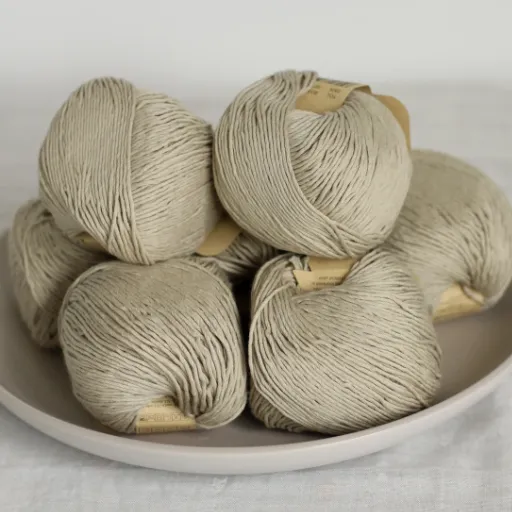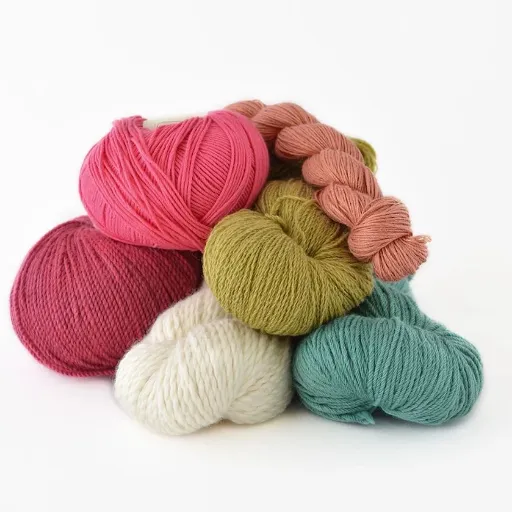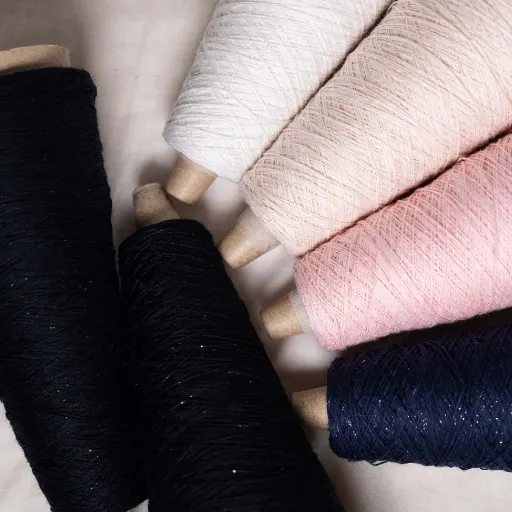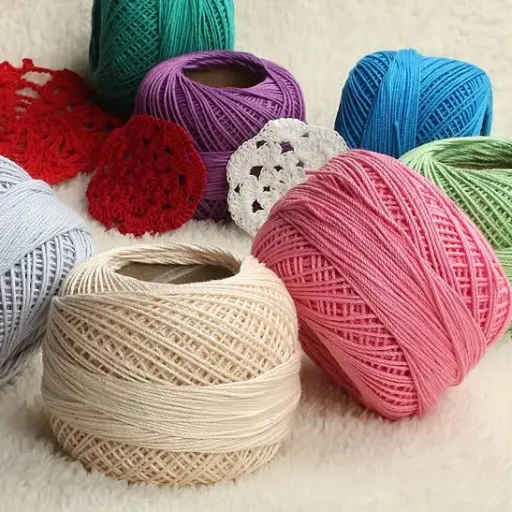
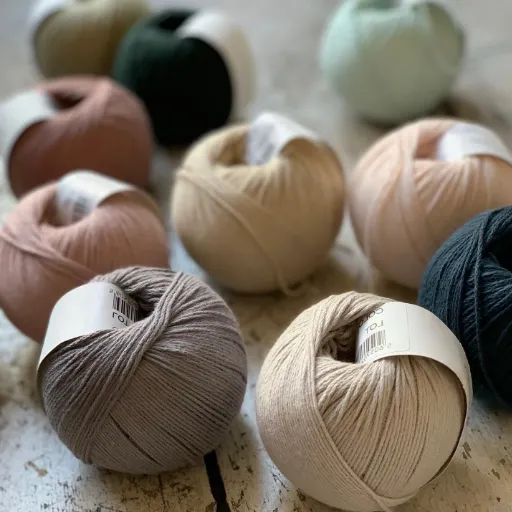
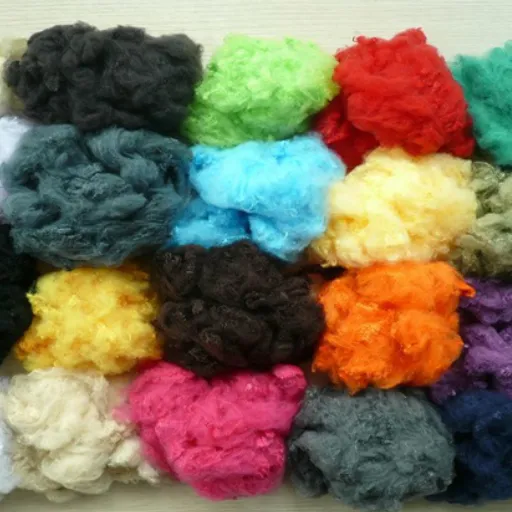



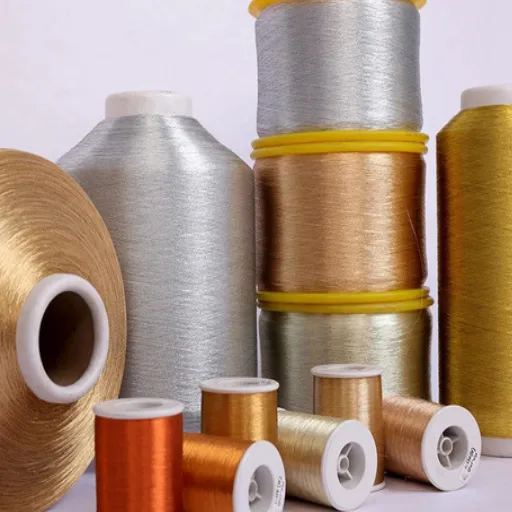
The best eco-friendly yarns for fashion designers are organic cotton for soft basics, recycled polyester for performance wear, TENCEL for draped dresses and blouses, hemp for structured outerwear, linen for warm-weather collections, and recycled cotton for casualwear and denim. The right choice depends on your garment type, season, performance needs, and brand story, not just which fiber sounds “greenest.”
Sustainable fashion is no longer a niche. The global sustainable fashion market is projected to reach nearly USD 20 billion by 2033, and 73% of consumers now say sustainability influences their purchases. Designers across every price point are being asked to source more responsibly. Yet walking into a yarn showroom or browsing a supplier catalog can feel overwhelming. Organic cotton, recycled polyester, TENCEL, hemp, linen: each fiber carries a different sustainability story, cost profile, and performance characteristic.
This guide cuts through the noise. You will learn how to match eco-friendly yarns to specific garment types, plan for seasonal performance, read certifications, budget realistically, and communicate your sustainability story without greenwashing. By the end, you will have a practical framework for building a collection that looks good, performs well, and aligns with your values. Have questions about recycled, organic, or environmentally responsible yarns? The experts at Hebei Lida Textile Co., LTD are ready to help you choose the right option.
Key Takeaways
- The best eco-friendly yarns for fashion designers vary by garment type: organic cotton and TENCEL for draped pieces, recycled polyester for activewear, hemp for structured outerwear, and linen for spring/summer lines.
- Certifications like GOTS, GRS, and OEKO-TEX verify claims, but the processing method matters as much as the raw material.
- Small brands can access sustainable yarns through stock-color programs, deadstock sourcing, and suppliers with low minimum-order quantities.
- The most sustainable yarn is often the one that creates a durable garment people will wear for years.
- Specific, verifiable claims such as “50% GRS-certified recycled polyester” build more trust than vague language like “eco-friendly material.”
What Makes a Yarn Eco-Friendly?
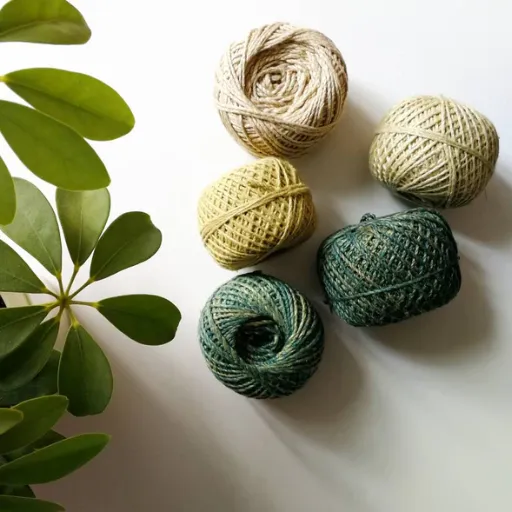
An eco-friendly yarn is a textile fiber produced with lower environmental impact than conventional alternatives, typically through sustainable raw materials, cleaner processing, verified certifications, and a responsible end-of-life profile. It is not a single standard. Instead, it is a spectrum measured across the full lifecycle of the fiber.
Four pillars help designers evaluate any yarn:
- Raw materials: Organic, recycled, or rapidly renewable fibers such as organic cotton, recycled polyester, or hemp.
- Processing: Low-water dyeing, closed-loop solvent recovery, and reduced chemical use.
- Certifications: Third-party standards such as GOTS, GRS, and OEKO-TEX that verify claims.
- End-of-life: Biodegradability, recyclability, or durability that extends garment lifespan.
The terms “eco-friendly,” “sustainable,” and “ethical” often overlap, but they are not identical. Eco-friendly usually refers to environmental impact. Sustainable includes social and economic factors across the supply chain. Ethical emphasizes fair labor and animal welfare. For a deeper overview of fiber types and how they compare, see our complete guide to eco-friendly yarns.
The Best Eco-Friendly Yarns for Fashion Designers
Choosing a fiber starts with understanding what each one does best. Here are the leading eco-friendly yarns for fashion designers and where they shine in a collection.
Organic Cotton Yarn
Organic cotton is grown without synthetic pesticides or GMOs and processed under standards like GOTS. It is soft, breathable, and biodegradable, making it ideal for basics, babywear, underwear, and casual knitwear. It takes dye well and offers the familiar hand feel customers expect from cotton.
Recycled Polyester Yarn
Recycled polyester, often made from post-consumer PET bottles, delivers the durability, moisture management, and colorfastness of virgin polyester with a lower carbon footprint. It is the go-to fiber for activewear, outerwear, swimwear, and accessories that need to withstand abrasion and frequent washing.
TENCEL / Lyocell Yarn
TENCEL lyocell is a regenerated cellulose fiber produced in a closed-loop process that recycles solvents. It has a silky drape, excellent moisture absorption, and a premium feel. Designers reach for it in dresses, blouses, flowy skirts, and luxury loungewear.
Hemp Yarn
Hemp grows quickly with minimal water and no pesticides. The resulting yarn is strong, structured, and naturally resistant to UV light and mold. It works well for jackets, trousers, workwear-inspired pieces, and accessories that need body and durability.
Linen Yarn
Linen comes from flax and is one of the oldest textile fibers. It is crisp, breathable, and highly absorbent, which makes it a natural choice for spring and summer collections, lightweight shirting, and warm-weather dresses.
Bamboo Yarn
Bamboo yarn can be soft and antibacterial, but the sustainability profile depends heavily on processing. Bamboo lyocell, made with a closed-loop process, is a strong eco-friendly option. Bamboo viscose, which uses harsh chemicals, is less so. Always verify the processing method before marketing it as sustainable.
Recycled Cotton and Regenerated Blends
Recycled cotton gives new life to textile waste and works well for denim, casual T-shirts, tote bags, and layering pieces. Because recycled cotton fibers are shorter than virgin cotton, they are often blended with organic or conventional cotton to improve strength and consistency.
Want to learn more about our sustainable yarn production and quality standards? Contact Hebei Lida Textile Co., LTD to discuss the best eco-friendly yarn solution for your business.
How to Match Eco-Friendly Yarns to Garment Types
The wrong fiber can ruin a design. A draped dress needs fluidity. A performance top needs moisture management. A structured jacket needs body. Use this framework to match eco-friendly yarns to garment types.
Dresses, Blouses, and Draped Pieces
For silhouettes that need to flow and move, choose TENCEL, organic cotton voile, or bamboo lyocell. These fibers offer soft drape, breathability, and a refined surface that works for both casual and elevated pieces.
Knitwear and Sweaters
Organic cotton, recycled cotton blends, and hemp-cotton blends perform well in knitwear. They provide warmth without excessive weight and can be engineered into fine-gauge or chunky textures depending on the yarn count and twist.
Activewear and Performance Wear
Recycled polyester and recycled nylon are the standard here. They wick moisture, dry quickly, resist pilling, and hold stretch when blended with elastane. TENCEL sport blends are also gaining traction for yoga and low-impact training wear.
Outerwear and Structured Pieces
Hemp, organic cotton canvas, and recycled polyester deliver the structure and durability outerwear demands. These yarns hold their shape, resist weathering, and support heavier weights for coats, jackets, and utility styles.
Accessories and Details
Recycled cotton, linen, and small-batch custom yarns work beautifully for scarves, bags, trims, and labels. These are low-risk areas to test bold sustainable fibers before committing to full garments.
| Garment Type | Best Eco-Friendly Yarns | Key Properties | Certifications to Prioritize |
|---|---|---|---|
| Dresses and blouses | TENCEL, organic cotton, bamboo lyocell | Soft drape, breathable, lightweight | GOTS, OEKO-TEX, FSC |
| Knitwear | Organic cotton, hemp-cotton blends | Warmth, texture, comfort | GOTS, OEKO-TEX |
| Activewear | Recycled polyester, recycled nylon | Moisture-wicking, durable, quick-dry | GRS, OEKO-TEX, bluesign |
| Outerwear | Hemp, organic cotton canvas, recycled polyester | Structure, weather resistance, durability | GOTS, GRS, OEKO-TEX |
| Accessories | Recycled cotton, linen, custom yarns | Texture, character, low minimums | GRS, GOTS, OEKO-TEX |
Want to see how these fibers perform in your own designs? Contact the Hebei Lida team to request sample cards and discuss yarn counts for your collection.
Seasonal Considerations: Spring/Summer vs. Fall/Winter Collections
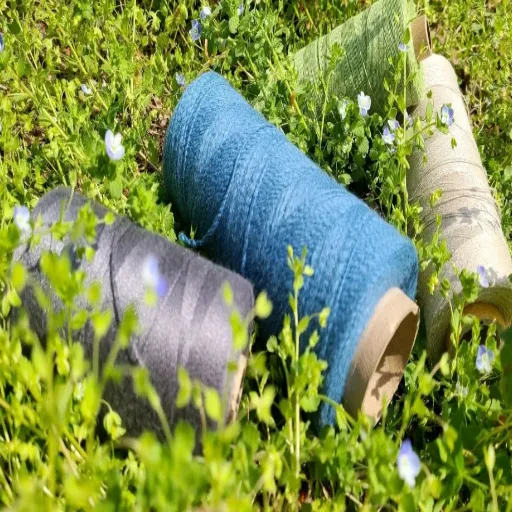
Seasonality affects how a yarn behaves on the body and in production. Plan your fiber choices around the conditions your garments will face.
Spring and Summer Priorities
Warm-weather collections need breathability, moisture management, and lightweight drape. Linen, organic cotton, TENCEL, and hemp blends excel here. These fibers allow air circulation, absorb moisture, and feel comfortable against the skin in heat. They also photograph well in natural light, which helps with campaign imagery.
Fall and Winter Priorities
Cold-weather designs need warmth, structure, and layering weight. Organic cotton, recycled wool blends, hemp, and heavier TENCEL knits provide insulation without excessive bulk. Consider yarn weight and twist carefully: a tightly twisted yarn will resist pilling and hold its shape through repeated wear.
Year-Round Basics
For trans-seasonal staples such as T-shirts, shirting, and lightweight sweaters, organic cotton and TENCEL blends offer the most versatility. They work across climates, dye consistently, and appeal to customers building capsule wardrobes.
Certifications Every Fashion Designer Should Know
Certifications are the fastest way to verify that a yarn meets recognized environmental and social standards. They also give your brand credible language for hangtags, websites, and buyer meetings.
| Certification | What It Verifies | Best For |
|---|---|---|
| GOTS (Global Organic Textile Standard) | Organic fiber content, environmental criteria, and social compliance | Organic cotton and other natural fibers |
| GRS (Global Recycled Standard) | Recycled content percentage and chain of custody | Recycled polyester and recycled cotton |
| OEKO-TEX Standard 100 | Harmful substance testing for human safety | Any fiber in direct skin contact |
| RWS (Responsible Wool Standard) | Animal welfare and sustainable land management | Wool and wool blends |
| BCI (Better Cotton Initiative) | More sustainable conventional cotton farming | Conventional cotton with reduced impact |
Always request a scope certificate or transaction certificate from your supplier, then verify it through the certification body’s database. For GRS and RCS claims, Textile Exchange maintains a public database. For GOTS, check the Global Organic Textile Standard database. For OEKO-TEX, use the OEKO-TEX label check.
Sourcing Eco-Friendly Yarns for Small and Growing Brands
One of the biggest barriers for independent designers is the minimum order quantity. Standard certified yarns often require 500 to 5,000 kilograms per color, which is out of reach for a small launch. Fortunately, there are practical ways to source responsibly at a smaller scale.
Start with Stock Colors
Many mills keep a range of stock colors in inventory. Choosing from these shades can reduce minimums by 60 to 80 percent and cut lead times by roughly two weeks compared with custom dyeing. This approach works especially well for first collections and capsule lines.
Explore Deadstock and Overstock
Deadstock yarn is leftover material from another production run. It keeps existing fiber in use, reduces waste, and often comes in small quantities. The trade-off is limited color choice and inconsistent availability, so it is best used for small batches or signature pieces.
Work with Flexible Suppliers
Some manufacturers offer startup programs or low minimum-order options specifically for emerging brands. Ask potential suppliers about their smallest order sizes, sample policies, and whether they support custom colors or blends at reduced volumes.
Sample Before You Scale
Always test yarn samples for shrinkage, colorfastness, pilling, and seam slippage before committing to bulk. A sample that looks perfect on a cone can behave differently once knitted or woven into a garment.
When Maya launched her small knitwear label in Melbourne, she fell in love with a vibrant organic cotton yarn but discovered the minimum order was 3,000 kilograms. Instead of abandoning the fiber, she asked the supplier for stock colors. She found three shades that matched her palette, met a 300-kilogram minimum, and launched her first collection on time. The lesson: the right sourcing strategy can be as important as the right fiber.
Looking for low minimums on certified yarns? Hebei Lida supports emerging brands with flexible order sizes and custom sampling. Learn more about our sustainable yarn sourcing services.
Cost vs. Value: What Designers Should Expect
Sustainable yarns typically cost more than conventional alternatives, but the gap is not uniform. Understanding the cost drivers helps you budget accurately and find hidden savings.
Cost Tiers by Fiber
- Entry-level sustainable: BCI cotton, recycled cotton blends, and basic recycled polyester.
- Mid-range: GOTS-certified organic cotton, standard TENCEL, and linen.
- Premium: Organic merino wool blends, high-recycled-content GRS yarns, and specialized performance fibers.
Hidden Savings
Pre-dyed recycled fibers can reduce dyeing costs and water use. A full-package supplier that handles spinning, dyeing, and quality control in one place can reduce certification complexity and logistics overhead. Durable yarns also lower return rates and improve customer lifetime value.
When Premium Fibers Pay for Themselves
A well-made TENCEL blouse or a recycled polyester jacket that lasts five years can deliver higher margins over time than a cheap conventional piece that wears out in one season. Durability is a sustainability strategy in itself.
James, a sportswear designer in London, initially hesitated to use recycled polyester because the per-kilogram price was 20 percent higher than virgin polyester. After testing, he found the recycled yarn performed equally well and gave his brand a clear story for retailers. His first recycled collection sold out three weeks faster than his conventional line, and two boutiques requested long-term supply agreements.
Telling Your Sustainability Story Without Greenwashing
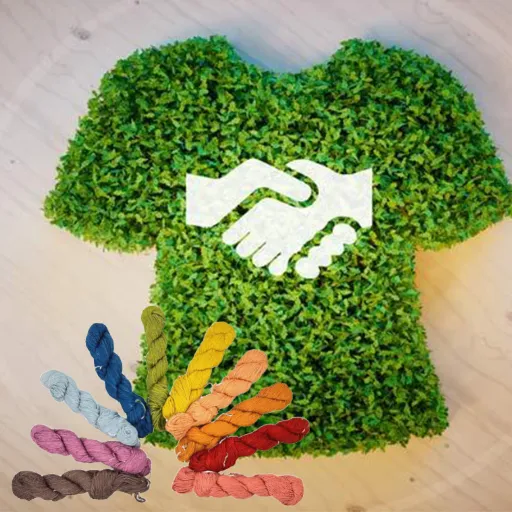
Customers are increasingly skeptical of vague sustainability claims. The most trustworthy brands are specific, transparent, and willing to admit where they are still improving.
Strong vs. Weak Claims
| Weak Claim | Strong Claim |
|---|---|
| “Made with eco-friendly material” | “Made with 100% GOTS-certified organic cotton” |
| “Sustainable yarn” | “50% GRS-certified recycled polyester, 50% organic cotton” |
| “Non-toxic” | “OEKO-TEX Standard 100 certified for harmful substances” |
| “Ethically made” | “Produced in a GOTS-certified facility with audited social compliance” |
Transparency as a Marketing Asset
Share why you chose a fiber, what trade-offs it involves, and what your next improvement will be. For example, if you use recycled polyester, acknowledge the microfiber-shedding challenge and explain how garment care instructions help reduce it. This honesty builds long-term trust.
For guidance on building a credible sustainable fashion narrative, Fashion Revolution offers free resources on supply-chain transparency and consumer communication.
Common Mistakes Designers Make With Eco-Friendly Yarns
Even experienced designers can misstep when switching to sustainable materials. Watch for these common errors.
- Choosing fiber based only on trend: A fiber may be popular, but if it does not suit your garment’s performance needs, the design will fail.
- Ignoring processing method: Bamboo viscose and bamboo lyocell have very different environmental profiles. Always ask how the fiber was made.
- Overlooking dyeing and finishing: The dye process can outweigh the benefits of a sustainable raw fiber. Low-impact dyes, waterless dyeing, or undyed yarns can reduce impact further.
- Trusting unverified certifications: A supplier PDF is not proof. Verify certificates through official databases.
- Designing without end-of-life in mind: A biodegradable yarn blended with synthetic thread or trim may not actually biodegrade. Design the whole garment for its intended lifecycle.
Frequently Asked Questions
What are the best eco-friendly yarns for fashion designers?
The best options depend on the garment. Organic cotton and TENCEL work for soft, draped pieces. Recycled polyester suits activewear and outerwear. Hemp and linen are strong choices for structured and warm-weather designs. Recycled cotton is ideal for casualwear and denim.
Is organic cotton better than recycled polyester?
Neither is universally better. Organic cotton is biodegradable and soft, making it excellent for skin-contact apparel. Recycled polyester is more durable and moisture-resistant, making it better for performance and outerwear. The right choice depends on the application.
Can I get eco-friendly yarn in small quantities?
Yes. Stock-color programs, deadstock sourcing, and suppliers with low minimum-order policies make sustainable yarns accessible to small brands. Minimums can often drop from thousands of kilograms to a few hundred when using stock shades.
How do I verify a supplier’s eco-friendly claims?
Request scope certificates and transaction certificates for each certification claimed. Verify them through official databases such as Textile Exchange for GRS, the GOTS database for organic claims, and the OEKO-TEX label check for chemical safety.
What is the best eco-friendly yarn for knitwear?
Organic cotton, hemp-cotton blends, and recycled wool blends are popular for knitwear. They provide warmth, texture, and comfort while supporting sustainable sourcing stories.
Conclusion: Build Your Next Collection With Confidence
Eco-friendly yarns for fashion designers are no longer a specialty category. They are a core part of building collections that meet consumer expectations, retailer requirements, and your own creative standards. The key is to choose fibers based on garment type, seasonal performance, certifications, and total value, not just marketing appeal.
Start by defining what your collection needs. Match each garment to the fiber that performs best. Verify certifications through official databases. Budget for durability and transparency. And tell your story with specific, honest claims that customers can trust.
At Hebei Lida Textile Co., LTD, we supply high-quality, customizable eco-friendly yarns for fashion designers, home textile brands, and industrial buyers worldwide. Whether you need GOTS-certified organic cotton, GRS-certified recycled polyester, TENCEL, hemp, or a custom blend, our team can help you find the right yarn for your next collection.
Ready to source eco-friendly yarns for your collection? Contact us today for samples, technical specifications, and a personalized quote.