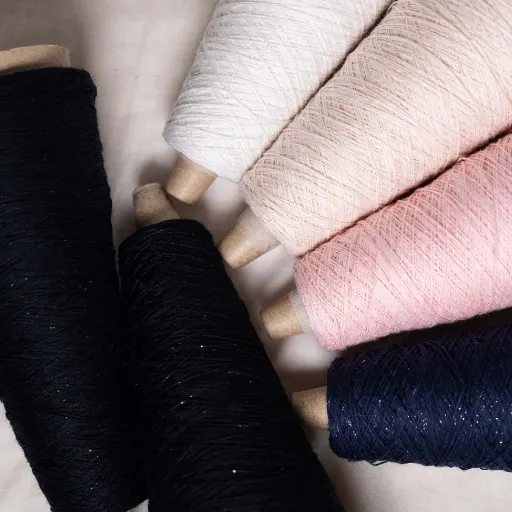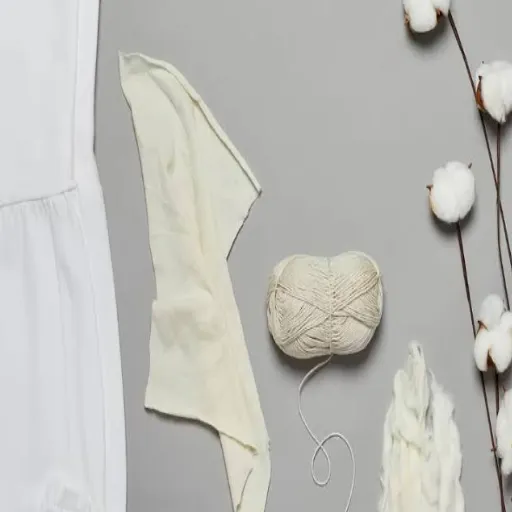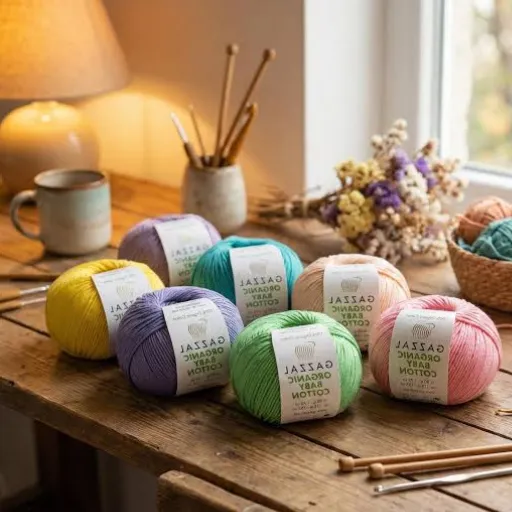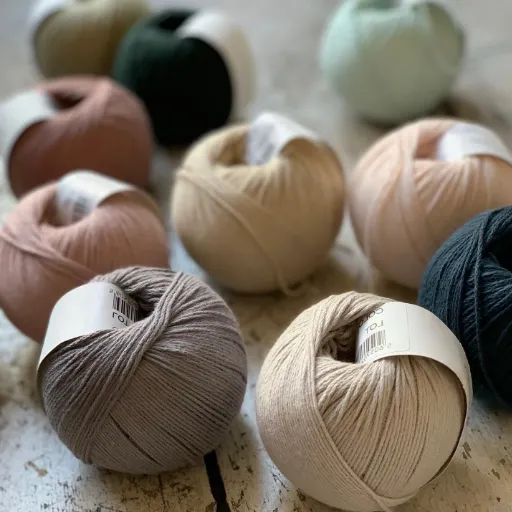



Choosing the right eco-friendly yarn starts with matching your sustainability priorities to the fiber’s source, processing, and end-of-life impact. Learning how to choose eco-friendly yarns for your specific application helps you avoid greenwashing, control costs, and meet performance standards.
Every sustainability promise your brand makes eventually comes down to a yarn decision. Yet buyers often face conflicting claims, unfamiliar certification logos, and unclear trade-offs between cost and performance. The wrong choice can lead to greenwashing accusations, production failures, or hidden costs that erase any environmental benefit.
This guide gives you a practical five-step framework for selecting eco-friendly yarns. You will learn how to define your priorities, match fiber to application, decode certifications, balance budget and lead time, and verify quality before scaling. By the end, you will feel confident choosing yarns that meet both your sustainability goals and your production requirements.
Key Takeaways
- Eco-friendly yarns reduce environmental impact through fiber source, processing method, durability, or recyclability.
- The best fiber depends on the application: organic cotton and TENCEL work well for fashion; recycled polyester and hemp excel in home textiles and industrial use.
- Certifications like GOTS, GRS, and OEKO-TEX provide credibility, but you should verify claims through databases and Transaction Certificates.
- Organic and recycled yarns typically carry a 20-40% cost premium, though durability and lower waste often improve total cost of ownership.
- Always sample and test before full production to confirm strength, colorfastness, shrinkage, and certification documentation.
What Makes a Yarn Eco-Friendly?
An eco-friendly yarn reduces environmental impact at one or more stages of its life cycle. That impact can come from the fiber source, the production process, the durability of the finished textile, or what happens when the product reaches end of life.
Most eco-friendly yarns fall into four categories:
- Natural fibers grown without synthetic inputs: Organic cotton, hemp, linen, and responsibly sourced wool avoid pesticides, GMOs, and harmful fertilizers.
- Recycled fibers: Recycled polyester (rPET) and recycled cotton divert waste from landfills and reduce demand for virgin raw materials.
- Regenerated cellulosic fibers: TENCEL, lyocell, and modal use wood pulp processed in closed-loop systems that recover solvents.
- Bio-based or innovative fibers: Emerging options include pineapple leaf fiber, algae-based yarns, and biodegradable synthetics.
Durability also matters. A yarn that lasts twice as long reduces replacement frequency and total waste. For this reason, a high-performance recycled polyester can sometimes be more sustainable than a delicate natural fiber that fails quickly in demanding conditions.
Many people use “eco-friendly” and “sustainable” interchangeably, but they are not identical. Eco-friendly typically refers to environmental impact. Sustainable includes social, economic, and governance factors as well. Our guide on sustainable yarns explores the broader business strategy behind responsible sourcing. For a complete overview of materials, see our guide on types of eco-friendly yarns.
Step 1: Define Your Sustainability Priorities
The first step in learning how to choose eco-friendly yarns is deciding which values matter most for your project. Priorities often conflict, so ranking them early prevents analysis paralysis.
Organic and Pesticide-Free
Choose organic cotton, hemp, or linen if avoiding agricultural chemicals is a priority. Organic cotton is grown without synthetic pesticides or GMOs, which protects soil health and farm workers. Hemp and linen typically need little to no irrigation or pesticides.
Recycled and Circular
Choose recycled polyester yarns or recycled cotton if diverting waste matters most. According to White Cotton’s fiber comparison, recycled polyester uses 30-59% less energy and generates 32% fewer CO₂ emissions than virgin polyester.
Biodegradable and Compostable
Choose untreated natural fibers if end-of-life biodegradability is a priority. Organic cotton and hemp break down in composting conditions. Recycled polyester does not biodegrade, though it can sometimes be recycled again.
Low Water and Low Carbon
Choose recycled polyester or hemp if water use and carbon footprint drive your decision. Fabrikn’s analysis estimates that organic cotton can require 8,000-10,000 liters of water per kilogram of fabric, while recycled polyester uses roughly 50-500 liters.
Animal Welfare and Ethical Sourcing
Choose certified wool or alpaca if you use animal fibers. The Responsible Wool Standard (RWS), Responsible Mohair Standard (RMS), and Responsible Alpaca Standard (RAS) prohibit mulesing and require humane land management.
When Elena, a product manager at a home textile brand, first switched to eco-friendly yarns, she prioritized biodegradability. She chose organic cotton for decorative cushions but quickly discovered it wrinkled and faded under window light. She now ranks durability and UV resistance higher for window treatments, while keeping biodegradability as the top priority for bedding.
Step 2: Match Fiber to Application
The most sustainable yarn is the one that performs reliably in its intended use. A fiber that fails in production or wears out quickly creates waste, regardless of how it was grown or recycled. When you choose eco-friendly yarns for a specific product, performance must come first.
Fashion and Apparel
For soft knits, t-shirts, and babywear, organic cotton yarns and TENCEL offer breathability and skin comfort. Bamboo lyocell provides a silky drape, though bamboo viscose involves heavy chemical processing and is less eco-friendly than its reputation suggests. Recycled polyester blends add stretch and durability to activewear.
Home Textiles
For eco-friendly yarns for upholstery, prioritize abrasion resistance and colorfastness. Recycled polyester and hemp blends withstand heavy use. For curtains, consider drape, weight, and UV resistance. Linen offers beautiful drape, while solution-dyed recycled polyester resists fading. Our guide to eco-friendly yarns for curtains covers window treatment selection in detail.
Industrial and Technical Uses
For straps, geotextiles, and outdoor covers, high-tenacity recycled polyester or hemp provide strength and weather resistance. These applications often require specific yarn counts, twists, and tensile strength ratings.
Baby and Skin-Contact Products
Choose GOTS-certified organic cotton or OEKO-TEX Standard 100 Class I yarns. These certifications limit harmful substances and ensure safety for sensitive skin.
Performance and Outdoor Applications
Solution-dyed recycled polyester performs well in UV-exposed and wet conditions. It resists fading, mold, and stretching. Hemp also offers natural UV resistance and antimicrobial properties.
Table 1: Eco-Friendly Yarn Comparison by Application
| Fiber | Best For | Main Certifications | Performance Notes |
|---|---|---|---|
| Organic cotton | Apparel, bedding, baby textiles | GOTS, OEKO-TEX | Soft, breathable, biodegradable; less UV resistant |
| Recycled polyester (rPET) | Upholstery, curtains, outdoor textiles | GRS, OEKO-TEX | Durable, UV resistant, colorfast; not biodegradable |
| Hemp | Heavy-duty textiles, upholstery, rugs | OEKO-TEX, RWS if blended | Strong, UV/mold resistant, biodegradable |
| Linen | Premium curtains, summer apparel | OEKO-TEX, European Flax | Excellent drape, breathable, wrinkles easily |
| TENCEL / lyocell | Premium fashion, bedding | FSC, OEKO-TEX | Soft, silky drape, moisture-wicking |
| Recycled cotton | Denim, home textiles, accessories | GRS, RCS | Lower strength than virgin cotton; good for blends |
When a furniture manufacturer approached us last year, they wanted a fully natural upholstery yarn. We tested organic cotton and hemp samples against their abrasion requirements. Hemp met the standard, but the color range was limited. We developed a hemp-recycled polyester blend that passed 40,000 Martindale cycles while keeping 70% bio-based content. The blend gave them both sustainability credentials and commercial performance.
Want help matching a fiber to your specific application? Contact our team to discuss your project requirements and request sample cards.
Step 3: Decode Certifications and Labels
Certifications are the strongest defense against greenwashing. They turn marketing claims into independently verified standards. Anyone learning how to choose eco-friendly yarns should understand the main certification systems before placing an order.
GOTS (Global Organic Textile Standard)
GOTS is widely considered the leading standard for organic textiles. It covers fiber sourcing, processing, dyeing, and social criteria. A product labeled “organic” under GOTS must contain at least 95% certified organic fibers. “Made with organic” requires at least 70%.
GRS (Global Recycled Standard) vs. RCS (Recycled Claim Standard)
GRS verifies recycled content and adds requirements for social practices, environmental management, and chemical restrictions. RCS only verifies recycled content and chain of custody. For buyers who want full accountability, GRS is the stronger choice. The Textile Exchange standards govern both certifications.
OEKO-TEX Standard 100 / MADE IN GREEN
OEKO-TEX Standard 100 tests textiles for harmful substances. Class I is the strictest level and is suitable for baby products. MADE IN GREEN adds traceability and sustainable production requirements.
RWS, RMS, and RAS
These standards apply to wool, mohair, and alpaca. They require responsible animal welfare and land management. RWS strictly prohibits mulesing.
FSC (Forest Stewardship Council)
FSC certification matters for forest-based fibers like lyocell, modal, and bamboo lyocell. It ensures the wood pulp comes from responsibly managed forests.
How to Verify Claims
Always verify certification claims rather than trusting a logo alone. Check the GOTS public database, request a Transaction Certificate for each shipment, and ask for third-party lab reports. Red flags include vague terms like “eco” or “natural” without certification, prices far below market rates, and suppliers who cannot provide documentation.
Our article on eco-friendly yarn certifications explained goes deeper into each standard and how to audit supplier claims.
Step 4: Balance Budget, MOQ, and Lead Time
Eco-friendly yarns often cost more than conventional options, but the premium varies by fiber and order structure. Budget is a practical reality when you choose eco-friendly yarns for commercial production.
Organic cotton yarn typically costs 20-40% more than conventional cotton. Recycled polyester is often price-competitive with virgin polyester, especially at scale. Hemp and linen carry premiums due to lower production volumes and more demanding processing.
Minimum order quantities depend on whether you buy stock yarn or commission custom production. Stock certified yarns may start at a few hundred kilograms. Custom colors, counts, or blends often require 500-2,000 kilograms depending on the fiber and dyeing process.
Lead times extend when certifications, custom dyeing, or sampling are involved. Plan for an additional 2-4 weeks compared to conventional yarn orders. If your production calendar is tight, request stock colors first and reserve custom production for later collections.
Total cost of ownership can favor eco-friendly yarns when durability improves. A recycled polyester upholstery yarn that lasts twice as long as a conventional option may reduce replacement costs and warranty claims. Natural fibers in premium positioning can also command higher retail prices that offset the input cost.
A fashion brand we worked with initially rejected recycled polyester because the per-kilogram price was 12% higher than virgin polyester. After testing, they found the recycled yarn had better color consistency across batches, which reduced dyehouse rework by 8%. The material cost premium disappeared once they accounted for smoother production.
Planning a seasonal collection? Request samples early to lock in lead times and certification documents before bulk production begins.
Step 5: Sample and Test Before Scaling
Never commit to a full order without testing. Eco-friendly yarns can vary more than conventional yarns in strength, shade, and handle due to raw material differences. Sampling is the final step in learning how to choose eco-friendly yarns that will perform in your product.
Request samples that represent the exact yarn you plan to order. Ask for the yarn count, twist level, fiber composition, and certification details. Test for tensile strength, colorfastness to washing and light, shrinkage, pilling, and abrasion resistance based on your application.
Review the certification paperwork carefully. Confirm that the Transaction Certificate matches the supplier, product, and quantity. Check that test reports come from recognized labs such as SGS, Intertek, or Bureau Veritas.
Run a small trial production run before scaling. This step reveals how the yarn behaves on your machines, how it takes dye, and whether the finished textile meets your quality standards. Problems discovered at sample stage cost far less to fix than problems found in bulk production.
Common Mistakes When Choosing Eco-Friendly Yarns
Even experienced buyers make errors when they choose eco-friendly yarns. Avoid these common pitfalls.
Assuming natural always beats recycled. Organic cotton is not the best choice for every application. A high-UV outdoor textile may perform better and last longer in recycled polyester.
Ignoring the full supply chain. A fiber can be organic at the farm level but processed with harmful dyes or finishes. Certifications like GOTS cover the full chain, while OCS only verifies organic content.
Trusting logos without verification. Unscrupulous suppliers use counterfeit or expired certification marks. Always verify through official databases and request Transaction Certificates.
Overlooking performance requirements. A yarn must meet technical specifications first. Sustainability claims matter, but they cannot compensate for yarn that fails in use.
Buying on price alone. The cheapest certified yarn may come from a supplier with weak quality control or incomplete documentation. Price should be one factor among many.
Forgetting end-of-life. Blends can be difficult to recycle. If circularity matters, design for mono-material construction or choose fibers with established recycling pathways.
Marcus, a sourcing director for an industrial textile company, learned this lesson the hard way. He ordered a large batch of “eco-friendly” hemp yarn based on a supplier’s logo. The yarn arrived with inconsistent twist and failed tensile testing. The supplier could not produce a valid Transaction Certificate. The batch was unusable, and the project missed its launch window. Now Marcus requires third-party test reports and certificate verification before any trial order.
Quick Checklist: How to Choose Eco-Friendly Yarns
Use this checklist to keep your selection process on track:
- Define your top sustainability priority: organic, recycled, biodegradable, low carbon, or ethical sourcing.
- Match the fiber to the application and performance requirements.
- Check relevant certifications: GOTS for organic, GRS for recycled, OEKO-TEX for chemical safety.
- Verify certification claims through official databases and Transaction Certificates.
- Request samples and test for strength, colorfastness, shrinkage, and abrasion.
- Compare total cost of ownership, not just per-kilogram price.
- Confirm MOQ, lead time, and custom color options with your supplier.
- Run a trial production run before committing to bulk.
- Avoid vague “eco” claims without third-party proof.
- Design for end-of-life if circularity is part of your sustainability goal.
Frequently Asked Questions
What is the most eco-friendly yarn?
There is no single most eco-friendly yarn. The best choice depends on the application. Organic cotton works well for skin-contact products, recycled polyester excels in durable outdoor textiles, and hemp is strong for heavy-duty uses.
How can I tell if a yarn is really eco-friendly?
Look for third-party certifications such as GOTS, GRS, or OEKO-TEX. Verify claims through official databases and request a Transaction Certificate from the supplier. Avoid vague labels like “natural” or “green” without proof.
Are eco-friendly yarns more expensive?
Often yes, but the premium varies. Organic cotton typically costs 20-40% more than conventional cotton. Recycled polyester is often price-competitive with virgin polyester. Higher durability and lower waste can improve total cost of ownership.
Can I order eco-friendly yarns in small quantities?
Stock certified yarns may be available in hundreds of kilograms. Custom colors, counts, or blends usually require larger minimum orders, often 500-2,000 kilograms depending on the fiber and processing.
Which certification is best for organic cotton yarn?
GOTS is the most comprehensive standard for organic textiles. It covers fiber sourcing, processing, dyeing, and social criteria. OCS verifies organic content but does not cover processing or chemicals.
Source Eco-Friendly Yarns with Hebei Lida
Hebei Lida Textile Co., LTD supplies eco-friendly yarns for fashion, home textiles, and industrial applications. We offer GRS-certified recycled polyester yarns, GOTS-certified organic cotton options, and custom blends designed to your specifications.
Our quality control process includes incoming fiber inspection, yarn count verification, twist testing, and third-party lab coordination. We support custom colors, counts, and blends with manageable MOQs for sampling and seasonal collections.
Whether you need eco-friendly yarns for curtains, durable upholstery yarns, or performance fibers for outdoor use, we can help you find the right match.
Ready to source eco-friendly yarns? Request a sample card or quote and our team will respond with options tailored to your project.
Conclusion
Choosing eco-friendly yarns does not have to be confusing. Start by defining your sustainability priorities, then match the fiber to the application. Verify certifications, balance cost with performance, and always test before scaling.
When you know how to choose eco-friendly yarns with confidence, sustainability becomes a competitive advantage rather than a sourcing headache. The right framework protects your brand from greenwashing risk and ensures your products perform as promised.
Hebei Lida Textile Co., LTD is here to support your transition to sustainable textiles. Contact us today to discuss your yarn requirements and request samples for your next collection.