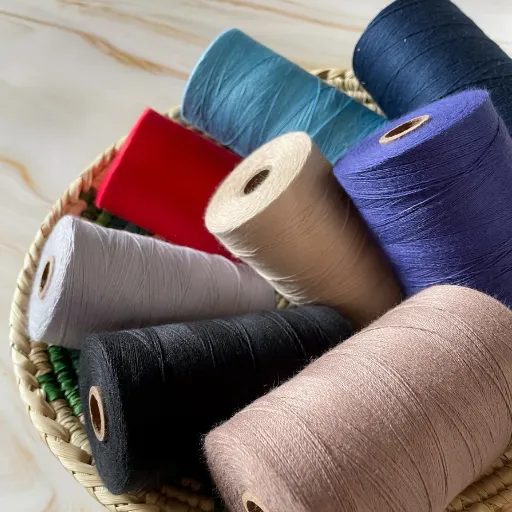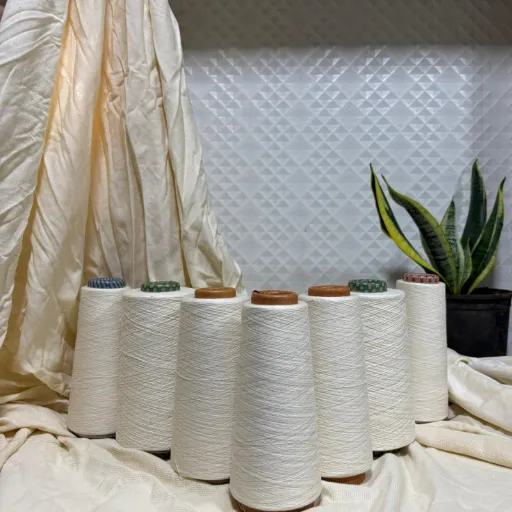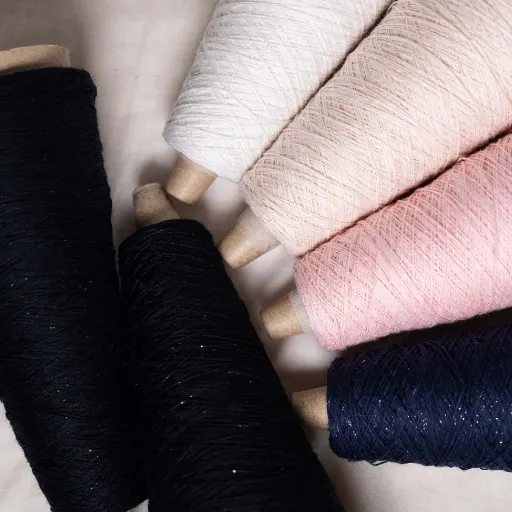




Organic cotton yarn costs roughly USD 3.20 to 4.80 per kilogram at 40/1 combed in 2026, a premium of 20 to 35% over conventional cotton yarn of the same count. Most of that premium comes from the raw material and from lower organic yields. Certification adds far less than most buyers assume.
That range is wide for a reason. Two buyers can order the same 30/1 organic yarn in the same month and pay prices about 30% apart, and neither one is being overcharged. The price of organic cotton yarn is not one number. It is a grade, a market, a certification, and a date.
If you are sourcing for a brand, this guide gives you what most pages leave out: dated 2026 prices by grade and market, an itemised breakdown of what the premium is actually made of, and a straight answer on when organic is worth the extra cost and when it is not. Request an organic cotton yarn quote →
Key Takeaways
- Organic cotton yarn runs about USD 3.20 to 4.80/kg at 40/1 combed in 2026, a 20 to 35% premium over conventional yarn.
- The premium is mostly raw material (15 to 20%) and lower yields (organic produces 60 to 70% of conventional output), not certification.
- Certification is far cheaper than the common myth: the GOTS annual fee is €180 per facility per year, plus certification-body service fees of roughly USD 4,000 to 10,000.
- Markets move in opposite directions. In 2026, woven organic yarn in China rose about 6.7% while knitting organic yarn in Pakistan fell about 10%.
- Organic pays back when you can sell the claim (premium retail, EU market access, certification-gated channels). It is simply cost when you cannot.
The Short Answer: What Organic Cotton Yarn Costs in 2026
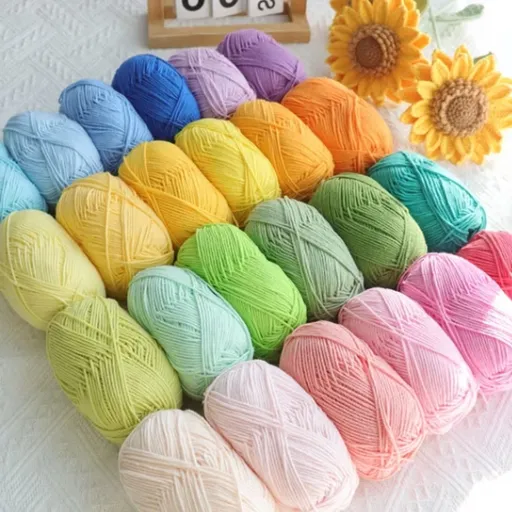
Organic cotton yarn costs about USD 3.20 to 4.80 per kilogram at 40/1 combed in 2026. That is a 20 to 35% premium over conventional cotton yarn of the same count. The premium comes mainly from the raw-material price and from lower organic fibre yields, with certification a much smaller factor than the industry commonly claims.
The table below sets out the dated, sourced 2026 readings for organic cotton yarn by grade and market.
| Grade & count | Market | 2026 price (USD/kg) | Year on year |
|---|---|---|---|
| Woven organic 40/1 combed | China, domestic | ~3.55 (range 3.20 to 3.57) | +6.74% vs 2025 (~3.32) |
| Knitting organic 40/1 combed | Pakistan, domestic | ~4.06 (range 4.04 to 4.79) | −9.8% vs 2025 (~4.50) |
| Knitting organic, headline average | Asia benchmark | ~4.19 | +7.37% YoY |
| Woven organic, headline average | Asia benchmark | ~4.15 | +11.77% YoY |
Source: Fibre2Fashion / TexPro, 2026. Fibre2Fashion labels its figures “sample historical information for illustrative purposes only” that “does not represent current market prices.” Treat every number here as a benchmark, not a live quote. Market prices move month to month.
New to sourcing organic yarn? The complete guide to organic cotton yarn covers grades, certifications, and what to specify before you request a quote.
Why Organic Cotton Yarn Costs More: The Real Cost Breakdown
The “20 to 35% premium” is a summary, not an explanation. Broken down, four costs stack up, and only one of them is certification. For a wider, multi-fibre view of the same pressures, see the broader cost of sustainable yarns.
The Raw-Material Premium (About 15 to 20%)
Organic cotton fibre costs more to grow, and the fibre-level premium runs about 15 to 20% of the total. Organic cotton is only about 2.8% of global cotton production (ICAC, 2024), so the certified pool is small and every new brand programme competes for the same acreage. This is the largest, least negotiable cost line.
Lower Yields: Organic Runs at 60 to 70% of Conventional Output
Organic farming produces roughly 60 to 70% of conventional output on the same land. Before land qualifies as organic, it must go through a three-year pesticide-free transition, during which yields suffer without earning the organic price. You may also see this expressed as “10 to 30% lower per hectare.” The two are not contradictory: a 30% reduction means about 70% of output remains.
Certification and Audit Costs
Certification is real but modest at the official level. The GOTS annual fee is €180 per certified facility per year, and the material cost is the certification-body service fee. Both are covered in full below.
Separate Production Lines and Segregation
Organic yarn cannot share a line with conventional cotton without breaking the chain of custody: separate bales, separate cleaning, smaller runs, and continuous bookkeeping from field to finished yarn. That overhead raises the cost of every kilogram, especially on short runs.
Organic Cotton Yarn Price Benchmarks by Grade and Market (2026)
Organic cotton yarn prices vary by three things above all: the construction (woven or knitting), the market it is spun in, and the count. Each shifts the price in a predictable direction once you know the mechanism.
Woven vs Knitting Organic Yarn
Woven yarn is spun tighter than knitting yarn, so the two sell at different price points even at the same count. In China’s domestic woven market, 40/1 combed averaged about USD 3.55/kg for the year, up 6.74% on 2025.
Why the Market Changes the Price
The same grade can move in opposite directions depending on where it is spun. Through 2026, woven organic yarn in China rose about 6.7% year on year, while knitting organic yarn in Pakistan fell roughly 9.8%. Origin concentration, local crop conditions, and export demand all feed into the number. If your sourcing plan assumes one global price, it will be wrong in at least one market.
Why the Count Changes the Price
Finer counts need longer cotton staple, and longer staple costs more. A 30/1 yarn and a 60/1 yarn are not the same product at different prices; they are different specifications with different fibre inputs. For the full mechanism, see how yarn count drives price.
A Note on Listed Prices vs Contract Prices
When a knitwear developer named Priya priced her spring range in early 2026, she budgeted off supplier listings showing organic yarn at about USD 3.30/kg. The landed contract price came back well above that once count, certification, and minimum order were specified. The listings were not dishonest. They were simply a different product than the one she needed.
B2B marketplace prices are noisy: gated behind minimum order quantities, quoted in inconsistent units, and often a different count, colour, or certification than the buyer expects. Treat them as a way to sense the market, never as a budget figure.
What Certification Actually Adds to the Price
Here is where the industry repeats a myth. Many pages claim that “GOTS certification adds a 40 to 50% premium to organic cotton,” which conflates the total organic premium with the cost of certification itself. The official GOTS fee is small.
| Fee item | Amount (2026) |
|---|---|
| GOTS annual fee | €180 per certified facility / year |
| Scope Certificate (SC) | €15 per certificate |
| Transaction Certificate (TC) | €3 per certificate |
| Chemical inputs / accessories | €30 per item / year (min €150 per supplier / year) |
| Certification-body service fees | ~USD 4,000 to 10,000 / year |
Source: GOTS Global Standards Fees, Version 2.0, published 31 March 2026.
The annual GOTS fee of €180 per facility is the smallest line in your cost model. The larger, variable cost is the audit and service fee charged by the certification body, which depends on your supply chain’s size and complexity. Neither comes close to explaining a 20 to 35% yarn premium. The raw material and the yield gap do. To understand what each standard actually verifies, see what GOTS and OCS actually certify.
One forward-looking note: GOTS version 8.0 was released in March 2026 and becomes fully effective on 1 March 2027. It adds due-diligence requirements, a living-wage gap assessment, a PFAS ban, and Global Fibre Registry traceability, with modest upward pressure on compliance cost from 2027.
What Else Moves the Price: Count, Spinning, and MOQ
Beyond raw material and certification, three more variables change what you pay.
Count and Spinning Method
Finer counts and combed (rather than carded) yarns cost more because they demand better fibre and more processing. Combed yarn removes short fibres, raising quality and price together.
Order Volume and MOQ
Certified organic yarn typically carries a minimum order of several tonnes per colour. Suppliers commonly cite around 3 tonnes per colour with a three to five week lead time, though smaller runs are sometimes possible at a higher per-kilogram price. Larger, single-colour runs pull the unit cost down.
Lead Time and Payment Terms
Locking supply early usually beats buying spot. When a 2026 drought cut India’s certified organic cotton output by about 18%, the shock hit spot buyers hardest. A mill owner we work with, Aarav, locked his volume a quarter ahead and rode out the spike. His neighbour bought spot instead, absorbed two price rises in six weeks, and blew a 10 to 15% hole in his materials budget.
Early commitment and a volatility buffer are cheaper than scrambling later.
Is the Organic Premium Worth It?
The premium is worth paying in some situations and simply a cost in others. The deciding factor is not the fibre; it is whether you have a channel to recover the premium.
When Organic Pays Back
Organic pays back when you can sell the claim: premium retail positioning where shoppers pay more for verified sustainability, access to EU markets where regulation increasingly rewards documented supply chains (CSRD reporting, Digital Product Passports, and Green Claims rules), and certification-gated channels that will not list a product without a valid scope certificate.
When It Doesn’t
Organic is simply cost when there’s no channel to recover it. A commodity product sold on price alone, with no sustainability claim on the packaging or product page, rarely earns back the premium. There, a premium long-staple conventional yarn may serve your specification just as well for less.
Elena, who runs a home-textile brand, learned this the expensive way. She switched her entire bath-towel line to GOTS-certified organic in 2025, adding about 28% to the yarn bill. Eighteen months later, the towels still sold at the same shelf price, because nothing on the packaging or product page told shoppers why they should cost more. The premium never came back.
The Middle Path: Blends and Mass Balance
You don’t have to choose between 100% organic and none. Blends and mass-balance systems let you carry a certified percentage of organic content while managing cost. The trade-off is traceability: mass balance tracks volumes, not physically segregated fibre, so the claim is weaker than a fully segregated supply chain. For a closer comparison, see recycled versus organic cotton cost and impact.
Ready to move from analysis to sourcing? See how to vet an organic cotton yarn supplier before you place a first order.
How to Budget for Organic Cotton Yarn
A realistic budget treats organic yarn as a specification with a moving price, not a fixed line item.
Building a Realistic Cost Model
Start with the raw-material share, which drives most of the variance, then add certification amortised across your annual volume. Build in a buffer of 10 to 15% for price volatility, because certified acreage is limited and demand is brand-driven.
Three Budgeting Mistakes Buyers Make
- Using listing prices as a budget. Marketplace numbers are gated, inconsistent, and often a different product.
- Assuming one global price. Woven China and knitting Pakistan moved in opposite directions in 2026.
- Forgetting the yield gap. Organic fibre goes less far than conventional, so the cost per finished kilogram is higher than the fibre price suggests.
Frequently Asked Questions
How much does organic cotton yarn cost per kg?
In 2026, organic cotton yarn runs about USD 3.20 to 4.80 per kilogram at 40/1 combed. Woven organic yarn in China averaged near USD 3.55/kg; knitting organic yarn in Pakistan averaged near USD 4.06/kg. Prices vary by grade, count, market, and certification.
Why is organic cotton yarn more expensive?
The 20 to 35% premium over conventional comes mainly from a higher raw-material price and lower yields, since organic cotton produces about 60 to 70% of conventional output. Certification adds a small amount by comparison, and separate production lines add the rest.
Is organic cotton yarn worth the extra cost?
It’s worth it when you have a channel to recover the premium, such as premium retail positioning, EU market access, or certification-gated retail. It’s simply cost when you sell a commodity product with no sustainability claim to support the higher price.
How much does GOTS certification add to the price?
Far less than the common “40 to 50%” claim suggests. The GOTS annual fee is €180 per certified facility per year, with €15 per scope certificate and €3 per transaction certificate. The larger, variable cost is the certification-body service fee, typically USD 4,000 to 10,000 per year.
What is the MOQ for certified organic cotton yarn?
Certified organic yarn typically carries a minimum order of several tonnes per colour. Around 3 tonnes per colour is common, with a three to five week lead time. Smaller runs are sometimes available at a higher per-kilogram price.
Is organic cotton yarn ever available at conventional prices?
Not at true parity, because the raw-material and yield costs are structural. Blends and mass-balance systems bring the certified content share down and the price closer, but the traceability of the claim weakens with them.
Source Organic Cotton Yarn at a Fair Price
Organic cotton yarn costs more, and now you know why: raw material, yields, segregation, and a small certification fee, not the 40 to 50% certification myth. The premium pays back when you can sell the claim, and it does not when you cannot.
Hebei Lida Textile Co., LTD spins certified organic cotton yarn across a range of counts and works with brands that need to match a specification to a realistic budget. Tell us your count, certification, and volume, and we will quote against the 2026 market with the drivers made clear.
Request an organic cotton yarn quote →