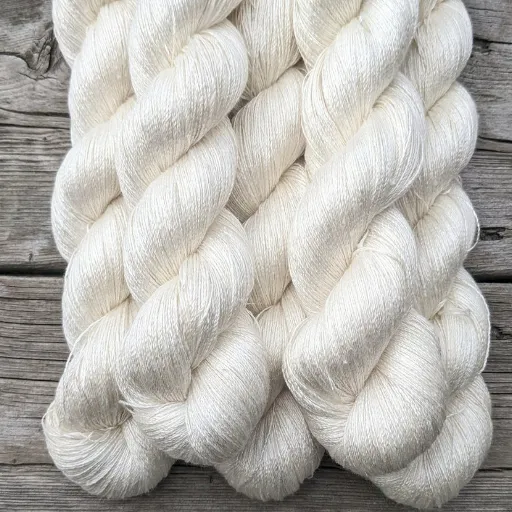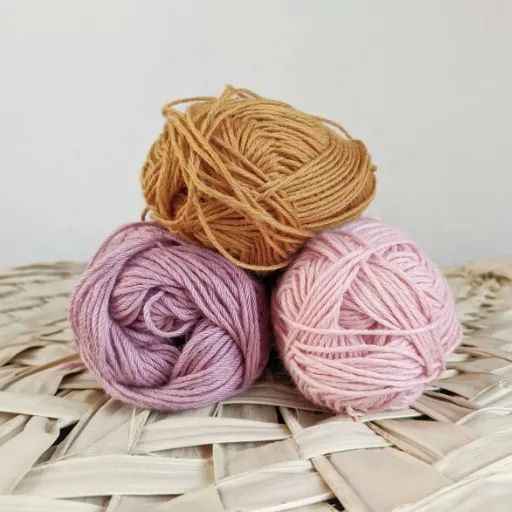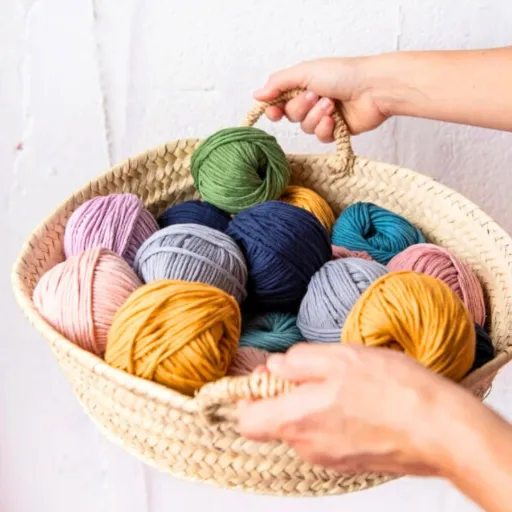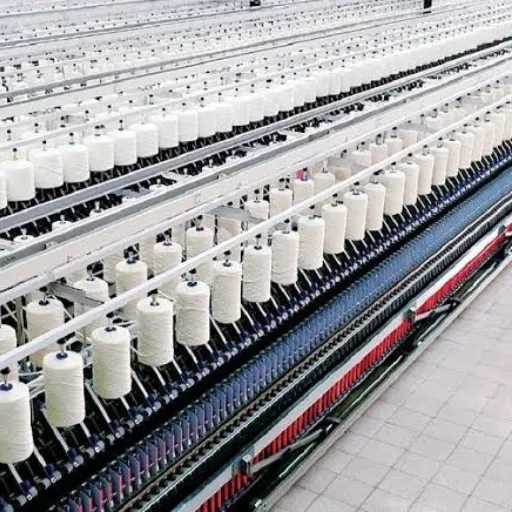
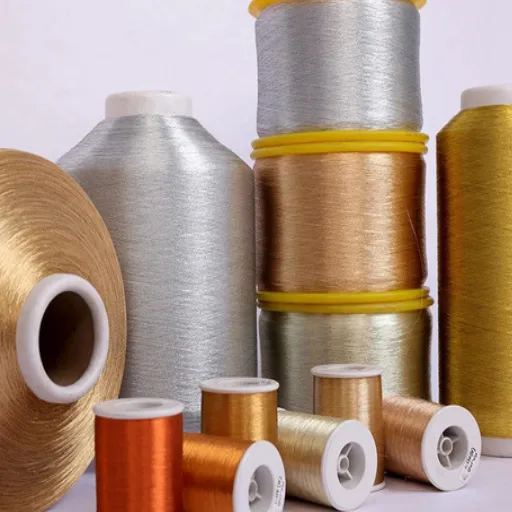
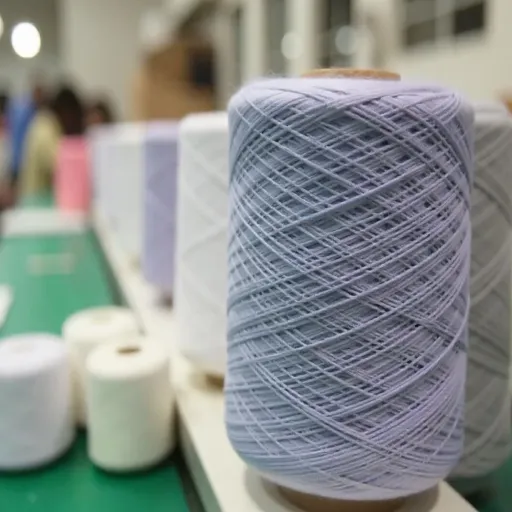
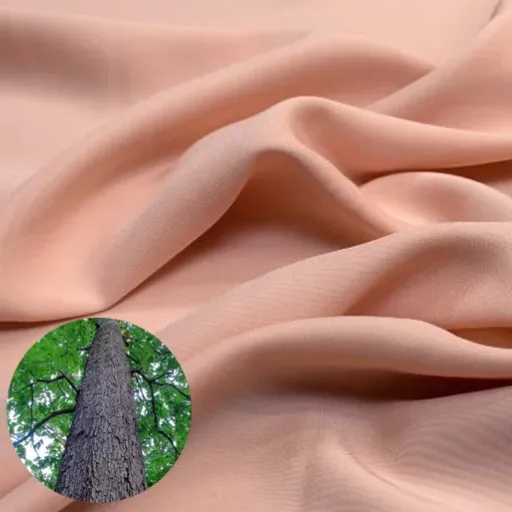
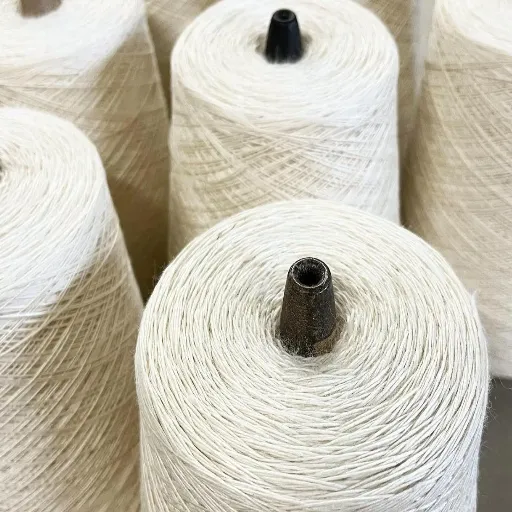


The yarn production process transforms loose fibers into strong, continuous threads through seven main stages: fiber selection and preparation, carding and combing, drawing and roving, spinning, twisting and plying, dyeing and finishing, and quality control. Each stage shapes the final yarn’s strength, texture, color, and suitability for fashion, home textiles, or industrial use.
Yet most buyers only see the finished cone. They rarely understand why one yarn costs more than another, why a sample feels different from bulk, or why the same fiber specification can perform differently across suppliers. That knowledge gap costs time, money, and quality.
In this guide, we’ll walk through the complete yarn production process from a manufacturer’s perspective. You’ll learn what happens at each stage, what buyers should look for, and how production choices connect to real-world performance. Whether you’re sourcing yarn for apparel, upholstery, or industrial applications, this guide will help you ask better questions and make more confident decisions.
Key Takeaways
- Yarn production follows seven core stages: fiber preparation, carding/combing, drawing/roving, spinning, twisting/plying, dyeing/finishing, and quality control.
- Carding aligns fibers; combing removes short fibers for smoother, stronger, more expensive yarns.
- Ring, rotor, air-jet, and compact spinning each produce different yarn structures, costs, and ideal end uses.
- Twist level and ply structure directly affect yarn strength, elasticity, surface appearance, and hand feel.
- Quality checkpoints at every stage prevent defects from compounding downstream.
- Custom and small-batch yarn production uses the same core process but with shorter runs, more sampling, and flexible setups.
What Is the Yarn Production Process?
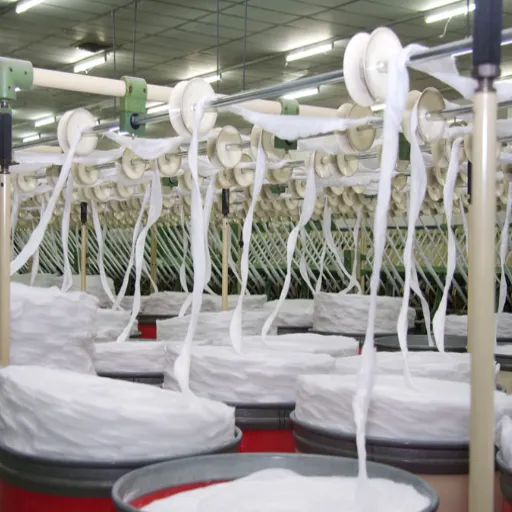
The yarn production process turns raw fibers into finished yarn through a series of mechanical and chemical steps. It starts with fiber intake and ends with wound cones that meet precise specs for count, strength, twist, color, and finish. Textile yarn production operates at massive scale, yet the same basic principles apply whether a mill produces thousands of tons or a few hundred kilograms.
This process matters because yarn is the foundation of every textile product. A sofa fabric, a summer dress, and a heavy-duty industrial strap all start as fiber. Yet their production paths split early. Fiber choice, cleaning intensity, combing decision, spinning technology, twist level, and finishing treatment all work together to create very different yarn properties.
The global yarn, fiber, and thread manufacturing market was valued at approximately 108.59billionin2026∗∗andisprojectedtoreach∗∗108.59billionin2026∗∗andisprojectedtoreach∗∗138.81 billion by 2030, according to The Business Research Company. As demand grows, buyers who understand how yarn is made gain a clear advantage in sourcing, quality control, and cost management.
Want to understand how fiber choices shape the final product? Explore our guide to sustainable yarns for a deeper look at eco-friendly fiber options.
Stage 1: Fiber Selection and Preparation
Every yarn begins with fiber. The type, quality, and preparation of that fiber determine nearly everything that follows.
Raw Fiber Intake and Inspection
Mills receive fibers in bales. Cotton arrives as ginned lint. Wool arrives as scoured fleece. Synthetic yarns start as polymer chips or staple tow. The first step is inspection. Labs test samples for length, strength, fineness, color, and contamination using instruments like High Volume Instruments (HVI).
A buyer’s first checkpoint is consistency. Fiber properties vary by origin, season, and harvest. Reputable mills test every incoming bale and reject material that falls outside tolerance. This early gate prevents quality problems later.
Blending Natural and Synthetic Fibers
Most commercial yarns are blends. Cotton-polyester, wool-nylon, and recycled polyester-organic cotton blends are common. Blending balances cost, performance, and aesthetics. For example, adding polyester to cotton improves durability and reduces wrinkles. Adding wool to acrylic improves warmth and resilience.
Blending happens during opening. The mill layers fibers from different bales and feeds them through opening machines. Consistent layering is critical. Poor blending creates streaks, uneven dye uptake, and weak spots.
Cleaning and Opening
In the blow room, machines open compressed bales into loose tufts and remove trash, dust, seeds, and short fibers. The goal is clean, homogeneous fiber ready for carding.
When Maria, a home textile buyer, switched suppliers for her curtain line, she noticed the new yarn had more neps and slubs. The root cause was weaker blow-room cleaning at the new mill. The fibers looked similar on paper, but the preparation process left more impurities. After switching back to a supplier with stricter opening standards, her defect rate dropped by 40%.
Stage 2: Carding and Combing
Once fibers are clean and opened, they move to carding. This is where loose fibers become an organized web.
What Carding Does
Carding machines use closely spaced wire-covered rollers to separate, align, and parallelize fibers. The output is a continuous strand called a sliver. Carding removes some short fibers and impurities. However, it still leaves fibers somewhat random.
Carded yarn is economical. It is widely used for everyday fabrics. It has a softer, more rustic hand. It works well for T-shirts, casual knits, and basic home textiles.
When and Why Combing Is Used
Combing is an optional extra step that removes short fibers, neps, and remaining impurities. The result is a smoother, stronger, more uniform sliver. Combed yarns cost more but produce finer, cleaner fabrics with better luster and strength.
Fine-count cotton dress shirts, premium bed linens, and high-end fashion knits usually use combed yarn. If your application needs a smooth surface, sharp print definition, or high tensile strength, combed yarn is usually worth the premium.
| Feature | Carded Yarn | Combed Yarn |
|---|---|---|
| Fiber alignment | Moderate | High |
| Short fiber content | Higher | Lower |
| Surface smoothness | Slightly rougher | Smoother |
| Strength | Good | Higher |
| Typical cost | Lower | Higher |
| Best for | Casual wear, basic textiles | Premium apparel, fine home textiles |
Need help choosing yarn for a specific application? Our guide on how to choose the right yarn for upholstery shows how production decisions affect end-use performance.
Stage 3: Drawing and Roving
After carding or combing, slivers are thick and uneven. Drawing and roving reduce them to a size suitable for spinning.
Purpose of Drawing and Doubling
Drawing frames draft, or stretch, slivers while combining multiple strands. This process, called doubling, improves uniformity. Six to eight slivers enter the machine; one smoother, more even sliver exits.
Drawing also further parallelizes fibers. The more parallel the fibers, the smoother and stronger the final yarn.
How Roving Prepares Fiber for Spinning
Roving frames attenuate the drawn sliver and add a small amount of twist. The output, called roving, is a thin, lightly twisted strand that feeds directly into spinning machines.
Roving weight matters. A heavier roving produces a coarser yarn. A lighter roving allows finer counts. Mills adjust roving weight to match the target yarn count, which is measured in units like Ne, Nm, tex, or denier depending on the market.
Stage 4: Spinning the Yarn
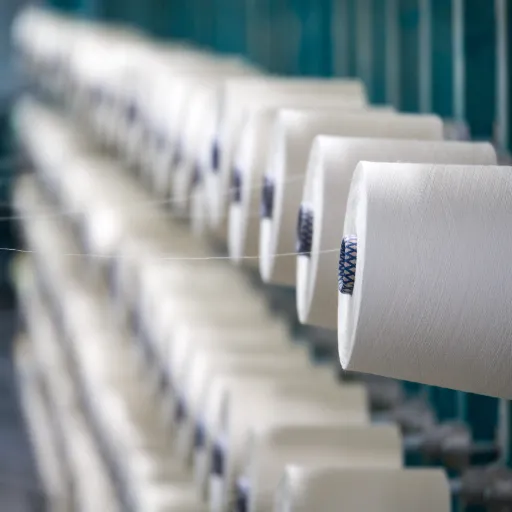
Spinning is the heart of the yarn production process. This is where roving becomes yarn through drafting and twist insertion.
Ring Spinning
Ring spinning is the most common method for high-quality staple yarns. The roving is drafted to the desired fineness, and a traveler inserts twist as the yarn winds onto a rotating bobbin. Ring-spun yarn is strong, smooth, and ideal for premium apparel and fine fabrics.
The trade-off is speed. Ring frames run slower than rotor or air-jet machines, so production costs are higher.
Open-End / Rotor Spinning
Rotor spinning, also called open-end spinning, feeds fibers into a rapidly rotating rotor. Centrifugal force deposits fibers on the rotor wall, and the yarn is drawn out while twist is inserted.
Rotor-spun yarn is bulkier, more absorbent, and less hairy than ring-spun yarn. It is widely used for denim, workwear, and coarse-count fabrics where cost and productivity matter more than premium surface quality.
Air-Jet Spinning
Air-jet spinning uses high-speed air currents to wrap fibers around a core. It is extremely fast and produces smooth, low-hairiness yarn. However, it works best with synthetic or blended fibers and is less common for 100% cotton.
Air-jet yarn is often used for technical textiles and fabrics that require a clean, compact surface.
Compact Spinning
Compact spinning is a modified ring-spinning process that condenses the fiber strand before twist insertion. This reduces hairiness and improves strength. Compact-spun yarn is increasingly popular for high-quality knitwear and woven shirting.
| Spinning Method | Speed | Yarn Quality | Best For |
|---|---|---|---|
| Ring spinning | Moderate | High strength, smooth | Premium apparel, fine fabrics |
| Rotor spinning | High | Bulkier, economical | Denim, workwear, coarse fabrics |
| Air-jet spinning | Very high | Smooth, low hairiness | Technical textiles, blends |
| Compact spinning | Moderate | Very smooth, strong | High-end knitwear, shirting |
When James, an industrial buyer, needed yarn for heavy-duty lifting straps, he initially requested ring-spun cotton. His supplier recommended a high-tenacity polyester filament instead, produced through a different spinning path. The recommendation saved him from a product that would have failed under load. Understanding that not all “spinning” produces the same result helped him match the process to the application.
Stage 5: Twisting and Plying
After spinning, yarn may be used as-is or twisted together with other strands. This stage determines structure, strength, and appearance.
Singles Yarn vs. Plied Yarn
A single strand of spun yarn is called a singles yarn. Many fabrics use singles yarn directly. Plied yarn, also called folded yarn, twists two or more singles together.
Plying increases strength, balances twist, and improves durability. It also changes how the yarn looks. A 2-ply yarn has a rounder, more defined structure than a singles yarn of the same thickness.
S-Twist and Z-Twist
Twist direction matters. Z-twist is inserted when fibers rotate clockwise; S-twist is counter-clockwise. Most single yarns use Z-twist. When plying, mills usually use S-twist to balance the singles’ Z-twist. Balanced yarn resists twisting, curling, and skewing during knitting or sewing.
How Twist Affects Performance
Higher twist increases strength up to a point, but it also makes yarn harder and less absorbent. Lower twist creates softer, more absorbent yarn, but it may pill or weaken. Knitwear often uses lower-twist yarn for softness. Upholstery and industrial yarns use higher twist for strength and abrasion resistance.
Stage 6: Dyeing and Finishing
Once yarn is spun and wound, it often moves to dyeing and finishing. These steps add color, improve performance, and prepare yarn for downstream use.
Package, Skein, and Space Dyeing
Package dyeing winds yarn onto perforated cones and forces dye through the package. It is efficient and consistent for large lots. Skein dyeing hangs yarn in loose loops, allowing excellent color penetration for delicate or bulky yarns. Space dyeing applies multiple colors along the yarn length, creating variegated effects popular in fashion knits.
Color Matching and Batch Consistency
Color matching is one of the most demanding parts of yarn production. Mills produce lab dips, small trial dyeings, for buyer approval before bulk production. Even then, shade variation can occur between dye lots. Reputable mills manage this with standardized recipes, controlled water quality, and spectrophotometer verification.
Finishing Treatments
Finishing treatments modify how yarn performs and feels. Common options include:
- Softening: improves hand feel for apparel and bedding
- Anti-pilling: reduces fiber migration on fabric surface
- Waterproofing: adds water resistance for outdoor textiles
- Flame retardancy: meets safety standards for curtains and upholstery
- UV resistance: extends outdoor life
Stage 7: Quality Control and Testing
Quality control in yarn production is not a final inspection. It happens at every stage.
QC Checkpoints at Each Stage
- Fiber intake: HVI testing for length, strength, micronaire, and color
- Blow room and carding: nep count, trash level, sliver uniformity
- Drawing and roving: sliver evenness, roving weight, twist level
- Spinning: yarn count, strength, elongation, evenness, hairiness
- Dyeing: color fastness, shade consistency, batch records
- Winding and packing: cone weight, label accuracy, visual inspection
Key Tests and Standards
Standard tests cover several properties:
- Yarn count: skein method (ASTM D1907 / ISO 2060)
- Single-end tensile strength: ASTM D2256 / ISO 2062
- Twist level: ISO 2061
- Evenness and imperfections: ISO 16549
For cotton yarn specification, ISO 10290 provides the international basis for commercial quality.
A complete test report should include count, strength, elongation, evenness, imperfections, hairiness, twist, and appearance grade. Buyers should request these values. Then compare them against their own specifications before approving bulk shipments.
Yarn Production for Different Applications
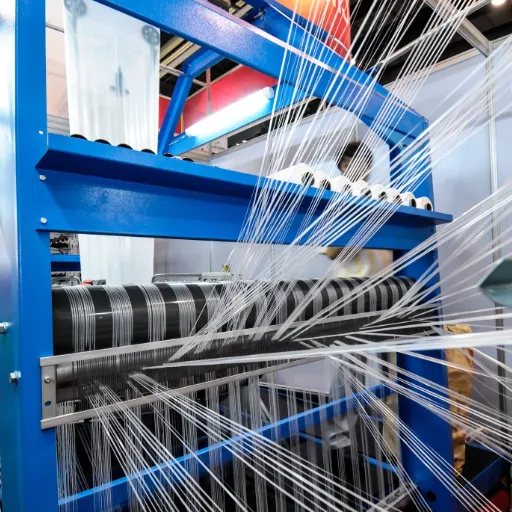
The same general yarn production process produces very different outputs depending on the end use.
Fashion and Apparel Yarns
Apparel yarns prioritize softness, drape, color, and comfort. Combed cotton, compact-spun blends, and fine-count wools dominate this segment. Twist levels are moderate to preserve hand feel.
Home Textile Yarns
Curtains, bedding, and decorative textiles need yarn with good drape, lightfastness, and soft hand. Polyester and cotton-polyester blends are common because they resist wrinkling and hold color well.
Upholstery Yarns
Upholstery yarn must withstand abrasion, stretching, and repeated cleaning. Higher twist, plied construction, and synthetic or high-strength blends improve durability. For more detail, see our guide on choosing yarn for upholstery.
Industrial and Heavy-Duty Yarns
Industrial applications require extreme strength, chemical resistance, or heat resistance. High-tenacity polyester, aramid, and glass fiber yarns use specialized spinning and finishing processes that differ significantly from apparel yarn production.
Eco-Friendly Yarn Production Methods
Sustainability is reshaping every stage of the yarn production process. Eco-friendly production goes beyond using organic or recycled fibers; it also involves cleaner processing.
Sustainable Fiber Preparation
Recycled inputs, such as post-consumer polyester or pre-consumer cotton waste, reduce reliance on virgin materials. Mills sort, clean, and reprocess these fibers alongside or instead of virgin fibers.
Energy-Efficient Spinning
Modern spinning machines consume less energy per kilogram of yarn than older equipment. Some mills also recover heat from production processes to reduce overall energy use.
Water-Saving Dyeing Technologies
Conventional dyeing uses large volumes of water. Low-liquor-ratio dyeing machines, supercritical CO2 dyeing, and dope-dyed fibers can cut water use dramatically. Lenzing’s closed-loop lyocell process, for example, recovers 99.8% of the solvent used in fiber production, as described in their fiber technology overview.
Certifications That Matter
Look for certifications such as GOTS for organic fibers, GRS for recycled content, OEKO-TEX Standard 100 for harmful-substance testing, and ISO 14001 for environmental management. These standards help buyers verify green claims.
For a broader view of sustainable textile choices, read our article on the environmental impact of yarn production.
Custom and Small-Batch Yarn Production
Not every order runs for tens of thousands of kilograms. Custom and small-batch yarn production uses the same core process but with adjusted setups, shorter runs, and more sampling.
Differences From Mass Production
Mass production optimizes for efficiency. Machines run long lots with minimal changeovers. Small-batch production prioritizes flexibility. Mills may run smaller batches, adjust blends manually, and produce multiple lab dips before bulk dyeing.
MOQs, Sampling, and Prototyping
Minimum order quantities vary by fiber, count, and color. Stock colors and standard counts usually have lower MOQs. Custom colors or specialized blends require larger commitments because mills must set up dye recipes and adjust machinery.
Sampling is essential. Buyers should always request lab dips, strike-offs, or sample cones before approving bulk. This step catches color, hand-feel, and performance issues early.
Looking for tailored yarn solutions? Learn more about the benefits of custom yarn solutions and how small-batch production can support niche brands.
Frequently Asked Questions
What is the process of yarn manufacturing?
Yarn manufacturing converts raw fibers into continuous threads through fiber preparation, carding or combing, drawing and roving, spinning, twisting or plying, dyeing and finishing, and quality control.
How are yarns manufactured?
Yarns are manufactured by cleaning and aligning fibers, stretching them into a uniform strand, inserting twist to bind them together, and then finishing and testing the result. The exact machinery and settings change based on fiber type and end use.
How are yarns manufactured step by step?
The step-by-step process is: (1) fiber selection and preparation, (2) carding, (3) optional combing, (4) drawing and roving, (5) spinning, (6) twisting and plying, (7) dyeing and finishing, and (8) winding and quality control.
What is carding in yarn production?
Carding is the process of separating and aligning fibers into a continuous strand called a sliver. It cleans the fiber and prepares it for drawing and spinning.
What is the difference between carded and combed yarn?
Carded yarn retains more short fibers and has a softer, more textured feel. Combed yarn has short fibers removed, resulting in a smoother, stronger, more expensive yarn.
What machines are used in yarn manufacturing?
Key machines include bale openers, blenders, carding machines, drawing frames, roving frames, ring or rotor spinning machines, winding machines, twisting frames, and dyeing equipment.
How does spinning turn fibers into yarn?
Spinning drafts fibers to the desired thickness and inserts twist. Twist binds fibers together into a continuous, strong yarn.
Can yarn production be eco-friendly?
Yes. Eco-friendly yarn production uses sustainable fibers, energy-efficient machinery, water-saving dyeing, closed-loop chemical recovery, and certified environmental management systems.
Conclusion
Understanding the yarn production process helps buyers move beyond specs on paper. When you know what happens at each stage, you can ask sharper questions. You can evaluate suppliers more effectively. And you can choose yarn that truly fits your application.
The seven stages work together to determine strength, softness, durability, color, and cost. These stages are fiber preparation, carding and combing, drawing and roving, spinning, twisting and plying, dyeing and finishing, and quality control. Small changes at any stage create noticeably different yarn.
At Hebei Lida Textile Co., LTD, we control every stage of production to deliver consistent, high-quality yarn for fashion, home textiles, and industrial applications. Whether you need standard counts, custom blends, or sustainable options, our team can guide you through the right production path for your project.
Ready to source yarn with confidence? Contact us today to discuss your specifications, request samples, or get a quote for your next order.