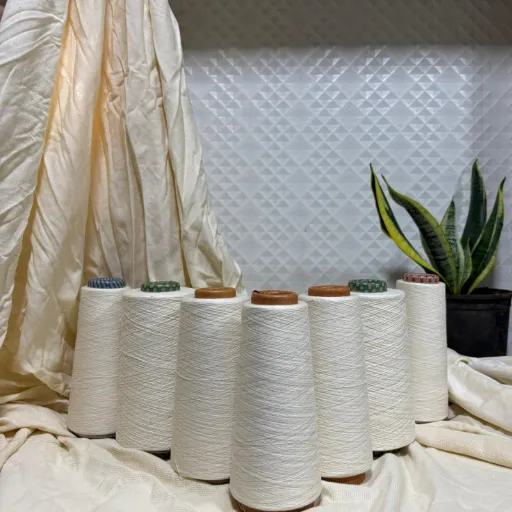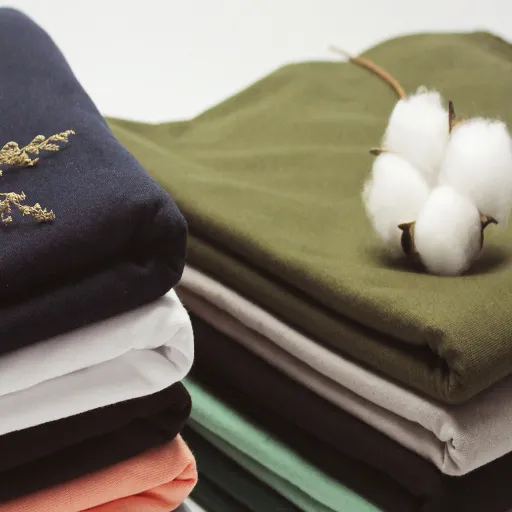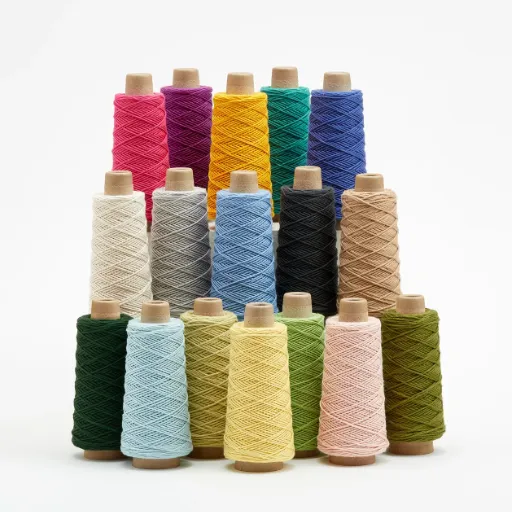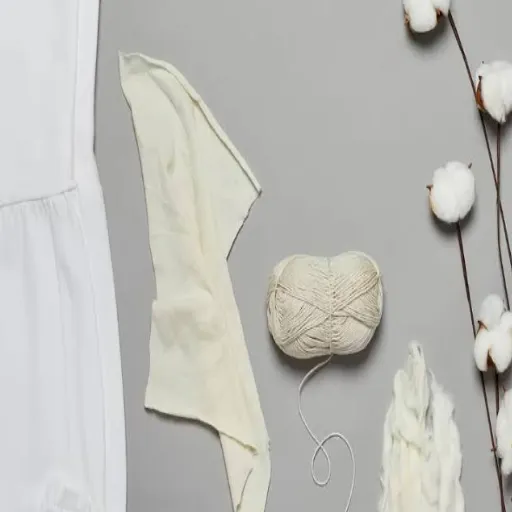
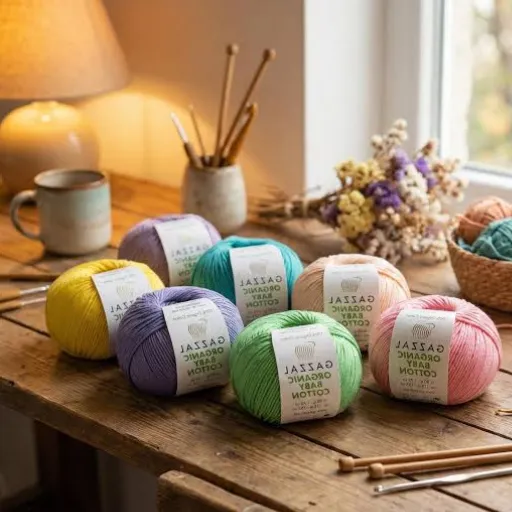
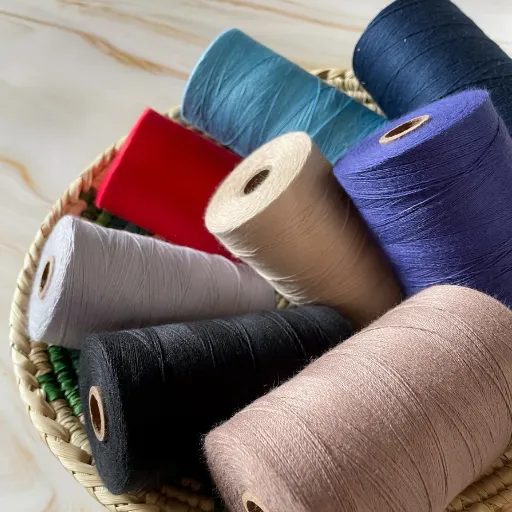

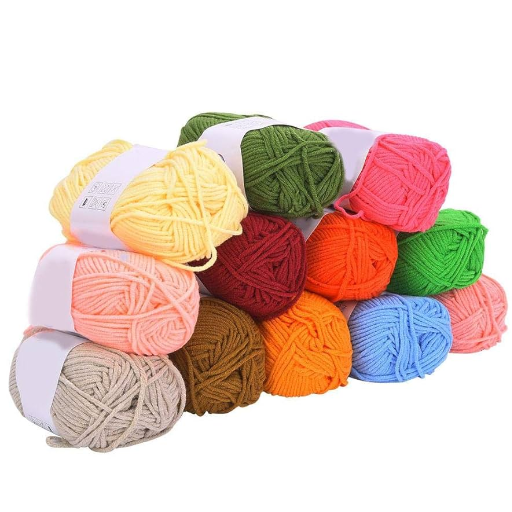
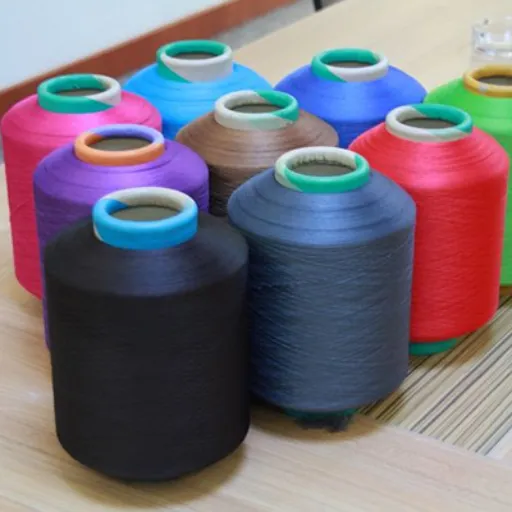


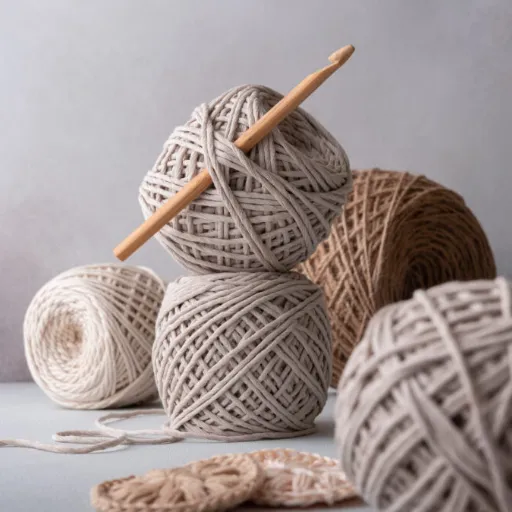
Eco-friendly yarns are textile fibers produced with lower environmental impact than conventional alternatives, using organic raw materials, recycled inputs, regenerated cellulosic processes, or bio-based polymers. Choosing the right one means balancing sustainability claims with real performance for your specific application.
Sustainability is no longer a marketing add-on. Procurement teams, designers, and brand owners now treat eco-friendly yarn selection as a core business decision. Yet the market is crowded with labels, certifications, and conflicting claims. This guide cuts through the noise. You will learn how each major eco-friendly yarn type is made, where it performs best, what certifications actually mean, and how to source responsibly at scale. Have questions about recycled, organic, or environmentally responsible yarns? The experts at Hebei Lida Textile Co., LTD are ready to help you choose the right option.
Key Takeaways
- Eco-friendly yarns fall into four categories: natural plant fibers, recycled fibers, regenerated cellulosic fibers, and bio-based synthetics.
- The best yarn for your project depends on application, durability needs, budget, and end-of-life goals, not just the fiber name.
- GOTS, GRS, OEKO-TEX, and FSC certifications verify specific claims; absence of certification is a red flag for broad “eco” statements.
- Recycled polyester reduces energy use by roughly 59% compared to virgin polyester, while organic cotton can use up to 91% less water than conventional cotton.
- Hebei Lida supplies custom eco-friendly yarn solutions for fashion, home textiles, and industrial applications with full traceability support.
Want to see how sustainable yarns fit into a broader sourcing strategy? Read our complete guide to sustainable yarns next.
What Are Eco-Friendly Yarns?
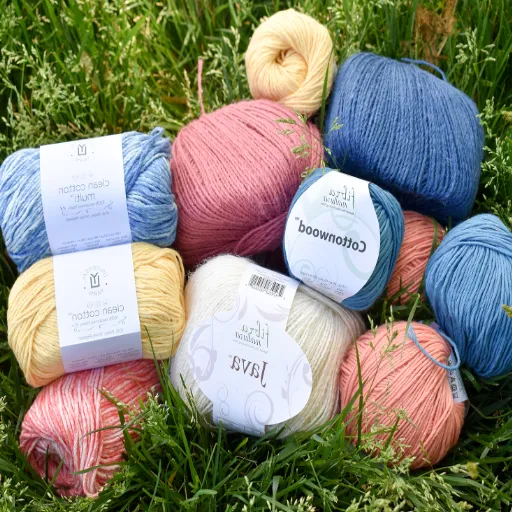
Eco-friendly yarns minimize harm across the textile lifecycle. That lifecycle starts with raw material sourcing and continues through processing, dyeing, manufacturing, use, and disposal. A yarn earns the “eco-friendly” label when it demonstrably reduces impact in one or more of those stages.
The four main pathways are:
- Natural plant fibers grown without synthetic chemicals: organic cotton, hemp, linen, and responsibly processed bamboo.
- Recycled fibers: recycled cotton, recycled polyester (rPET), and recycled wool recovered from post-industrial or post-consumer waste.
- Regenerated cellulosic fibers: TENCEL, lyocell, and modal produced from wood pulp in closed-loop systems.
- Bio-based synthetics: yarns derived from renewable plant feedstocks rather than petroleum.
Not every natural fiber is automatically eco-friendly. Conventional cotton, for example, is plant-based but relies heavily on irrigation and pesticides. The distinction matters for buyers who need to back up sustainability claims with data.
Eco-Friendly Yarns vs. Sustainable Yarns: What’s the Difference?
The terms overlap, but they are not identical. Eco-friendly yarns focus on environmental impact. Sustainable yarns include environmental, social, and economic factors across the entire supply chain.
Think of it this way: all eco-friendly yarns are sustainable yarns in environmental terms, but not all sustainable yarns are marketed as eco-friendly. A yarn made in a Fair Trade-certified facility using conventional cotton might be “sustainable” from a social perspective, but it would not qualify as eco-friendly.
For B2B buyers, the practical difference shows up in sourcing conversations. If your brand promise centers on carbon reduction, water savings, or chemical safety, lead with eco-friendly yarn specifications. If your narrative covers worker welfare, community investment, and long-term supply chain resilience, frame the conversation around sustainable yarns.
Types of Eco-Friendly Yarns
The eco-friendly yarn landscape can be organized by origin and processing method. The table below compares the most common options by source, primary benefit, best use, and relative cost tier.
| Yarn Type | Source | Primary Benefit | Best For | Cost Tier |
|---|---|---|---|---|
| Organic cotton | Cotton grown without synthetic pesticides or GMOs | Biodegradable, soft, lower water use | Apparel, baby textiles, bedding | Mid-market |
| Hemp | Cannabis sativa plant | Extremely durable, low water, no pesticides | Upholstery, industrial textiles, bags | Mid-market |
| Linen | Flax plant | Strong, breathable, biodegradable | Summer apparel, curtains, table linens | Premium |
| Bamboo (mechanical/lyocell) | Bamboo pulp | Fast-growing, soft, moisture-wicking | Activewear, intimates, casual wear | Mid to premium |
| Recycled cotton | Post-industrial or post-consumer textile waste | Diverts waste from landfill | Denim, home textiles, accessories | Entry to mid |
| Recycled polyester (rPET) | Post-consumer plastic bottles | High strength, UV resistance, lower carbon | Outdoor fabrics, upholstery, activewear | Entry to mid |
| TENCEL / Lyocell | Sustainably sourced wood pulp | Silky drape, closed-loop production | Premium fashion, bedding, activewear | Premium |
| Modal | Beech wood pulp | Exceptionally soft, stable | Underwear, loungewear, bedding | Premium |
| Bio-based polyester | Plant-based feedstocks | Reduced petroleum dependence | Performance fabrics, technical textiles | Premium |
This table is a starting point, not a final specification. Fiber quality, yarn count, twist, and finishing all change how a yarn performs in the real world. That is why sampling and testing remain essential even when the fiber origin is well understood.
Every sustainable textile begins with the right yarn. Contact Hebei Lida Textile Co., LTD to discover eco-friendly yarns designed for durability, quality, and environmental responsibility.
Natural Eco-Friendly Yarns
Natural eco-friendly yarns come from plants grown with reduced chemical inputs. They appeal to brands that want biodegradability and a clear farm-to-fiber story.
Organic Cotton
Organic cotton yarns are grown without synthetic pesticides, herbicides, or genetically modified seeds. Certification through the Global Organic Textile Standard (GOTS) verifies both the farming and processing stages. Organic cotton typically uses significantly less water than conventional cotton because healthier soil retains moisture more effectively.
The trade-off is price. Organic cotton yarns usually cost 20-40% more than conventional cotton. For brands selling baby clothing, premium basics, or bedding, that premium is often justified by consumer trust and regulatory alignment.
Hemp
Hemp is one of the most resource-efficient fibers available. It grows rapidly, requires little irrigation, and naturally suppresses weeds. Hemp yarns are strong, abrasion-resistant, and become softer with washing. They work well in upholstery, rope, canvas, and blended fabrics where durability matters more than initial softness.
Linen
Linen comes from flax and is valued for strength, breathability, and a distinctive texture. It requires minimal irrigation and few pesticides. Linen yarns are ideal for warm-weather apparel, curtains, and table textiles where a natural look is part of the design.
Bamboo
Bamboo’s eco-credentials depend entirely on processing method. Bamboo viscose uses harsh chemicals and is not considered eco-friendly. Bamboo lyocell, produced in a closed-loop system, is a legitimate sustainable option. Buyers should always ask which process was used before classifying bamboo yarn as eco-friendly.
For a deeper comparison of fast-growing plant fibers, see our guide to bamboo yarns vs. hemp yarns.
Recycled and Regenerated Eco-Friendly Yarns
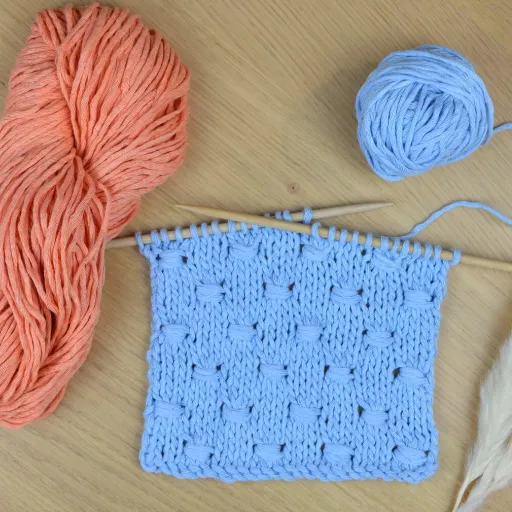
Recycled and regenerated yarns address a different problem: waste and resource extraction. They keep existing materials in use or replace virgin feedstocks with renewable ones.
Recycled Polyester (rPET)
Recycled polyester yarn is made from post-consumer plastic bottles or post-industrial polyester waste. The material is cleaned, shredded, melted, and extruded into filament or staple fiber. According to industry estimates, recycled polyester production uses approximately 59% less energy than virgin polyester.
The performance is nearly identical to virgin polyester. That makes rPET a practical choice for outdoor textiles, activewear, upholstery, and any application requiring strength, colorfastness, and moisture resistance. The downside is microfiber shedding during washing, which is an environmental concern the industry is still addressing.
Recycled Cotton
Recycled cotton yarn is produced from pre-consumer textile clippings or post-consumer garments. The fibers are shortened during recycling, so recycled cotton is usually blended with virgin cotton or polyester to maintain strength. It is well suited to denim, home textiles, accessories, and industrial wiping cloths.
TENCEL and Lyocell
TENCEL is Lenzing’s branded lyocell fiber. It is made from sustainably sourced wood pulp, often eucalyptus, beech, or spruce. The closed-loop manufacturing process recycles up to 99% of the solvent used to dissolve the pulp. The resulting yarn is soft, drapes well, and takes dye beautifully. It is commonly used in premium fashion, bedding, and activewear.
Modal
Modal is also a regenerated cellulosic fiber, typically made from beech wood. It is softer and more stable than viscose, with less tendency to shrink or pill. Modal yarns are popular for underwear, loungewear, and luxury bedding.
Eco-Friendly Yarns by Application
The right eco-friendly yarn depends on what the final product must do. A yarn that works for a summer t-shirt will fail in heavy-duty upholstery.
Fashion and Apparel
Fashion designers balance hand feel, drape, color range, and cost. Organic cotton and TENCEL dominate premium casualwear. Recycled polyester blends perform well in activewear. Modal and bamboo lyocell are favorites for intimates and loungewear.
Mini-story: A sustainable denim brand in Amsterdam switched from conventional cotton to a 70/30 recycled cotton-organic cotton blend. The move cut their water footprint per garment by roughly 40% and gave them a credible story for their marketing. The blend required slight adjustments to spinning tension, but the final fabric met their durability standards.
Home Textiles
Home textile brands need yarns that withstand light, friction, and repeated cleaning. For curtains, linen and organic cotton offer drape and breathability. For upholstery, recycled polyester and hemp blends provide abrasion resistance. For bedding, organic cotton, TENCEL, and modal create soft, breathable surfaces.
If your focus is furniture, our detailed guide to yarn for upholstery covers durability, colorfastness, and certification requirements in depth.
Industrial and Heavy-Duty Use
Industrial buyers prioritize tensile strength, UV stability, and chemical resistance. Hemp, recycled polyester, and high-tenacity bio-based synthetics are common choices. These applications often require custom yarn counts and specialized coatings.
Outdoor and Marine Applications
Outdoor textiles face moisture, mildew, and sun exposure. Recycled polyester with UV-resistant and water-repellent finishes is the leading choice. It resists fading and maintains strength longer than natural fibers in harsh conditions.
How to Identify Truly Eco-Friendly Yarns
Certifications provide the most reliable way to verify claims. Each certification checks a specific part of the supply chain.
| Certification | What It Verifies | Best For |
|---|---|---|
| GOTS (Global Organic Textile Standard) | Organic fiber content and environmentally/socially responsible processing | Organic cotton, organic wool, organic linen |
| GRS (Global Recycled Standard) | Recycled content percentage and chain of custody | Recycled polyester, recycled cotton, recycled wool |
| OEKO-TEX Standard 100 | Absence of harmful substances in finished yarn | Any yarn used near skin or in sensitive applications |
| OEKO-TEX STeP | Sustainable textile production at facility level | Manufacturer-wide environmental and social compliance |
| Bluesign | Chemical safety and resource efficiency across supply chain | Performance and technical textiles |
| FSC (Forest Stewardship Council) | Responsibly sourced wood pulp for cellulosic fibers | TENCEL, lyocell, modal |
| RWS (Responsible Wool Standard) | Animal welfare and land management for wool | Wool yarns |
Greenwashing Red Flags
Be cautious when a supplier makes any of these claims without third-party proof:
- Vague labels such as “green,” “natural,” or “eco” without certification.
- Unverified percentage claims like “made with 50% recycled content” with no chain-of-custody documentation.
- Cherry-picked data that highlights one benefit while hiding chemical-intensive processing.
- Missing information about dyeing, finishing, or country of origin.
- No testing reports for restricted substances or performance standards.
The safest approach is to request certificates, check certificate numbers against issuing bodies, and ask for material traceability documentation.
Need help evaluating suppliers? Our guide to custom yarn solutions explains how to define specifications and vet partners.
Cost and Performance of Eco-Friendly Yarns
Eco-friendly yarns span every budget tier. Understanding the cost drivers helps buyers make decisions that align with both margin goals and sustainability commitments.
Entry Tier
Recycled cotton and basic rPET fall here. These yarns often cost close to conventional alternatives because the raw material feedstock is inexpensive or subsidized by waste diversion programs. Performance can be excellent, especially for blended applications.
Mid-Market Tier
Organic cotton, standard hemp, and basic TENCEL sit in the mid-market. These yarns carry a 15-35% premium over conventional options but offer strong marketing value and reliable performance.
Premium Tier
Long-staple organic cotton, linen, high-quality modal, and specialty bio-based synthetics command the highest prices. Brands use these when softness, drape, or innovation storytelling is central to the product.
Total Cost of Ownership
The purchase price is only one factor. Eco-friendly yarns can reduce total cost through:
- Lower regulatory risk as chemical restrictions tighten.
- Higher consumer willingness to pay for verified sustainable products.
- Reduced waste from more durable fibers.
- Fewer supply-chain disruptions from water-scarce regions.
Mini-story: A home textile manufacturer in North Carolina initially rejected recycled polyester for their outdoor cushion line because the yarn cost 12% more. After running a lifecycle analysis, they found the fabric lasted two seasons longer than the virgin polyester alternative. The total cost per season of use dropped by nearly 20%, and the recycled content became a key selling point for their retail partners.
Finding Eco-Friendly Yarn Suppliers
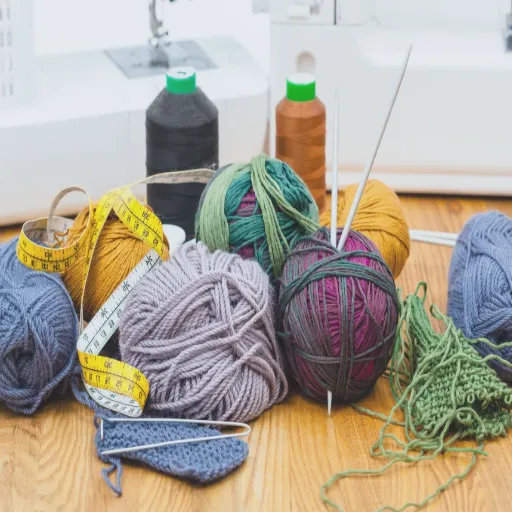
Sourcing eco-friendly yarn at scale requires more than finding a low price. B2B buyers should evaluate suppliers on capability, transparency, and consistency.
What to Look For
- Certification scope: Does the certificate cover the exact product you are buying, or only the mill’s general operations?
- Sampling process: Can the supplier provide A-quality samples with full specification sheets?
- MOQ flexibility: Can they support small test runs before scaling?
- Traceability: Can they document fiber origin, processing locations, and dyeing facilities?
- Quality control: What testing protocols do they follow for strength, colorfastness, and chemical safety?
Questions to Ask Before Ordering
- What certifications can you provide for this specific yarn?
- What is the minimum order quantity and lead time?
- Can you produce custom counts, twists, or blends?
- Do you offer color matching and lab-dip approval?
- What is your policy on lot-to-lot consistency?
Hebei Lida works with brands worldwide to develop custom eco-friendly yarn orders that match exact specifications. Our team supports sampling, small-batch trials, and full-scale production with full certification documentation.
The Future of Eco-Friendly Yarns
The next generation of eco-friendly yarns will focus on three areas: regenerative agriculture, textile-to-textile recycling, and bio-based performance polymers.
Regenerative agriculture goes beyond organic by improving soil health, sequestering carbon, and increasing biodiversity. Cotton and flax grown under regenerative practices may become the new gold standard for natural fibers.
Textile-to-textile recycling aims to turn old garments into new fibers without downgrading quality. Current mechanical recycling shortens fibers, but chemical recycling technologies are advancing rapidly. These processes could eventually make circular fashion economically viable at scale.
Bio-based synthetics derived from agricultural waste, algae, or captured carbon are also maturing. While still premium-priced, they offer a pathway to reduce petroleum dependence in performance fabrics.
Hebei Lida invests continuously in sustainable materials and processes. Our goal is to make high-performance, eco-friendly yarns accessible to businesses of every size.
Frequently Asked Questions
What makes a yarn eco-friendly?
A yarn is eco-friendly when it reduces environmental impact compared to conventional alternatives. That reduction can come from organic farming, recycled feedstocks, closed-loop processing, lower water or energy use, biodegradable end-of-life, or a combination of these factors. Third-party certification is the most reliable way to verify the claim.
Is organic cotton better than recycled cotton?
They solve different problems. Organic cotton reduces chemical and water use during farming. Recycled cotton reduces textile waste and raw material demand. Organic cotton is usually softer and stronger, while recycled cotton has shorter fibers and performs best in blends. The better choice depends on your product’s priorities.
Are bamboo yarns really sustainable?
Only when processed mechanically or as lyocell. Bamboo viscose uses carbon disulfide and sodium hydroxide, which create environmental and worker safety concerns. Always ask suppliers for processing details and certification before marketing bamboo yarn as eco-friendly.
What certifications matter most for eco-friendly yarns?
GOTS verifies organic content and responsible processing. GRS verifies recycled content. OEKO-TEX verifies chemical safety. FSC verifies responsible wood sourcing for cellulosic fibers. The most important certification depends on the fiber type and your brand’s sustainability claims.
How do I avoid greenwashing when sourcing eco-friendly yarns?
Request certificates, verify certificate numbers with issuing bodies, ask for traceability documentation, and be skeptical of vague terms like “green” or “natural” without proof. Work with suppliers who can explain their full production process and testing protocols.
Can eco-friendly yarns be used for industrial applications?
Yes. Hemp, recycled polyester, and bio-based high-tenacity yarns perform well in industrial textiles, ropes, geotextiles, and heavy-duty fabrics. The key is matching the yarn’s mechanical properties to the application’s load, abrasion, and environmental requirements.
Source Eco-Friendly Yarns for Your Next Project
Eco-friendly yarns are not a one-size-fits-all category. The right choice depends on your application, performance targets, budget, and the story you want to tell your customers. This guide gives you the framework to evaluate options confidently.
At Hebei Lida Textile Co., LTD, we help businesses source and develop eco-friendly yarns for fashion, home textiles, and industrial use. From certified organic cotton to custom recycled polyester blends, we provide full traceability, quality control, and flexible production runs.
Ready to explore your options? Contact our team today for a free consultation and sample request. Let us help you build a more sustainable product line without compromising performance.