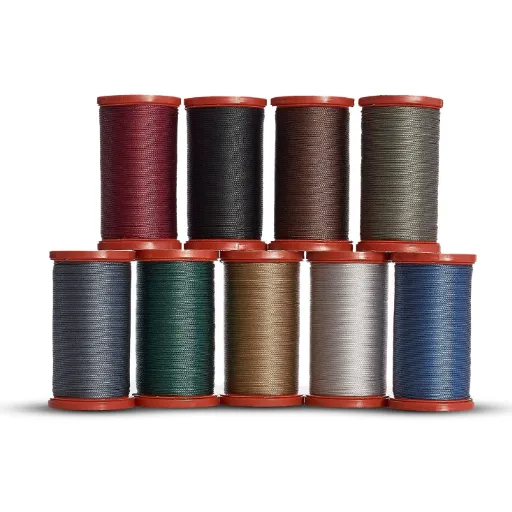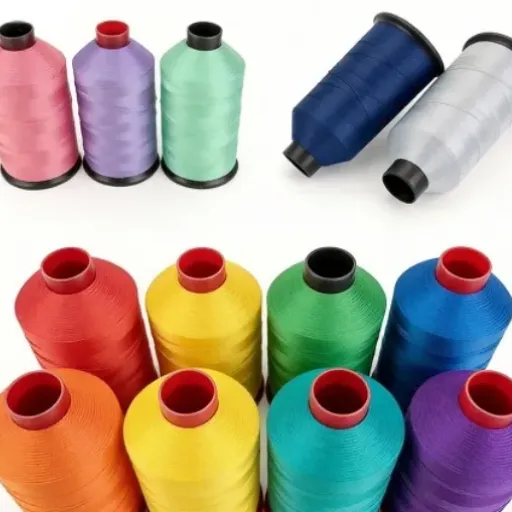
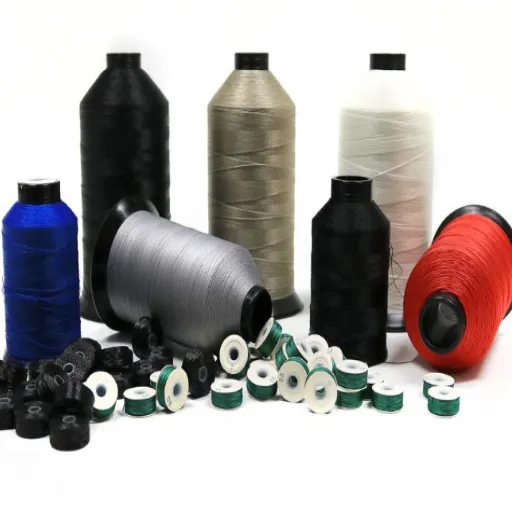




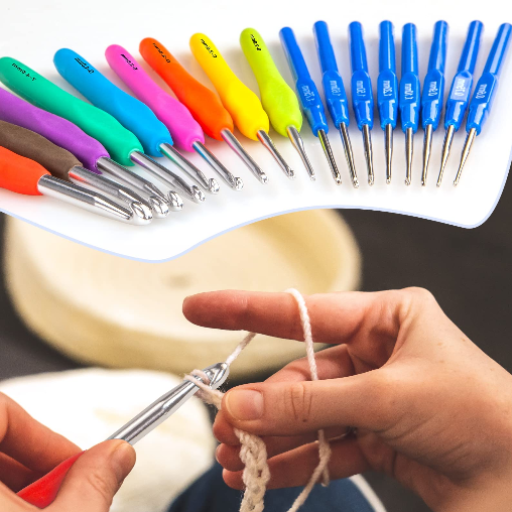


The yarn spinning process is the set of manufacturing steps that convert loose fibers into a continuous, strong yarn by cleaning, aligning, drawing, and twisting them into a usable strand. Every fabric you source begins here. The choices made during spinning determine whether a yarn will feel soft, resist abrasion, hold dye evenly, or survive industrial stress.
Most buyers don’t need to operate a spinning frame, but they do need to know what separates reliable yarn from yarn that pills, breaks, or shifts color between batches. When Elena, a home textile designer in Milan, switched suppliers last year, she traced a recurring defect back to inconsistent twist levels in the spinning department. Once she knew what to ask for, she cut her return rate by more than a third.
In this guide, you’ll learn the yarn spinning process step by step, the major industrial spinning systems, how quality is controlled, and what to look for when selecting a spinning partner. By the end, you’ll be able to evaluate yarn samples, specifications, and supplier claims with confidence. Reach out for customized yarn production support from fiber to finished yarn.
Key Takeaways
- The yarn spinning process turns cleaned, aligned fibers into yarn through drafting and twist insertion.
- Ring, open-end/rotor, air-jet, and compact spinning each produce different yarn qualities for different end uses.
- Twist level, fiber choice, and evenness testing largely determine how yarn performs in fabric and finished goods.
- Modern mills use inline quality testing to catch defects before they become expensive fabric problems.
- Sustainable spinning uses recycled fibers, energy-efficient frames, and certified processes to reduce environmental impact.
What Is the Yarn Spinning Process?
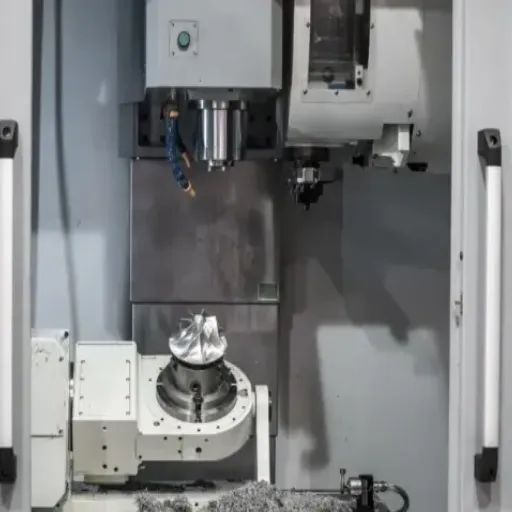
The yarn spinning process is the industrial method of converting short or long fibers into a continuous yarn by drawing them into a thin strand and twisting them to lock the fibers together. According to Britannica’s overview of spinning, twisting binds the fibers and provides the tensile strength needed for weaving, knitting, and other fabric-forming processes.
Spinning is not the same as weaving or knitting. Weaving and knitting turn yarn into fabric. Spinning happens earlier: it creates the yarn itself. Wikipedia’s entry on spinning distinguishes these stages clearly and explains how different historical methods evolved into modern mechanical systems.
The process begins with raw fiber, moves through cleaning and alignment, and ends with a wound cone or package ready for the next production stage. Each step affects the yarn’s count, strength, softness, and uniformity.
Why the Spinning Process Matters for Yarn Quality
The final performance of any textile starts in the spinning room. Yarn strength, elongation, evenness, and surface character are largely set before dyeing, finishing, or weaving ever begin.
Consider Marcus, a technical buyer for an industrial cover manufacturer. His team received a low-cost lot of polyester yarn that looked fine on paper but failed abrasion testing. The root cause was uneven twist distribution created during high-speed spinning. The yarn was cheaper to make but cost him a delayed shipment and rework.
Buyers in fashion, home textiles, and industrial applications should pay attention to four spinning outcomes:
- Tensile strength: How much load the yarn can bear before breaking.
- Evenness: How consistently thick the yarn is along its length.
- Twist level: How tightly the fibers are wound, affecting hand feel and elasticity.
- Hairiness: How many loose fiber ends protrude from the yarn surface.
Each of these parameters can be adjusted to match the application. A yarn for upholstery needs high abrasion resistance. A yarn for fashion knitwear needs softness and elasticity. An industrial sewing thread needs high tensile strength. Understanding the spinning process helps you ask for the right specification instead of accepting whatever is on the shelf.
Step-by-Step Yarn Spinning Process
Most short-staple yarn whether cotton, polyester, or a blend follows a similar sequence from fiber bale to finished cone. The exact machines and settings vary by mill, fiber type, and yarn count, but the fundamental stages remain the same.
Fiber Selection and Preparation
The first step is selecting and preparing the raw material. Cotton bales, polyester chips or staple, recycled fibers, or blends are opened, cleaned, and blended to create a uniform feed. Fiber length, fineness, color, and cleanliness all affect how easily the material will spin and how the final yarn will look.
At Hebei Lida, we match fiber lots to the intended end use. A curtain yarn needs different drape and luster than a high-performance industrial yarn. Getting this stage right prevents defects that no later process can fix.
Want a deeper look at how fibers are readied for production? See our guide to the full yarn production process.
Carding: Aligning the Fibers
Carding passes the opened fibers through a series of wired rollers that separate, clean, and align them into a loose, continuous web called a sliver. The goal is to remove trash, short fibers, and neps while arranging the remaining fibers in a roughly parallel formation.
Carded yarn has a softer, more rustic character and is commonly used for denim, workwear, and casual fabrics. Combed yarn, which goes through an extra combing step to remove shorter fibers, is smoother and stronger and is preferred for premium apparel and fine home textiles. We compare these two paths in detail in our article on carded yarn vs. combed yarn.
Drawing and Roving
The carded sliver is thick and uneven, so it must be drawn out to improve uniformity. Several slivers are fed together and stretched, a process called drafting and doubling. This evens out thick and thin places and improves fiber parallelism.
The resulting strand, called roving, is then wound onto a roving frame. Roving is thinner than sliver but still too thick to be yarn. It serves as the final intermediate stage before spinning proper. If you’re curious about this bridge step, our article on drawing and roving covers it in depth.
Spinning: Twisting Fibers into Yarn
This is the core of the yarn spinning process. The roving is fed into a spinning machine where it is drafted to the desired thickness and twist is inserted. Twist locks the fibers together and gives the yarn its strength. Without enough twist, the yarn falls apart. With too much twist, it becomes stiff and prone to snarling.
The direction of twist, called S-twist or Z-twist, also matters. In S-twist, the spiral rises to the left; in Z-twist, it rises to the right. Most single yarns use Z-twist, while plied yarns often combine S- and Z-twists to create stable, balanced structures. For more on how twist and ply affect performance, read our guide to twisting and plying.
Winding and Cone Formation
Once yarn is spun, it is wound onto cones or packages. During winding, electronic yarn clearers remove defects such as slubs, thick places, and weak spots. This step is critical because any defect that makes it through winding will show up later as a flaw in fabric.
The wound packages are then conditioned, labeled, and prepared for the next stage, whether that is dyeing, warping, knitting, or weaving.
Quality Control and Testing During Spinning
Quality control in spinning is not a single checkpoint. It happens at every stage. Typical tests include yarn count, tensile strength, elongation, evenness, twist level, and hairiness. Modern mills use automated testers that measure these properties continuously and flag deviations in real time.
Hebei Lida treats quality control as part of the manufacturing flow, not an afterthought. Inline testing lets us catch problems before they leave the spinning department. For a complete overview of testing protocols, see our article on yarn quality control.
Major Yarn Spinning Systems Compared
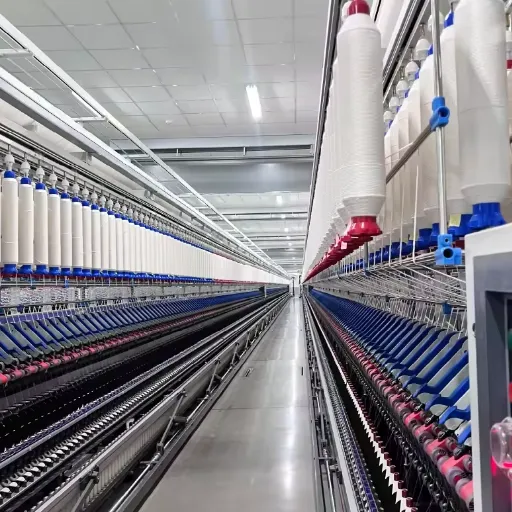
Not all spinning machines work the same way. Ring spinning, open-end or rotor spinning, air-jet spinning, and compact spinning are the four main yarn spinning techniques used in industrial production today. Each has its own strengths, costs, and ideal applications.
| Spinning System | How It Works | Fiber Use | Yarn Quality | Best Applications |
|---|---|---|---|---|
| Ring spinning | Rotates a ring and traveler to insert twist as yarn is wound onto a bobbin | Cotton, blends, synthetics | High strength, soft hand, fine counts | Premium apparel, fine knits, high-quality shirting |
| Open-end / rotor spinning | Opens fibers into a rotor cup; twist is inserted as fibers are doffed | Cotton, recycled cotton, coarse blends | Lower strength but soft, bulky, coarse counts | Denim, workwear, towels, cost-sensitive fabrics |
| Air-jet spinning | Uses air vortices to wrap fibers around a core strand | Polyester, polyester-cotton blends | Smooth, low hairiness, high productivity | Sheets, sportswear, technical fabrics |
| Compact spinning | A refinement of ring spinning that condenses the fiber strand before twist insertion | Fine cotton, premium blends | Very smooth, reduced hairiness, excellent luster | High-end apparel, luxury shirting, uniform fabrics |
Ring spinning remains the standard for quality. It produces the strongest and most refined yarns because fibers are twisted along the full length of the strand. Open-end spinning trades some strength for speed and cost savings. Air-jet spinning excels at synthetic blends and runs at very high speeds. Compact spinning, a premium variant of ring spinning, reduces hairiness and improves dye uptake, making it popular for fabrics that must look crisp and even.
The right choice depends on your product. If you need a fine, smooth dress shirt yarn, ring or compact spinning is the better path. If you need a bulky terry towel yarn, open-end spinning can deliver the texture at lower cost. A knowledgeable supplier will guide this decision based on your end use and budget. Get in touch for professional yarn production solutions built for quality and consistency.
Raw Materials and Fiber Preparation in Modern Spinning
The fiber is the foundation. Cotton, polyester, viscose, acrylic, wool, and blends each behave differently on the spinning frame. Cotton Incorporated notes that fiber length, strength, and micronaire all influence how cleanly cotton processes and how the finished yarn looks and feels. Recycled polyester and organic cotton are also increasingly common as brands respond to sustainability demands.
Fiber length, known as staple length, is one of the most important variables. Longer staples generally spin into stronger, smoother yarns. Shorter staples are harder to control and tend to produce hairier, weaker yarns, though they can still work well for coarse products like denim and filling yarns.
Blending fibers at the blow room or card stage lets engineers balance cost, performance, and appearance. A polyester-cotton blend may combine cotton’s breathability with polyester’s strength and wrinkle resistance. A recycled cotton-polyester blend can lower environmental impact while maintaining durability.
Material choice also affects dyeing and finishing. Polyester takes disperse dyes, cotton takes reactive dyes, and blends require careful process control to avoid shade variation. Planning these choices during fiber preparation reduces surprises later.
Common Yarn Defects and How Modern Spinning Avoids Them
Even the best raw material can produce poor yarn if any stage is misaligned. The most common spinning defects include:
- Neps: Small tangles of fibers that create visible lumps in fabric.
- Thick and thin places: Local variations in yarn diameter that affect appearance and strength.
- Contamination: Foreign matter such as seed coat fragments, dust, or plastic.
- Breakage: Yarn breaks during spinning usually point to weak fibers, improper tension, or excessive twist.
Modern mills reduce these defects through a combination of better raw material selection, automated cleaning, precision machine settings, and inline monitoring. Electronic clearers on winding machines physically remove defective sections before the yarn is packaged.
When you evaluate a yarn supplier, ask how defects are detected and what thresholds trigger rejection. A quality-focused mill can show you test reports and explain how each parameter maps to your product requirements.Contact our experts for high-quality yarn production designed around your requirements.
Sustainable Innovations in Yarn Spinning
Sustainability in the yarn spinning process starts before the fiber reaches the frame. Recycled polyester made from post-consumer bottles, mechanically recycled cotton from textile waste, and organic cotton grown without synthetic pesticides all reduce the environmental footprint of a finished yarn.
The spinning process itself can also become more sustainable. Energy-efficient motors, optimized air systems, and waste-recovery loops reduce power and material loss. Water-saving dyeing technologies applied after spinning further reduce resource use.
Certifications help buyers verify claims. Common standards include:
- GOTS (Global Organic Textile Standard): organic fibers and responsible processing.
- GRS (Global Recycled Standard): recycled content and chain of custody.
- OEKO-TEX: restricted substances and consumer safety.
Hebei Lida offers eco-friendly yarn options made from sustainable materials, and we can help you select the right fiber and process combination for your brand’s environmental goals. If sustainability is a priority, explore our broader collection of sustainable yarns and eco-friendly yarn production options.
Choosing the Right Yarn Spinning Partner
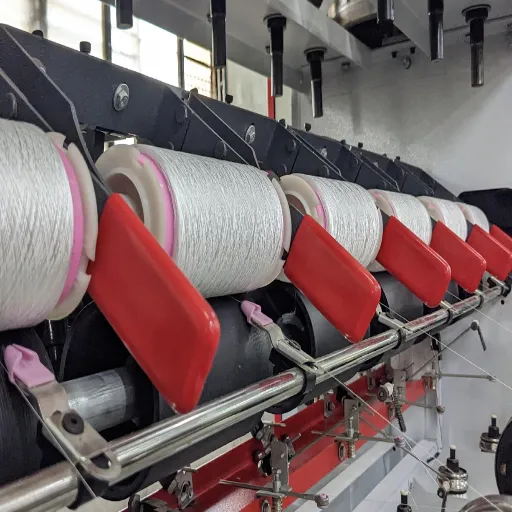
Understanding the spinning process is valuable because it changes the questions you ask a supplier. Instead of accepting a generic yarn spec sheet, you can evaluate whether the supplier’s process, machinery, and quality systems match your product goals.
Here are the factors we recommend assessing:
- Fiber sourcing and traceability: Can the supplier document fiber origin and certifications?
- Spinning system capability: Do they offer ring, rotor, air-jet, or compact spinning as needed?
- Quality control: Are test reports available for count, strength, evenness, twist, and hairiness?
- Customization: Can they adjust count, twist, ply, blend, and color to your specifications?
- Sustainability: Do they offer recycled or organic options with recognized certifications?
- Reliability and scale: Can they deliver consistent quality on time, whether for a small development lot or a full production run?
The right partner does not just sell yarn. They help you engineer it. At Hebei Lida Textile Co., LTD, we work with fashion designers, home textile brands, industrial buyers, and global distributors to produce yarns that meet precise performance, aesthetic, and sustainability requirements. If you need a custom yarn solution, our team can guide you from fiber selection through final delivery.
Conclusion
The yarn spinning process transforms raw fibers into the continuous strands that become everything from t-shirts to upholstery to industrial textiles. Each stage, fiber preparation, carding, drawing, roving, spinning, winding, and quality testing, leaves its mark on the final yarn’s strength, softness, and consistency.
Different spinning systems serve different purposes. Ring spinning delivers refined quality. Open-end spinning offers cost-effective bulk. Air-jet spinning handles synthetic blends efficiently. Compact spinning produces premium, low-hairiness yarns. Knowing these differences lets you choose the right yarn for your product instead of settling for what is available.
When you select a spinning partner, look beyond price. Ask about machinery, testing routines, customization capability, sustainability options, and delivery reliability. A supplier that controls the spinning process can help you avoid costly downstream problems and deliver textiles that perform.
Ready to source yarn that matches your exact specification? Contact Hebei Lida Textile Co., LTD today to request a sample, review test data, or discuss a custom yarn spinning project for your next collection.
Frequently Asked Questions
What is the yarn spinning process?
The yarn spinning process is the manufacturing sequence that converts loose fibers into continuous yarn. It includes fiber cleaning and alignment, drafting the fibers into a thin strand, inserting twist to bind them together, and winding the finished yarn onto cones for downstream use.
How is cotton yarn spun?
Cotton yarn is made by opening and cleaning cotton bales, carding the fibers into sliver, drawing and doubling the sliver for evenness, forming roving, and then spinning the roving into twisted yarn on ring, rotor, or compact spinning frames. The cotton yarn spinning process follows the same sequence used for other short-staple fibers, with adjustments for fiber length and cleanliness.
What is the difference between ring spinning and open-end spinning?
Ring spinning inserts twist with a rotating ring and traveler, producing strong, fine, high-quality yarns. Open-end or rotor spinning uses a rotor cup to form yarn much faster, making it ideal for coarse, bulky, and cost-sensitive yarns like denim and towels.
Why is yarn twisting important?
Twisting holds the fibers together and gives the yarn strength, elasticity, and surface character. Too little twist and the yarn is weak. Too much twist and the yarn becomes stiff and may snarl during knitting or weaving.
Can yarn be customized during spinning?
Yes. Fiber blends, yarn count, twist level, ply structure, and color can all be adjusted during spinning to meet specific product requirements. Many suppliers, including Hebei Lida, offer custom yarn development runs.
How long does the yarn spinning process take?
The time depends on fiber preparation, yarn count, order volume, and machine type. Small development lots may take days, while large production runs can take several weeks from raw material to finished, tested yarn.
Contact us for reliable yarn production solutions tailored to your specifications.