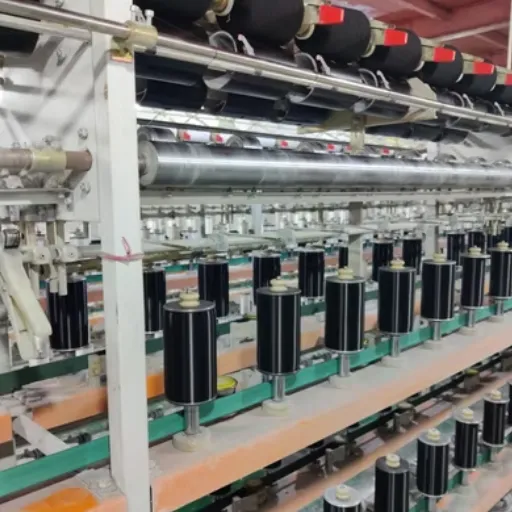
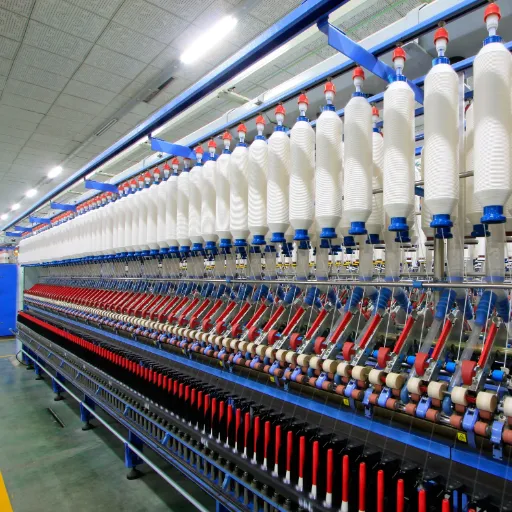



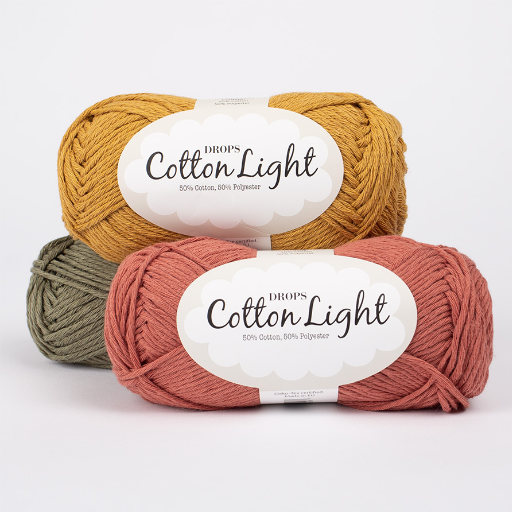


Yarn dyeing adds color to yarn after spinning but before weaving or knitting into fabric. It uses one of four main methods: package dyeing, hank dyeing, warp beam dyeing, or space dyeing. This is how fabrics get stripes, checks, gingham, and plaids, because colored yarns are woven together instead of dyed as finished cloth.
Most buyers don’t think about dyeing until a problem appears. A shade that misses the lab dip. Colors that bleed in the first wash. A curtain that fades within a season. Every one of these failures traces back to decisions made at the dye house.
When Sofia, a fashion designer in Lisbon, approved a spring collection in soft coral, she didn’t realize her supplier had skipped the after-treatment wash. Six weeks later, her factory rejected three rolls of fabric for poor wash fastness. The whole collection had to be re-sourced.
In this guide, you’ll learn what yarn dyeing is, how the four methods work, which dye types match which fibers, and how to keep color consistent. By the end, you’ll be able to specify colors, read a lab dip, and evaluate a dye house with confidence.
Key Takeaways
- Yarn dyeing colors yarn before weaving or knitting, enabling stripes, checks, plaids, and jacquards that fabric dyeing cannot produce.
- The four main yarn dyeing methods are package dyeing, hank dyeing, warp beam dyeing, and space dyeing.
- Dye type must match fiber chemistry: reactive and vat dyes for cotton, disperse for polyester, acid for wool and silk.
- Color fastness and shade consistency are the top buyer risks, controlled by lab dips and thorough after-treatment.
- Dyeing is water-intensive, but certified mills and newer technologies can cut water use dramatically.
What Is Yarn Dyeing?
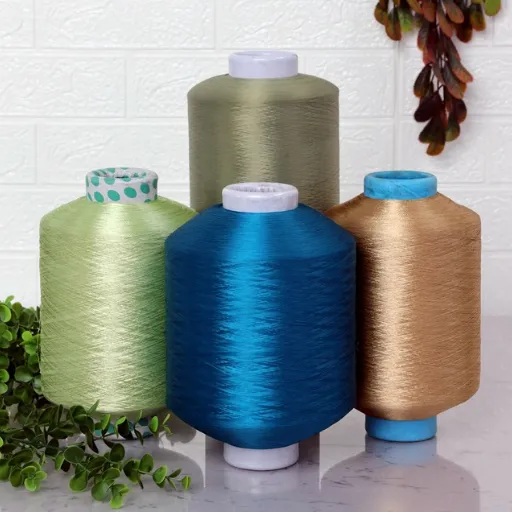
Yarn dyeing is the application of color to yarn after spinning and before fabric construction. It sits between the yarn spinning process and the weaving or knitting that turns yarn into cloth. As the Cotton Foundation explains, dyeing yarn before weaving makes patterned fabrics possible, since colored warp and filling yarns can create checks, plaids, and woven stripes.
The fiber dyeing vs yarn dyeing distinction matters. The broader textile dyeing process spans three stages, and each produces different results:
- Fiber dyeing colors loose fibers before spinning, which creates melange or heather effects.
- Yarn dyeing colors the yarn after spinning and before weaving.
- Fabric dyeing colors the finished cloth after it has been woven.
Garment dyeing, which colors a finished sewn product, is a fourth option. The stage you choose changes the patterns you can make, the cost, and lead time.
Yarn dyeing matters most when you need pattern, depth of color, or both. Yarn dyed fabric has color on the front and the back, with good fastness because the dye penetrates the yarn fully. That’s why dress shirting, suiting, denim warp yarns, and many curtains and upholstery fabrics rely on it.
The trade-off is real. Dyeing yarn costs more and takes longer than dyeing fabric because it adds a full step before weaving. In a typical cost breakdown, yarn represents 50 to 70 percent of cost, and dyeing adds 10 to 20 percent. Dyeing decisions have an outsized effect on your landed price.
The 4 Main Yarn Dyeing Methods
The main types of yarn dyeing are package dyeing, hank dyeing, warp beam dyeing, and space dyeing. Each suits different fibers, products, and volumes.
Package Dyeing
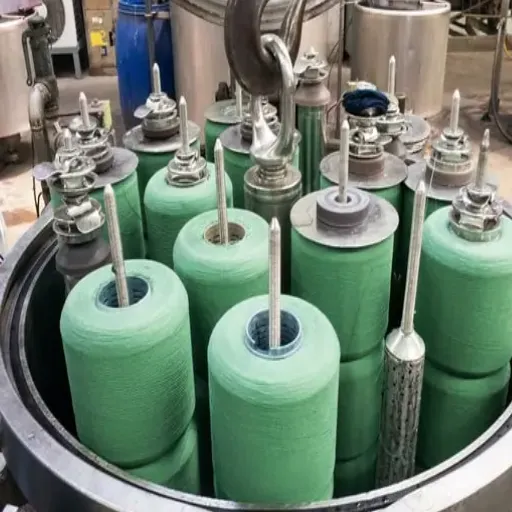
Package dyeing is the most common industrial method. Yarn is wound onto perforated tubes, usually 500 grams to 2 kilograms each, then loaded onto spindles inside a pressurized vessel. Dye liquor is pumped through the package walls from inside out and outside in, forcing color evenly through the yarn.
High-temperature, high-pressure machines deliver excellent color matching and repeatability across large lots. This is the standard for polyester and polyamide filament yarns and is widely used for cotton and blends. The catch is that winding density must be even; a loose or uneven package dyes unevenly.
Hank Dyeing
Hank dyeing, also called skein dyeing, dyes yarn wound into loose coils. The hanks hang over bars and rotate slowly in a dyebath. Because the yarn is fully exposed, dye penetrates deeply and evenly, giving hank-dyed yarn its soft, lofty hand.
Wool, acrylic, and some viscose yarns are mostly hank-dyed. The method gives the best color penetration and the softest feel, but it’s slower, risks tangling, and produces smaller lots than package dyeing.
Warp Beam Dyeing
Warp beam dyeing is a large-scale version of package dyeing. An entire warp beam, containing thousands of parallel yarns, is wound onto a perforated beam and dyed at once. It’s more economical than dyeing individual packages and common for woven fabrics, but it can’t be used for knits.
Space Dyeing
Space dyeing applies several colors at intervals along one yarn, creating multicolored or melange effects. It’s used for novelty knitwear, fashion accents, and textured looks. The process is specialized and reserved for higher-value fashion products.
| Method | How It Works | Best Fibers | Best For | Main Advantage | Main Limitation |
|---|---|---|---|---|---|
| Package dyeing | Dye pumped through perforated packages | Polyester, polyamide, cotton | Large production runs | Fast, repeatable, good color matching | Needs even winding density |
| Hank dyeing | Loose skeins immersed in dyebath | Wool, acrylic, viscose | Soft-hand yarns, knitwear | Best penetration, softest feel | Slower, tangling risk |
| Warp beam dyeing | Entire warp beam dyed at once | Cotton, blends for weaving | Woven fabric warps | Economical for large warps | Woven fabrics only |
| Space dyeing | Multiple colors at intervals | Specialty yarns | Novelty, fashion effects | Unique multicolor look | Niche, higher cost |
Want to see dyeing in action? This video walks through industrial polyester yarn dyeing using the carrier method, showing how temperature control drives dye uptake.
The Yarn Dyeing Process Step by Step
Every method follows the same logic: prepare the yarn, apply the dye, fix it, clean it, and dry it. The exact parameters depend on the fiber and dye class. This yarn dyeing flow chart shows the stages at a glance.
Stage 1: Preparation
Yarn must be clean and evenly wound before it can dye evenly. Packages are soft-wound to a uniform density so dye flows through consistently. The yarn is scoured to remove natural waxes, oils, and impurities, then bleached where a bright or light shade is needed.
Cotton yarn, for example, is treated with caustic soda and hydrogen peroxide to lift impurities and improve whiteness. Skipping this stage is a common cause of patchy dyeing.
Stage 2: Dyeing
The dyeing stage applies color under controlled conditions. Dye selection, bath ratio, temperature, and time all shape the result. Cotton with reactive dyes runs at 60 to 80 degrees Celsius, with leveling agents and salt controlling uptake. Polyester with disperse dyes needs high-temperature equipment, often around 130 degrees Celsius, because the dye must dissolve into the fiber to fix.
Shade depth also sets the time. A dark shade may run 60 minutes, a medium shade 40, a light shade 30. A sample confirms the shade before the bath drains.
Stage 3: Fixation
Fixation locks the dye into the fiber so it survives washing and wear. Reactive dyes form a chemical bond under alkaline conditions, which is why soda ash is added after the dye migrates evenly. Disperse dyes rely on heat to drive dye molecules into the fiber. Vat dyes are reduced to a soluble form, absorbed, then oxidized back into an insoluble pigment.
Stage 4: After-Treatment
After dyeing, the yarn is rinsed, neutralized, and soaped to strip unfixed dye from the surface. This step largely decides wash fastness. Reactive dye fixation runs 50 to 80 percent, so a real share of dye must be washed away; without thorough soaping, that loose dye bleeds onto other fabrics in the wash. The yarn is then softened, dewatered, and dried before hard-winding.
If you want to compare these checkpoints to what happens downstream, our guide to yarn quality control explains the testing that protects your fabric.
Dye Types Used in the Yarn Dyeing Process
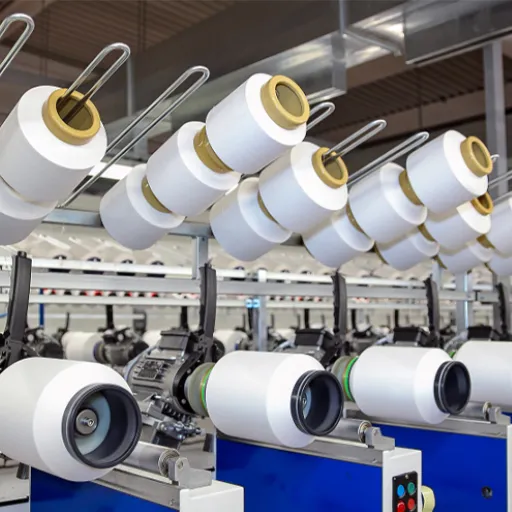
Choosing the right dye class is the most important technical decision you’ll make. Dye chemistry must match fiber chemistry, or the color will be weak, uneven, or quick to fade. This matching is the heart of the reactive dyeing process for cotton and the disperse dyeing process for polyester. Wikipedia’s dyeing guide covers every major dye class in full.
| Dye Class | Best Fibers | How It Fixes | Fastness | Typical Use |
|---|---|---|---|---|
| Reactive | Cotton, viscose, wool, silk | Chemical bond under alkaline conditions | Bright, good wash fastness | Most cotton yarn dyeing |
| Vat | Cotton, wool | Reduced, absorbed, then oxidized | Excellent overall fastness | Workwear, denim indigo |
| Disperse | Polyester, acetate, nylon | Dissolves into fiber at high heat | Very good light and wash fastness | Polyester yarn and filament |
| Acid | Wool, silk, nylon | Ionic bond under acidic conditions | Good for protein fibers | Wool and silk yarns |
| Direct | Cotton, viscose | Hydrogen bonds | Lower wash fastness | Budget applications |
| Sulfur | Cotton | Reduced sulfur dye in fiber | Good wash fastness, limited shades | Dark workwear shades |
Reactive dyes are the workhorse for cotton because they form a strong bond and deliver bright, durable colors. Vat dyes, including indigo for denim, offer the best all-around fastness and suit industrial laundering.
Disperse dyes are practically the only option for polyester. Acid dyes suit wool and silk. Getting this match wrong is how a “cheap” yarn becomes the most expensive one you ever buy.
Fiber choice also shapes color. A carded cotton yarn and a combed cotton yarn accept dye differently, one reason the yarn spinning process matters for your final color. Understanding the full yarn production process helps you ask the right questions before ordering.
Yarn Dyeing Process Quality: Color Fastness & Shade Consistency
The two risks that cost buyers the most are shade variation between lots and poor color fastness. Both are manageable if you know what to look for.
Shade variation is the more common problem. Lots dyed weeks apart drift from the approved standard because of changes in water, dye batches, temperature, or time. A reliable dye house controls this with lab dips, spectrophotometer matching, standardized recipes, and inline monitoring. The lab dip defines the approved shade before bulk production starts.
Color fastness describes how well a color resists washing, light, rubbing, and perspiration. Tests follow international standards such as ISO 105 and AATCC methods. Common defects include:
- Barré: visible streaks or bands from uneven dye uptake.
- Patchy dyeing: irregular color from poor preparation or uneven package density.
- Crocking: color that transfers when rubbed, usually from weak fixation.
- Shade mismatch: a lot that doesn’t match the approved standard.
- Poor wash fastness: color bleeding in the wash, often from weak after-treatment.
When Daniel, a sourcing manager for a European curtain brand, switched to a low-cost supplier, he saved 8 percent on the first order. The fabric looked fine in the showroom. Then the curtains failed light fastness testing after two months, and his biggest retail customer canceled the season. He now treats fastness testing as non-negotiable.
A dye house that controls shade and fastness protects your fabric downstream. If you source yarn for demanding uses, our guide to yarn for upholstery covers the specific fastness and durability needs of furniture fabrics.
Sustainability in Yarn Dyeing
Yarn dyeing is one of the most water-intensive steps in textile manufacturing. The sector uses roughly 79 billion cubic meters of water per year, and dyeing contributes a significant share of industrial water pollution. A 2024 study of 150 Turkish textile facilities found dyeing and finishing water use ranges from about 55 liters per kilogram for synthetic knit fabric to over 300 liters per kilogram for wool woven fabric.
Reduction potential is large, often 20 to 70 percent per facility. Newer technologies push further. The Indian Textile Journal reports digital dyeing cut water use by up to 92 percent for polyester versus conventional jet dyeing, while also cutting energy by up to 86 percent.
What should a buyer verify? Look for mills that:
- Use low liquor ratio machines that need less water per kilogram.
- Recycle and treat process water instead of discharging it.
- Use certified dyes with a restricted substances program.
- Hold recognized certifications such as OEKO-TEX, GOTS, or Bluesign.
- Can document water and energy use with real data.
Transparency is becoming a legal requirement, not just a claim. In July 2025, the Transformers Foundation launched the first cross-industry benchmark for water use in indigo dyeing, drawing on data from seven mills in four countries. This followed stricter green-claims rules in the EU and UK.
If sustainability matters to your brand, explore our collection of sustainable yarns and ask us about the dyeing processes we use to cut water and energy use without compromising color quality.
How to Choose a Yarn Dyeing Partner
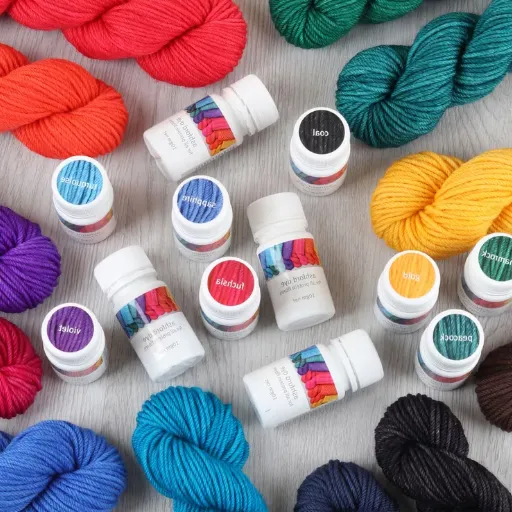
Understanding how yarn dyeing works changes the questions you ask a supplier. Instead of accepting a generic spec, you can judge whether the dye house can deliver the color, fastness, and sustainability your product needs.
Here’s a practical checklist:
- Methods offered: Can they do package, hank, or beam dyeing as your fiber requires?
- Color matching: Do they use lab dips and spectrophotometer matching? How fast is turnaround?
- Dye classes: Do they match dye class to fiber chemistry rather than using one generic process?
- Quality testing: Can they show fastness reports (ISO 105, AATCC) and lot-to-lot shade records?
- Lead time and MOQ: Yarn dyeing needs longer lead times and larger minimums than fabric dyeing; confirm these early.
- Certifications: Do they hold OEKO-TEX, GOTS, or Bluesign? Can they document water and energy use?
- Traceability: Can they trace a dyed lot back to its fiber source and dye recipe?
Red flags include no spectrophotometer, no lab dips, no fastness reports, or colors “guaranteed” without documentation. Dyeing problems are expensive to find late: a shade mismatch in finished fabric means re-dyeing, re-weaving, or writing off the lot.
Working with a yarn manufacturer who controls dyeing in-house reduces this risk, because one team is accountable from fiber to finished yarn. At Hebei Lida Textile Co., LTD, we match dye classes to your fiber, run lab dips before bulk production, and test fastness at every stage. We can also produce custom yarn solutions in your exact colors.
Conclusion
Yarn dyeing decides more about your product than most buyers realize. It determines whether you can make stripes, checks, and plaids, how much your fabric costs, how long sourcing takes, how well color lasts, and how large your environmental footprint is.
The four methods, package, hank, warp beam, and space dyeing, each serve different fibers and products. Dye class must match fiber chemistry: reactive and vat for cotton, disperse for polyester, acid for wool and silk. Color fastness and shade consistency are the risks that hurt buyers most, controlled by lab dips, spectrophotometer matching, and rigorous after-treatment. Dyeing is water-intensive, but certified mills are cutting water use dramatically.
When you source yarn, ask about the dyeing method, color matching, fastness testing, lead time, and sustainability data. A supplier that controls dyeing in-house, like Hebei Lida, can help you avoid costly surprises and deliver textiles that perform.
Ready to source yarn in your exact colors? Contact Hebei Lida Textile Co., LTD today to request a sample, review fastness data, or discuss a custom yarn dyeing project for your next collection.
Frequently Asked Questions
What is yarn dyeing?
Yarn dyeing applies color to yarn after spinning but before weaving or knitting. It enables patterned fabrics such as stripes, checks, gingham, and plaids by weaving together differently colored yarns, and it provides color on both sides with good fastness.
What are the methods of yarn dyeing?
The four main yarn dyeing methods are package dyeing, hank dyeing, warp beam dyeing, and space dyeing. Package dyeing suits large runs, hank dyeing suits wool and acrylic, warp beam dyeing is for woven fabric warps, and space dyeing creates multicolor effects.
What is the difference between yarn dyeing and fabric dyeing?
Yarn dyeing colors yarn before weaving or knitting, which allows patterned fabrics with color on both sides. Fabric dyeing colors finished cloth, which is cheaper and faster but can only produce solid colors, not woven patterns.
Which dyes are used for cotton yarn dyeing?
Cotton yarn is most commonly dyed with reactive dyes, which form a strong chemical bond with the fiber and give bright, durable colors. Vat dyes, including indigo, offer even better fastness for workwear and denim, while direct and sulfur dyes are cheaper options with lower performance.
How do you prevent shade variation in yarn dyeing?
Shade variation is controlled with lab dips, spectrophotometer matching, standardized recipes, precise temperature and time control, and inline monitoring. Buyers should approve a lab dip before bulk production and require shade-consistency records across lots.
Is yarn dyeing more expensive than fabric dyeing?
Yes. Yarn dyeing adds a full process step before weaving, so it costs more and takes longer than fabric dyeing. In typical cost breakdowns, dyeing adds 10 to 20 percent of fabric cost and requires longer lead times and larger minimums.