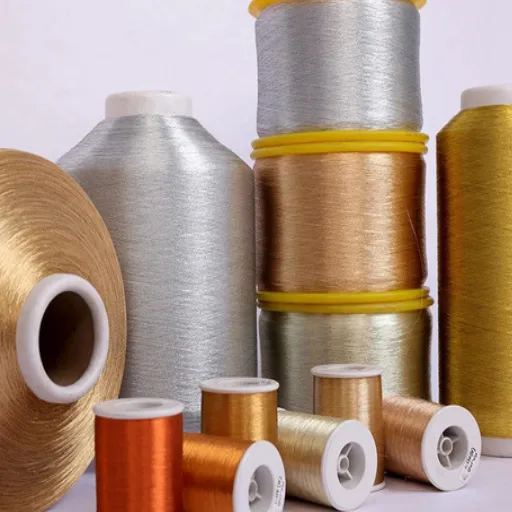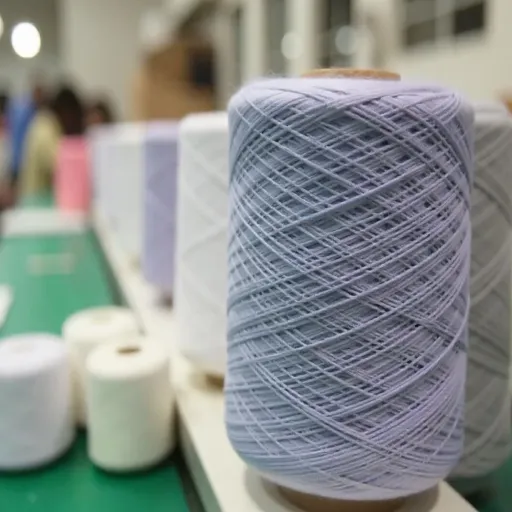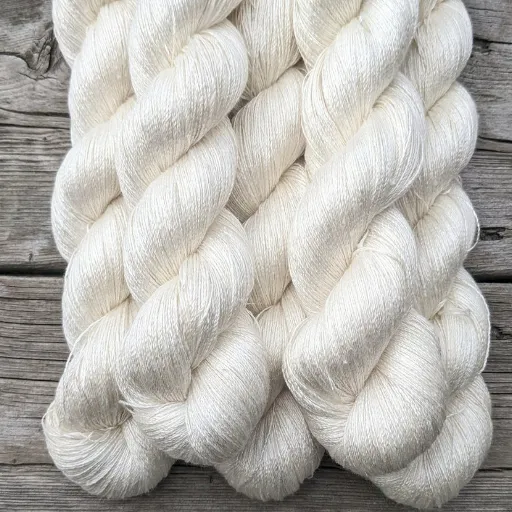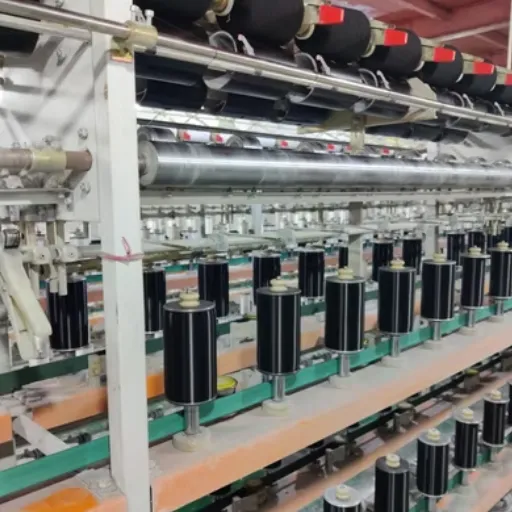
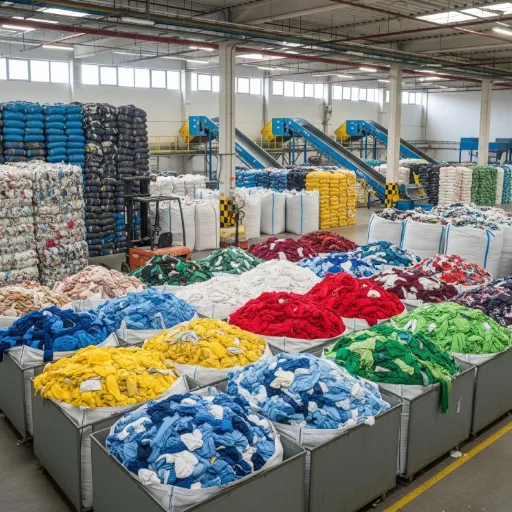
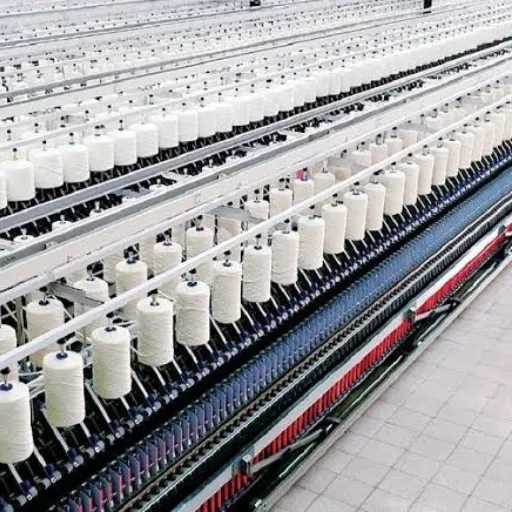

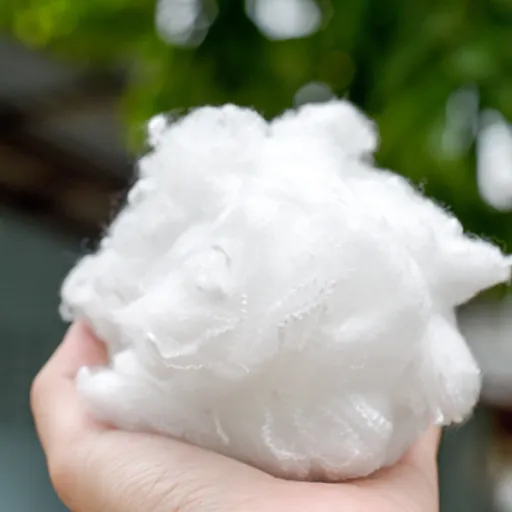
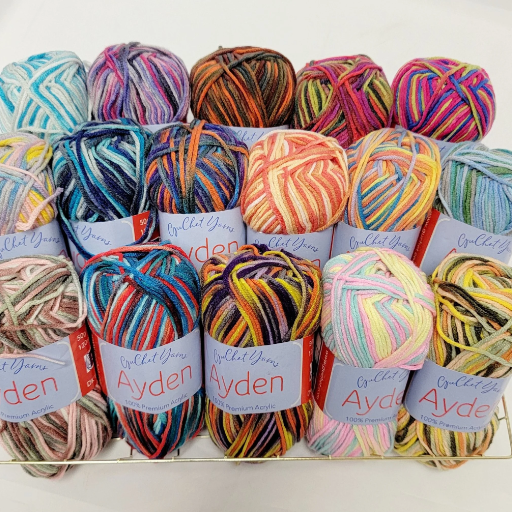
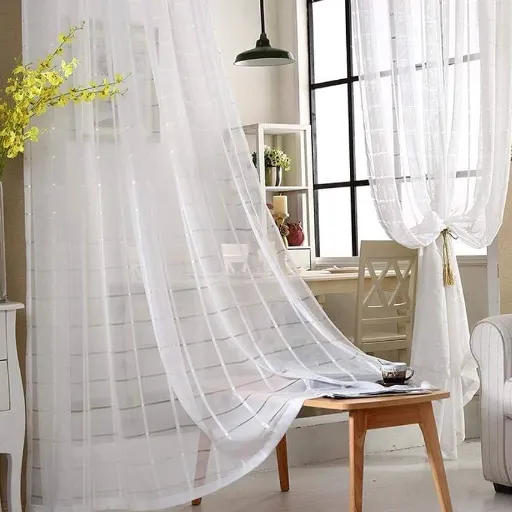


Custom yarn production is made-to-order yarn manufacturing where every specification, including fiber type, blend ratio, yarn count, twist, color, and finish, is engineered to a buyer’s exact requirements rather than pulled from a stock catalog. It gives designers, brands, and industrial buyers control over performance, aesthetics, and compliance that off-the-shelf yarns simply can’t match.
Most buyers discover custom yarn production only after a stock option falls short. A designer needs a proprietary color for a capsule collection. A furniture brand needs yarn that survives 50,000 double rubs. An industrial buyer needs a high-tenacity blend with flame-retardant certification. In every case, the same question appears: how do you turn a concept into a reliable, repeatable yarn?
This guide walks through the full custom yarn production process. You’ll learn what can be customized, how the order-to-delivery timeline works, what MOQs and pricing look like, and how to choose a manufacturing partner for reliable custom yarn solutions.
Key Takeaways
- Custom yarn production engineers fiber, blend, count, twist, color, and finish to your exact specifications.
- A typical order moves through seven stages: requirements review, sampling, approval, bulk production, in-process QC, final testing, and shipment.
- Standard MOQs range from 300–500 kg per color for custom dye lots and 1,000 kg+ for custom blends.
- Total lead time usually runs 5–8 weeks, split between 1–3 weeks for sampling and 2–4 weeks for bulk production.
- Choose a partner based on technical capability, certifications, quality control, capacity, and transparent communication, not price alone.
What Is Custom Yarn Production?
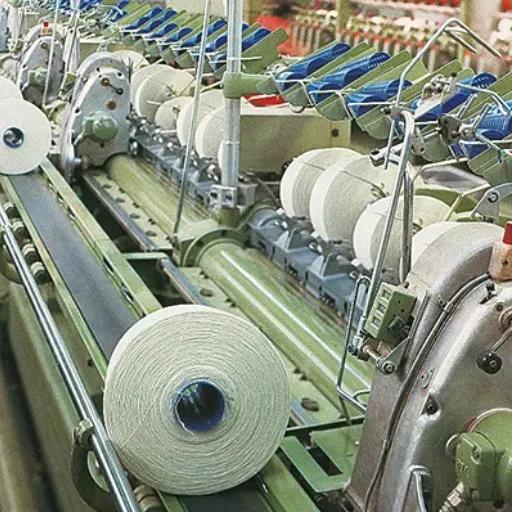
Custom yarn production is the process of manufacturing yarn to a buyer’s unique specifications. In practice, the terms custom yarn production, custom yarn manufacturing, and bespoke yarn spinning all describe the same service: instead of selecting a finished cone from a supplier’s catalog, you define the raw materials, structural properties, color, and functional treatments you need. The manufacturer then develops samples, locks the approved specification, and produces the bulk order under controlled conditions.
The main difference between stock yarn and custom yarn is control. Stock yarn offers speed and low MOQs, but the color, fiber blend, and performance profile are fixed. Custom yarn production trades a longer lead time for the ability to create something proprietary. That control matters when a product’s success depends on a specific hand-feel, durability target, or sustainability credential.
At Hebei Lida Textile, custom yarn production covers the full range of natural and synthetic fibers. Buyers can request cotton, polyester, acrylic, wool, viscose, silk, recycled blends, and specialty performance fibers. Each order starts with a technical discussion so the final yarn matches the end use, whether that is fashion knitwear, custom yarn for upholstery, curtains, or industrial textiles.
When Custom Yarn Production Makes Sense
Not every project needs custom yarn. Stock yarn works well for prototyping, basic garments, or products where color and performance are not differentiators. Custom yarn production becomes the right choice in five common situations.
Proprietary designs. A fashion brand launching a signature collection may need a color or texture that competitors cannot copy. Custom dye lots and custom blends create exclusivity.
Performance requirements. Home textiles, outdoor fabrics, and industrial products often need properties stock yarns cannot provide: UV resistance, flame retardancy, waterproofing, antimicrobial protection, or high tensile strength.
Sustainability and compliance. Eco-conscious brands may require organic cotton, recycled polyester, or fibers certified to GRS, GOTS, or OEKO-TEX standards. Custom production lets you build those requirements into the yarn from the start.
Consistent supply at scale. Once a custom yarn is approved, the specification is locked. Reorders can be produced to the same standard, which reduces variation and simplifies quality control across seasons.
Cost optimization. Ordering directly from a manufacturer removes intermediaries. For buyers with predictable volume, custom production can lower the total cost of ownership even when the per-kilogram price appears higher than commodity stock.
Want to explore how custom specifications translate into finished yarn? Read our guide to custom yarn designs for a practical checklist from concept to production-ready spec.
The Custom Yarn Production Process Step by Step
Understanding the workflow helps you plan timelines, avoid sampling mistakes, and manage expectations across your team. Most custom yarn orders follow seven clear stages. For a deeper look at the underlying machinery and methods, see our guide to how yarns are manufactured.
1. Requirements Gathering and Feasibility Review
The process begins when you share your technical requirements. A strong inquiry includes the end use, target fiber or blend, yarn count, twist level, color reference, expected volume, and any certifications required.
The manufacturer reviews this information against available machinery, raw material availability, and dye-lot economics. If a requested specification is impractical, for example, a twist level that causes excessive breakage on a particular fiber blend, the engineering team will flag it early and propose alternatives.
2. Sample and Lab-Dip Development
Once the requirements are clear, the manufacturer produces small samples. This stage usually includes lab-dips for color matching, yarn swatches for hand-feel and structure, and sometimes knit-down or woven samples so you can see how the yarn behaves in fabric form.
Sampling typically takes 1–3 weeks. Initial samples may arrive in 5–10 working days, but revisions add time. Each round of color or structural adjustment usually takes another 1–2 weeks.
3. Sample Approval and Specification Lock
Sample approval is the most important checkpoint in custom yarn production. Physical samples should always be evaluated in person or by a trusted quality partner. Approving from photos alone is a common source of disputes, because screen colors and lighting distort appearance.
When the sample is approved, the manufacturer documents every parameter: fiber blend percentage, yarn count, twist direction and level, dye recipe, finish, and packaging. This locked specification becomes the reference for bulk production.
4. Bulk Production Scheduling
After approval, the manufacturer schedules bulk production. Raw fibers are sourced, machinery is set to the approved parameters, and the production run is booked. For large orders, production may be split into lots to maintain consistency and manage capacity.
5. In-Process Quality Control
During spinning, drawing, twisting, and winding, technicians monitor key parameters. These typically include tension, breakage rate, twist evenness, yarn diameter, and color uniformity. Catching issues during production is far less expensive than discovering them after the full batch is finished.
6. Final Inspection and Testing
Finished yarn undergoes final testing based on the buyer’s requirements. Common tests include tensile strength, elongation, evenness, hairiness, colorfastness, shrinkage, and any functional performance tests such as UV resistance or flame retardancy.
7. Packaging, Labeling, and Shipment
The yarn is wound onto cones, skeins, or spools according to the buyer’s preference. Each package is labeled with batch numbers, specifications, and care instructions. Documentation such as Certificates of Analysis or compliance certificates are prepared for customs and buyer records.
The video below shows how raw fiber moves through opening, carding, drawing, and spinning into finished yarn. You can also read a detailed breakdown of each stage at Textile Details.
What You Can Customize
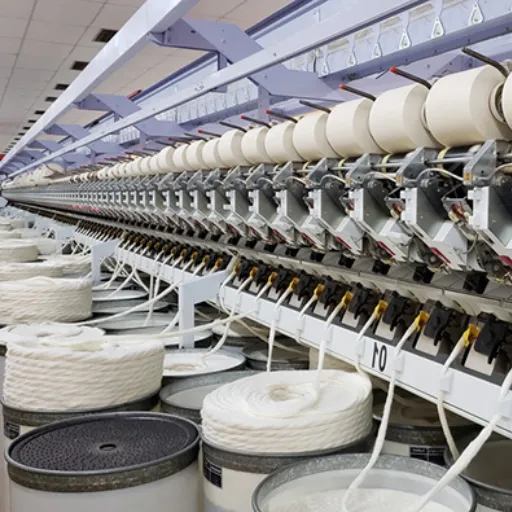
The value of custom yarn production lies in the number of variables you can control. Here are the most common customization levers.
Fiber Type and Blend
You can choose natural fibers such as cotton, wool, silk, linen, and hemp; synthetic fibers such as polyester, nylon, and acrylic; or recycled and regenerated options such as recycled polyester, recycled cotton, and viscose. Blends can be tuned for softness, strength, elasticity, moisture management, or cost.
For example, a cotton-polyester blend can combine the breathability of cotton with the durability and wrinkle resistance of polyester. A wool-acrylic blend can deliver warmth at a lower price point than pure wool.
Yarn Count, Ply, and Twist
Yarn count determines thickness. Ply describes how many single strands are twisted together. Twist level affects strength, elasticity, hand-feel, and appearance. A higher twist generally produces stronger, more compact yarn, while a lower twist creates softer, loftier yarn.
Color and Dye Method
Custom color matching can be done from Pantone references, physical swatches, or digital files. Dye methods include package dyeing, skein dyeing, and dope dyeing for synthetic fibers. Each method affects colorfastness, cost, and minimum order quantities.
Functional Treatments
Performance finishes can be applied during or after spinning. Common treatments include anti-pilling, moisture-wicking, antimicrobial, UV-resistant, flame-retardant, and water-repellent finishes. These treatments add value for technical textiles, outdoor fabrics, and safety apparel.
Packaging and Labeling
Yarn can be wound onto cones, king spools, cheeses, skeins, or hanks. Custom labeling with your brand name, care instructions, or barcode supports retail and inventory workflows.
MOQs, Lead Times, and Pricing Factors
One of the first questions buyers ask is whether custom yarn production fits their volume and budget. While every manufacturer sets its own thresholds, these industry benchmarks are useful for planning.
Typical MOQs and Lead Times
| Item | Typical Range | Notes |
|---|---|---|
| Custom dye lots | 300–500 kg per color | Minimum for custom color matching |
| Custom blends | 1,000 kg or more | Depends on fiber complexity |
| Small trial orders | Lower quantities accepted | Higher per-kilogram cost |
| Sampling | 1–3 weeks | Includes color and structural revisions |
| Bulk production | 2–4 weeks | Starts after sample approval |
| Total order-to-delivery | 5–8 weeks | Sampling + production + shipment |
Rush production is sometimes possible, but it usually increases cost and may limit color or finish options.
Pricing Factors
Several variables affect the final price per kilogram:
- Raw fiber cost: Natural fibers like silk and high-grade wool cost more than standard polyester or acrylic.
- Blend complexity: Multi-fiber blends require additional blending and testing steps.
- Dye method: Dope-dyed synthetic yarns can be more efficient for large volumes, while small custom dye lots cost more per kilogram.
- Certifications: Organic, recycled, or performance certifications add testing and documentation costs.
- Volume: Larger orders reduce per-unit fixed costs.
When comparing quotes, look at total cost of ownership, not just unit price. A lower per-kilogram quote from a supplier with weak quality control can become expensive if the yarn causes production delays, defects, or customer returns.
Need a quote for your next custom yarn order? Contact our team to discuss your specifications, MOQs, and timeline.
Quality Control and Certifications
Quality control is what separates a reliable custom yarn production partner from a risky one. A strong quality system includes incoming fiber inspection, in-process monitoring, finished-product testing, and documented traceability.
Common Quality Tests
| Test | What It Measures |
|---|---|
| Tensile strength and elongation | Force required to break the yarn |
| Evenness and hairiness | Consistency along the yarn length |
| Colorfastness | Resistance to washing, rubbing, and light |
| Shrinkage | Dimensional change after washing or heat |
| Functional testing | UV resistance, flame retardancy, antimicrobial, waterproofing |
Important Certifications
| Certification | What It Confirms |
|---|---|
| OEKO-TEX Standard 100 | Yarn is free from harmful substances |
| GOTS (Global Organic Textile Standard) | Organic fibers, environmental and social criteria |
| GRS (Global Recycled Standard) | Recycled content and chain of custody |
| ISO 9001 | Structured quality management system |
| RWS / RMS | Animal welfare and land management standards |
The certifications you need depend on your market and end customers. A children’s apparel brand may need OEKO-TEX. A brand marketing recycled content may need GRS. An industrial buyer may need ISO 9001 plus specific performance test reports.
How to Choose a Custom Yarn Production Partner
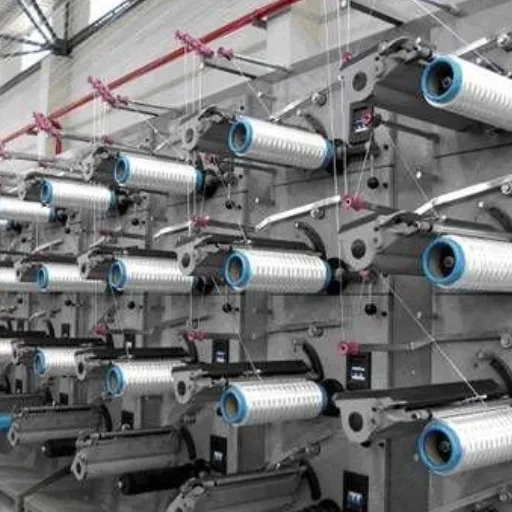
The right partner does more than produce yarn. They help you translate design intent into a manufacturable specification, catch problems before they become expensive, and deliver consistent quality across reorders. Here is a practical framework for evaluation.
Define your requirements first. Before contacting suppliers, document the end use, target specifications, volume, budget, and required certifications. This makes it easier to compare quotes and avoids wasted sampling cycles.
Evaluate technical capabilities. Ask about fiber and blend experience, machinery types, spinning systems, and R&D support. A partner with relevant OEM yarn manufacturing experience can often suggest improvements that reduce cost or improve performance.
Verify certifications and testing. Request copies of current certificates and ask whether third-party test reports are available for similar products. Don’t assume that a certification applies to every yarn the supplier makes.
Assess capacity and lead times. Confirm that the supplier can handle both your initial development volume and your projected bulk volume. Ask about standard lead times, sample turnaround, and contingency planning for urgent orders.
Request samples and run your own tests. Even when a supplier provides test reports, evaluate physical samples yourself. Test wash durability, colorfastness, and how the yarn performs on your own knitting or weaving equipment.
Compare total cost, not just unit price. Factor in sampling costs, shipping, customs, defects, rework, and the cost of delays. A reliable supplier with a slightly higher unit price often costs less over the life of a program.
At Hebei Lida Textile, we support custom yarn production across fashion, home textiles, and industrial applications. Explore our full range of textile yarns to see the fibers and specifications we work with.
Common Mistakes to Avoid
Even experienced buyers make mistakes during custom yarn production. Avoiding these five pitfalls will save time, money, and frustration.
Approving samples from photos. Color, luster, and hand-feel cannot be judged accurately from a screen. Always approve physical samples.
Changing specifications after approval. Even small changes to blend, twist, or dye recipe can affect performance and consistency. Lock the specification before bulk production begins.
Skipping the pre-production sample. A pre-production sample confirms that the bulk line can reproduce the approved lab sample at scale.
Ignoring batch-to-batch consistency. Agree on acceptable tolerance ranges for color, count, and strength. Reorders should match the original standard, not just pass individually.
Selecting on price alone. The lowest quote often reflects weaker quality control, slower communication, or hidden costs. Evaluate the full partnership.
Conclusion
Custom yarn production turns a design concept into a repeatable, quality-controlled material. By understanding the stages, from requirements gathering and sampling to bulk production and final testing, you can plan realistic timelines, set clear specifications, and choose a manufacturing partner that delivers dependable custom yarn solutions.
The global textile yarn market is projected to grow from USD 12.8 billion in 2024 to USD 20.3 billion by 2034, according to Market.us, driven by demand for specialized, sustainable, and high-performance materials. Custom yarn production sits at the center of that trend, giving brands the ability to differentiate through fiber innovation, performance engineering, and responsible sourcing.
If you’re planning a custom yarn project, start with a clear brief. Define the end use, fiber preferences, performance targets, volume, and certifications. Then partner with a manufacturer that offers transparent communication, rigorous quality control, and the technical flexibility to bring your specification to life.
Ready to start your custom yarn production project? Contact Hebei Lida Textile to discuss your requirements, request samples, and receive a detailed quotation.
FAQ
What is custom yarn production?
Custom yarn production is the manufacture of yarn to a buyer’s unique specifications, including fiber type, blend, count, twist, color, finish, and packaging. It differs from stock yarn, which is produced in standard specifications and sold from inventory.
How long does custom yarn production take?
Total lead time is typically 5–8 weeks. Sampling takes 1–3 weeks, and bulk production takes 2–4 weeks depending on complexity and capacity.
What is the MOQ for custom yarn production?
Custom dye lots often require 300–500 kg per color. Custom blends typically require 1,000 kg or more. Some suppliers accept smaller trial orders at higher per-kilogram cost.
Can I use recycled or organic fibers in custom yarn production?
Yes. Many manufacturers offer recycled polyester, recycled cotton, organic cotton, and other sustainable fibers. Certifications such as GRS, GOTS, and OEKO-TEX can be arranged depending on the supplier.
How do I choose a custom yarn manufacturer?
Evaluate technical capabilities, certifications, quality control processes, capacity, lead times, communication, and total cost of ownership. Request samples and, when possible, run your own tests before placing a bulk order.