


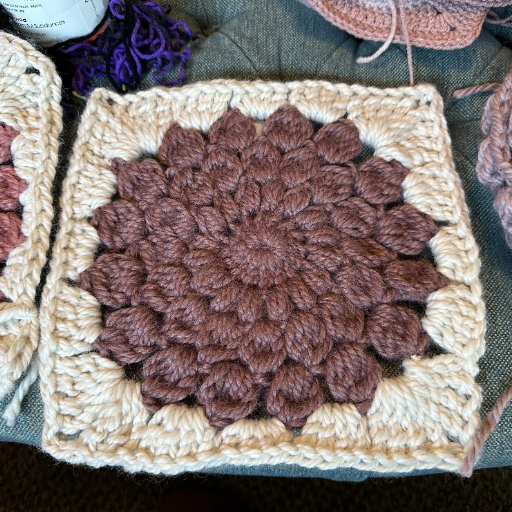
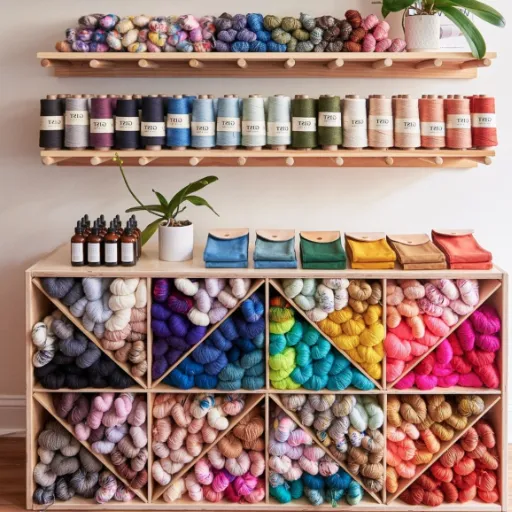


Yarn production for upholstery is the process of converting raw fibers into yarn engineered to withstand the wear, abrasion, and light exposure that furniture faces every day. Unlike apparel yarn, upholstery yarn is built for strength, dimensional stability, and colorfastness long before it ever reaches the loom.
Most furniture buyers see a finished fabric swatch and make decisions based on color and texture. But the real performance of that sofa, chair, or cushion was determined much earlier, at the yarn stage. When you understand how production choices affect durability, you can specify better materials and choose suppliers that deliver consistent results.
In this guide, you will learn how upholstery yarn is produced step by step, which parameters affect furniture performance, and what to ask for when sourcing yarn for your next collection. Contact us for reliable yarn production solutions tailored to your specifications.
Key Takeaways
- Upholstery yarn production adapts standard textile manufacturing for abrasion resistance, lightfastness, and dimensional stability.
- Fiber choice, twist level, and tenacity are the three biggest production levers that determine how well a yarn performs in furniture.
- Solution-dyed yarns offer the best colorfastness for outdoor and high-light upholstery applications.
- Recycled polyester, organic cotton, and other sustainable fibers can be engineered for upholstery without sacrificing durability.
- Custom upholstery yarn lets buyers specify count, twist, color, and performance targets such as abrasion cycles and tensile strength.
What Is Yarn Production for Upholstery?
Yarn production for upholstery is the sequence of manufacturing steps that transforms fibers into yarn specifically designed for furniture fabrics. It covers fiber selection, opening and blending, carding, drawing, roving, spinning, winding, dyeing, and finishing, with each stage tuned to meet upholstery-grade performance standards.
The global furniture upholstery fabric market is projected to reach approximately $6.44 billion in 2026, growing at a 5.67% CAGR through 2032. That growth is driven by demand for durable, easy-clean, and sustainable furniture materials, all of which start with the right yarn.
The difference between upholstery yarn and regular yarn comes down to specifications. Upholstery yarn must survive repeated rubbing, stretching, and exposure to light without losing strength or color. That means higher twist, higher tenacity, and often heavier counts than yarns used for apparel or bedding.
How Upholstery Yarn Production Differs from Regular Yarn
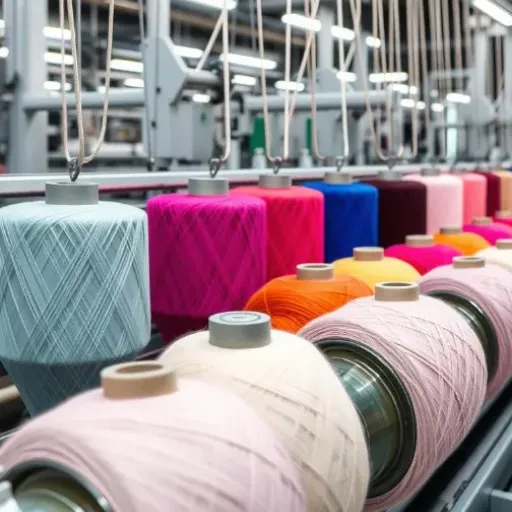
Before walking through the steps, it helps to understand why upholstery yarn manufacturing is a category of its own.
Upholstered furniture is tested for abrasion using methods like the Martindale or Wyzenbeek tests. Residential upholstery typically needs 3,000 to 9,000 double rubs, while contract or high-traffic seating may need 30,000 rubs or more. Those numbers are measured on fabric, but they are heavily influenced by yarn properties. Contact us for reliable yarn production solutions tailored to your specifications.
Here is how upholstery yarn production differs from standard yarn manufacturing:
| Feature | Apparel Yarn | Upholstery Yarn |
|---|---|---|
| Tenacity | Standard (3.5–4.8 g/d) | Medium to high (4.5–8.0 g/d) |
| Twist level | Moderate | Higher, often two-ply or twisted |
| Yarn count | Fine to medium | Heavier, more durable counts |
| Abrasion resistance | Lower priority | Critical design target |
| Colorfastness | Moderate | High, especially for outdoor use |
| Finishes | Softening, anti-static | Anti-pilling, UV, stain, water repellent |
When Lisa, a product manager at a mid-sized furniture brand, switched from a generic polyester yarn to a medium-tenacity, two-ply upholstery yarn for her sofa line, the fabric passed 25,000 double rubs instead of failing at 8,000. The change cost slightly more per kilogram but cut warranty claims by nearly 40% over the next year.
Step-by-Step Yarn Production for Upholstery
The journey from fiber to furniture-grade yarn follows a clear sequence. Each stage offers opportunities to improve performance or reduce cost, and the choices made at one stage affect every stage that follows.
1. Fiber Selection
The first decision is the fiber itself. Common choices for upholstery yarn include:
- Polyester: Affordable, durable, and widely used for residential and outdoor furniture.
- Nylon: Strong and resilient, ideal for high-traffic commercial seating.
- Olefin: Lightweight, moisture-resistant, and often used for outdoor upholstery.
- Acrylic: Soft, colorfast, and common in premium outdoor fabrics.
- Cotton, linen, wool: Natural options prized for hand feel and appearance, though they often need treatments for stain and abrasion resistance.
- Recycled fibers: Recycled polyester (rPET) and recycled cotton are increasingly used for sustainable upholstery lines.
Fiber selection affects not only cost and feel but also how the yarn will behave under stress. For example, nylon fibers recover well from compression, which is why office chairs and hospitality seating often use nylon blends.
Want to see how fiber choice connects to finished fabric performance? Read our complete guide to yarn for upholstery.
2. Fiber Preparation and Blending
Raw fibers arrive in bales. The first step is opening, cleaning, and blending them into a uniform feed. This stage removes dust, short fibers, and contaminants that could weaken the final yarn.
For blended yarns, such as polyester-cotton or recycled-polyester blends, precise blending ratios are critical. A 70/30 polyester-cotton blend performs differently from an 80/20 blend, and that ratio must be consistent across every batch.
Recycled fibers require extra care. They may vary in length and color, so preparation includes additional sorting and cleaning. Research shows that recycled polypropylene can replace up to 20% of virgin material in upholstery yarn without significantly affecting breaking strength.
3. Carding and Combing
Carding aligns the fibers into a continuous strand called a sliver. It also removes remaining impurities and short fibers. For upholstery yarns, carding creates the basic fiber alignment needed for strength and evenness.
Combing is an optional step that removes even more short fibers and produces a smoother, stronger, more uniform yarn. It is often used for premium upholstery applications where surface quality matters. However, combing adds cost, so it is usually reserved for higher-end furniture lines.
4. Drawing and Roving
Drawing combines several slivers and stretches them to improve uniformity. This step is essential because uneven yarn creates visible defects in woven upholstery fabric.
Roving then attenuates the drawn sliver and adds a light twist to form a soft, rope-like strand. This intermediate material is strong enough to handle but still thin enough to be spun into final yarn.
5. Spinning: Twisting Fibers into Yarn
Spinning is the heart of yarn production for upholstery. During spinning, roving is drafted and twisted into finished yarn. The twisting action binds fibers together and determines much of the yarn’s strength and surface character.
Common spinning systems include:
- Ring spinning: Produces strong, smooth yarn with good tensile properties. Common for premium upholstery yarns.
- Rotor (open-end) spinning: Faster and more economical, suitable for coarser counts and heavy-duty applications.
- Air-jet/vortex spinning: Good for polyester blends and high-speed production.
- Compact spinning: Reduces hairiness and improves yarn smoothness, useful for refined upholstery surfaces.
Twist level is especially important. Higher twist creates a rounder, more cohesive yarn that resists abrasion better because less fiber surface is exposed to rubbing. In decorative chenille yarns, research has shown that increasing twist from 800 to 900 turns per meter can improve abrasion resistance and reduce pile loss.
For a deeper look at spinning systems, see our article on the yarn spinning process.
6. Winding and Cone Preparation
After spinning, yarn is wound onto cones or cheeses for weaving or knitting. This stage includes clearing defects, controlling tension, and forming packages that feed cleanly into downstream machinery.
Poor winding causes breaks, tension problems, and defects in the final fabric. For upholstery production, consistent package quality helps maintain even fabric structure and appearance.
7. Dyeing: Solution-Dyed, Yarn-Dyed, and Piece-Dyed
Color is applied at different points depending on the desired result.
- Solution-dyed: Pigment is added during fiber extrusion, before the yarn is ever formed. This creates exceptional colorfastness because the color is locked inside the fiber. Solution-dyed yarns are the gold standard for outdoor and marine upholstery.
- Yarn-dyed: Yarn is dyed after spinning but before weaving. This method is common for patterned upholstery fabrics and offers good colorfastness and rich visual effects.
- Piece-dyed: The finished fabric is dyed. This is the most economical option but generally offers lower colorfastness than solution-dyed or yarn-dyed alternatives.
If your furniture will sit near windows or outside, specifying solution-dyed yarn can prevent the fading and streaking that ruin piece-dyed fabrics over time.
8. Finishing and Performance Treatments
After dyeing, yarns may receive finishing treatments to enhance performance. Common treatments include:
- Anti-pilling: Reduces fiber migration and pilling on the fabric surface.
- UV resistance: Protects against sun damage for outdoor furniture.
- Water and stain repellency: Helps liquids bead up instead of soaking in.
- Antimicrobial and mildew resistance: Important for humid or outdoor environments.
Some treatments are applied at the yarn stage, while others are applied after weaving. Applying treatments at the yarn stage can provide more uniform protection throughout the fabric.
Contact our experts for high-quality yarn production designed around your requirements.
Key Quality Tests for Upholstery Yarn
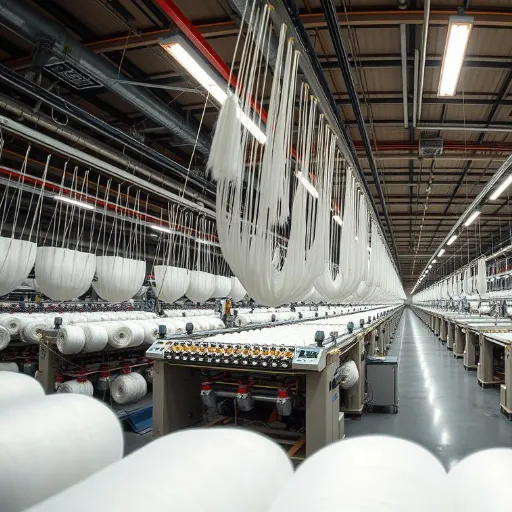
Quality control in yarn production for upholstery is not optional. Every batch should be tested to confirm it meets the performance requirements of the final furniture application.
Key tests include:
- Tensile strength / breaking tenacity: Measures how much force the yarn can withstand before breaking. Medium-tenacity polyester (4.5–5.5 g/d) suits general upholstery, while high-tenacity polyester (6.0–8.0 g/d) is used for heavy-duty applications.
- Evenness and imperfections: Uster testing detects thick places, thin places, and neps that could show through the fabric.
- Twist level and variation: Ensures consistency in strength and surface texture.
- Abrasion resistance: Usually tested at the fabric level, but driven by yarn structure, fiber choice, and twist.
- Colorfastness: Tests exposure to light, washing, crocking, and dry cleaning.
- Dimensional stability and shrinkage: Predicts how the fabric will behave after cleaning or humid conditions.
For more detail on testing protocols, see our guide to yarn quality control.
Fiber-Specific Production Notes
Different fibers require slightly different production approaches. Here is what matters most for the fibers used in upholstery.
Polyester Yarn Production for Upholstery
Polyester is the workhorse of upholstery yarn. It is affordable, durable, and easy to dye. Production typically uses either virgin PET chips or recycled PET flakes.
For furniture, manufacturers often choose medium-tenacity or high-tenacity polyester. High-tenacity versions withstand more stress and abrasion, making them suitable for commercial seating and heavy-use residential furniture.
Recycled polyester is produced by melting down post-consumer plastic bottles or industrial waste and extruding new fibers. With proper quality control, rPET can match the performance of virgin polyester for many upholstery applications.
Nylon Yarn Production for Upholstery
Nylon is stronger and more elastic than polyester, which makes it ideal for high-traffic environments. The two main types are nylon 6 and nylon 6,6. Nylon 6,6 generally offers slightly higher melting points and better dimensional stability.
Nylon upholstery yarn is often solution-dyed and treated for stain resistance. Because nylon recovers well from compression, it is frequently used in office chairs, hotel lobbies, and theater seating.
Olefin and Acrylic Yarn Production for Upholstery
Olefin and acrylic are popular for outdoor upholstery because they resist moisture and UV damage.
- Olefin is lightweight, dries quickly, and is often solution-dyed for excellent colorfastness. It is common in patio furniture and marine upholstery.
- Acrylic feels softer than olefin and is also solution-dyed. Premium outdoor fabrics often use solution-dyed acrylic for a balance of comfort and weather resistance.
Natural Fiber Yarn Production for Upholstery
Cotton, linen, and wool can all be used for upholstery, but they require careful production and finishing.
- Cotton is soft and breathable but less abrasion-resistant than synthetics. It is often blended with polyester for durability.
- Linen has a distinctive texture and luxury appeal but wrinkles easily. It works best for formal or low-traffic seating.
- Wool offers natural flame resistance and resilience. Tightly plied wool yarns perform better than loosely spun ones because they resist pilling and felting.
Natural fibers are usually dyed after spinning or after weaving, and they often need protective treatments to compete with synthetics on durability. Contact our experts for high-quality yarn production designed around your requirements.
Sustainable Innovations in Upholstery Yarn Production
Sustainability is no longer a niche concern in furniture manufacturing. Brands and consumers increasingly want upholstery that performs well and reduces environmental impact.
Several innovations are changing sustainable upholstery yarn production:
- Recycled polyester (rPET): Made from post-consumer plastic bottles or textile waste, rPET reduces landfill use and energy consumption compared to virgin polyester.
- Recycled cotton: Recovered cotton fibers can be blended with virgin or synthetic fibers to create upholstery yarns with lower environmental impact.
- Organic cotton and linen: Grown without synthetic pesticides or fertilizers, these fibers appeal to eco-conscious buyers.
- Bio-based fibers: Materials made from renewable resources, such as PLA or bio-polyesters, are emerging as alternatives to petroleum-based synthetics.
- Energy-efficient spinning and waterless dyeing: New machinery and dye technologies reduce water and energy use during production.
Certifications such as GRS (Global Recycled Standard), GOTS (Global Organic Textile Standard), and OEKO-TEX help buyers verify sustainability claims. For more on environmentally responsible production, read our guide to eco-friendly yarn production.
When the team at GreenLine Furniture decided to launch a sustainable sofa collection, they specified recycled polyester upholstery yarn with GRS certification. The resulting fabric matched the durability of their standard line while cutting the collection’s virgin polyester use by 60%.
Custom Upholstery Yarn Production: What Buyers Can Specify
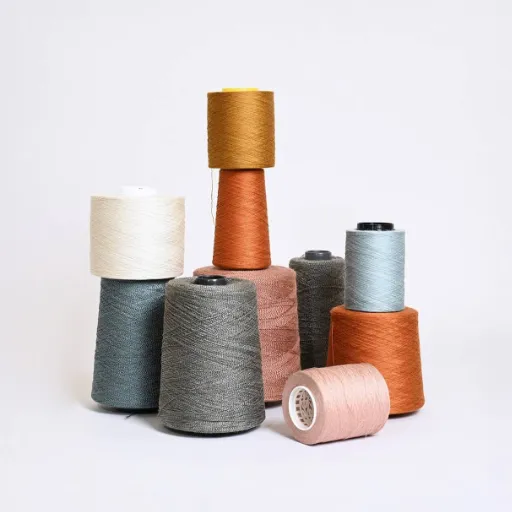
One of the biggest advantages of custom yarn production for upholstery is the ability to match your exact specifications.
Buyers can typically specify:
- Yarn count and denier: Controls thickness and fabric weight.
- Ply and twist level: Affects strength, hand feel, and abrasion resistance.
- Fiber blend ratio: Balances cost, performance, and sustainability.
- Color matching: Pantone or custom color references for consistent collections.
- Performance targets: Abrasion cycles, lightfastness ratings, tensile strength, and flammability standards.
- Finish treatments: UV, water, stain, or antimicrobial finishes.
Custom production usually follows a sampling workflow. The manufacturer produces a small batch, the buyer tests and approves it, and then full production begins. This process reduces risk and ensures the final yarn meets expectations.
If you are considering custom yarn for your next furniture collection, our custom yarn solutions team can help you define the right specifications.
Choosing a Yarn Production Partner for Upholstery
Not every yarn supplier is equipped to produce upholstery-grade material consistently. When evaluating a partner, look for:
- Modern spinning equipment: Ring, rotor, air-jet, or compact spinning capability depending on your needs.
- Inline quality testing: Evenness, strength, and twist monitoring during production.
- Customization experience: Ability to match colors, counts, and performance specs.
- Sustainability options: Recycled fibers, certified materials, and efficient processes.
- Reliable logistics: On-time delivery and consistent batch quality.
At Hebei Lida Textile Co., LTD, we produce high-quality yarns for furniture brands, home textile manufacturers, and global distributors. Our production lines are designed to deliver consistent tenacity, colorfastness, and abrasion resistance across every batch.
Conclusion
Yarn production for upholstery turns raw fibers into the performance foundation of every upholstered piece. From fiber selection and spinning to dyeing and finishing, each step offers a chance to improve durability, appearance, and sustainability.
The best furniture brands do not leave these decisions to chance. They specify the fiber, twist, tenacity, and color application method that match their end use, and they partner with manufacturers that can deliver those specifications reliably.
Key takeaways:
- Upholstery yarn is engineered for abrasion, lightfastness, and dimensional stability, not just appearance.
- Production choices at the fiber, spinning, and dyeing stages determine how well a fabric will perform in real-world use.
- Solution-dyed yarns, high-tenacity synthetics, and controlled twist levels are essential for demanding applications.
- Sustainable materials such as recycled polyester and organic cotton can meet upholstery performance standards when produced correctly.
- Custom yarn production lets furniture brands match exact colors, counts, and performance targets.
Ready to source upholstery yarn built for performance? Contact us today to request samples or a custom quote for your next furniture collection.
Frequently Asked Questions
What is yarn production for upholstery?
Yarn production for upholstery is the manufacturing process that converts fibers into yarn designed specifically for furniture fabrics. It emphasizes strength, abrasion resistance, colorfastness, and dimensional stability.
How is upholstery yarn produced?
Upholstery yarn is produced through fiber selection, preparation, carding, drawing, roving, spinning, winding, dyeing, and finishing, with each step adjusted for durability and colorfastness.
How is upholstery yarn different from apparel yarn?
Upholstery yarn is typically heavier, more tightly twisted, and made from higher-tenacity fibers. It must withstand rubbing, stretching, and light exposure that apparel yarn does not face.
What fibers are used in upholstery yarn production?
Common fibers include polyester, nylon, olefin, acrylic, cotton, linen, wool, and recycled alternatives such as rPET and recycled cotton.
What makes upholstery yarn durable?
Durability comes from fiber choice, yarn twist, tenacity, and finishing treatments. Higher twist and high-tenacity fibers generally improve abrasion resistance and longevity.
How is polyester yarn made for upholstery?
Polyester upholstery yarn is made by melt-spinning PET chips or recycled PET flakes into fibers, then spinning, winding, and dyeing them to meet furniture-grade specifications.
What is yarn-dyed upholstery fabric?
Yarn-dyed upholstery fabric is made from yarn that is dyed before weaving. This method produces rich colors and patterns with better colorfastness than piece-dyed alternatives.
What tests are used for upholstery yarn quality?
Common tests measure tensile strength, evenness, twist level, abrasion resistance, colorfastness, and dimensional stability.
How does twist affect upholstery yarn strength?
Higher twist creates a more cohesive yarn with less exposed fiber surface. This improves abrasion resistance and helps the yarn hold together under stress.
Can recycled fibers be used in upholstery yarn?
Yes. Recycled polyester and recycled cotton can be engineered for upholstery when proper quality control and blending ratios are maintained.
What is high-tenacity yarn and why is it used for upholstery?
High-tenacity yarn has a higher breaking strength than standard yarn, typically 6.0–8.0 grams per denier. It is used for heavy-duty upholstery that must withstand high traffic and stress.
Reach out for customized yarn production support from fiber to finished yarn.