



Eco-friendly yarn production is the manufacturing of yarn using certified sustainable fibers, low-impact processing methods, process-waste recovery, and third-party verification to reduce environmental impact while maintaining commercial quality. The global sustainable yarn market is expected to grow from USD 5.2 billion in 2026 to USD 10.1 billion by 2033 at a CAGR of 7.6%, so buyers are sourcing more sustainable yarn than ever. Yet every supplier claims their yarn is eco-friendly, and the process behind the label determines whether the claim holds up. For procurement teams, sustainability managers, and brand founders, understanding that process is the first step toward sourcing that matches both quality standards and environmental commitments.
We agree that the real challenge is not finding a sustainable yarn. It is verifying how that yarn was produced. In this guide, we promise to walk you through the full eco-friendly yarn production process and show how eco-friendly yarn is made, from certified fiber sourcing to final quality control. You will see how each stage differs from conventional yarn manufacturing, what fiber-specific workflows look like, and how to evaluate a factory before you place an order. If you want to audit a facility or request certified yarn samples, contact Hebei Lida today.
Key Takeaways
- Eco-friendly yarn production combines certified sustainable fibers, low-impact processing, waste recovery, and third-party verification. It can reduce environmental impact by up to 70% compared to conventional methods.
- This guide explains how eco-friendly yarn is made in nine stages: sustainable sourcing, pre-treatment, blow room, carding, optional combing, drawing and roving, eco-friendly spinning, low-impact dyeing and finishing, and quality control with certification.
- Fiber-specific workflows matter. Organic cotton, recycled polyester, recycled cotton, TENCEL/lyocell, and hemp/bamboo each require different handling and blending ratios.
- Certifications such as GOTS, GRS, OEKO-TEX, and Bluesign provide auditable proof of sustainable production claims.
- The most sustainable yarn is the one produced with the lowest overall impact for its intended end use.
What Is Eco-Friendly Yarn Production?
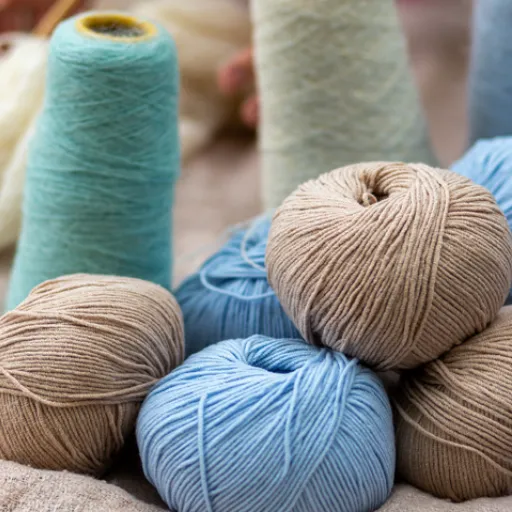
Eco-friendly yarn production is the manufacture of textile yarn using raw materials and processes that minimize environmental harm, conserve water and energy, reduce chemical use, and recover waste. It is verified by recognized certifications such as GOTS, GRS, and OEKO-TEX.
In practice, eco-friendly yarn manufacturing uses the same core machines as conventional spinning, but the inputs, settings, and chemical choices are selected to reduce impact.
Eco-friendly yarn production focuses on the factory-level yarn production process. Sustainable yarn production also includes the broader supply chain, worker welfare, and end-of-life impact. Greenwashing occurs when a supplier uses vague labels like natural or eco without certification or traceability. For a full overview of materials, see our guide to eco-friendly yarn materials.
How Eco-Friendly Yarn Production Differs From Conventional Production
The table below compares eco-friendly yarn manufacturing and production with conventional yarn production across major production stages.
| Stage | Eco-Friendly Yarn Production | Conventional Yarn Production |
|---|---|---|
| Raw material sourcing | Certified organic, recycled, or regenerated fibers with chain-of-custody records | Virgin cotton, conventional polyester, or uncertified natural fibers |
| Pre-treatment | Enzymatic scouring, plasma treatment, or bio-based softeners | Harsh caustic soda, bleaching, and synthetic surfactants |
| Water use | Closed-loop systems that can reuse up to 70% of process water | Single-pass open systems with high wastewater discharge |
| Energy use | Renewable energy, heat recovery, and energy-efficient motors | Fossil-fuel-based energy with limited recovery systems |
| Dyeing and finishing | Dope-dye, spun-dye, or waterless dyeing methods | Conventional wet dyeing with heavy water and chemical loads |
| Waste management | Soft and hard waste recycled back into yarn or sold to fiber recyclers | Most waste sent to landfill or incineration |
| Certifications | GOTS, GRS, OEKO-TEX, Bluesign, or equivalent third-party audits | Often self-declared or absent |
| Overall impact | Can reduce environmental impact by up to 70% | Higher impact across most metrics |
Eco-friendly yarn production means measurable reduction and continuous improvement, not zero impact. For a deeper look at the broader manufacturing process, read our complete yarn manufacturing guide.
Step-by-Step Eco-Friendly Yarn Production Process
The eco-friendly yarn production process follows a clear sequence. Each stage includes decisions that reduce water, energy, chemical, and waste impact while preserving yarn quality.
- Sustainable raw material sourcing
- Pre-treatment and cleaning
- Blow room and blending
- Carding
- Combing (optional)
- Drawing and roving
- Eco-friendly spinning
- Sustainable dyeing and finishing
- Quality control and certification
1. Sustainable Raw Material Sourcing
The first stage of eco-friendly yarn production begins with certified fiber selection. Buyers should request transaction certificates and verify suppliers on certifier databases.
2. Pre-Treatment and Cleaning
Pre-treatment is the second stage of eco-friendly yarn production. Raw fibers are cleaned using enzymatic scouring, bio-washing, or oxygen-based bleaching instead of harsh alkalis and chlorine. Advanced facilities use microwave or plasma pretreatment, which can cut processing time by up to 95% compared to conventional boiling.
3. Blow Room and Blending
During eco-friendly yarn production, cleaned fiber is opened, mixed, and blended. This stage is critical for recycled materials because input fibers vary in length, color, and strength.
4. Carding
Carding in eco-friendly yarn production separates fibers into a parallel web and removes short fibers, neps, and impurities. Eco-friendly carding uses low-draft settings and closed-loop dust control to reduce fiber damage.
5. Combing (Optional)
Combing is optional in eco-friendly yarn production. It removes short fibers and aligns long fibers to produce fine, strong yarn. The noil waste is recycled into coarser yarns or nonwoven products.
6. Drawing and Roving
In eco-friendly yarn production, drawing evens out fiber mass and roving adds slight twist to prepare the sliver for spinning. Uniform roving reduces defects and waste.
7. Eco-Friendly Spinning
The spinning stage of eco-friendly yarn production uses ring, rotor, or compact spinning. Ring spinning produces strong, fine yarn but uses more energy. Rotor spinning, also called open-end spinning, is faster for coarser counts. Compact spinning reduces hairiness and improves strength.
8. Sustainable Dyeing and Finishing
Dyeing and finishing in eco-friendly yarn production use low-liquor-ratio dyeing, dope-dyeing, spun-dyeing, or natural and low-impact dyes. Finishing treatments must meet restricted-substance lists such as OEKO-TEX Standard 100 or Bluesign criteria.
9. Quality Control and Certification
The final stage of eco-friendly yarn production tests yarn for count, strength, elongation, evenness, hairiness, and color fastness. Labs use Uster instruments to measure imperfections and issue certificates with lot numbers.
Reach out for customized yarn production support from fiber to finished yarn.
Fiber-Specific Production Workflows
Different fibers require different workflows in eco-friendly yarn production. A manufacturer that treats organic cotton the same way as recycled polyester will produce poor results.
Organic Cotton Yarn Production
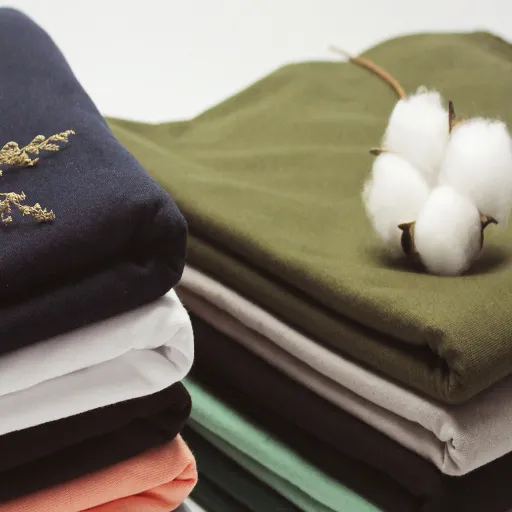
Organic cotton yarn production is one of the most common forms of eco-friendly yarn production for apparel and home textiles. It starts with GOTS-certified lint, then is opened, carded, and ring-spun or compact-spun. Dyeing uses low-impact or natural dyes with GOTS-approved chemicals. The result is a breathable, hypoallergenic yarn. For designers, our guide to eco-friendly yarns for fashion designers explains fiber choice.
Recycled Polyester (rPET) Yarn Production
Recycled polyester yarn production is a fast-growing segment of eco-friendly yarn production. It starts with cleaned PET flakes that are melted, filtered, and extruded into chips or filament. Dope-dyeing embeds color during extrusion. rPET production generates 63% less CO2 and uses 30 to 50% less energy than virgin polyester, lowering the carbon footprint of synthetic yarn. The recycled polyester yarn market is projected to grow at a CAGR of 14.4% from 2026 to 2033.
Recycled Cotton Yarn Production
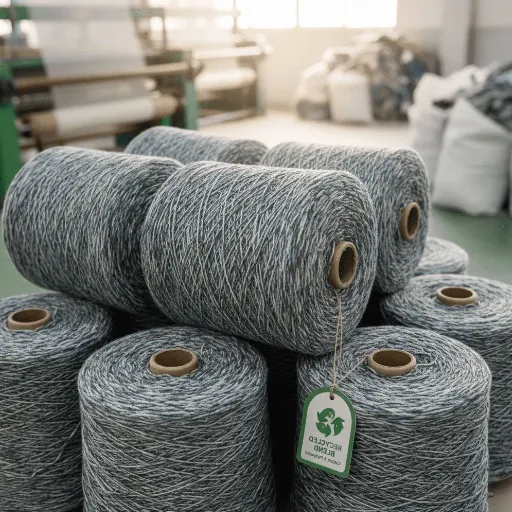
Recycled cotton yarn production keeps textile waste out of landfills, making it a circular form of eco-friendly yarn production. Recycled cotton comes from textile clipping, yarn waste, or post-consumer garments. It is usually blended with virgin cotton or synthetic fibers because recycled fibers are shorter and weaker. A 60:40 recycled-to-virgin cotton blend can achieve commercial-quality Uster statistics. The recycled yarn market is expected to grow at a CAGR of 13.7% from 2026 to 2033.
TENCEL / Lyocell Yarn Production
TENCEL lyocell yarn production represents a closed-loop form of eco-friendly yarn production. TENCEL is Lenzing’s branded lyocell made from wood pulp in a non-toxic organic solvent. The closed-loop system reuses more than 99% of the solvent. Lenzing publishes sustainability data on its official website. Lyocell is smooth, strong, and biodegradable in certain conditions.
Hemp and Mechanically Processed Bamboo Yarn Production
Hemp and mechanically processed bamboo yarn production offer bio-based routes for eco-friendly yarn production. Hemp grows rapidly with minimal water and pesticides. Its fibers require enzymatic or mechanical retting and are often blended with organic cotton or lyocell. Mechanically processed bamboo avoids the heavy solvents used in bamboo viscose.
Circular Production: Recycling Process Waste Into Yarn
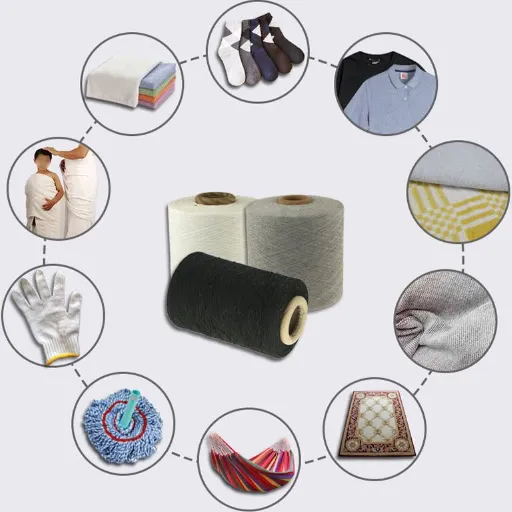
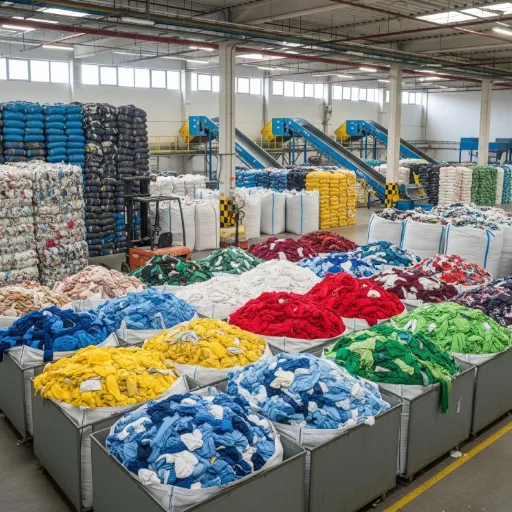
Circular production is a defining feature of advanced eco-friendly yarn production. It keeps materials in use and reduces the need for virgin resources. Factory waste includes soft waste from opening and carding, hard waste from spinning breaks, noils from combing, and sliver or roving waste. A well-run mill sorts waste at the source, then blends it with virgin or recycled fibers to meet strength and evenness targets.
Water reuse systems treat, filter, and reuse up to 70% of process water. Chemical recovery systems capture caustic soda, salt, and dye bath components for reuse. These systems reduce both environmental impact and operating cost, which is why they are central to sustainable yarn production. For more on sustainable sourcing strategy, see our sustainable yarn sourcing strategy.
Quality Control in Eco-Friendly Yarn Production
Quality control is built into each stage of the eco-friendly yarn production process. Physical tests measure tensile strength, elongation, yarn evenness, hairiness, count, and twist. Uster instruments are the industry standard for evenness, imperfections, and hairiness. Chemical testing checks for heavy metals, formaldehyde, phthalates, and pesticide residues. OEKO-TEX Standard 100 and ZDHC MRSL provide common frameworks.
Certification audits verify that the factory follows the standard at every stage. GOTS audits cover organic fiber handling, chemical management, and environmental criteria. GRS audits verify recycled content and traceability. Buyers should confirm that the production lot appears on the scope certificate and that the seller can issue a transaction certificate. Let us help you develop dependable yarn products with efficient manufacturing processes.
Buyer Quality Control Checklist
Use this checklist when evaluating an eco-friendly yarn supplier:
- Request current GOTS, GRS, OEKO-TEX, or Bluesign certificates.
- Ask for a transaction certificate for the specific lot.
- Review yarn test reports including Uster evenness, tensile strength, elongation, and hairiness.
- Confirm the fiber blend ratio and source of recycled content.
- Ask for the restricted-substance list and chemical management policy.
- Verify water and energy reduction data if environmental claims are made.
- Request color fastness, shrinkage, and pilling test results.
- Inspect the factory or request a third-party audit report.
Certifications and Standards for Eco-Friendly Yarn Production
Certifications turn marketing claims into auditable proof. The most relevant standards for eco-friendly yarn production are GOTS, GRS, OEKO-TEX, and Bluesign.
GOTS (Global Organic Textile Standard)
GOTS is the leading standard for organic textile production, covering harvesting through labeling. For yarn production, it requires organic fiber content, restricted chemical use, environmental management, and social compliance. The GOTS official website lists certified suppliers and detailed criteria.
GRS (Global Recycled Standard)
GRS is managed by Textile Exchange and verifies recycled content, chain of custody, social practices, and environmental criteria. It is the most common standard for recycled polyester and recycled cotton yarns. GRS requires a minimum of 20% recycled content, with higher percentages for specific labeling claims.
OEKO-TEX Standard 100
OEKO-TEX Standard 100 tests finished textiles for harmful substances. It does not certify the production process, but it proves that the yarn is safe for human use. Many buyers combine OEKO-TEX with GOTS or GRS to cover both process and product safety.
Bluesign and Other Third-Party Systems
Bluesign focuses on input-stream chemical management and resource productivity. It audits chemicals, processes, and environmental performance. Other systems include ZDHC MRSL for restricted manufacturing chemicals and ISO 14001 for environmental management.
How to Verify Certificates and Avoid Greenwashing
Greenwashing happens when suppliers make vague claims without proof. Check the certifier’s public database, confirm the certificate scope matches your product, ask for a transaction certificate, cross-check the testing lab, and visit the factory or request an audit. If a supplier cannot provide these documents, treat the claim as unverified. For help vetting suppliers, read our guide on how to find sustainable yarn suppliers.
Cost, Performance, and ROI Considerations
Eco-friendly yarn production can cost more upfront, but it often delivers savings and market advantages over the full product lifecycle. Sustainable yarn production starts with certified fibers that may cost 10 to 40% more than conventional fibers, and certification audits add administrative cost. However, water reuse systems, energy-efficient motors, dope-dyed yarns, and waste recycling reduce operating costs. AI-driven spinning systems can cut comprehensive operational costs by nearly 20%.
Eco-friendly yarn can support higher retail prices, improve brand reputation, and meet retailer sustainability requirements. The most sustainable yarn is not always the one with the highest recycled content. It is the yarn produced with the lowest overall impact for its intended use. A durable recycled polyester yarn that lasts for years may outperform a fragile natural yarn that is replaced quickly.
2026 Innovations in Eco-Friendly Yarn Production
These advances apply to both eco-friendly yarn production and broader sustainable yarn production. They help mills cut water use, energy use, chemical inputs, and waste without sacrificing yarn quality.
Waterless and Dope-Dyed Yarns
Dope-dyeing and spun-dyeing embed color during fiber extrusion or yarn formation. This eliminates the separate dye bath and can drastically cut water and chemical use. The technology is mature for polyester and is expanding to recycled polyester and bio-based polymers.
AI-Driven Quality Control and Smart Spinning
Smart factories use sensors and machine learning to optimize spinning parameters in real time. AI systems detect defects earlier, reduce breakage, and adjust tension and humidity automatically. IoT- and AI-enabled spinning systems can cut comprehensive operational costs by nearly 20% while improving consistency. For more on where the industry is heading, see our sustainable yarn trends overview.
Microwave and Plasma Pretreatment
Microwave-assisted pretreatment can cut processing time by up to 95% compared to conventional boiling. Plasma treatment modifies fiber surfaces without water, improving wettability and dye uptake. Both technologies reduce water, energy, and chemical use in pre-treatment.
Bio-Based and Biodegradable Fibers
Researchers are developing bio-based yarns from agricultural waste, algae, and microbial cellulose. These materials are still scaling. Hemp and mechanically processed bamboo remain the most accessible bio-based options for mainstream buyers today.
How to Evaluate an Eco-Friendly Yarn Manufacturer
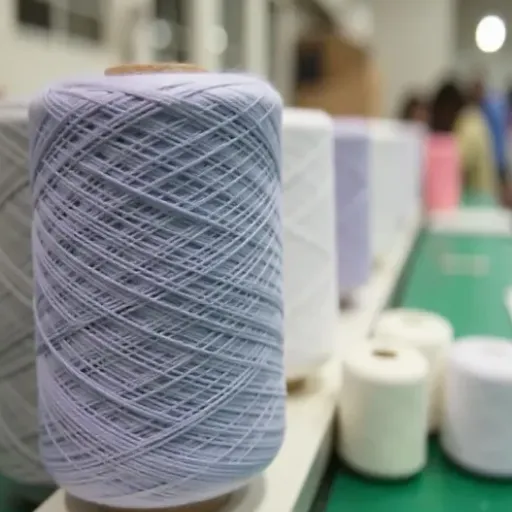
Evaluating a partner for eco-friendly yarn production requires more than a certificate. A strong manufacturer is transparent, certified, and quality-focused.
Factory Audit Checklist
- Confirm certifications are current and match the products offered.
- Walk through fiber storage, opening, carding, spinning, and dyeing areas.
- Check wastewater treatment, energy sources, and waste sorting practices.
- Review quality control lab equipment and testing records.
- Ask about lot traceability, sample retention, and complaint handling.
- Verify that the factory is the actual producer, not a trading company.
Red Flags in Sustainability Claims
- Vague terms like eco-friendly, green, or natural without certification.
- Refusal to provide certificates or transaction documents.
- Certificates that do not cover the product you are buying.
- Inconsistent answers between sales staff and technical staff.
- No evidence of water treatment, energy efficiency, or waste management.
- Claims that sound too good to be true, such as 100% zero-impact production.
Questions to Ask Before Sourcing
- What fibers do you use, and what certifications cover them?
- What is your water reuse rate, and how do you treat wastewater?
- What dyeing and finishing methods do you use for low-impact production?
- Can you provide Uster test reports and chemical test results?
- How do you handle process waste, and what is your recycled content policy?
- Can you issue a transaction certificate for GOTS, GRS, or OEKO-TEX?
- What is your minimum order quantity and lead time for custom colors or blends?
If you need help evaluating manufacturers or want to schedule a factory audit, contact Hebei Lida.
Mini-Story: How a Home Textile Buyer Chose the Right Mill
Maria Chen, a product development manager for a Berlin home textile brand, needed a 60:40 recycled-cotton blend for kitchen towels. She visited three factories and asked about certification, water reuse, and yarn testing. One supplier could not show a GRS transaction certificate. Another had GRS but refused Uster data. Hebei Lida provided GRS documentation, Uster reports, and a closed-loop water reuse report. The production lot passed all tests, and the towels launched on time.
Mini-Story: How an Activewear Brand Cut Water Use With Dope-Dyed rPET
Liam O’Brien, sustainability director for a UK activewear brand, wanted to launch leggings using recycled polyester but worried about water use. Hebei Lida recommended dope-dyed recycled polyester, which embeds color during chip extrusion. The approach eliminated the separate wet dyeing step and reduced water use by nearly 70%. The leggings passed OEKO-TEX Standard 100 testing and became a repeat order for two seasons.
Mini-Story: How a Fashion Retailer Audited a Factory Before Sourcing
Aisha Patel, a procurement lead for a US fashion retailer, required suppliers to pass a sustainability audit before onboarding. She reviewed the fiber warehouse, carding floor, spinning frames, dyeing lab, and wastewater treatment plant. She checked that organic cotton bales were segregated, GOTS-approved chemicals were stored separately, and Uster reports were filed for every lot. The audit confirmed the factory’s systems, and Aisha added the supplier to the approved vendor list.
Frequently Asked Questions
How is eco-friendly yarn made?
Eco-friendly yarn is made by moving certified sustainable or recycled fibers through every stage of the yarn production process: cleaning, carding, drawing, spinning, dyeing, and quality control. Each stage uses low-impact methods, water reuse, waste recovery, and third-party certification to reduce environmental impact.
What is the most sustainable yarn production method?
There is no single answer. The best eco-friendly yarn production method depends on the end use, fiber choice, and local conditions. For water-sensitive regions, dope-dyed recycled polyester or closed-loop lyocell may be best. For biodegradable textiles, organic cotton or hemp may be better.
How much water does eco-friendly yarn production save?
Water savings vary by process. Closed-loop water systems can reuse up to 70% of process water. Dope-dyeing and spun-dyeing can eliminate the separate dye bath entirely. Low-liquor-ratio dyeing can reduce water use by 30 to 50% compared to conventional dyeing.
Is recycled polyester yarn production truly eco-friendly?
Recycled polyester yarn production has clear environmental benefits over virgin polyester. It generates 63% less CO2 and uses 30 to 50% less energy. However, rPET can still shed microfibers during washing, and it relies on a supply of clean plastic waste.
What is the difference between GOTS and GRS certification?
GOTS certifies organic fiber production and covers environmental and social criteria. It is used mainly for organic cotton. GRS verifies recycled content, chain of custody, and traceability for materials like recycled polyester and cotton. A yarn can carry both certifications if it meets both sets of requirements.
Can yarn production be zero-waste?
True zero-waste eco-friendly yarn production is difficult, but near-zero-waste systems are achievable. A circular mill can recycle soft waste, hard waste, and noils back into yarn or sell them to fiber recyclers. Water and chemical recovery systems further reduce waste.
How do I verify a manufacturer’s eco-friendly claims?
Check the certification body’s public database for the supplier’s license number. Ask for a transaction certificate for your specific lot. Review physical and chemical test reports. Visit the factory or request a third-party audit. Ask for data on water use, energy use, waste diversion, and chemical management.
Get in touch for professional yarn production solutions built for quality and consistency.
Conclusion: Source Eco-Friendly Yarn With Confidence
Eco-friendly yarn production is no longer a niche specialty. It is a standard capability that buyers can and should demand. The process combines certified fiber sourcing, low-impact pre-treatment and dyeing, efficient spinning, waste recovery, and rigorous quality control. Certifications such as GOTS, GRS, OEKO-TEX, and Bluesign provide the proof that marketing claims often lack.
As you evaluate suppliers, remember the five principles that matter most: fiber traceability, process transparency, chemical safety, waste reduction, and verified quality. The right yarn is the one that performs in your application while minimizing its total environmental impact.
Hebei Lida Textile Co., LTD supports eco-friendly yarn production across organic cotton, recycled polyester, recycled cotton, TENCEL/lyocell, hemp, and bamboo. We offer custom yarn solutions for fashion, home textiles, and industrial applications. If you are ready to source smarter, contact us for samples, a factory audit, or a custom production quote. We look forward to helping you build a more sustainable product line.