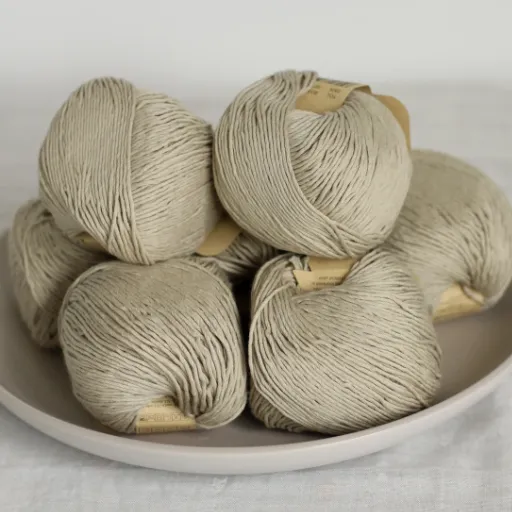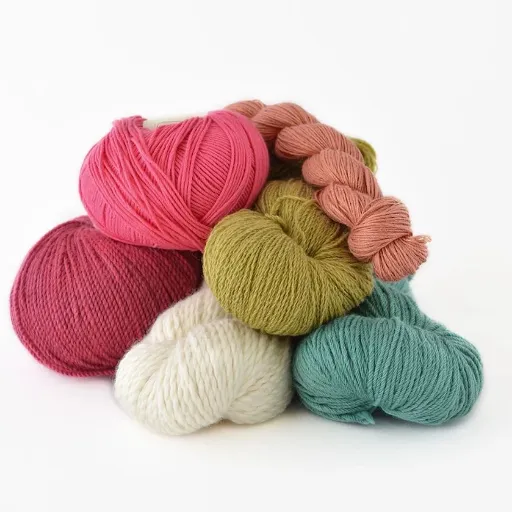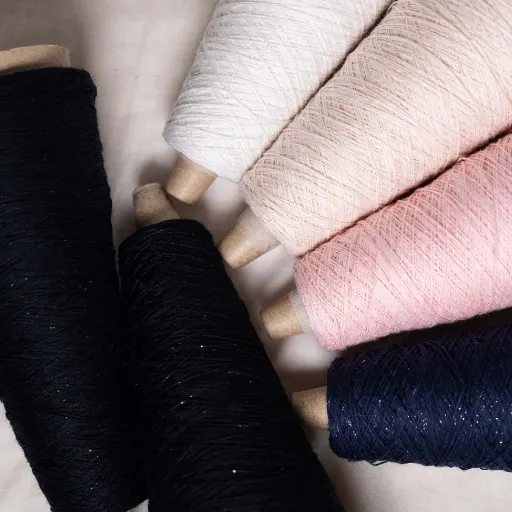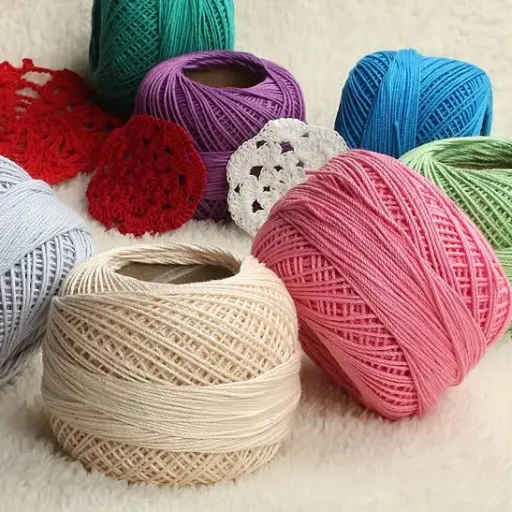
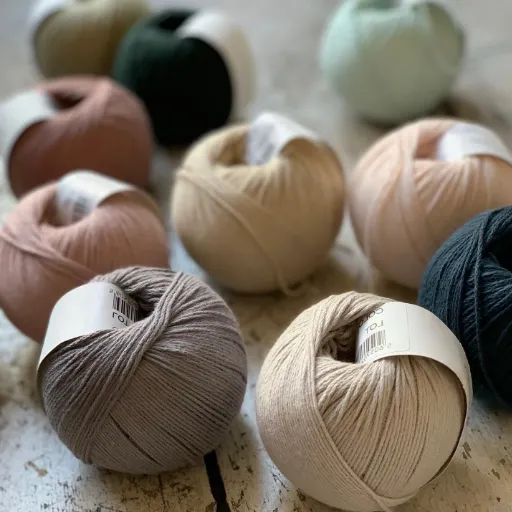

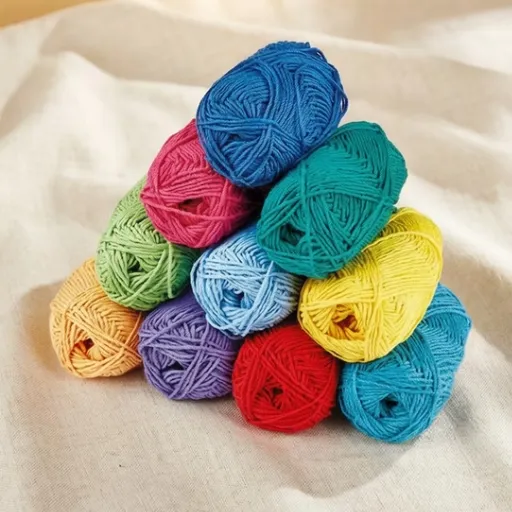
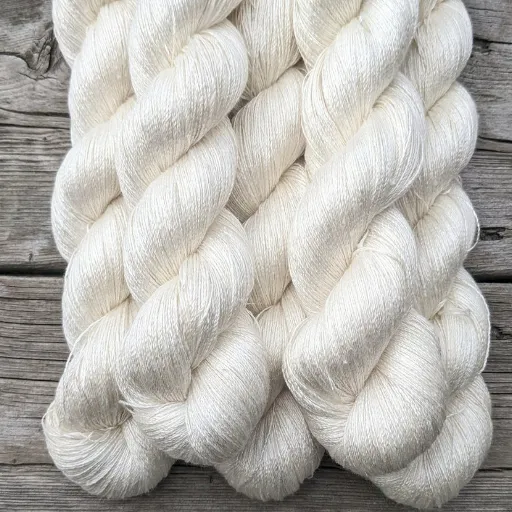


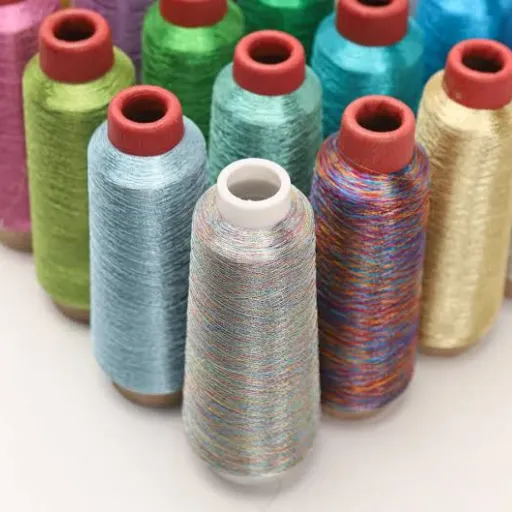
Custom yarn for small businesses is absolutely within reach. Manufacturers now offer low-MOQ programs starting at 5 to 12 kg per color, and private-label stock yarn can be ordered in far smaller quantities, so you don’t need a 1,000 kg minimum to launch a product that is unmistakably yours.
Here is the reality most small owners miss. When Priya wanted to start a boutique sock brand in March 2026, the first mill she contacted quoted 50 kg per custom color and told her to come back when she was “bigger.” She almost gave up.
Instead, she ordered a private-label stock base in two signature colors plus three factory stock shades, tested 150-pair runs of each color, and proved the market before she ever paid for a custom dye lot. Her first line sold through in six weeks, and her yarn cost landed roughly 60 percent lower than if she had gone fully custom on day one.
Custom yarn was never the blocker. The missing piece was knowing how to start small.
The problem is that most guidance assumes you are a large brand. Search for custom yarn for small businesses and you’ll find supplier pages that advertise low MOQs without explaining the real options, hobbyist content for hand-dyers, and generic sourcing articles written for mid-size buyers. None of it walks a small operator from “is this even possible?” through the affordable starter paths, sampling, real cost and lead-time math, and a route to scale. That is exactly what this guide does.
By the end, you’ll know the three levels of customization and which one fits your budget, the honest MOQ landscape by supplier type, how to sample without overspending, how to price and fund a small run, and the questions to ask a manufacturer who will actually work with a small order. If you are an indie yarn brand, an Etsy or Amazon seller, a boutique studio, or a craft-based startup, this is your playbook.
Key Takeaways
- Custom yarn for small businesses is real: low-MOQ programs start at 5 to 12 kg per color, and stock colors can be ordered from a single cone or 20 to 50 kg.
- Work up a three-level ladder: private-label a proven stock base, add exclusive colors, then commission fully custom yarn only after demand is proven.
- Factory stock colors cut order minimums by roughly 60 to 80 percent and pull lead time from 30 to 45 days down to 7 to 14 days.
- Budget +10 to +25 percent for a custom color, and expect 3 to 5 sampling rounds before bulk; samples are your cheapest insurance.
- Price for a gross margin above 40 percent and fund early runs with preorders or limited drops, the model brands like Gist Yarn used to scale.
What Is Custom Yarn for Small Businesses?
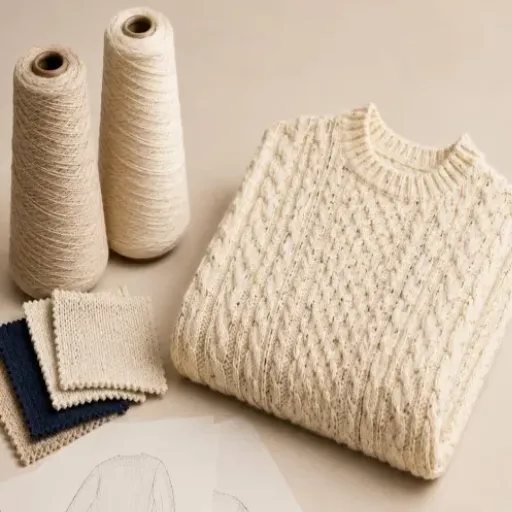
Custom yarn for small businesses means yarn produced to your own specifications, at order sizes and price points a small operator can afford. The base fiber, the count or weight, the colorway, the labels, and the packaging can all be set to your brand.
What has changed is the scale. Industrial minimums used to make this a big-company game. Today, low-MOQ programs, small-batch dyers, and private-label stock options have opened the same door to indie brands, startups, and one-person shops.
The Three Levels of Customization
Think of custom yarn as a ladder. You can start on the bottom rung today and climb as your sales justify it.
- Level 1: Private-label stock base. You take a manufacturer’s proven base yarn in a standard palette, then add your own labels, paper bands, and packaging. Minimums are the lowest, speed is the fastest, and risk is minimal because the yarn itself is already tested in the market.
- Level 2: Custom colorway on a stock base. You keep the same trusted base but develop your own exclusive colors, matched to Pantone or a physical swatch and confirmed with lab dips. Minimums are higher than Level 1 but far below fully custom. This is where most small brands start to look genuinely unique.
- Level 3: Fully custom yarn. You specify your own fiber blend, yarn count, or twist, engineered for your product. This gives the most control and the highest MOQ, cost, and lead time. Pursue it only after a Level 1 or Level 2 product has proven it will sell.
The technical decisions behind each rung, fiber choice, twist, count, and finish, are covered in custom yarn design and specification. This guide focuses on which rung you can afford and how to climb.
Who This Is For
This article is written for small operators who have wondered whether custom yarn is something they can actually order. That includes indie yarn brands, Etsy and Amazon sellers, boutique knit, weave, and crochet studios, small fashion and accessory labels, crafters turning a hobby into a business, and one-person shops building a product line.
If you run a small fashion label, the collection-focused view in custom yarn for fashion pairs well with this guide. If you are a sock or accessory brand, the same low-MOQ thinking applies. The custom yarn manufacturing process is where your order comes together once you choose a path.
Not sure what a low-MOQ order could look like for your product? Send us your spec and we’ll show you the realistic starting point.
Why Small Businesses Assume Custom Yarn Is Out of Reach (and Why It Isn’t)
The biggest barrier to custom yarn for small businesses is not the price. It’s an outdated belief about how manufacturing works. Let’s clear up the five myths that stop small owners before they start.
Myth: “Minimums are always 1,000 kg.” Not anymore. Low-MOQ programs start at 5 to 12 kg per color at some mills, and small-batch dye houses work from 5 to 10 kg per shade. Factory stock colors can often be ordered from a single cone or a modest 20 to 50 kg.
Myth: “Overseas manufacturing is only for big volume.” Trial orders and consolidated low-MOQ programs are now standard across the industry. A small brand can place a first order designed to test demand rather than to fill a warehouse.
Myth: “I can’t protect exclusivity at small scale.” Mills routinely protect proprietary colors and bases. An exclusive colorway on a stock base is a normal ask for a small brand, and it is contractually honored.
Myth: “Sampling is too expensive.” Sample and lab-dip programs are designed to be affordable, and many mills credit sample fees toward your first bulk order. We show the numbers in the sampling section below.
Myth: “Custom is always double the price.” A color-only custom dye adds roughly 10 to 25 percent to base cost. The differentiation that color creates usually funds itself at retail, because you are no longer competing head to head on commodity yarn.
The rest of this guide turns each of those realities into a decision you can act on today.
Low-MOQ Custom Yarn Options: Three Starter Paths
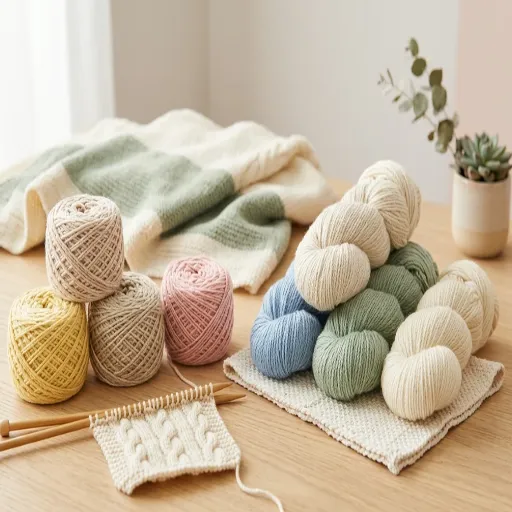
The three levels from earlier are not abstract. Here is what each one looks like in practice, with the real minimums, so you can pick your entry point.
Level 1 in Practice: Private Label on a Stock Base
This is the fastest route to a branded product. You choose a mill base with the right fiber and weight, pick from its stock colors, and add your labels, paper bands, and packaging. Typical starting MOQs run from 20 to 50 kg, and some suppliers quote by project rather than by kilo. Because the base yarn already exists, lead times are short and the quality is proven.
This is also where you make the product yours on the shelf. Custom yarn for branding covers how to apply your name, colors, and labels so a stock base looks like a designed product, not a commodity.
Level 2 in Practice: Exclusive Colors on a Stock Base
When you are ready to look unique, develop one to three signature colors. You submit a Pantone code or physical swatch, the mill produces lab dips, you approve the best match, and that approved dip becomes the standard for every future batch.
Small-batch dye houses run 5 to 12 kg per color, while larger factories typically want 200 to 500 kg. Here is the smart play most small brands miss: start with factory stock yarn colors and add custom colors only after a shade proves itself. The custom yarn dyeing process walks through lab dip, approval, and bulk production in detail, so you know what each round involves before you commit.
Consider the two-plus-three strategy. One startup cut its yarn costs by roughly 60 percent by designing a line around two custom colors and three stock shades instead of making every color custom. The hero color that sold through fastest later graduated to a fully custom shade.
Level 3 in Practice: Fully Custom Yarn
A fully custom yarn, your own blend, count, or twist, is the top of the ladder, and honesty matters here. It requires the highest volume because the mill must dedicate machinery and development time to a new product. If you are just starting out, wait. Prove demand at Level 1 or Level 2 first, then use that sales history to justify a Level 3 development.
MOQ Benchmarks by Supplier Type
Minimums vary by supplier, fiber, and region, but these ranges give you a realistic map:
| Supplier type | Typical minimum order |
|---|---|
| Large mills | 1,000 to 3,000 kg per color |
| Mid-size manufacturers | 500 to 1,000 kg per color |
| Small specialists | 200 to 500 kg per color |
| Low-MOQ programs | 12 to 100 kg per order |
| Factory stock colors | From 1 cone or 20 to 50 kg |
| Small-batch dye houses | 5 to 10 kg per shade |
The takeaway is simple. There is a supplier tier built for your size. You don’t need the first tier because the last tiers exist.
Sampling: Test Before You Commit
For a small business, the sample is the spec. It’s the cheapest insurance you’ll buy, because it catches problems while they still cost little to fix. Skipping samples to save a few hundred dollars is how small brands end up with a bulk lot in the wrong shade or with the wrong hand feel.
What to Order First
Start with stock-base samples or hand-feel cards for every base you are considering, before you invest in color development. A color can look perfect in a photo and feel wrong in the hand, and hand feel decides whether customers love your yarn.
Once you pick a base, order lab dips for your custom colors. Expect stock samples in about 3 to 7 days and custom color or packaging samples in 7 to 15 days. Most colors take two to three dip rounds before approval, so plan the calendar accordingly.
How to Make Sampling Affordable
Ask three questions up front. Does the supplier charge for samples or offer them free? Are sample fees credited to your first bulk order? And can you see the sample approved in real construction, meaning knitted or woven into a swatch, before you commit to bulk?
A reputable mill answers yes to the second question. It also guarantees that bulk matches the approved sample, which is the consistency issue that matters most to a small buyer. Quality control for custom yarn orders explains how good suppliers verify that your second batch matches your first.
Ordering samples of every base before committing a color is the rule, not the exception. When you are ready to place that first small order, the custom yarn production workflow shows what happens next, step by step.
The Real Cost of Custom Yarn for a Small Business
Cost is where most small businesses stall, so let us be specific. Customization adds a premium to your base yarn price, and the size of that premium depends on what you change. These ranges come from the custom yarn pricing data at GLYarn:
| Customization type | Cost premium |
|---|---|
| Custom color | +10 to +25% |
| Custom fiber blend | +15 to +30% |
| Custom twist | +10 to +20% |
| Functional finishes | +30 to +100% |
| Full custom development | +50 to +200% plus sampling |
Hidden Costs to Budget For
Beyond the per-kilo premium, budget for the costs that don’t show up on the first quote. Lab-dip and color-matching fees, machine clean-down between colors, multiple sampling rounds, and freight all add up. So does a detail many owners miss: MOQs are often quoted per color, not per style, so five colors at 100 kg each is a bigger commitment than one color at 500 kg.
Also, think per ball or per product, not just per kilo. A per-kilo price can look frightening until you convert it to what one skein or one pair of socks actually costs you. That number is your real COGS, and it is the only one that matters for pricing.
How to Price and Justify It
Use a simple retail formula: add your COGS, shipping, packaging, platform fees, and desired profit, then divide by one minus the marketplace fee rate. For example, target a gross margin above 40 percent before you spend anything on advertising. That margin gives you room for ads, discounts, and mistakes.
The custom premium is easier to justify than it looks. An exclusive color and a branded label remove you from direct price comparison with commodity yarn. Customers can’t find your shade anywhere else, so they aren’t shopping it against a cheaper alternative. Exclusivity, brand story, and sell-through are worth more than the 10 to 25 percent you pay for a signature color.
Funding Small Custom Runs Without Big Capital
You don’t need a large cash pile to fund a custom yarn for small businesses order. The preorder model is the clearest proof. Gist Yarn, a niche weaving-yarn brand, invited customers to preorder its first proprietary yarn line six to seven months in advance. Customers funded the production, the brand took no upfront capital risk, and the loyalty built through that process helped revenues double year over year in its early years.
Limited drops work the same way at a smaller scale. Release a numbered batch of 10 to 20 kg in a new shade, and if it sells out in weeks, you have proven demand without committing to a large run. Then use that proof to fund the next, bigger batch. The craft industry’s own guidance on developing your own yarn line reaches the same conclusion: preorders and community funding let a small maker launch a line it couldn’t otherwise afford.
How to Scale From One Small Batch to a Growing Line
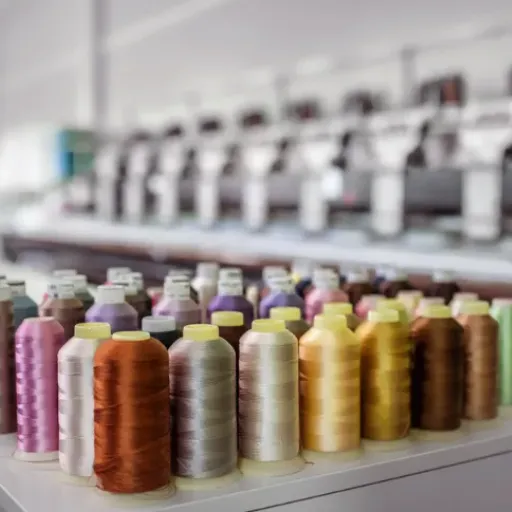
Custom yarn is a ladder, and scaling means climbing it one rung at a time as your sales prove each step. The brands that grow fastest rarely jump to the top. They move deliberately.
The Ladder, in Order
Start where you can today: prove sell-through on a private-label stock base. Add exclusive colors once a shade demonstrates repeat sales. Graduate your hero color to a fully custom shade when volume justifies it. Only then expand into new SKUs, weights, and fibers.
Each step up should be funded by the revenue the step below created.
Scaling Signals and Planning
Watch four numbers: sell-through rate, repeat purchase, waitlist or preorder demand, and the cost per kilo at your current order size. When a product consistently sells through and customers ask when it is coming back, that’s your signal to consolidate orders and move up. Bigger consolidated orders unlock better per-kilo pricing, and planning freight in batches keeps shipping from eating your margin.
Success Stories at Small Scale
The Gist Yarn story above is the large-scale version of the model. Here is a smaller one. Marta runs an indie hand-dyed yarn brand.
For a launch she was nervous about, she released a numbered batch of 12 kg per shade across three colors, marketed it as a limited drop, and sold out in three weeks at full retail. The scarcity and the story carried the price, not the volume. That single run funded her next, larger batch and gave her the confidence to order custom dyeing on her second color line.
That is the pattern that works at every size: test small, prove demand, then scale what sells. Our custom yarn solutions page shows the full range of low-MOQ and trial-order options available as you climb.
How to Choose a Custom Yarn Supplier When You’re Small
Not every mill will treat a small order well, and that is fine. You want a supplier whose model is built for buyers like you. Here are the small-order essentials to ask about, and the warning signs that should send you elsewhere.
Questions to Ask
- What is your true low MOQ, per color and per style? Do you offer trial orders?
- How do you handle sampling and lab dips, and are sample fees credited to bulk?
- Do you protect proprietary colors and bases?
- What are your lead times and MOQ tiers as my order grows?
- Can you mix stock colors and custom colors in one order?
Red Flags for Small Buyers
Walk away from a supplier whose MOQ “flexibility” evaporates after the first order, or whose pricing is opaque until you are committed. Avoid mills with no sample program, no color-development support, or no guarantee that bulk will match the approved sample. A supplier who can’t promise consistency between sample and production can’t be trusted with your limited cash.
For the full evaluation framework and a supplier scorecard, see how to choose a custom yarn supplier. This guide covers what matters when you are small, and that article covers the complete vetting process.
Frequently Asked Questions About Custom Yarn for Small Businesses
Can a small business order custom yarn?
Yes. Low-MOQ programs start at 5 to 12 kg per color at some mills, small-batch dye houses work from 5 to 10 kg per shade, and factory stock colors can be ordered from a single cone or 20 to 50 kg. Private-label stock yarn offers the lowest starting point.
What is the lowest minimum order quantity for custom yarn?
It depends on the path. Stock colors start from one cone or 20 to 50 kg. Small-batch dyers run 5 to 10 kg per shade. Low-MOQ programs start around 12 to 100 kg. Fully custom colors at larger factories typically need 200 to 500 kg or more.
How much yarn do I need to order to start my brand?
Enough to test demand, not enough to fill a warehouse. Many small brands start with a private-label stock base in 20 to 50 kg, or a limited drop of 10 to 20 kg per color, then reorder based on sell-through.
What is the cheapest way to get custom yarn?
Start with a private-label stock base in factory stock colors. This avoids custom dyeing entirely at first, keeps minimums lowest, and still gives you branded labels and packaging. Add custom colors only after a shade proves itself.
Can I get my brand color on a small batch?
Yes. Small-batch dye houses run 5 to 12 kg per custom color. You submit a Pantone code or swatch, approve a lab dip, and that dip becomes the standard for your shade.
How much does custom yarn cost for a small business?
Expect a custom color to add 10 to 25 percent to base yarn cost, a custom blend 15 to 30 percent, and full development 50 to 200 percent plus sampling. Budget for three to five sampling rounds and convert per-kilo prices to per-product COGS before pricing retail.
What is private label yarn vs. custom yarn?
Private label applies your brand to a proven mill yarn base in stock or semi-custom colors, which is faster and cheaper. Custom yarn builds the yarn itself to your spec, including fiber, count, and twist, which costs more and needs higher volume.
Can Etsy or Amazon sellers order custom yarn?
Yes. Private-label stock bases with branded packaging are a common entry point for marketplace sellers, and exclusive colorways become possible as sales grow. Many suppliers explicitly serve Etsy and Amazon sellers with low-MOQ and trial orders.
How long does a small custom yarn order take?
Stock samples take about 3 to 7 days and custom color or packaging samples 7 to 15 days. Custom color adds roughly 2 to 3 weeks to production. Stock colors can ship in 7 to 14 days, while custom dye lots run 30 to 45 days total. Plan for two to three color approval rounds.
How do I find a supplier that works with small orders?
Ask directly about true low MOQs, trial orders, sample programs, and whether sample fees credit to bulk. Look for a mill whose model includes small and trial orders rather than one that treats them as a favor.
How do I scale my yarn brand from a small batch?
Prove sell-through on a private-label stock base, add exclusive colors, graduate your hero color to fully custom, then expand SKUs and weights. Consolidate orders to lower per-kilo costs and plan freight in batches as you grow.
Conclusion
Custom yarn for small businesses is no longer reserved for big brands. The low-MOQ programs, small-batch dye houses, and private-label stock options that exist today mean a small operator can launch a product that is unmistakably theirs, at an order size and a price that make sense.
Here is the short version to remember:
- Start at Level 1 or Level 2: private-label a proven stock base, or add exclusive colors, rather than commissioning fully custom yarn on day one.
- Use stock colors to manage minimums. They cut order sizes by roughly 60 to 80 percent and pull lead time down to days, not weeks.
- Sample before you commit, and ask whether sample fees credit to bulk.
- Price for a gross margin above 40 percent, and fund early runs with preorders or limited drops.
- Scale up the ladder one rung at a time, funded by the sell-through the step below created.
The manufacturing door is open. The only question left is which rung you start on. When you are ready, talk to Hebei Lida about a low-MOQ custom yarn quote or samples, and we will help you take your first small batch from idea to sell-through.