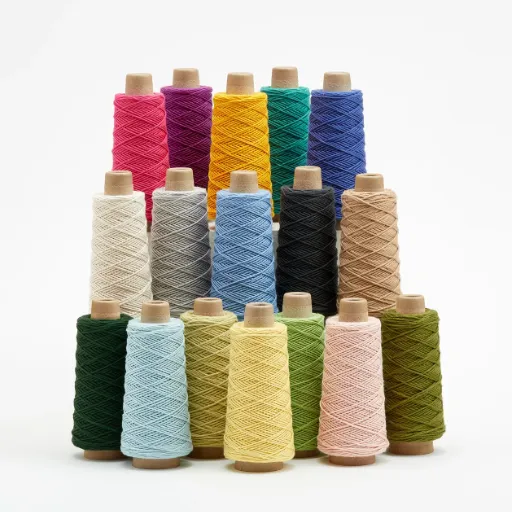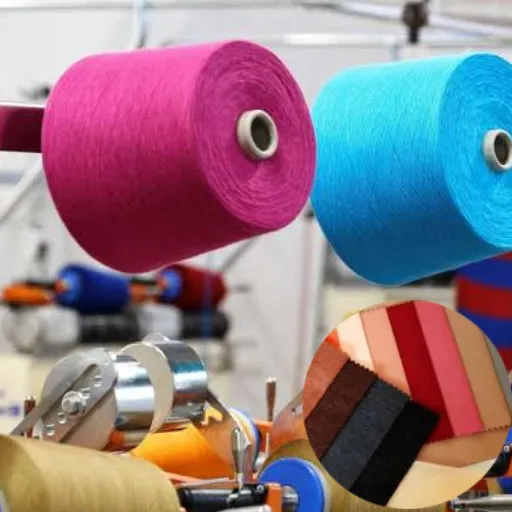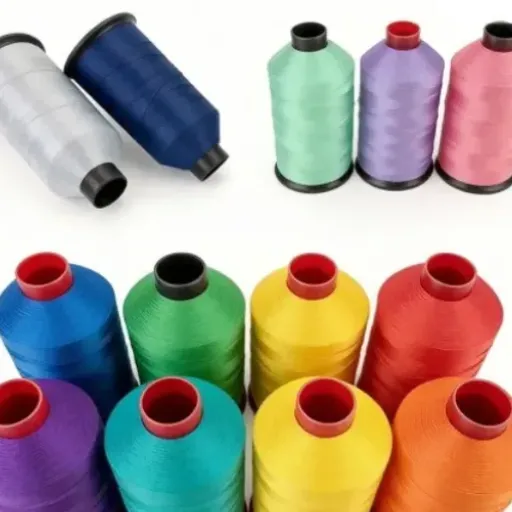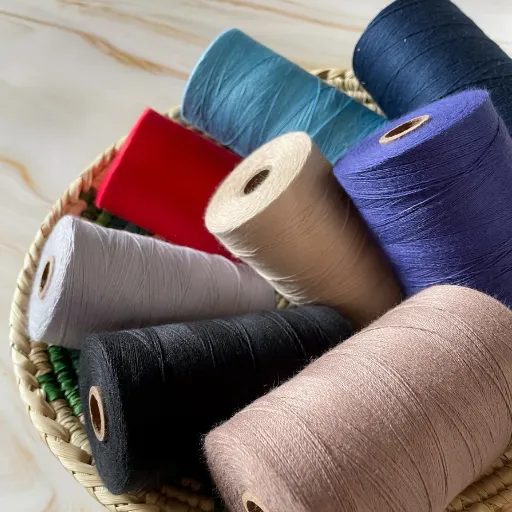
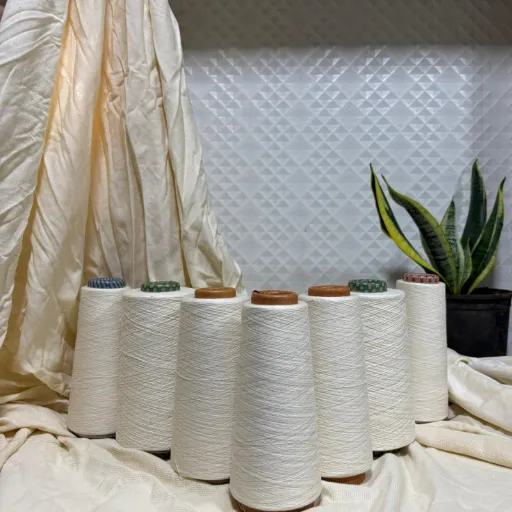

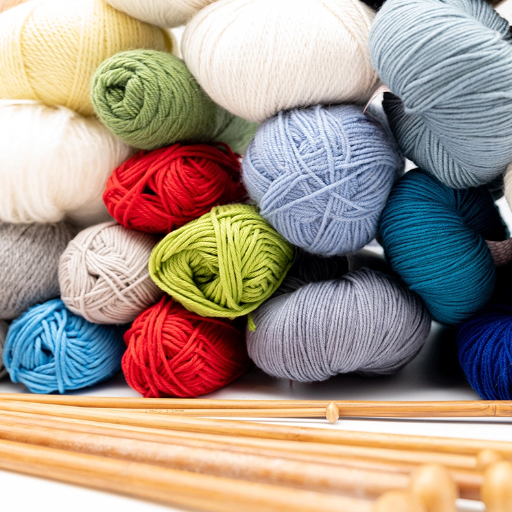
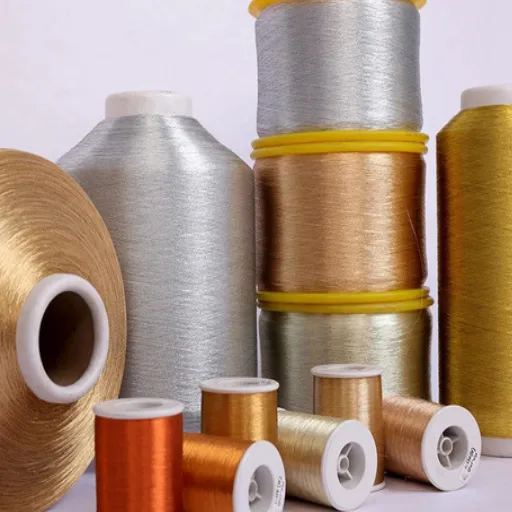


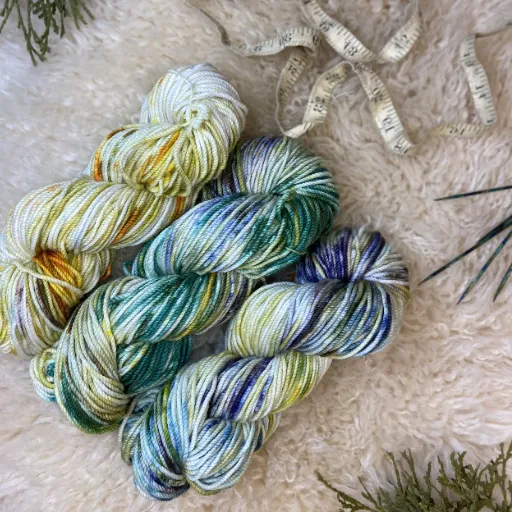
Custom yarn dyeing is the process of dyeing a yarn to a shade you specify rather than buying one of a mill’s stock colors. You supply a color reference, the mill develops a lab dip for your approval, and then dyes the bulk run to hold that shade across every cone and batch. It sounds straightforward, but the gap between the color you picture and the color a dye vat actually produces is where most custom yarn projects go wrong.
The color on your screen is not the color on your yarn. A color is not a word or a screenshot; it’s a chemistry result on a specific fiber, under specific light. Sofia, a knitwear designer in Lisbon, learned this the hard way.
She ordered “sage green” from a screenshot and skipped the lab dip to save a week before a summer drop. The cones arrived grey-green, the swatches failed under store lighting, and the rejected lot pushed her collection a month late. Skipping the lab dip to save a week is the most expensive shortcut in yarn buying.
By the end of this guide, you’ll be able to set a real color standard, approve lab dips with confidence, choose the right dyeing method and dye class for your fiber, hold shade across production runs, and budget for the real cost, MOQ, and lead time. Want to see where dyeing fits in the whole cycle first? The custom yarn manufacturing process guide shows how each stage connects.
Key Takeaways
- Custom yarn dyeing starts with a concrete color reference, Pantone, a physical swatch, or CIELAB data, never a name or a screenshot. The reference is the contract for your color.
- Approve a lab dip before bulk. Expect two to three rounds at 3 to 7 days each, and give directional feedback instead of just “reject.”
- Dye method and dye class must match your fiber. Reactive suits cotton, acid suits wool and silk, disperse suits polyester, and blends may need two baths.
- Hold shade with a shade band (ΔE 1.0 or less is excellent, 1.5 often acceptable), an approved dip as the bulk standard, and a bulk strike-off.
- Budget for it: custom colors run 15% to 30% above stock, add 7 to 14 days, and carry MOQs from 200 to 3,000 kg depending on your mill.
What Is Custom Yarn Dyeing?

Custom yarn dyeing, also called dyed-to-order yarn, is dyeing a yarn to a buyer-specified shade instead of choosing from a supplier’s stock colors. You provide a color reference, the mill develops a lab dip for approval, then dyes the bulk run to hold that shade. It differs from stock-dyed yarn, where you pick from colors the mill already runs.
Why dye at the yarn stage? Because color locked in at the yarn lets you build striped and patterned fabrics, gives better shade consistency than piece dyeing for color-blocked designs, and is set before knitting or weaving. Dyeing is one of the stages where buyers have the most control over the outcome. Need custom yarn for a unique textile project? Talk to Hebei Lida Textile Co., LTD.
Yarn Dyeing vs. Fiber, Fabric, and Garment Dyeing
Dyeing can happen at four points in production, and each changes quality, cost, and risk.
- Fiber or stock dyeing colors the loose fiber before spinning. It gives the deepest penetration and enables melange and heathered effects, but it’s the most expensive, loses 10% to 15% of fiber, and carries the highest fashion risk because you commit to color early.
- Yarn dyeing colors the spun yarn before knitting or weaving. It enables stripes and patterns, penetrates well, and gives the repeatable tone knitwear brands need.
- Piece dyeing colors the woven or knitted fabric. It’s the cheapest and fastest to fashion and accounts for roughly 80% of all dyeing, but it only works for solid colors.
- Garment dyeing colors the finished garment. It gives a vintage, soft hand and allows small-batch responsiveness, but it risks seams, trims, and shrinkage.
The rule of thumb: the earlier the stage, the better the penetration and quality, but the higher the cost and fashion risk. Yarn dyeing is the sweet spot for custom color work because it balances control with cost. If you want to see how this fits into a full order, custom yarn solutions covers what a manufacturer can build around your color and performance targets.
Choosing Your Color Standard: Pantone, Swatch, or CIELAB
Yarn color matching starts with the reference you send, and it must be concrete. You cannot hand a mill “sage green” and expect a match; every person’s screen, lighting, and memory shifts the shade. The reference is the contract for your color.
Pantone TCX/TPX vs. a Physical Swatch vs. CIELAB Data
The most common reference is a Pantone code. For textiles, use the TCX (cotton) guides rather than the TPX or TPG paper guides, because the color is calibrated on the same fiber you are dyeing. Codes shift between guide editions, so confirm the current season’s book with your mill.
A physical swatch is usually the most accurate reference for difficult colors, especially deep, muted, or metallic shades. Many brands send both: a swatch as the ground truth and a Pantone code as the shared language.
CIELAB data (L*, a*, b* values) is what spectrophotometer-driven mills actually measure against. If you have measured color from a previous run, sending the Lab values alongside the swatch lets the mill match your established standard. The most precise dye houses advertise matching to a color difference (ΔE) below 1.0 using this data.
Why the Same Color Looks Different on Different Yarns
The same reference produces a different result on every yarn. Fiber type changes how much dye it absorbs, and sheen changes how light reflects.
Yarn count, twist, ply, and knit structure all shift the perceived shade. A dense stockinette reads darker than a loose garter stitch, and a brushed yarn softens the tone. That’s why each yarn needs its own color development, even for the same Pantone code. The color brief lives in your custom yarn design specifications, and the dye house needs that spec plus a fresh development round for every new construction.
The Custom Yarn Dyeing Process: From Reference to Bulk
The yarn dyeing process for a custom color follows clear checkpoints. Knowing them means you know what to ask for and when.
- Submit your color reference.
- The lab develops a first lab dip.
- You give directional feedback, typically over two to three rounds.
- The approved dip becomes the bulk standard, with a shade band set.
- Bulk dyeing runs against that standard.
- A bulk strike-off confirms the shade before shipping.
The Lab Dip (and the 2-3 Rounds Rule)
A lab dip is a small dyed sample the mill produces so you can approve the color before bulk. Expect two to three rounds, each taking three to seven days. The first dip is usually 70% to 80% close, and the gap closes through feedback.
Feedback is where buyers speed up or slow down the process. Instead of “reject,” say something directional: “Option B is closest, shift it cooler and reduce the depth slightly.” Vague rejections lead to another round at the same distance from your target.
From Lab Dip to Bulk: Shade Bands and Tolerance
Yarn shade matching never ends at the dip. Bulk dyeing cannot hit the exact dip every time, so professional orders include a shade band, an acceptable color tolerance written into the order. A color difference (ΔE) of 1.0 or less is considered excellent, and 1.5 is often acceptable depending on the end use. The band protects both sides: the mill knows how far from standard is acceptable, and you know exactly what you will accept.
The Three-Stage Approval for Knitwear
For knitted products, color approval happens in three stages, and the last one is the decision stage.
- Lab dip: a flat dyed sample that confirms the dye formula.
- Yarn dip: the color on the actual yarn, showing how the fiber takes the shade.
- Knitdown swatch: the yarn knitted into the real construction, with the real stitch and gauge.
The knitdown matters because knit structure changes how light reflects. A 12-gauge stockinette can read several shades darker than the flat dip, so approving only the flat dip leaves the knit color unverified.
Bulk Approval and In-Line QC
When the bulk run starts, ask for a bulk strike-off, a sample from the first production lot checked against the approved dip both visually and with a spectrophotometer. Keep dye lots separated, and avoid mixing two lots in one garment. The quality control workflow for custom yarn orders explains how to handle shade deviations end to end.
Yarn Dyeing Methods: Package, Skein, and Space Dyeing
The method your mill uses changes the result and the cost. Here’s the comparison, then the detail for each.
| Method | Best For | Pros | Cons |
|---|---|---|---|
| Package (cone) dyeing | Cotton, polyester, large runs | High capacity, fewer batch discrepancies, easy to re-dye | Inner-to-outer layer difference risk; not ideal for wool, silk, or elastic |
| Skein (hank) dyeing | Wool, silk, delicate yarns | Best penetration, softest hand, wide fiber range | Most expensive, bar-mark risk, must rewind to cone |
| Space dyeing | Novelty and fashion yarns | Multi-color effects along the yarn, unique designs | Lower colorfastness, risk of too-regular patterns |
| Dope (solution) dyeing | Critical or long-run colors | Tightest lot-to-lot shade, best fastness | Higher minimums, hard to change colors |
For the full process mechanics of each method, Textile Learner and Advance Textile both walk through the flow charts in detail.
Package (Cone) Dyeing
Package dyeing winds yarn onto perforated cores and pumps dye through them under pressure. It’s the mature workhorse of yarn dyeing, with large capacity and fewer batch-to-batch discrepancies. The trade-off is a risk of differences between the inner and outer layers, and it’s not ideal for wool, silk, or elastic yarns because pressure can distort them.
Skein (Hank) Dyeing
Skein dyeing drapes loose hanks over bars and lets dye reach every fiber. It gives the best penetration and the softest hand, and handles the widest fiber range, which is why wool and silk go here. It’s the most expensive method, risks bar marks, and requires rewinding to cones. Use it when hand feel or fiber delicacy matters more than cost.
Space Dyeing and Special Effects
Space dyeing applies multiple colors at intervals along the yarn for the color-blocked effect in novelty knits. Methods include knit-de-knit, where the yarn is knitted, printed, and unraveled, or direct spray. It’s a design tool more than a color-control tool: colorfastness is generally lower, and patterns can read more regular than intended. Develop a strike-off before committing to bulk.
Dope (Solution) Dyeing for Critical Colors
Dope dyeing adds pigment before the fiber is extruded, so the color is part of the fiber rather than applied to it. It gives the tightest lot-to-lot shade control and the best fastness of any method: dope-dyed yarns typically reach rubbing fastness Grade 4-5 versus 3-4 conventionally, light fastness Grade 5-6 versus 4-5, and washing fastness Grade 4-5 versus 3-4. The trade-offs are higher minimums and less flexibility once colors are set.
That’s why dope dyeing is the go-to when shade consistency is non-negotiable. Marta, who runs an upholstery brand shipping a signature teal across quarterly collections, saw two consecutive quarters of visible shade drift in conventionally dyed polyester.
She moved the critical color to dope-dyed yarn. Her first three bulk lots matched each other and the approved standard, and her color rejections dropped to zero. The higher minimum and longer lead time were worth removing her biggest quality headache. Looking for reliable custom yarn manufacturing? Send your specifications to our team.
Matching the Dye to the Fiber (and Blends)

Most color failures trace back to one root: the dye class did not match the fiber chemistry. Dyes are not universal. Each class bonds with specific fiber groups, and the wrong one either won’t take or won’t hold.
The Dye-Fiber Match at a Glance
| Dye Class | Works On | Notes |
|---|---|---|
| Reactive | Cotton, viscose, linen, silk | Bonds chemically, bright and washfast; needs salt and alkali |
| Acid | Wool, silk, nylon, spandex | Works in acidic conditions; the standard for protein fibers |
| Disperse | Polyester, some nylon | Applied at high temperature; hydrophobic fibers need it |
| Basic (cationic) | Acrylic | Bonds with acrylic’s anionic sites |
Cotton, viscose, and linen take reactive dyes. Wool, silk, and nylon take acid dyes. Polyester needs disperse dyes at high temperature, and acrylic takes basic dyes.
When fiber and dye class mismatch, the color washes out or never develops, which is why a lab dip on the real fiber matters before you commit.
Dyeing Blends: One Bath vs. Two Baths
Blends complicate the picture, because each fiber needs its own dye class. An 80/20 wool-nylon sock yarn in a brand navy needs acid dye for the wool and careful process control for the nylon. If a mill only lab-dips the wool and assumes the blend, the nylon can read a different tone and the sock looks two-tone.
Some blends dye in one bath. A wool-polyester yarn can take a single bath for light and medium shades, first near 50°C for the wool, then 110 to 120°C for the polyester. Heavy shades usually need two baths, with the polyester dyed first.
When one fiber is a small guest, like 5% to 10% spandex, careful pH and temperature control prevent a two-tone result. The rule: always lab-dip the actual blend, never a single component.
Why Blend Ratio Changes the Color
Different fibers take dye differently, so the blend ratio changes the resulting shade even when the formula is identical. Uneven fiber distribution, or a ratio shift between runs, changes color depth and can create barré, the striped unevenness covered below. The link between blend composition and dye response is exactly the territory of custom fiber blending, which explains how ratio changes affect both color and hand feel.
Keeping Color Consistent Across Batches
Getting the color right once is not the hard part. Holding it across batches, lots, and seasons is, and it’s non-negotiable for custom yarn for industrial use, where every lot feeds a production line.
Metamerism and Light Sources
Metamerism is when two colors match under one light and diverge under another. A lab dip can match your reference under D65 (daylight) but go green under TL84 (store lighting) or yellow under A (home lighting). That’s why the industry evaluates color under all three sources. Never approve color under office fluorescents alone, because they hide differences your customers will see.
What Actually Causes Bulk Shade Drift
Shade drift between the approved dip and the bulk is normal, and the causes are known. Insufficient pretreatment of the raw material accounts for roughly 40% of off-shade dyeing results, which is why reputable mills control scouring and bleaching tightly. Package weight and density variation changes the dye-to-yarn ratio, and lab-to-bulk mismatch is the biggest barrier to first-time-right production. Asking about a mill’s first-time-right rate is a legitimate question, because it tells you how much rework to expect.
Barré: The Uneven-Dyeing Defect
Barré is the repetitive striped or barred appearance from uneven reflectance along the yarn. USTER surveys attribute it mostly to fiber-property variation, around 70% of causes, with yarn count at 10%, twist at 10%, and hairiness at 10%. That means most barré is not a dyeing defect; it’s a yarn-construction defect that dyeing exposes.
Evenness testing catches the variation before it becomes a barré lot, and here’s a short demonstration of how a USTER Tester 6 measures yarn evenness. USTER’s quality data is the industry reference for these benchmarks.
What to Write Into Your Order
Protect yourself with four clauses in the order:
- The approved lab dip is the bulk standard.
- A shade band with an explicit ΔE tolerance (for example, ΔE 1.0 or less) applies to all lots.
- A bulk strike-off must be approved before shipping.
- Dye lots are separated, and evaluation happens under D65, TL84, and A light.
These four lines turn “match the color” from an aspiration into an enforceable specification. Ready to put this into practice? Start with a lab dip on your yarn and a written shade band, and request a color-matching sample to test the process on a real order.
Eco-Friendly Custom Yarn Dyeing
Eco-friendly yarn dyeing is where sustainability matters most in textiles. Dyeing accounts for roughly 65% of water consumption in textile and apparel production and is responsible for up to 20% of industrial water pollution, according to industry data. Producing one ton of cotton fabric takes about 150 tons of water, with dyeing alone consuming about 98 tons.
Lower-Impact Options
You have four proven routes to lower-impact custom yarn dyeing:
- Dope dyeing uses no water at the yarn stage and gives the best fastness. It’s the strongest choice when you need both consistency and lower water use.
- Waterless or supercritical CO2 dyeing replaces water with pressurized carbon dioxide. It saves roughly 100% of the salt and about 95% of the water, and raises reactive dye utilization from about 60% to 97%. More than 25 commercial lines ran globally in 2025, expected to double to over 60 by 2027.
- Low-liquor machines and low-salt reactive dyes cut water by roughly 40% and reduce salt loading, with no change to your supply chain.
- Natural dyes such as indigo, madder, and walnut work for specialty and artisan brands, with real caveats on colorfastness and scalability.
Innovation continues. Woolmark and COLOURizd, for example, developed QuantumCOLOUR, a low-carbon wool coloring process that sharply cuts the water and energy footprint of dyeing wool, a sign of where the industry is heading.
Certifications to Ask For
Certifications turn sustainability claims into something you can verify. Ask for the ones that fit your product:
- OEKO-TEX Standard 100: confirms the finished yarn is free of harmful substances.
- GOTS: certifies organic fiber content and responsible processing.
- bluesign: audits the whole process for resource use and chemical management.
- GRS: verifies recycled content, useful for recycled-polyester dyeing.
- RWS and RAS: cover responsible wool sourcing for wool yarns.
For market context, the Textile Exchange Materials Market Report tracks how fiber and material choices, including their dyeing implications, are shifting across the industry.
Custom Yarn Dyeing: Costs, MOQs, and Lead Times

Before you budget a custom color project, you need the real numbers. Custom yarn dyeing costs more than stock in three places: the color premium, the minimum order, and the lead time.
Cost Structure
Custom yarn colors typically run 15% to 30% more than the same yarn in a stock color. Expect a color-matching fee of roughly 100 to 500 per color for lab-dip development, and machine clean-down between colors adds about 5% to 10% of cost.
Small batches are the trap. In one documented sourcing case, small-batch dyeing tripled the per-kilo cost of a brand’s yarn. The fix was structural: the label ran two custom colors plus three stock colors, cutting costs by about 60% while keeping the brand identity. Combine custom and stock colors where the design allows, and scale up a custom yarn for branding once your hero color proves out.
MOQs by Supplier Tier
Minimum order quantities depend on the supplier tier:
- Large mills: 1,000 to 3,000 kg per color.
- Medium mills: 500 to 1,000 kg per color.
- Small specialists: 200 to 500 kg per color.
- Stock colors: as low as 1 kg in some programs.
- Trials: some mills run package-dyed cotton trials from 100 to 150 kg, and nylon trials from about 10 kg per color.
If you’re a small brand, ask about low-MOQ programs. They let you order custom dyed yarn without committing to a full container, and a small pilot lot protects you while you validate the color in the market.
Lead Times
Budget these windows into your calendar:
- Lab dips: 3 to 7 days per round, with two to three rounds typical.
- Custom color addition: roughly 7 to 14 days on top of a standard order.
- Full color development plus bulk: about 3 to 6 weeks, longer in peak season.
The full custom yarn manufacturing guide has the complete cost and MOQ tables, so you can price a custom dyeing project alongside the rest of the order.
Frequently Asked Questions About Custom Yarn Dyeing
What is custom yarn dyeing?
Custom yarn dyeing is dyeing a yarn to a buyer-specified shade instead of selecting a stock color. You supply a color reference, the mill develops a lab dip for approval, then dyes the bulk run to hold that shade.
What color reference should I give the factory?
Give a physical swatch plus a Pantone code, or CIELAB data from a previous run. A Pantone TCX (textile) code works for standard shades; a physical swatch is more accurate for difficult colors. Never send a screenshot.
How many lab dip rounds should I expect?
Two to three rounds is normal, each taking three to seven days. The first dip is usually 70% to 80% close, and directional feedback closes the gap.
Will bulk production match the approved lab dip?
Not exactly, which is why you set a shade band. A ΔE of 1.0 or less is excellent, and 1.5 is often acceptable. Approve a bulk strike-off against the dip before shipping.
What is the difference between package and skein dyeing?
Package dyeing dyes yarn on perforated cores and suits large cotton or polyester runs. Skein dyeing dyes loose hanks, gives the softest hand and best penetration, and suits wool and silk, at a higher cost.
Which dye is used on cotton vs wool vs polyester?
Cotton takes reactive dyes, wool and silk take acid dyes, and polyester needs disperse dyes. Acrylic takes basic dyes. Using the wrong class means the color won’t hold.
Can a blended yarn be dyed in one bath?
Sometimes. A wool-polyester blend can take one bath for light and medium shades, with the polyester step at higher temperature. Heavy shades and blends with a small guest fiber like spandex usually need more careful process control. Always lab-dip the actual blend.
How long does custom yarn dyeing take?
Lab dips run 3 to 7 days per round over two to three rounds, the custom color adds roughly 7 to 14 days, and full color development plus bulk runs about 3 to 6 weeks.
What is the minimum order for custom dyed yarn?
It depends on the mill. Large mills want 1,000 to 3,000 kg per color, medium mills 500 to 1,000 kg, small specialists 200 to 500 kg, and stock colors can run as low as 1 kg.
How much does custom yarn dyeing cost?
A custom color runs 15% to 30% above stock, plus a color-matching fee of roughly $ 100 to $ 500 and a 5% to 10% clean-down allowance. Combining custom and stock colors can cut overall cost significantly.
What are eco-friendly yarn dyeing options?
Dope dyeing uses no water at the yarn stage, waterless CO2 dyeing saves roughly 95% of water and all the salt, low-liquor machines cut water about 40%, and certified processes (OEKO-TEX, GOTS, bluesign, GRS, RWS) verify the claims.
Get the Exact Color You Specified, Every Time
Custom yarn dyeing is a process, not a hope. Set a concrete color standard and confirm the current Pantone guide. Approve lab dips with directional feedback across two to three rounds. Choose a dyeing method and dye class that match your fiber and blend, and never skip the lab dip on the actual blend.
Lock the shade with an approved dip, a shade band, a bulk strike-off, and light-source evaluation. Budget for the 15% to 30% premium, the MOQ, and the lead time, and ask for the eco options that fit your brand.
The buyers who get custom color right treat it like an engineering specification, not a wish. They write the color into the order, verify it in the lab, and hold it through bulk. That discipline turns a custom yarn color into a signature rather than a constant source of rework.
Hebei Lida Textile Co., LTD manages custom color development end to end, from your first color reference through lab-dip approval to bulk shade control. We work with eco-certified dyeing options and low-MOQ color programs for small brands. Explore our custom yarn solutions to see how color development fits into a full order, then request a custom yarn dyeing and color-matching sample to see your color on our yarn, or contact us to start your next project.