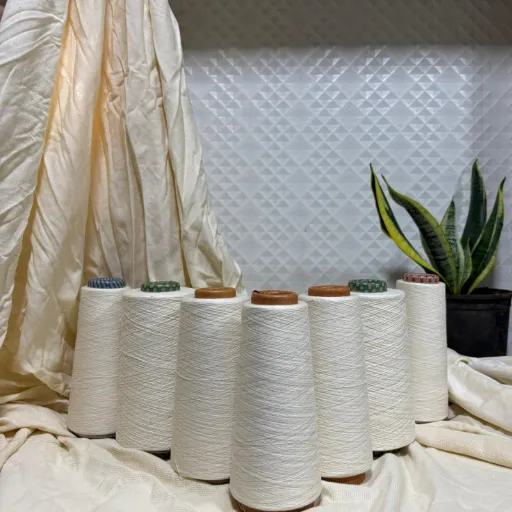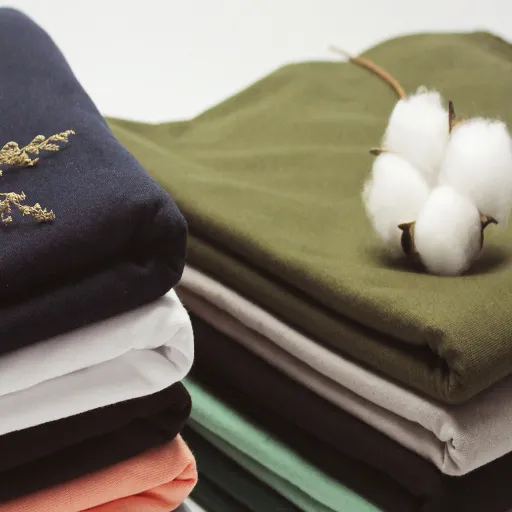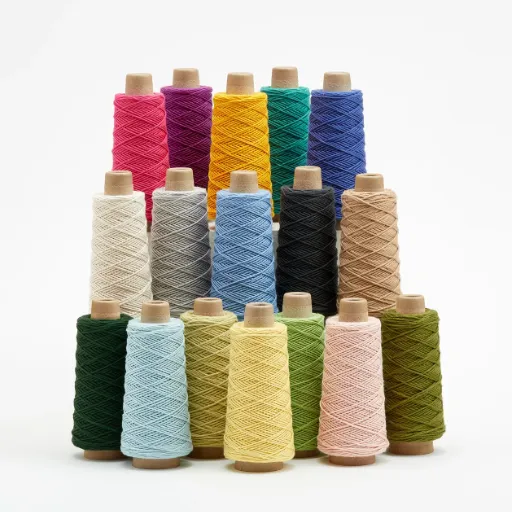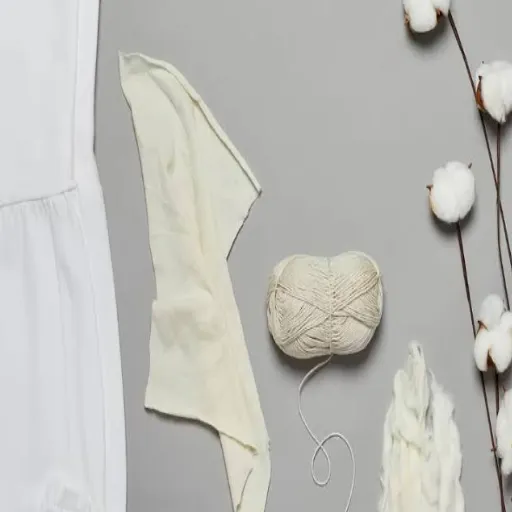



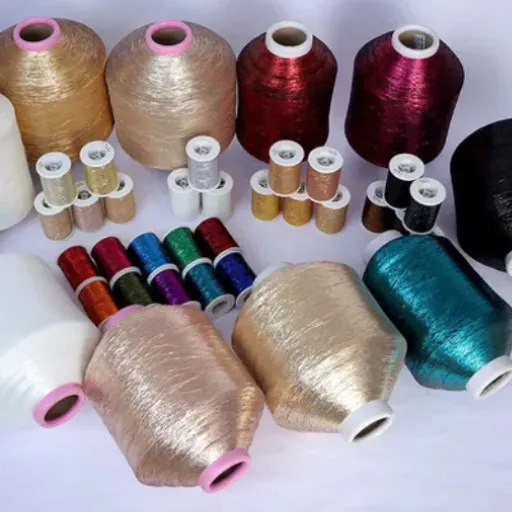
Custom yarn for fashion is yarn manufactured to a designer’s or brand’s exact specification, covering fiber blend, yarn count, twist, ply, color, texture, and hand feel instead of choosing from a mill’s stock range. The development runs from a collection idea and a written design brief through color matching, sampling, and lab-dip approval, all timed to a fashion calendar before bulk production ever begins. This guide walks you through each decision so you can build a signature yarn for your collection with confidence.
When Mei, a knitwear designer at a Copenhagen label, first tried to commission a custom yarn for her spring collection, she hit the wall every designer hits. She knew the silhouette she wanted and the exact shade on her mood board. But the supplier asked for numbers she did not have.
Micron count? Yarn count? Twist per meter? Gauge?
“I just want something soft, warm, and a little bit fluffy,” she said. The supplier replied with a question of their own. Which fiber, which count, and for which gauge?
The advice she found online was written for hand-dyers and home spinners, not for designers who need industrial production. Sound familiar? You’re not alone.
Developing custom yarn doesn’t require a textile engineering degree. It requires knowing what to specify, how to translate a collection idea into a spec, and how to plan it against a fashion calendar. By the end of this guide, you’ll understand the decisions that define a fashion yarn, how to navigate color matching, sampling, costs, and timelines, and how to start small on a real seasonal schedule. Contact Hebei Lida Textile Co., LTD for custom yarn tailored to your specifications.
Key Takeaways
- Custom yarn for fashion starts with the collection, not the color. Silhouette, trend, hand feel, and brand color drive every spec decision, from fiber blend to yarn count, twist, and gauge.
- The five decisions that define a fashion yarn are fiber, count, twist and ply, texture, and color and dye method. Gauge alignment is the step designers most often get wrong.
- Custom color is the cheapest customization at roughly 10% to 25% above stock, while a fully developed new fashion yarn can run 50% to 200% higher plus sampling fees.
- Expect two to three lab dips for color approval, three to five sampling rounds, and a four- to five-month lead time for a full custom development project.
- Plan backward from your launch date. Major seasonal programs start 12 to 18 months ahead, and a streamlined program still runs three to four months end to end.
What Is Custom Yarn for Fashion?
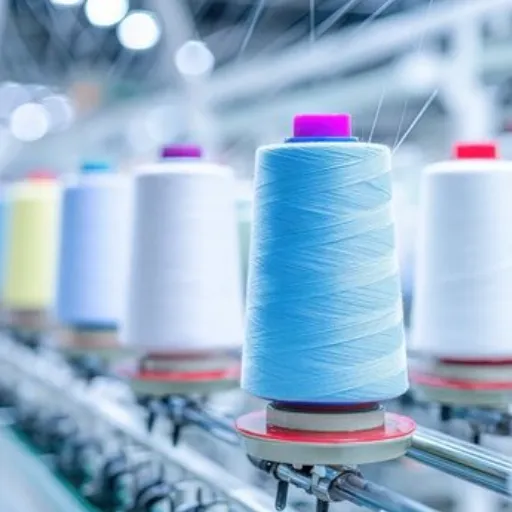
Custom yarn for fashion is a yarn built to your requirements rather than pulled from a manufacturer’s existing stock range. As one industry guide puts it, off-the-shelf yarn never quite fits. A stock yarn is designed around what a factory already makes. A custom fashion yarn is designed around what your collection needs, whether that is a signature color, a specific softness, a branded texture, or a performance finish no stock product offers. For a full overview of what a mill can build, explore our custom yarn solutions.
Fashion is different from other yarn applications for four reasons. Garments touch the skin, so hand feel and pilling matter. They move with the body, so elasticity and recovery count. They face washing, so dimensional stability and colorfastness are non-negotiable. And they are bought on a hard seasonal calendar, so sampling and lead-time planning decide whether a yarn ever reaches the runway.
Custom vs. Stock Fashion Yarn: What Actually Changes
A stock yarn is a mill’s existing product. You can order it today, often from 1 kilogram of samples or 20 to 50 kilograms for a small production run. A custom yarn is yours alone. The fiber, color, twist, ply, and texture are engineered to your spec, which means the mill spends setup time, sampling rounds, and dye-lot runs that stock yarn never requires. Those steps are what drive the cost premium, and they are also what make the yarn impossible for competitors to copy.
What Can Be Customized
Nearly everything about a yarn can change. You can specify fiber and blend, yarn count and thickness, twist and ply, color and dye method, texture and fancy effect, functional finish, package format, and even branded packaging. The depth of customization is the single biggest driver of both cost and lead time, so the more precisely you specify, the more predictable the project becomes. If you want the manufacturing side of that specification explained step by step, our complete guide to custom yarn manufacturing walks through how fiber blending, spinning, and dyeing change for a custom order.
Why Fashion Designers Choose Custom Yarns
Designers commission custom yarns for reasons that go far beyond color. Understanding the motivations helps you decide how deep your own customization should go.
- Brand differentiation: A proprietary yarn competitors cannot replicate becomes part of your identity. New York knitwear brand KD New York trademarked a plant-based yarn called Vegetable Cashmere after a mill stopped making its cashmere blend. That single yarn now anchors the entire brand.
- Trend responsiveness: Custom color and texture let you hit a season first, instead of waiting for a mill to release a trend you have to share with everyone.
- Sustainability storytelling: Recycled and organic custom yarns, verified by certifications, turn a supply-chain decision into a marketing message buyers understand.
- Brand color identity: A locked color, woven across an entire collection season after season, is a hallmark of established labels. Our guide to custom yarn for branding covers how mills lock and reproduce proprietary colors.
- Small-batch access: Low-MOQ programs now make custom yarn realistic for emerging designers, not just luxury houses.
How to Choose Yarn for Fashion: Fiber, Count, and Hand Feel
Fiber selection is the first and most important decision because it drives hand feel, drape, durability, pilling resistance, color brilliance, and price. The framework is simple. Start with the silhouette and the season, then choose the fiber that delivers the hand feel you want.
Natural Fibers for Fashion Knitwear
- Merino wool: Soft, warm, temperature-regulating, and resilient. Premium grades run 15.5 to 19 microns, entry grades 20 to 22, and anything above about 24 microns becomes perceptibly itchy. Merino shines in premium knitwear, base layers, and fine-gauge sweaters.
- Cashmere: Ultra-soft, lightweight, and insulating at 14 to 16 microns. It is a luxury staple for 12-gauge and finer pieces, but it needs careful handling in linking and washing.
- Cotton and organic cotton: Breathable, machine washable, and hypoallergenic. Cotton is ideal for 7- to 12-gauge tops and knits, though it has lower elasticity than wool.
- Alpaca and mohair: Lofty, hairy, and insulating, with a fashion-forward halo. They add texture and warmth to 7- to 9-gauge pieces and blend beautifully with merino.
- Silk and linen: Silk gives a luxurious drape and sheen; linen brings breathability and a crisp, dry hand. Both are strong for woven apparel and lightweight knitwear.
Synthetics and Regenerated Fibers
- Acrylic: Cost-effective, colorfast, and soft, with good stitch definition. It suits entry-level price points and children’s wear.
- Nylon: Adds strength and improves rib recovery. It is rarely a solo fiber in fashion; it is the workhorse blending fiber that makes a merino-nylon sock or base layer last.
- Polyester: Durable, quick-drying, and moisture-wicking when engineered. Recycled polyester (rPET) is now a mainstream sustainable option.
- Viscose, modal, Tencel, and bamboo: Silky drape and high color brilliance, popular in women’s knitwear and blouses. Tencel is sustainably produced and strong for its weight.
Contact Hebei Lida Textile Co., LTD to discuss your custom yarn requirements.
Blends: Engineering Hand Feel and Performance
Most fashion yarns are blends, because a single fiber rarely delivers everything. A 70/30 cotton-polyester balances comfort with strength. Merino-nylon adds durability to a premium soft fiber. Cashmere-silk combines two luxury fibers for drape and sheen. Blending percentages can even create entirely new shades from dyed fibers, the way artisan mills blend different proportions of colored fleece into a signature colorway.
The table below compares the common fashion yarn fibers at a glance.
| Fiber | Hand Feel | Micron Range | Best For |
|---|---|---|---|
| Merino wool | Soft, warm, resilient | 15.5-19 µm premium | Premium knitwear, base layers, 12GG-16GG |
| Cashmere | Ultra-soft, lightweight | 14-16 µm | Luxury essentials, fine knitwear |
| Cotton | Breathable, crisp | Staple | 7GG-12GG tops and knits |
| Alpaca / mohair | Lofty, hairy, halo | 18-26 µm | Fashion-forward textures, 7GG-9GG |
| Acrylic | Soft, affordable, colorfast | Staple | Entry price points |
| Nylon | Strong, elastic | Filament | Blending for durability |
| Polyester | Durable, quick-dry | Filament / staple | Performance, recycled rPET |
| Viscose / Tencel | Silky drape, bright color | Regenerated | Women’s knitwear, blouses |
Yarn Count, Twist, and Ply for Apparel
Yarn count describes thickness, expressed in Ne (cotton count), Nm (metric count), denier, or Tex. It drives fabric weight, drape, and coverage. Twist, measured in turns per meter, controls the balance between softness and stability. Low-twist yarns feel plush but pill and lose shape. High-twist yarns hold their structure but feel firmer and can look wiry. Ply is how many strands are twisted together. Singles are soft and flexible, two-ply yarns are smoother and stronger, and three- and four-ply yarns give a rounder, more durable result for high-end knitwear.
Matching Yarn to Gauge
Gauge is the decision designers most often get wrong, and it is the reason Mei’s first brief stalled. A yarn must be tested at the gauge you plan to knit, because the same yarn can feel entirely different across machines.
| Gauge | Stitch Density | Best Yarns | Best For |
|---|---|---|---|
| 3GG-5GG | Chunky, open | Thick, textured, bouclé | Outerwear, statement knits |
| 7GG-9GG | Medium | Worsted, medium count | Cardigans, sweaters, textured pieces |
| 12GG | Fine | Fine merino, cashmere | Versatile fine knitwear |
| 14GG-16GG | Very fine | Lace-weight, single ply | Sheer, delicate pieces |
A designer who loves a chunky hand knitted the same merino yarn at 12 gauge and found the fabric flimsy and see-through. The yarn was built for a denser structure. Testing a knitdown swatch at your target gauge before committing to bulk is the cheapest insurance you can buy, and it is exactly what a mill expects you to do. Need custom yarn for a unique textile project? Talk to Hebei Lida Textile Co., LTD.
Designing Fancy and Novelty Yarns for Fashion
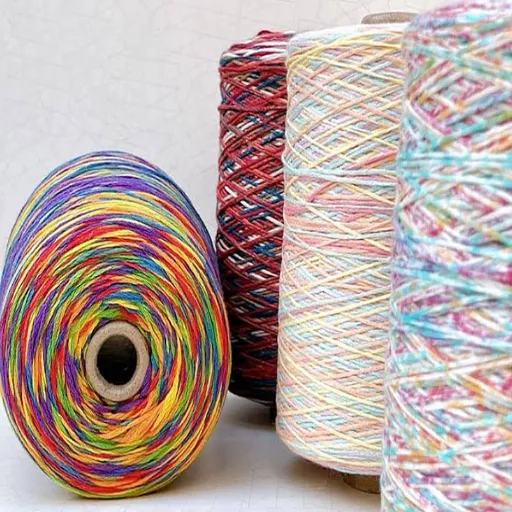
Texture is where custom yarn moves from serviceable to signature. Fancy yarns are compound yarns built from multiple component strands, and they are the structures behind the most memorable knitwear collections. A boucle combines a core yarn for strength, an effect yarn fed at a different speed to create loops, and a binder yarn that locks the structure in place. A slub yarn introduces irregular thickness along a single strand. Chenille gives a velvety, plush surface. Tape and ribbon yarns create flat, structural bands. Loop, flame, and spiral yarns each have their own construction logic.
The market for these textured yarns is growing for exactly this reason. The global fancy yarn market was valued at roughly USD 5.2 billion in 2025 and is projected to reach about USD 6.8 billion by 2034, driven by fashion differentiation and demand for recycled inputs. A custom fancy yarn is a direct answer to the question every brand asks. How do we look different?
Specifying a fancy yarn takes more than the six basic decisions. For a slub you define slub length, slub thickness as a multiple of the base yarn, and the average spacing between slubs. For a loop yarn you define loop height, loop frequency per meter, and fiber rigidity. If you want the design methodology behind these specs, our guide to custom yarn designs covers fancy yarn specification in detail.
Custom Yarn Color Matching and Dyeing for Fashion
Color is the most requested customization, and it is a process of light. You submit a Pantone code, a physical swatch, or CIELAB data. The mill develops a lab dip, a small dyed sample for your approval. A good supplier shows the dip under multiple light sources, because daylight, store lighting, and home lighting all change how a color reads.
Expect two to three rounds of lab dips before a color is locked, with three to five working days per round. Custom color also adds roughly 7 to 14 days to the overall lead time compared with a stock color, and it raises the minimum order. One rule matters above all. The same Pantone shade reads differently on every fiber because each fiber absorbs and reflects light differently, so you need a separate lab dip for each yarn type in a multi-yarn collection.
Dye method is a buying decision, not just a technical detail. Package dyeing gives consistent color across batches and suits indoor knitwear, with typical minimums of 500 to 1,000 kilograms per color. Solution dyeing embeds the pigment in the fiber before it is spun, which resists fading and suits swimwear and outdoor fashion, but it carries much higher minimums. Stock-dyed, or fiber-dyed, yarns create the melange and marl effects that give a collection its heathered depth. Our guide to custom yarn dyeing and color matching covers the full lab-dip workflow and dye methods.
For repeat seasons, ask how the mill manages color lots. Shade sorting into A, B, and C groups keeps a reorder blending cleanly with the original run, and locking a physical color standard at approval protects your brand color across years.
Sustainable Custom Yarn for Fashion Collections
Sustainability is no longer a niche request. It is a market-entry requirement for many retailers. The global recycled-fiber fabric market for apparel was valued at roughly USD 3.42 billion in 2025 and is projected to reach USD 10 billion by 2035, growing about 11% a year. Recycled-cotton penetration in apparel and home textiles rose from 8.7% in 2023 to 13.1% in early 2026, and European regulations are pushing toward 30% recycled content in textile products.
For a custom fashion yarn, the sustainable options are practical and proven. Recycled polyester (rPET) is the workhorse, typically commanding a 15% to 20% price premium over virgin polyester. Recycled cotton and wool bring circularity. Organic cotton and certified wool answer the natural-fiber demand. Bio-based fibers such as Tencel and lyocell are expanding quickly. Certifications matter for credibility: GRS for recycled content, OEKO-TEX for safety, GOTS for organic, and RWS for responsible wool.
A sustainable custom yarn gives you the best of both. You get the recycled or organic story consumers want, and you get the exclusive fiber, color, and texture that make the collection yours. For a deeper look at the eco options, our guide to sustainable yarns for fashion designers covers fibers, certifications, and sourcing in detail.
Custom Yarn for Fashion: Costs, MOQs, and Timelines
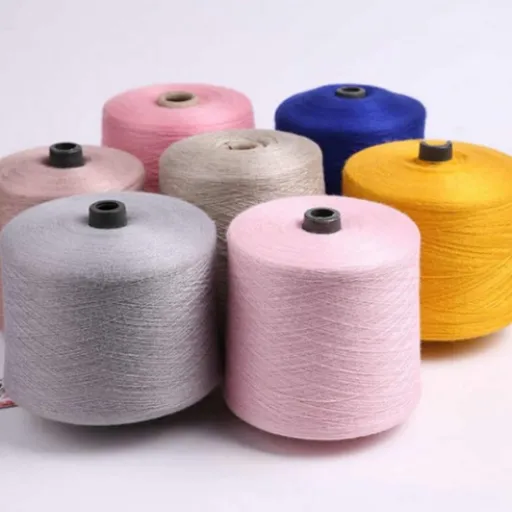
Budgeting for a custom fashion yarn means understanding where the premiums sit. The cost scales with how much of the yarn you are changing, and the ranges below are consistent across manufacturers who publish their numbers.
| Customization | Cost Premium vs. Stock | Typical MOQ |
|---|---|---|
| Custom color only | +10% to +25% | 500 to 1,000 kg per color |
| Custom blend | +15% to +30% | 1,000 to 3,000 kg |
| Custom twist | +10% to +20% | 500 to 1,000 kg |
| Functional finish | +30% to +100% | Depends on treatment |
| Full custom development | +50% to +200% plus sampling | 1,000 kg and up |
Lead times follow the same pattern. Custom color adds roughly two to three weeks. A custom blend adds four to eight weeks. A functional finish adds four to ten weeks. A full custom development project, including sampling, runs four to five months minimum. Stock samples ship in three to seven days. Custom samples take seven to fifteen days, and a complete project needs three to five sampling rounds, each taking two to four weeks.
How to Start Small as an Emerging Designer
Small brands often assume custom yarn is out of reach, but three strategies bring the cost down. The stock-plus-custom hybrid pairs one or two custom colors with existing stock colors, which can cut per-kilogram cost dramatically. Sharing a one-time development or color-matching fee across a season’s orders lowers the effective premium. And flexible low-MOQ programs, including ours at Hebei Lida, let emerging labels test a custom color on 50 to 100 kilograms instead of waiting for a 1,000-kilogram order.
When Amara launched her knitwear label in 2025, her first custom yarn quote came in at nearly triple the stock price. Instead of abandoning the idea, she tested twelve shades at one kilogram each through a low-MOQ service, kept the three colors that tested best, and scaled those to production quantities. Her collection launched with a signature palette that cost a fraction of a full custom development, and the brands that bought her first line noticed the colors before they noticed the label.
For more on these tactics, our guide to custom yarn for small businesses goes deeper on flexible MOQs, shared development fees, and the stock-plus-custom strategy.
Total Cost of Ownership
The yarn price per kilogram is not the whole story. Garment yield, knitting productivity, dye uptake, and the finished-garment selling price matter more. A slightly more expensive yarn that knits faster, wastes less, and sells at a premium is cheaper than a bargain yarn that breaks your production line. When you compare quotes, ask for the spec sheet and the performance data, not just the price.
The Fashion Development Calendar: From Yarn Sample to Runway
Fashion runs on deadlines, and custom yarn development must be planned backward from yours. Major seasonal programs are planned 12 to 18 months ahead, and the starting point is usually a yarn trade fair. Pitti Filati runs in January and July, and it is where designers review mills’ seasonal offerings. The typical cycle after that is: order catalogues and samples, create swatches and select materials, develop prototypes, then move to production.
A few years ago, a client at a small French knitwear brand called us in July wanting a custom yarn for her fall collection. The lead time made it impossible, and she learned the hard way that custom yarn lives on the front of the calendar, not the back. The next season she started in January, locked her yarn and colors in time for prototype samples, approved pre-production samples in March, ran bulk production through the spring, and hit her August retail floor date without a single rush-order fee.
Sampling is the most controllable variable in that schedule. A standard program uses two to three sampling rounds before approval: a first prototype, a revision sample, and a pre-production sample made in the bulk yarn and colors. Tech-pack review takes about two days, sampling runs 10 to 14 days per round, bulk production runs 45 to 60 days, and shipping adds 5 to 14 days depending on the route. A streamlined program runs three to four months end to end, and a full seasonal collection runs five to eight months. Our custom yarn production guide covers the milestones and approval gates in detail.
Fashion Yarn Trends to Watch in 2026
Trend awareness makes a custom yarn timely, and the yarn-fair reports set the direction. For spring/summer 2026, the European fairs point to cool, pale palettes, icy blues, watery greens, and milky whites, alongside vibrant earthy tones. Construction is turning to lace, transparencies, and airy pointelle, with fine-gauge sheer yarns for sun-protection tops and layering pieces. Bio-based fibers including Tencel and lyocell are prominent, and seaweed yarn has emerged as a major innovation with antimicrobial and breathable properties.
For autumn/winter 2026/27, expect deep browns, khaki greens, and burgundy, with certified natural fibers leading the way. RWS-certified merino, undyed cashmere, and recycled and circular yarns dominate the conversation. Retro textures, marl, tweed, boucle, and coarse blends, give the season its nostalgic feel, while functional yarns with antibacterial, UV, and temperature-regulating properties extend beyond sportswear into everyday knitwear.
How do you translate a trend into a custom spec? Start with the palette and the silhouette from your trend research, then use the fiber and texture decisions in this guide to make it your own. A trend tells you what shoppers will want; a custom yarn tells the market who you are. For the seasonal breakdown, the European yarn fairs trend reports are the most current authority.
How to Develop Custom Yarn for Fashion
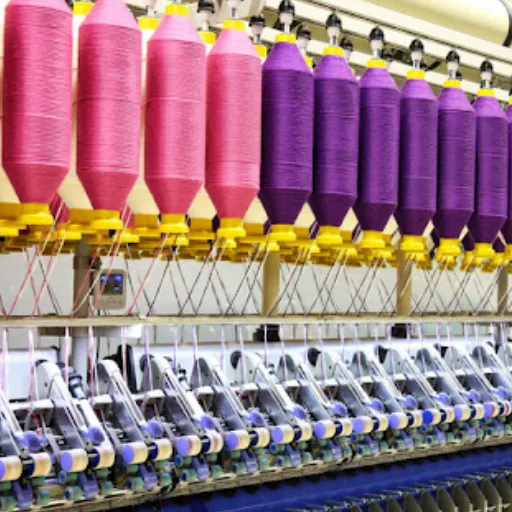
The workflow from idea to bulk production follows a predictable path, and following it in order keeps surprises off the schedule.
- Define the collection and the seasonal deadline: Lock the launch date and work backward.
- Choose fiber and blend: Match hand feel and performance to the silhouette and season.
- Specify count, twist, ply, and gauge: Put numbers in the brief, and test the yarn at your target gauge.
- Select texture and fancy effect: Decide whether the yarn is plain, slub, boucle, chenille, or something else.
- Match color: Submit a Pantone code or swatch and approve lab dips under multiple light sources.
- Sample and approve knitdowns: Review physical samples at your gauge before bulk.
- Approve pre-production samples: Lock the quality standard made in the bulk yarn and colors.
- Run bulk production and QC: Confirm test reports and inspect before shipping.
What to Request From a Supplier
A strong supplier relationship starts with a complete brief. Request a spec sheet, physical swatches, lab dips, knitdowns, and test reports for pilling, colorfastness, and shrinkage. Confirm the MOQ and the development timeline in writing. If you can, send a physical reference, a few meters of yarn or a fabric swatch, so the mill can reverse-engineer texture, color, and structure far more reliably than from a description.
Designer-to-Mill Communication
The language gap between creative language and technical specification is where most projects stall. The table below maps common fashion terms to the parameters a mill can act on.
| What You Say | What the Mill Needs |
|---|---|
| “Soft, not itchy” | Fiber micron count, e.g., merino 15.5-19 microns |
| “Fluffy and lofty” | Woolen spinning or low twist |
| “Smooth and refined” | Worsted spinning, higher ply, tighter twist |
| “Dense and heavy” | Higher yarn count and tighter construction |
| “Warm but light” | Hollow fiber or low-density construction |
| “Holds its shape” | Higher twist and higher ply |
Our team at Hebei Lida works with designers at every level, from first collection to established house. We help you write the brief, send sample cones, and walk you through color matching, gauge alignment, and timelines that fit your calendar.
Frequently Asked Questions About Custom Yarn for Fashion
What is custom yarn for fashion?
Custom yarn for fashion is yarn manufactured to a designer’s or brand’s exact specification, covering fiber blend, yarn count, twist, ply, color, texture, and hand feel, rather than a stock yarn. It is developed so the finished garment supports a specific collection aesthetic, hand feel, and seasonal trend.
How much does custom yarn cost?
Custom color adds 10% to 25% over stock. Custom blends add 15% to 30%, custom twist 10% to 20%, functional finishes 30% to 100%, and full custom development 50% to 200% plus sampling fees.
What is the minimum order for custom yarn?
Custom color typically starts at 500 to 1,000 kilograms per color. Flexible low-MOQ programs can start as low as 50 to 100 kilograms for simple custom colors, and some stock services offer one kilogram per shade for testing.
How long does custom yarn take to make?
Stock samples ship in three to seven days. Custom samples take seven to fifteen days, and a full development project needs three to five sampling rounds over four to five months. Plan backward from your launch date.
Can I order custom yarn in small batches?
Yes. Stock-plus-custom hybrids, shared development fees, and flexible low-MOQ programs make small batches realistic. Emerging designers can test one to five kilograms per color, validate, then scale only the proven shades.
How do I choose yarn for knitwear?
Choose fiber by hand feel and season, then specify count, twist, and ply. Test the yarn at your target gauge, because a yarn that works at 7 gauge may feel thin at 12 gauge. Use a knitdown swatch before bulk.
Is custom yarn sustainable?
It can be. Recycled polyester, recycled cotton, organic cotton, and bio-based fibers are all available as custom options, with certifications such as GRS, OEKO-TEX, GOTS, and RWS to verify claims.
Conclusion
Developing custom yarn for fashion starts with the collection, not the color. Translate silhouette, trend, hand feel, and brand color into a fiber, count, twist, ply, texture, and dye method. Test the yarn at your gauge, approve color with lab dips under multiple light sources, and plan for three to five sampling rounds. Budget honestly for premiums of 10% to 200% depending on how deep the customization goes, and use low-MOQ and stock-plus-custom strategies to start small.
- Start with the collection and the seasonal deadline, then choose fiber, count, twist, ply, texture, and color.
- Match gauge with a knitdown swatch before committing to bulk.
- Approve color via lab dips and plan for two to three rounds.
- Budget for cost premiums of 10% to 200% and MOQs from 50 kilograms up, or use low-MOQ programs to start small.
- Plan backward from your launch date, with three to five sampling rounds and a four- to five-month lead time in the schedule.
If you are ready to move your custom yarn for fashion forward, talk to Hebei Lida. We will help you write the brief, send sample cones, and walk you through color matching, gauge alignment, and timelines that fit your project. Every signature collection begins with a single yarn. Turn yours into a specification with us.