
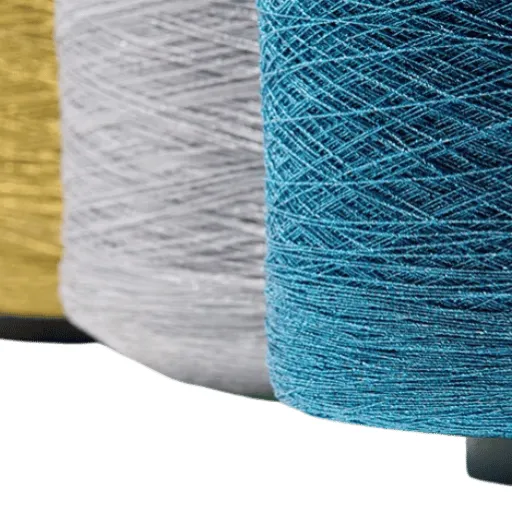


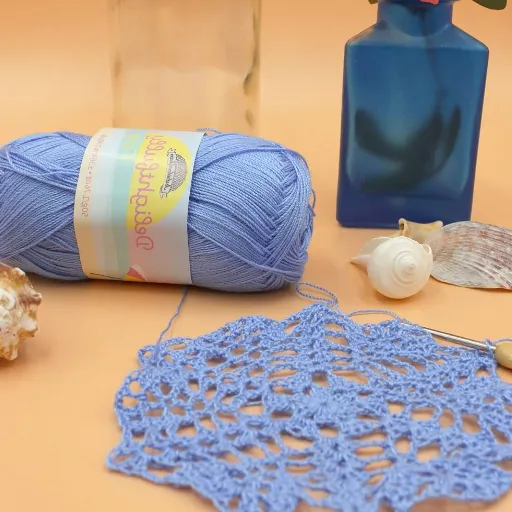
Custom yarn designs are yarns engineered to a designer’s or brand’s exact specification, covering fiber blend, count, twist, ply, color, and texture instead of choosing from a mill’s stock range. The process runs from a concept and a written design brief through color matching, sampling, and lab-dip approval before bulk production ever begins. This guide walks you through each step so you can design a yarn with confidence.
When Nina, a knitwear designer at a small Berlin label, first tried to commission a custom yarn for her autumn collection, she hit a wall. She knew the color she wanted and roughly the texture she imagined, but every supplier asked for numbers she did not know how to provide.
Count? Twist? Fiber percentage?
The advice she found online was written for hand-dyers and home spinners, not for designers who need industrial production. Sound familiar? You’re not alone.
Designing custom yarn doesn’t require a textile engineering degree. It requires knowing what to specify and how to say it. By the end of this guide, you’ll understand the six decisions that define any yarn, how to translate a creative idea into a written design brief, and how to navigate color matching, sampling, costs, and timelines without surprises. Request a custom yarn solution designed around your product and production needs.
Key Takeaways
- Custom yarn designs start with the application, not the color. The end use drives every decision, from fiber blend and yarn count to twist, ply, and finish.
- Six decisions define a yarn design: fiber and blend, yarn count (Ne/Nm), twist (TPM), ply and construction, color and dye method, and texture, hand feel, and function.
- A written design brief is the single most valuable tool you can send a manufacturer. It translates creative language like “fluffy but dry” into measurable specifications.
- Custom color is the cheapest customization at roughly 10% to 25% above stock, while a fully developed new yarn can run 50% to 200% higher plus sampling fees.
- Expect two to three lab dips for color approval, three to five sampling rounds, and a four- to five-month lead time for a full custom development project.
What Is Custom Yarn Design?
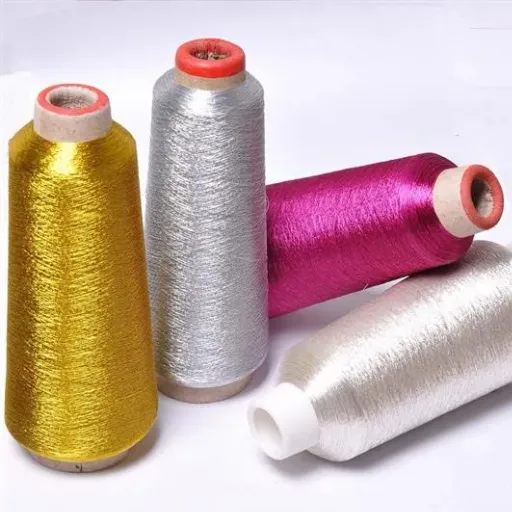
Custom yarn design is the process of creating a yarn specification to your requirements rather than pulling from a manufacturer’s existing stock range. As one industry guide puts it, off-the-shelf yarn never quite fits. A stock yarn is built around what a factory already makes. A custom yarn design is built around what your collection needs, whether that is a signature color, a specific softness, a branded texture, or a performance finish no stock product offers. For a full overview of what a mill can build, explore our custom yarn solutions.
Designers, home textile brands, branding teams, and industrial buyers all design custom yarns for different reasons. A fashion house wants trend-responsive textures in small batches. A furniture brand needs durability engineered into the fiber. A retail label wants a locked brand color woven into a private-label product.
Each starts the same way: with an idea that must become a specification a mill can reproduce at scale.
If you want to understand the manufacturing side of that specification, our complete guide to custom yarn manufacturing walks through how fiber blending, spinning, and dyeing change for a custom order. For the design side, read on.
The 6 Decisions That Define a Custom Yarn Design
Every custom yarn design, no matter how simple, is the product of six decisions. You don’t need to master the engineering behind each one. You need to understand what each decision controls so you can make an informed choice and communicate it clearly.
1. Fiber and Blend
The fiber is the yarn’s raw material, and it drives cost, softness, strength, drape, and sustainability. Cotton delivers breathability and a soft hand. Polyester adds durability and easy care.
Wool brings warmth, elasticity, and natural flame resistance. Nylon offers the highest abrasion resistance of the common apparel fibers.
Blends let you combine properties. A 70/30 cotton-polyester yarn balances comfort with strength. A merino-nylon blend adds durability to a premium soft fiber. Blending percentages can even create entirely new shades from dyed fibers, the way artisan mills blend different proportions of colored fleece to make a signature colorway.
If sustainability matters to your brand, organic cotton and recycled polyester are both viable custom design options today.
2. Yarn Count and Thickness
Yarn count describes how thick a yarn is, and it is expressed in different systems. Ne (cotton count) and Nm (metric count) describe staple-fiber yarns. Denier and Tex describe filaments. Your count drives fabric weight, drape, coverage, and how the yarn feels on the skin or against a frame.
This is the specification designers most often get wrong. “I want a chunky yarn” means nothing to a mill without a number. Specify the count system your supplier uses, ask them to confirm the range, and put the number in your design brief.
3. Twist and Ply
Twist is measured in turns per meter (TPM) and direction (S or Z). It controls the balance between softness and durability. Low-twist yarns feel plush but pill and lose shape. High-twist yarns hold their structure but feel firmer and can look wiry.
For a garment that rubs against itself all day, a slightly higher twist protects the surface.
Ply is how many strands are twisted together. Singles are soft and flexible. Two-ply yarns are smoother and stronger, which is why they are the premium standard in fine knitwear.
Three and four ply give a rounder, more durable yarn for socks and high-end garments. The right ply depends on the application.
4. Color and Dye Method
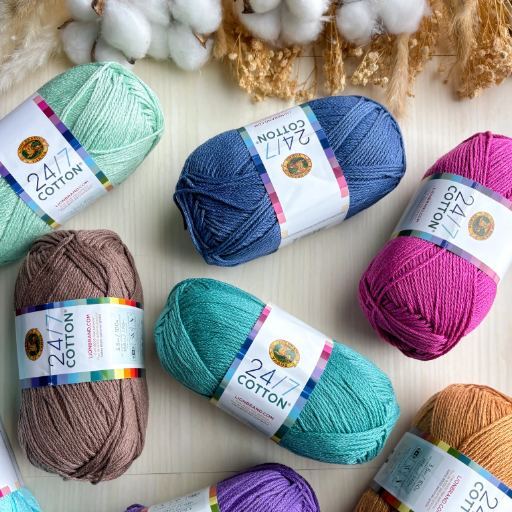
Color is the most requested customization and the one buyers underestimate. You will match to a Pantone code, a physical swatch, or a proprietary brand color, and the mill will develop a lab dip, a small dyed sample you approve under multiple light sources. The same shade reads differently on cotton, wool, acrylic, and polyester, so the fiber and color decisions are linked.
Dye method also matters. Package dyeing gives consistent color across batches and suits indoor products. Solution dyeing embeds the pigment in the fiber before it is spun, which resists fading and suits outdoor use. Our guide to custom yarn dyeing and color matching covers the full lab-dip workflow.
5. Texture, Hand Feel, and Function
Texture and hand feel are where design meets engineering. Designers describe yarns with words like fluffy, dry, smooth, hairy, delicate, dense, and shiny. Manufacturers translate those words into fiber micron count, twist, ply, spinning method, and filament cross-section.
Woolen-spun yarns are lofty and cozy. Worsted-spun yarns are smooth and refined. A silk-like filament cross-section can mimic a dry, cool “scroop” while keeping synthetic performance.
Functional finishes extend the design brief into performance: antimicrobial, flame retardant, water repellent, anti-static, and UV protection. Each adds a measurable property to the yarn and a measurable premium to the cost.
6. Structure and Construction
Beyond the basics, structure is where novelty and fancy yarns live. A slub yarn introduces irregular thickness along a single strand. A bouclé builds a compound structure from a core, an effect, and a binder.
Chenille, loop, flame, and spiral yarns each have their own construction logic. If your design calls for texture, you’re designing structure, not just surface. Contact Hebei Lida Textile Co., LTD to discuss your custom yarn requirements.
The table below summarizes the specification elements a manufacturer needs from you.
| Design Element | What It Controls | How to Specify |
|---|---|---|
| Fiber and blend | Cost, softness, strength, drape | Fiber type and percentage (e.g., 70/30 cotton-polyester) |
| Yarn count | Weight, drape, thickness | Ne, Nm, denier, or Tex number |
| Twist | Softness vs. stability, pilling | TPM and S or Z direction |
| Ply | Strength, smoothness, roundness | Number of plies |
| Color | Brand identity, appearance | Pantone code, swatch, or CIELAB data |
| Texture and finish | Hand feel, performance | Descriptors plus target performance tests |
If you need an application-specific yarn, our guides to custom yarn for fashion and custom yarn for upholstery show how each design decision changes for apparel and furniture.
Designing Fancy and Novelty Yarns
Fancy yarns are compound yarns built from multiple component strands, and specifying them requires more detail than a standard yarn. A bouclé, for example, combines a core yarn for strength, an effect yarn fed at a different speed to create loops, and a binder yarn that locks the structure in place. Technical guides explain the structure clearly: the core provides integrity, the effect creates the texture, and the binder protects the result.
The specifications get specific quickly. For a slub yarn, you specify slub length, slub thickness as a multiple of the base yarn diameter, and the average spacing between slubs. For a loop yarn, you specify loop height, loop frequency per meter, and fiber rigidity. Mono-fancy yarns, like a simple slub spun into a single strand, follow a different specification approach because the irregularity is introduced during spinning.
Do you need this level of detail? Only if you’re designing a textured or novelty yarn. For a plain single or two-ply yarn, the six core decisions cover everything.
When you do design a fancy yarn, send your supplier a physical reference if you can. A few meters of yarn or a fabric swatch lets a technician reverse-engineer texture, color, and structure far more reliably than a written description. Guides on telling a fancy yarn manufacturer what you want make the same point: describe the components you need, and the mill does the rest.
How to Write a Custom Yarn Design Brief
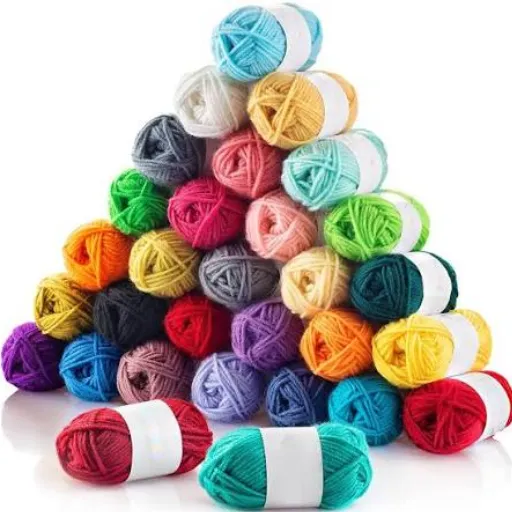
A design brief is the document that turns your creative vision into a specification a mill can price and produce. It’s the single most valuable tool you can send a manufacturer, and almost no one provides it. Here’s what a strong brief includes.
- Application and end use: What will this yarn become? Knitwear, upholstery, curtains, industrial textiles? This sets the technical direction.
- References: A physical swatch, a photo of the texture, or a finished garment. Visuals beat words.
- Material direction: Preferred fibers or blends, or an open brief if you want the mill to recommend.
- Hand-feel descriptors: Three or four words that capture the feel, like “fluffy with a soft halo, medium density, and a little shine.”
- Technical parameters: Fiber percentage, yarn count, ply, twist, and color reference.
- Functional requirements: Any finish (antimicrobial, flame retardant, UV) and any certifications (OEKO-TEX, GRS).
- Commercial details: Target quantity or MOQ, budget range, and deadline.
The hand-feel descriptors are where the designer-manufacturer language gap opens, and closing it is your job. The table below maps common aesthetic terms to the technical parameters a mill can act on.
| What You Say | What the Mill Needs |
|---|---|
| “Soft, not itchy” | Fiber micron count (e.g., merino 15.5-19 microns) |
| “Fluffy and lofty” | Woolen spinning or low twist |
| “Smooth and refined” | Worsted spinning, higher ply, tighter twist |
| “Dry and silky” | Filament cross-section or fiber type |
| “Dense and heavy” | Higher yarn count and tighter construction |
| “Holds its shape” | Higher twist and higher ply |
A designer at a Milan home-textile studio once told us her favorite supplier rejected her first three briefs. The briefs described a “soft, textured, elegant” yarn in a photo she loved. The supplier kept asking for numbers she had not thought to include.
Once she added fiber percentage, count, and a Pantone reference, the fourth brief produced a sample she approved on the first round. The lesson: the more specific your brief, the fewer rounds you will need. Looking for reliable custom yarn manufacturing? Send your specifications to our team.
Custom Yarn Color Matching: From Pantone to Lab Dip
Color matching is the step where custom yarn designs live or die, and it is a process of light. You submit a Pantone code, a physical swatch, or CIELAB data. The mill develops a lab dip, a small dyed sample for your approval. A good supplier shows the dip under multiple light sources, because daylight, store lighting, and home lighting all change how a color reads.
Expect two to three rounds of lab dips before the color is locked. Lab-dip development typically takes three to five working days per round, and a Delta E below 1.0 on a spectrophotometer is the industry benchmark for an excellent match. Ask your supplier for their tolerance target and for the light sources they use for approval.
One rule matters above all: the same Pantone code looks different on every fiber. A shade approved on cotton will read differently on wool, acrylic, or polyester because each fiber absorbs and reflects light differently. That’s why the fiber decision and the color decision are inseparable, and why you need a separate lab dip for each yarn type in a multi-yarn collection.
Custom color also carries the smallest minimum order of any customization, typically 500 to 1,000 kilograms per color, with some mills accepting 300 kilograms at a premium. For repeat orders, ask how the mill manages color lots. Shade sorting into A, B, and C groups keeps a reorder blending cleanly with the original run.
Sampling and Prototyping: From Design to First Cones
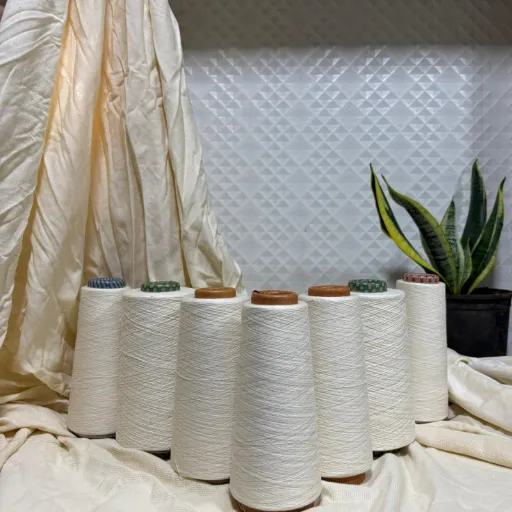
The sample stage is where your design becomes physical, and it follows a predictable workflow: reference swatch, sample cones, lab dips, knit-down or weave test, and a pilot run before bulk production. Each step exists to answer one question, will this yarn meet the spec and the hand?
Timelines follow the same rhythm across suppliers. Stock samples ship in three to seven days. Custom color or packaging samples take seven to fifteen days. A full custom development project typically needs three to five sampling rounds, each taking two to four weeks, which is why a complete project runs four to five months from brief to bulk.
Plan backward from your launch date.
When you evaluate samples, do not judge by touch alone. Ask for the yarn count, ply, and twist data and compare it to your brief. Test the yarn at the gauge you plan to use, because a yarn that looks right in a 7-gauge knit can feel thin in a 12-gauge sample. Gauge alignment is the secret to a stable, balanced fabric.
Costs, MOQs, and Timelines for Custom Yarn Designs
Budgeting for a custom yarn design means understanding where the premiums sit. The cost scales with how much of the yarn you are changing, and the ranges below are consistent across manufacturers who publish their numbers.
| Customization | Cost Premium vs. Stock | Typical MOQ |
|---|---|---|
| Custom color only | +10% to +25% | 500 to 1,000 kg per color |
| Custom blend | +15% to +30% | 1,000 to 3,000 kg |
| Custom twist | +10% to +20% | 500 to 1,000 kg |
| Functional finish | +30% to +100% | Depends on treatment |
| Full custom development | +50% to +200% plus sampling fees | 1,000 kg and up |
Lead times follow the same pattern. Custom color adds roughly two to three weeks. A custom blend adds four to eight weeks. A functional finish adds four to ten weeks.
A full custom development project, including sampling, runs four to five months minimum.
Small brands often assume custom yarn designs are out of reach, but three strategies bring the cost down. The stock-plus-custom hybrid pairs one or two custom colors with existing stock colors, which can cut per-kilogram cost dramatically. Sharing a one-time development or color-matching fee across a season’s orders lowers the effective premium.
Flexible-MOQ programs, including ours at Hebei Lida, let startups launch a custom color on 50 to 100 kilograms instead of waiting for a 1,000-kilogram order. Our guide to custom yarn for small businesses goes deeper on these tactics.
When Lena launched her hand-dyed-inspired knitwear brand in 2025, her first custom yarn quote came in at nearly triple the stock price. Instead of abandoning the idea, she redesigned her collection around two custom colors and three stock yarns from the same mill. Her per-kilogram cost dropped 60%, and she kept the signature colors that made the brand recognizable.
Custom yarn didn’t require a big brand budget. It required a smart order structure.
Design Tools and Trend Resources for Custom Yarns
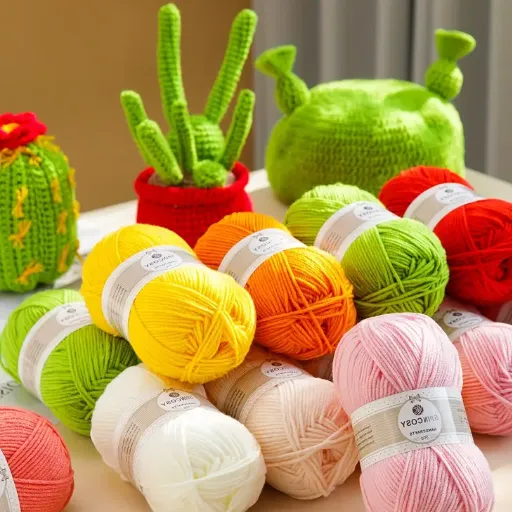
The design side of yarn development has better tools today than it did five years ago. Textile CAD programs like Pointcarre include a YarnMaker module that builds photorealistic 3D yarns, so you can validate how a fiber, twist, and structure behave before ordering physical samples. NedGraphics adds AI-powered colorway assistants that generate palettes from text prompts, and TUKAstudio offers digital fabric design from roughly $29 a month. Pantone and Archroma Color Atlas libraries give you the color reference systems mills actually match to.
Trend resources keep your design current. Trade fairs like Pitti Filati, Première Vision, and Creativeworld set the seasonal direction, and the 2026 Creativeworld trends cluster around romantic, rebellious, and classic moods with deep brown, khaki green, and burgundy leading the palette. Sustainability is the dominant force across all of them, with recycled content, biodegradable fibers, and bio-based materials shaping new yarn development. The global textile yarn market, estimated at roughly USD 82.4 billion in 2025, is growing on exactly these drivers.
Use these tools to build your design brief, then let the mill handle the manufacturing math. Our team at Hebei Lida can discuss your custom yarn design and help you turn a concept into a manufacturable specification.
Common Custom Yarn Design Mistakes to Avoid
Designing custom yarn gets easier when you know where designers typically go wrong. These are the mistakes we see most often.
- Designing without an application: A yarn for knitwear is not a yarn for upholstery. Decide the end use first, then design to it.
- Sending vague specs: “Something soft and nice” is not a specification. Include fiber, count, twist, and a color reference.
- Ignoring the fiber-color interaction: The same Pantone shade looks different on every fiber. Approve color on the actual yarn.
- Forgetting the twist-pilling trade-off: Soft low-twist yarns pill; firm high-twist yarns feel hard. Choose the balance your product needs.
- Mismatching count and gauge: A yarn must be tested at the gauge you plan to use. The right count for a 7-gauge knit may be wrong at 12 gauge.
- Underestimating sampling time: Three to five rounds at two to four weeks each is normal. Build it into the schedule.
- Skipping color-lot planning: For repeat orders, ask about shade sorting before you commit, not after the second batch arrives.
Frequently Asked Questions About Custom Yarn Designs
How can I create custom yarn designs?
Define the application, choose the six design decisions (fiber, count, twist, ply, color, texture), write a design brief with references and a color spec, then send it to a custom yarn manufacturer. They will produce samples and lab dips for your approval before bulk production.
What can be customized in a yarn design?
Fiber and blend, yarn count, twist, ply, color and dye method, texture, hand feel, functional finishes, and packaging. The depth of customization determines the cost premium, from 10% for color to 200% for a fully developed new yarn.
How do I write a yarn design brief?
Include the application, references, material direction, hand-feel descriptors, technical parameters (fiber, count, twist, ply, color), functional requirements, and commercial details like target quantity, budget, and deadline.
How much does custom yarn design cost?
Custom color adds 10% to 25% over stock. Custom blends add 15% to 30%, functional finishes 30% to 100%, and full custom development 50% to 200% plus sampling fees.
What is the minimum order for custom yarn?
Custom color typically starts at 500 to 1,000 kilograms per color. Flexible low-MOQ programs can start as low as 50 to 100 kilograms for simple custom colors.
How long does custom yarn sampling take?
Stock samples ship in three to seven days. Custom samples take seven to fifteen days, and a full development project needs three to five sampling rounds over four to five months.
What is a lab dip?
A lab dip is a small dyed sample produced for your approval before bulk dyeing. You review it under multiple light sources, and two to three rounds are typical before a color is locked.
Conclusion
Designing custom yarn starts with the application, not the color. Decide where the yarn will live, translate that into the six design decisions, and write it all down in a brief a manufacturer can act on. Match the color with lab dips under multiple light sources, plan for three to five sampling rounds, and budget honestly for premiums of 10% to 200% depending on how deep the customization goes.
- Start with the application, then choose fiber, count, twist, ply, color, and texture.
- Write a design brief with references and hand-feel descriptors translated into technical parameters.
- Approve color via lab dips under multiple light sources and plan for two to three rounds.
- Budget for cost premiums of 10% to 200% and MOQs from 500 kilograms up, or use low-MOQ programs to start small.
- Build three to five sampling rounds and a four- to five-month lead time into your launch schedule.
If you are ready to move your custom yarn designs forward, talk to Hebei Lida. We will help you write the brief, send sample cones, and walk you through color matching, MOQs, and timelines that fit your project. Every custom yarn design begins with a single idea. Turn yours into a specification with us.