


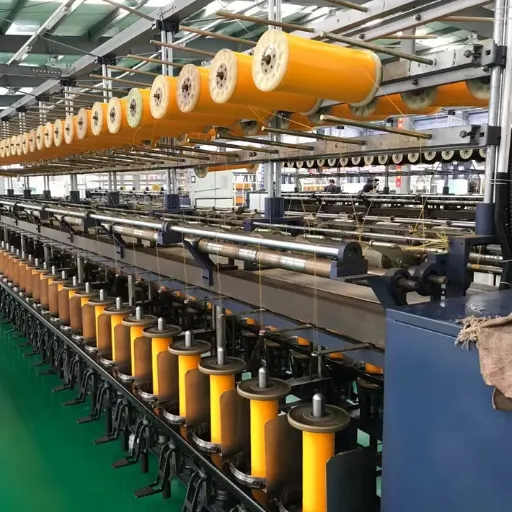
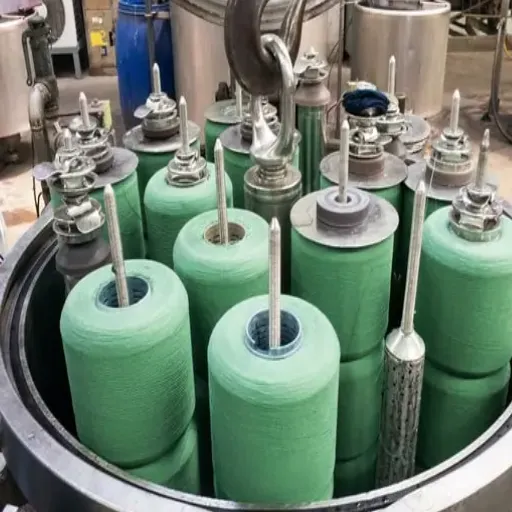
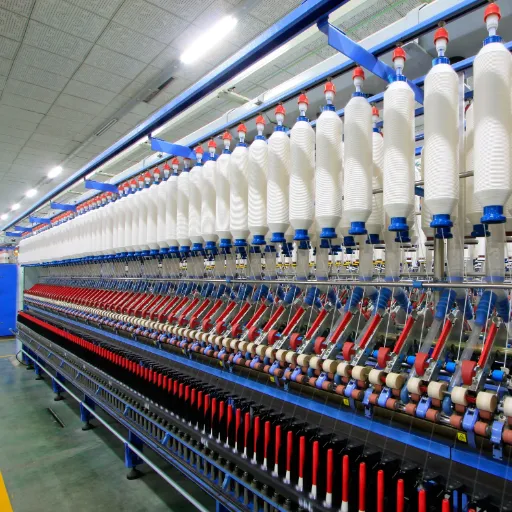
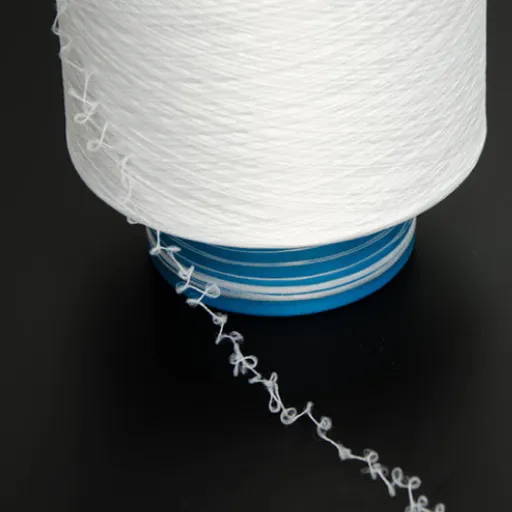




The main yarn manufacturing techniques are ring spinning, rotor (open-end) spinning, air-jet spinning, vortex spinning, and friction spinning. Each method produces yarns with different strengths, textures, and costs — making technique selection one of the most important decisions in textile sourcing.
When Elena, a furniture manufacturer in Milan, received her first bulk order for outdoor upholstery, she assumed all polyester yarns were created equal. She sourced the cheapest option available, only to discover six months later that the fabric had faded, pilled, and lost its tensile strength. The root cause? The supplier had used open-end spinning when air-jet spinning was required for the UV-resistant coating to bond properly. That single technique mismatch cost her a $45,000 contract and a long-term client.
If you’ve ever sourced yarn for a project, you already know that two yarns can look identical on paper but perform completely differently on the factory floor. The manufacturing technique behind each yarn determines everything from how the fabric feels against your skin to how many years it lasts under stress. In this guide, we’ll map every major yarn manufacturing technique to the applications where it excels. We’ll cover staple fiber spinning methods, filament yarn production, specialty and custom techniques, sustainable innovations, and a practical framework for choosing the right method for your next project.
If you’re unsure which technique suits your specific application, our team at Hebei Lida Textile can help you evaluate your options and recommend the optimal approach. Contact us for a free yarn consultation.
Key Takeaways: Yarn Manufacturing Techniques
- Ring spinning remains the gold standard for premium textiles, delivering the highest strength and smoothest surface, but at higher production costs.
- Rotor (open-end) spinning dominates high-volume applications like denim and workwear, offering 30% lower energy consumption per kilogram than ring spinning.
- Air-jet and vortex spinning produce smoother, less hairy yarns ideal for knitwear and technical textiles requiring precise surface characteristics.
- Core-spun, compact, and fancy yarn techniques enable custom properties and unique design effects that standard spinning cannot achieve.
- Sustainable yarn manufacturing techniques — including recycled fiber spinning and energy-efficient processes — now deliver quality parity with conventional methods while reducing environmental impact by up to 40%.
What Are Yarn Manufacturing Techniques?
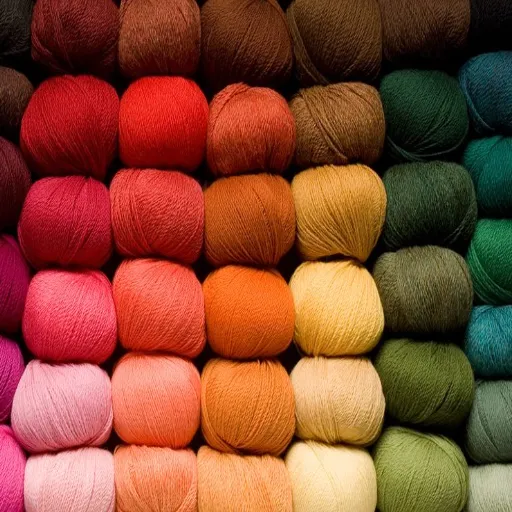
Yarn manufacturing techniques are the specific mechanical methods used to convert raw fibers into continuous strands of yarn. While the overall yarn production process includes steps like cleaning, carding, and drawing, the manufacturing technique refers specifically to how twist is inserted into the fiber mass to create a cohesive, usable yarn.
The technique chosen at this stage determines the yarn’s fundamental properties. Ring spinning produces strong, smooth yarns ideal for premium shirting. Rotor spinning creates bulkier, more economical yarns perfect for denim. Air-jet spinning yields exceptionally uniform yarns with minimal hairiness, making them suitable for technical applications where surface consistency matters. Understanding these differences is essential for anyone sourcing yarn, because the technique is not interchangeable — a yarn made via ring spinning will behave differently in dyeing, weaving, and end-use performance than the same fiber composition made via rotor spinning.
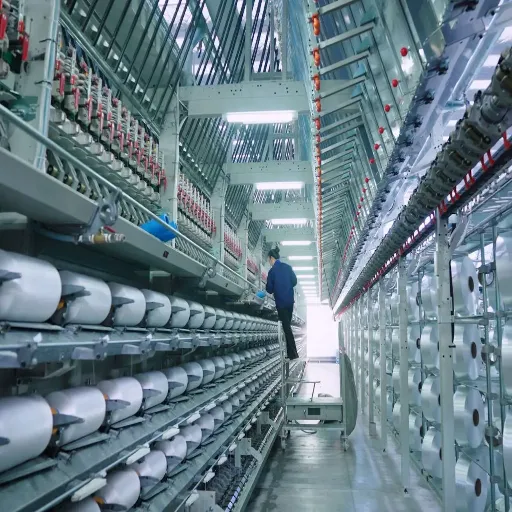
Modern textile spinning facilities typically operate multiple yarn manufacturing techniques in parallel. A facility might run ring frames for fine-count fashion yarns, rotor machines for coarse industrial yarns, and air-jet systems for technical textile production. This multi-technique capability is what separates versatile manufacturers from single-method operations — and it is one of the first factors savvy buyers evaluate when qualifying a new supplier.
The Foundation: Key Fiber Preparation Techniques
Before any spinning technique can begin, raw fibers must go through fiber processing to create a consistent, clean format. The quality of this preparation directly impacts the final yarn, regardless of which manufacturing technique follows.
Carding vs. Combing
Carding is the standard preparation method for most cotton and blended yarns. The process passes fibers through a series of wire-covered cylinders that align fibers roughly parallel and remove short fibers, dirt, and impurities. Carded yarns retain more fiber irregularity and are generally softer and bulkier than combed alternatives. They are well-suited for casual apparel, basic home textiles, and applications where cost efficiency outweighs premium surface quality.
Combing adds an additional refinement step after carding. A combing machine removes short fibers (typically those shorter than 12-15mm) and aligns the remaining long fibers with greater precision. Combed yarns are smoother, stronger, and more uniform than carded yarns. They command a 15-25% price premium and are the standard choice for fine-count shirting, luxury bed linens, and any application where surface smoothness and strength are critical. At Hebei Lida Textile, we comb all fine-count cotton yarns above Ne 40 to ensure the consistency our fashion and home textile clients expect.
Drawing and Blending
Drawing is the process of combining multiple slivers (loose ropes of fibers) and stretching them to improve fiber alignment and evenness. Modern draw frames can process slivers at speeds exceeding 800 meters per minute, using electronic autoleveling to correct thickness variations and improve yarn evenness in real time. This step is critical because uneven sliver input will produce uneven yarn output, regardless of how sophisticated the spinning technique is.
Blending occurs during or before drawing. Manufacturers combine different fiber types — cotton with polyester, wool with acrylic, or virgin cotton with recycled fibers — to achieve specific performance characteristics. The blend ratio, fiber length distribution, and mixing uniformity all influence how the final yarn will behave during spinning and in the finished fabric. A well-executed blend can improve yarn strength, reduce cost, or add functional properties like moisture wicking or flame resistance.
Roving Formation
Roving is the final preparation stage before spinning. The drawn sliver is passed through a roving frame (also called a simplex or speed frame) that applies a light twist while further reducing the fiber mass to a thin, rope-like strand. This intermediate product feeds directly into the spinning machine. Roving quality — measured by evenness, twist level, and hairiness — sets the upper limit on yarn quality. Even the most advanced ring spinning frame cannot compensate for poorly prepared roving.
Staple Fiber Spinning Techniques
Staple fiber spinning is the dominant category of yarn manufacturing techniques. Each of these yarn spinning methods inserts twist differently, processing short natural fibers (cotton, wool, flax) and cut synthetic fibers (polyester, acrylic, viscose) into yarn with distinct property profiles.
Ring Spinning — The Industry Standard
Ring spinning has been the backbone of yarn manufacturing for over 180 years, and it remains the most widely used technique for premium-quality yarns. In this method, roving is fed through rollers that draft (stretch) the fiber mass to the desired thinness. The drafted fibers pass through a rotating traveler on a ring, while a spindle rotates at high speed to insert twist. The combination of drafting and twisting transforms loose fibers into a strong, continuous yarn wound onto a cop or cone.
The resulting ring-spun yarn is characterized by high strength, low hairiness, and excellent uniformity. These properties make it the preferred choice for fine-count fashion fabrics, premium shirting, high-thread-count bed linens, and any application where surface smoothness and durability are paramount. Ring-spun cotton yarns in counts from Ne 20 to Ne 120 are standard across the textile industry.
The trade-off is cost and speed. Ring spinning operates at spindle speeds of 10,000-25,000 RPM, slower than rotor or air-jet systems. Energy consumption is higher — approximately 2 megawatts for a 20,000-spindle installation — and labor requirements per unit of output are greater. For buyers, this translates into a 20-30% price premium over open-end spun alternatives. However, for applications where yarn quality directly impacts finished product performance, the additional cost is justified.
At a textile factory in Shijiazhuang, production manager Li Wei faced a familiar challenge. A European fashion brand needed 10,000 meters of yarn with a specific softness profile for a luxury scarf line. Ring spinning would deliver the required quality but at a 40% higher cost than the brand’s budget allowed. After testing samples from compact spinning — a hybrid technique that combines ring spinning quality with improved efficiency — the brand approved the order. The result? A 15% cost savings without compromising the hand-feel the designer demanded. This illustrates why understanding the full spectrum of yarn manufacturing techniques matters: the right choice can unlock quality and cost advantages that a single-method approach cannot.
Rotor (Open-End) Spinning — High-Speed Production
Rotor spinning, also known as open-end spinning, revolutionized the industry when it entered commercial production in the 1960s. Unlike ring spinning, which twists fibers around a continuously moving strand, rotor spinning feeds individual fibers into a rapidly rotating drum (the rotor). Centrifugal force packs fibers against the rotor wall, and the resulting fiber ring is peeled off and twisted into yarn as it exits the rotor.
This fundamentally different mechanism enables dramatically higher production speeds — rotor machines operate at speeds equivalent to 100,000-200,000 RPM in ring spinning terms. A single modern rotor unit can produce yarn five to ten times faster than a ring frame of equivalent count. Energy consumption per kilogram of yarn is approximately 30% lower than ring spinning, and the process requires significantly less labor.
Rotor-spun yarns are bulkier, more absorbent, and have a softer hand than ring-spun yarns of the same fiber and count. However, they are also weaker, more hairy, and less uniform. The fiber alignment in rotor yarn is more random, which limits the technique to coarser counts (typically Ne 4 to Ne 40) and applications where extreme smoothness is not required.
Denim production is the single largest application for rotor-spun yarn. The bulkiness and absorbency of open-end yarn improve dye uptake and create the characteristic soft, worn feel of quality denim. Workwear, towels, heavy-knit fabrics, and industrial textiles also rely heavily on rotor spinning. For buyers sourcing these product categories, rotor-spun yarn is not just acceptable — it is often preferable to ring-spun alternatives. If you have any questions or need further assistance, don’t hesitate to get in touch with us.
Air-Jet Spinning — Smooth and Uniform
Air-jet spinning uses high-velocity air currents to wrap fibers around a core of parallel fibers, creating yarn without mechanical twisting. Drafted fibers enter a spinning nozzle where two opposing air vortices insert false twist. The outer fibers wrap around the parallel core fibers, producing a yarn structure that resembles a two-ply construction in a single step.
The resulting yarn is exceptionally smooth, with hairiness levels 40-60% lower than ring-spun equivalents. This surface characteristic makes air-jet spun yarns ideal for technical textiles, medical fabrics, and high-end knitwear where pilling resistance and surface consistency are critical. The technique also operates at very high speeds — modern air-jet machines can produce yarn at rates exceeding 500 meters per minute.
Air-jet spinning has limitations. It works best with synthetic and blended fibers; 100% cotton air-jet yarns lack the strength of ring-spun cotton. The yarn structure is also less flexible, which can cause issues in weaving applications requiring high yarn elongation. For knitwear and technical applications using polyester, poly-cotton blends, and viscose, however, air-jet spinning offers an attractive combination of speed, quality, and cost.
Friction Spinning — Bulky and Textured
Friction spinning is a less common but valuable technique for producing highly bulky, textured yarns. In this method, fibers are fed between two perforated drums rotating in the same direction. Friction between the drums and the fiber mass inserts twist while simultaneously creating a bulky, low-density yarn structure.
Friction-spun yarns are soft, absorbent, and have excellent thermal insulation properties. They are used in specialty applications such as insulation batts, filtration media, mop yarns, and novelty fabrics where bulk is more important than strength. The technique can process a wide range of fiber lengths and types, including recycled fibers that might not perform well in ring or rotor systems.
Vortex Spinning — The Modern Hybrid
Vortex spinning, developed by Murata Machinery, represents one of the most significant innovations in yarn manufacturing techniques of the past two decades. Like air-jet spinning, it uses air to wrap fibers, but the vortex mechanism produces a yarn with a more ring-spun-like structure. The yarn has a twisted outer layer surrounding a parallel core, combining the smoothness of air-jet yarn with strength approaching that of ring-spun yarn.
Vortex spinning has grown rapidly in Asia, particularly for knitwear applications. Annual growth rates of 8-12% reflect strong demand from brands seeking pilling-resistant, smooth-surface yarns at competitive production costs. The technique handles cotton, synthetic, and blended fibers effectively, making it one of the most versatile modern spinning methods. For buyers evaluating suppliers, the presence of vortex spinning capability signals a forward-thinking manufacturer equipped to produce contemporary textile products.
Yarn Manufacturing Techniques: Comparison at a Glance
| Technique | Best For | Fiber Types | Count Range | Key Advantage | Key Limitation |
|---|---|---|---|---|---|
| Ring Spinning | Premium fashion, shirting, fine bed linen | Cotton, wool, blends | Ne 10-120 | Highest strength, smoothest surface | Highest cost, slowest speed |
| Rotor Spinning | Denim, workwear, towels, industrial | Cotton, polyester, blends | Ne 4-40 | Lowest cost per kg, highest speed | Coarser counts, more hairy |
| Air-Jet Spinning | Technical textiles, knitwear, medical | Synthetics, blends | Ne 10-60 | Lowest hairiness, very high speed | Limited cotton performance |
| Vortex Spinning | Knitwear, casual apparel, blends | Cotton, synthetics, blends | Ne 10-60 | Smooth surface, pilling resistant | Newer technology, limited suppliers |
| Friction Spinning | Insulation, filtration, novelty | All fiber types | Bulky counts | Maximum bulk, recycled fiber friendly | Low strength, niche applications |
Ready to see the difference technique makes in your finished product? Request a sample pack with yarns produced by different manufacturing methods and compare the results in your own application.
Filament Yarn Manufacturing Techniques
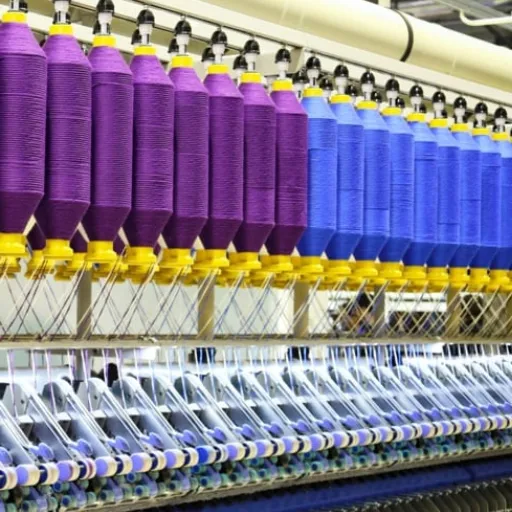
While staple fiber spinning dominates apparel and home textiles, filament yarns — made from continuous synthetic polymer strands — are essential for technical textiles, performance fabrics, and many industrial applications. Understanding how these yarn manufacturing techniques differ from staple spinning helps buyers make informed decisions about blended and technical products.
Melt Spinning (Synthetic Fibers)
Melt spinning is the most common filament production method. Polymer chips (typically polyester, nylon, or polypropylene) are heated until molten and then extruded through spinnerets containing hundreds of tiny holes. As the molten polymer exits the spinneret, it solidifies into continuous filaments that are drawn (stretched) to align polymer molecules and increase strength.
The drawing ratio — how much the filament is stretched — determines final yarn properties. Higher draw ratios produce stronger, finer filaments with less elongation. Melt-spun filaments can be produced as monofilament (single thick strand), multifilament (many fine strands bundled together), or spun into staple fiber by cutting the continuous strands into short lengths. Most polyester and nylon yarns used in textiles begin as melt-spun filaments.
Wet Spinning (Rayon, Acrylic)
Wet spinning is used for polymers that decompose when heated, such as rayon (viscose), acrylic, and aramid fibers. In this technique, polymer solution is extruded through spinnerets into a coagulation bath containing chemicals that solidify the polymer into filaments. The filaments are then washed, drawn, and dried before further processing.
Rayon production via wet spinning is a major segment of the textile industry. The resulting fibers have a silk-like luster and excellent moisture absorption, making them popular for summer apparel, linings, and blended fabrics. Acrylic wet spinning produces wool-like fibers used in knitwear and blankets. For buyers, knowing whether a yarn was melt-spun or wet-spun helps predict how it will behave in dyeing, finishing, and end-use.
Dry Spinning (Acetate)
Dry spinning is similar to wet spinning but uses a heated chamber instead of a liquid bath to solidify the polymer. As the polymer solution exits the spinneret, warm air evaporates the solvent, leaving solid filaments. Acetate fibers, used in linings, ribbons, and specialty fabrics, are produced exclusively by dry spinning. The technique is less common than melt or wet spinning but remains important for specific polymer types.
Texturing Techniques for Synthetic Filaments
Raw synthetic filaments are smooth, slippery, and lack the bulk of natural fibers. Texturing processes add crimp, bulk, or stretch to create yarns that mimic natural fiber properties. Common texturing techniques include:
- False-twist texturing: The most common method, used to produce stretch polyester and nylon for activewear and hosiery.
- Air-jet texturing: High-pressure air creates loops and entanglements in the filament bundle, producing bulky yarns for upholstery and outdoor fabrics.
- Steam texturing: Used for nylon carpet yarns, steam heat sets crimp into the filaments for bulk and resilience.
Textured filament yarns are essential for performance apparel, stretch fabrics, and any application requiring elasticity or bulk in synthetic materials. When sourcing blended yarns that contain polyester or nylon components, understanding which texturing technique was applied helps predict stretch characteristics and fabric hand.
Specialty and Custom Yarn Techniques
Standard yarn manufacturing techniques produce excellent results for most applications, but some projects require custom yarn production that conventional spinning cannot achieve. Custom yarn techniques enable unique properties, design effects, and performance characteristics for specialized requirements.
Core-Spun Yarns for Strength
Core-spun yarn combines two different materials into a single structure: a continuous filament core provides strength and elasticity, while staple fibers wrapped around the core provide surface characteristics and hand-feel. The most common construction is a polyester or elastane core wrapped with cotton, wool, or blended staple fibers.
This technique produces yarns that combine the best properties of both components. The filament core delivers tensile strength 30-50% higher than conventional spun yarn of the same count, while the staple fiber wrapper provides the natural appearance and comfort of traditional yarns. Core-spun yarns are widely used in denim (for stretch), upholstery (for durability), industrial sewing threads, and high-performance apparel.
In 2024, a home textile brand based in Germany approached Hebei Lida Textile with an unusual request: they needed a yarn that combined the softness of cotton with the durability of polyester for a new line of children’s bedding. Using core-spun yarn manufacturing techniques, our team demonstrated how custom yarn production can create entirely new product categories. We wrapped a polyester filament core with combed cotton fibers, producing a yarn that exceeded durability standards by 30% while maintaining the gentle texture parents expected. The bedding line launched successfully and became the brand’s best-selling product within its first quarter. This is the power of choosing the right specialty technique: it can create product categories that would be impossible with standard spinning alone.
Slub and Fancy Yarns for Design
Slub yarns contain intentional thick and thin sections that create texture and visual interest in the finished fabric. Fancy yarns include additional effects like knots, loops, and nep (small fiber balls) that add decorative character. These techniques are not defects — they are carefully controlled design features created by modifying drafting roller speeds or adding specialized attachments to spinning frames.
Fashion designers use slub and fancy yarns to create unique surface textures that differentiate their collections. Home textile brands employ them for curtains, throws, and accent fabrics where visual interest adds value. The key to successful fancy yarn production is consistency: the design effect must be repeatable across thousands of meters of yarn. This requires precise machinery control and experienced operators who understand how to translate a designer’s vision into reproducible production parameters.
Compact Spinning for Premium Quality
Compact spinning is an enhancement of traditional ring spinning that adds a fiber-compacting step before twist insertion. Drafted fibers pass through a pneumatic condensation zone that aligns them more tightly and removes loose surface fibers before the traveler inserts twist. The result is a yarn with 15-20% less hairiness, improved strength, and better dye absorption than conventional ring-spun yarn.
Yarns produced via compact spinning command a 10-15% price premium in the market, and the additional cost is justified for applications where surface quality is critical. High-end shirting, luxury bed linens, and fine-gauge knitwear all benefit from compact spinning’s superior characteristics. The technique has become increasingly common in premium yarn manufacturing, and buyers evaluating suppliers for quality-focused projects should confirm compact spinning capability.
Sirospun and Self-Twist Techniques
Sirospun is a modified ring spinning technique that drafts two rovings simultaneously through the same roller set, producing a two-strand yarn in a single pass. The resulting yarn has improved strength and reduced hairiness compared to conventional single-strand ring spinning. It is commonly used for wool and wool-blend yarns in suiting and outerwear applications.
Self-twist spinning uses oscillating rollers to impart alternating twist directions to two fiber strands, which are then twisted together to create a stable two-ply yarn. The technique eliminates the need for separate plying machinery and is used primarily for woolen yarns in knitwear and carpet applications.
Sustainable Yarn Manufacturing Techniques
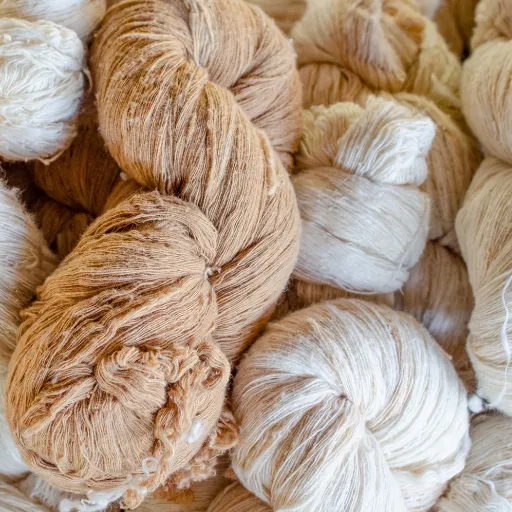
Sustainable yarn manufacturing techniques are no longer a niche concern — they are a core requirement for an increasing share of textile buyers. Fortunately, modern sustainable methods now deliver quality parity with conventional yarn manufacturing techniques while significantly reducing environmental impact.
Recycled Fiber Spinning
Recycled polyester yarn is produced by melting post-consumer plastic bottles or post-industrial polyester waste and extruding new filaments. The melt spinning process is fundamentally the same as virgin polyester production, but the raw material comes from waste streams rather than petroleum. Modern recycled polyester yarns achieve tensile strength and colorfastness within 5% of virgin polyester, making them suitable for virtually all applications where standard polyester is used.
Recycled cotton presents greater challenges because the mechanical recycling process shortens fiber length. Recycled cotton is typically blended with virgin cotton or synthetic fibers to maintain yarn quality. Blend ratios of 20-50% recycled cotton are common and deliver excellent performance while diverting textile waste from landfills. At Hebei Lida Textile, we offer recycled cotton-polyester blends in counts from Ne 10 to Ne 30 for clients seeking sustainable options without compromising durability.
Organic and Bio-Fiber Processing
Organic cotton is grown without synthetic pesticides or fertilizers and processed according to standards like GOTS (Global Organic Textile Standard). The spinning techniques for organic cotton are identical to conventional cotton — ring, rotor, or air-jet — but the fiber preparation must avoid chemical contaminants that could compromise organic certification.
Bio-based fibers represent the next frontier in sustainable yarn manufacturing. Fibers derived from agricultural waste (pineapple leaf fiber, banana stem fiber), bacterial cellulose, and algae are entering commercial production. These materials require modified preparation and spinning techniques because their fiber length, strength, and surface characteristics differ from conventional cotton or synthetics. Manufacturers with experience in non-traditional fiber processing are increasingly valuable partners for brands developing next-generation sustainable products.
Energy-Efficient Spinning Innovations
The energy intensity of yarn manufacturing has decreased significantly over the past decade. Modern ring frames from manufacturers like Rieter and Saurer consume 15-20% less energy per kilogram of yarn than machines from the early 2010s. Rotor spinning’s inherent energy advantage — approximately 30% lower consumption than ring spinning — makes it an increasingly attractive option as energy costs rise.
Some manufacturers are adopting renewable energy sources to power production facilities. Solar-powered spinning mills, while still uncommon, represent a growing trend in regions with favorable renewable energy policies. For buyers with corporate sustainability mandates, asking suppliers about their energy sources and efficiency measures is becoming as standard as asking about yarn count and strength specifications.
According to Textile Exchange, the sustainable yarn market is projected to reach $8.2 billion by 2028, growing at a compound annual rate of 7.5%. This growth reflects both regulatory pressure and genuine consumer demand for environmentally responsible textiles. Buyers who understand sustainable yarn manufacturing techniques can position themselves ahead of this trend while maintaining the quality standards their customers expect.
How to Choose the Right Manufacturing Technique
With so many yarn manufacturing techniques available, selecting the right one for your project can feel overwhelming. The good news is that technique selection follows a logical decision framework based on your end-use requirements, budget constraints, and quality priorities.
Matching Technique to Application
Start by identifying your application’s critical yarn properties. If you need maximum strength and surface smoothness for fine-count shirting or luxury bedding, ring spinning or compact spinning is the right choice. If you are producing denim, workwear, or towels where bulk and cost efficiency matter more than ultimate smoothness, rotor spinning is likely optimal. For technical textiles, medical fabrics, or knitwear where pilling resistance is critical, air-jet or vortex spinning should be your first consideration.
Fiber type also influences technique selection. Cotton performs well in ring, rotor, and vortex systems but is less suited to air-jet spinning. Synthetic fibers excel in air-jet, vortex, and melt-spun filament systems. Blends require careful matching: a cotton-polyester blend might spin well on a rotor frame but produce inferior results on an air-jet system depending on the blend ratio and fiber lengths.
Evaluating Manufacturer Capabilities
Not every yarn manufacturer operates every technique. Smaller mills may specialize in ring spinning only. Large integrated facilities typically run multiple systems but may have capacity constraints on specific techniques. When qualifying a new supplier, ask directly about their spinning technique capabilities and request samples produced on each relevant system. At Hebei Lida Textile, our yarn product catalog includes samples across all major manufacturing techniques, from ring-spun cotton to custom core-spun blends.
A supplier’s machinery age also matters. Learn about Hebei Lida Textile’s manufacturing capabilities and our investment in modern ring, rotor, and air-jet spinning systems. A 2025-model ring frame from Rieter or Toyoda produces measurably better yarn than a 2005 frame, even when processing identical fibers. Modern machines offer electronic drafting control, automated doffing, and real-time quality monitoring that older equipment cannot match. If quality consistency is critical to your project, prioritize suppliers with recent machinery investments.
Questions to Ask Your Yarn Supplier
Before placing an order, confirm these details with your supplier:
- Which spinning technique will be used for this specific yarn?
- What is the machinery age and manufacturer for the planned production line?
- Have you produced this fiber/count/technique combination before? Can you provide reference samples?
- What quality control tests do you run during production (evenness, strength, hairiness, neps)?
- Can you produce small trial batches before committing to full production?
- Do you offer sustainable alternatives (recycled fibers, organic cotton, energy-efficient production) for this yarn specification?
These questions help you move beyond commodity pricing and evaluate suppliers based on their technical competence — the factor that ultimately determines whether your finished product meets expectations.
Conclusion
Yarn manufacturing techniques are not interchangeable production methods — they are the fundamental building blocks that determine how a yarn looks, feels, performs, and costs. Ring spinning delivers premium quality for fashion and luxury applications. Rotor spinning offers unmatched economy for denim and industrial products. Air-jet and vortex spinning create the smooth, consistent surfaces modern technical textiles demand. Specialty techniques like core-spinning and compact spinning unlock properties and quality levels that standard methods cannot achieve.
The key takeaway for buyers and designers is simple: specify the technique, not just the fiber and count. A “100% cotton, Ne 30” yarn produced via ring spinning will behave differently in your production process and in your customer’s hands than the same specification produced via rotor spinning. Understanding these differences empowers you to make sourcing decisions that improve product quality, reduce costs, and avoid the kind of costly mismatches that derail projects.
As sustainable yarn manufacturing techniques continue to mature, the gap between conventional and eco-friendly production is narrowing. Recycled fibers, organic processing, and energy-efficient machinery now deliver competitive quality at acceptable premiums. For brands with sustainability commitments, these techniques are no longer compromises — they are viable, high-performing alternatives.
Contact Hebei Lida Textile today to discuss which yarn manufacturing techniques are right for your next project. Our team combines decades of spinning expertise with modern multi-technique capabilities to deliver yarns that meet your exact specifications — whether you need standard ring-spun cotton, custom core-spun blends, or sustainable recycled options. Request a consultation and sample pack to experience the difference technique makes firsthand.