
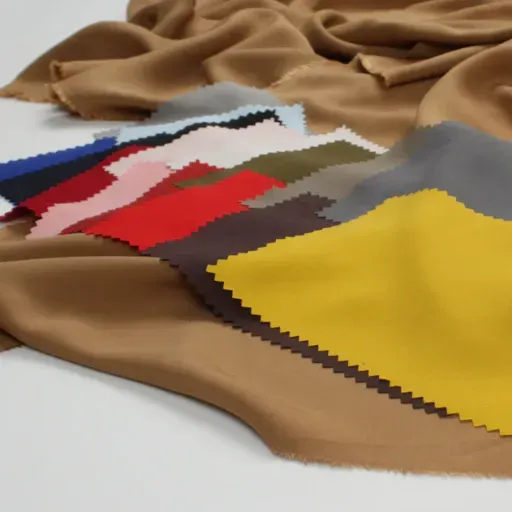


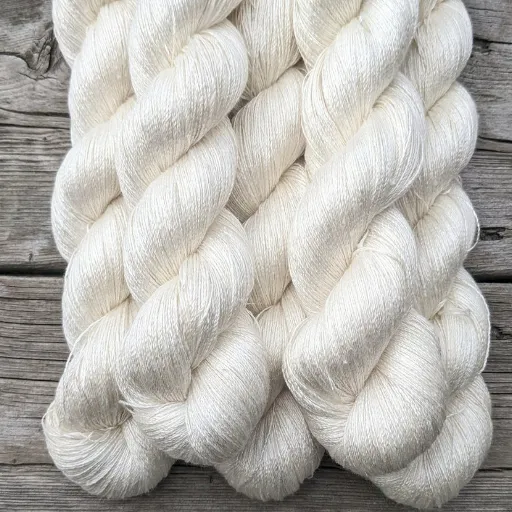
TENCEL yarn is a regenerated cellulosic yarn spun from certified wood pulp, most often eucalyptus, using a closed-loop process that recovers more than 99% of its solvent. It pairs a silk-like hand feel with roughly 50% better moisture absorption than cotton, and it carries one of the strongest sustainability profiles of any commercial fiber.
Yet most information about TENCEL yarn falls into two camps: brand marketing from the fiber producer, or consumer guides written for knitters. If you are a sourcing manager, product developer, or brand owner deciding whether TENCEL belongs in your next fabric program, neither camp gives you what you need.
This guide is written from a yarn manufacturer’s perspective. You will learn what TENCEL yarn is and how it performs against cotton and viscose. You will also learn when a blend beats 100% TENCEL, and how to source it without overpaying or mistaking generic lyocell for the real thing.
Key Takeaways
- TENCEL is Lenzing’s branded lyocell fiber. Generic lyocell offers similar base properties at lower cost, but without the brand’s certification and traceability chain.
- The closed-loop production process recovers more than 99% of its solvent, giving TENCEL a sustainability profile few fibers can match.
- TENCEL absorbs roughly 50% more moisture than cotton, which makes it a leading choice for bedding, activewear, and warm-climate apparel.
- Blends such as TENCEL/cotton and TENCEL/polyester often deliver a better cost-performance balance than 100% TENCEL yarn.
- Always verify fiber origin through Lenzing’s certification system before paying TENCEL-level prices.
What Is TENCEL Yarn?
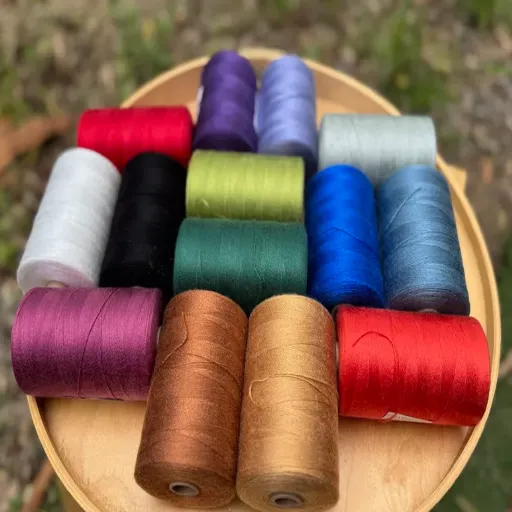
TENCEL yarn is yarn spun from TENCEL branded fibers, a family of lyocell and modal fibers produced by Lenzing AG from FSC- or PEFC-certified wood pulp. The wood is dissolved in a non-toxic organic solvent, extruded into fibers, and spun into yarn, all within a closed-loop system that recovers and reuses more than 99% of the solvent.
TENCEL vs. Lyocell vs. Modal: What Is the Difference?
This is the most misunderstood point in sourcing, so precision matters:
- Lyocell is the generic fiber name, the same way “polyester” is generic.
- TENCEL is Lenzing’s trademark. All TENCEL lyocell is lyocell, but not all lyocell is TENCEL.
- TENCEL Modal is a related fiber: softer and smoother than lyocell, but weaker when wet. The TENCEL brand covers both lyocell and modal.
- Generic lyocell comes from other manufacturers, mostly in Asia, using similar solvent-spinning technology.
The practical takeaway: when a supplier quotes “TENCEL yarn,” you pay for Lenzing fiber with its certification chain. When they quote “lyocell yarn,” you may get a comparable fiber at 10-30% lower cost, but the burden of verifying quality shifts to you.
How TENCEL Yarn Is Made
The lyocell process is simpler than most people expect:
- Wood pulp, mostly eucalyptus from certified plantations, is dissolved in NMMO (N-methylmorpholine N-oxide), an organic solvent.
- The solution is filtered and extruded through spinnerets into a water bath, where the fiber solidifies.
- Fibers are washed, finished, crimped, and cut to staple length.
- The solvent is recovered and returned to the system. Lenzing reports recovery rates above 99%.
- Staple fiber ships to yarn spinners, who produce ring-spun, compact-spun, or open-end yarns, typically in counts from Ne 10 to Ne 60.
Because the solvent is recycled rather than discharged, the process avoids the heavy pollution historically associated with viscose production. For a broader look at how production methods shape fiber sustainability, see our article on the environmental impact of yarn production.
Key Properties of TENCEL Yarn
Properties determine where a yarn wins or fails in production. Here is what TENCEL yarn delivers, measured honestly:
- Softness and drape. TENCEL fibers have a smooth, uniform surface and fine denier. The result is a soft hand feel and a fluid drape that cotton cannot easily replicate.
- Moisture management. With a moisture regain of roughly 11-13%, TENCEL absorbs about 50% more moisture vapor than cotton. It pulls perspiration away from skin and releases it efficiently.
- Wet strength. TENCEL retains around 80-85% of its strength when wet. Viscose loses close to half of its strength in the same conditions, which is why lyocell fabrics survive laundering far better.
- Fibrillation. In wet abrasion, TENCEL fibers can develop micro-fibrils on the surface. Unmanaged, this looks like pilling or fuzziness. Managed through enzyme finishing or blending, it becomes the peach-skin effect designers pay extra for.
- Breathability and temperature regulation. The fiber’s internal structure absorbs vapor into its core, keeping the fabric surface dry and cool against skin.
- Biodegradability. Lenzing’s lyocell fibers hold TÜV Austria certification for biodegradability in soil, freshwater, and marine environments.
When Daniela’s team at a mid-size Portuguese bedding brand reformulated their best-selling percale line in early 2025, they replaced 30% of the cotton with TENCEL lyocell to support a “cooling sleep” positioning. Two seasons later, return rates on the line had dropped by roughly a third, and reviews mentioning “cool” or “soft” had more than doubled. The 30/70 blend kept their cost increase near 12%, where 100% TENCEL would have pushed it past 40%.
That balance of performance and cost discipline is exactly what the next two sections address.
TENCEL Yarn vs. Other Fibers: A Manufacturer’s Comparison
Buyers rarely ask “is TENCEL good?” They ask “is TENCEL better than what I already use, for my application?” This table answers that question at a glance:
| Property | TENCEL (Lyocell) | Cotton | Viscose | Recycled Polyester |
|---|---|---|---|---|
| Softness | Excellent | Good | Very good | Moderate |
| Wet strength | High (retains ~80-85%) | High (gains when wet) | Low (loses ~50%) | High |
| Moisture regain | ~11-13% | ~7-8.5% | ~13% | Below 1% |
| Sustainability | Strong (closed loop, certified wood) | Moderate (water and pesticide intensive) | Weak to moderate (processes vary) | Good (diverts plastic; microplastic concerns) |
| Relative cost | Premium | Baseline | Below baseline | Below baseline |
TENCEL vs. Cotton
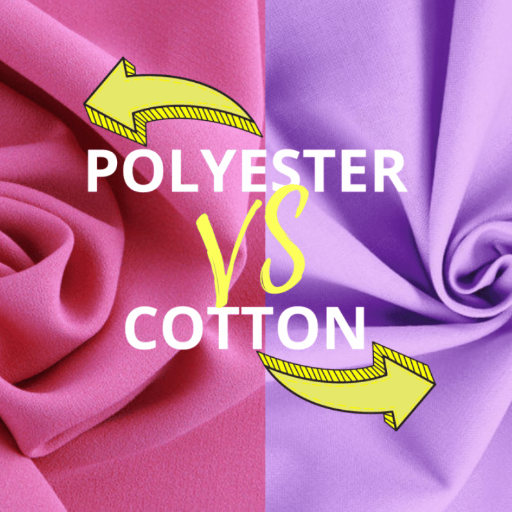
Cotton wins on price, familiarity, and wet strength. TENCEL wins on softness, moisture management, and land and water efficiency, since eucalyptus grows on marginal land with little to no irrigation. For premium bedding and next-to-skin apparel, TENCEL or a TENCEL/cotton blend usually outperforms. For cost-driven basics, cotton still holds its ground.
TENCEL vs. Viscose (Rayon)
Both are regenerated cellulosic fibers, but the resemblance ends at the chemistry. TENCEL’s wet strength is dramatically higher, so fabrics survive repeated laundering instead of degrading. Its closed-loop process also avoids the carbon disulfide emissions that make conventional viscose production an environmental liability. If you currently buy viscose and want to upgrade durability and sustainability in one move, this is the switch.
TENCEL vs. Bamboo Lyocell
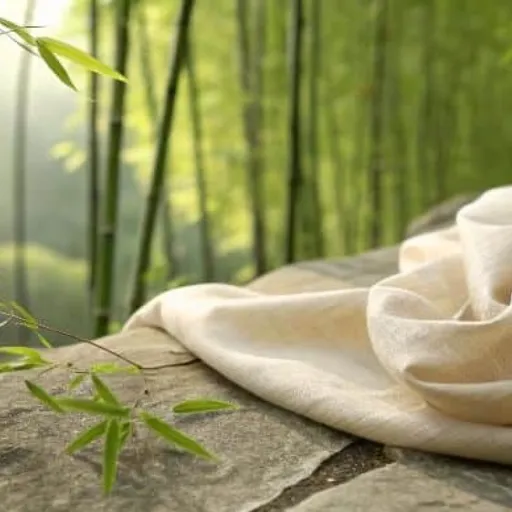
Bamboo lyocell uses the same solvent-spinning process with bamboo feedstock. Performance is broadly comparable, but supply chains are less transparent, and certification depth varies widely by producer. TENCEL offers a more documented chain of custody; bamboo lyocell can offer a cost advantage. Verify certifications either way.
TENCEL vs. Recycled Polyester
These fibers solve different problems. Recycled polyester wins on cost, durability, and moisture-wicking in the liquid sense, making it the workhorse of performance wear. TENCEL wins on comfort, vapor absorption, and end-of-life biodegradability. Many activewear programs blend the two to capture both.
Common TENCEL Yarn Blends and When to Use Them
Pure TENCEL is rarely the most cost-effective answer. Blends let you tune cost, performance, and hand feel with precision:
- TENCEL/cotton (50/50 or 30/70). The workhorse blend. Cotton structure plus TENCEL softness and moisture control. Bedding, shirts, and denim.
- TENCEL/polyester (65/35 or 50/50). Adds durability, wrinkle resistance, and cost relief. Uniforms, workwear, and activewear.
- TENCEL/wool (70/30). Luxury knits with reduced itch and improved moisture management. Premium sweaters and base layers.
- TENCEL/linen (55/45). Summer fabrics with linen’s texture and far less creasing. Resort wear and warm-weather suiting.
A Scandinavian fashion label we advised wanted TENCEL’s drape for a shirt program but could not absorb the full fiber premium at their retail price point. Their mill proposed a 50/50 TENCEL/cotton compact-spun yarn. The blend preserved most of the drape and softness, improved wet stability versus their previous viscose version, and landed within 8% of their original cost target. The line sold through at 92% in its first season.
Need a custom blend developed to your specification? Explore our custom yarn solutions or request swatch cards to compare blend ratios side by side.
Where TENCEL Yarn Performs Best: Key Applications
Apparel and fashion. Dresses, blouses, shirts, and knitwear benefit from the drape and softness. TENCEL takes reactive dyes beautifully, so color ranges stay vibrant.
Bedding and home textiles. Moisture management and a cool touch make TENCEL a natural fit for sheets, duvet covers, and pillowcases. In upholstery-adjacent uses such as decorative throws and cushion covers, it adds a premium hand feel; for the structural demands of true upholstery, see our guide on choosing the right yarn for upholstery.
Activewear and performance. Usually blended with polyester or elastane, TENCEL improves next-to-skin comfort while synthetics handle the heavy wicking work.
Denim and workwear. TENCEL softens denim without destroying its character, and wet strength holds up to industrial laundering better than viscose alternatives.
Is TENCEL Yarn Actually Sustainable?
Honest answer: more sustainable than most commercial fibers, not impact-free.
The case for TENCEL: The closed-loop process recovers more than 99% of its solvent. Wood feedstock comes from FSC- or PEFC-certified or controlled sources, and you can verify forestry claims through the FSC certificate database. Eucalyptus feedstock requires little to no irrigation and far less land per ton of fiber than cotton.
The fibers are also certified biodegradable. Industry analyses, including Textile Exchange’s preferred fiber reports, consistently rank lyocell among the lower-impact commercial fibers.
The honest caveats: Production is energy intensive, and the footprint depends on the energy grid powering the plant. Fiber often travels from European or Austrian plants to Asian spinners to global garment hubs, adding transport emissions. Certification covers forestry and process chemistry, not every social or labor dimension of the supply chain.
TENCEL is a genuinely strong option within the spectrum of sustainable yarns. It is not a license to stop asking questions.
How to Source TENCEL Yarn for Your Business
Sourcing is where theory meets invoices. These are the checks that protect your budget and your label claims.
Verifying Genuine TENCEL vs. Generic Lyocell
Lenzing operates a certification and branding program. Legitimate TENCEL yarn suppliers can provide chain-of-custody documentation and authorize hangtag or label use through Lenzing’s licensing system. Lab analysis can confirm a fiber is lyocell, but only the documentation confirms it is TENCEL.
A sourcing manager at a US home textiles company once showed us two quotes for “TENCEL yarn” that differed by 35%. The lower quote turned out to be generic lyocell with no chain-of-custody paperwork. The yarn was not necessarily poor quality; it simply was not what the hangtag would claim. She now requires Lenzing certification references and transaction certificates with every purchase order.
TENCEL vs. Generic Lyocell: Cost and Quality Trade-offs
Generic lyocell commonly runs 10-30% below branded TENCEL, depending on market conditions. In return, you give up branded marketing support, hangtag rights, and Lenzing-level consistency guarantees. For private-label basics sold on performance rather than brand story, generic lyocell from a vetted spinner can be the rational choice. For consumer-facing sustainability claims, the branded fiber pays for itself in credibility.
MOQs, Pricing, and Lead Times
Expect these general patterns, though every spinner differs:
- Minimum order quantities for branded TENCEL yarn commonly start around 500-1,000 kg per count and color; stock-service programs can go lower.
- Pricing has recently tracked at a premium of roughly 20-40% over conventional cotton yarn, with generic lyocell between the two. Markets move; always request current quotes.
- Lead times of 4-8 weeks are typical for spun-to-order TENCEL yarn, with shorter lead times for stock counts.
Questions to Ask Your Yarn Supplier
- Can you provide Lenzing chain-of-custody documentation and transaction certificates?
- Which spinning system do you use (ring, compact, or open-end), and how does it affect hairiness and pilling in my fabric?
- What blend ratios do you recommend for my application and price point, and can I get swatches of each?
- What are your MOQs, lead times, and re-order consistency guarantees?
- Can you support custom counts, twists, or eco-friendly finishing requests?
TENCEL Yarn: Frequently Asked Questions
Is TENCEL yarn better than cotton?
For softness, moisture management, and sustainability, yes. For price and maximum wet strength, cotton still wins. Many brands choose a TENCEL/cotton blend to capture the strengths of both.
Does TENCEL yarn shrink?
Like other cellulosic fibers, TENCEL can shrink if fabrics are not properly finished. Expect roughly 2-5% residual shrinkage in unfinished fabrics. Ask your supplier about pre-shrunk or sanforized options for dimension-critical products.
Can TENCEL yarn be dyed?
Yes, and it performs exceptionally well. TENCEL has a strong affinity for reactive dyes, producing deep, vibrant, colorfast shades suitable for premium apparel and bedding.
Is TENCEL yarn expensive?
It carries a premium, typically 20-40% above conventional cotton yarn depending on market conditions. Blending with cotton or polyester reduces cost while preserving most performance benefits.
Is TENCEL yarn good for sensitive skin?
Its smooth fiber surface and moisture control make it a frequent choice for sensitive-skin products, and OEKO-TEX certified versions are widely available. As with any textile, request certification documentation for your specific yarn.
The Bottom Line on TENCEL Yarn
TENCEL yarn earns its premium when softness, moisture management, laundering durability, and verified sustainability matter to your product. It rarely makes sense as a default choice for cost-driven basics, and smart blends often outperform 100% TENCEL on cost-performance grounds.
Your next steps:
- Define which properties your application actually needs (moisture control, drape, durability, or sustainability claims).
- Request swatches of 100% TENCEL and two or three blend ratios to compare hand feel and cost side by side.
- Verify chain-of-custody documentation before committing to TENCEL label claims.
At Hebei Lida Textile Co., LTD, we spin and source TENCEL and TENCEL-blend yarns for fashion, home textiles, and industrial programs, and we will tell you honestly when a different fiber serves you better. Contact our technical team today to discuss your custom yarn requirements and request samples. The right fiber decision starts with the right questions, and now you know which ones to ask.