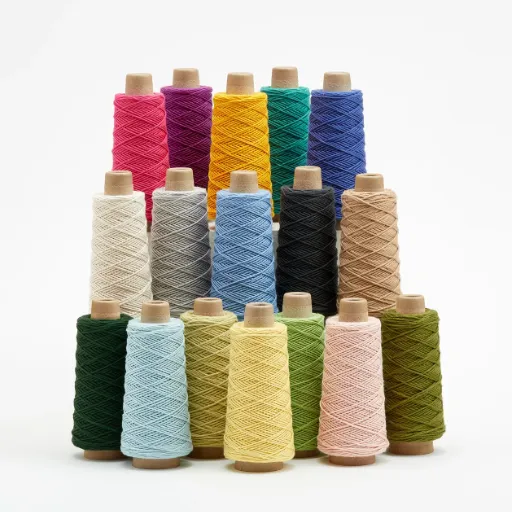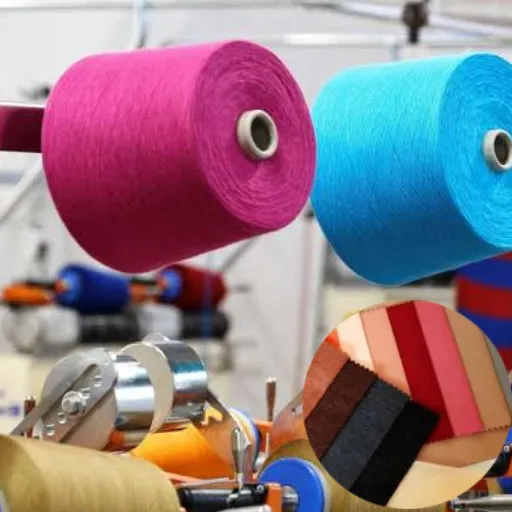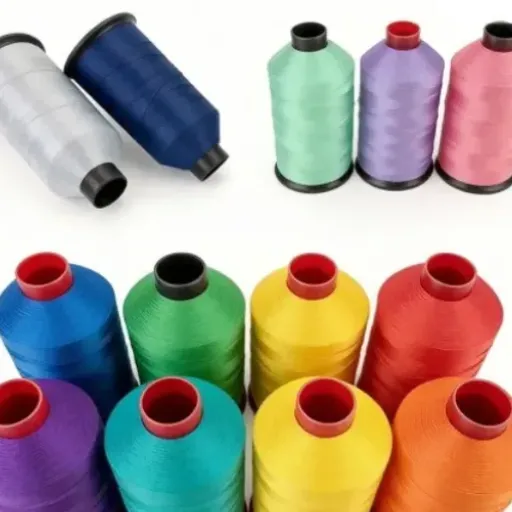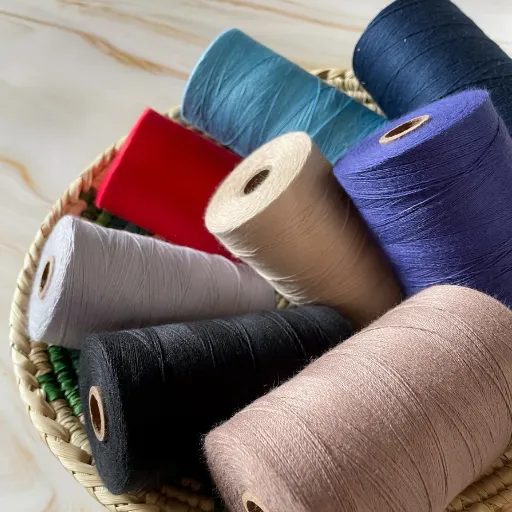
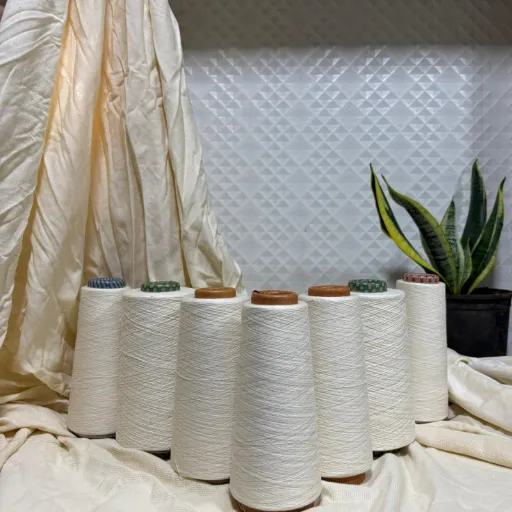
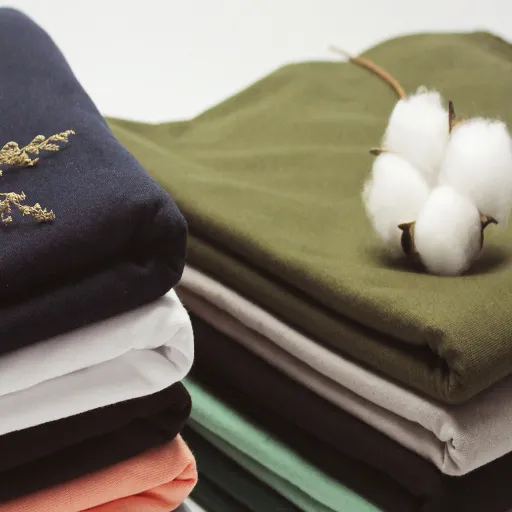
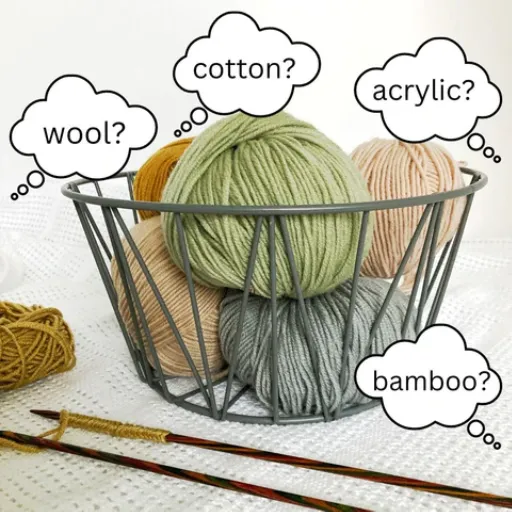
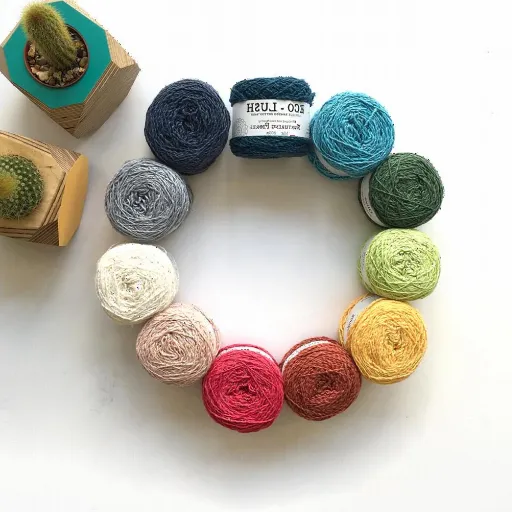
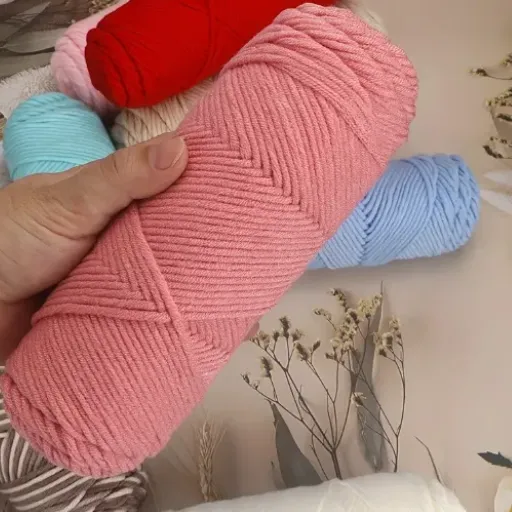


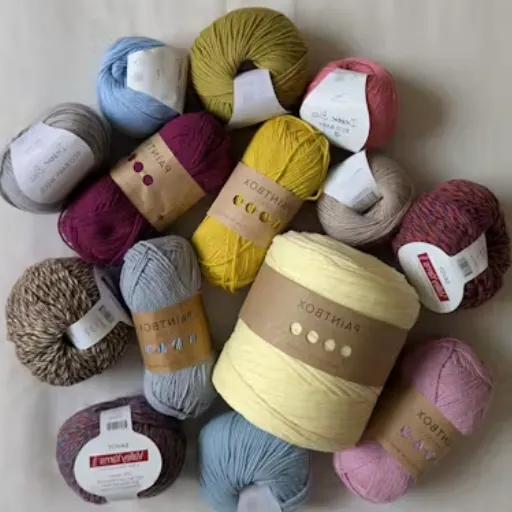
Custom eco-friendly yarn is yarn produced to your exact specifications using sustainable fibers, low-impact processes, and recognized certifications such as GOTS, GRS, or OEKO-TEX. For B2B buyers, it bridges the gap between off-the-shelf sustainable yarn and a product that matches your brand’s performance, color, and environmental requirements.
The challenge is that sustainability claims are easy to make and hard to verify. One supplier’s “eco-friendly” yarn may come with credible certifications and traceable sourcing. Another may rely on vague language and unsupported labels. If you are responsible for sourcing yarn for fashion, home textiles, or industrial products, you need more than a certificate. You need a clear specification, a reliable manufacturing partner, and a way to confirm that every batch meets your standards.
In this guide, you will learn how custom eco-friendly yarn is made, which fibers and certifications matter most, how to specify a custom order, and how to evaluate a manufacturer before you commit to production.
Key Takeaways
- Custom eco-friendly yarn combines sustainable fibers with precise specifications for count, twist, color, and finish.
- GOTS, GRS, and OEKO-TEX are the leading certifications buyers should verify before placing an order.
- Custom sustainable yarn typically costs 15–40% more than standard yarn, driven by fiber choice, certification, dyeing, and smaller batch sizes.
- Most custom eco-friendly yarn orders require MOQs of 2,000–5,000 meters and add 2–4 weeks for sampling.
- The best manufacturers provide transparent sourcing, consistent quality control, and batch-level certification documentation.
What Is Custom Eco-Friendly Yarn?
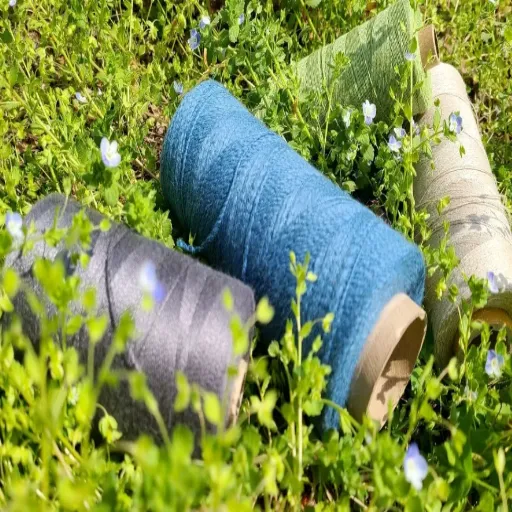
Custom eco-friendly yarn is yarn manufactured to a buyer’s unique requirements using fibers and processes that reduce environmental impact. It goes beyond selecting a sustainable fiber from a catalog. It allows you to control the fiber blend, yarn count, twist level, ply structure, color, and finish while meeting certification standards that support your sustainability claims.
How It Differs From Standard Sustainable Yarn
Standard sustainable yarn is produced in preset colors, counts, and fiber blends. It works well for buyers who need a common specification and can adapt their design to available inventory. Custom eco-friendly yarn is built around your end-use. You choose the fiber ratio, the yarn structure, and the performance characteristics.
For example, a fashion brand developing a heavyweight knitwear line might request a 2-ply GOTS-certified organic cotton yarn at Ne 12/2 with a soft finish. A home textile manufacturer might need a GRS-verified recycled polyester and cotton blend at Ne 20/1 with higher abrasion resistance for upholstery. In both cases, the yarn is made to order rather than pulled from stock.
Common End Uses
Custom eco-friendly yarn is used across a wide range of products:
- Fashion and apparel: knitwear, T-shirts, denim, accessories
- Home textiles: curtains, upholstery, bedding, throws
- Industrial applications: filtration, reinforcement, technical textiles
- Private-label craft yarn: custom colors and blends for retail brands
Maya Chen, founder of a small knitwear label in Portland, learned this distinction the hard way. She initially bought stock organic cotton yarn for her first collection. The color range was limited, and the yarn did not hold its shape after repeated washing. For her second collection, she worked with a manufacturer to develop a custom GOTS-certified organic cotton blend with a tighter twist and a natural enzyme finish. The result was a 30% lower return rate and stronger repeat purchases.
Why Brands Are Investing in Custom Eco-Friendly Yarn
Sustainability is no longer a marketing add-on. It is becoming a procurement standard. Brands invest in custom eco-friendly yarn because it helps them meet consumer expectations, comply with regulations, and differentiate their products.
Market Growth and Demand
The global sustainable yarn market is projected to reach USD 5.2 billion in 2026, growing at a 7.6% CAGR through 2033. Recycled cotton yarn alone is expected to grow at 9.2–9.8% CAGR over the same period. According to industry reports, 58% of manufacturers now prioritize sustainable yarn, and 47% of global consumers actively demand eco-friendly textiles.
These numbers matter for B2B buyers because they signal where retail brands and distributors are placing their sourcing budgets. If your competitors are switching to certified sustainable yarns, your product line may look outdated by comparison.
Regulatory and Brand Pressures
Regulations are tightening. The EU Green Deal, extended producer responsibility laws, and restrictions on textile waste are pushing brands to document the environmental impact of their materials. Major fashion retailers are setting their own targets for recycled or organic fiber use.
Custom eco-friendly yarn helps you respond with precise documentation. Instead of relying on a generic “sustainable” label, you can specify certified fibers and request transaction certificates that follow the yarn through your supply chain.
Competitive Differentiation
A custom sustainable yarn can become a unique selling point. It allows you to offer colors, textures, and performance characteristics that competitors cannot copy from a catalog. For distributors and private-label brands, this creates an opportunity to build exclusive product lines around certified, traceable materials.
Want to see how a custom specification would work for your product? Contact our team to discuss fiber options, counts, and sampling timelines.
Sustainable Fiber Options for Custom Yarn
The fiber you choose determines the yarn’s environmental profile, performance, and cost. Here are the most common options for custom eco-friendly yarn.
Organic Cotton
Organic cotton is grown without synthetic pesticides or genetically modified seeds. It is biodegradable, soft, and widely accepted by consumers. For custom orders, look for GOTS-certified organic cotton, which verifies the fiber from farm to finished yarn. GOTS 8.0 requires 95% organic fiber for the “Organic” label and 70% for “Made with Organic.”
Organic cotton works well for fashion, baby garments, bedding, and any product where skin contact is a concern.
Recycled Cotton and Recycled Polyester
Recycled cotton is made from pre-consumer or post-consumer textile waste. It reduces landfill use and lowers the water and chemical demand of virgin cotton. However, recycled cotton fibers are shorter than virgin fibers, so they are often blended with virgin cotton or recycled polyester to maintain strength.
Recycled polyester, or rPET, is produced from post-consumer plastic bottles or industrial polyester waste. It is durable, moisture-wicking, and suitable for performance apparel and upholstery. For credibility, specify GRS-certified recycled polyester, which verifies a minimum of 20% recycled content and tracks it through the supply chain.
High-quality recycled cotton yarn with 40% recycled content is now achievable without compromising tensile strength, making it practical for commercial production.
Cellulosic Fibers: Tencel and Modal
Tencel, also known as lyocell, is produced from sustainably sourced wood pulp using a closed-loop process that recycles up to 99.8% of the solvent. Modal is a similar fiber with a softer hand feel. Both are biodegradable and suitable for premium apparel and home textiles.
These fibers are ideal when you need drape, breathability, and a smooth surface. They also perform well in blends with cotton or recycled polyester.
Plant-Based Alternatives: Hemp, Linen, and Bamboo
- Hemp grows with minimal water and no pesticides. It produces strong, durable yarn suitable for upholstery, bags, and industrial textiles.
- Linen is made from flax and is naturally breathable and biodegradable. It works well for summer apparel and high-end home textiles.
- Bamboo can be sustainable when mechanically processed. Be cautious with bamboo rayon, which often uses chemically intensive processing.
Choosing the Right Fiber for Your Application
The best fiber depends on how the yarn will be used. Fashion knitwear may prioritize softness and drape. Upholstery needs abrasion resistance and colorfastness. Industrial applications require tensile strength and durability. A reliable manufacturer will help you test blends and finishes to match the fiber to the end-use.
How Custom Eco-Friendly Yarn Is Manufactured
Understanding the production process helps you ask better questions and set realistic expectations for sampling and lead times.
Sustainable Sourcing and Traceability
The process starts with certified raw materials. For organic cotton, this means GOTS-certified farms and gins. For recycled polyester, it means GRS-certified collection and processing facilities. The manufacturer should provide chain-of-custody documentation that connects the finished yarn back to its source.
Blending, Carding, and Spinning
After sourcing, fibers are cleaned, blended, and carded into slivers. For custom orders, the blend ratio is controlled precisely. A common example is a 60:40 recycled cotton to virgin cotton blend, which balances sustainability with strength. The slivers are then drawn, roved, and spun into yarn using ring, open-end, or compact spinning methods.
The choice of spinning method affects yarn texture, strength, and production cost. Ring spinning produces a smoother, stronger yarn. Open-end spinning is faster and more economical for bulk orders. For a complete overview of these steps, see our yarn manufacturing guide.
Low-Impact Dyeing and Finishing
Custom colors can be achieved through natural dyes, low-impact synthetic dyes, or dope-dyed fibers. Waterless dyeing methods, such as supercritical CO₂ dyeing, are gaining traction because they eliminate wastewater. Closed-loop water systems can reuse up to 70% of process water.
Finishing treatments may include softening, anti-pilling, water repellency, or antimicrobial finishes. Each treatment should be selected based on the end-use and any certification requirements.
Quality Control and Certification Testing
Quality control for custom eco-friendly yarn includes tests for yarn count, twist level, tensile strength, evenness, and colorfastness. Certification bodies may also require chemical testing to confirm compliance with OEKO-TEX or GOTS standards.
A professional manufacturer will retain batch samples and test reports so you can verify consistency across orders. This is especially important for recycled fibers, which can vary more than virgin fibers from batch to batch.
For a deeper look at sustainable production methods, see our guide to eco-friendly yarn production.
Certifications Your Custom Eco-Friendly Yarn Should Have
Certifications are the most reliable way to verify sustainability claims. They provide independent proof that the yarn meets specific environmental, chemical, or social standards. For more background on certifications and how to spot unsupported claims, see our guide to eco-friendly yarns for manufacturers.
GOTS: The Organic Gold Standard
The Global Organic Textile Standard (GOTS) is the leading certification for organic fibers. It covers fiber production, processing, manufacturing, labeling, and trading. GOTS also includes social criteria based on International Labour Organization principles.
If you plan to market your product as organic, GOTS certification is essential. Always verify the supplier’s GOTS license number through the official GOTS database.
GRS: Verifying Recycled Content
The Global Recycled Standard (GRS) verifies recycled content and tracks it through the supply chain using transaction certificates. Version 4.0, effective in 2025–2026, also includes social and environmental criteria.
GRS is the standard you need for recycled polyester, recycled cotton blends, or any product marketed with recycled content. You can learn more at Textile Exchange.
OEKO-TEX: Chemical Safety
OEKO-TEX Standard 100 tests textiles for harmful substances. It does not certify organic or recycled content, but it does confirm that the finished yarn is safe for human contact. Product classes range from Class I for baby products to Class IV for decorative materials. You can verify OEKO-TEX certificates through the OEKO-TEX label check.
For apparel and home textiles with skin contact, OEKO-TEX Class II is a common requirement.
How to Combine Certifications for Your Target Market
No single certification covers everything. A strong certification strategy might include:
- GOTS + OEKO-TEX for organic apparel and baby products
- GRS + OEKO-TEX for recycled performance textiles
- GOTS + GRS + OEKO-TEX for complex blends and premium sustainability claims
James Okonkwo, a sourcing manager for a UK home textile brand, learned this during a retail audit. His supplier claimed the yarn was “eco-friendly,” but the only documentation was a generic self-declaration. The retailer required GRS certification and OEKO-TEX testing. Without those certificates, the order was rejected. James now verifies every certificate directly with the certification body before approving a supplier.
Specifying Custom Eco-Friendly Yarn: A Buyer’s Checklist
A clear specification is the foundation of a successful custom order. The more detail you provide, the more accurate your sample and quotation will be.
Fiber Blend and Ratios
Specify the exact fiber composition. For example:
- 100% GOTS-certified organic cotton
- 60% GRS recycled cotton / 40% virgin cotton
- 50% recycled polyester / 50% organic cotton
- 70% Tencel / 30% linen
Tolerances are typically around ±2%, but confirm this with your supplier.
Yarn Count, Ply, and Twist
Yarn count describes the thickness of the yarn. Common systems include Ne (cotton count), Nm (metric count), and denier. Ply refers to how many strands are twisted together. Twist level, measured in twists per inch, affects strength, elasticity, and hand feel.
For example, “Ne 20/1 ring-spun” means a single-ply yarn with a cotton count of 20. “Ne 12/2” means two plies of Ne 12 yarn twisted together.
Color Matching and Dye Requirements
Provide a Pantone reference, a physical swatch, or a dyed sample for color matching. Specify whether you require natural dyes, low-impact synthetic dyes, or dope-dyed fibers. Also confirm the required colorfastness standard for washing, light, and rubbing.
Finish Treatments
Common finishes include:
- Softening for apparel and baby products
- Anti-pilling for knitwear
- Water repellency for outdoor textiles
- Antimicrobial treatment for activewear
Each finish should align with your certification requirements. Some chemical finishes may conflict with GOTS or OEKO-TEX standards.
MOQs, Sampling, and Lead Times
Custom eco-friendly yarn MOQs typically range from 2,000 to 5,000 meters, depending on the fiber and complexity. Sampling adds 2–4 weeks to the timeline. Production lead times usually fall between 8 and 16 weeks after sample approval.
Plan your sourcing calendar around these timelines. Rushing a custom sustainable order often leads to compromises in color accuracy or certification verification.
If you are developing a custom specification for the first time, our guide to custom yarn designs walks through the process from concept to approved sample.
How to Evaluate a Custom Eco-Friendly Yarn Manufacturer
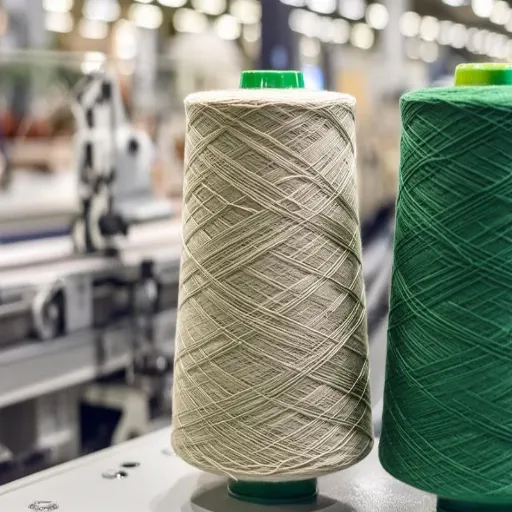
Choosing the right manufacturer is as important as choosing the right fiber. Here is what to look for.
Certification Verification
Ask for current certificates and verify them through the certification body’s database. Check that the certificate scope covers the specific product you want to order. A GOTS certificate for woven fabric, for example, may not cover spun yarn.
Sampling Capability and Quality Consistency
A capable manufacturer will produce lab samples of 1–5 kg for testing before bulk production. Evaluate the sample for color accuracy, hand feel, strength, and consistency. Ask for batch test reports and retain a sample for future comparison.
Production Capacity and Lead-Time Reliability
Confirm the manufacturer’s monthly capacity and typical lead times. Ask about their track record for on-time delivery, especially for export orders. Delays in yarn delivery can disrupt your entire production schedule.
Transparency and Traceability Systems
Look for manufacturers who can explain their supply chain. They should know where their organic cotton is grown, where their recycled polyester is processed, and how their waste is handled. Transparency is a strong indicator that sustainability claims are genuine.
Warning Signs of Greenwashing
Be cautious if a supplier:
- Uses vague terms like “eco-friendly” or “green” without certification
- Refuses to provide current certificates or transaction documents
- Offers prices far below market rates for certified yarn
- Cannot explain their dyeing or waste management processes
- Changes their story about fiber origin between conversations
Cost Considerations for Custom Sustainable Yarn
Custom eco-friendly yarn typically costs 15–40% more than comparable standard yarn. Understanding what drives the premium helps you budget accurately.
What Drives the Cost
- Fiber cost: Organic cotton, recycled fibers, and Tencel are generally more expensive than conventional cotton or polyester.
- Certification: Audits, testing, and transaction certificates add cost.
- Dyeing: Natural dyes and low-impact processes can be more expensive than conventional dyeing.
- MOQ: Smaller batches have higher per-unit costs because setup and sampling are spread over fewer meters.
Balancing Budget and Sustainability Goals
Not every product needs every certification. A practical approach is to match the certification level to the market. Entry-level products may only need OEKO-TEX. Premium lines can justify GOTS or GRS. Blending recycled and virgin fibers can also reduce cost while maintaining a credible sustainability story.
Lin Peterson, a distributor based in Amsterdam, faced this balance when sourcing a private-label craft yarn. A 100% recycled cotton yarn exceeded her target price. By switching to a 60% recycled cotton / 40% virgin cotton blend with GRS certification, she reduced the per-kilogram cost by 22% while keeping a strong sustainability claim. The product now sells consistently in eco-conscious retail chains.
Conclusion
Custom eco-friendly yarn gives B2B buyers the ability to meet sustainability goals without sacrificing performance, color, or brand identity. Success depends on three things: a clear specification, the right fiber and certification combination, and a manufacturing partner who can verify every claim.
As you plan your next collection or product line, start with the end-use. Choose fibers that perform for your application. Specify counts, twists, and finishes precisely. Verify certifications through official databases. And build enough time into your calendar for sampling and quality control.
The sustainable yarn market is growing rapidly, and brands that invest in certified, customized materials now will be better positioned as regulations and consumer expectations continue to tighten.
Ready to develop your custom eco-friendly yarn? Contact Hebei Lida Textile to discuss your specifications, request a sample, or review our certification portfolio. Our team can guide you from fiber selection through production-ready yarn.