



Custom yarn designs are made-to-order yarn specifications that let you control fiber content, count, twist, color, texture, and finish to match your exact product requirements. Unlike stock yarn, which forces you to adapt your design to what’s already available, custom yarn designs put every technical decision in your hands. The challenge most buyers face isn’t deciding whether to customize. It’s knowing how to translate a creative vision into a specification that manufacturers can execute consistently at scale.
You can picture the perfect yarn: the exact color, the right weight, the ideal texture. But turning that vision into a sample your manufacturer can reproduce requires more than inspiration. It requires a clear design brief.
At Hebei Lida Textile, we work with fashion designers, furniture brands, home textile companies, and industrial buyers who need custom yarns that perform as promised. In this guide, you’ll learn how to create custom yarn designs, what to include in your design brief, and how to move from concept to approved sample without the costly revision rounds that derail production schedules.
Key Takeaways
- Custom yarn designs give you control over fiber, count, twist, ply, color, texture, and finish.
- A complete design brief should define end use, performance requirements, fiber content, yarn count, twist, color references, finish, quantity, timeline, and certifications.
- Lab dips typically take 7-10 days, yarn samples 2-4 weeks, and bulk production 45-90 days.
- Wash testing and downstream process checks prevent the most expensive custom yarn mistake: sample approval without verified performance.
- The right custom yarn partner offers design support, fast sampling, quality consistency from sample to bulk, and flexible minimum order quantities.
What Are Custom Yarn Designs?
A custom yarn design is a bespoke yarn specification developed to meet the unique requirements of a product, brand, or application. Instead of selecting from a manufacturer’s standard catalog, you define the yarn’s properties and the mill produces yarn to your exact brief.
The scope of customization typically includes:
- Fiber content and blends: natural, synthetic, recycled, organic, or specialty fibers
- Yarn count and denier: the thickness and weight of the yarn
- Ply and twist: how many strands are combined and how tightly they are twisted
- Color and dyeing method: custom colors, Pantone matching, space-dyed, or heather effects
- Texture and finish: softening, mercerizing, anti-pilling, moisture-wicking, or flame-retardant treatments
- Packaging and labeling: cone type, skein format, or private-label branding
Custom yarn designs serve fashion houses developing signature colorways, furniture brands matching upholstery to leather collections, home textile companies creating exclusive drapery lines, and industrial buyers specifying high-performance yarns for harsh environments. If your product depends on a yarn that stock suppliers cannot provide, a custom design is the right path forward.
Why Custom Yarn Designs Matter for Your Business
Marcus, a product developer at a mid-sized furniture brand, learned this lesson the hard way. His team selected a stock polyester yarn that looked perfect under showroom lighting. Six months after launch, customer returns started climbing. The yarn pilled on high-use sofas and the color shifted after professional cleaning. The replacement yarn was a custom design with higher twist, anti-pilling finish, and color-matched lab dips. Returns dropped, but the initial mistake cost the brand a full season of credibility.
That story illustrates why custom yarn designs matter. Stock yarn forces compromises. Custom yarn designs deliver:
- Product differentiation: Exclusive fibers, colors, and textures that competitors cannot copy from a catalog
- Performance optimization: Yarns engineered for the exact abrasion, wash, UV, or flame exposure your product will face
- Color accuracy: Precise Pantone matching instead of settling for the closest stock shade
- Brand identity: Signature yarns that become part of your product’s recognizable feel and story
- Long-term cost efficiency: Higher first costs often reduce returns, replacements, and warranty claims
Research from McKinsey and Deloitte consistently shows that 72% of consumers expect brands to offer personalized or customized products. In textiles, that expectation starts with the raw material. Custom yarn designs let you meet it without guessing.
Want to see how custom yarn solutions fit your broader product strategy? Explore our complete guide to custom yarn solutions and discover how customization works across every stage of production.
The Custom Yarn Design Process Step by Step
Creating production-ready custom yarn designs follows a clear workflow. Each step builds on the previous one, so skipping ahead almost always creates expensive problems later.
Step 1: Define the End Use and Performance Requirements
Start with the finished product, not the yarn. A yarn designed for a lightweight summer scarf needs entirely different properties than one designed for outdoor upholstery.
Document the conditions your yarn must survive:
- How many wash cycles does it need to endure?
- Will it face direct sunlight, high humidity, or chemical exposure?
- Does it need to pass flame-resistance, abrasion, or tensile-strength standards?
- What is the expected lifespan of the finished product?
Application drives every decision that follows. A curtain yarn needs lightfastness and drape. An upholstery yarn needs abrasion resistance. An industrial yarn needs tensile strength and heat tolerance. Get specific now, or pay for revisions later.
Step 2: Choose Fiber Content and Blends
Fiber selection determines how your yarn looks, feels, performs, and prices. Your options fall into four categories:
Natural fibers
- Cotton: breathable, soft, easy to dye
- Wool: warm, resilient, naturally flame-resistant
- Linen: strong, crisp, ideal for structured textiles
- Silk: luxurious sheen and smooth hand feel
- Alpaca and cashmere: premium softness and insulation
Synthetic fibers
- Polyester: durable, colorfast, affordable
- Nylon: high strength, excellent abrasion resistance
- Acrylic: wool-like at lower cost
- Spandex: adds stretch and recovery
Sustainable fibers
- Organic cotton: grown without synthetic pesticides
- Recycled polyester (rPET): made from post-consumer plastic
- Recycled wool and cashmere: reclaimed fibers with lower environmental impact
- TENCEL and modal: bio-based cellulosic fibers
Specialty and industrial fibers
- Kevlar and Nomex: heat and cut resistance
- Glass fiber: stiffness and thermal stability
- Conductive fibers: smart textile applications
Blending fibers lets you combine properties. A cotton-polyester blend gives you the softness of cotton with the durability of polyester. A wool-nylon blend adds strength to a luxury hand feel.
Step 3: Set Yarn Count, Ply, and Twist Specifications
These three properties control how your yarn behaves in the finished textile.
Yarn count or denier describes thickness. Higher counts mean finer yarn. Higher denier means thicker, heavier filament. Fashion knits often use finer counts for drape. Upholstery uses heavier counts for durability.
Ply is the number of strands twisted together. Two-ply yarn is stronger and more balanced than single-ply. Three-ply adds even more durability for heavy-duty applications.
Twist level and direction affect strength, elasticity, and surface texture. High-twist yarns are stronger and more compact. Low-twist yarns are softer and loftier. S-twist and Z-twist refer to the direction of twist and matter when yarns are combined in weaving or knitting.
If you are unsure about these values, provide a reference sample. A manufacturer can analyze it and recommend equivalent or improved specifications.
Step 4: Specify Color and Dyeing Requirements
Color matching is where many custom yarn designs hit delays. Up to 30% of textile production delays stem from color matching and approval issues. You can avoid most of them by being precise upfront.
Provide Pantone references for every color. Specify the dyeing method:
- Hank dyeing: Small-batch, artisanal, excellent for hand-knitting yarns
- Package dyeing: Efficient for bulk production with consistent results
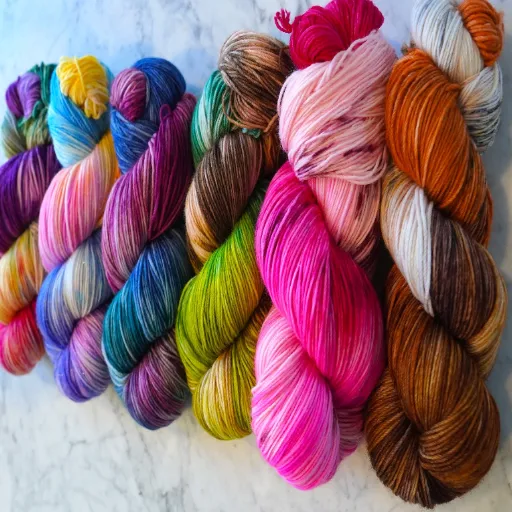
- Space dyeing: Creates multicolor or gradient effects along the yarn length
- Heather dyeing: Blends fibers of different colors before spinning for a speckled look
Request lab dips before full sampling. Lab dips are small dye trials that show how your Pantone reference translates to fiber. Evaluate them under the same light source where the final product will be sold. A color that matches under daylight can look wrong under warm retail lighting.
Step 5: Define Texture, Finish, and Hand Feel
This step turns technical specifications into something people can feel. Document the desired hand feel as specifically as possible. Words like “soft” or “smooth” are too vague.
Instead, describe:
- Surface texture: crisp, silky, brushed, nubby, slubbed
- Body and drape: fluid and flowing, or structured and firm
- Loft: flat and dense, or airy and voluminous
- Finish requirements: mercerized for luster, softened for hand feel, anti-pilled for durability
Performance finishes add functional properties:
- Moisture-wicking for activewear
- Flame retardant for upholstery and public spaces
- Anti-UV for outdoor textiles
- Antimicrobial for healthcare and hospitality
- Water-repellent for marine and outdoor applications
Send physical reference samples whenever possible. A manufacturer can test and match hand feel far more accurately from a physical swatch than from a written description.
Step 6: Create the Design Brief and Request Samples
Pull every decision into a single document: your design brief. A complete brief eliminates back-and-forth and gives the manufacturer everything needed to produce an accurate first sample.
We’ll cover the exact contents of a strong brief in the next section. Once it is submitted, the manufacturer typically develops lab dips first, then yarn samples, then awaits your approval before scheduling bulk production.
What to Include in a Custom Yarn Design Brief
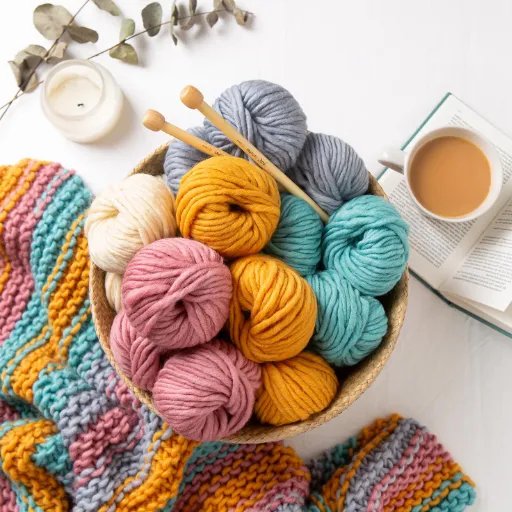
A design brief is the bridge between your vision and a manufacturable product. Include the following fields in every custom yarn design brief you submit.
Required fields
- End use: Describe the finished product and how it will be used.
- Fiber content: Specify exact fibers and blend ratios.
- Yarn count or denier: State the target thickness or provide a reference sample.
- Ply and twist: Define number of plies, twist level, and twist direction if relevant.
- Color references: Provide Pantone codes and specify dyeing method.
- Finish and performance requirements: List required treatments and test standards.
- Target quantity: Include sample quantity and estimated bulk order volume.
- Timeline: Note deadlines for lab dips, samples, and bulk delivery.
- Certifications required: OEKO-TEX, GOTS, GRS, RWS, or industry-specific standards.
Optional but helpful fields
- Target price range
- Physical reference samples
- Performance standards (ISO, ASTM, AATCC)
- Packaging preferences
- Downstream processing details (weaving, knitting, finishing)
The more complete your brief, the faster your sampling process moves. A vague brief almost always produces a first sample that misses the mark.
Sampling and Approval: What to Expect
Elena, an independent fashion designer, nearly approved a custom yarn sample based on color and hand feel alone. Her production partner urged her to run a wash test first. After one domestic wash cycle, the sample shrank 8% and the color bled slightly. The manufacturer adjusted the finish and dye fixation. The revised sample held up through ten wash cycles. That one test saved Elena from a $12,000 bulk reorder mistake.
Custom yarn sampling typically follows this timeline:
| Stage | Typical Lead Time | What to Evaluate |
|---|---|---|
| Lab dips | 7-10 days | Color accuracy under target lighting |
| First yarn sample | 2-4 weeks | Color, hand feel, strength, appearance |
| Revised sample | 1-2 weeks per round | Adjustments based on feedback |
| Bulk production | 45-90 days | Consistency against approved sample |
Most custom yarn projects require one to three sample rounds. First-round approval is rare, so build time into your calendar.
When you receive a sample, evaluate it against these criteria:
- Does the color match your Pantone reference under the correct light source?
- Does the hand feel match your reference sample or description?
- Is the yarn strength suitable for downstream processing?
- Does the yarn knit or weave without excessive breakage?
- Does it pass wash, abrasion, or performance testing relevant to the end use?
Only approve a sample after it passes both visual evaluation and functional testing. Learn more about the full custom yarn production workflow from sample approval through delivery.
Ready to start your own custom yarn design? Contact our team to discuss your project and request a sample tailored to your specifications.
Custom Yarn Designs by Application
Each application places different demands on yarn design. Here’s what to prioritize for the most common use cases.
Fashion and Apparel
Fashion yarns prioritize trend responsiveness, color accuracy, and comfortable hand feel. Small minimum order quantities matter because fashion runs often start with limited quantities. Designers typically need fast sampling to hit seasonal deadlines.
Key considerations for custom yarn for fashion include drape, stretch recovery, pilling resistance, and compatibility with garment washing techniques.
Upholstery
Upholstery yarns live under constant friction. Durability is non-negotiable. Specify high abrasion resistance, usually measured by Martindale or Wyzenbeek testing. Colorfastness to light and rubbing matters because furniture sits in sunlight and gets regular use.
For custom yarn for upholstery, consider heavier counts, higher ply, anti-pilling finishes, and flame-retardant treatments where required by regulation.
Curtains and Drapery
Curtain yarns need the right balance of weight and drape. Too heavy and the fabric hangs stiffly. Too light and it lacks presence. UV stability is critical for sun-facing windows, and lightfastness ratings should match the expected exposure level.
Custom yarn for curtains should also account for fullness, lining compatibility, and whether the finished drapery will be dry-cleaned or machine-washed.
Industrial and Technical Uses
Industrial applications prioritize function over aesthetics. Tensile strength, heat resistance, chemical resistance, and dimensional stability often matter more than hand feel. Certifications may be mandatory depending on the industry.
For custom yarn for industrial use, provide detailed performance standards and testing requirements upfront. Standard consumer-yarn specs rarely translate to industrial environments.
Branding and Private Label
Branded yarns turn a raw material into a recognizable product feature. Custom color matching to brand guidelines, exclusive colorways, and co-branded packaging all reinforce identity. Some brands also specify yarn construction that creates a signature look customers can identify without a label.
Custom yarn for branding works best when design, marketing, and production teams align on the story the yarn needs to tell.
Common Custom Yarn Design Mistakes to Avoid
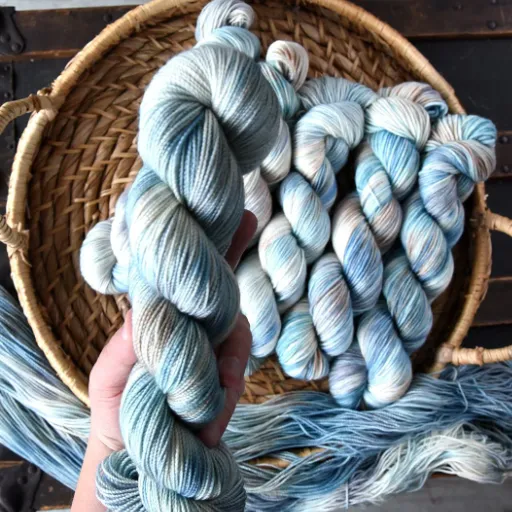
Even experienced buyers make these mistakes. Avoiding them will save time, money, and frustration.
- Vague performance requirements: “Durable” means different things to different people. Specify test standards and expected lifespans.
- Skipping the reference sample: A physical sample communicates more than a written description ever can.
- Ignoring downstream processing: Yarn behaves differently after weaving, knitting, dyeing, and finishing. Test in context.
- Rushing past wash testing: Always run wash, dry-clean, or abrasion tests before bulk approval.
- Underestimating color-matching complexity: Fiber type, dye method, and finish all affect final color. Lab dips exist for a reason.
- Choosing price over sampling quality: The cheapest sampling quote often becomes the most expensive if revisions multiply.
- Setting unrealistic timelines: Quality sampling takes time. Rush fees don’t eliminate the need for proper testing.
How to Choose a Custom Yarn Design Partner
The right partner does more than take your order. They help you refine your brief, anticipate problems, and deliver consistent quality from sample to bulk.
Look for these capabilities when you evaluate a manufacturer:
- Design support and technical consultation: Can they review your brief and suggest improvements?
- Sampling speed and revision tolerance: How quickly do they produce lab dips and samples? How many revision rounds do they allow?
- Quality consistency: Do they maintain the same standards from sample to bulk production?
- Testing and certifications: Can they provide OEKO-TEX, GOTS, GRS, RWS, or other required certifications?
- MOQ flexibility: Will they work with small development orders while offering scalable bulk production?
- Communication and transparency: Do they respond promptly and explain technical decisions clearly?
A manufacturer that treats your project as a partnership will deliver better results than one that treats it as a transaction. Learn more about how to choose custom yarn suppliers who can support your design vision from start to finish.
Conclusion
Custom yarn designs give you the control to create textiles that match your exact vision and performance requirements. The process works best when you define the end use clearly, build a complete design brief, and test samples rigorously before approving bulk production.
To recap:
- Start with application and performance requirements, not yarn specifications.
- Build a detailed design brief that covers fiber, count, ply, twist, color, finish, quantity, timeline, and certifications.
- Evaluate samples for color, hand feel, strength, and wash performance.
- Avoid the common mistakes of vague specs, skipped testing, and unrealistic timelines.
- Choose a custom yarn partner that offers technical support, fast sampling, and consistent quality.
Hebei Lida Textile works with designers and brands worldwide to develop custom yarn designs that perform from the first sample to the final shipment. Whether you are creating fashion, home textiles, or industrial products, our team can help you turn your concept into a production-ready specification.
Start your custom yarn design today. Contact us to discuss your project, review your brief, or request a sample matched to your exact requirements.