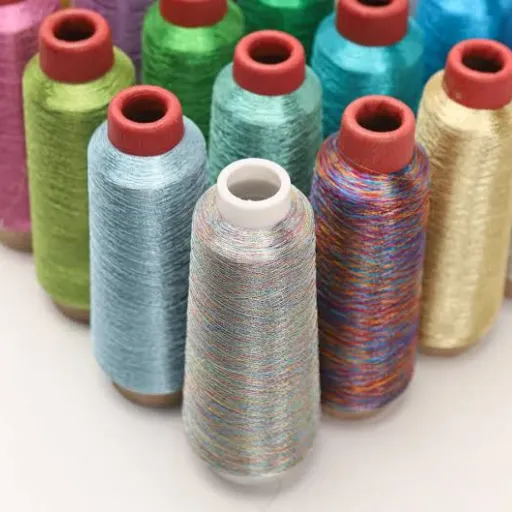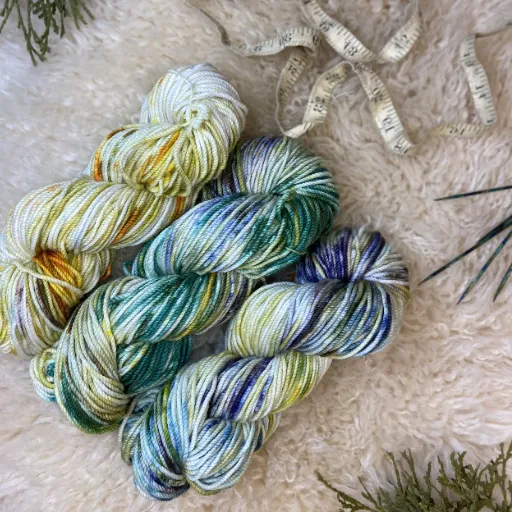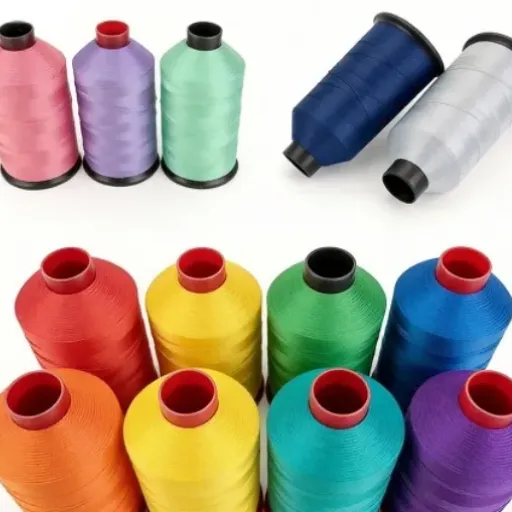

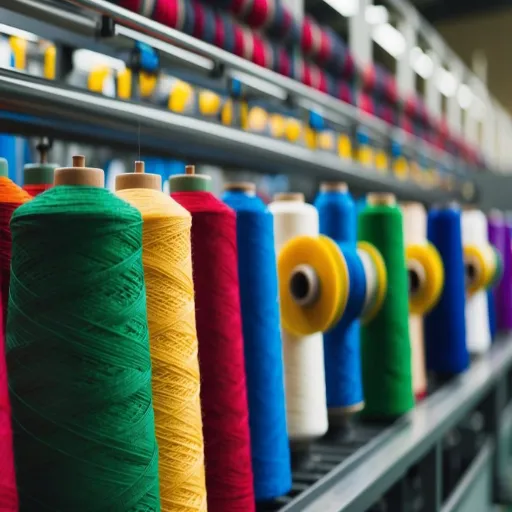




Eco-friendly yarns are textile fibers produced with minimal environmental impact, using organic, recycled, or sustainably sourced materials along with low-impact manufacturing processes. The most common types include organic cotton, recycled polyester, bamboo, hemp, and Tencel, each offering distinct benefits for fashion, home textiles, and industrial applications.
The sustainable fabrics market is projected to reach $36.83 billion in 2025, growing at a 12.5% CAGR through 2035. That is not a niche trend anymore. It is a fundamental shift in how the textile industry operates.
Yet here is the problem most businesses face: sustainability claims are everywhere. Every supplier promises “green” or “eco-friendly” products. Sorting genuine eco-friendly yarns from greenwashing is harder than ever. Without understanding what actually makes a yarn sustainable, you risk choosing materials that underperform, cost too much, or worse, damage your brand reputation when customers discover the truth.
This guide cuts through the noise. As a manufacturer with decades of experience in sustainable yarn production, we will show you exactly what eco-friendly yarns are, which types suit your projects, the certifications that actually matter, and how to source them reliably. Whether you are a fashion designer, a home textile brand, or an industrial buyer, you will leave with clear, actionable knowledge. At Hebei Lida Textile Co., LTD, we are committed to providing eco-friendly and high-quality sustainable yarns for global textile brands and manufacturers.
Here is what we will cover: the true definition of eco-friendly yarns, the five most important types, the certifications that separate legitimate claims from marketing fluff, the business benefits of switching, and a practical framework for choosing the right sustainable yarn for your needs.
Key Takeaways
- Eco-friendly yarns use organic, recycled, or sustainably sourced fibers with low-impact manufacturing; organic cotton, recycled polyester, hemp, and Tencel are the leading options.
- GOTS, OEKO-TEX, and GRS certifications are the gold standard for verifying sustainability claims and protecting your brand from greenwashing.
- The sustainable fabrics market is growing at 12.5% annually, with 57% of industry buyers actively sourcing regenerated and recycled fibers.
- Switching to sustainable yarns reduces long-term costs through durability, meets rising consumer demand, and ensures compliance with regulations like the EU Textile Strategy 2030.
- The right eco-friendly yarn depends on your end-use application, performance requirements, and supplier transparency in sourcing and production.
What Are Eco-Friendly Yarns?
The Definition
Eco-friendly yarns are textile fibers produced through processes that minimize harm to the environment at every stage, from raw material sourcing to final manufacturing. This means using organic crops grown without synthetic pesticides, recycling post-consumer or post-industrial waste into new fibers, or choosing rapidly renewable plants like bamboo and hemp. It also means reducing water consumption, avoiding toxic chemical dyes, and cutting carbon emissions during production.
The key distinction is this: a “natural” fiber is not automatically eco-friendly. Conventional cotton is natural, yet it consumes approximately 10,000 liters of water per kilogram and relies heavily on pesticides. Organic cotton, by contrast, uses 91% less water and zero synthetic chemicals. The manufacturing process matters as much as the raw material. Get in touch with Hebei Lida Textile Co., LTD to learn more about our recycled, eco-conscious, and sustainable yarn manufacturing capabilities.
Why the Manufacturing Process Matters
Most buyers focus on the fiber type and ignore the production method. That is a costly mistake. The most sustainable fiber can become environmentally destructive if it is bleached with chlorine, dyed with azo compounds, or finished with formaldehyde-based resins.
True eco-friendly yarns require a holistic approach:
- Water usage: Closed-loop systems that recycle water reduce consumption by up to 95%.
- Chemical processing: Low-impact or natural dyes eliminate toxic runoff.
- Energy sources: Renewable energy in manufacturing facilities cuts the carbon footprint significantly.
- Waste management: Scrap fiber recycling and zero-waste production targets prevent landfill contributions.
When evaluating eco-friendly yarns, always ask suppliers about their full production chain. Understanding the environmental impact of yarn production helps you make informed decisions. A GOTS-certified organic cotton yarn from a factory using coal power and open-loop dyeing is only half-sustainable.
Types of Eco-Friendly Yarns
Understanding the different types of eco-friendly yarns helps you match the right material to your project. Each fiber has unique properties, environmental profiles, and ideal applications.
Organic Cotton Yarns
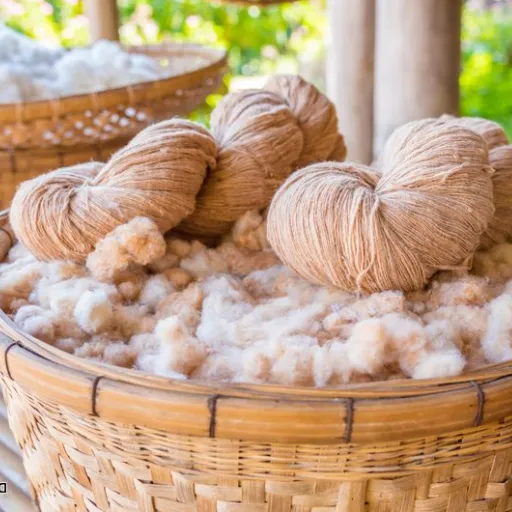
Organic cotton yarns are produced from cotton grown without synthetic pesticides, herbicides, or genetically modified seeds. The farming process relies on natural pest control, crop rotation, and composting to maintain soil health. The result is a soft, breathable, biodegradable fiber that performs identically to conventional cotton but with a fraction of the environmental cost.
Best applications: Fashion garments, baby textiles, home bedding, and any product where skin contact is frequent.
What to look for: GOTS certification is essential. It covers not just organic fiber content but also social criteria and environmental standards throughout the supply chain. Organic cotton currently represents just 1.4% of global cotton production, making certified sources a premium but reliable choice.
Recycled Polyester Yarns
Recycled polyester yarns, often called rPET, are produced by melting down existing plastic, usually post-consumer PET bottles or post-industrial textile waste, and respinning it into new polyester fiber. The process diverts plastic from landfills and oceans while reducing the need for virgin petroleum-based polyester.
Recycled polyester yarn production reached 320 million tons in 2024, a 150% increase from 2020. That growth reflects both technological advancement and rising demand from brands committed to circular economy principles.
Best applications: Activewear, outdoor textiles, upholstery, and industrial fabrics requiring durability and moisture resistance.
What to look for: GRS (Global Recycled Standard) certification verifies recycled content percentage and tracks chain of custody from waste source to finished yarn.
Bamboo and Tencel (Lyocell) Yarns
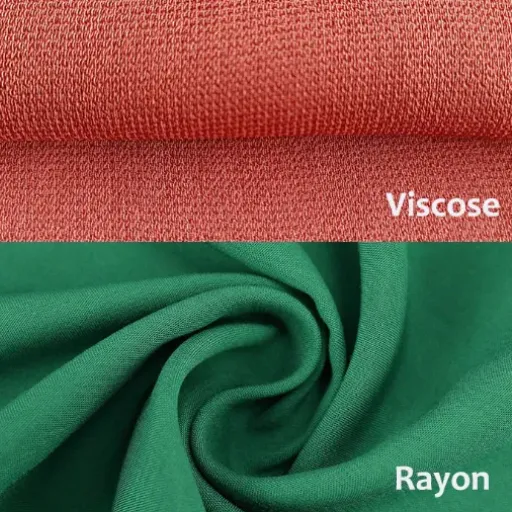
Bamboo yarn is derived from bamboo pulp, a fast-growing grass that requires no irrigation, pesticides, or replanting. However, the eco-friendliness depends entirely on processing. Most bamboo yarn on the market is actually viscose rayon, produced through a chemically intensive process using carbon disulfide, which is toxic to workers and the environment.
Tencel yarn, the branded name for lyocell, offers a better alternative. It is also made from wood pulp, typically from sustainably managed eucalyptus forests, but uses a closed-loop process that recycles 99% of the solvent. The result is a silky, moisture-wicking, biodegradable textile fiber with a significantly lower environmental footprint.
Best applications: Luxury fashion, activewear, bedding, and soft home textiles.
What to look for: FSC certification for the wood source and confirmation that the fiber is lyocell, not viscose rayon.
Hemp and Linen Yarns
Hemp and flax (the plant linen comes from) are arguably the most environmentally friendly textile crops. Hemp grows rapidly, requires minimal water, needs no pesticides, and actually improves soil health through phytoremediation. Linen shares similar characteristics, though it requires slightly more processing.
Both fibers are extremely durable, naturally antibacterial, and fully biodegradable. Hemp yarn softens with each wash without losing strength. Linen becomes more supple and comfortable over time.
Best applications: Heavy-duty upholstery, industrial textiles, bags, canvas, and rustic home decor. Learn more about choosing the right yarn for upholstery in our dedicated guide.
What to look for: Organic certification for the crop and confirmation of natural or low-impact retting and processing methods.
Recycled Cotton and Blended Yarns
Recycled cotton is produced by mechanically shredding post-industrial or post-consumer cotton waste back into fiber, then blending it with virgin cotton or other fibers to maintain strength. Pure recycled cotton tends to have shorter staple lengths, making it less durable than virgin cotton, so blending is standard practice.
Blended eco-friendly yarns combine sustainable fibers to optimize performance. Common blends include organic cotton with recycled polyester for durability, or hemp with organic cotton for softness.
Best applications: Denim, casual apparel, home textiles, and budget-conscious sustainable lines.
What to look for: Transparency about blend ratios and the source of recycled content. The GRS certification applies here as well.
Explore our full range of eco-friendly textiles and find the perfect fiber for your next project.
Certifications That Matter
Certifications are the only reliable way to verify that you are buying certified sustainable yarns. In an industry rife with greenwashing, third-party audits provide the proof buyers need.
GOTS (Global Organic Textile Standard)
GOTS is the worldwide leading textile processing standard for organic fibers. It covers the entire supply chain, from harvesting raw materials through environmentally and socially responsible manufacturing to labeling.
What GOTS certifies:
- At least 70% organic fiber content (Grade 1 requires 95%)
- Prohibition of toxic chemicals in processing
- Wastewater treatment requirements
- Fair labor practices and safe working conditions
If a yarn carries the GOTS label, you can trust that it meets rigorous environmental and social criteria. This is the gold standard for GOTS certified yarn and other organic fiber products.
OEKO-TEX Standard 100
OEKO-TEX Standard 100 tests textiles for harmful substances. It is not an organic certification, but rather a human-ecological safety label. Every component of the yarn, including dyes and finishes, is tested against a strict catalog of regulated and non-regulated substances.
What OEKO-TEX certifies:
- Absence of harmful chemicals like heavy metals, formaldehyde, and pesticide residues
- Safety for skin contact, including baby products (Class I)
- Annual renewal with surprise inspections
OEKO-TEX certified products are particularly valuable for buyers focused on consumer safety and regulatory compliance.
GRS (Global Recycled Standard)
The Global Recycled Standard verifies recycled content in products and tracks it through the supply chain. It also sets requirements for social and environmental practices and chemical restrictions.
What GRS certifies:
- Minimum 20% recycled content (higher tiers require 50%+)
- Chain of custody tracking from waste source to finished product
- Social compliance and environmental criteria for production facilities
For recycled polyester yarns, recycled cotton blends, and any biodegradable textiles claiming post-consumer content, GRS certification is essential.
Bluesign and ISO 14001
Bluesign certification focuses on safe and sustainable textile production. It approves chemicals, processes, materials, and products that are safe for the environment, workers, and consumers.
ISO 14001 is an environmental management system standard. It does not certify products but demonstrates that a manufacturer has systematic processes in place to minimize environmental impact, comply with regulations, and continually improve.
When to prioritize these: If you need assurance about the production facility’s overall environmental management, not just the final product.
How to Spot Greenwashing
Greenwashing is rampant in the textile industry. Here are the red flags to watch for:
- Vague claims: Terms like “eco-friendly,” “green,” or “natural” without certification backing
- Hidden trade-offs: Highlighting one sustainable aspect while ignoring others (e.g., organic cotton dyed with toxic chemicals)
- Irrelevant claims: “CFC-free” when CFCs are already banned globally
- Unverifiable sources: No third-party certification, no supply chain transparency, no audit reports
Questions to ask your yarn supplier:
- What third-party certifications does this yarn hold?
- Can you provide the certificate number for verification?
- What percentage of the yarn is recycled or organic?
- Where is the raw material sourced and where is it processed?
- What is the water and energy footprint of production?
A legitimate supplier will answer these questions clearly and provide documentation. A greenwashing supplier will deflect or offer vague assurances.
Whether you need sustainable yarns for fashion textiles, home fabrics, or industrial applications, Hebei Lida Textile Co., LTD is ready to support your business with dependable production solutions.
Benefits of Sustainable Yarns for Your Business
The benefits of sustainable yarns extend far beyond environmental impact. Switching to eco-friendly yarns is not just an ethical choice. It is a business strategy with measurable returns.
Meeting Consumer Demand
Consumer preferences have shifted decisively. Sustainable fashion is no longer a niche market. According to Yarn Expo 2025 data, 57% of buyers were actively sourcing regenerated and recycled fibers, up significantly from previous years. Brands that fail to adapt risk losing market share to competitors who do.
When Elena Rodriguez launched her sustainable fashion line in Barcelona in 2024, she faced a critical decision. Her initial supplier offered conventional polyester at half the price of recycled alternatives. She chose the recycled route anyway, certified under GRS. Within eight months, her brand was featured in three major sustainability-focused publications. Her online sales grew 140% year-over-year. Customers were not just buying clothes. They were buying into her values.
Regulatory Compliance
Regulations are tightening globally. The EU Textile Strategy 2030 mandates that textile products sold in the EU must be long-lasting, recyclable, and made with recycled fibers. Digital Product Passports, requiring full supply chain transparency, are coming into effect. Brands using non-sustainable materials will face compliance costs, market restrictions, and reputational damage.
By switching to certified sustainable yarns now, you get ahead of regulatory requirements instead of scrambling to comply later. Businesses that adopt sustainable yarns early position themselves as industry leaders. Looking for reliable sustainable yarn suppliers? Reach out to Hebei Lida Textile Co., LTD for customized products and professional service.
Cost Efficiency Over Time
Sustainable yarns often carry a higher upfront cost. However, the long-term economics favor quality. Organic cotton lasts longer than conventional cotton because the fibers are not weakened by chemical processing. Hemp and linen outlast most synthetic alternatives. Recycled polyester performs identically to virgin polyester.
The result is fewer returns, longer product lifecycles, and stronger brand loyalty. When customers trust your sustainability claims, they become repeat buyers and brand advocates. Get in touch with Hebei Lida Textile Co., LTD to learn more about our recycled, eco-conscious, and sustainable yarn manufacturing capabilities.
How to Choose the Right Eco-Friendly Yarn
Selecting the right sustainable yarn requires matching material properties to project requirements, then verifying supplier credibility.
Assessing Your Project Requirements
Start with the end use. Different applications demand different fiber properties:
Fashion and apparel: Prioritize softness, drape, and dye affinity. Organic cotton, Tencel, and bamboo lyocell excel here.
Home textiles (curtains, upholstery, bedding): Balance aesthetics with durability. Hemp blends, organic cotton, and recycled polyester are strong choices.
Industrial and outdoor use: Prioritize strength, UV resistance, and weatherproofing. Recycled polyester, hemp, and specialized coated yarns perform best.
Eco-conscious branding: Maximize sustainability credentials. Organic cotton with GOTS, hemp, or recycled fibers with GRS offer the strongest marketing stories.
Evaluating Suppliers
Not all suppliers of eco-friendly yarns are equal. Here is a verification checklist:
- Certification documentation: Request certificate numbers and verify them on the certifier’s website.
- Supply chain transparency: Can the supplier trace materials from source to finished yarn?
- Sample testing: Always request samples. Test for hand feel, strength, colorfastness, and performance in your specific application.
- Production capacity: Ensure the supplier can meet your volume requirements consistently.
- Quality assurance: Ask about defect rates, testing protocols, and return policies.
When the team at Nordic Home Textiles needed a new supplier for their 2026 spring collection, they sent identical RFQs to five yarn manufacturers. Three responded with generic “eco-friendly” claims and no certifications. One sent a GOTS certificate that turned out to be expired when verified online. Only Hebei Lida provided current GOTS and OEKO-TEX certificates, detailed fiber specifications, and physical samples within a week. That difference in transparency saved Nordic Home Textiles from a potential supply chain disaster.
Customization Options
One of the most overlooked advantages of working directly with manufacturers is customization. You are not limited to off-the-shelf colors and specifications.
- Custom colors: Match Pantone references exactly
- Blend ratios: Adjust organic cotton to recycled polyester ratios for optimal performance
- Yarn counts and twists: Tailor thickness and texture to your machinery and end product
- Functional finishes: Add UV resistance, antimicrobial treatments, or water repellency using eco-friendly processes
- Sustainable yarn production methods: Select low-impact dyeing, waterless finishing, or renewable energy manufacturing
Custom sustainable yarns let you differentiate your products while maintaining environmental integrity. Our custom yarn solutions give you full control over specifications while keeping sustainability at the center.
Contact our team today for sustainable yarn samples and custom specifications tailored to your project.
The Future of Eco-Friendly Yarns
The sustainable yarn landscape is evolving rapidly. Understanding emerging trends helps you make forward-looking sourcing decisions.
Innovations on the Horizon
Bio-based materials represent the next frontier. Mycelium-based leather alternatives, algae fibers, and agricultural waste yarns (from pineapple leaves, banana stems, and rice husks) are moving from experimental to commercial scale. While not yet mainstream, these materials could redefine what eco-friendly yarns mean within five years.
AI-powered fiber sorting, demonstrated at Techtextil 2026 in Frankfurt, uses machine vision and spectroscopy to automatically separate textile waste by fiber type and color. This technology makes large-scale textile recycling economically viable for the first time, potentially creating a true circular economy for yarns.
Digital Product Passports, mandated by EU regulations, will soon provide consumers and businesses with QR-code-accessible supply chain data for every textile product. This will make transparency non-negotiable and certification verification instant.
Market Projections
The numbers confirm that sustainable yarns are not a passing trend. The sustainable fabrics market is growing at 12.5% CAGR and is projected to reach **119.63billionby2035∗∗.Organicfabricsspecificallyareexpectedtogrowfrom119.63billionby2035∗∗.Organic fabrics specifically are expected to grow from $5.0 billion to $20.0 billion in the same period.
For businesses, this means two things. First, the supply of certified sustainable yarns will increase, potentially lowering costs. Second, consumer expectations will continue to rise, making sustainability a baseline requirement rather than a premium feature. The circular textile economy is becoming the default model, not the exception.
Companies that establish sustainable supply chains now will have a competitive advantage as the market matures. Those that wait will face higher transition costs and shrinking customer bases.
Frequently Asked Questions
What is the most eco-friendly yarn?
Hemp and linen are generally considered the most eco-friendly due to minimal water requirements, no pesticide needs, rapid growth, and full biodegradability. However, the “best” choice depends on your application. For softness, organic cotton excels. For durability and moisture resistance, recycled polyester is superior. The most sustainable choice is always the one that meets your performance needs with the lowest overall environmental impact.
Are eco-friendly yarns more expensive?
Eco-friendly yarns typically cost 15-30% more than conventional alternatives upfront. However, factors like longer lifespan, lower return rates, brand premium pricing, and regulatory compliance often make them more economical over the full product lifecycle. Bulk orders and direct manufacturer relationships can also reduce the price gap significantly.
Can I machine wash items made with eco-friendly yarns?
Yes, most eco-friendly yarns are machine washable. Organic cotton, hemp, and linen actually improve with washing, becoming softer over time. Recycled polyester is highly durable in machine washing. Always follow specific care instructions, as some natural dyes may require gentler treatment than synthetic alternatives.
How do I verify a supplier’s sustainability claims?
Always request third-party certification numbers and verify them directly on the certifier’s website (GOTS, OEKO-TEX, and GRS all offer online databases). Ask detailed questions about sourcing, processing, and environmental management. Legitimate suppliers provide clear documentation. Vague answers or resistance to sharing certificates are red flags.
What certifications should I look for in eco-friendly yarns?
The three most important certifications are GOTS (for organic fibers), OEKO-TEX Standard 100 (for chemical safety), and GRS (for recycled content). For production facility assurance, ISO 14001 and Bluesign add additional credibility.
Conclusion
Eco-friendly yarns are transforming the textile industry. From organic cotton that uses 91% less water to recycled polyester that diverts plastic from landfills, sustainable options now exist for every application and budget.
Here are the key points to remember:
- Eco-friendly yarns minimize environmental impact through sustainable sourcing and low-impact manufacturing.
- Organic cotton, recycled polyester, hemp, linen, and Tencel are the leading options, each suited to different applications.
- GOTS, OEKO-TEX, and GRS certifications separate genuine sustainability from greenwashing.
- Business benefits include meeting consumer demand, regulatory compliance, and long-term cost efficiency.
- The right yarn depends on matching fiber properties to your end use and verifying supplier transparency.
The sustainable fabrics market is growing at 12.5% annually. Consumer expectations are rising. Regulations are tightening. The question is no longer whether to switch to eco-friendly yarns, but when and how.
At Hebei Lida Textile Co., LTD, we specialize in high-quality, customizable eco-friendly yarns for fashion, home textiles, and industrial applications. Our GOTS-certified organic cotton, GRS-verified recycled polyester, and custom sustainable blends are trusted by businesses in over 50 countries.
Contact us today for a free sample of our eco-friendly yarns and discover how sustainable materials can elevate your products without compromising on quality or performance.