



The best way to choose custom yarn suppliers is to score them on ten criteria. These include customization range, sampling, MOQ flexibility, quality control, capacity, lead times, communication, pricing, sustainability, and after-sales support. Buyers who skip this checklist often find costly problems only after bulk production starts.
A bad supplier does more than raise costs. It can delay a full season, damage customer trust, and leave you with stock that does not match your approved sample. At Hebei Lida Textile, we’ve spent more than 15 years making custom yarns for fashion, home textile, and industrial buyers. We’ve seen how the right evaluation process protects brands from expensive mistakes.
In this guide, you’ll learn how to find reliable custom yarn suppliers, what questions to ask before sampling, and which red flags should make you walk away. If you’re still deciding whether custom development is right for your product, see our complete guide to custom yarn solutions. By the end, you’ll have a practical scorecard for every supplier call.
Key Takeaways
- Custom yarn orders carry higher risk than stock yarn because sample-to-bulk consistency, dye lot matching, and iteration tolerance matter more than price.
- Evaluate suppliers on ten criteria, starting with customization capabilities, sampling workflow, and MOQ flexibility.
- Request current certifications (ISO 9001, OEKO-TEX, GRS, GOTS, BCI) and verify they cover the exact product you are ordering.
- Start every new supplier relationship with a small trial order before committing to bulk production.
- Use the downloadable scorecard at the end of this article to compare suppliers objectively.
Why Choosing a Custom Yarn Supplier Is Different From Buying Stock Yarn
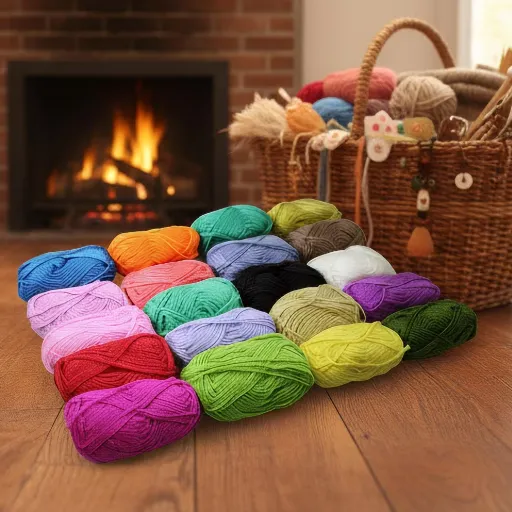
Stock yarn and custom yarn solve different problems. Stock yarn is already spun, dyed, and tested. You can order it quickly, know the specifications in advance, and receive consistent batches. The trade-off is limited differentiation. Your competitors can buy the same yarn from the same catalog.
Custom yarn gives you control over fiber blends, yarn count, twist, color, texture, and finish. You can match brand colors exactly, improve performance for a specific use, or create a texture no one else offers. That control means more coordination. You must define the spec, approve a lab dip, review samples, and confirm bulk quality.
The biggest risk in custom work is sample-to-bulk inconsistency. A supplier may deliver a perfect proto sample, then ship bulk that feels different, shades differently, or fails performance testing. That is why choosing a custom yarn supplier requires a different checklist than buying off-the-shelf yarn.
Mini-story: When Maya, a home textile buyer in Germany, switched to a new supplier for a custom curtain yarn, the proto sample passed every test. The first bulk shipment, however, was 12% heavier and draped differently. The cause was a change in spinning tension that was never documented. She lost six weeks reworking the order and nearly missed her spring launch window.
Where to Find Custom Yarn Suppliers
Before you decide how to choose custom yarn suppliers, you need a shortlist of mills that can actually produce what you need. Reliable suppliers appear in several channels. Each has strengths and weaknesses, so use more than one source before building your shortlist.
B2B Marketplaces and Directories
Platforms like Alibaba, Made-in-China, and Global Sources list thousands of yarn manufacturers. They are useful for initial discovery, but rankings and badges do not replace verification. Look for suppliers with verified factory status, detailed product pages, and clear certification documents. Treat marketplace listings as a starting point, not a final decision.
Industry directories such as Fibre2Fashion and The Textiles Directory can help you identify specialized mills by region and product type. These directories often include contact details and product categories that make initial screening faster.
Trade Shows and Exhibitions
Events like Yarn Expo, Intertextile, Premiere Vision, and Texworld let you touch samples, meet mill representatives, and compare capabilities in person. Yarn Expo Spring 2026, for example, brought together over 600 exhibitors and 25,000 visitors from 113 countries. Trade shows are especially valuable for complex custom work because you can discuss specifications face-to-face and often leave with physical samples.
Peer Referrals and Direct Outreach
Ask buyers at similar-sized brands for referrals. A recommendation from someone who has already placed repeat orders is worth more than any online profile. When you contact a mill directly, ask whether they are the actual manufacturer or a trading company. Direct mills usually offer better technical communication and clearer accountability.
Regional manufacturing hubs to consider:
- China: Broad capabilities, competitive pricing, strong scaling
- India: Cotton specialization and growing sustainable options
- Turkey: Fast delivery to Europe and quality finishing
- Portugal: Smaller MOQs and premium quality for European brands
- Bangladesh: Cost competitiveness for large-volume orders
First CTA: Want to see how a direct manufacturer handles custom development? Contact Hebei Lida Textile to discuss your yarn specifications or request a sample.
How to Choose Custom Yarn Suppliers: 10 Criteria
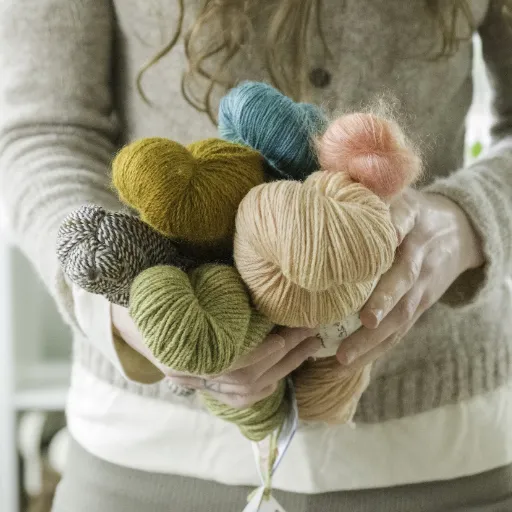
Use these ten criteria to compare suppliers. Score each one from 1 to 5, then weight the scores by what matters most for your project.
1. Customization Capabilities and Technical Range
A true custom yarn supplier should offer more than color changes. Ask whether they can adjust fiber blends, yarn count, ply, twist direction, twist level, texture, and functional finishes. If you need a wool-acrylic blend with a specific hand-feel, or a UV-resistant yarn for outdoor textiles, the supplier must have the equipment and expertise to develop it.
Request examples of past custom projects similar to yours. A supplier with relevant experience will ask better questions, spot problems earlier, and suggest alternatives that improve the final yarn. For a deeper look at how raw fibers become finished yarn, see our guide on how yarns are manufactured.
2. Sampling Process and Iteration Tolerance
Custom yarn development depends on samples. A professional workflow usually includes:
- Proto sample: A first version to check feasibility, hand-feel, and approximate color
- Salesman sample: A refined version for internal review or market testing
- Pre-production (PP) sample: The “golden sample” made with the exact materials and settings planned for bulk
Ask how long each stage takes. Proto samples typically take 7 to 14 days. Also ask how many revision rounds are included and whether the supplier charges for additional samples. First-sample accuracy is a strong indicator of technical competence. Suppliers who need many revisions before bulk are often guessing at your specification.
3. Minimum Order Quantity (MOQ) Flexibility
Custom yarn MOQs vary widely. Custom colors may require 20 to 300 kg per color depending on the dye house and fiber. Custom fiber blends or proprietary developments may require higher minimums because the mill must set up dedicated raw material and spinning parameters.
Ask for the logic behind the MOQ. Sometimes you can reduce it by choosing a stock color, grouping several styles into one dye lot, or committing to a recurring schedule. Be cautious of suppliers who promise extremely low minimums for complex custom work. That often signals a trading company or a mill that will outsource your order without telling you.
4. Quality Control and Certifications
Quality control separates reliable suppliers from risky ones. Confirm whether the supplier follows a documented quality system such as ISO 9001. Ask about in-house testing for yarn evenness, tensile strength, twist consistency, and color fastness. For critical applications, request third-party test reports from labs like SGS, Bureau Veritas, or TÜV Rheinland.
Certifications also matter. Common standards include:
- OEKO-TEX Standard 100: Tests for harmful substances
- GRS (Global Recycled Standard): Verifies recycled content
- GOTS (Global Organic Textile Standard): Covers organic fibers and environmental criteria
- BCI (Better Cotton Initiative): Supports more sustainable cotton sourcing
- ISO 9001: Quality management systems
Verify that the certificate is current and that its scope includes the product you plan to order.
5. Production Capacity and Scalability
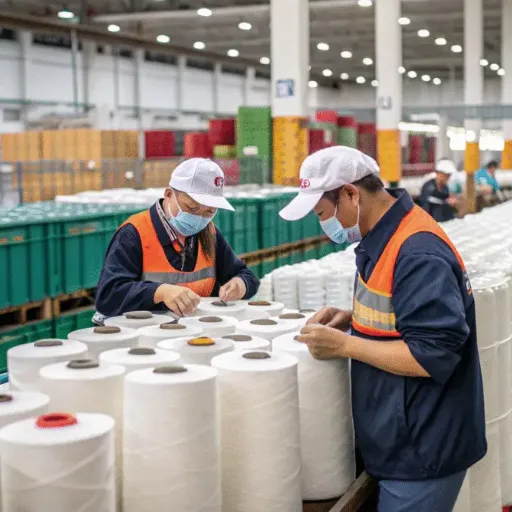
Your supplier must handle both your trial order and your growth. Ask about daily or monthly output, equipment types, and whether they own the production floor or subcontract work. A supplier with 70,000 spindles and long-term mill partnerships, for example, can scale far more reliably than a small trading office.
Peak season capacity is equally important. If you plan to launch a winter collection, confirm the supplier can deliver before your deadline even when other buyers are also placing orders. For more on what production capacity looks like in practice, read our yarn manufacturing guide.
6. Lead Time Transparency
Vague timelines are a warning sign. Ask for phase-gated lead times that break down sampling, production, quality control, and shipping. Typical ranges are:
- Proto sample: 7 to 14 days
- Pre-production sample: 7 to 10 days
- Bulk production: 4 to 12 weeks depending on region and complexity
A supplier who cannot give you specific milestones may not control the production schedule. Delays become expensive when they push your launch date.
Mini-story: James, a fashion brand founder in London, chose a supplier based on a quoted four-week turnaround. Four weeks later, he learned the yarn was still in a subcontractor’s queue. The supplier had never owned the spinning capacity. James missed his pre-order window and had to discount the collection.
7. Communication and Responsiveness
Custom orders generate technical questions. Your supplier must answer them clearly and promptly. During the inquiry phase, test how well they understand your specification. Do they ask about end use, expected volumes, and performance requirements? Or do they simply reply with a price?
Proactive updates matter too. A good supplier tells you when sampling is complete, when bulk production starts, and when the shipment leaves the mill. Poor communication during development usually becomes worse during production.
8. Pricing Transparency
Request an itemized quote that separates yarn, dyeing, packaging, sample fees, and logistics. An “all-in” price makes it impossible to compare suppliers or identify where costs are rising. It also hides whether the supplier understands your specification.
The lowest quote is rarely the best value. A slightly higher price from a supplier with strong quality control, clear timelines, and transparent communication usually costs less over the full production cycle.
9. Sustainability and Compliance Credentials
About 70% of buyers now prefer eco-friendly yarn options. If sustainability matters to your brand, verify more than marketing claims. Ask for current certifications like GRS, GOTS, OCS, RWS, or BCI. For recycled yarns, request Transaction Certificates that trace the recycled content through each production step.
Also ask about water usage, energy sources, and chemical management. Suppliers with real environmental programs will have documentation. Those without it may be overstating their green credentials. You can learn more about what to look for in our sustainable yarn trends guide and eco-friendly yarn production guide.
10. Post-Delivery Support and Long-Term Stability
Custom yarn relationships do not end at delivery. Ask how the supplier handles quality disputes, whether they retain production records for future orders, and how they manage shade continuity across repeat batches. A supplier focused on long-term partnership will keep detailed specifications and dye recipes on file.
Financial stability matters too. A mill with 15+ years of export experience, multiple certifications, and repeat global clients is less likely to disappear mid-order than a new trading company with no track record.
Second CTA: Need a supplier who can scale from sample to bulk without losing consistency? Request a custom yarn sample from Hebei Lida Textile and see how our quality control process works.
Red Flags That Signal a Poor Custom Yarn Supplier
Some warning signs are specific to custom work. Watch for these during your evaluation:
- No clear sampling protocol or refusal to provide a pre-production sample
- Unwillingness to share factory photos, videos, or verification documents
- Vague “all-in” quotes with no cost breakdown
- Outdated, missing, or irrelevant certifications
- Slow or unclear responses to technical questions
- Extremely low MOQs for complex custom specifications
- No quality agreement or AQL standard
- Pressure to skip sample approval and move straight to bulk
If a supplier shows more than one of these red flags, remove them from your shortlist. Custom development requires trust and precision. Cutting corners early usually creates expensive problems later. Every textile project has unique demands. Contact Hebei Lida Textile Co., LTD to discuss bespoke yarn development, material selection, and manufacturing capabilities tailored to your goals.
Supplier Evaluation Scorecard
Use this scorecard to compare suppliers objectively. Rate each criterion from 1 (poor) to 5 (excellent), then multiply by the weight to get a weighted score.
| Criterion | Weight | Supplier A | Supplier B | Supplier C |
|---|---|---|---|---|
| Customization capabilities | 15% | |||
| Sampling process | 15% | |||
| MOQ flexibility | 10% | |||
| Quality control and certifications | 15% | |||
| Production capacity | 10% | |||
| Lead time transparency | 10% | |||
| Communication | 10% | |||
| Pricing transparency | 5% | |||
| Sustainability credentials | 5% | |||
| Post-delivery support | 5% | |||
| Total | 100% |
How to interpret the total:
- 4.5 to 5.0: Strong partner, suitable for strategic custom work
- 3.5 to 4.4: Viable for standard custom orders with close management
- Below 3.5: High risk, consider other options
Downloadable checklist: Want a one-page version of this scorecard for your next supplier call? Contact us and we will send you the printable PDF.
Regional Comparison: What to Expect by Manufacturing Hub
Different regions offer different trade-offs. Use this table to set realistic expectations.
| Region | Strengths | Typical Custom MOQ | Bulk Lead Time |
|---|---|---|---|
| China | Broad capabilities, competitive pricing, strong scaling | 300 to 1,000+ kg | 30 to 60 days |
| India | Cotton expertise, sustainable options, competitive costs | 500 to 800 kg | 30 to 60 days |
| Turkey | Fast delivery to Europe, quality finishing | 300 to 600 kg | 20 to 45 days |
| Portugal | Premium quality, smaller MOQs for European brands | 200 to 500 kg | 15 to 45 days |
| Bangladesh | Cost competitiveness for large volumes | 1,000+ kg | 45 to 90 days |
Mini-story: A small accessories brand in New York needed a custom recycled polyester yarn with a tight color match. They first approached a Bangladeshi mill because of low pricing, but the 1,500 kg MOQ was too high for testing. They moved to a Chinese supplier offering 300 kg per color for custom development. The trial succeeded, and they now run regular 2-ton orders with consistent shade continuity.
How Custom Yarn Suppliers Fit Into Your Larger Sourcing Strategy
Choosing a supplier is one step in a larger workflow. Before you reach out, prepare a clear technical brief that includes:
- Fiber content and blend ratios
- Yarn count, ply, and target twist level
- Color reference, such as Pantone or an actual swatch
- End use and performance requirements
- Target MOQ and annual volume estimate
- Required certifications and test standards
- Packaging and labeling preferences
A detailed brief saves time and reduces sample rounds. It also shows suppliers that you are serious, which often leads to better service and more accurate quotes.
For buyers new to custom yarn, we recommend a phased approach. Start with one or two styles, approve samples carefully, and place a small trial order. Once you confirm quality consistency, scale to larger volumes. This approach reduces risk and builds a reliable supply base over time.
Frequently Asked Questions
How do you choose custom yarn suppliers?
Start with a clear technical brief, then evaluate suppliers on ten criteria: customization range, sampling workflow, MOQ flexibility, quality control, production capacity, lead times, communication, pricing transparency, sustainability credentials, and post-delivery support. Use the scorecard in this guide to compare candidates objectively.
What is a typical MOQ for custom yarn?
Custom yarn MOQs vary by region and complexity. Custom colors often require 20 to 300 kg per color. Custom fiber blends or proprietary developments may need 300 to 1,000+ kg because the mill must configure dedicated raw materials and spinning settings.
How long does custom yarn sampling take?
Proto samples usually take 7 to 14 days. Pre-production samples take 7 to 10 days. Bulk production ranges from 4 to 12 weeks depending on region, order complexity, and seasonal capacity.
What certifications should a yarn supplier have?
Look for ISO 9001 for quality management, OEKO-TEX Standard 100 for harmful-substance testing, GRS for recycled content, GOTS for organic fibers, and BCI for more sustainable cotton. Always verify that the certificate is current and covers the product you plan to order.
Why does sample-to-bulk consistency matter?
Sample-to-bulk consistency is the biggest risk in custom yarn. A supplier may deliver a perfect proto sample, then ship bulk that differs in weight, hand-feel, or shade. A documented pre-production sample and clear quality agreement reduce this risk.
Conclusion: How to Choose Custom Yarn Suppliers for Long-Term Success
Learning how to choose custom yarn suppliers comes down to one idea: verify capabilities before you spend money. The right partner asks detailed questions, provides clear samples, shares current certifications, and communicates through every stage. The wrong partner rushes you into bulk orders and leaves you managing defects, delays, and disappointed customers.
Start your evaluation with the ten criteria in this guide. Use the scorecard to compare candidates objectively. Then begin with a small trial order to confirm that sample quality carries through to bulk production. Once a supplier proves consistent, you can scale with confidence.
At Hebei Lida Textile, we produce custom yarns for fashion, home textiles, and industrial applications. With more than 15 years of experience, direct manufacturing capacity, and certifications including GRS, OEKO-TEX, and FSC, we help buyers turn specifications into reliable, repeatable products.
Final CTA: Ready to find a custom yarn supplier you can rely on? Contact Hebei Lida Textile today to discuss your project or request a sample.