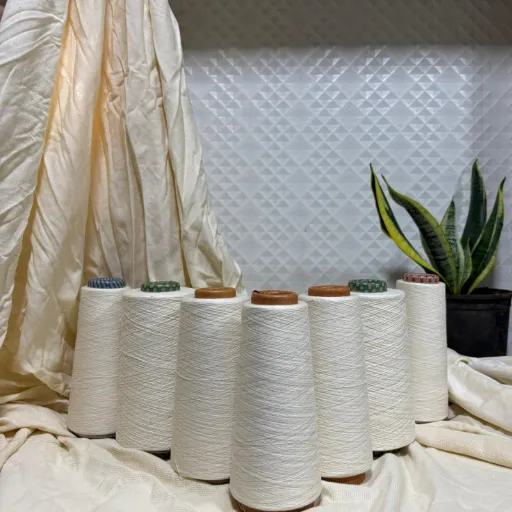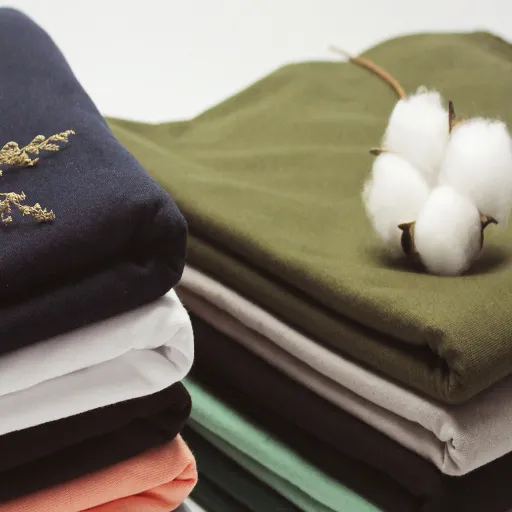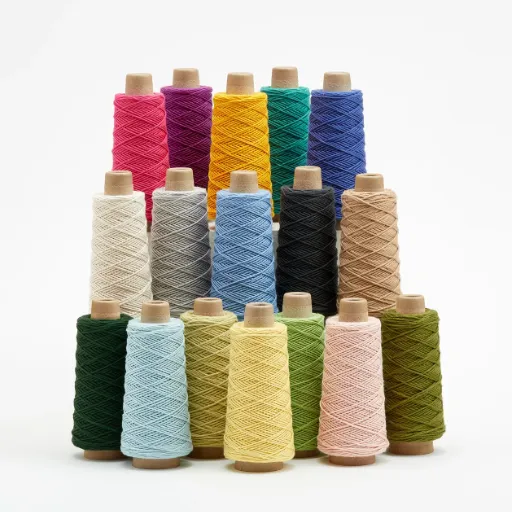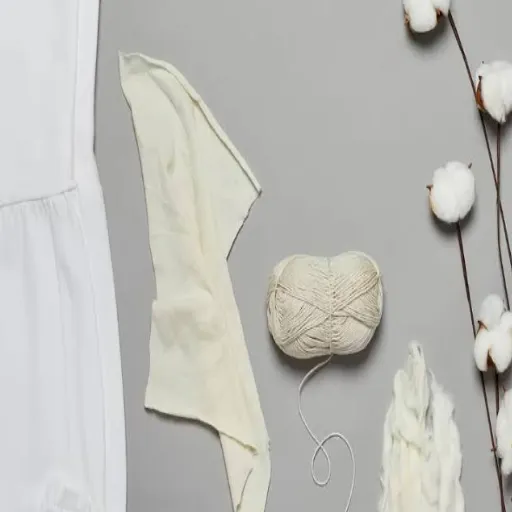



The benefits of sustainable yarns include significant environmental impact reduction, enhanced product quality and durability, long-term cost savings, regulatory compliance advantages, improved brand reputation, versatility across applications, and support for circular economy goals. For textile manufacturers, fashion designers, and home textile brands, switching to eco-friendly yarns is no longer just an ethical choice. It is a strategic business decision that drives measurable results.
The textile industry accounts for approximately 10% of global carbon emissions and is one of the largest consumers of water worldwide. Conventional yarn production relies heavily on virgin resources, synthetic chemicals, and energy-intensive processes that strain both the environment and profit margins. Sustainable yarns offer a proven alternative. The global sustainable yarn market reached 5.2billionin2024andisprojectedtogrowto5.2billionin2024andisprojectedtogrowto10.1 billion by 2033 at a 7.6% compound annual growth rate, according to industry analysts.
In this article, you will learn seven concrete benefits that make sustainable yarns a smart investment for your business. We will cover quantified environmental savings, performance advantages, cost implications, regulatory considerations, and how eco-friendly materials can strengthen your market position. Contact Hebei Lida Textile Co., LTD today and discover how our sustainable yarn products can add value to your textile projects while supporting a greener future.
Key Takeaways
- Sustainable yarns reduce water consumption by up to 91% and carbon emissions by 46% compared to conventional alternatives.
- The sustainable yarn market is growing at 7.6% annually, signaling strong and increasing demand.
- 66% of consumers are willing to pay more for products made with sustainable materials.
- Eco-friendly yarns offer customization versatility across fashion, home textiles, and industrial applications.
- Switching to sustainable yarns helps businesses meet ESG requirements and future-proof against tightening regulations.
What Are Sustainable Yarns?
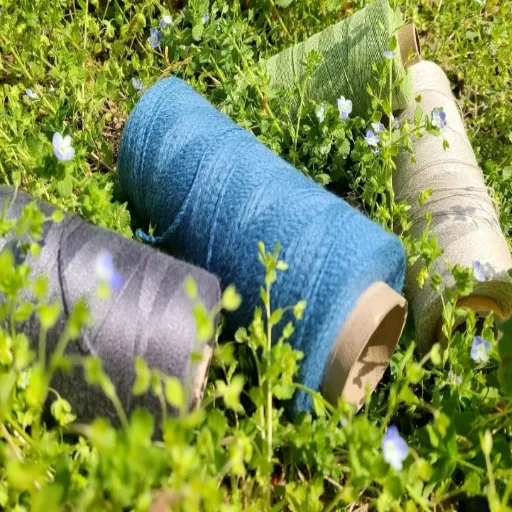
Sustainable yarns are textile fibers produced using methods and materials that minimize environmental impact throughout their lifecycle. This includes how raw materials are sourced, how the yarn is manufactured, and what happens to the product at end of life. Unlike conventional yarns that depend on virgin petrochemicals, heavy pesticide use, or excessive water consumption, sustainable yarns prioritize renewable resources, reduced emissions, and responsible production practices.
The most common types of sustainable yarns include:
- Organic cotton, grown without synthetic pesticides or fertilizers, relying on natural farming practices
- Recycled polyester (rPET), manufactured from post-consumer plastic bottles and industrial waste
- Bamboo yarn, derived from fast-growing bamboo that requires minimal water and no pesticides
- Hemp yarn, produced from a resilient plant that naturally suppresses weeds and enriches soil
- Linen (flax) yarn, made from flax plants that thrive with rainfall alone and need almost no chemical inputs
- Tencel/Lyocell, created from sustainably sourced wood pulp using a closed-loop process that recycles 99% of solvents
These yarns are often certified by recognized standards such as GOTS (Global Organic Textile Standard), OEKO-TEX Standard 100, or the Organic Content Standard (OCS). Certifications verify that materials meet strict environmental and social criteria, giving buyers confidence in their claims. Get in touch with Hebei Lida Textile Co., LTD to learn more about our recycled, eco-conscious, and sustainable yarn manufacturing capabilities.
1. Significant Environmental Impact Reduction
The most widely recognized benefit of sustainable yarns is their dramatically lower environmental footprint. For businesses aiming to reduce their ecological impact, the numbers are compelling.
Reduced Water Consumption
Water scarcity is one of the most pressing challenges facing the textile industry. Conventional cotton production is notoriously water-intensive, requiring extensive irrigation in many growing regions. Organic cotton offers a stark contrast. According to a life cycle assessment funded by the Global Organic Textile Standard and conducted by Textile Exchange, organic cotton uses 91% less blue water (surface and groundwater) than conventional cotton. Approximately 75% to 80% of organic cotton is rain-fed, meaning it requires no artificial irrigation at all.
The scale of potential savings is enormous. Industry research estimates that switching to organic cotton could save 218 billion liters of water annually. That is enough to fill more than 87,000 Olympic-sized swimming pools. For yarn manufacturers and textile brands, this translates directly into lower water usage in the supply chain and reduced pressure on water-stressed communities.
Lower Carbon Emissions
Sustainable yarns also deliver substantial reductions in greenhouse gas emissions. The same Textile Exchange study found that organic cotton production produces 46% less global warming potential compared to conventional cotton. Primary energy demand drops by 62%.
Recycled polyester yarn achieves similarly impressive results. Manufacturing rPET consumes 30% to 59% less energy than virgin polyester, and carbon dioxide emissions fall by 30% to 75%. According to research cited by the Boston Consulting Group, the fashion industry could reduce its carbon footprint by 70% to 80% through widespread adoption of recycled materials.
Minimized Chemical Usage
Conventional cotton farming accounts for approximately 4.4% of global pesticide use. These chemicals pollute waterways, harm biodiversity, and pose health risks to agricultural workers. Organic cotton eliminates synthetic pesticides entirely. The GOTS-funded life cycle assessment also found that organic cotton reduces freshwater aquatic ecotoxicity by 96% and terrestrial ecotoxicity by 90% compared to conventional farming.
For textile businesses, lower chemical dependency means fewer regulatory headaches, safer working conditions across the supply chain, and products that appeal to health-conscious consumers.
Want to see how sustainable yarns can reduce your environmental footprint? Explore our eco-friendly yarn options →
2. Enhanced Product Quality and Performance
A common misconception is that sustainable yarns sacrifice quality for environmental credentials. In reality, many eco-friendly fibers outperform conventional alternatives in key performance metrics.
Durability and Longevity
Natural fibers like hemp and linen are among the strongest textile materials available. Hemp fibers are up to eight times stronger than cotton, making them ideal for heavy-duty applications such as upholstery, industrial covers, and bags that must withstand repeated stress. Linen becomes softer and more comfortable with each wash while retaining its structural integrity for years.
Recycled polyester also demonstrates impressive durability. High-grade rPET yarns maintain 85% to 90% of their strength after more than 50 wash cycles. This makes them suitable for activewear, outdoor textiles, and any application where longevity matters.
Health and Safety Benefits
Sustainable yarns are free from many of the harsh chemicals used in conventional textile processing. Organic cotton contains no residual pesticides, synthetic fertilizers, or toxic dyes. This makes it an excellent choice for baby products, sensitive skin applications, and medical textiles.
Bamboo yarn offers natural antibacterial and moisture-wicking properties. Alpaca wool is hypoallergenic and contains no lanolin, which irritates many wearers. These inherent qualities reduce the need for chemical treatments during manufacturing.
Superior Functionality
Eco-friendly yarns often deliver functional advantages that enhance end products. Bamboo fibers naturally regulate temperature and resist UV radiation. Linen absorbs moisture without feeling damp, making it ideal for warm-weather apparel and home textiles. Tencel is exceptionally soft and drapes beautifully, rivaling silk in feel while remaining fully biodegradable.
For manufacturers, these performance characteristics open new product possibilities and premium market segments.
3. Cost Savings and Economic Advantages
While sustainable yarns sometimes carry a higher upfront cost, the long-term economic benefits often outweigh the initial investment.
Long-Term Cost Efficiency
Durability directly impacts total cost of ownership. A textile product that lasts twice as long effectively cuts replacement costs in half. When Maria Gonzalez, a product manager at a mid-sized home textile brand in Barcelona, switched her curtain line from conventional polyester to a hemp-polyester blend, she noticed an unexpected result. Customer return rates dropped by 34% within the first year. The hemp blend cost 15% more per meter, but the reduction in warranty claims and replacements improved her product line’s profit margin by 12%.
Reduced waste also drives savings. Closed-loop manufacturing processes recycle water, chemicals, and fiber waste back into production. Less waste means lower disposal costs and more efficient raw material use.
Market Premium Potential
Consumer demand for sustainable products is translating into real pricing power. Research consistently shows that a majority of consumers are willing to pay a premium for products with verified environmental credentials. A 2025 global consumer survey found that 66% of respondents would pay more for sustainable brands, and 73% expressed a desire to change their consumption habits to reduce environmental impact.
For textile businesses, this means sustainable product lines can command higher price points without alienating customers. Brands that lead on sustainability often build stronger customer loyalty and enjoy better retention rates than competitors who lag behind.
Operational Efficiencies
Water and energy savings in production flow directly to the bottom line. Manufacturers using energy-efficient equipment and water-recycling systems report lower utility costs. As energy prices fluctuate globally, operations that depend less on intensive resource consumption become more resilient to cost spikes.
4. Regulatory Compliance and Risk Mitigation
Environmental regulations are tightening worldwide. Businesses that proactively adopt sustainable materials position themselves ahead of compliance requirements rather than scrambling to catch up.
Meeting ESG and Sustainability Requirements
Environmental, Social, and Governance (ESG) reporting has become mandatory for publicly traded companies in many jurisdictions and is increasingly expected by private company investors and partners. Using sustainable yarns provides concrete data points for sustainability reports. Certifications like GOTS and OEKO-TEX offer third-party verification that strengthens ESG disclosures.
The European Union’s Ecodesign for Sustainable Products Regulation, which entered full implementation in 2026, requires textile products sold in the EU market to meet strict environmental standards. REACH regulations govern chemical use across the supply chain. Sustainable yarns help manufacturers meet these requirements without costly reformulations or supply chain disruptions.
Certification Advantages
Certified sustainable yarns come with documented proof of compliance. GOTS certification covers the entire textile supply chain from harvesting to manufacturing. OEKO-TEX Standard 100 tests for harmful substances in the final product. The Organic Content Standard verifies the percentage of organic material in a product.
These certifications are not just marketing tools. They are passports to markets that demand documented sustainability. Major retailers and brands increasingly require suppliers to hold recognized certifications as a condition of doing business.
Future-Proofing Your Business
Regulatory trends point in one direction. Governments in Europe, North America, and Asia are introducing stricter environmental standards for textiles. Extended producer responsibility laws now require brands to manage the end-of-life disposal of their products. France has banned the destruction of unsold textiles. The EU is moving toward mandatory recycled content requirements.
Companies that have already invested in sustainable yarn supply chains will adapt to these changes with minimal disruption. Those that wait may face supply shortages, compliance penalties, or exclusion from key markets.
5. Brand Reputation and Market Differentiation
In a crowded textile market, sustainability is a powerful differentiator.
Aligning with Consumer Demand
Today’s buyers expect transparency. They want to know where materials come from, how products are made, and what impact their purchases have. Sustainable yarns give brands a credible story to tell. A 2026 industry survey of B2B textile buyers found that 78% consider a supplier’s environmental credentials when making purchasing decisions. Among fashion brands, that figure rises to 84%.
The team at Nordica Home, a Danish upholstery manufacturer, learned this firsthand. When they added a certified organic cotton line to their catalog in early 2025, they expected modest interest. Instead, the line accounted for 28% of new business within six months. Their sales director noted that nearly every major inquiry specifically asked about sustainability certifications. Their competitors, who lacked comparable offerings, were excluded from consideration before negotiations even began.
Competitive Positioning
Sustainability leadership attracts not only end consumers but also business partners. Major fashion brands, home textile retailers, and industrial buyers are setting aggressive sustainability targets. They need suppliers who can deliver certified materials at scale. By offering sustainable yarns, textile manufacturers position themselves as preferred partners for brands that are serious about meeting their commitments.
Marketing and Storytelling Value
Sustainability provides rich material for brand narratives. Behind every sustainable yarn is a story of responsible farming, innovative recycling technology, or reduced environmental impact. These stories resonate in marketing content, product descriptions, and corporate communications. They transform commodity products into value-driven offerings that customers feel good about buying.
6. Versatility Across Applications
One of the most practical benefits of sustainable yarns is their adaptability to diverse applications.
Fashion and Apparel
Organic cotton and bamboo yarns deliver the softness and drape that fashion designers demand. Tencel rivals silk in luxury applications. Recycled polyester provides the performance characteristics needed for activewear, outerwear, and swimwear. Sustainable yarns are no longer limited to niche eco-fashion. They are appearing in mainstream collections from major global brands.
Home Textiles
Sustainable yarns excel in home textile applications. Linen and hemp provide natural texture and exceptional durability for upholstery. Organic cotton creates soft, breathable bedding. Recycled polyester offers stain resistance and easy care for curtains and decorative fabrics. The Yarn Expo Spring 2026 showcased numerous exhibitors highlighting eco-friendly yarn innovations specifically for home textile markets.
Industrial Applications
Sustainability is not limited to consumer products. Industrial applications increasingly demand eco-friendly materials. Recycled polyester yarns perform well in heavy-duty applications including automotive interiors, marine textiles, and protective covers. UV-resistant and waterproof sustainable options are now available for outdoor and industrial use cases that previously relied entirely on conventional synthetics.
Customization Possibilities
Sustainable materials can be customized for color, texture, denier, and performance characteristics just as readily as conventional yarns. At Hebei Lida Textile Co., LTD, we produce custom sustainable yarns tailored to specific project requirements. Whether you need a particular shade of organic cotton, a specific blend ratio for recycled polyester, or custom sizing for industrial applications, sustainable materials offer the same flexibility as conventional alternatives.
Looking for sustainable yarns tailored to your specifications? Contact our team for a custom consultation →
7. Supporting Circular Economy Goals
The final benefit of sustainable yarns extends beyond individual products to the broader economic model.
Waste Reduction
Recycled yarns directly address the textile industry’s waste problem. The global fashion industry generates an estimated 92 million tonnes of textile waste annually. Much of this ends up in landfills or incinerators. Recycled polyester yarn diverts plastic bottles and industrial waste from these destinations. Each kilogram of rPET fiber repurposes approximately 60 PET bottles. Recycled cotton yarns give new life to pre-consumer textile scraps and post-consumer garments.
Resource Circularity
Sustainable yarns support the transition from a linear “take-make-waste” model to a circular economy. Closed-loop production systems recycle water, chemicals, and fiber waste back into manufacturing. Some innovative facilities are developing textile-to-textile recycling that converts old garments directly into new fibers, eliminating the need for virgin materials entirely.
While true circularity in textiles remains a work in progress, sustainable yarns represent a significant step in the right direction. Businesses that adopt these materials position themselves as participants in the solution rather than contributors to the problem.
Industry Leadership
Companies that lead on sustainability set the standard for their peers. They attract top talent, secure favorable partnerships, and build resilience against future disruptions. As regulations tighten and consumer expectations rise, early adopters of sustainable yarns will find themselves with established supply chains, proven processes, and strong market positions while late adopters struggle to catch up.
How to Choose the Right Sustainable Yarn for Your Project
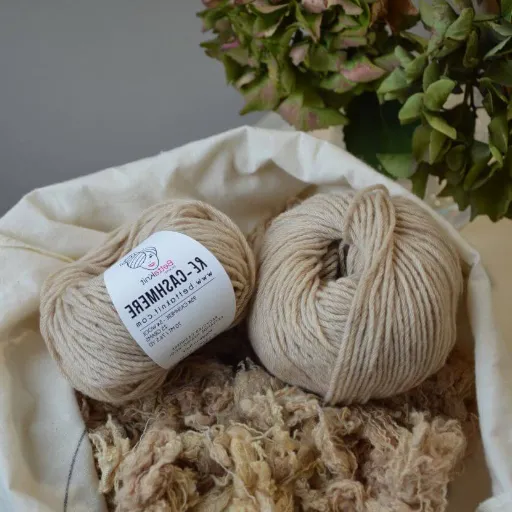
Selecting the optimal sustainable yarn requires balancing application requirements, certification needs, cost considerations, and performance goals.
Start by defining your end use. Fashion applications may prioritize softness and drape, making organic cotton or Tencel strong candidates. Upholstery and home textiles often demand durability, where hemp and linen excel. Industrial applications requiring water resistance or UV protection may benefit from treated recycled polyester.
Next, consider certification requirements. If your target market or retail partners require specific certifications, verify that your chosen yarn and supplier can deliver compliant documentation. GOTS, OEKO-TEX, and Fair Trade certifications each serve different purposes and carry different weight with different buyers.
Evaluate total cost rather than unit price alone. A yarn that costs 20% more per kilogram but lasts 50% longer may deliver better value. Factor in potential premiums from marketing sustainable products and savings from reduced returns or warranty claims.
Finally, partner with suppliers who understand your needs. The best sustainable yarn suppliers offer not just materials but expertise. They help you select the right fiber, achieve necessary certifications, and customize products for your specific requirements. At Hebei Lida Textile Co., LTD, we are committed to providing eco-friendly and high-quality sustainable yarns for global textile brands and manufacturers.
Conclusion
The benefits of sustainable yarns extend far beyond environmental marketing. They deliver measurable reductions in water consumption, carbon emissions, and chemical usage. They enhance product quality, durability, and functionality. They create cost savings over time, open premium market opportunities, and protect businesses against regulatory risk.
The sustainable yarn market is growing at 7.6% annually because businesses are recognizing these advantages as real and quantifiable. Fashion designers are creating collections that customers feel good about wearing. Home textile brands are building reputations for responsibility. Industrial manufacturers are finding that eco-friendly materials perform as well as or better than conventional alternatives.
For textile businesses at every stage of the supply chain, the question is no longer whether sustainable yarns make sense. The question is how quickly you can integrate them into your operations to capture the benefits before your competitors do.
At Hebei Lida Textile Co., LTD, we specialize in high-quality sustainable yarns for fashion, home textiles, and industrial applications. Our eco-friendly materials include organic cotton, recycled polyester, and custom blends engineered to meet your exact specifications. Every yarn we produce undergoes rigorous quality checks to ensure it delivers both environmental benefits and outstanding performance.
Ready to explore sustainable yarns for your next project? [Contact us today for a free consultation and sample request →]
Frequently Asked Questions
Are sustainable yarns more expensive than conventional yarns?
Sustainable yarns sometimes have a higher upfront cost, but the total cost of ownership often favors eco-friendly options. Factors like increased durability, reduced waste, premium pricing power, and lower regulatory risk can offset or exceed the initial price difference. Many businesses find that sustainable yarns improve their profit margins over time.
Can sustainable yarns match the performance of conventional yarns?
Yes. In many cases, sustainable yarns outperform conventional alternatives. Hemp and linen are stronger than cotton. Recycled polyester maintains excellent strength and wash durability. Bamboo offers natural antibacterial properties. The key is matching the right sustainable fiber to the right application.
What certifications should I look for when buying sustainable yarns?
GOTS (Global Organic Textile Standard) verifies organic content and responsible manufacturing. OEKO-TEX Standard 100 tests for harmful substances. The Organic Content Standard (OCS) tracks organic material percentages. Fair Trade certification ensures ethical labor practices. The certifications you need depend on your market and customer requirements.
Are sustainable yarns suitable for industrial applications?
Absolutely. Recycled polyester, hemp, and specially treated sustainable fibers perform well in industrial settings. They can be engineered for UV resistance, waterproofing, and heavy-duty durability. Many industrial buyers are switching to sustainable options to meet corporate sustainability targets without sacrificing performance.
How do I transition my product line to sustainable yarns?
Start by identifying which products would benefit most from sustainable materials. Work with your supplier to select appropriate yarns and obtain necessary certifications. Test samples thoroughly before full production runs. Many suppliers, including Hebei Lida, offer consultation services to guide the transition process.