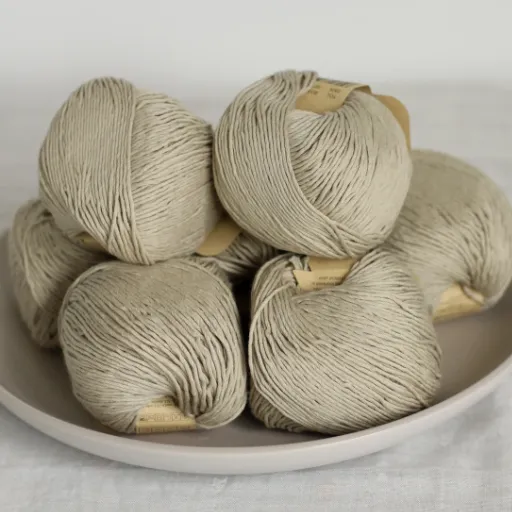
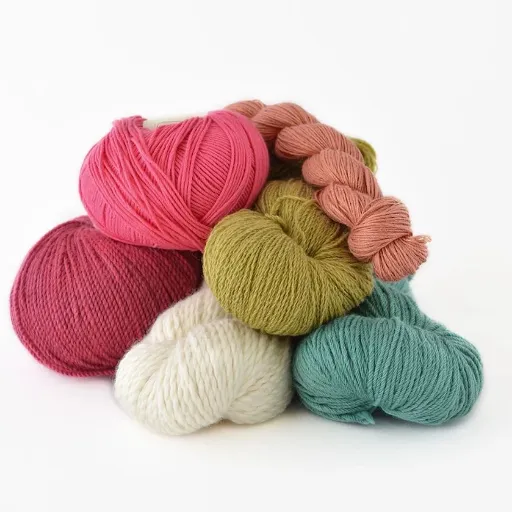

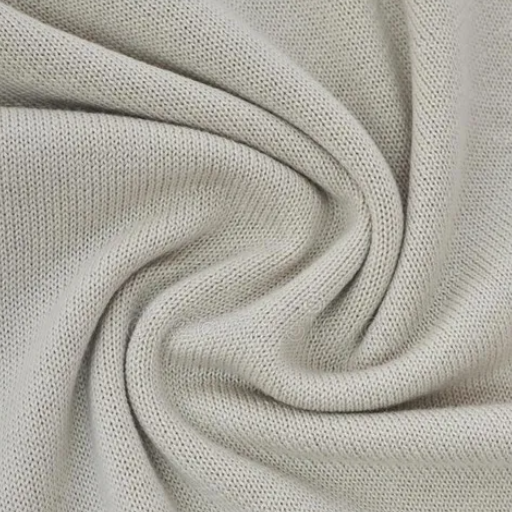

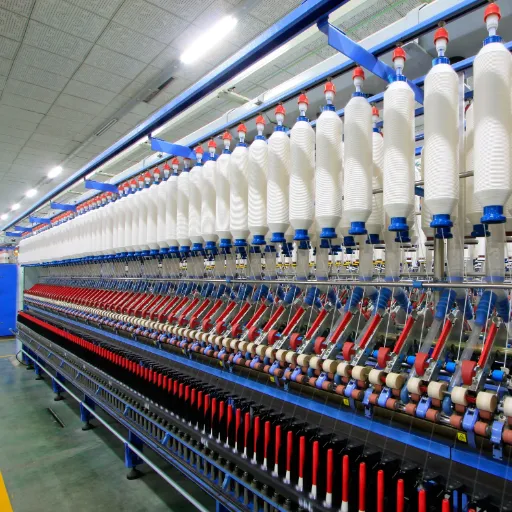


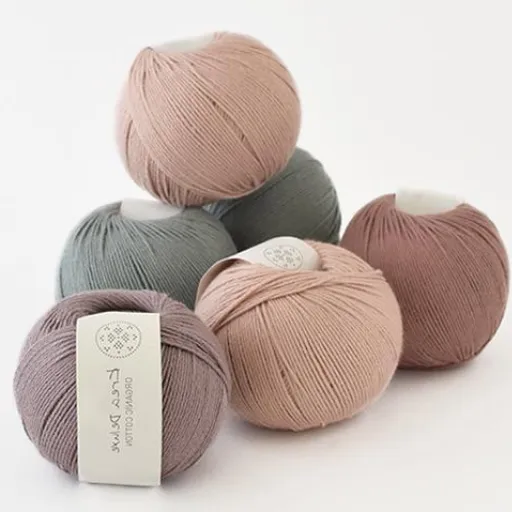
Organic cotton yarns are textile fibers spun from cotton grown without synthetic pesticides, GMOs, or chemical fertilizers, then processed under strict environmental and social standards like GOTS. They deliver the softness and durability of conventional cotton while reducing water use by 91% and energy consumption by 62%, making them the fastest-growing segment in sustainable textiles with a projected 9.9% CAGR through 2032.
But here is the challenge most B2B buyers face: not all organic cotton yarns are created equal. Certifications vary in rigor. Suppliers make claims they cannot back up. And the technical specifications that determine whether a yarn will perform in your application are often buried in jargon that wastes your time.
At Hebei Lida Textile Co., LTD, we spin organic cotton yarns for fashion brands, home textile manufacturers, and industrial buyers across more than 50 countries. We have seen what happens when buyers choose the wrong supplier. We have also seen how the right yarn transforms a product line. In this guide, you will learn exactly what organic cotton yarns are, how they are made, which certifications matter, and how to evaluate suppliers without getting lost in marketing fluff. Need a custom organic cotton yarn specification? Contact our team for a tailored quote and sample →
Key Takeaways
- Organic cotton yarns use 91% less water and 62% less energy than conventional cotton, with a 9.9% market CAGR through 2032.
- GOTS is the only certification that covers the full supply chain from farm to finished yarn, including social compliance.
- Ring-spun organic cotton delivers the softest hand-feel for apparel, while compact-spun minimizes pilling for upholstery and home textiles.
- Always request a Transaction Certificate (TC) for every shipment to verify authentic organic content.
- Customization options include yarn count (Ne 10s–80s), dyeing, blending with fibers like TENCEL or hemp, and private-label packaging.
What Are Organic Cotton Yarns?
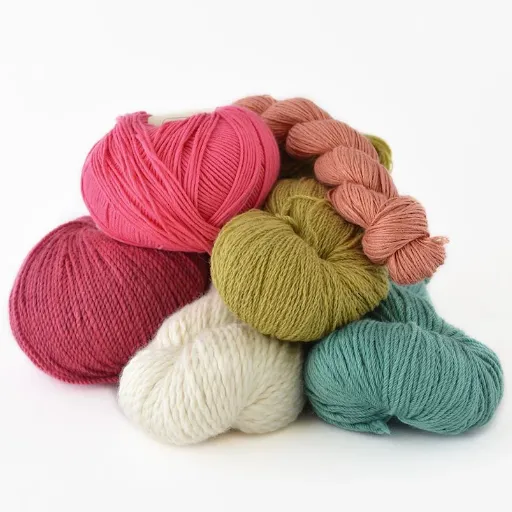
Organic cotton yarns are produced from cotton plants cultivated under organic agricultural standards. Farmers avoid synthetic pesticides, herbicides, genetically modified organisms, and chemical fertilizers. Instead, they rely on crop rotation, composting, and biological pest control. The harvested cotton then moves through ginning, spinning, and finishing processes that meet strict environmental criteria.
The resulting yarn retains the natural breathability, absorbency, and softness that make cotton the world’s most popular natural fiber. Independent studies show that organic cotton farming produces 46% less CO2 per hectare than conventional methods. For B2B buyers, this translates into products that appeal to eco-conscious consumers while meeting increasingly strict environmental regulations. Need a custom organic cotton yarn specification? Contact our team for a tailored quote and sample →
Key Physical Properties
Organic cotton yarns share many technical characteristics with their conventional counterparts. Staple lengths typically range from 28 to 38 millimeters. Micronaire values fall between 3.5 and 4.9, indicating fine to medium fiber maturity. Tenacity measures between 20 and 35 cN per tex, depending on the spinning method and cotton variety.
However, organic cotton fibers often show slightly higher variation in weight and more imperfections than conventionally grown cotton. This is not a quality defect. It reflects the natural growing conditions and absence of chemical growth regulators. Skilled spinners adjust their machinery to account for these variations and produce consistent, high-quality yarn.
Organic vs. Conventional: What Buyers Need to Know
The primary difference lies in the agricultural and processing standards, not necessarily in the end product’s appearance. A customer holding a finished garment cannot tell organic cotton from conventional cotton by touch alone. The difference shows up in traceability, chemical safety, and environmental impact.
Conventional cotton farming consumes approximately 16% of the world’s insecticides. Organic cotton eliminates this chemical load entirely. For brands marketing to sensitive demographics like babies or allergy-prone consumers, that distinction carries significant commercial weight.
How Organic Cotton Yarn Is Made: From Farm to Spindle
Understanding the production process helps buyers evaluate supplier claims and spot red flags. The journey from seed to yarn involves four critical stages, each with specific organic requirements.
Organic Farming and Harvesting
Farmers must complete a conversion period of two to three years before their cotton qualifies as organic. During this time, they stop using prohibited inputs and build soil health through natural methods. Many organic cotton-growing regions rely on rain-fed irrigation rather than groundwater extraction, which contributes to the dramatic water savings associated with organic cotton.
India produces 45% to 50% of the world’s organic cotton fiber. Turkey, China, Pakistan, and several African nations also maintain significant organic cotton programs. India’s dominance means that many organic cotton yarns originate from South Asian supply chains, though Chinese spinning mills increasingly process imported organic lint for export markets.
Harvesting typically uses hand-picking methods to avoid the chemical defoliants sprayed on conventional cotton fields before machine harvesting. Hand-picking preserves fiber length and reduces contamination. It also creates rural employment, which aligns with the social criteria embedded in certifications like GOTS.
Ginning: Separating Fiber from Seed
After harvest, cotton moves to ginning facilities that separate lint from seeds. If a gin processes both conventional and organic cotton, it must thoroughly clean its equipment between batches to prevent cross-contamination. GOTS-certified gins undergo audits to verify these separation protocols.
Some advanced facilities now use chemical-free cleaning methods that rely on mechanical processes similar to tumble dryers. These methods blow dirt out of the cotton without water or solvents, further reducing the environmental footprint.
Spinning: Converting Fiber to Yarn
Spinning is where fiber becomes yarn. Three methods dominate organic cotton production:
Ring spinning twists fibers using a rotating spindle and a traveler. It produces the softest, strongest yarn with the best hand-feel. Most premium apparel applications use ring-spun organic cotton yarn.
Compact spinning adds an additional fiber-compacting step before twisting. This reduces hairiness and minimizes pilling. Upholstery and home textile manufacturers often prefer compact-spun yarn because it creates smoother fabric surfaces that resist abrasion.
Open-end spinning uses a rotor to twist fibers. It runs faster and costs less than ring spinning. The resulting yarn is slightly coarser but perfectly adequate for industrial applications and economical apparel.
GOTS-certified spinning mills must use only approved additives. Paraffin products, for example, must be fully refined with residual oil content below 0.5%. Synthetic fibers designed to dissolve at later processing stages are prohibited.
Dyeing and Finishing
Wet processing includes dyeing, printing, and finishing. GOTS restricts dyestuffs to those free from heavy metals, formaldehyde, and azo compounds that release carcinogenic amines. Many certified facilities now operate closed-loop water systems that recover up to 90% of process water.
Buyers should note that organic cotton yarn is often sold in its natural undyed state or in limited color ranges. Custom dyeing to specific Pantone shades is available from most mills, but it extends lead times by two to four weeks.
Key Benefits of Organic Cotton Yarns for B2B Buyers
Switching to organic cotton yarns is not simply a marketing decision. It creates measurable advantages across regulatory compliance, product performance, and brand positioning.
Environmental and Regulatory Benefits
The EU Green Claims Directive, effective since 2026, requires companies to substantiate any environmental claims with verified evidence. Organic cotton yarns backed by GOTS or OCS certifications provide that evidence. Brands exporting to European markets can use certification documentation to satisfy due diligence requirements without commissioning expensive independent audits.
Additionally, organic cotton supports corporate ESG reporting. A 2025 report from the OECD and FAO noted that sustainable cotton programs now cover 29% of global production. Companies that source certified organic yarns can report concrete reductions in Scope 3 supply chain emissions.
Product Performance Benefits
Organic cotton yarns are naturally hypoallergenic. They contain no residual pesticides, defoliants, or chemical softeners. This makes them ideal for babywear, intimate apparel, and medical textiles where skin contact is prolonged and sensitivity is high.
The breathability and moisture-wicking properties of organic cotton match or exceed conventional cotton. Long-staple organic varieties, in particular, deliver exceptional softness that improves with washing rather than degrading.
Market and Brand Benefits
Consumer willingness to pay a premium for certified organic textiles has stabilized at 20% to 30% above conventional alternatives. Major brands have taken notice. Inditex, the parent company of Zara, sourced 58% of its cotton from organic or regenerative programs in its Autumn/Winter 2025 collections. Patagonia has maintained a 100% organic cotton commitment for years.
When Elena Morales launched her small furniture brand in Barcelona in 2024, she assumed organic upholstery fabrics would be a niche upsell. She ordered a sample lot of GOTS-certified organic cotton yarn from Hebei Lida and wove it into a limited sofa collection. The collection sold out in six weeks. Her follow-up survey revealed that 34% of buyers cited the organic certification as a primary purchase reason. Elena now specifies organic cotton for 80% of her upholstery lines.
Want to see how organic cotton yarns perform in your application? Explore our customizable yarn specifications and request a free sample →
Understanding Certifications: GOTS, OCS, and Beyond
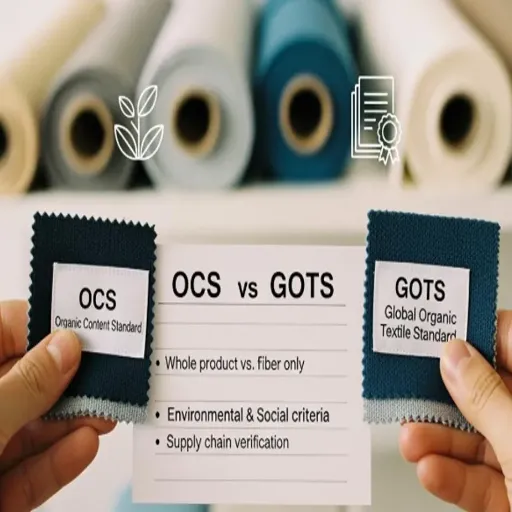
Certifications separate genuine organic cotton yarns from greenwashing. Three standards matter most for B2B buyers.
GOTS: The Gold Standard
The Global Organic Textile Standard (GOTS) is the most comprehensive certification for organic textiles. It covers the entire supply chain from raw fiber to finished yarn, including environmental and social criteria.
To carry the GOTS “Organic” label, a product must contain at least 95% certified organic fibers. The “Made with Organic” label requires 70% organic content. GOTS also mandates ILO-based social compliance: no forced labor, no child labor, safe working conditions, and living wages.
For buyers, the critical verification tool is the Transaction Certificate (TC). Every shipment of GOTS-certified yarn should arrive with a TC issued by an accredited certifier. You can verify the supplier’s certification status through the public database at global-standard.org.
OCS: Content Verification Only
The Organic Content Standard (OCS) tracks organic material through the supply chain. It verifies that the claimed percentage of organic fiber is present in the final product. Unlike GOTS, OCS does not impose environmental processing standards or social compliance requirements.
OCS certification costs less than GOTS. It works well for blended materials where GOTS thresholds are difficult to meet. However, buyers who want full environmental and social assurance should insist on GOTS.
OEKO-TEX Standard 100
OEKO-TEX tests finished textiles for harmful substances. Class 1 certification, the strictest level, is safe for baby products. While OEKO-TEX does not certify organic farming, it complements GOTS by adding a chemical safety layer. Many premium buyers require both GOTS and OEKO-TEX Class 1.
How to Spot Fake Certifications
Red flags include suppliers who cannot provide a Transaction Certificate, offer certificates with expired dates, or show scope certificates that do not cover yarn spinning. Always verify certificates independently through the certifying body’s database. Never accept verbal assurances or photocopied documents without validation.
Applications Across Industries
Organic cotton yarns serve diverse markets. The right specification depends entirely on the end use.
Fashion and Apparel
Apparel remains the largest market for organic cotton yarns. Babywear and children’s clothing demand the strictest certifications, typically GOTS plus OEKO-TEX Class 1. Intimate apparel benefits from the hypoallergenic properties and soft hand-feel of ring-spun organic cotton. Activewear brands increasingly blend organic cotton with TENCEL or recycled polyester to improve moisture management while maintaining sustainability credentials.
Yarn counts for apparel generally range from Ne 20s to Ne 40s. Single-ply constructions create lightweight fabrics. Two-ply or three-ply yarns add durability for outerwear and heavier garments.
Home Textiles and Upholstery
Upholstery and curtain manufacturers face a unique challenge. They need yarns that look refined under close inspection but withstand years of abrasion, sunlight, and cleaning. Compact-spun organic cotton yarns excel here because their reduced hairiness creates smooth fabric surfaces that resist pilling.
For upholstery applications, Ne 10s to Ne 20s yarns provide the bulk and strength needed for furniture fabrics. Blending organic cotton with a small percentage of linen adds texture and crispness. Blending with recycled polyester improves stain resistance and dimensional stability.
When James Okonkwo expanded his Lagos-based home textile factory in 2023, he needed a yarn that could survive West African humidity and frequent washing. He tested three organic cotton yarns from different suppliers. Only the compact-spun Ne 16s yarn from a GOTS-certified Hebei mill maintained its tensile strength after 50 simulated wash cycles. James now sources exclusively from that supplier and has reduced his customer return rate by 18%.
Industrial and Technical Textiles
Industrial applications prioritize strength and consistency over softness. Open-end spun organic cotton yarns at Ne 6s to Ne 12s provide economical bulk for padding, interlining, and non-visible textile components. Automotive interior manufacturers use organic cotton for headliners and seat backing where natural fiber content improves cabin air quality.
Emerging Applications
Regenerative cotton programs are expanding the definition of sustainable fiber. “Cotton in conversion” supports farmers transitioning to organic practices. Blockchain traceability systems now allow brands to show consumers the exact farm where their cotton was grown. These innovations will reshape sourcing decisions over the next five years. Want to see how organic cotton yarns perform in your application? Explore our customizable yarn specifications and request a free sample →
Technical Specifications: What B2B Buyers Need to Know
Ordering organic cotton yarn without understanding the technical specifications is like ordering steel without specifying the alloy. Here is what matters.
Yarn Count Systems
Yarn count describes the fineness or thickness of yarn. Four systems are commonly used:
Ne (English count): The number of 840-yard hanks per pound. Higher numbers mean finer yarn. Organic cotton apparel typically uses Ne 20s to Ne 40s. Upholstery uses Ne 10s to Ne 20s. Industrial applications may use Ne 6s or lower.
Nm (Metric count): The number of 1,000-meter hanks per kilogram. Common in European markets.
Tex: The weight in grams of 1,000 meters of yarn. Lower tex values indicate finer yarn.
Denier: The weight in grams of 9,000 meters. Used primarily for filament yarns rather than spun cotton.
When requesting quotes, always specify the count system your factory uses. Miscommunication here causes expensive mistakes.
Spinning Method Selection
Your application determines the best spinning method. Ring spinning creates premium yarns for fashion. Compact spinning minimizes pilling for upholstery and home textiles. Open-end spinning offers the lowest cost for industrial and disposable applications.
Quality Testing Standards
Reputable mills test yarn using standardized protocols. Uster evenness testing measures variation in yarn mass per unit length. Tensile testing determines breaking strength and elongation. Twist testing verifies that the yarn has enough twist to hold together during weaving or knitting but not so much that it kinks or curls.
Acceptable Quality Levels (AQL) define how many defects are permissible in a shipment. For premium apparel yarn, AQL 1.0 is standard. For industrial applications, AQL 2.5 may be acceptable. Always agree on testing standards and acceptance criteria before placing a bulk order.
Customization Options
One of the biggest advantages of working directly with a spinning mill is customization. At Hebei Lida Textile Co., LTD, we regularly produce organic cotton yarns with the following custom specifications:
- Yarn count: Ne 6s through Ne 80s in single or multi-ply constructions
- Blending: Organic cotton with TENCEL, hemp, bamboo, linen, or recycled polyester
- Dyeing: Custom colors matched to Pantone references, low-impact dyes, natural dyes
- Finishing: Mercerization for increased luster and strength, softening treatments, anti-microbial finishes
- Packaging: Custom cone sizes, private-label tags, export-compliant palletization
When Priya Sharma developed her sustainable fashion line in Mumbai, she could not find a standard yarn that matched her vision. She needed a two-ply Ne 30s organic cotton yarn blended with 20% hemp, dyed to a specific sage green, and delivered on cones compatible with her Japanese knitting machines. Standard suppliers quoted twelve-week lead times. Hebei Lida delivered custom samples in three weeks and bulk production in eight weeks. Priya’s collection launched on schedule and won a regional sustainability award.
Need a custom organic cotton yarn specification? Contact our team for a tailored quote and sample →
How to Choose an Organic Cotton Yarn Supplier: A Buyer’s Checklist
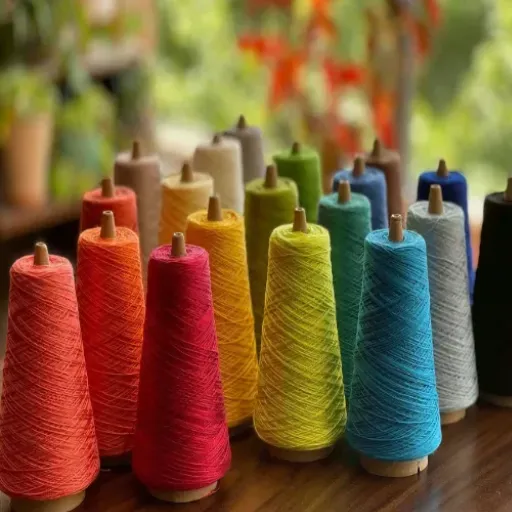
The supplier you choose determines whether your organic cotton yarn delivers the quality, consistency, and traceability your customers expect. Use this checklist to evaluate potential partners.
Certification Verification
Request the supplier’s GOTS Scope Certificate and verify it through the official database. For every shipment, demand a Transaction Certificate. Check that the certificate covers the specific products you are ordering, not just the supplier’s general operations.
Production Capacity and Lead Times
Ask about minimum order quantities (MOQs) and typical lead times. Large integrated mills may require 3,000 to 5,000 kilograms per order. Specialized organic mills might offer 500-kilogram minimums. Lead times for organic cotton yarns typically run 30 to 45 days, longer than conventional yarn because of certification documentation and smaller batch sizes.
Quality Consistency
Request third-party lab reports from recent production batches. Look for Uster test data, tensile strength results, and evenness measurements. If possible, visit the factory or arrange a third-party audit. Consistent quality matters more than occasional excellence.
Communication and Support
Evaluate response times during the inquiry phase. Slow communication during sampling predicts frustration during production. A reliable supplier provides weekly production updates, pre-shipment inspection reports, and clear documentation for customs and import procedures.
Pricing and Contract Terms
Organic cotton yarns typically cost 15% to 25% more than conventional yarns. GOTS-certified products may range 20% to 80% above conventional alternatives depending on the count, spinning method, and order volume. Negotiate clear terms for payment, shipping (FOB, CIF, or DDP), and defect claims before issuing a purchase order.
Red Flags to Avoid
- Prices significantly below market rates suggest mislabeled conventional cotton or substandard quality.
- Suppliers who cannot provide Transaction Certificates may lack valid certification.
- Vague answers about fiber origin indicate weak traceability and potential greenwashing.
- No third-party testing reports mean unverified quality claims.
- Cross-contamination risk increases when a mill processes both conventional and organic cotton on shared equipment without proper cleaning protocols.
The Future of Organic Cotton Yarns
The organic cotton yarn market is evolving rapidly. Three trends will shape sourcing decisions over the next decade.
Regenerative Agriculture
Regenerative cotton goes beyond organic by actively rebuilding soil health and sequestering carbon. Programs like the Regenerative Organic Certified (ROC) standard integrate organic practices with soil conservation and animal welfare. Major brands are already piloting regenerative cotton supply chains.
Traceability Technology
Blockchain and QR-code systems now enable farm-to-finished-product traceability. Consumers can scan a garment tag and see exactly where the cotton was grown, ginned, and spun. For B2B buyers, this technology simplifies compliance documentation and strengthens brand storytelling.
Blended Innovations
Pure organic cotton is not always the best technical solution. Blends with TENCEL improve drape and moisture management. Blends with hemp add strength and reduce environmental impact further. Blends with recycled polyester create performance fabrics for activewear and outdoor applications. Expect to see more hybrid yarns that balance sustainability with functional performance.
Industry analysts project that organic and sustainable cotton could capture 12% to 15% of global cotton market share by 2030, up from roughly 1% to 2% today. Early adopters in the B2B supply chain will benefit from established supplier relationships and proven product lines as demand accelerates.
Conclusion
Organic cotton yarns offer B2B buyers a proven path to meet consumer demand for sustainability, comply with tightening environmental regulations, and differentiate their products in competitive markets. Success depends on understanding the technical specifications, verifying certifications independently, and choosing suppliers who deliver consistent quality rather than just competitive pricing.
The key takeaways are simple. GOTS certification provides the most comprehensive assurance. Ring-spun yarns work best for apparel, while compact-spun yarns excel in upholstery. Always request Transaction Certificates and third-party test data. And do not overlook customization options that let you optimize yarn for your specific application.
At Hebei Lida Textile Co., LTD, we manufacture organic cotton yarns with counts from Ne 6s to Ne 80s, offer custom blending and dyeing, and ship GOTS-certified products to clients worldwide. Whether you need a standard specification or a custom development, our team can guide you through the selection process and deliver samples for testing.
Ready to source organic cotton yarns for your next project? Contact us today for a free sample and custom quote →