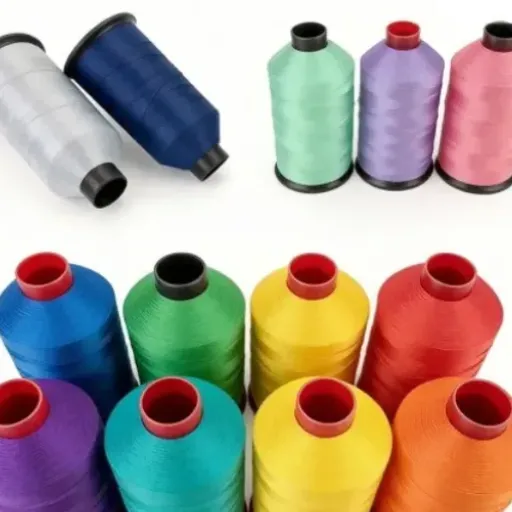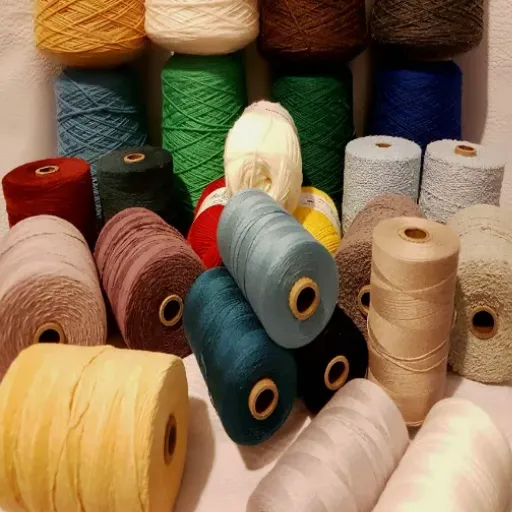




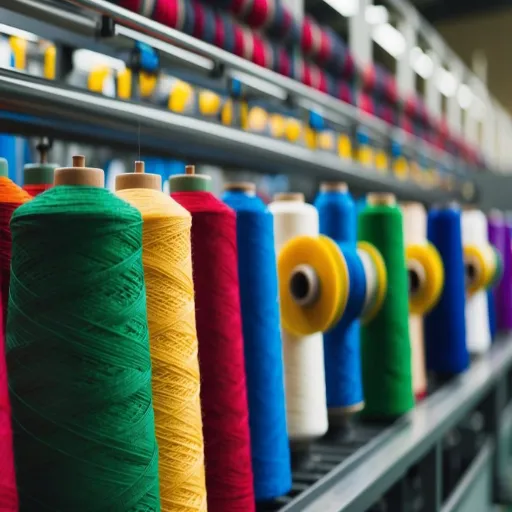
The best yarn for upholstery depends on how the furniture is used: polyester and polyester-dominant blends are the reliable pick for everyday sofas, nylon and wool-nylon blends hold up best in high-traffic commercial seating, solution-dyed acrylic or olefin is the choice for outdoor pieces, and recycled polyester delivers durable eco-friendly collections. This guide walks through every fiber family, shows how to read durability and rub-test numbers, and gives you a simple framework for choosing upholstery yarn you will not regret in five years.
Elena learned that lesson the expensive way. She ran a small home-textile studio and picked a beautiful pure-cotton weave for a client’s family room sofa because it felt soft and natural. Eight months and two kids later, the seat cushions had pilled, the fabric had thinned on the armrests, and Elena was re-covering the sofa at her own cost. The cotton was lovely. It was simply the wrong yarn for upholstery for a sofa that would be sat on every single day.
Upholstery is the hardest-working textile in any room. A sofa can be sat on thousands of times a year, soaked by spills, faded by sunlight, and scrubbed with cleaners. Every part of that performance story starts with the yarn it is woven or knitted from. Yet most of the advice online is either written for hand-weavers, buried in supplier catalogues, or hidden behind a single brand’s products. This guide is different. You will learn what upholstery demands from a yarn, how every major fiber compares, what double rubs actually mean, and how to match a yarn to your specific use case, whether that is a family sofa, a hotel lobby, a patio, or a sustainable furniture line.
Key Takeaways
- There is no single best upholstery yarn; the right choice is the one that matches traffic, environment, and budget. Polyester and polyester blends suit everyday sofas, nylon and wool-nylon suit commercial seating, solution-dyed acrylic or olefin suit outdoor use, and recycled polyester suits eco-conscious lines.
- Durability is measured in double rubs, but Wyzenbeek and Martindale are different tests with numbers that cannot be converted directly. General residential fabric starts around 15,000 to 20,000 rubs; a hardworking family sofa benefits from 30,000 or more on the scale you specify.
- Synthetics generally outlast naturals in abrasion tests, which is why polyester-dominant blends are the default for high-traffic upholstery and why pure cotton or linen should be reserved for lighter use.
- Outdoor upholstery lives or dies on UV resistance and dye method. Solution-dyed fibers hold color far longer than surface-dyed ones, and quality solution-dyed acrylic can outlast olefin in intense sun by years.
- Eco-friendly upholstery is no longer a durability compromise: recycled polyester yarns routinely clear 50,000 Martindale rubs and come with GRS and OEKO-TEX certifications that let you prove the claim.
What Is Yarn for Upholstery?
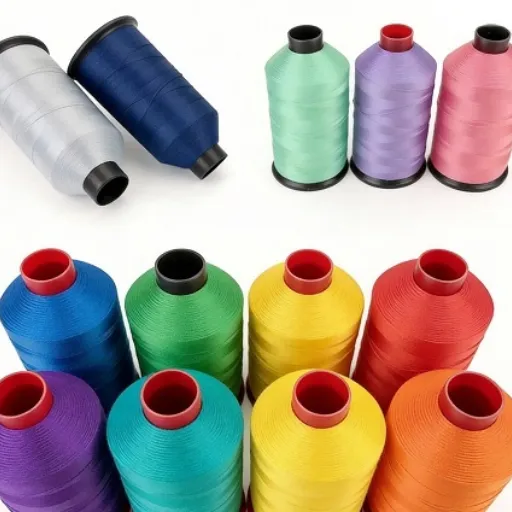
Upholstery yarn is a yarn engineered to be woven or knitted into fabric for furniture seating, cushions, and covers. Unlike apparel or knitting yarn, it must survive constant friction, body-weight pressure, sunlight, and repeated cleaning, so it is selected and tested for abrasion resistance, tensile strength, colorfastness, and shape recovery rather than softness alone.
Think of upholstery yarn as the foundation of the fabric. A weaver or knitter turns that yarn into the textile you see on a sofa, and the yarn’s fiber, thickness, twist, and color largely determine how that fabric will perform. Choose a weak or loosely spun yarn and no weave structure can save it. Choose a yarn matched to the job and the fabric has a real chance of lasting a decade.
What Makes a Yarn Suitable for Upholstery
Upholstery places five demands on a yarn that most other textiles do not:
- Abrasion resistance. Fabric rubs against clothing, bodies, pets, and itself every day. This is the single most important property and the reason rub-test numbers dominate the buying conversation.
- Tensile strength. Yarns must resist pulling and breaking under tension, especially in tightly woven or high-stress areas like armrests and cushion edges.
- Shape recovery. A sofa yarn must bounce back rather than stretch out of shape under repeated weight.
- Pilling resistance. Loose or low-twist yarns develop fuzz balls on seats, which looks worn long before the fabric actually fails.
- Colorfastness and lightfastness. Near windows and outdoors, cheaply dyed yarns fade quickly and unevenly.
Construction signals matter as much as fiber. A tighter twist produces a stronger, smoother, denser yarn that resists pilling, while a loosely spun yarn pills and sheds. Short-pile yarn constructions like quality chenille are durable when engineered correctly, even though people often mistake chenille for a fiber when it is really a yarn structure. If you want the full story on what makes upholstery yarn last, our guide to upholstery yarn durability goes deeper into each property.
Types of Yarn for Upholstery: Synthetic vs. Natural Fibers
Every upholstery fiber falls into one of two families, and each has a clear personality. Synthetics dominate because they outlast naturals in the abrasion tests that matter, while naturals earn their place on hand feel, breathability, and aesthetics.
| Fiber | Durability | Cleanability | UV / Outdoor | Hand feel | Cost | Best use |
|---|---|---|---|---|---|---|
| Polyester | High | Excellent | Good when solution-dyed | Smooth, versatile | Low to mid | Everyday sofas, family rooms, blends |
| Nylon (polyamide) | Very high | Excellent | Fair to good | Can feel slick | Mid | Commercial, high-traffic, blends |
| Olefin (polypropylene) | High | Excellent (inherently stain-resistant) | Fair (degrades in intense sun) | Wool-like | Low | Indoor-outdoor, budget commercial |
| Acrylic | Moderate to high | Good | Excellent when solution-dyed | Warm, wool-like | Low to mid | Outdoor, wool alternatives |
| Wool | High | Requires care | Poor to fair (can yellow/fade) | Premium, resilient | High | Premium residential, contract blends |
| Cotton | Moderate | Requires care, stains easily | Poor | Soft, breathable | Low to mid | Low-traffic, natural aesthetic |
| Linen | Moderate | Requires care | Fair | Crisp, textured | Mid to high | Formal, low-traffic rooms |
A quick rule of thumb: for a hardworking sofa, choose a synthetic or a synthetic-dominant blend. For an accent chair or formal living room, a natural fiber can be perfect. If you are still weighing options, the best yarn for upholstery guide lays out a full decision framework.
Polyester Yarn for Upholstery: The Workhorse
Polyester is the default for a reason. In abrasion tests, polyester is repeatedly shown to be among the most abrasion-resistant fibers; it resists staining and fading, cleans easily, and stays affordable. It also does not absorb moisture the way naturals do, which means spills sit on the surface and can be wiped away, and it resists mold and mildew.
You will meet polyester in several forms. Polyester chenille delivers a soft, plush surface while still rating 20,000 to 50,000 double rubs when built with a short, tight pile. Higher-denier polyester threads give the strength commercial seating demands. Blending polyester with cotton or nylon softens the hand feel while keeping most of the durability. If you want the detailed case for this fiber, read our piece on polyester yarn for upholstery.
Nylon Yarn for Upholstery: The Commercial Choice
Nylon is the toughest common upholstery fiber. Its abrasion resistance and elasticity recovery make it ideal for stress points such as seat cushion edges and armrests, which is why premium fabrics often blend 5% to 20% nylon into wool or polyester to improve resilience. Pure nylon can feel slippery and is rarely used on its own, but as a blend component it is one of the best durability upgrades money can buy.
Olefin and Acrylic: Value and Outdoor Specialists
Olefin, or polypropylene, is inherently stain-resistant and hydrophobic, which makes it a smart budget pick for commercial settings, indoor-outdoor spaces, and casual furniture. Its main weakness is sunlight, where UV stabilizers deplete over time and the fiber can degrade more quickly than solution-dyed acrylic.
Acrylic mimics the warmth of wool while resisting sun and moisture far better. When it is solution-dyed, meaning the color is added before the fiber is formed rather than painted on afterward, it becomes one of the best outdoor upholstery choices available.
Wool, Cotton, and Linen: When to Choose Natural
Natural fibers bring beauty that synthetics struggle to match, but they ask more of you in return. Wool is resilient, naturally flame-resistant, and resists wrinkling, which makes it a premium upholstery fiber, especially when blended with nylon or polyamide. It needs a tight twist and careful cleaning, and it dislikes humidity.
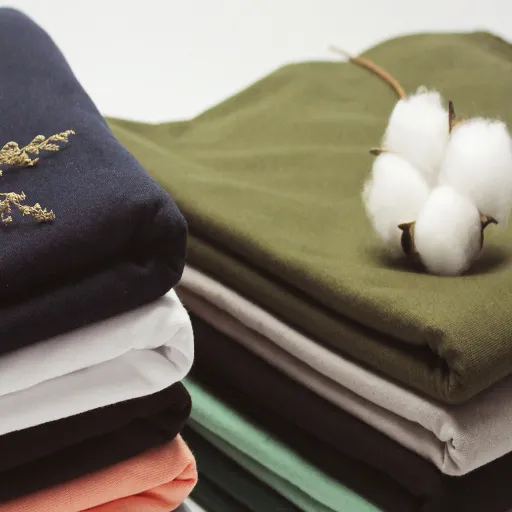
Cotton is soft, breathable, and inexpensive, but it stains easily, wrinkles, and wears faster than synthetics. Linen looks crisp and elegant but creases and suits formal, low-traffic rooms more than a busy family sofa. The honest guidance is to use naturals where they shine and let blends carry the heavy lifting, which is exactly what most commercial upholstery brands do. Source high-quality furniture upholstery yarn from Hebei Lida Textile Co., LTD.
What Is the Best Yarn for Upholstery? Match It to the Use
Ask ten people for the best upholstery yarn and you will get ten answers, because there is no universal winner. There is only the right yarn for the use. Work through the piece’s environment first, then its traffic level, then your budget, and the fiber decision becomes clear.
Family Sofa and High-Traffic Home
For a sofa used daily by a family, choose polyester or a polyester-dominant blend, with nylon added for resilience if the budget allows. Look for a rub rating in the higher residential range, ideally 30,000 or more on the scale you specify, and a tight, pill-resistant construction. This is exactly the scenario where Elena’s pure cotton let her down.
Commercial, Contract, and Hospitality
Contract furniture faces constant use, heavier cleaning, and often flammability rules. Specifiers typically ask for heavy-denier polyester, nylon, or wool-nylon at contract rub levels, with flame-retardant treatments where required. The Association for Contract Textiles publishes performance guidelines that most contract buyers use as their baseline.
Consider Marcus, who manages purchasing for a mid-size hotel group. When he re-upholstered the lobby of a 200-room property, he rejected a lovely wool-blend fabric that only reached 20,000 Wyzenbeek double rubs, because his chairs would see continuous traffic from guests, luggage, and cleaning staff. He specified a nylon-reinforced blend rated at 30,000 double rubs instead, plus a flame-retardant finish to satisfy local codes. The extra cost was small compared with the cost of re-covering lobby seating every two years.
Outdoor and Patio Furniture
Outdoor upholstery lives or dies on UV resistance and water behavior. Solution-dyed acrylic is the premium answer: the color runs through the entire fiber, so it resists fading for years, and quality versions are bleach-cleanable. Olefin is a strong budget value with excellent water and stain resistance, but in intense sun it typically lasts a shorter time than solution-dyed acrylic. Choose based on how much sun the piece really sees. Our outdoor upholstery yarn guide covers this decision in depth.
Premium Residential and Décor
For formal living rooms, accent chairs, and headboards where traffic is light, wool, wool blends, linen, and even silk earn their keep. You are paying for hand feel and presence, and with lower wear, the natural fibers’ care demands are far less painful.
Eco-Conscious Collections
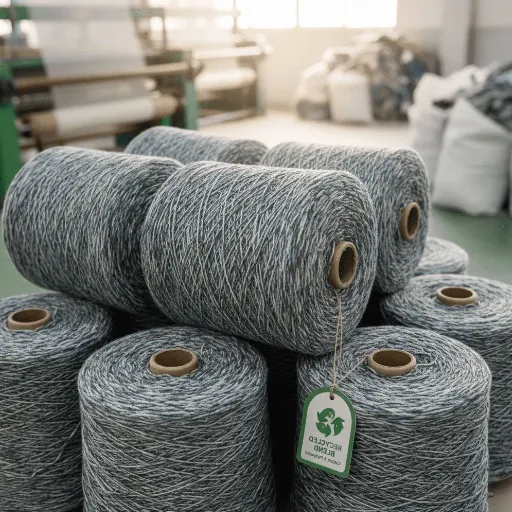
If sustainability is the priority, recycled polyester is the leading answer. Performance fabrics woven from recycled PET routinely clear 50,000 Martindale rubs, and GRS and OEKO-TEX certifications let you verify both the recycled content and the health safety of the finished yarn. Recycled synthetics still make up only a small share of total polyester production, so choosing them genuinely stands out. We cover the certifications and options in our guide to eco-friendly upholstery yarn.
Want to see how a specific fiber performs on your own furniture line? Explore our custom yarn solutions and our team can walk you through the trade-offs with sample cones.
Upholstery Yarn Durability: Double Rubs, Wyzenbeek, and Martindale
Every serious upholstery conversation eventually lands on double rubs, and it is worth understanding what the number does and does not tell you. A rub test measures how many times a fabric can be rubbed against a standard surface before it shows visible wear, such as two broken yarns, a hole, or obvious pilling. It does not measure strength, soiling, lightfastness, or cleanability, all of which also decide how long a sofa actually lasts.
There are two main tests, and they are not interchangeable. The Wyzenbeek test, standard in the United States, rubs fabric back and forth and reports double rubs. The Martindale test, standard in Europe and much of the world, rubs fabric in a figure-of-eight pattern and reports cycles. A single fabric can score very differently on each, so always confirm which standard a number refers to. You can read the technical mechanics from Testex and American Leather if you want the details.
How Many Double Rubs Do You Need?
The table below gives practical benchmarks. They are general guidance, because thresholds vary by country, source, and which test you are reading.
| Use | Wyzenbeek (double rubs) | Martindale (cycles) |
|---|---|---|
| Decorative / occasional (throws, accent) | Under 10,000 | Under 10,000 |
| Light residential (occasional chairs) | 10,000 to 15,000 | 15,000 |
| General residential (daily sofa) | 15,000 to 30,000 | 20,000 to 30,000 |
| Heavy residential (family, kids, pets) | 30,000+ | 30,000+ |
| General commercial / hospitality | 15,000+ | 20,000+ |
| Heavy commercial / public seating | 30,000+ | 40,000+ |
A useful mental model: a rating of about 15,000 double rubs roughly equals a sofa used a few times a day for a decade. Above roughly 100,000 rubs, cleaning and care influence how long furniture looks good more than the rub number itself does. If you are specifying a commercial space, the upholstery yarn testing standards guide explains ACT thresholds and how to read a lab report.
Outdoor and Performance Yarn for Upholstery
Outdoor seating is where most upholstery mistakes happen, because indoor rules do not apply. Sunlight is the biggest killer. UV radiation breaks down both the fiber and the dye, which is why cheap outdoor fabric fades and turns chalky within a season or two.
The solution is dye method as much as fiber. Solution dyeing adds pigment to the liquid polymer before the fiber is formed, so color is locked through the whole yarn rather than sitting on the surface. Solution-dyed acrylic is the benchmark, with Sunbrella as the best-known example. Its fibers are rated for thousands of light hours and can often be cleaned with diluted bleach without losing color. Olefin is hydrophobic and stain-resistant, making it a value pick, but in intense year-round sun it typically lasts a shorter time than solution-dyed acrylic, often several years less. For shaded patios and seasonal use, olefin is fine. For full-sun coastal or desert settings, solution-dyed acrylic is worth the premium.
Water behavior matters too. Outdoor yarns should dry quickly, resist mildew, and handle cleaning with outdoor-specific products. If you are building an outdoor line, our outdoor upholstery yarn guide compares the options fiber by fiber.
Eco-Friendly and Recycled Yarn for Upholstery
Sustainability in upholstery has shifted from a niche premium to an industry baseline. Furniture brands now ask for recycled content the way they once asked for stain resistance, and the yarn industry has answered.
Recycled polyester, often called rPET, is the workhorse of sustainable upholstery. It is spun from post-consumer bottles and post-industrial textile waste, and it no longer means a durability compromise. Recycled-polyester performance fabrics routinely clear 50,000 Martindale rubs, matching or beating legacy blends. Certifications matter here. The Global Recycled Standard, or GRS, verifies recycled content and traceability, while OEKO-TEX certifies that the finished yarn is free from harmful substances. Together they let you make a specific, provable sustainability claim instead of a vague one.
The numbers behind the shift are real. Recycled synthetics still account for only a small slice of total polyester production, so choosing them moves the market, and large manufacturers have already shown the impact is scalable, with some cutting material-level carbon by half after switching most of their polyester to recycled fiber. Whether you are a boutique brand or a contract manufacturer, an eco-friendly upholstery yarn can carry both your durability and your sustainability story.
How to Turn a Yarn Choice Into a Specification
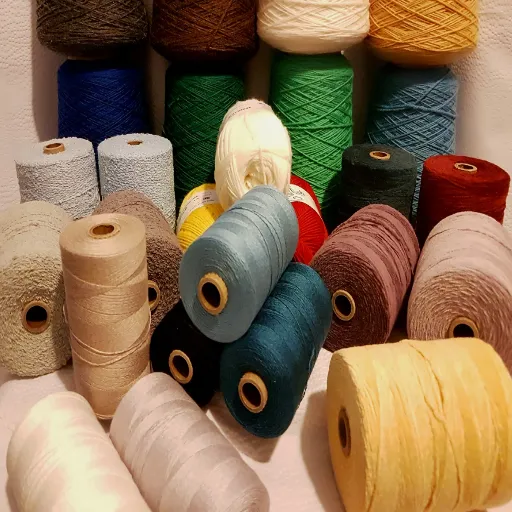
Once you have chosen the fiber family, the next step is turning that choice into something a mill can actually produce. This is where buyers and suppliers miscommunicate, usually because the buyer describes a feeling while the mill needs numbers.
Start from the application and work backward. Ask what traffic the piece will see, where it will live, and what regulations apply. Then pick the fiber and blend. Then set the durability and color targets. Then choose the dye method and any performance finish. Finally, request samples and a test report before you commit to bulk.
Thickness is expressed in denier, and it gives you a useful planning range. For woven upholstery, roughly 2,000 to 3,500 denier suits medium-weight pieces such as dining chairs and headboards, 3,500 to 5,000 denier suits standard residential sofas and sectionals, and 5,000 to 9,000 denier suits heavy commercial and contract furniture. Twist is expressed in turns per meter, and a higher twist generally means a stronger, more pill-resistant yarn. When you talk to a supplier, ask for a hand-feel card, a lab dip for color, and data on abrasion, colorfastness, and lightfastness.
Let us imagine a real order. A furniture brand wants an eco-friendly line of accent chairs. Its spec might read: recycled polyester, solution-dyed, roughly 4,500 denier, high twist, targeted to 40,000 Martindale cycles, GRS and OEKO-TEX certified, colorfast to a thousand light hours. Every field answers a question: the recycled polyester answers sustainability, the solution dyeing answers sun exposure, the denier and twist answer durability, and the certifications prove the claims. That is how a yarn choice becomes a specification anyone can quote. To understand the production behind that spec, see our guide to custom yarn manufacturing, or if you want to color-match and engineer your own upholstery yarn, start with custom yarn for upholstery.
How to Choose Yarn for Upholstery: A Five-Step Checklist
Use this checklist the next time you specify upholstery yarn, and you will avoid the mistakes that lead to re-covering furniture a few years early.
- Match traffic and environment first. A daily-use family sofa, a hotel lobby, a sunny patio, and a formal parlor chair each point to a different fiber.
- Choose the fiber or blend. Reach for synthetics or synthetic-dominant blends for hard wear, wool for premium feel, solution-dyed fibers for sun, and recycled polyester for sustainability.
- Set durability and color targets. Decide the double-rub rating and colorfastness you need before you shop, not after.
- Confirm dye method and finishes. Solution dyeing for outdoor, package or yarn dyeing for indoor consistency, and flame-retardant or stain-resistant finishes where required.
- Sample and test before committing. Order hand-feel cards, lab dips, and woven swatches, and ask for abrasion and colorfastness data on your exact construction.
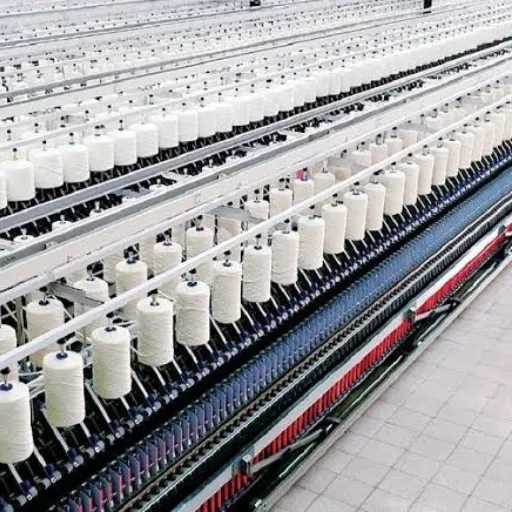
See how upholstery yarn is engineered on a production line, from raw fiber through spinning and twisting, in the video above. It is a helpful reminder that the durability you sit on begins long before the fabric is woven. Talk to Hebei Lida Textile Co., LTD about your upholstery yarn needs.
Frequently Asked Questions About Yarn for Upholstery
What is the best yarn for upholstery?
The best upholstery yarn depends on the use. Polyester and polyester-dominant blends suit everyday sofas, nylon and wool-nylon suit commercial seating, solution-dyed acrylic or olefin suit outdoor furniture, and recycled polyester suits eco-conscious lines. Match the fiber to traffic, environment, and budget.
Is polyester or cotton better for a sofa?
For a sofa that sees daily use, polyester is the better choice. It scores higher in abrasion tests, resists stains and fading, and cleans easily. Cotton is softer and more breathable but wears faster and stains more readily, so it suits lighter use or blends with polyester.
How many double rubs do I need for upholstery?
For general residential use, aim for roughly 15,000 to 20,000 rubs at minimum. A family sofa used every day benefits from 30,000 or more. Commercial and hospitality seating typically requires 30,000 to 40,000 or higher. Always confirm whether the number is Wyzenbeek double rubs or Martindale cycles, because the tests are not interchangeable.
What is the difference between Martindale and Wyzenbeek?
Wyzenbeek, common in the United States, rubs fabric back and forth and reports double rubs. Martindale, common in Europe, rubs fabric in a figure-of-eight pattern and reports cycles. They use different motions and abradants, so a result on one test cannot be converted to the other.
Can you use cotton yarn for upholstery?
Yes, but with limits. Cotton is soft, breathable, and attractive, yet it stains, wrinkles, and wears faster than synthetics. Use it for low-traffic or formal pieces, or choose a cotton-polyester blend for a hardworking sofa.
Is acrylic yarn good for upholstery?
Acrylic can be excellent for upholstery when it is solution-dyed, which makes it one of the best outdoor options because the color runs through the fiber and resists fading. Budget acrylic in loosely woven fabrics is less durable, so check the construction and rub rating.
Is recycled polyester durable enough for upholstery?
Yes. Recycled-polyester upholstery yarns routinely clear 50,000 Martindale rubs and come with GRS and OEKO-TEX certifications. Durability is no longer the reason to avoid sustainable upholstery.
Choose the Right Yarn for Your Next Furniture Project
Upholstery is the hardest-working textile in the room, and the yarn underneath the fabric decides how long your furniture looks and performs. Start with the use case, not the color swatch. Choose a fiber family that matches your traffic and environment, decode the double-rub numbers so you know what you are really buying, and sample before you commit to bulk.
The key decisions to remember:
- Match fiber to traffic and environment, and let blends carry heavy loads.
- Polyester and nylon lead on durability; solution-dyed fibers lead on sun; recycled polyester leads on sustainability.
- Read rub ratings with the correct test standard, and aim high for family and commercial use.
- Specify like a professional with denier, twist, dye method, and certifications, then verify with samples and test data.
- Eco-friendly upholstery yarn can be just as durable as conventional options when you choose certified recycled materials.
Ready to source high-performance yarn for your upholstery line? Request samples and specifications from Hebei Lida, and our team will help you match the right fiber, color, and performance to your next collection.