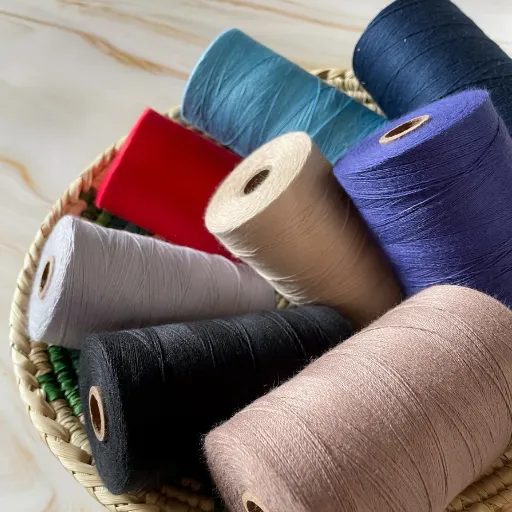
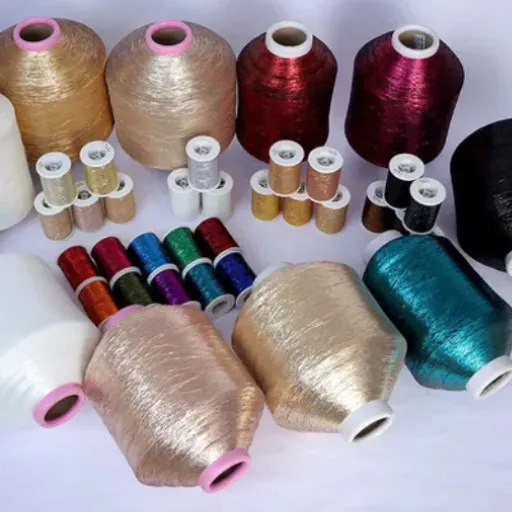
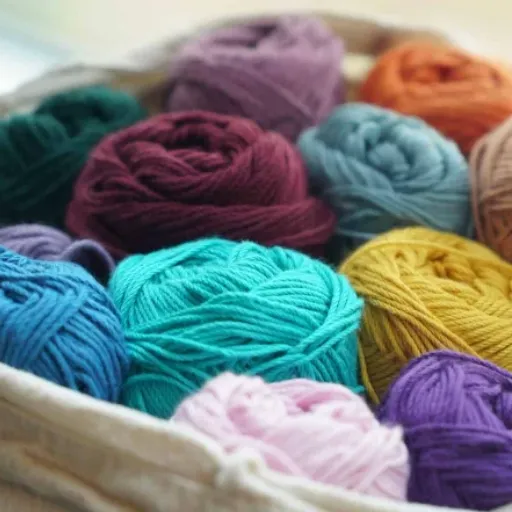

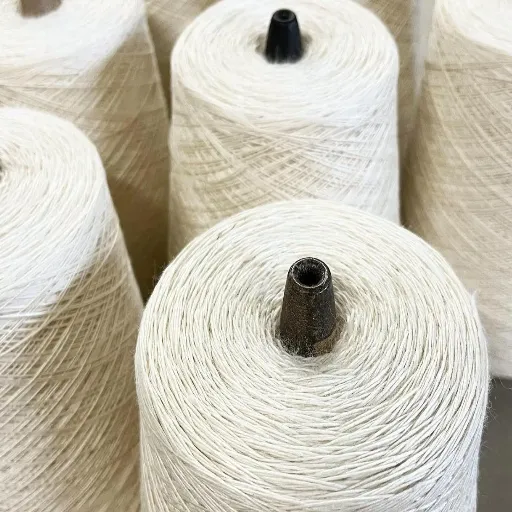


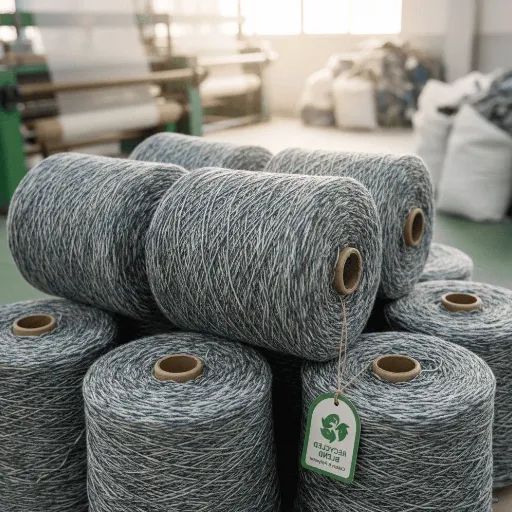
Recycled polyester yarns are textile fibers made from post-consumer plastic bottles or post-industrial polyester waste, spun into durable yarns for fashion, home textiles, and industrial applications. They offer a lower-carbon alternative to virgin polyester while delivering comparable strength, versatility, and performance.
Every year, billions of plastic bottles are diverted from landfills and oceans, not just to be remade into bottles, but into high-performance textile yarns. For brands under pressure to reduce their environmental footprint, recycled polyester yarns have become one of the most practical ways to meet sustainability goals without sacrificing durability. They offer an accessible entry point into sustainable yarns and eco-friendly yarns for fashion, home textiles, and industrial products. But not all recycled polyester yarns are equal. Buyers often face conflicting claims about sustainability, confusing certification labels, and uncertainty about whether recycled yarn will perform as well as virgin polyester.
This guide explains exactly how recycled polyester yarn is made, where it performs best, and what to look for when choosing a supplier, so you can source with confidence. If you’re comparing different eco-friendly yarn materials, blends, or applications, Hebei Lida Textile Co., LTD is here to provide reliable technical advice and product recommendations.
Key Takeaways
- Recycled polyester yarns are typically made from post-consumer PET bottles or post-industrial polyester waste, offering 30-50% lower CO₂ emissions than virgin polyester.
- The global recycled polyester market reached USD 15.52 billion in 2024 and is projected to grow to USD 26.18 billion by 2030.
- Common yarn types include POY, FDY, and DTY, each suited to different fabric structures and end uses.
- Look for certifications like GRS, OEKO-TEX Standard 100, and Bluesign to verify recycled content and chemical safety.
- The best suppliers provide traceable feedstocks, technical data sheets, and customization options for your specific application.
What Are Recycled Polyester Yarns?
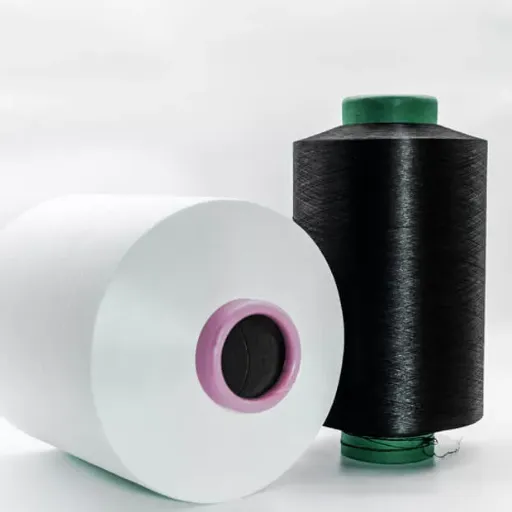
Recycled polyester yarns are spun fibers produced from recycled polyethylene terephthalate (rPET), the same polymer used in plastic bottles and polyester textiles. Instead of extracting new petroleum to create virgin polyester, manufacturers collect, clean, and reprocess existing plastic waste into chips or flakes, then melt and spin those chips into yarn.
The feedstock for these yarns usually comes from two sources:
- Post-consumer waste: Used plastic bottles, food containers, and discarded polyester garments collected through recycling programs.
- Post-industrial waste: Factory scraps, offcuts, and defective polyester products recovered before reaching consumers.
The result is a yarn that looks and performs similarly to conventional polyester but carries a significantly smaller environmental footprint. For fashion designers, home textile brands, and industrial buyers, this makes recycled polyester yarns a practical entry point into more sustainable textile production.
It helps to understand the difference between recycled polyester yarn and recycled polyester fabric. Yarn is the intermediate product used to weave, knit, or otherwise construct fabric. A finished fabric labeled “recycled polyester” may contain recycled yarn, but the yarn itself is the building block. Understanding this distinction helps buyers ask the right questions when sourcing materials. Ready to source high-performance eco-friendly yarns from an experienced manufacturer? Hebei Lida Textile Co., LTD welcomes your inquiry and looks forward to supporting your sustainable textile business.
How Recycled Polyester Yarns Are Made
The manufacturing process for recycled polyester yarns follows a clear sequence from waste collection to finished spool. Each stage of recycled polyester production affects the final quality, consistency, and environmental profile of the yarn.
Collection and Sorting
Recycling begins with collection. Post-consumer PET bottles arrive at recycling facilities mixed with other plastics, metals, and contaminants. Workers and automated systems sort the material by polymer type, color, and quality. Clear bottles are often preferred for textile-grade rPET because they produce a cleaner, more consistent chip.
Washing and Flaking
Sorted PET bottles are washed to remove labels, adhesives, residues, and dirt. The clean bottles are then shredded into small flakes. The quality of these flakes matters enormously. Contaminated or poorly washed flakes can weaken the final yarn and create defects during spinning.
Extrusion and Chip Production
Flakes are melted and extruded into small pellets or chips. At this point, some manufacturers add dyes, stabilizers, or other additives depending on the intended yarn properties. For dope-dyed recycled polyester, color is added during the chip stage rather than dyeing the yarn later, which reduces water use.
Melting and Spinning
The rPET chips are melted and forced through a spinneret, a metal plate with tiny holes, to form continuous filaments. The diameter and number of holes determine the fineness of the filament. This step is where POY, FDY, and DTY yarns begin to differentiate.
Drawing, Texturing, and Winding
Filaments are stretched to align polymer chains, which improves strength. They may then be texturized to add bulk, stretch, or softness. Finally, the yarn is wound onto cones or bobbins, ready for weaving, knitting, or downstream processing.
Mechanical vs. Chemical Recycling
Two main recycling routes exist:
- Mechanical recycling physically shreds, melts, and re-extrudes PET. It is the most common method and generally uses less energy and water.
- Chemical recycling breaks PET down into its molecular building blocks, then repolymerizes them. This method can handle more contaminated or mixed feedstocks but consumes more energy and water.
For most textile applications today, mechanical recycling dominates because of its lower cost and environmental impact. Chemical recycling is gaining attention as a pathway toward true textile-to-textile circularity.
Types of Recycled Polyester Yarn
Not all recycled polyester yarns behave the same way. The spinning and texturing process creates distinct yarn types, each with specific strengths.
POY (Partially Oriented Yarn)
POY is spun at a lower orientation level, meaning the polymer chains are less aligned. It is usually a feedstock for further processing rather than a final-use yarn. POY is often drawn and texturized into DTY before use in fabrics. If your supplier mentions POY, they are likely describing an intermediate product or a yarn destined for additional finishing.
FDY (Fully Drawn Yarn)
FDY is drawn immediately during spinning, producing a strong, smooth filament with high tenacity. It is commonly used for woven fabrics, linings, and applications requiring a sleek surface. FDY recycled polyester yarns work well for dress linings, lightweight apparel, and home textiles that need a smooth drape.
DTY (Draw Textured Yarn)
DTY is created by texturizing POY or FDY to add stretch, bulk, and softness. It is one of the most widely used forms of recycled polyester yarn, especially for knitwear, activewear, and casual apparel. DTY offers comfort and elasticity while retaining the durability of polyester.
Choosing the Right Type
The right yarn type depends on your end product. Woven upholstery and curtain fabrics often call for FDY. Stretchy sportswear and soft knitwear usually favor DTY. POY is primarily a processing input. When discussing a project with a supplier, specify the fabric construction and performance requirements so they can recommend the appropriate yarn type.
Recycled Polyester Yarn vs. Virgin Polyester: Environmental Impact
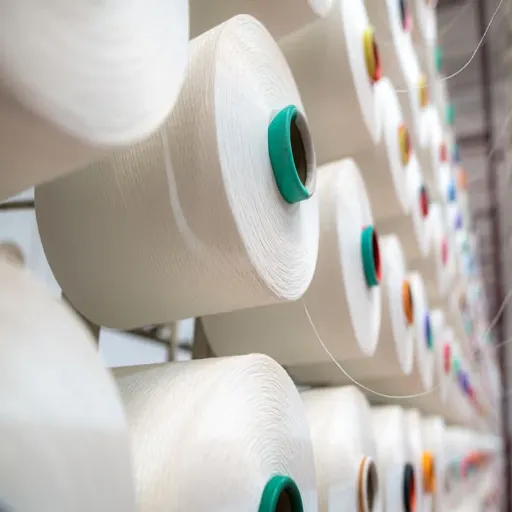
One of the most common questions buyers ask is whether recycled polyester yarn performs as well as virgin polyester. The short answer is yes, for most applications, recycled polyester matches virgin polyester in strength, durability, and colorfastness. The more important differences lie in environmental impact and sourcing.
| Factor | Virgin Polyester | Recycled Polyester |
|---|---|---|
| Raw material | Crude oil / natural gas | Post-consumer or post-industrial PET waste |
| Carbon footprint | ~5.5-6.5 kg CO₂e/kg | ~3.7 kg CO₂e/kg |
| Energy use | Higher | 40-60% lower |
| Water use | Higher | Up to 90% lower for mechanical recycling |
| Fossil resource use | High | Reduced |
| Microplastic shedding | Yes | Yes, similar rate |
| End-of-life recyclability | Low | Low, but supports circular feedstock |
Recycled polyester yarns reduce demand for virgin petroleum and divert plastic waste from landfills and oceans. However, they are not a perfect solution. Like virgin polyester, recycled polyester can shed microfibers during washing, and most rPET garments are not recycled again at end of life.
The environmental advantage is strongest when the yarn is produced through mechanical recycling using clean, traceable feedstocks. Buyers should ask suppliers about their recycling method, energy source, and certification status to understand the true impact of a specific yarn.
Applications of Recycled Polyester Yarns
Recycled polyester yarns are used across a wide range of industries. Their versatility comes from polyester’s inherent strengths: durability, moisture resistance, colorfastness, and ease of care.
Apparel and Fashion
The apparel industry is the largest consumer of recycled polyester, accounting for approximately 51% of recycled polyester revenue. Recycled polyester yarns appear in t-shirts, jackets, activewear, denim, underwear, socks, and outerwear. DTY is especially popular for stretch garments, while FDY suits smoother woven apparel.
Mini-story: When Elena, a sportswear designer in Barcelona, switched her spring collection from virgin polyester to GRS-certified recycled polyester yarn, she worried her customers would notice a difference in feel or performance. After testing samples, she found the DTY recycled yarn matched her previous material for stretch and color retention. Her collection launched on schedule, and her brand’s sustainability story helped secure two new retail partnerships.
Recycled Polyester Yarn for Home Textiles
Home textile brands use recycled polyester yarns for curtains, upholstery, bedding, cushions, and decorative fabrics. The yarn’s durability and resistance to fading make it suitable for items that see regular use and exposure to sunlight.
For buyers focused on home textiles, our guide on how to choose the right yarn for upholstery offers additional practical advice.
Outdoor and Sports Gear
Recycled polyester’s strength and moisture-wicking properties make it ideal for backpacks, tents, sleeping bags, and outdoor apparel. Many brands specifically market rPET in this category because outdoor consumers tend to value sustainability credentials.
Recycled Polyester Yarn for Industrial Use
Industrial buyers use recycled polyester yarns for seat fabrics, interior linings, safety belts, filtration fabrics, geotextiles, and conveyor belts. In these applications, consistency and technical specifications matter more than marketing appeal, so buyers should always request detailed technical data sheets.
Certifications to Look For
Certifications are one of the most reliable ways to verify that a recycled polyester yarn meets stated sustainability and safety claims. Several standards are relevant to textile buyers.
Global Recycle Standard (GRS)
GRS is the leading certification for recycled textiles. It verifies recycled content, chain of custody, environmental and social practices, and chemical restrictions. GRS requires a minimum of 20% recycled content, and products labeled “GRS certified” must maintain documentation throughout the supply chain.
OEKO-TEX Standard 100
OEKO-TEX Standard 100 tests finished textiles for harmful substances, including heavy metals, pesticides, and formaldehyde. It does not verify recycled content, but it does ensure the yarn is safe for human use. Many buyers look for both GRS and OEKO-TEX certification.
Bluesign
Bluesign restricts hazardous chemicals in manufacturing and promotes responsible use of resources. It is more focused on production chemistry than recycled content, making it a useful complement to GRS.
Recycled Claim Standard (RCS)
RCS verifies recycled content but has less stringent environmental and social requirements than GRS. It can be a good option for products where recycled content is the primary claim.
Transaction Certificates (TC)
A Transaction Certificate tracks certified material through each step of the supply chain, from recycler to spinner to finished product. When sourcing GRS-certified recycled polyester yarn, request Transaction Certificates to confirm the recycled content claim.
Benefits and Limitations
Understanding both the strengths and weaknesses of recycled polyester yarns helps buyers set realistic expectations and make informed decisions.
Benefits
- Lower environmental impact: Reduced carbon emissions, energy use, and fossil resource consumption compared to virgin polyester.
- Waste diversion: Turns post-consumer and post-industrial plastic waste into valuable textile products.
- Performance parity: Matches virgin polyester in strength, durability, and colorfastness for most applications.
- Brand alignment: Helps companies meet sustainability commitments and appeal to eco-conscious consumers.
- Versatility: Suitable for apparel, home textiles, outdoor gear, and industrial applications.
Limitations
- Microplastic shedding: Recycled polyester still releases microfibers during washing and wear.
- End-of-life challenges: Most rPET products are not recycled again after use, especially blended or multi-material garments.
- Quality consistency: Lower-grade feedstocks can produce weaker or less consistent yarn.
- Certification complexity: Not all “recycled” claims are verified; buyers must check certifications.
Mini-story: A home textile buyer named David ordered a large batch of recycled polyester yarn for a curtain line based on a supplier’s generic “eco-friendly” claim. When his team tested the yarn, they found inconsistent tenacity and color variation between batches. After switching to a GRS-certified supplier with Transaction Certificates, his quality issues disappeared. The lesson: sustainability claims need documentation, not just marketing language.
How to Choose a Recycled Polyester Yarn Supplier
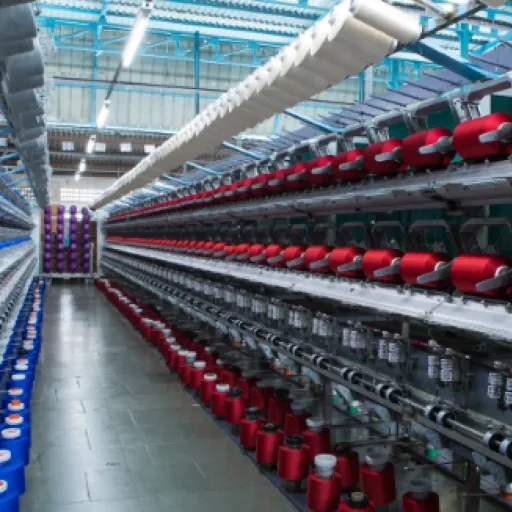
Selecting the right supplier is as important as selecting the right yarn. Here are practical criteria to evaluate potential partners.
Verify Certifications
Ask for current GRS, OEKO-TEX, or Bluesign certificates. Check that the certificates cover the specific yarn type and production facility you are buying from. Request Transaction Certificates for each order to maintain traceability.
Ask About Feedstock Traceability
Find out where the recycled material comes from. Post-consumer bottle-derived rPET is generally preferred over post-industrial scrap for sustainability storytelling, but both can be legitimate. The key is transparency.
Request Samples and Technical Data Sheets
Never commit to a large order without testing samples. Request technical data sheets that include tenacity, elongation, denier, shrinkage, and colorfastness. Compare these against your specifications before placing a bulk order.
Evaluate MOQ and Customization Options
Some suppliers specialize in large commodity volumes, while others offer smaller minimum order quantities (MOQs) and custom colors or finishes. If you need custom yarn solutions, confirm that the supplier can match your color, denier, and texturing requirements.
Ready to explore custom recycled polyester yarn for your next project? Contact Hebei Lida Textile Co., LTD to discuss your specifications, request samples, and review our certification documentation.
Market Outlook for Recycled Polyester Yarns
The recycled polyester market is expanding rapidly. According to Grand View Research, the global market reached approximately USD 15.52 billion in 2024 and is projected to grow to USD 26.18 billion by 2030, representing a compound annual growth rate of 9.25%. Asia-Pacific holds roughly 44-48% of global market share, reflecting the region’s strength in both textile manufacturing and recycling infrastructure.
However, growth is not automatic. A 2025 Textile Exchange report noted that while recycled polyester volumes increased, its overall share of the polyester market actually declined because virgin polyester production grew faster. This means brands and buyers who want to shift the industry must actively choose recycled options and demand transparency from suppliers.
For businesses, the message is clear: recycled polyester yarns are no longer a niche material. They are a mainstream option with proven demand, established supply chains, and measurable environmental benefits.
Frequently Asked Questions
What are recycled polyester yarns?
Recycled polyester yarns are textile fibers made from recycled PET plastic, usually from post-consumer bottles or post-industrial polyester waste. They are spun into yarn and used to manufacture fabrics for apparel, home textiles, outdoor gear, and industrial products.
How are recycled polyester yarns made?
The process involves collecting and sorting PET waste, washing and shredding it into flakes, melting the flakes into chips, then extruding and spinning the molten polymer into continuous filaments. The filaments are drawn, texturized, and wound onto cones for use in weaving or knitting.
Are recycled polyester yarns eco-friendly?
Recycled polyester yarns have a smaller environmental footprint than virgin polyester. They typically reduce CO₂ emissions by 30-50%, use 40-60% less energy, and divert plastic waste from landfills and oceans. However, they still shed microfibers and are rarely recycled again at end of life.
What is GRS certified recycled polyester yarn?
GRS certified recycled polyester yarn has been verified under the Global Recycle Standard. This certification confirms the recycled content, tracks the material through the supply chain, and sets requirements for environmental and social practices. GRS requires at least 20% recycled content.
What are recycled polyester yarn applications?
Recycled polyester yarn applications include apparel and fashion, home textiles such as curtains and upholstery, outdoor and sports gear, automotive interiors, and industrial textiles like filtration fabrics, geotextiles, and conveyor belts.
Conclusion
Recycled polyester yarns offer a practical path toward more sustainable textile production without sacrificing the performance that manufacturers and consumers expect. From post-consumer plastic bottles to high-performance apparel and durable home textiles, these yarns close part of the loop on plastic waste while reducing carbon emissions and energy use.
The key to sourcing recycled polyester yarns successfully lies in asking the right questions. Verify certifications, understand the recycling method, request technical data, and choose a supplier with transparent feedstock traceability. When you do, recycled polyester becomes more than a sustainability checkbox; it becomes a reliable foundation for quality products.
At Hebei Lida Textile Co., LTD, we produce high-quality recycled polyester yarns tailored to fashion, home textile, and industrial applications. Our yarns are manufactured with rigorous quality control and can be customized to meet your exact specifications. Visit Hebei Lida Textile to request samples, review certifications, or discuss your next project.