

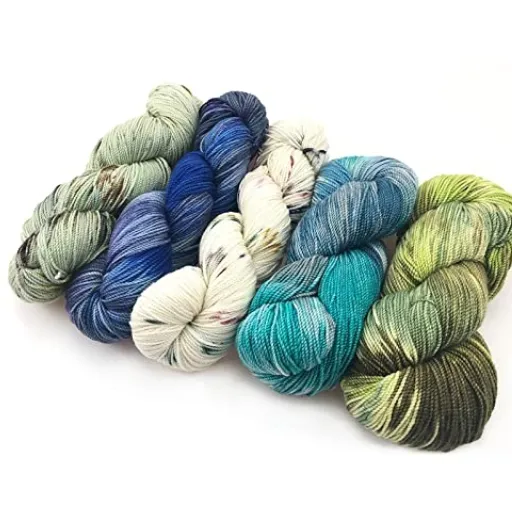
Certified sustainable yarns are textiles that have been independently verified by third-party organizations to meet strict environmental, chemical safety, or social responsibility standards. For businesses, these certifications replace guesswork with proof, turning vague “eco-friendly” claims into verifiable credentials that customers and regulators trust.
Here is the problem. Walk through any trade show or browse a supplier catalog, and you will see dozens of green labels. Some say “natural,” others promise “earth-friendly,” and a few flash proprietary logos that look official but mean nothing. For a fashion designer sourcing fabric for a spring collection, or a procurement manager vetting yarn for industrial upholstery, this noise creates real risk. Choose the wrong supplier, and your brand could face greenwashing accusations, regulatory fines, or simply a product that fails to meet your client’s standards.
You already know sustainability matters. What you need is a practical way to cut through the marketing and identify yarns that actually deliver on their promises. This guide explains the certifications that count, shows you how to verify them, and gives you a decision framework you can use immediately. Whether you source organic cotton for apparel, recycled polyester for home textiles, or blended yarns for industrial applications, you will leave with a clear action plan. Get in touch with Hebei Lida Textile Co., LTD to learn more about our recycled, eco-conscious, and sustainable yarn manufacturing capabilities.
Key Takeaways
- GOTS covers organic integrity across the entire supply chain, while OEKO-TEX tests finished products for chemical safety, and GRS verifies recycled content percentages.
- Certification-specific keywords convert 2.3 times higher than generic “eco” terms, meaning certified yarns drive measurable business results.
- Always verify claims through official databases like the GOTS public search or OEKO-TEX certificate checker.
- Asia Pacific produces nearly 70% of the world’s organic cotton, making regional supplier selection critical for cost and quality.
- Match the certification to your end use: GOTS for organic fashion, OEKO-TEX Class I for baby products, and GRS for recycled industrial yarns.
What Are Certified Sustainable Yarns?
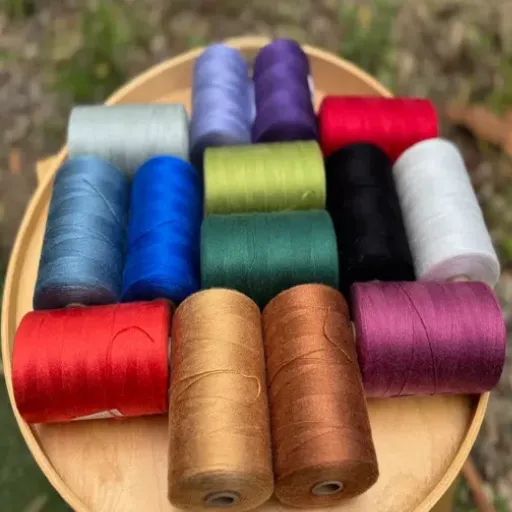
Certified sustainable yarns are fibers and finished yarns that have passed independent audits and testing against recognized third-party standards. These certifications evaluate everything from how raw materials are grown or sourced, to the chemicals used during processing, to the working conditions in manufacturing facilities. Unlike self-declared labels such as “green” or “natural,” certified yarns carry traceable license numbers you can look up in public databases.
The distinction matters because greenwashing has become a serious issue in the textile industry. A 2025 analysis of B2B platform data found that suppliers using vague environmental language without third-party proof generated significantly lower trust scores than those displaying GOTS or OEKO-TEX documentation. For buyers, uncertified claims create legal exposure, especially as regulations like the EU Green Claims Directive now mandate substantiated eco-labeling.
Third-party verification works by inserting an independent auditor between the manufacturer and the market. For example, the Global Organic Textile Standard sends inspectors to farms, processing plants, and packaging facilities. They review chemical inputs, test wastewater, and verify that organic fibers are segregated from conventional ones. The result is a license number that appears on product labels and can be confirmed online. This level of transparency is why certified sustainable yarns have become the baseline for serious buyers, not a premium upgrade.
Want to see how sustainability fits into the bigger picture of yarn selection? Read our complete guide to sustainable yarns for a broader look at eco-friendly fiber options.
The Most Important Yarn Certifications Explained
Not all certifications serve the same purpose. Some focus on organic farming, others on chemical safety, and others on recycled content. Understanding these differences prevents you from paying for a certification that does not actually address your priorities.
GOTS (Global Organic Textile Standard)
GOTS is widely considered the most comprehensive certification for organic textiles. It covers the entire supply chain, from raw material harvesting through environmentally and socially responsible manufacturing. To carry the GOTS “organic” label, a yarn must contain at least 95% certified organic fibers. A “made with organic” label requires a minimum of 70%.
The standard bans toxic inputs including azo dyes, formaldehyde, chlorine bleach, and heavy metals. It also enforces strict wastewater treatment requirements at dyeing facilities and mandates fair labor practices aligned with International Labour Organization standards. For buyers of organic cotton yarns, GOTS offers the strongest assurance that what you are buying is genuinely organic and ethically produced.
OEKO-TEX Standard 100
OEKO-TEX Standard 100 focuses exclusively on product safety. Laboratories test finished yarns for over 350 harmful substances, including pesticides, heavy metals, formaldehyde, and allergenic dyes. The certification uses a class system, with Class I representing the strictest requirements for baby articles and skin contact.
Importantly, OEKO-TEX does not require organic farming or verify environmental processing methods. A conventional polyester yarn can earn OEKO-TEX certification if it passes the chemical safety tests. This makes OEKO-TEX an excellent complement to GOTS, but not a replacement. For baby clothing, lingerie, or home textiles where skin safety is paramount, OEKO-TEX Class I provides the assurance you need.
GRS (Global Recycled Standard)
The Global Recycled Standard verifies that a product contains genuine recycled material. Administered by Textile Exchange, GRS requires a minimum of 20% recycled content to qualify, though products must contain at least 50% to use the GRS label claim. The standard also audits environmental and social criteria at each processing stage.
GRS is essential for recycled polyester yarns made from post-consumer plastic bottles, as well as recycled cotton yarns reclaimed from textile waste. In a market where some suppliers exaggerate recycled percentages, GRS transaction certificates provide a paper trail from the recycler to the finished yarn. For buyers prioritizing circular economy goals, GRS is the certification that matters most.
RWS (Responsible Wool Standard)
For wool yarns, the Responsible Wool Standard addresses animal welfare and land management. It requires farmers to meet strict criteria for sheep care, pasture management, and chain of custody documentation. While smaller in scope than GOTS, RWS has become the benchmark for brands that want to ensure their wool comes from humanely managed flocks.
How Certifications Work Together
In practice, many buyers need more than one certification. A fashion brand launching a sustainable knitwear line might choose GOTS-certified organic cotton for fiber integrity, add OEKO-TEX Standard 100 for chemical safety confirmation, and request GRS certification for any recycled polyester blends. The following table summarizes the key differences.
| Certification | Primary Focus | Organic Required | Recycled Content | Chemical Testing | Labor Standards |
|---|---|---|---|---|---|
| GOTS | Full supply chain sustainability | Yes (min. 70%) | Limited | Yes (input control) | Yes (ILO aligned) |
| OEKO-TEX Standard 100 | Finished product safety | No | No | Yes (350+ substances) | No |
| GRS | Recycled content verification | No | Yes (min. 20%) | Yes (processing) | Yes (social criteria) |
| RWS | Animal welfare and land care | N/A | N/A | No | Yes (farm level) |
For blended yarns, such as an 85% organic cotton and 15% recycled polyester blend, multiple certifications apply to different components. The organic cotton portion can be GOTS-certified, while the recycled polyester portion carries GRS verification. The final product may also undergo OEKO-TEX testing for overall chemical safety.
How to Verify Sustainable Yarn Certifications
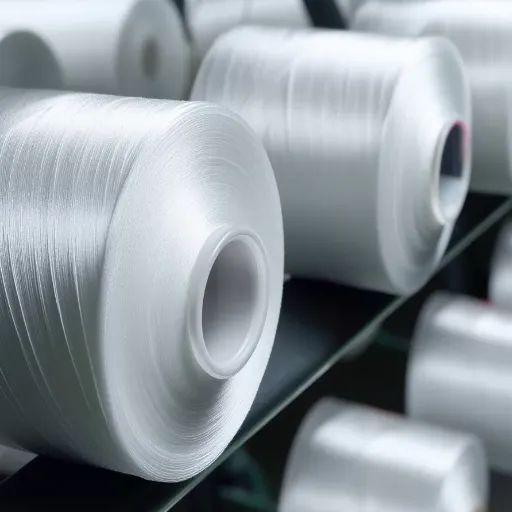
A certification is only as good as your ability to confirm it. Fortunately, every major standard provides public verification tools. Here is the exact process our procurement team recommends.
Step 1: Locate the license or certificate number. Genuine certified yarns display a license number on product labels, hang tags, or shipping documents. GOTS uses a format like “Certified by [Body] License [Number].” OEKO-TEX displays a certificate number and testing institute. GRS provides a transaction certificate for each shipment.
Step 2: Check the official database. Visit the GOTS public database, the OEKO-TEX certificate checker, or the Textile Exchange database for GRS. Enter the number exactly as it appears. If the database returns no result, the certification is either expired, fraudulent, or misrepresented.
Step 3: Request transaction certificates from your supplier. For bulk orders, reputable suppliers provide transaction certificates that trace the specific shipment back to certified production lots. This step catches situations where a supplier holds a valid company-wide certificate but ships uncertified goods.
Step 4: Read the label language carefully. Vague phrases like “eco-friendly cotton” or “made with natural materials” do not indicate certification. Look for specific claims: “GOTS Certified Organic Cotton” or “OEKO-TEX Standard 100, Class I.” Proprietary green logos without third-party backing are red flags.
Maria Chen, a senior buyer for a home textile brand based in Amsterdam, learned this the hard way. In early 2025, she received a shipment labeled “organic cotton yarn” from a new supplier. The price was 15% below her usual source, so she placed a trial order. When her retail client asked for the GOTS license number, Maria discovered the supplier had none. The yarn was conventionally grown cotton with a custom green label. She had to pull the entire production run, delaying the collection by six weeks and costing her firm the repeat order. Now she verifies every certificate before signing a purchase order, and she requires transaction certificates on all sustainable material shipments.
Benefits of Certified Sustainable Yarns for Your Business
Certifications are not just compliance checkboxes. They deliver tangible business advantages across different industries and applications.
For Fashion Designers
Consumer demand for transparency has moved from niche to mainstream. A 2025 trend analysis found that 68% of textile buyers now prioritize traceability from farm to finished product. By using certified sustainable yarns, designers can market collections with verifiable claims rather than vague promises. This access to the premium eco-conscious segment often justifies higher price points and builds long-term brand loyalty.
For Home Textile Brands
Home textiles live in close contact with consumers daily. Curtains, upholstery, and bedding made from OEKO-TEX certified yarns carry verified assurances against harmful chemical residues. For brands selling into the EU or North American markets, these certifications also simplify compliance with tightening chemical safety regulations. The result is fewer regulatory headaches and stronger consumer confidence.
For Industrial Applications
Industrial buyers often assume that sustainable means less durable. That assumption is outdated. GRS-certified recycled polyester yarns now match or exceed virgin polyester in tensile strength and abrasion resistance. For manufacturers of industrial covers, outdoor textiles, or automotive interiors, certified recycled yarns offer performance plus sustainability credentials that help win government and corporate contracts with green procurement policies.
The numbers support the shift. According to platform data from global B2B marketplaces, suppliers who upload GOTS and OEKO-TEX certificates receive 2.8 times more buyer inquiries than non-certified competitors. Certification has become a demand driver, not just a cost center.
Looking for yarns tailored to your exact specifications? Explore how our custom yarn solutions combine certified materials with fully customizable designs.
Market Trends: Why Certified Yarns Are Growing
The certified sustainable yarn market is expanding faster than the overall textile industry. Understanding these trends helps you justify investment and anticipate where demand is heading.
The organic cotton market reached 3.25billionin2026andisprojectedtogrowata403.25billionin2026andisprojectedtogrowata4050.78 billion. Asia Pacific dominates this space with nearly 70% of global production, led by India and China. For buyers, this concentration means that supplier relationships in the region offer both cost advantages and access to the largest certified fiber supply.
Recycled polyester tells a similar story. The global market stood at 16.8billionin2025andisforecasttoreach16.8billionin2025andisforecasttoreach41.6 billion by 2035, driven by a 9.5% CAGR. Major apparel brands have made public commitments to integrate recycled materials, and the EU Green Claims Directive now mandates that environmental claims be backed by verifiable evidence. Together, these forces are pushing certified recycled yarns from a specialty product into a standard procurement requirement.
For James Okonkwo, who runs a mid-sized textile trading company in Lagos, the shift became impossible to ignore. In 2024, his European buyers began requesting GRS documentation for every recycled polyester shipment. At first, he viewed it as paperwork overhead. Then he noticed that his certified product lines commanded a 12% price premium and sold out three weeks faster than uncertified alternatives. By mid-2025, he had shifted 80% of his catalog to GRS or GOTS-certified options. “My buyers stopped asking for discounts,” he said. “They started asking for more volume.” Whether you need sustainable yarns for fashion textiles, home fabrics, or industrial applications, Hebei Lida Textile Co., LTD is ready to support your business with dependable production solutions.
How to Choose the Right Certified Yarn for Your Project
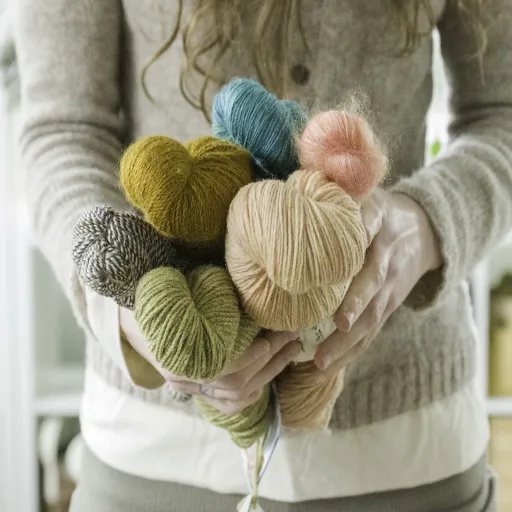
With multiple certifications and fiber types available, the final decision comes down to matching the right credential to your end use, budget, and customer expectations.
Match Certification to Application
Baby and skin-contact products: Prioritize OEKO-TEX Standard 100 Class I for the strictest chemical safety limits. Add GOTS if you also want organic fiber assurance.
Fashion and apparel: GOTS-certified organic cotton or cotton blends work best for brands marketing sustainability as a core value. For streetwear or activewear with recycled synthetic content, GRS-certified recycled polyester delivers both performance and circular economy credibility.
Home textiles: GOTS or OEKO-TEX certifications cover the durability and safety requirements most residential and hospitality clients expect. For curtains and upholstery exposed to sunlight, look for yarns that combine certification with UV-resistant treatments.
Industrial and outdoor use: GRS recycled polyester offers the strength and weather resistance these applications demand. For heavy-duty covers or marine textiles, confirm that the recycled content meets the same tensile and tear-resistance benchmarks as virgin alternatives.
Factor in Cost and Value
Certified yarns typically carry a 10% to 30% premium over conventional alternatives. However, this gap narrows when you account for reduced regulatory risk, faster buyer decision-making, and access to premium market segments. For bulk orders, many certified suppliers offer tiered pricing that brings costs closer to conventional yarn levels.
Vet Your Manufacturer
Before placing a large order, ask your yarn manufacturer these questions:
- What certifications do you currently hold, and can you provide the license numbers?
- Do you offer transaction certificates for each shipment?
- Can you produce custom blends that maintain certification integrity?
- What is your lead time for certified orders, and how does it differ from conventional production?
- Do you have experience supplying to buyers in my target market?
At Hebei Lida Textile Co., LTD, we hold certifications across GOTS, OEKO-TEX, and GRS standards, and we provide full documentation with every order. Our production facilities in Hebei Province combine certified raw material sourcing with advanced quality control, ensuring that the yarn you receive matches the certification on the label. We also offer custom yarn designs using certified fibers, so you do not have to choose between sustainability and specificity.
Frequently Asked Questions
What is the difference between GOTS and OEKO-TEX?
GOTS certifies organic fiber content and covers the entire supply chain including environmental and social standards. OEKO-TEX Standard 100 tests only the finished product for harmful chemical residues. A yarn can be OEKO-TEX certified without being organic, but GOTS-certified organic yarns often also pass OEKO-TEX testing.
How can I tell if a yarn certification is real?
Always check the license or certificate number in the official database. GOTS maintains a public search tool at global-standard.org. OEKO-TEX offers a certificate checker at oeko-tex.com. If a supplier refuses to provide a number or the database returns no match, treat the claim as unverified.
Are certified sustainable yarns more expensive?
Certified yarns usually cost 10% to 30% more than conventional alternatives due to auditing fees, organic farming premiums, and traceability systems. However, many buyers recover this cost through higher selling prices, faster sales cycles, and reduced regulatory risk.
Can recycled polyester yarn be as strong as virgin polyester?
Yes. Modern recycling processes produce GRS-certified recycled polyester yarns that meet or exceed virgin polyester in tensile strength, abrasion resistance, and colorfastness. The key is sourcing from manufacturers with rigorous quality control and valid GRS documentation.
What certification should I choose for a blended yarn?
For cotton-polyester blends, look for GOTS certification on the organic cotton component and GRS certification on the recycled polyester component. The finished product should also carry OEKO-TEX Standard 100 certification to verify overall chemical safety.
Conclusion
Certified sustainable yarns have moved from a marketing luxury to a procurement necessity. In a market flooded with unverified green claims, third-party certifications give you and your customers something concrete to trust. GOTS delivers organic integrity across the supply chain. OEKO-TEX guarantees chemical safety where it matters most. GRS ensures that recycled content claims are real and traceable.
The growth numbers tell the story clearly. With organic cotton expanding at 40% annually and recycled polyester approaching a $42 billion market by 2035, demand for verified sustainable materials is not a passing trend. It is the new baseline for competitive textile sourcing.
Your next step is simple. Audit your current yarn suppliers against the verification steps in this guide. Ask for their certification numbers, check the databases, and demand transaction certificates on every shipment. If you are ready to source certified yarns tailored to your exact project requirements, contact Hebei Lida Textile Co., LTD today. Our team will walk you through the certification options that match your application and provide samples you can verify yourself. Contact Hebei Lida Textile Co., LTD today and discover how our sustainable yarn products can add value to your textile projects while supporting a greener future.