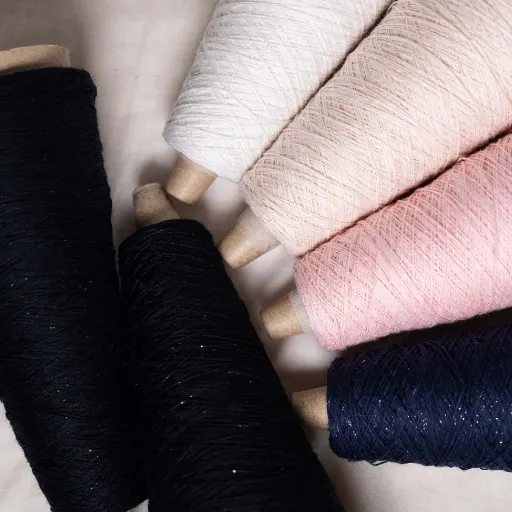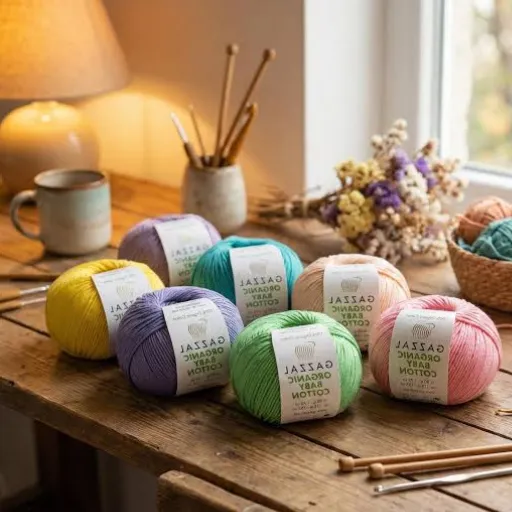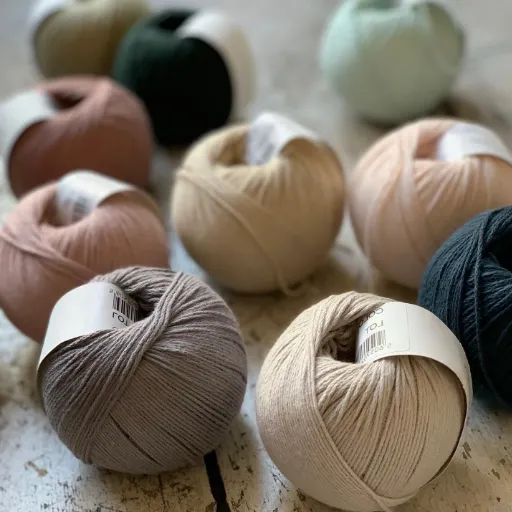
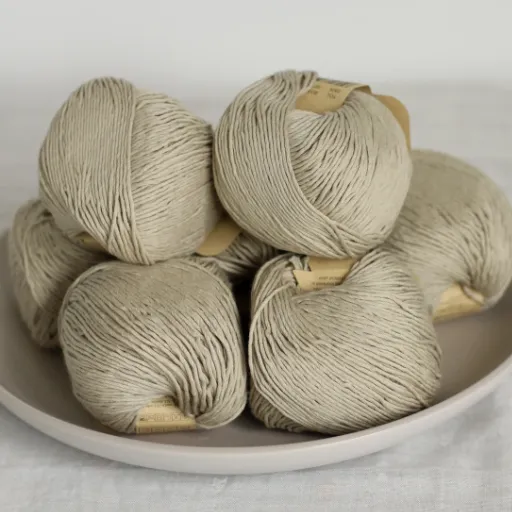
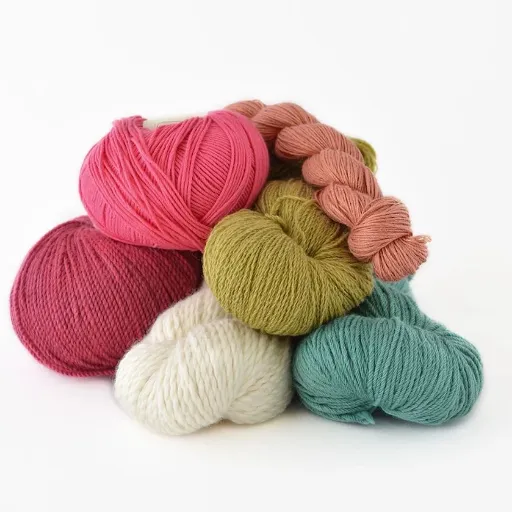
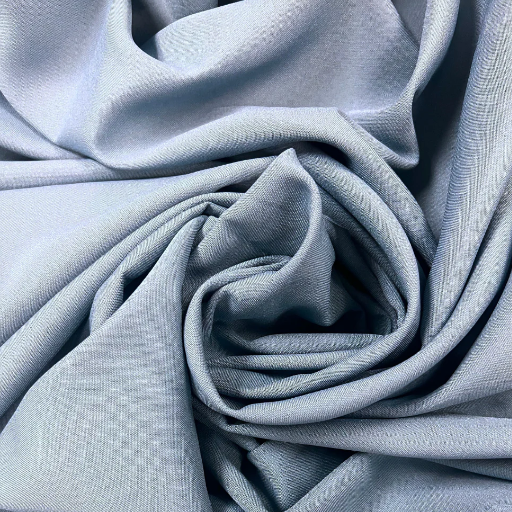
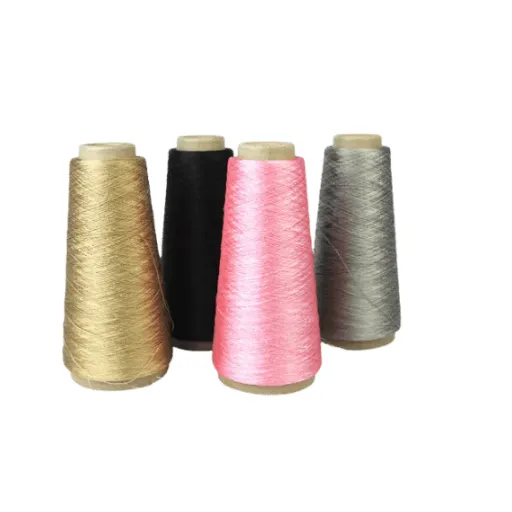
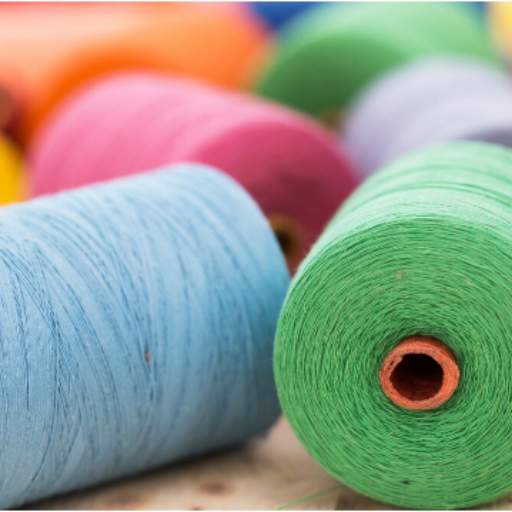


To choose eco-friendly yarns, match your sustainability priorities to your application needs, verify third-party certifications, evaluate supplier transparency, and balance cost against performance. The best choice is rarely the most expensive option. It is the fiber that meets your project’s technical requirements while delivering verifiable environmental benefits.
Here is the uncomfortable truth most buyers discover too late. The sustainable fabrics market is projected to reach $36.83 billion in 2025, growing at a 12.5% CAGR through 2035. That growth has attracted suppliers who slap “eco-friendly” labels on conventional products and hope no one checks. If you are sourcing yarn for a fashion line, home textile collection, or industrial application, you already know that choosing the wrong fiber can derail timelines, inflate costs, and damage your brand’s credibility.
You need a decision framework that cuts through the noise. This guide delivers exactly that. We will walk through six practical steps to evaluate, compare, and select eco-friendly yarns with confidence. For a comprehensive overview of fiber types and environmental impact, see our complete guide to eco-friendly yarns.
Key Takeaways
- Define your sustainability priorities first — organic, recycled, or biodegradable — before evaluating specific fibers.
- Match the yarn to your application; organic cotton excels in fashion, while recycled polyester outperforms in industrial use.
- Verify every certification through official databases like GOTS and Textile Exchange; never accept a supplier’s word alone.
- Sample test every yarn before bulk orders; certifications guarantee standards, but hand-feel and tensile strength vary by spinner.
- Budget realistically; organic cotton carries a 20-40% premium, but lifecycle durability often offsets the upfront cost.
- Plan for scaling early; confirm your supplier can handle volume growth and maintain certification across larger batches.
Step 1: Define Your Sustainability Priorities
The first mistake buyers make when choosing eco-friendly yarns is skipping this step. They jump straight to fiber comparisons without clarifying what “sustainable” actually means for their brand. That ambiguity creates confusion later.
Start by asking one question. What matters most to your customers and your values? For some brands, the priority is eliminating pesticides from agriculture. For others, it is diverting plastic waste from landfills. Some buyers care most about biodegradability at end-of-life. Each priority points to a different fiber category.
If organic agriculture is your priority, look at GOTS-certified organic cotton, linen, and hemp. These fibers grow without synthetic pesticides or GMOs. Conventional cotton uses 4.4% of global pesticides despite occupying only 2.4% of arable land. Organic cotton avoids that burden entirely.
If waste diversion is your priority, focus on GRS-certified recycled polyester (rPET), recycled cotton, and recycled wool. Each kilogram of rPET yarn diverts approximately 60 PET bottles from landfills. That is a concrete story you can share with customers.
If biodegradability is your priority, consider TENCEL, bamboo, and natural unblended fibers. These break down at end-of-life rather than persisting in the environment for decades.
Many buyers discover that a blended approach works best. A performance-focused brand might choose an organic cotton and recycled polyester blend. That delivers softness from the organic fiber and durability from the recycled content. The key is intentionality. Know your priorities before you evaluate options.
Need help defining your sustainability priorities for your next collection? Contact our team for a free consultation on fiber selection and certification roadmapping.
Step 2: Match the Yarn to Your Application
Not all eco-friendly yarns perform the same way. A GOTS-certified organic cotton that feels luxurious in a fashion garment might fail abrasion tests for upholstery. Choosing the right fiber means matching technical performance to end-use requirements.
Fashion and Apparel
Fashion designers need softness, drape, and dye compatibility. Organic cotton and TENCEL excel here. They accept low-impact dyes beautifully and feel comfortable against skin. Bamboo yarn offers natural antibacterial properties, making it ideal for activewear. For stretch requirements, recycled polyester blends with organic cotton deliver both sustainability and performance.
Home Textiles
Upholstery demands abrasion resistance and tensile strength. Hemp and recycled polyester outperform in this category. Hemp fiber is approximately 8x stronger than cotton. That strength translates to furniture that resists wear for years. For curtains and drapes, linen and TENCEL offer excellent drape and natural luster. Bedding benefits from GOTS-certified organic cotton, which avoids chemical residues that could irritate skin during sleep.
Industrial and Heavy-Duty Use
Industrial buyers often assume sustainable yarns cannot match conventional performance. That assumption is outdated. UV-resistant recycled polyester yarns now withstand thousands of hours of sun exposure. High-tenacity rPET matches virgin polyester in tensile strength. For marine and automotive applications, recycled nylon delivers corrosion resistance and durability.
Application Decision Matrix
| Application | Best Fiber Options | Key Certification | Performance Priority |
|---|---|---|---|
| Fashion | Organic cotton, TENCEL, bamboo | GOTS, OEKO-TEX | Softness, drape, dye uptake |
| Upholstery | Hemp, recycled polyester | GRS, OEKO-TEX | Abrasion resistance, tensile strength |
| Curtains | Linen, organic cotton, TENCEL | GOTS | Drape, lightfastness |
| Industrial | Recycled polyester, rPET | GRS, ISO 14001 | Tensile strength, UV resistance |
| Bedding | GOTS organic cotton, bamboo | GOTS, OEKO-TEX | Breathability, chemical safety |
When Lena, a Berlin-based fashion designer, prepared her spring 2025 collection, she initially selected a recycled polyester for its sustainability story. After sampling, she realized it lacked the drape her designs required. She switched to a GOTS-certified organic cotton with a touch of TENCEL. The fabric achieved the flowing silhouette she wanted while maintaining her collection’s environmental commitments. The lesson? Sample test for application fit before committing to bulk.
Step 3: Evaluate Certifications for Your Market
Certifications are the only reliable defense against greenwashing. Yet many buyers feel overwhelmed by the acronyms. GOTS, GRS, OEKO-TEX, Bluesign — which ones matter for your market?
Certification Quick-Reference
GOTS (Global Organic Textile Standard) is the gold standard for organic fibers. It covers everything from farming practices to finished yarn processing. A GOTS-certified yarn must contain at least 70% organic fibers. The certification also enforces social compliance and chemical restrictions.
OEKO-TEX Standard 100 tests finished textiles for harmful substances. It does not certify organic content. Instead, it guarantees chemical safety. This certification is essential for any product with direct skin contact, including baby textiles and underwear.
GRS (Global Recycled Standard) verifies recycled content and tracks chain of custody. If a supplier claims their yarn contains 50% recycled polyester, GRS is the proof. Without it, you are trusting a marketing claim.
Bluesign takes a broader approach, managing chemicals and resources across the entire production process. It is particularly valuable for technical textiles and industrial applications.
ISO 14001 indicates that a facility maintains an environmental management system. It does not certify the product itself, but it signals operational commitment to sustainability.
Market-Specific Requirements
Your target market determines which certifications you need. EU buyers must comply with REACH regulations and should prepare for Digital Product Passport requirements under the EU Textile Strategy 2030. US buyers need to follow FTC Green Guides for environmental marketing claims and may need to address California Prop 65 for certain chemicals. Global brands serving multiple markets should pursue multiple certifications to satisfy the strictest regional requirements.
How to Verify Certifications
Never accept a PDF certificate at face value. Follow this five-step verification process:
- Request the certificate number and license code from your supplier.
- Check the official database. GOTS maintains a public database at global-standard.org. OEKO-TEX offers a label checker at oeko-tex.com. Textile Exchange manages the GRS directory.
- Confirm the scope covers the specific yarn, not just the facility. A facility certification does not guarantee every product meets the standard.
- Ask for Transaction Certificates (TCs) for each shipment. These document the chain of custody.
- Verify expiration dates. Most certifications require annual renewal.
This process takes time. It also separates legitimate suppliers from those who hope you will not ask. For a deeper look at how certified yarns are produced, read our overview of sustainable yarn production methods.
Want to see how certified yarns perform in your application? Request a sample and test the hand-feel, dye compatibility, and tensile strength before placing a bulk order.
Step 4: Assess Supplier Reliability and Transparency
A certification is only as trustworthy as the supplier behind it. The best certification in the world means nothing if the supplier cannot deliver consistent quality, transparent documentation, and reliable lead times.
Red Flags: When to Walk Away
Watch for these warning signs during supplier evaluation. Vague “eco-friendly” claims without specific certification numbers should trigger immediate skepticism. Refusal to provide factory audit reports or scope certificates suggests the supplier has something to hide. Prices significantly below market rate for certified yarns often indicate corner-cutting or counterfeit documentation. Inability to explain dyeing processes, water management, or chemical usage reveals a lack of genuine environmental commitment.
Green Flags: Signs of a Trustworthy Partner
Reliable suppliers welcome scrutiny. They share certification documentation willingly and without delay. They provide sample yardage for independent testing. They offer transparent supply chain mapping that shows where raw materials originate, where processing occurs, and how finished yarns reach your facility. They maintain consistent MOQs and lead times because their operations are stable and professional.
Marcus, the procurement lead at a UK upholstery firm, learned this lesson the hard way. In 2024, he sourced what appeared to be GRS-certified recycled polyester from a new supplier at a price 30% below market rate. The certificates looked legitimate. When he independently verified the GRS license number, he discovered it had expired six months earlier. The supplier had been using outdated documentation. Marcus walked away, requested samples from three verified suppliers, and selected one with current certifications and a transparent production audit. The extra two weeks of due diligence saved his company from a costly compliance failure.
Sample Testing Before Bulk Orders
Always test before you scale. Evaluate hand-feel, color accuracy, and consistency across the sample batch. Test for shrinkage, colorfastness, and tensile strength under conditions that match your end-use. If possible, verify certification claims through independent lab testing with accredited firms like SGS or Intertek. The cost of testing one sample is negligible compared to the cost of rejecting an entire bulk shipment.
Step 5: Balance Cost, Performance, and Sustainability
Sustainable yarns carry price premiums. Smart buyers treat those premiums as investments rather than expenses. The key is understanding where the money goes and when it comes back.
Understanding the Cost Landscape
Organic cotton typically costs 20-40% more than conventional cotton. That premium reflects lower yields, more labor-intensive farming, and certification costs. Recycled polyester, by contrast, is increasingly cost-competitive with virgin polyester as collection and processing infrastructure scales. Hemp and linen carry higher raw material costs but offer exceptional durability that reduces replacement frequency over time.
When Sustainable Yarns Save Money
The total cost of ownership often favors sustainable options. Hemp lasts two to three times longer than conventional cotton in heavy-use applications. That longevity means fewer replacements, less inventory churn, and lower labor costs for reupholstering or remanufacturing. Energy and water savings in downstream processing can also reduce operational expenses. Perhaps most importantly, brands that invest in verified sustainable textiles can command premium pricing. According to industry research, 66% of consumers are willing to pay more for sustainable products.
Budgeting Framework
Match your certification level to your business size and goals. Small brands entering the sustainable market can start with OEKO-TEX certified conventional blends. This approach limits upfront cost while still meeting basic chemical safety standards. Mid-size manufacturers should target GOTS or GRS certified yarns for core product lines. The certification adds credibility that justifies moderate price increases. Large-scale operations benefit most from fully certified supply chains with custom blends. At volume, the per-unit premium shrinks, and the brand differentiation value multiplies.
For a detailed breakdown of ROI and long-term savings, see our analysis of the business benefits of sustainable yarns.
Step 6: Plan for Customization and Scaling
One of the biggest advantages of working directly with a yarn manufacturer is the ability to customize. Off-the-shelf sustainable yarns work for many applications. Custom blends and specifications work better.
Customization Opportunities
Custom colors using low-impact or natural dyes let you match brand palettes without sacrificing environmental standards. Custom blended ratios let you fine-tune performance. You might increase recycled polyester content for durability or add organic cotton for softness. Twisted or textured finishes create unique visual effects. Branded labeling and packaging reinforce your sustainability story at the point of sale.
Scaling Considerations
Sustainability must survive growth. Confirm your supplier has the production capacity to handle volume increases without compromising lead times or certification standards. Negotiate framework agreements that lock in pricing for 12-24 months. Raw material volatility affects organic and recycled fibers differently than conventional commodities. A framework agreement protects your margins. Plan certification maintenance across increasing order sizes. Some certification bodies require additional audits or documentation as volumes grow. Build buffer stock for certified yarn lead times. Sustainable supply chains often move slower than conventional ones because they involve more verification steps.
At Hebei Lida, we regularly develop custom eco-friendly yarn blends for clients who need specific performance characteristics that off-the-shelf options cannot deliver.
Common Mistakes When Choosing Eco-Friendly Yarns
Even experienced buyers make these errors. Avoiding them will save you time, money, and reputation risk.
Choosing certification over performance. A GOTS-certified yarn that fails your abrasion test is the wrong yarn, regardless of how impressive the certification looks. Certifications set minimum standards. Your application sets the real requirements.
Ignoring the full supply chain. Organic cotton processed with toxic azo dyes and heavy metal finishes undermines the entire sustainability claim. Evaluate the fiber, the processing, and the finishing as a unified system.
Overlooking blended fiber ratios. A yarn marketed as “recycled” with 10% recycled content and 90% virgin polyester delivers minimal environmental benefit. Always request the exact blend percentage and verify it through GRS documentation.
Skipping sample testing. Certifications guarantee that a yarn meets specific standards. They do not guarantee that the yarn feels right, drapes correctly, or performs under your specific conditions. Test everything.
Focusing only on fiber, not finish. Dyeing, finishing, and coating processes can negate the environmental benefits of a beautiful organic fiber. A sustainably grown cotton yarn finished with formaldehyde-based resins creates a product that is neither eco-friendly nor skin-safe.
Conclusion
Learning how to choose eco-friendly yarns does not require a sustainability degree. It requires a systematic approach. Define your priorities. Match the fiber to your application. Verify certifications through official databases. Evaluate suppliers beyond their paperwork. Balance upfront cost against lifecycle value. Plan for customization and growth.
Follow this framework, and you will avoid the greenwashing traps that catch less prepared buyers. You will also build a supply chain that strengthens your brand story rather than weakening it.
The market is moving quickly. The EU Textile Strategy 2030, Digital Product Passport requirements, and growing consumer expectations are raising the bar for everyone. Early investment in verified, high-performance eco-friendly textiles positions your business ahead of competitors who wait.
At Hebei Lida Textile Co., LTD, we manufacture certified eco-friendly yarns for fashion, home textile, and industrial clients worldwide. We provide sample testing, custom blending, and bulk procurement guidance to help you make the right choice with confidence. Contact our team today for sustainable yarn samples and a consultation tailored to your project needs.