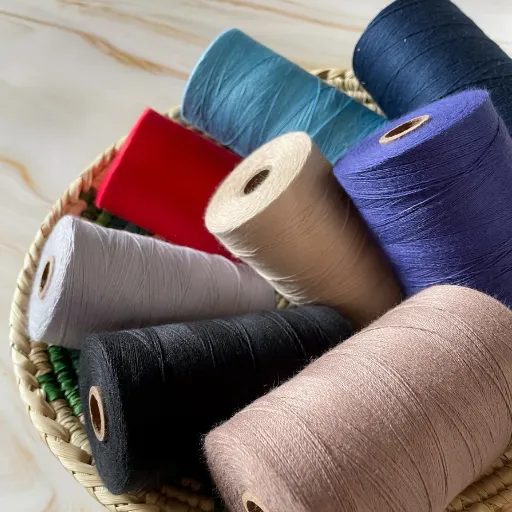
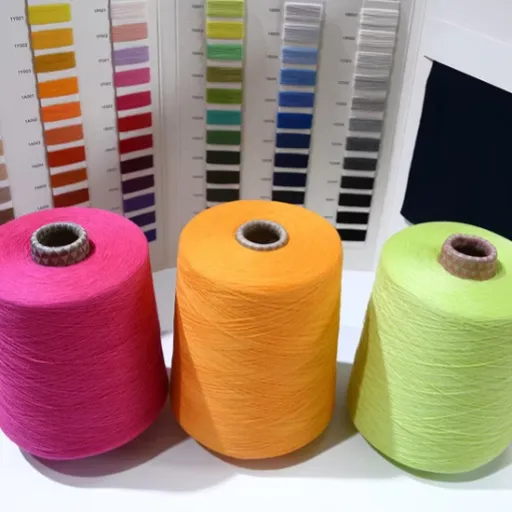
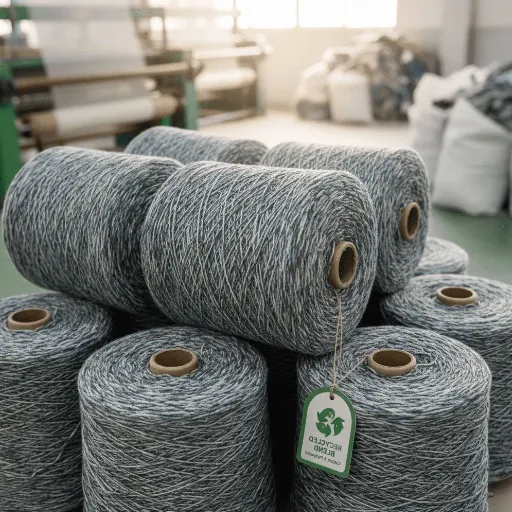
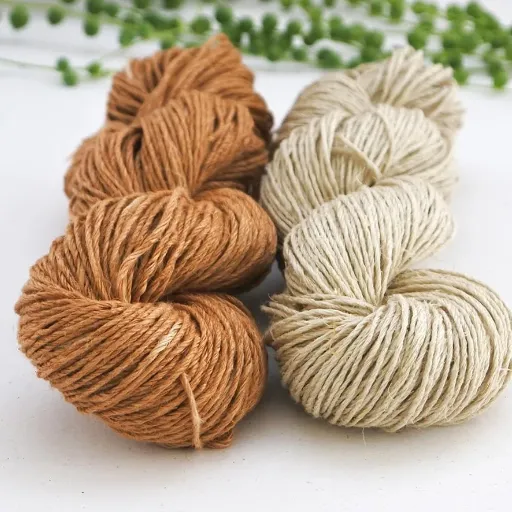
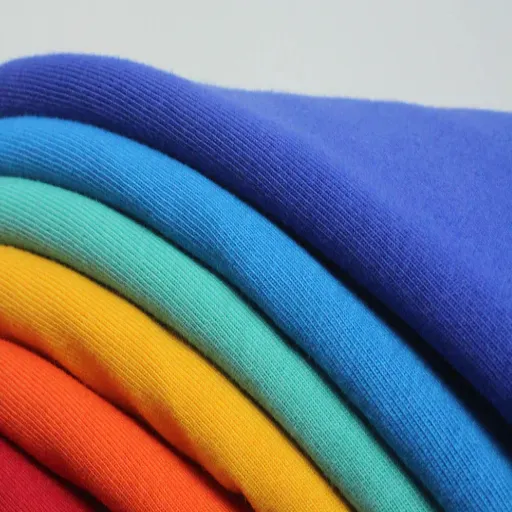


Sustainable yarns are textile fibers produced with minimal environmental impact through responsible sourcing, reduced water and energy consumption, and ethical labor practices. The most common types include organic cotton, recycled polyester (rPET), TENCEL lyocell, hemp, linen, and responsibly sourced wool — each offering different performance characteristics, costs, and sustainability profiles for fashion, home textiles, and industrial applications.
Walk into any textile trade show in 2026 and one word dominates every conversation: sustainability. Buyers want it. Regulators demand it. Consumers increasingly expect it. But for manufacturers, designers, and procurement teams actually trying to source sustainable yarns, the reality is far more complicated than the marketing suggests. Confusing certifications, conflicting environmental claims, and unclear cost structures leave even experienced buyers second-guessing their choices.
The good news? Sustainable yarns have evolved far beyond niche eco-products. Today’s options deliver the durability, consistency, and performance that businesses need — at price points that work for budgets of every size. This guide cuts through the noise to give you actionable, specific information about every major sustainable yarn type, the certifications that actually matter for your market, and a practical framework for sourcing eco-friendly yarns that fit your project requirements. Looking for reliable sustainable yarn suppliers? Reach out to Hebei Lida Textile Co., LTD for customized products and professional service.
Key Takeaways
- Sustainable yarns now span organic cotton, recycled polyester, TENCEL, hemp, and bio-based innovations — each with distinct performance, cost, and environmental trade-offs.
- GOTS, OEKO-TEX, GRS, and Bluesign are the certifications that matter most; the right choice depends on your market and customer expectations.
- The sustainable yarn market is projected to double to USD 10.1 billion by 2033, driven by regulatory pressure and consumer demand.
- Industrial-grade sustainable yarns exist for automotive, marine, and heavy-duty applications — not just fashion and home textiles.
- Cost premiums for sustainable yarns vary from 10% to 40% depending on fiber type, but durability and waste reduction often deliver positive ROI within 12-18 months.
What Are Sustainable Yarns?
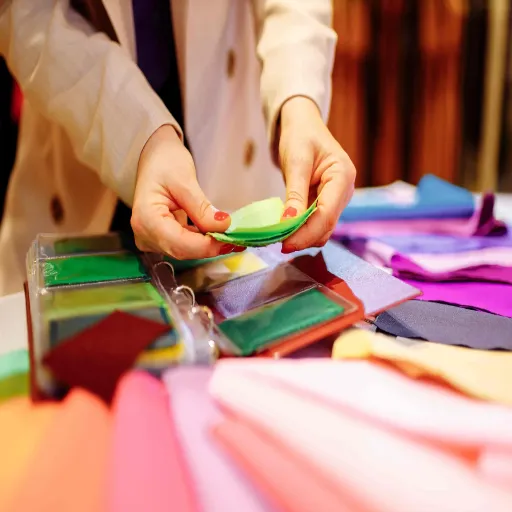
Sustainable yarns are textile fibers manufactured using processes that minimize harm to people and the planet throughout the entire production lifecycle. This includes how raw materials are grown or sourced, how fibers are processed into yarn, the working conditions of laborers, and what happens to the yarn at the end of its useful life.
The sustainability spectrum runs from “less harmful” to “truly regenerative.” On one end, recycled polyester diverts plastic waste from landfills but still relies on petroleum-based chemistry and can shed microplastics. On the other, regenerative organic cotton farming actively rebuilds soil health while sequestering carbon. Most sustainable yarns fall somewhere in between — offering meaningful environmental improvements without demanding premium prices that only luxury brands can afford. Hebei Lida Textile Co., LTD offers innovative sustainable yarn solutions that help businesses achieve both quality standards and environmental goals. Contact us today for more details.
Why Sustainability Matters for Yarn Buyers Now
The textile industry produces an estimated 1.2 billion tonnes of CO2 annually — roughly 10% of global carbon emissions. Water consumption for conventional cotton alone can reach 10,000 liters per kilogram of finished fiber. These figures are driving regulatory change at an accelerating pace. The European Union’s Strategy for Sustainable and Circular Textiles mandates stricter reporting, extended producer responsibility, and penalties for greenwashing claims by 2027.
For businesses, the shift to sustainable yarns is increasingly a business imperative, not just a marketing angle. A 2025 Nielsen study found that 73% of consumers are willing to pay more for sustainable products. For B2B buyers, that demand translates directly into purchase orders. Brands that can verify their sustainability claims with legitimate certifications win shelf space, partnerships, and long-term contracts.
Want to explore how sustainable yarns fit your specific application? Browse our full range of eco-friendly yarns or request a custom sample to test performance against your current materials.
Types of Sustainable Yarns: A Complete Breakdown
Understanding the different types of sustainable yarns is essential for making informed sourcing decisions. Each fiber type carries distinct advantages, limitations, and cost profiles.
Natural Fiber Sustainable Yarns
Organic Cotton Yarns
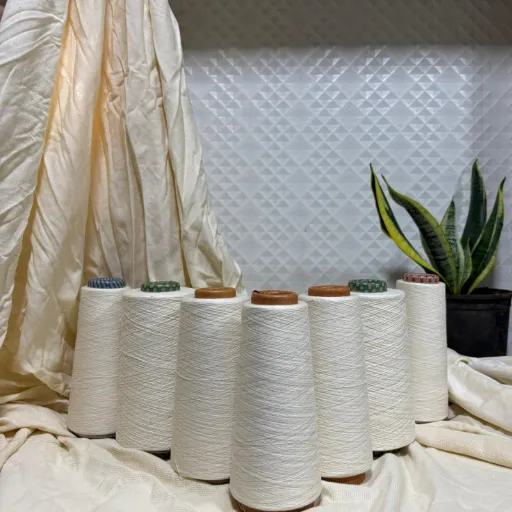
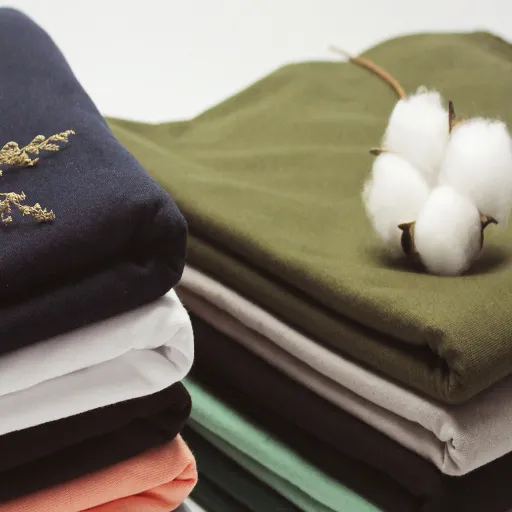
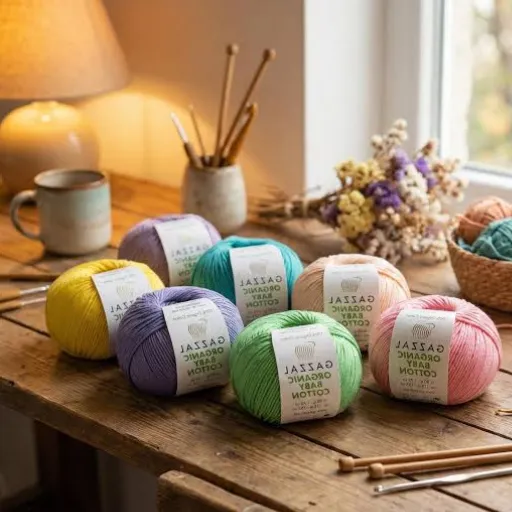
Organic cotton is grown without synthetic pesticides, chemical fertilizers, or genetically modified seeds. It relies on natural pest management, crop rotation, and composting to maintain soil health. The result is a fiber that is soft, breathable, and biodegradable — ideal for fashion, baby textiles, and home furnishings.
The environmental advantage is significant. Organic cotton uses approximately 82% less water than conventional cotton, consuming roughly 1,800 liters per kilogram compared to 10,000 liters. It eliminates toxic runoff that contaminates waterways and reduces farmer exposure to hazardous chemicals.
On the sourcing side, look for GOTS certification to verify organic claims. Organic cotton yarns typically cost 15% to 30% more than conventional cotton, but price gaps have narrowed as production scales.
Hemp and Linen
Hemp requires zero irrigation in most growing regions and no pesticides. It grows rapidly — up to four meters in 100 days — and actually improves soil health through phytoremediation. Hemp yarns are exceptionally durable, antimicrobial, and soften with each wash. They work well for denim, bags, upholstery, and industrial applications where strength matters.
Linen, made from flax, is similarly low-impact. Most flax is rain-fed, requiring no additional irrigation. The entire plant is usable, creating a near-zero-waste crop. Linen yarns offer a crisp, cooling feel that makes them ideal for summer wear, table linens, and lightweight home textiles.
Responsibly Sourced Wool
Wool is renewable and biodegradable, but standard wool production raises concerns about land use and animal welfare. The Responsible Wool Standard (RWS) certifies wool from farms that practice progressive land management and meet strict animal welfare criteria. Wool yarns excel in insulation, moisture management, and longevity — making them suitable for cold-weather apparel, blankets, and high-performance base layers.
Looking for reliable sustainable yarn suppliers? Reach out to Hebei Lida Textile Co., LTD for customized products and professional service.
Recycled and Regenerated Fiber Yarns
Recycled Polyester (rPET)
Recycled polyester yarns are produced from post-consumer plastic bottles or post-industrial polyester waste. The process involves collecting, sorting, cleaning, and melting plastic into chips that are then extruded into fiber. Major brands include Repreve, RENU, and Econyl (for recycled nylon).
The environmental case is compelling. Recycled polyester uses approximately 50% less energy than virgin polyester production and diverts plastic waste from landfills and oceans. It performs nearly identically to virgin polyester in terms of strength, colorfastness, and durability.
However, recycled polyester is not a perfect solution. It still sheds microplastic particles during washing, and it cannot be recycled infinitely — most rPET can only be recycled once or twice before fiber quality degrades. For businesses marketing sustainability claims, transparency about these limitations builds trust.
When Maria Chen, a product developer for an activewear startup, switched from virgin to recycled polyester yarns in 2024, she expected compromises in stretch recovery. Instead, lab testing showed identical performance across ten wash cycles — at a 12% lower raw material cost once she secured a reliable supplier. Her only adjustment was adding care-label language about washing in cold water to minimize microplastic shedding.
Recycled Cotton
Recycled cotton yarns are made from pre-consumer textile waste (factory cuttings) or post-consumer garments. The material is shredded, re-spun, and blended with virgin cotton to maintain fiber length and strength. Typical blends range from 20% to 60% recycled content.
Recycled cotton reduces landfill waste and eliminates the water and pesticide inputs of virgin cotton farming. However, shorter fiber lengths mean recycled cotton yarns are generally less durable than virgin cotton. Most manufacturers use recycled cotton in blends rather than 100% recycled content for applications where longevity matters.
TENCEL Lyocell and Modal
TENCEL is a branded lyocell fiber produced by Lenzing AG from sustainably harvested wood pulp — typically eucalyptus, beech, or spruce. The manufacturing process uses a closed-loop system where 99% of solvents are recovered and reused. The resulting fiber is silky smooth, highly breathable, and biodegradable in industrial composting facilities.
TENCEL Refibra takes the concept further by blending wood pulp with upcycled cotton scraps from garment production, creating a circular material flow. TENCEL yarns command a premium — typically 6to6to8 per kilogram versus 3to3to4 for conventional cotton — but deliver exceptional drape, moisture management, and a luxury feel that justifies the cost in premium fashion and home textile applications. We value your feedback! Get in touch with us to share your thoughts or ask for help.
Emerging Bio-Based Innovations
The next generation of sustainable yarns includes bio-based synthetics derived from renewable resources rather than petroleum. These include yarns made from castor oil, corn starch, and agricultural waste. While still scaling, bio-based yarns offer the performance characteristics of synthetic fibers with a significantly reduced carbon footprint.
Amann’s AeoniQ Fil, recognized at Texprocess 2026, represents a breakthrough — a biodegradable, microplastic-free sewing thread made from wood-pulp cellulose that matches synthetic fiber strength. As these innovations mature, they will expand the range of applications where fully biodegradable high-performance yarns are viable.
Sustainable Yarn Certifications Explained
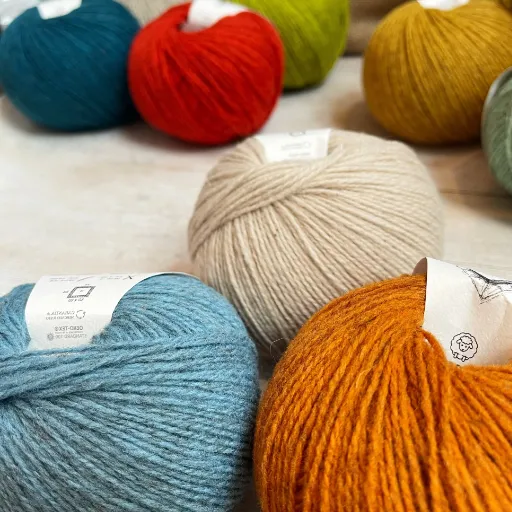
Certifications separate legitimate sustainability claims from greenwashing. For yarn buyers, understanding which certifications matter — and what they actually verify — is critical for making informed decisions and defending claims to customers. At Hebei Lida Textile Co., LTD, we are committed to providing eco-friendly and high-quality sustainable yarns for global textile brands and manufacturers.
GOTS: Global Organic Textile Standard
GOTS is the leading certification for organic textile fibers. Version 8.0, updated in 2026, imposes stricter rules on chemical inputs, social compliance, and supply chain transparency. A GOTS-certified yarn must contain at least 70% organic fibers and meet strict limits on toxic dyes, heavy metals, and formaldehyde.
GOTS certification is essential for any product marketed as “organic” in the EU, US, and most major markets. The certification covers the entire supply chain from farm to finished yarn.
OEKO-TEX Standard 100 and STeP
OEKO-TEX Standard 100 tests finished yarns for harmful substances — including pesticides, heavy metals, and banned dyes. It does not certify organic sourcing or environmental production practices, but it does guarantee consumer safety.
OEKO-TEX STeP (Sustainable Textile and Leather Production) goes further, auditing production facilities for environmental management, social responsibility, quality management, and workplace safety. STeP-certified facilities must demonstrate continuous improvement across all four areas.
Global Recycled Standard (GRS)
GRS verifies recycled content in yarns and tracks materials through the supply chain. A GRS-certified recycled polyester yarn must contain at least 20% recycled content, with full chain-of-custody documentation. For buyers sourcing recycled yarns, GRS certification is the standard that customers and regulators expect to see.
Bluesign
Bluesign focuses on the chemical inputs used in textile production. A Bluesign-approved yarn is manufactured using only safe chemicals, with optimized resource productivity and reduced emissions. Bluesign is particularly relevant for synthetic yarns where chemical processing is intensive.
Better Cotton Initiative (BCI)
BCI is not an organic certification. Instead, it promotes more sustainable cotton farming practices through water stewardship, reduced pesticide use, and improved livelihoods for farmers. BCI cotton sits between conventional and organic cotton on the sustainability spectrum — more accessible in price than organic, but with verifiable improvements over standard farming.
Cradle to Cradle Certified
Cradle to Cradle evaluates products across five categories: material health, material reutilization, renewable energy, water stewardship, and social fairness. The certification awards levels from Bronze to Platinum. For yarns, Cradle to Cradle Gold certification — achieved by Interloop’s Socklab products — signals exceptional performance across all sustainability dimensions.
| Certification | What It Verifies | Best For |
|---|---|---|
| GOTS | Organic fiber content, chemical limits, social compliance | Organic cotton and wool yarns |
| OEKO-TEX 100 | Absence of harmful substances in finished yarn | Consumer safety assurance |
| GRS | Recycled content percentage, chain of custody | Recycled polyester and nylon yarns |
| Bluesign | Safe chemical inputs, resource efficiency | Synthetic yarn production |
| BCI | Improved cotton farming practices | Budget-conscious sustainable cotton |
| Cradle to Cradle | Full lifecycle sustainability | Premium positioning |
The Business Case for Switching to Sustainable Yarns
Environmental benefits are important, but procurement decisions ultimately come down to business value. Sustainable yarns deliver measurable advantages across cost, risk management, and market positioning.
Regulatory Compliance and Risk Reduction
The EU Strategy for Sustainable and Circular Textiles, effective in phases through 2030, mandates extended producer responsibility, digital product passports, and restrictions on substances of concern. Brands sourcing uncertified conventional yarns face increasing compliance risk. Sustainable yarns with recognized certifications provide audit-ready documentation that simplifies regulatory adherence.
Consumer Demand and Brand Differentiation
Sustainability is no longer a niche preference. Nielsen’s 2025 global sustainability report found that 73% of consumers are willing to change consumption habits to reduce environmental impact. For B2B buyers, that demand cascades downstream. A home textile brand using GOTS-certified organic cotton can command shelf placement and pricing power that conventional competitors cannot match.
Long-Term Cost Savings
Sustainable yarns often cost more upfront, but the total cost picture is more favorable than it first appears. Organic cotton yarns typically show improved dye uptake and reduced processing defects, lowering waste rates. Recycled polyester performs identically to virgin polyester at a stable or lower price point. Hemp’s extreme durability means end products last longer, reducing replacement frequency.
When James Okonkwo evaluated yarn options for his upholstery manufacturing business in Lagos, he assumed organic cotton would be prohibitively expensive. A 12-month trial comparing organic cotton blends to his standard conventional cotton revealed a surprise: the organic blend had 18% fewer dye lot inconsistencies and 7% less waste during cutting. The lower defect rate effectively neutralized the 15% raw material premium, while his retail customers began requesting the “eco line” by name.
Supply Chain Resilience
Sustainable yarn supply chains increasingly incorporate traceability technology — from blockchain tracking to DNA tagging of fiber origins. These systems reduce counterfeiting risk, verify authenticity, and provide the documentation that major brands require from their suppliers. For yarn buyers, working with certified sustainable suppliers means fewer surprises at audit time.
Whether you need sustainable yarns for fashion textiles, home fabrics, or industrial applications, Hebei Lida Textile Co., LTD is ready to support your business with dependable production solutions.
How to Choose Sustainable Yarns for Your Project
Selecting the right sustainable yarn requires matching fiber characteristics to application requirements, budget constraints, and certification needs. Use this framework to narrow your options.
Step 1: Define Your Sustainability Priorities
Not all sustainability goals are the same. A fashion brand targeting environmentally conscious millennials might prioritize organic cotton with GOTS certification. An industrial manufacturer might need recycled polyester that meets specific tensile strength standards. A budget-conscious home textile producer might find BCI cotton offers the right balance of credibility and cost.
List your non-negotiables: certification requirements, performance specifications, maximum cost premium, and end-of-life considerations (biodegradability, recyclability).
Step 2: Match Yarn Type to Application
| Application | Recommended Sustainable Yarn | Key Considerations |
|---|---|---|
| Fashion apparel | Organic cotton, TENCEL, recycled cotton blends | Softness, drape, dye affinity |
| Activewear/outerwear | Recycled polyester, recycled nylon | Moisture management, durability |
| Home textiles (curtains, upholstery) | Hemp, organic cotton, linen | UV resistance, abrasion, drape |
| Baby/sensitive skin products | GOTS organic cotton, TENCEL | Chemical-free, hypoallergenic |
| Industrial/sewing threads | Recycled polyester, bio-based synthetics | Tensile strength, heat resistance |
| Automotive interiors | Recycled nylon, hemp blends | Fire resistance, abrasion, VOC compliance |
Step 3: Verify Certifications
Request certification documentation from any supplier before placing bulk orders. Verify certificates through official databases — GOTS maintains a public database of certified operations, as does OEKO-TEX. Be wary of suppliers who claim certification but cannot provide certificate numbers or whose certificates have expired.
Step 4: Test Before Committing
Always request yarn samples for testing before bulk orders. Test for colorfastness, tensile strength, shrinkage, and compatibility with your finishing processes. Sustainable yarns can behave differently from conventional alternatives during dyeing, heat-setting, and weaving. Small-scale testing prevents costly surprises at production scale.
Not sure which sustainable yarn fits your application? Contact our team for a free consultation and sample kit tailored to your project requirements.
Sustainable Yarns for Industrial Applications
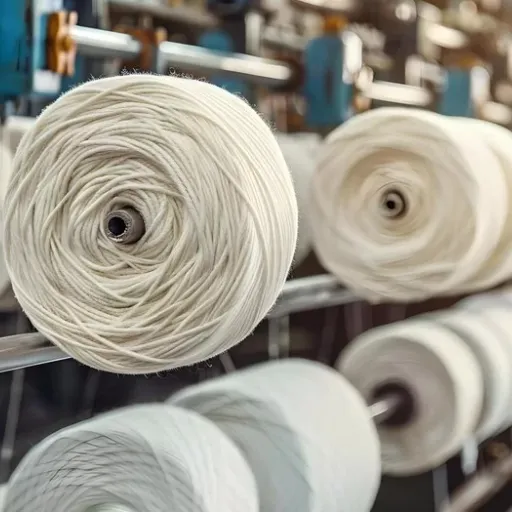
A common misconception is that sustainable yarns lack the strength and durability for industrial use. In reality, several high-performance eco-friendly options meet or exceed industrial standards.
High-Performance Sustainable Fibers
Recycled nylon (Econyl) delivers tensile strength comparable to virgin nylon, making it suitable for automotive interiors, marine applications, and industrial sewing threads. Bio-based aramid alternatives are emerging for applications requiring heat and cut resistance. Hemp blends provide exceptional abrasion resistance for heavy-duty upholstery and agricultural textiles.
Testing Standards
Industrial sustainable yarns must meet the same testing standards as conventional alternatives: ASTM D5034 for breaking strength, ASTM D3884 for abrasion resistance, and ISO 105 for colorfastness. Reputable sustainable yarn suppliers provide test reports certifying compliance with these standards.
Cost-Performance Balance
The cost premium for industrial-grade sustainable yarns varies widely. Recycled polyester for industrial threads typically carries a 5% to 15% premium over virgin polyester. Bio-based high-performance fibers can cost 30% to 50% more but deliver unique properties — such as biodegradability — that open new market opportunities.
For a marine equipment manufacturer in Rotterdam, switching to recycled nylon yarns for cordage and netting initially seemed like a cost increase with no performance benefit. But the recycled nylon met all ISO strength requirements, and the company’s sustainability credentials won a three-year supply contract with a major European distributor that required environmental compliance as a condition of vendor approval. Hebei Lida Textile Co., LTD offers innovative sustainable yarn solutions that help businesses achieve both quality standards and environmental goals. Contact us today for more details.
Cost of Sustainable Yarns: What to Expect
Understanding the cost landscape helps buyers budget accurately and evaluate ROI.
Price Ranges by Fiber Type
| Yarn Type | Price Range (per kg) | Premium vs. Conventional |
|---|---|---|
| Conventional cotton | 3.00−3.00−4.00 | Baseline |
| Organic cotton (GOTS) | 4.50−4.50−6.50 | +40% to +60% |
| BCI cotton | 3.50−3.50−4.50 | +10% to +15% |
| Recycled polyester | 3.50−3.50−5.00 | -5% to +15% |
| TENCEL lyocell | 6.00−6.00−8.50 | +60% to +100% |
| Hemp | 4.00−4.00−6.00 | +20% to +40% |
| Recycled nylon (Econyl) | 7.00−7.00−10.00 | +30% to +50% |
Cost Factors Beyond Fiber Type
Certification audits, supply chain documentation, and smaller production runs all add cost. Minimum order quantities for certified sustainable yarns are often higher than conventional alternatives because certified production runs must be segregated to maintain chain-of-custody integrity.
When Sustainable Yarns Save Money
Sustainable yarns deliver positive ROI in several scenarios: when reduced defect rates lower production waste, when durability extends product lifespan, when sustainability credentials unlock premium contracts, and when regulatory compliance avoids future retrofit costs. Many buyers find that the total cost of ownership for sustainable yarns is competitive with or better than conventional alternatives within 12 to 18 months.
Sustainable Yarn Trends to Watch in 2026 and Beyond
The sustainable yarn landscape is evolving rapidly. These trends will shape sourcing decisions over the next three to five years.
For a deeper look at how sustainable yarn production is changing, this video from Textile Exchange explains the latest innovations in fiber traceability and carbon measurement:
Video: Recommended — Embed a video from Textile Exchange, Lenzing AG, or your own production facility demonstrating sustainable yarn manufacturing.
Bio-Based and Biodegradable Synthetics
Research into bio-based polymers derived from agricultural waste, algae, and food byproducts is accelerating. Unlike recycled synthetics, bio-based yarns can be designed for biodegradability at end-of-life. Amann’s AeoniQ Fil and similar innovations signal a shift toward high-performance fibers that leave no microplastic trace.
Circular Economy Innovations
Closed-loop production systems are becoming standard rather than exceptional. TENCEL’s solvent recovery process is now the benchmark that new facilities aim to match. Yarn manufacturers are increasingly incorporating in-house recycling of production waste, achieving 60:40 recycled-to-virgin cotton blends that meet commercial quality standards.
Traceability Technology
Blockchain-based supply chain tracking, DNA tagging of cotton fibers, and RFID-enabled batch tracking are moving from pilot programs to standard practice. For buyers, this means unprecedented visibility into where yarn comes from, how it was produced, and whether claims are verifiable.
Carbon-Neutral and Carbon-Negative Production
Several yarn manufacturers have committed to carbon-neutral production by 2030, with some pilot facilities already achieving net-negative emissions through renewable energy and regenerative agriculture partnerships. Carbon labeling on yarn products — similar to nutritional labels — is likely to become a standard requirement within five years.
Waterless Dyeing and Finishing
Supercritical CO2 dyeing, plasma finishing, and enzymatic treatments are reducing water consumption in yarn processing by 70% or more. These technologies are scaling from specialty applications to mainstream production, further improving the environmental profile of already-sustainable fibers.
Conclusion
Sustainable yarns have moved from niche alternatives to mainstream business essentials. Whether you are sourcing organic cotton for fashion, recycled polyester for activewear, or hemp blends for industrial applications, the options available in 2026 deliver the performance, consistency, and verifiable sustainability that modern supply chains demand.
The key takeaways are straightforward. First, match the yarn type to your application — not all sustainable fibers perform the same way. Second, verify certifications through official databases rather than taking supplier claims at face value. Third, test samples thoroughly before committing to bulk orders. Fourth, evaluate total cost of ownership rather than just upfront price. And fifth, stay current on emerging trends like bio-based synthetics and traceability technology that will reshape the market in the coming years.
At Hebei Lida Textile Co., LTD, we produce a full range of sustainable yarns including organic cotton, recycled polyester blends, and custom eco-friendly solutions tailored to your specifications. Our yarns are manufactured to meet rigorous quality standards while supporting your sustainability goals. Browse our sustainable yarn collection or request a sample to experience the quality firsthand. Our team is ready to help you find the right sustainable yarn solution for your next project.