




Custom yarn for branding is yarn produced with custom colors, construction, packaging, or labeling to carry a brand’s identity across fashion, home textiles, or promotional products. It turns an invisible raw material into a visible brand asset.
Most branding guides obsess over logos, hangtags, and ad campaigns. They treat yarn as a commodity input. That’s a costly mistake. A customer often recognizes a brand before reading any label. They notice the heathered texture of a sweater, the exact shade of a throw blanket, or the soft hand-feel of a promotional sock. That recognition comes from custom yarn.
In this guide, you will learn how custom yarn for branding creates signature products. We will cover real-world applications across fashion, home textiles, and corporate gifting. You will see which customization options carry brand identity, how private label yarn and OEM services work, and what to ask a supplier before placing an order. Whether you need custom yarn solutions for a fashion label, a home textile line, or a promotional products business, Hebei Lida Textile can help you turn fiber into a recognizable brand signature.
Key Takeaways
- Custom yarn for branding covers color, construction, texture, packaging, and labeling, not just logos.
- Fashion, home textile, and promotional brands each use custom yarn differently to build recognition.
- Private label and OEM services let smaller brands launch signature products without owning a mill.
- Sustainability certifications strengthen brand storytelling and help meet tightening ESG rules.
- Sampling, shade bands, and clear MOQs are critical for consistent bulk production.
What Is Custom Yarn for Branding?
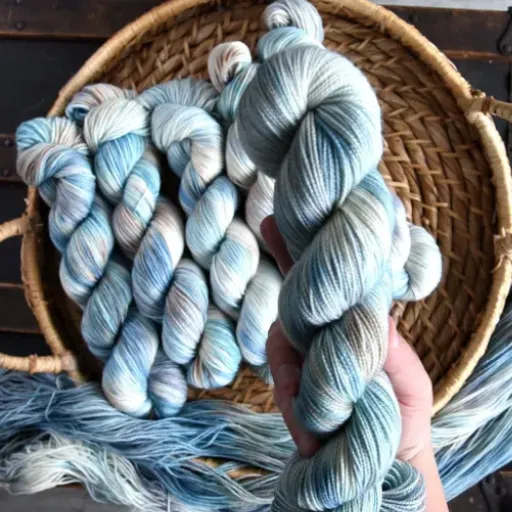
Custom yarn for branding is yarn manufactured to express a specific brand identity. That identity can appear through custom colorways, unique fiber blends, special texture or twist, branded labels, and tailored packaging. The result is a product that looks, feels, and performs differently from off-the-shelf alternatives.
This differs from standard yarn in one important way. Standard yarn is made for general use. A brand can knit with it, but the final product will look like many others on the market. Custom yarn starts from a brand brief. It answers questions like: What story should this product tell? Who is the customer? How should the fabric look after 50 washes?
It also differs from custom yarn for industrial use. Industrial yarn is engineered primarily for strength, chemical resistance, or temperature tolerance. Custom yarn for branding may include performance features, but its main goal is identity and differentiation.
Key branding elements built into yarn include:
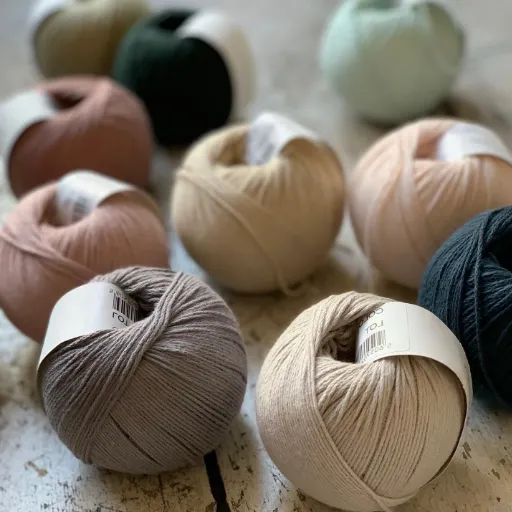
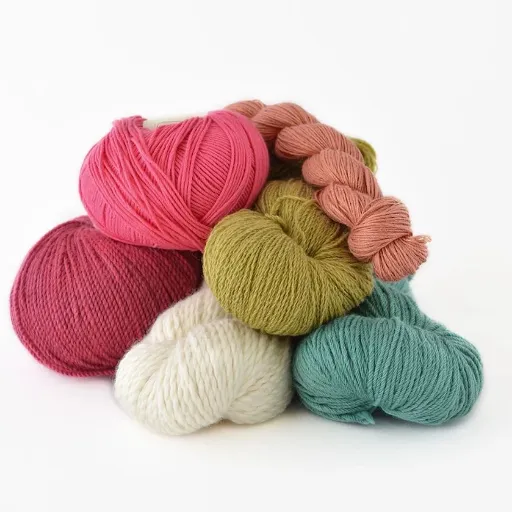
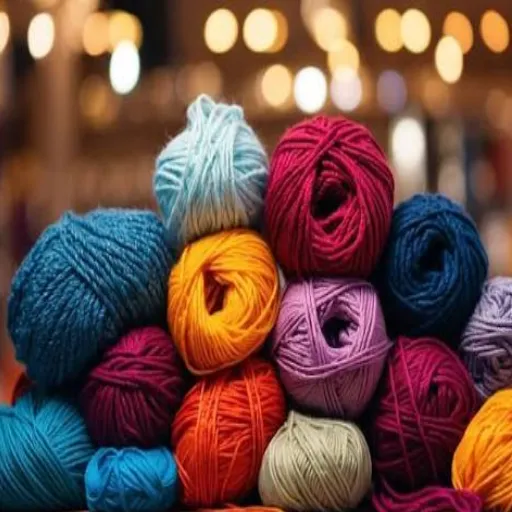
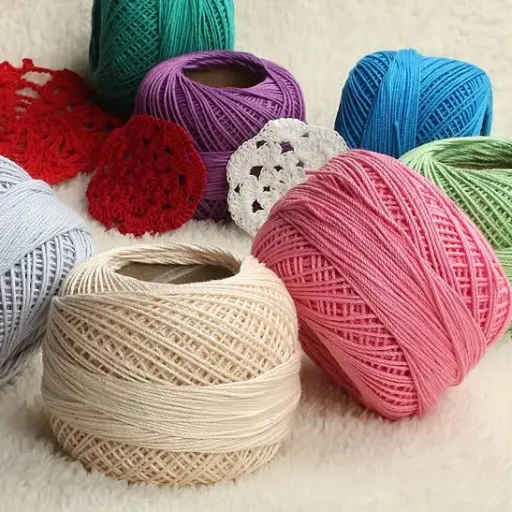
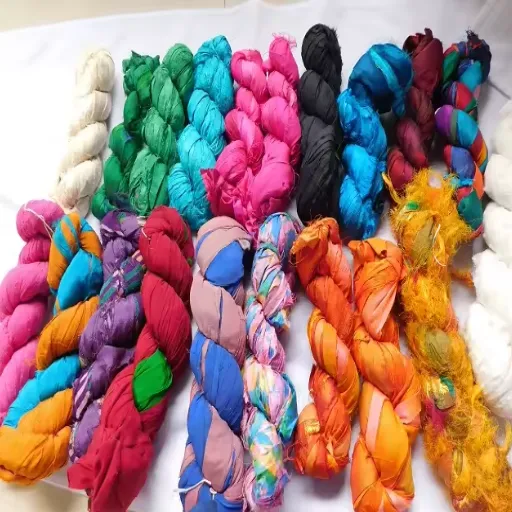
- Color: Pantone-matched shades, heathered effects, or ombré gradients that become instantly recognizable.
- Texture: Slub, bouclé, brushed, or mercerized finishes that create a signature hand-feel.
- Construction: Denier, ply, twist level, and yarn count that control drape, stitch definition, and durability.
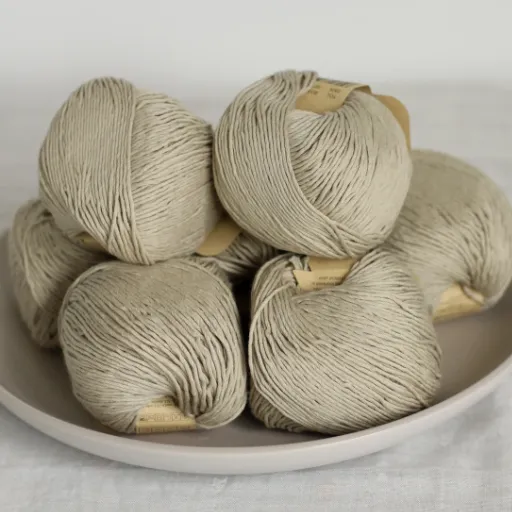
- Packaging: Cones, skeins, or hanks with private-label labels, barcodes, and brand colors.
- Labels and tags: Woven labels, printed hangtags, or QR codes linking to traceability data.
When these elements work together, the yarn itself becomes a marketing tool. The product does not need a loud logo to announce the brand.
| Feature | Standard Yarn | Custom Yarn for Branding |
|---|---|---|
| Color | Stock shades | Pantone-matched or signature colorways |
| Fiber | Common blends | Custom blends aligned with brand story |
| Construction | Generic count/ply/twist | Engineered for signature drape and feel |
| Packaging | Plain cones or skeins | Private-label labels, barcodes, brand colors |
| Identity | Interchangeable | Recognizable across collections |
Why Custom Yarn for Branding Matters in 2026
The global yarn market is projected to reach USD 38.13 billion in 2026, growing at a 4.04% CAGR through 2031, according to Haojing Fiber. That growth is not just about volume. Buyers are looking for yarns that help them stand out in crowded markets.
Sustainability is driving even faster change. The environmentally friendly yarn market is expected to grow from USD 5.2 billion in 2026 to USD 10.1 billion by 2033, at a 7.6% CAGR, according to Archive Market Research. At Yarn Expo Spring 2026, 57% of buyers actively sought recycled or bio-based options, and the event drew more than 24,000 visitors from 123 countries, reported Fibre2Fashion. Recycled yarn queries surged 91% in late 2025.
These numbers matter for branding because modern consumers want authenticity and traceability. They want to know what a product is made of, where it came from, and whether the brand’s environmental claims hold up. A custom yarn program lets you answer those questions with real specifications and certifications.
Consider the experience of Lila, a knitwear designer who launched her label in 2024. She started with stock yarn in common colors. Her first collection looked polished, but buyers could not distinguish it from similar pieces at lower prices. In 2025, she worked with a mill to develop a heathered merino blend in a signature sage green. By the second season, customers were asking for “the Lila green sweater” before they saw the label. Custom yarn turned her product into a recognizable signature.
The lesson is clear. In markets where products look interchangeable, the yarn itself can be the difference between being forgotten and being remembered.
Custom Yarn for Branding: Applications by Industry
Different industries use custom yarn for branding in different ways. The right approach depends on your product, your audience, and how customers interact with your brand.
Custom Yarn for Fashion and Apparel
Fashion brands use custom yarn to create signature colorways and seasonal collections. A custom shade can become so closely associated with a label that customers recognize it across seasons. Yarn texture also plays a major role. Bouclé, slub, or brushed yarns give a garment a distinctive look and hand-feel that catalog yarns can’t replicate.
Jacquard-knit logos and branded patterns are another popular use. Custom yarn in contrasting colors makes logos part of the fabric rather than a printed afterthought. Embroidery yarn offers another route, letting brands add visible logos with a premium finish.
For fashion brands, custom yarn for fashion isn’t just about color. It’s about creating a tactile signature that customers remember.
Custom Yarn for Home Textiles
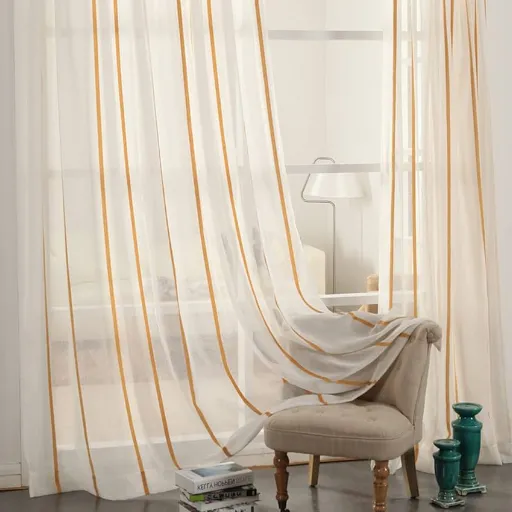
Home textile brands use custom-colored yarn to coordinate curtains, upholstery, bedding, and throws. A consistent color story across a collection creates a recognizable in-store display and a stronger online presence.
Woven-in brand identifiers are common in this sector. A subtle stripe, dobby pattern, or selvedge detail can carry a brand mark without dominating the design. Coordinated collections also help customers mix and match products, which increases average order value.
Promotional Yarn and Corporate Gifting
Promotional products rely on custom yarn to make branded yarn products and corporate gifts feel premium rather than disposable. Branded yarn kits, socks, caps, beanies, and tote bags all benefit from custom color and packaging.
Custom packaging and hangtags turn a simple item into a brand experience. Eco-friendly promotional yarn options, such as recycled cotton or coffee fiber blends, also send a sustainability message that resonates at trade shows and employee welcome kits.
Want to see how custom yarn can carry your brand identity from concept to finished product? Explore our custom yarn design process to learn how specifications become production-ready yarn.
Custom Yarn Solutions That Build Brand Identity
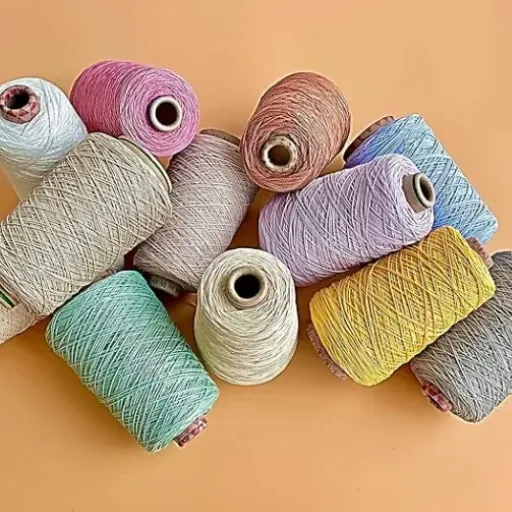
Every choice in a custom yarn program affects how the final product looks, feels, and performs. Here are the main custom yarn solutions brands should consider.
Fiber Selection
Fiber choice sets the foundation. Cotton offers breathability and a natural feel. Wool provides warmth and elasticity. Recycled polyester supports sustainability claims. Bamboo and Tencel offer softness and drape. Blends can combine the best properties of multiple fibers.
Your fiber choice should match your brand story. A sustainable fashion label might choose organic cotton or recycled polyester. A luxury home textile brand might prefer long-staple cotton or merino wool.
Color Matching and Pantone Alignment
Color is often the most visible part of a brand identity. Mills can match yarn to Pantone references or provide lab dips for approval. Shade bands help manage slight color variations across production lots, which is essential for consistent collections.
Yarn Construction
Construction parameters control how yarn behaves in fabric. Denier determines thickness. Ply affects strength and texture. Twist level influences softness, pilling resistance, and stitch definition. Yarn count controls weight and drape.
Functional Finishes
Functional finishes add performance value. Softening treatments improve hand-feel. Anti-pilling finishes extend garment life. Moisture-wicking, UV resistance, and antimicrobial treatments appeal to activewear and outdoor brands.
Custom Yarn with Logo: Packaging Formats
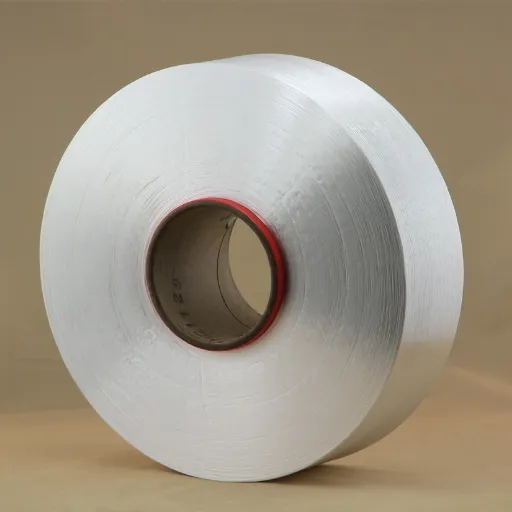
Packaging completes the brand experience. Yarn can be wound on cones for manufacturing, in skeins for retail kits, or in hanks for hand-knitting markets. Private-label labels, barcodes, branded sleeves, and custom yarn with logo tags make the product ready for sale or distribution.
The Private Label and OEM Process
Private label and OEM services let brands develop custom yarn without owning a mill. The private label yarn process typically follows six clear steps.
- Define the brand brief and target product. Describe the end product, target customer, price point, and desired brand impression.
- Select fiber and construction. Choose fibers, denier, ply, twist, and finish based on performance and brand goals.
- Approve lab dips and color. Review dyed samples under agreed light sources and confirm Pantone matches.
- Develop and test samples. Knit or weave sample fabrics, check hand-feel, run wash tests, and validate performance.
- Establish shade band and bulk production. Set acceptable color tolerance and produce the bulk order with consistent quality.
- Conduct quality control and delivery. Inspect yarn for color, strength, packaging, and labeling before shipment.
A clear brief saves time and money. The more specific you are about color, feel, performance, and packaging, the faster the mill can deliver a sample that matches your vision.
Here is how the process worked for Meridian Home, a bedding brand that wanted a coordinated collection across duvets, throws, and curtains. The design team sent fabric swatches from three different suppliers and asked for a single custom-dyed yarn that would unify the line.
After two rounds of lab dips and a woven sample, they approved a warm linen-cotton blend in a proprietary sand tone. The resulting display looked cohesive in stores and online, and the brand saw a 22% increase in cross-sell revenue during the launch quarter.
For a deeper look at how each step is documented, read our guide on production-ready yarn specifications.
Sustainability as a Branding Tool
Sustainability is no longer a niche selling point. It is becoming a core part of brand identity. Custom yarn can help you support that identity with real choices and verified claims.
Recycled and Organic Fiber Options
Recycled polyester, recycled cotton, organic cotton, and regenerative wool all reduce environmental impact compared to conventional fibers. These materials let brands tell concrete stories about waste reduction, lower water use, or reduced chemical inputs.
Certifications That Build Trust
Certifications add credibility to sustainability claims. Common standards include:
- GRS (Global Recycled Standard): Verifies recycled content and supply chain practices.
- GOTS (Global Organic Textile Standard): Certifies organic fibers and responsible processing.
- OEKO-TEX Standard 100: Tests for harmful substances in textiles.
- BCI (Better Cotton Initiative): Promotes more sustainable cotton farming practices.
Digital Traceability and Product Passports
Digital traceability tools let customers scan a QR code and see where the yarn was spun, dyed, and finished. Product passports are becoming more common, especially in the EU, where brands need to back up environmental claims.
EU Green Claims Directive
The EU Green Claims Directive is tightening rules around environmental marketing. Brands must substantiate claims with evidence. Using certified fibers, traceable supply chains, and accurate labeling helps brands stay compliant and avoid greenwashing accusations.
If you want to align your custom yarn program with the latest sustainability expectations, review our overview of sustainable yarn trends.
What to Look for in a Custom Yarn Branding Supplier
Choosing the right supplier is as important as choosing the right fiber. A strong partner can guide you from concept to bulk production. A weak one can delay launches and damage quality.
Look for these capabilities when evaluating a yarn branding supplier:
- Technical capability and sampling support. The supplier should offer lab dips, sample development, and fabric testing.
- Color accuracy and shade band management. Ask how they control color consistency across lots and how they handle shade bands.
- MOQ flexibility and scalability. Smaller brands need manageable minimums, while growing brands need a supplier that can scale.
- Certification and compliance support. The supplier should understand GRS, GOTS, OEKO-TEX, and regional regulations.
- Packaging and private-label services. Look for cone winding, labeling, barcoding, and custom packaging options.
A supplier who asks detailed questions about your end product is usually a better long-term partner than one who simply quotes a price per kilogram.
Cost Factors and MOQs for Custom Yarn for Branding
Pricing for custom yarn depends on several variables. Understanding them helps you budget and negotiate. If you need project-specific guidance on sampling costs and minimums, contact our team for a detailed quote.
How Fiber Choice Affects Cost
Natural fibers like merino wool and organic cotton typically cost more than conventional polyester or acrylic. Recycled fibers may carry a premium but can also support higher retail prices and stronger brand positioning.
MOQ Ranges by Customization Type
Minimum order quantities vary based on what is customized:
- Stock colors with private-label packaging: Often the lowest MOQ, sometimes a few hundred kilograms.
- Custom dye lots: Typically 500 kg to 2,000 kg depending on fiber and dyeing equipment.
- Custom fiber blends or constructions: May require 1,000 kg or more because the mill must set up specialized spinning lines.
- Fully custom development: Higher upfront sampling costs, but unit costs drop at scale.
Sampling Costs vs. Bulk Pricing
Sampling involves lab dips, strike-offs, and small production trials. These steps cost more per kilogram than bulk production, but they prevent costly mistakes. Always budget for two to three sampling rounds.
Lead Times for Development and Production
Development lead times usually range from four to eight weeks, depending on fiber availability and testing requirements. Bulk production can add another four to twelve weeks after sample approval. Planning ahead protects your launch schedule.
Frequently Asked Questions About Custom Yarn for Branding
What is custom yarn for branding?
Custom yarn for branding is yarn manufactured to express a specific brand identity through custom colors, fiber blends, texture, construction, packaging, or labeling.
How is custom yarn different from standard yarn?
Standard yarn is produced for general use. Custom yarn starts from a brand brief and is tailored to create a distinctive look, feel, or performance that supports brand recognition.
What is the minimum order quantity for custom-branded yarn?
MOQs vary by customization type. Private-label packaging may require a few hundred kilograms, while custom dye lots often range from 500 kg to 2,000 kg. Custom blends or constructions may require 1,000 kg or more.
Can Custom Yarn with Logo Be Printed or Woven?
Yarn itself is not usually printed with logos. Instead, logos appear on labels, tags, packaging, or woven into fabric using custom-colored yarn in jacquard or dobby patterns.
What certifications should branded yarn have?
Common certifications include GRS for recycled content, GOTS for organic fibers, OEKO-TEX Standard 100 for harmful substances, and BCI for more sustainable cotton. The right certifications depend on your brand claims and target markets.
How long does it take to develop custom yarn for branding?
Development typically takes four to eight weeks for sampling and approval. Bulk production can add another four to twelve weeks depending on order size, fiber availability, and testing requirements.
Conclusion
Custom yarn for branding is one of the most underused tools in textile marketing. While competitors fight over labels and packaging, smart brands are building recognition into the fiber itself. A signature color, a unique texture, or a certified sustainable blend can make a product instantly recognizable and emotionally memorable.
The key takeaways are simple. Start with a clear brand brief. Choose customization options that support your story. Work with a supplier who understands sampling, color control, and certifications. Plan for MOQs, lead times, and sampling costs. Use sustainability as a genuine brand differentiator. With the right custom yarn solutions, even smaller brands can build products that customers recognize before they read the label.
When a customer reaches for your product before reading the label, your custom yarn has done its job.
Ready to develop custom yarn that carries your brand identity? Contact our team to discuss your project or request a sample. If you are also exploring performance-driven applications, see how custom yarn for industrial use differs from branding-focused development.