


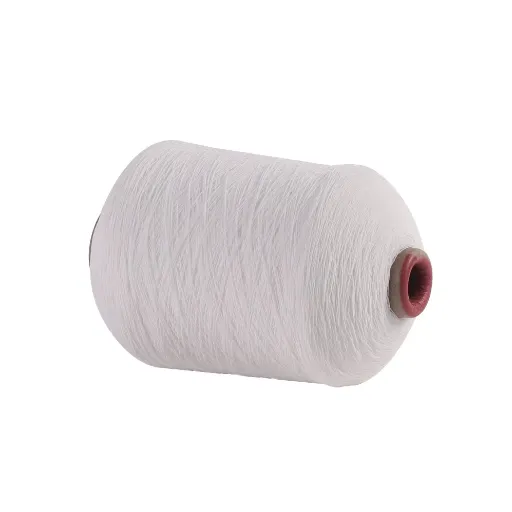


The difference between carding and combing in yarn production is simple: carding opens, cleans, and aligns fibers into a sliver for every yarn, while combing is an optional extra step that removes short fibers to make a finer, smoother, and stronger premium yarn. Carding produces cost-effective carded yarn; carding plus combing produces softer, more lustrous combed yarn at a higher price.
Here’s the part most buyers miss: the same bale of cotton can become either a rough, budget-friendly carded yarn or a silky, premium combed yarn. The only difference is one extra machine between the card and the draw frame. That one machine changes softness, strength, pilling, and price, yet most buyers never ask which process their yarn went through.
If you’re a fashion designer, home textile brand, or industrial buyer, you’ve probably chosen yarn by count, twist, and color while never weighing the carding vs combing decision or whether you need carded vs combed yarn. That’s a missed opportunity. By the end of this guide, you’ll understand what each process does, how the yarns compare, which products need combed yarn, and how to specify the right one in your next order. Reach out for customized yarn production support from fiber to finished yarn.
Key Takeaways
- Carding opens, cleans, and aligns fibers into a sliver; combing is an optional post-carding step that removes short fibers (noils) for premium yarn.
- Combed yarn is stronger, smoother, more even, and more lustrous than carded yarn, with lower pilling and shrinkage.
- Combed yarn costs roughly 15 to 20 percent more because combing adds machinery and discards 10 to 20 percent of the fiber as waste.
- Carded yarn suits cost-sensitive and rugged products like denim and heavy canvas; combed yarn suits fine counts, next-to-skin wear, and luxury home textiles.
- Semi-combed yarn is the middle option: combed-like quality at a reduced premium for brands that want a balance.
What Is Carding in Yarn Production?
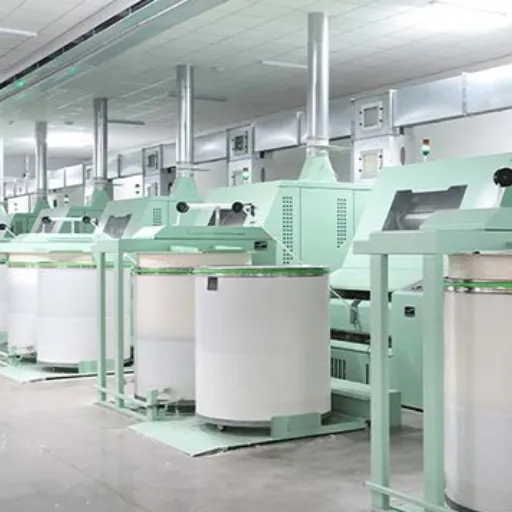
Carding is the process that turns loose, tangled fiber into a clean, aligned, continuous rope called a sliver, which is the foundation for every type of spun yarn. It happens after fiber preparation has opened and blended the raw bales, and before drawing, roving, and spinning. Britannica describes carding as a dividing and re-dividing action that lays fibers parallel while removing most remaining impurities.
Every yarn, whether carded or combed, passes through carding. The card is not optional. What is optional is what happens after it.
How a Carding Machine Works
A carding machine uses cylinders and flats covered with “card clothing,” a surface of fine wire teeth. The fiber web passes between these wire-covered surfaces running in opposite directions, which separates clumps into individual fibers and aligns them in one direction. A machine like this can process well over 100 pounds of cotton per hour, which is why the National Cotton Council calls carding a key step in moving cotton from field to fabric at industrial scale.
At the front of the machine, the thin web of aligned fibers is gathered through a funnel-shaped trumpet and condensed into a soft, untwisted rope. That rope is the sliver, coiled into tall cans and moved to the next stage. The sliver is loose and fragile; it gains its strength only later when spinning adds twist.
What Carding Does to the Fiber
Carding performs several jobs at once. It opens fiber clumps down to individual fibers, removes trash, dust, seeds, and neps (tiny tangled knots), aligns fibers in parallel so they lie evenly, blends fibers together, and condenses everything into a uniform sliver. It is the first point in the process where fiber becomes a consistent, measurable product.
Carding also sets a quality baseline. Studies on carding machine settings show that faster flat speeds can cut neps per gram from 88 to 58, raise nep removal efficiency from 65 to 77 percent, and reduce yarn imperfections by up to 55 percent, all while improving strength. The trade-off is more waste removed with the flats. The point: carding quality is tunable, and a mill that tunes it well produces better yarn from the same cotton.
What Is Combing in Yarn Production?
Combing is an optional process that follows carding when you want a finer, smoother, and stronger yarn. It passes the carded sliver through fine metal teeth that strip out the shortest fibers, remaining neps, and leftover impurities, leaving only the longest, best-aligned fibers. The result is a cleaner, more lustrous “combed sliver” that spins into premium yarn.
The CottonWorks guide to fiber preparation places combing between carding and drawing in the process flow. The combed sliver goes on to drawing and spinning like any other sliver; it just starts from better fiber.
How a Combing Machine Works
A combing machine, or comber, uses a system of nippers, combs, and detaching rollers. One comb holds the fiber fringe while another, finer comb moves through it, pulling the longer fibers forward and leaving short fibers behind. The retained fibers are laid into a flat bundle with every fiber running the same direction. This repeated combing action is why combed fiber looks silkier and more organized than carded fiber.
For wool, the combed product is called a top, and it is the foundation of worsted yarn. If worsted fabric is the goal, wool must be combed; if woolen cloth is the goal, carding is the last preparation step before spinning. Talk to our team about efficient yarn manufacturing for consistent quality.
Noil: The Short-Fiber Waste Combing Removes
The short fibers and waste removed during combing are called noil, and noil is where the economics of combing live. In normal cotton combing, the noil percentage runs from 10 to 20 percent of the material fed in. Combing below 10 percent is called “upgrading combing,” which keeps more fiber but sacrifices some quality; combing above 20 percent is “super combing,” used for the finest yarns.
Higher noil percentage means better yarn, but also more waste and higher cost. That is the central trade-off of combing, and it is why combed yarn is a premium product rather than the default. The removed noil is not thrown away; it is recycled into coarser yarns and other products, which is a small but real sustainability point.
Carded vs. Combed Yarn: Key Differences
The practical question for buyers is simple: what do you get for the extra combing step, and what does it cost? The comparison below shows the difference in plain terms.
| Property | Carded Yarn | Combed Yarn |
|---|---|---|
| Process | Carding only | Carding plus combing |
| Fiber used | Mixed lengths, including short fibers | Long fibers only (short removed) |
| Typical fiber length | Under 1.125 inches | Over 1.125 inches |
| Typical yarn count | 10s to 40s Ne | 16s to 100s Ne |
| Strength | Lower | Higher |
| Evenness | Less uniform | More uniform |
| Surface feel | Hairier, rougher | Smooth, soft |
| Luster | Duller | More lustrous |
| Pilling grade (ISO 12945-2) | 2 to 3 | 4 to 5 |
| Shrinkage (ISO 5077) | 5 to 7 percent | Under 3 percent |
| Cost | More economical | About 15 to 20 percent higher |
| Best use | Basics, denim, heavy weave, cost-sensitive | Fine counts, next-to-skin, luxury home |
Strength, Evenness, and Appearance
The quality differences trace back to fiber length and alignment. Because combing removes short fibers, every fiber in a combed yarn is long enough to grip its neighbors when twisted. That grip produces stronger yarn with fewer thick and thin places and less hairiness. Independent research on combed and carded yarns confirms the pattern: combed samples show better evenness, fewer thick places, thin places, and neps, even when the combed yarn contains a higher share of recycled fiber.
The appearance difference is visible to the eye. Carded yarn has a looser, hairier structure with a more rustic feel. Combed yarn is smooth, compact, and lustrous, which is why fine shirting, premium knits, and luxury bed linens use it. If your product sits against the skin or needs a clean, polished surface, the smoother yarn matters.
Ready to see how this plays out in a finished product? Explore our yarn ranges to compare carded and combed options in real samples.
Which Yarn Types Need Combing?
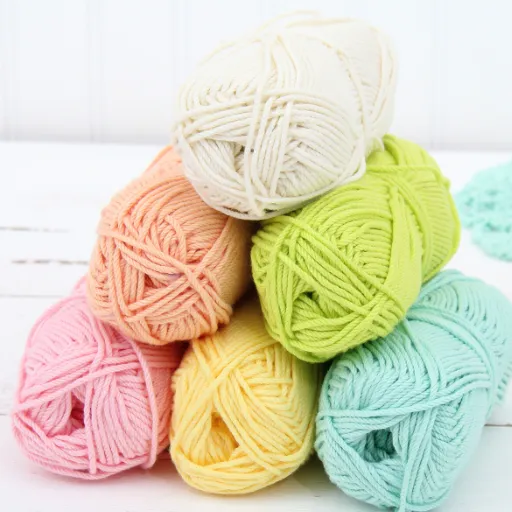
Not every yarn needs combing, and understanding when it does will help you avoid overpaying. Here is how the decision breaks down by fiber and application.
Cotton
Cotton is where combing matters most. Combed cotton yarn is essential for fine counts, roughly 30s Ne and above, because short fibers make it impossible to spin a fine, strong yarn. It is the standard choice for premium T-shirts, shirting, fine knitwear, socks, and luxury towels, where softness, strength, and pilling resistance matter. Carded cotton, by contrast, covers the 10s to 40s Ne range for cost-sensitive basics, denim, heavy woven fabrics, and products where a rugged look is fine.
For very fine counts, fiber length does the heavy lifting. High-count yarns of 50 Ne and above are normally spun from combed fiber, and counts above 70s can require 80 to 100 percent long-staple cotton. The cotton choice and the combing decision go together; one without the other delivers less than you expect. Connect with us for advanced yarn manufacturing and flexible production solutions.
Wool and Worsted
For wool, the carded-versus-combed decision is the woolen-versus-worsted decision. Worsted yarn is made from combed wool top, producing smooth, strong, lustrous yarn for tailored suits and fine fabrics. Woolen yarn is made from carded fiber only, producing a warmer, fuzzier, more textured yarn for knitwear and outerwear. Neither is better; they suit different products.
Synthetics and Recycled Fibers
Synthetic staple fibers, like polyester and viscose, arrive with consistent, controlled length, so they often need less combing than cotton. Recycled cotton is the opposite: mechanical recycling shortens fibers and creates neps, which makes combing attractive for quality but expensive in waste. Rieter trials on recycled-cotton blends measured noil percentages of 24 to 31 percent versus 14 percent for a virgin cotton reference, depending on machine settings. Combing can lift recycled yarn quality, but the fiber waste is sharply higher, which is a cost and sustainability consideration to plan for.
When Carded Is the Right Choice
Carded yarn is not a downgrade; it is the right tool for the right product. It is the economical choice for high-volume basics, heavy woven goods, denim, workwear, and any product where cost matters more than softness or sheen. Some brands choose carded yarn deliberately for a rustic, vintage, or streetwear aesthetic. The key is making the choice on purpose rather than by default.
The Cost of Combing: Quality vs. Price
The price gap between carded and combed yarn is real and easy to understand once you know where it comes from.
Why Combed Yarn Costs More
Three costs stack up in combed yarn. First, the comber itself: adding a combing section means extra machines, extra floor space, extra energy, and extra labor between the card and the draw frame. Second, the noil: combing discards 10 to 20 percent of the fiber, and the manufacturer pays for that fiber whether or not it ends up in your yarn. Third, slower throughput: combing adds processing time to every kilogram produced. Together these add up to the 15 to 20 percent premium you see on combed yarn.
Is Combed Yarn Worth the Premium?
Whether the premium is worth it depends on your product, not on a universal rule. If your product needs next-to-skin softness, low pilling, fine count, or a smooth polished surface, combed yarn is usually the right call, and the premium protects you from returns and complaints. If your product is rugged, heavy, or price-sensitive, carded yarn protects your margin without a visible quality loss. The decision should follow the product, not fashion.
Semi-Combed Yarn: The Middle Ground
Between carded and fully combed sits semi-combed yarn, produced by running the comber at a reduced noil percentage, often around 10 percent. Semi-combed yarn offers a “reasonable quality-cost compromise”: research comparing semi-combed yarns found quality in several cases comparable to fully combed yarn and better than carded yarn. For brands that want improved softness and evenness without the full premium, semi-combed is an underused option worth asking your supplier about.
Carding and Combing in Yarn Production: Choosing by Application
The carded-or-combed decision shows up differently across applications, and matching it to your end use is the fastest way to avoid both overpaying and underdelivering.
- Fashion: Combed yarn for premium T-shirts, shirting, and fine knitwear where softness and drape sell the product; carded for casual, cost-sensitive, or rugged looks.
- Home textiles: Combed for luxury bedding and towels where hand feel and low pilling matter; carded for everyday basics and high-volume lines.
- Upholstery and curtains: Strength, evenness, and abrasion resistance matter more than softness, so the choice depends on whether your fabric needs the stronger combed yarn or can use the more economical carded option.
- Industrial: Carded for cost-effective bulk use where strength is adequate; combed where evenness, low hairiness, or fine count is a requirement.
If you are producing for a specific application, check how production parameters shift in our guide to yarn production for home textiles and industrial use for more detail on matching yarn to end use.
How to Specify Carded or Combed Yarn When Ordering
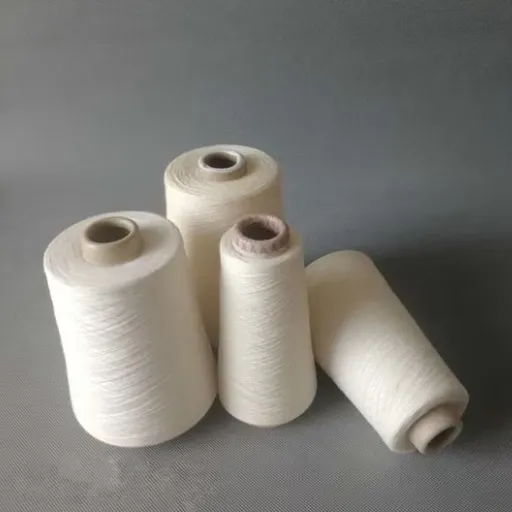
The good news is that specifying the right yarn is straightforward once you know the questions to ask. Here is a checklist you can use with any supplier.
- State the process explicitly. Say “combed” or “carded” (or “semi-combed”) in your specification, and do not assume it is implied by count. Many yarns in the 20s to 30s count range are available either way.
- Define the fiber length. For combed cotton, confirm the staple length and the expected noil percentage, because both drive quality and price.
- Ask for test data. A competent supplier should provide evenness, hairiness, strength, and pilling data on a sample. Our guide to yarn quality control explains how to read a yarn test report.
- Request samples and compare side by side. Carded and combed yarn at the same count look and feel different; handle both before you commit.
- Ask about semi-combed. If you are near a cost threshold, semi-combed may give you most of the benefit for less.
Watch for red flags. A supplier who cannot tell you whether a yarn is carded or combed, cannot produce test data, or uses the two terms interchangeably is a risk. The process a mill runs is part of the product you buy, and it should be transparent.
At Hebei Lida Textile Co., LTD, we produce carded, combed, and semi-combed yarns and help customers choose the right one for their product, budget, and end use. Whether you need fine combed long-staple cotton for luxury knitwear or economical carded yarn for high-volume basics, we can build a specification that fits. Contact us today for a quote and a free sample to compare carded and combed options side by side.
Frequently Asked Questions About Carding and Combing in Yarn Production
What is the difference between carding and combing?
Carding opens, cleans, and aligns fibers into a sliver for every yarn. Combing is an optional step after carding that removes short fibers and remaining impurities to make a finer, smoother, stronger yarn. Carded yarn skips this step; combed yarn includes it.
Is combed cotton better than carded cotton?
For most premium uses, yes. Combed yarn is stronger, smoother, more even, and more lustrous, with less pilling and shrinkage. But carded yarn is more economical and suits rugged or cost-sensitive products, so “better” depends on your product and budget.
Why is combed yarn more expensive?
Combing adds machines, energy, labor, and processing time, and it discards 10 to 20 percent of the fiber as noil. Together these add roughly 15 to 20 percent to the cost of the yarn.
Which fibers require combing?
Cotton most often, for fine counts and premium products. Wool must be combed for worsted yarn. Synthetics often need less combing because their fiber length is controlled. Recycled cotton benefits from combing but produces much higher waste.
What is semi-combed yarn?
Semi-combed yarn is produced by running the comber at a reduced noil percentage, usually around 10 percent. It offers quality between carded and fully combed yarn at a lower premium, making it a practical middle option.
What is noil and what happens to it?
Noil is the short fiber waste removed during combing, typically 10 to 20 percent of the feed. It is recycled into coarser yarns, nonwoven products, and other textiles rather than wasted.
Can recycled cotton be combed?
Yes, but waste is higher. Rieter trials on recycled-cotton blends recorded noil percentages of 24 to 31 percent versus 14 percent for virgin cotton. Combing improves recycled yarn quality, but the extra fiber loss is a cost and sustainability trade-off to plan for.
Let us help you develop dependable yarn products with efficient manufacturing processes.
Conclusion
Carding and combing in yarn production are two steps with one big difference between them. Carding is essential, transforming loose fiber into aligned sliver for every yarn. Combing is optional, removing short fibers to create a finer, smoother, stronger, and more expensive premium yarn.
The decision comes down to your product. Choose carded yarn for cost-sensitive, rugged, or high-volume products. Choose combed yarn for fine counts, next-to-skin softness, and polished appearance. And if you want a balance, ask about semi-combed, the middle option most buyers never hear about.
You do not need to run a mill to benefit from this knowledge. You just need to ask two questions of your supplier: is this yarn carded or combed, and what does the difference cost for my product? With the answers, you can specify with confidence and avoid paying for quality you do not need or missing quality you do. Request a quote from Hebei Lida today and let our team help you choose the right yarn for your next project.