



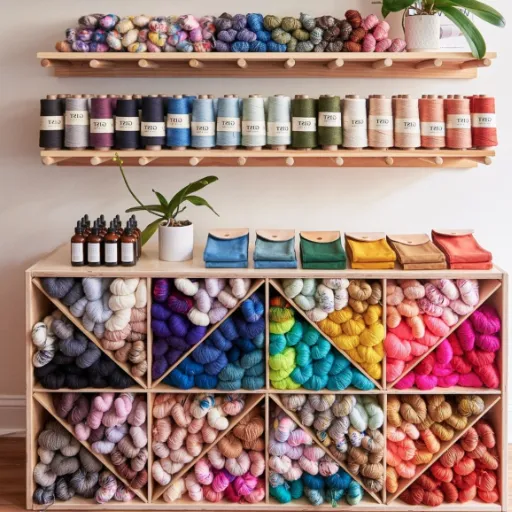
Custom yarn solutions are made-to-order yarn development services that let you specify fiber, count, twist, color, texture, and finish to match your exact product requirements. Unlike off-the-shelf yarns that force compromises on color accuracy, performance, or brand identity, custom yarn solutions give designers and manufacturers control over every property of the yarn they use.
Most textile buyers start with standard yarns because they seem simpler. But standard options often force a choice: get the color right and sacrifice durability, or match the performance spec and accept a texture that doesn’t fit your design. That tension costs brands time, money, and product consistency.
In this guide, we’ll break down what custom yarn solutions include, how the custom yarn production process works from first inquiry to final delivery, and what to look for when choosing a supplier. Whether you’re sourcing for fashion, home textiles, industrial applications, or sustainable product lines, you’ll leave with a practical framework for turning your requirements into production-ready yarn. Need yarns with specific strength, texture, or functional properties? Hebei Lida Textile Co., LTD offers customized solutions developed to help manufacturers achieve superior end-product performance.
Key Takeaways
- Custom yarn solutions cover fiber selection, count, twist, color, texture, finish, and packaging, not just dye color.
- The production process follows six stages: inquiry, design finalization, sampling, approval, bulk production, and quality-controlled delivery.
- Fashion, upholstery, curtains, branding, and industrial applications each require different customization priorities.
- Low-MOQ manufacturers have made custom yarn accessible to small businesses, not just large enterprises.
- The biggest risk in custom yarn is inconsistency between sample and bulk, not upfront cost.
What Are Custom Yarn Solutions?
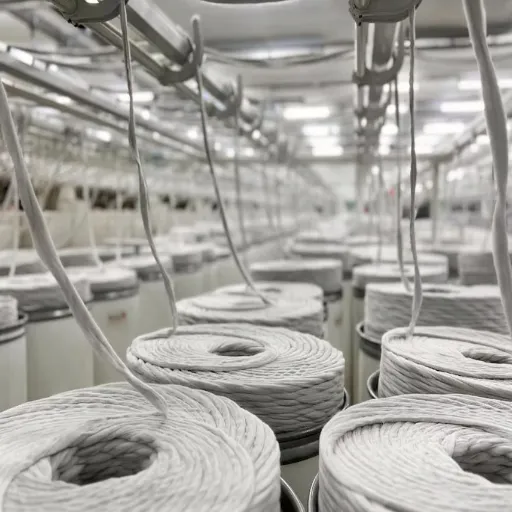
Custom yarn solutions are professional yarn development services that produce yarn to a buyer’s exact specifications. Rather than selecting from a manufacturer’s existing catalog, you collaborate to create a yarn that fits your product’s technical, aesthetic, and performance requirements.
The scope of customization is broader than many buyers initially assume. A true custom yarn solution can adjust:
- Fiber content and blends: Choose pure cotton, polyester, nylon, wool, silk, linen, or engineered blends with precise ratios.
- Yarn count and ply: Control thickness, structure, and weight to match weaving or knitting requirements.
- Twist direction and level: Adjust yarn hand-feel, strength, and surface appearance.
- Color matching and dyeing: Match Pantone references, develop seasonal shades, or create proprietary brand colors.
- Texture and surface finish: Add effects like slub, nep, brushing, mercerization, or water-repellent coatings.
- Packaging and labeling: Custom cone weights, branded labels, or private-label packaging for resale.
This level of control matters because yarn is the foundation of most textile products. Small changes in fiber blend or twist can alter how a fabric drapes, wears, dyes, or performs under stress. When Elena Marchetti, a Milan-based furniture designer, couldn’t find an off-the-shelf yarn that matched both her specified abrasion rating and the warm beige tone of her leather collection, she assumed custom production would require a 10,000-kilogram minimum. After speaking with a flexible manufacturer, her first custom order started at 300 kilograms. The matched yarn became a signature element of her 2026 upholstery line. Looking for a trusted custom yarn manufacturer? Contact Hebei Lida Textile Co., LTD to explore flexible production options designed to meet both quality standards and delivery schedules.
Who Needs Custom Yarn Solutions?
Custom yarn solutions serve a wide range of buyers:
- Fashion designers who need trend-responsive colors, signature textures, or small-batch sampling.
- Home textile brands producing upholstery, curtains, bedding, or rugs with strict color and performance standards.
- Industrial buyers who require heat resistance, chemical resistance, tensile strength, or certification compliance.
- Eco-conscious businesses seeking certified sustainable materials combined with custom specifications.
- Global distributors and private-label brands that need consistent, branded yarn supply at scale.
If your product depends on a specific look, feel, or performance characteristic that stock yarns can’t reliably deliver, custom yarn solutions are worth evaluating.
Custom Yarn Design: What’s Possible?
Designing a custom yarn starts with a clear brief. The more precise your specifications, the faster and more accurately a manufacturer can produce samples that match your vision.
Creating a Yarn Design Brief
A complete design brief typically includes:
- End use: Will the yarn be woven, knitted, or used for technical applications?
- Fiber content: Natural, synthetic, blended, or recycled?
- Yarn count: The thickness and weight specification.
- Ply and twist: Single-ply, multi-ply, S-twist, or Z-twist.
- Color: Pantone reference, lab dip standard, or physical swatch.
- Finish: Softening, stiffening, waterproofing, UV resistance, or anti-microbial treatment.
- Performance targets: Abrasion resistance, tensile strength, color fastness, or flammability requirements.
- Order volume and timeline: Sampling quantity, bulk MOQ, and delivery schedule.
Color Matching and Pantone References
One of the most common custom requests is precise color matching. A manufacturer will produce lab dips, small dyed yarn samples, based on your Pantone code or physical swatch. Because fibers absorb dye differently, the same Pantone color can look slightly different on cotton versus polyester. Experienced manufacturers adjust dye formulas fiber by fiber to hit the target shade.
Up to 30% of textile production delays stem from color matching and approval issues. Building extra time for lab dips and revisions into your timeline prevents costly rush fees later.
Texture and Hand-Feel Specifications
Texture is harder to communicate than color. Buyers often send reference fabrics or “header” samples that show the desired hand-feel. Manufacturers then adjust fiber blend, twist level, and finishing processes to replicate that effect. Wash-and-wear testing is essential here: a yarn that feels perfect fresh off the cone may change after laundering.
Common Design Mistakes to Avoid
Even experienced buyers make these errors when specifying custom yarns:
- Vague requirements: “Soft but strong” means different things to different people. Use measurable specs.
- Skipping the sampling phase: Lab dips and strike-offs catch problems before bulk production.
- Ignoring end-use performance: A beautiful yarn that fails abrasion testing is not a solution.
- Mismatched MOQ expectations: Confirm minimums for both sampling and bulk before finalizing designs.
If you want a deeper walkthrough of the design process, see our guide to the custom yarn design process.
The Custom Yarn Production Process
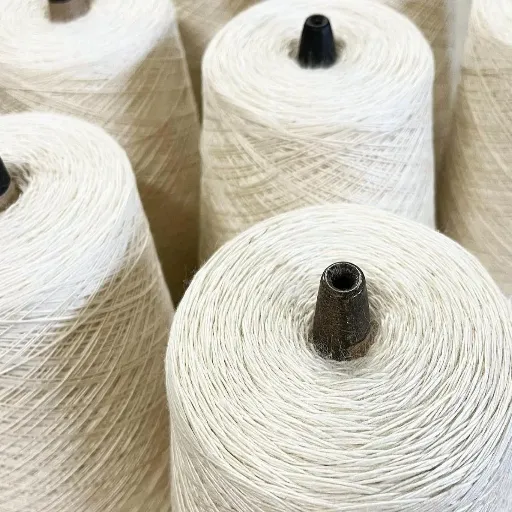
Understanding how custom yarn production works helps you plan timelines, set expectations, and avoid surprises. The process typically follows six stages.
Step 1: Inquiry and Requirements Gathering
You submit your design brief, reference samples, and target volume. The manufacturer reviews feasibility, suggests fiber or process alternatives, and provides an initial quote and timeline. This stage usually takes 3-7 business days.
Step 2: Design Finalization and Sampling
Once the brief is approved, the manufacturer produces lab dips, yarn samples, or small strike-off batches. For complex custom yarn designs, this may involve 2-3 rounds of revisions to match color, texture, and performance.
Step 3: Sample Approval and Adjustments
You evaluate samples against your specifications. If adjustments are needed, the manufacturer updates the formula and produces revised samples. Only proceed to bulk after written sample approval.
Step 4: Bulk Production Scheduling
After sample approval, the manufacturer schedules bulk production. Lead times vary by order size and complexity. Small custom orders of 100-500 kilograms may take 2-4 weeks, while large industrial orders can take 6-10 weeks.
Step 5: Quality Control for Custom Orders
Quality control for custom yarn focuses on consistency within the approved standard. Tests typically include count verification, twist level, color fastness, tensile strength, and visual inspection. Every batch should be checked against the approved sample, not just a generic standard.
Step 6: Packaging and Delivery
Yarn is wound onto cones or reels in your specified weights, labeled according to your requirements, and prepared for shipment. Custom packaging, branded labels, private-label cones, or pallet configurations, can be arranged at this stage.
For a detailed buyer-focused timeline, read our article on custom yarn production from order to delivery.
Custom Yarn Solutions for Home Textiles
Home textile applications are among the most common use cases for custom yarn solutions. Upholstery and curtains each present different technical challenges.
Custom Yarn for Upholstery
Upholstery yarn must withstand friction, light exposure, and regular cleaning without losing color or texture. Key specifications include:
- Abrasion resistance: Measured by Martindale or Wyzenbeek tests. Residential upholstery typically requires 15,000+ cycles; commercial use often requires 30,000+.
- Color fastness: Resistance to fading from light, rubbing, and cleaning.
- Flammability: Compliance with regional standards such as CAL 117, TB 117, or BS 5852.
- Pilling resistance: Critical for high-contact furniture.
Custom color matching is especially important for upholstery. Furniture collections often include leather, wood, and metal components alongside fabric. A custom yarn can be developed to harmonize with all of them. Learn more in our dedicated guide to custom yarn for upholstery.
Custom Yarn for Curtains and Drapery
Curtain yarn customization focuses on drape, weight, and light management rather than abrasion. Important factors include:
- Drape coefficient: How naturally the fabric falls.
- Weight and opacity: Sheer, semi-sheer, blackout, or thermal properties.
- UV resistance: Prevents fading in sunlit rooms.
- Color consistency: Large curtain panels must match across wide widths and long drops.
A drapery manufacturer in Portugal recently worked with Hebei Lida to develop a linen-polyester blend that delivered the drape of pure linen with the UV stability and cost structure of polyester. The result was a proprietary curtain collection now used in over 200 hospitality projects across Europe.
For curtain-specific guidance, see our article on custom yarn for curtains.
Custom Yarn for Fashion and Apparel
Fashion designers use custom yarn solutions to differentiate collections, protect designs from copying, and respond quickly to trend shifts.
Trend-Responsive Color and Texture Development
Fashion cycles move fast. Custom yarn suppliers with in-house dyeing and sampling capabilities can turn around new shades in days rather than weeks. This speed lets designers finalize collections closer to market, reducing the risk of committing to colors that trend out before launch.
Small-Batch Sampling for Fashion Cycles
Not every design makes it to bulk production. Low-MOQ sampling programs let designers test 20-50 kilogram batches before committing to larger orders. This flexibility reduces waste and inventory risk.
Cost Structure and Timeline
Fashion custom orders typically follow this timeline:
- Design briefing: 3-5 days
- Lab dips and sampling: 7-14 days
- Sample approval: 3-7 days
- Bulk production: 14-28 days depending on volume
The total cost includes development fees, sampling charges, and bulk yarn pricing. Many manufacturers credit sampling fees against the first bulk order.
For fashion-specific advice, read our guide to custom yarn for fashion.
Custom Yarn for Branding and Identity
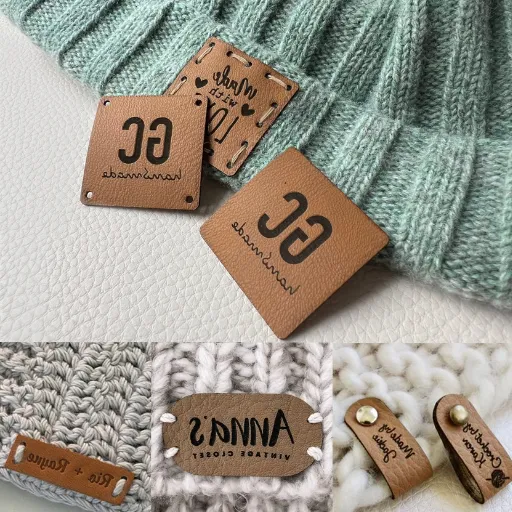
Yarn can be a brand asset, not just a raw material. Custom yarn for branding includes brand-color matching, logo integration, and co-branded packaging.
Brand-Color Yarn Matching
Companies with strong visual identities need yarn that matches their Pantone brand colors exactly. This is common for:
- Corporate uniform programs
- Branded textile merchandise
- Retail collections tied to brand identity
- Licensed product lines
Logo Integration and Co-Branded Packaging
Beyond color, branding can extend to:
- Printed labels on yarn cones or skeins
- Jacquard-woven patterns incorporating logos or motifs
- Custom packaging with brand graphics and product information
- Private-label programs where the yarn is sold under the buyer’s brand
These details matter for resale, licensing, and corporate gifting programs. Explore our article on custom yarn for branding for a deeper look.
Custom Yarn for Industrial Applications
Industrial buyers don’t choose yarn for aesthetics. They choose it for performance under specific physical, chemical, or environmental stresses.
Performance Specifications
Common industrial yarn requirements include:
- Tensile strength: Resistance to breaking under load.
- Heat resistance: Performance at high temperatures without melting or degrading.
- Chemical resistance: Stability when exposed to oils, solvents, or cleaning agents.
- UV stability: Long-term performance in outdoor exposure.
- Abrasion resistance: Durability in high-friction environments.
Testing and Certification
Industrial applications often require documented testing and certification. Depending on the end use, relevant standards may include ISO, ASTM, DIN, or industry-specific certifications for automotive, aerospace, marine, or agriculture.
When an automotive interiors supplier near Stuttgart couldn’t find a yarn that met both their flame-resistance spec and their target price point, they worked with a custom manufacturer to develop a modified polyester blend. The new yarn passed testing, reduced material cost by 12%, and became the standard for two seat-cover programs.
For technical guidance, see our article on custom yarn for industrial use.
Custom Yarn Solutions for Small Businesses and Startups
A common misconception is that custom yarn solutions are only for large brands. That is no longer true.
Low-MOQ Options and Sampling Programs
Flexible manufacturers now offer low minimum order quantities for custom yarn, sometimes as low as 50-100 kilograms for sampling and 200-500 kilograms for bulk. This change has expanded market access for independent brands, small design studios, and startups.
Starting Small and Scaling Responsibly
Small businesses benefit from a staged approach:
- Start with a small sample order to validate color and texture.
- Run a limited production batch to test market response.
- Use sales data to justify larger bulk orders.
- Negotiate better pricing as volumes grow.
This approach minimizes risk while building a proprietary material library that competitors can’t easily copy.
If you’re a small brand exploring custom production, our guide to custom yarn for small businesses walks through the process step by step.
Custom Eco-Friendly Yarn Solutions
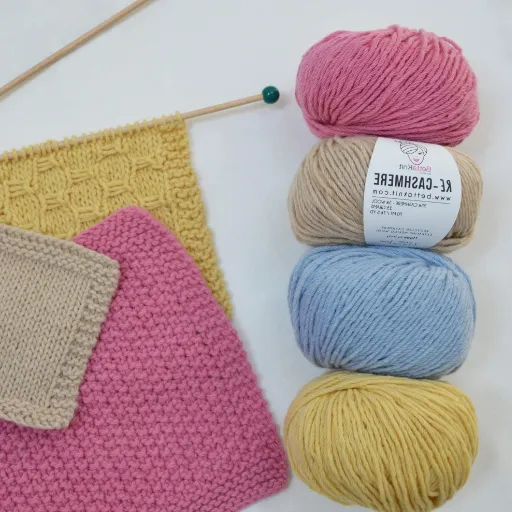
Sustainability and customization are not mutually exclusive. Custom eco-friendly yarn solutions let brands specify certified sustainable materials while retaining control over count, color, texture, and performance. According to Textile Exchange, demand for preferred fibers and materials continues to grow as brands set concrete sourcing targets.
Sustainable Material Options
Common choices for eco-friendly custom yarn include:
- Organic cotton: Grown without synthetic pesticides or fertilizers.
- Recycled polyester (rPET): Made from post-consumer plastic waste.
- Recycled nylon: Often sourced from fishing nets or industrial scrap.
- TENCEL and lyocell: Regenerated cellulose fibers from sustainably managed wood.
- Hemp and linen: Low-input natural fibers.
Certifications for Custom Sustainable Yarns
Relevant certifications include:
- GOTS (Global Organic Textile Standard) for organic fibers.
- GRS (Global Recycled Standard) for recycled content.
- OEKO-TEX STANDARD 100 for harmful substance testing.
- RWS (Responsible Wool Standard) for ethically sourced wool.
Certified custom yarns often cost more than conventional options, but they support brand positioning, meet retailer requirements, and reduce environmental impact. For more detail, see our guide to custom eco-friendly yarn solutions.
How to Choose a Custom Yarn Supplier
Custom orders require a different evaluation framework than standard yarn purchasing. A supplier that excels at catalog sales may not be the right partner for bespoke development.
Custom Capability Assessment
Ask these questions:
- Do they offer design support, or do they expect you to deliver a fully specified brief?
- What is their sampling process, and how many revision rounds are included?
- What are their MOQs for samples and bulk?
- Can they handle the fiber types and finishes you need?
Communication and Responsiveness
Custom development depends on clear, timely communication. A slow response during sampling often signals delays later in production.
Prototyping Speed and Iteration Tolerance
Some manufacturers resist revisions once a sample is produced. A good custom partner expects 2-3 rounds of refinement and builds that time into their process.
Quality Consistency Between Sample and Bulk
This is the most important factor. Request references, ask about batch-to-batch control procedures, and verify that bulk will be dyed and finished using the same formula as the approved sample.
Scalability and Transparency
Can the supplier grow with you? A partner that handles 500-kilogram orders today should be able to scale to 10,000-kilogram programs without changing facilities or losing consistency.
Red Flags to Watch For
- Vague answers about sampling timelines or MOQs
- Reluctance to provide references from custom clients
- No documented quality control process
- Inability to explain how bulk will match the approved sample
- Pressure to skip sampling and move straight to production
For a full supplier evaluation framework, read our guide on how to choose a custom yarn supplier.
Benefits of Custom Yarn Solutions
Investing in custom yarn solutions delivers advantages that extend beyond the material itself.
Product Differentiation and Brand Identity
A custom yarn is a proprietary asset. Competitors can’t source the same material from a catalog, which protects your designs and strengthens brand recognition.
Performance Optimization
Custom yarns can be engineered for the exact performance requirements of your application, whether that means abrasion resistance for upholstery, UV stability for outdoor textiles, or drape for fashion.
Quality Control and Supply Chain Reliability
Working directly with a manufacturer on a custom specification reduces dependence on stock inventory that may be discontinued or inconsistent between batches.
Long-Term Cost Efficiency
Custom development has upfront sampling costs, but it often reduces waste, returns, and redesigns over time. A yarn that performs as intended from the first production run saves money across the product lifecycle.
Ready to explore custom yarn solutions for your next project? Contact Hebei Lida Textile to discuss your specifications or request a sample.
Frequently Asked Questions
What are custom yarn solutions?
Custom yarn solutions are professional services that develop yarn to a buyer’s exact specifications, including fiber content, count, twist, color, texture, finish, and packaging.
What is custom yarn production?
Custom yarn production is the manufacturing process that turns an approved custom yarn specification into bulk yarn. It includes fiber preparation, spinning, dyeing, finishing, quality control, and packaging.
Can I order custom yarn for small projects?
Yes. Many manufacturers now offer low-MOQ custom yarn programs with sampling minimums as low as 50-100 kilograms and bulk minimums starting at 200-500 kilograms.
What are the benefits of custom yarn solutions?
The main benefits include product differentiation, performance optimization for specific applications, improved quality control, stronger brand identity, and long-term cost efficiency.
How do I find a reliable custom yarn supplier?
Look for a supplier with demonstrated custom capability, clear sampling processes, responsive communication, documented quality control, and the ability to maintain consistency between sample and bulk production.
Get Your Custom Yarn Quote
Custom yarn solutions give you control over the material that defines your product. Whether you’re developing a signature fashion collection, refining upholstery performance, or specifying industrial-grade yarn, the right manufacturing partner turns your requirements into a reliable supply of production-ready yarn.
At Hebei Lida Textile Co., LTD, we work with brands of all sizes to develop custom yarns for fashion, home textiles, industrial applications, and sustainable product lines. From initial design consultation to sample approval and bulk delivery, we focus on consistency, quality, and clear communication at every stage.
Contact our team today to discuss your custom yarn project or request a sample. We’ll review your specifications, outline the sampling process, and provide a timeline and quote tailored to your needs.