



Woven polypropylene fabric is durable for sure, but at the same time it is a very versatile and inexpensive material so it has become the fundamental material in the different industries where it is used. No matter the area, agriculture, construction, or packaging, this state-of-the-art fabric is still a very important factor in improving and maintaining the efficiency of different uses along with the performance. But the question remains; what very qualities of woven polypropylene make it so special and why is it the material of choice for a lot of companies? In the following paragraphs, the authors will take a look at its properties that distinguish it from others, reveal its extensive applications, and the importance of seeing its advantages for your next project or acquisition that could result in a big difference.
Understanding Woven Polypropylene
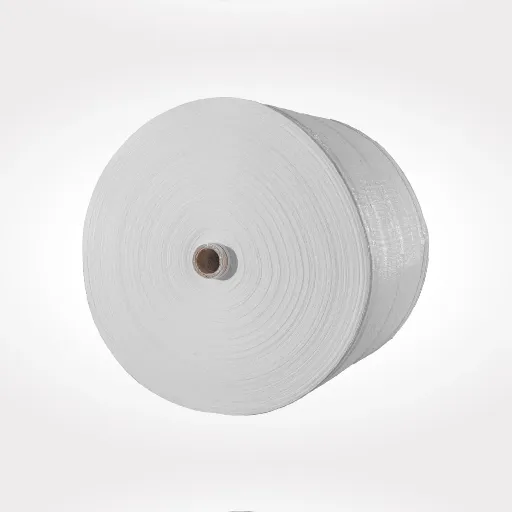
What is Woven Polypropylene?
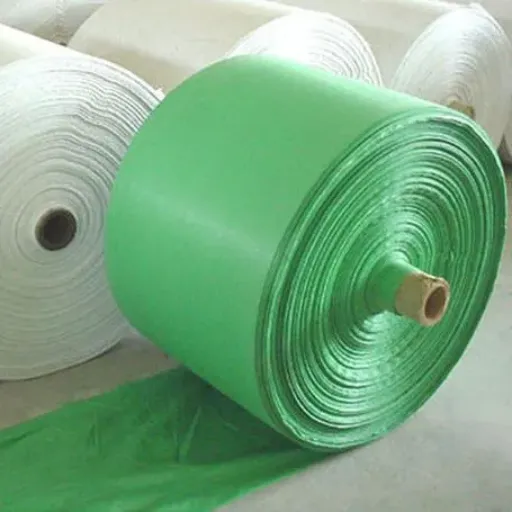
Woven polypropylene is a material that is extremely useful and long-lasting. It is made of interlaced strips or threads of polypropylene. Polypropylene, a kind of thermoplastic polymer, is famous for its ratio of strength to the weight, endurance to wear and tear, and capability to tolerate various climatic conditions. The fabric formed by weaving is very lightweight but at the same time very strong, thus it becomes a preference in different industry sectors.
One significant characteristic of woven polypropylene is its remarkable tensile strength. This material is able to take up considerable stress without losing its shape at all which makes it suitable for applications such as bags, tarpaulins, and packaging. Moreover, woven polypropylene is non-absorbent, and resistant to chemicals and the sun, and thus, its use in outdoor situations lasts longer.
Woven vs Non-Woven Polypropylene
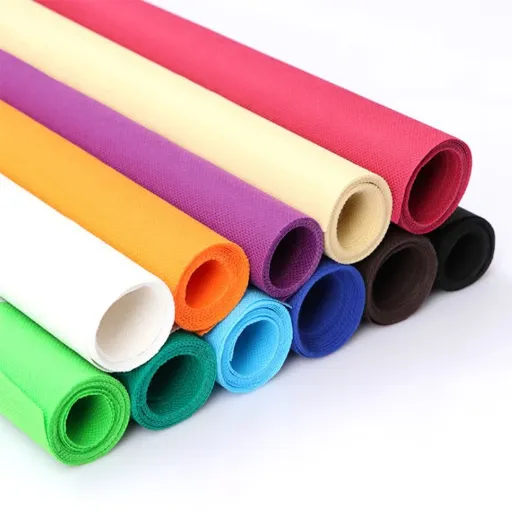
Polypropylene (PP) fabrics that are woven and non-woven methods are both vastly utilized; but at the same time, they have a lot of differences in their structure, production and applications. Woven polypropylene fabrics are made of weaving together polypropylene strips which consequently makes them highly durable and strong. Non-woven polypropylene is on the contrary created using methods such as spinning or blowing melt to fuse a mat made of random distribution of polypropylene fibers.
| Characteristic | Woven Polypropylene | Non-Woven Polypropylene |
|---|---|---|
| Structure | Interlaced polypropylene strips | Random fiber mat (spun/melt-blown) |
| Strength | High tensile strength and durability | Lower durability, lightweight |
| Applications | Industrial sacks, construction materials, bulk packaging | Shopping bags, medical masks, hygiene items |
| Properties | Heavy-duty, strong | Breathable, water-resistant, softer |
| Cost | Moderate | Low cost |
In terms of strength, woven polypropylene surpasses non-woven fabrics because of its trustworthiness, making it a perfect choice for heavy-duty applications like industrial sacks, construction materials and bulk packaging. Non-woven polypropylene, on the other hand, despite its lack of durability, offers a lightweight option at a low cost and, thus, finds its place in single-use products such as shopping bags, medical masks and hygiene items.
Non-woven polypropylene is more breathable, water-resistant, and softer compared to woven types. An illustration of this is the use of different fabric types in the medical field where non-woven fabrics are considered the best for PPEs because they can trap germs effectively and yet are comfortable to wear. The global market for the non-woven fabric that is mainly driven by production is estimated to be worth $ 53.5 billion by 2030, primarily because of its huge demand in the healthcare and packaging sectors.
Key Applications in Various Industries
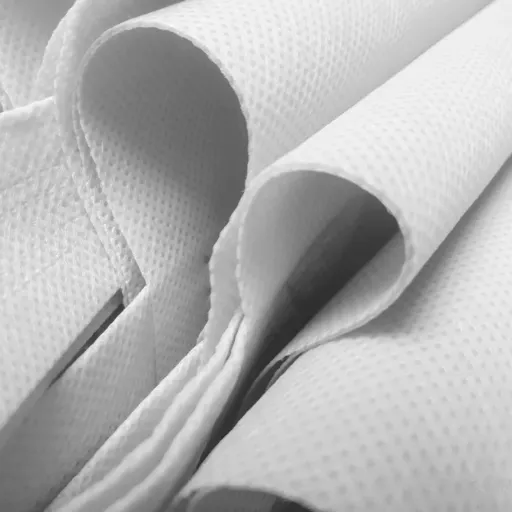
Woven Polypropylene Bags in Retail
Woven polypropylene (PP) bags have become a staple in the retail industry owing to their multipurpose nature, strength, and affordable price. Bags made of polypropylene are getting utilized for packaging different types of products in the retail sector starting from food grains and animal supplies to promotional shopping bags. Their strong and durable character has made woven PP bags very popular to both businesses and customers.
📊 Market Growth Insight
The main reason for the retail industry to adapt woven PP bags is that they are reusable and eco-friendly. The global market of polypropylene woven bags is estimated to grow rapidly, with a compound annual growth rate (CAGR) of about 4-5% from 2023 to 2030 as a result of increased demand from agriculture and retail sectors, according to market data. Consumers are gradually shifting towards durable and reusable packaging solutions rather than single-use ones, which is in line with the global sustainability goals.
Geotextile Fabric for Construction
Geotextile fabrics have been recognized as an indispensable part of modern construction projects. The main reasons are their flexibility and life span. The permeable fabrics made mostly from polypropylene or polyester are used in a variety of applications to enhance the stability of the soil, provide separation, filtration or drainage, and thus maintain the integrity of the structure. According to a recent report, the global geotextiles market was valued at about $5.91 billion in 2021 and is projected to reach $10.88 billion by 2028, thus registering a compound annual growth rate (CAGR) of 8.9% during this time.
One major use of geotextiles in the building industry is soil reinforcing and this technique is mostly applied in roads, trains, and walls for earth retention. For instance, the use of geotextiles in highway construction not only does the soil work easy and the road last longer but also correctly drained soil does not get washed away. Heavy sub-base layers are thus cut down and the projects get not only more economical but also time-efficient.
Geotextile fabrics are extensively used in environmental engineering applications such as landfill linings and erosion control. Their excellent filtration and drainage properties make them suitable for water management and sediment control. For instance, non-woven geotextiles are used in filter systems where they provide high permeability along with excellent structural support.
Advantages of Using Woven Polypropylene
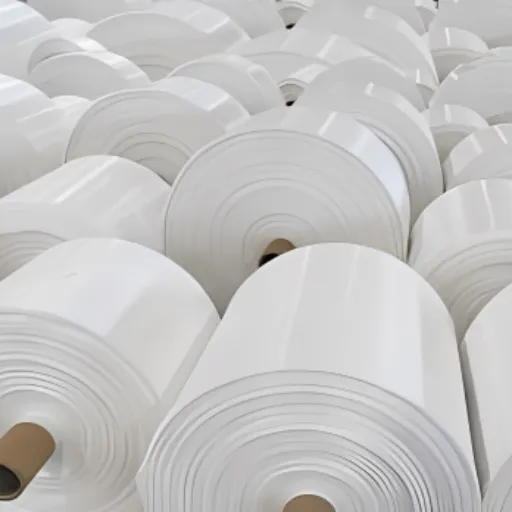
Tensile Strength and Durability of Woven Polypropylene
Woven polypropylene is a material known for its marvelous first-rate tensile strength and remarkable durability. Therefore, it can be safely said that woven polypropylene is a reliable material both for construction and for gardening purposes. Tensile strength is a measure of how much force the material can withstand without breaking or tearing; it is an important feature for stabilizing soil and controlling erosion in landscaping and construction. Based on various industry standards, woven polypropylene fabrics of the superior quality can be able to withstand tensile strengths of up to 200 kN/m, which is quite dependent upon the grade and application; thus, their effectiveness is guaranteed even in the most adverse situations.
⚡ Performance Highlight
Woven polypropylene’s strength of materials with a lot of good chemical-resistance, UV-light-resistance, and moisture-resistance characteristics is even more remarkable. For instance, the majority of woven polypropylene geotextiles are specially treated to be UV-resistant so that their life will be extended when exposed to sunlight. Some products are even able to maintain their integrity for over a decade under normal conditions. This durability is not only experienced in the construction area but also in gardening applications where the fabric can be used repeatedly as it is not going to lose its properties when in contact with soil, water, and fertilizers.
Versatility in Applications
Woven polypropylene (PP) items are extremely versatile and have become crucial in different industries because of their durability, lightweight, and cost-efficient nature. One of the main uses is in the agricultural field; where, they are used in large quantities for proper storage of grains, seeds, and fertilizers. Market research indicates that nearly 55% of woven PP bags are being made use of in the agriculture sector around the world, thereby, ensuring safe movement and storage of bulk materials.
Moreover, the construction sector is highly dependent on woven PP fabrics for different applications like geotextiles, sandbags, and cement packaging. For instance, geotextiles made from PP are being extensively used for soil stabilization and erosion control in large infrastructural projects. The world geotextile market alone was estimated to be worth $8.1 billion in 2022; and polypropylene materials accounted for a considerable portion of it because of their strong nature and cost-efficiency.
Consumer packaging is another area where the versatility of the PP woven products is appreciated. Bags made from this material are not only eco-friendly but also durable; thus, they are a great alternative to the usage of single-use plastics. The fashion and retail industry make use of specialized PP woven fabrics for their items like promotional tote bags thus adding to the annual growth rate of 5-6% in the reusable bags market.
Environmental Considerations
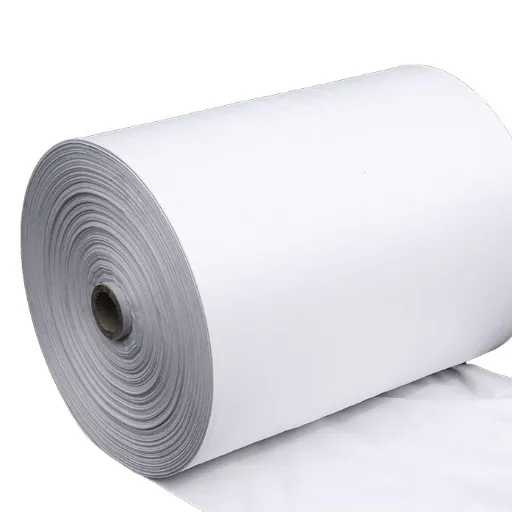
Recycling and Sustainability of Polypropylene
Polypropylene (PP) is a big plus in sustainable practices due to its excellent recyclability and thermoplastic nature. Recycling PP involves direct reprocessing of the polymer into pellets that can be used to manufacture new products. Industry statistics say that the worldwide recycling rate of polypropylene is around 30%, with several regions taking measures to uplift the figure.
Durability is one of the characteristics of PP that attracts many. It is a double-edged sword, however, since besides being beneficial for the long run, it also implies that if not managed properly, the plastic will remain in the ecosystem for centuries. However, a new technology in chemical recycling has emerged to offer help. The process of chemical recycling disintegrates PP to the smallest, thus giving birth to a new material, practically the same as the original, with far less loss than in traditional mechanical recycling methods.
Impact on Landfill and Waste Management
Polypropylene (PP) is, in a way, a plastic hero, as it helps significantly to lower the amount of waste to be buried in landfills besides being recycled and reused again and again. Plastic waste consisting of polypropylene is in the order of 16% of the total waste in the world. If no recycling or disposal actions are taken, it will be in the landfills for at least a century and the process will be a continuous cycle of waste and pollution.
♻️ Environmental Impact
Among the innovative recycling processes, chemical recycling claims of almost no plastic waste, as in the case of polypropylene, the recovery rates can be as high as 70% which is thus lower than mechanical recycling in many locations. Moreover, strong recycling programs have been able to cut plastics waste going to landfills by nearly one-third in areas with developed recycling infrastructure.
Future Trends in Woven Polypropylene Materials
Innovations in Woven Fabric Technology
Woven fabric technology has made huge steps forward in recent years and is now being applied to various industries that need eco-friendly, functional, and efficient products. Among these innovations is the creation of biodegradable woven polypropylene which is intended to lessen the negative effects on the environment, in the long term, especially in waste management. Studies on the incorporation of bio-based polymers, such as polylactic acid (PLA), into woven textiles show that it can cut carbon emissions during production greatly without compromising the fabric’s durability and strength.
The major technological development however is said to be the introduction of nanotechnology into the process of woven polypropylene production. Manufacturers are literally embedding nanoscale materials into the structure of the fabrics in order to obtain the augmented features like higher tensile strength, better UV resistance, and even the ability to clean themselves. In one instance, a research by the National Nanotechnology Initiative pointed out that the inclusion of graphene into the woven fabrics could not only make them thermally stable but could also lead to a 40% increase in stability thus opening up the use of these materials in the aerospace and industrial equipment.
Potential Market Growth and Developments
The woven fabric industry market, by the way, may grow significantly in light of the technological developments and the eco-friendliness trend along with the ever-growing interest in the wide variety of applications of these fabrics in different sectors. The latest market study has found that the global woven fabric market size was around $30 billion in 2022 and is likely to have a compound annual growth rate (CAGR) of 5.5% from 2023 to 2030. The main reason for this growth is that people are becoming more and more conscious of the environment and therefore prefer eco-friendly textiles; also, the availability of high-tech fabrics is increasing, and the demand from fashion, automotive, and medical industries is booming, to name a few.
The responsible use of resources in production has become the number one reason for growth since both consumers and manufacturers now opt for products that are less harmful to the environment. Woven fabrics that are either biodegradable or derived from recycling processes have witnessed an increase in demand with manufacturers going for closed-loop production methods. One area where this is visible is in the production of organic cotton and recycled polyester which not only results in a significant decrease in the environmental footprint but also guarantees the quality of the fabric.
Reference Sources
-
Influence of Different Woven Geometry in Poly (Propylene) Woven Composites
- Published in: Wiley Online Library
- Key Insights: This study investigates the impact of various woven geometries on the properties of polypropylene composites, focusing on their structural and mechanical performance.
- Source
-
Experimental Investigation of Properties of Polypropylene and Non-Woven Spunbond Fabric
- Published in: ResearchGate
- Key Insights: Explores the properties of polypropylene materials, including non-woven spunbond fabrics, and their potential applications in various industries.
- Source
-
Research and Application of Polypropylene: A Review
- Published in: Springer
- Key Insights: Provides a comprehensive review of polypropylene, including its use in woven products like sacks, bulk bags, and flexible packaging, highlighting its functional applications.
- Source
Frequently Asked Questions (FAQs)
What is polypropylene fabric and how is it created?
A textile made out of polypropylene resin, which is then changed into either polypropylene yarns or tapes, is called polypropylene fabric. The production process is such that a spinneret is used to extrude molten polymer, thus producing continuous filaments which later on are cooled, drawn and spun into yarn. In the case of woven PP, yarns are placed as warp and weft and are woven on looms; for non-woven types the polymer is made into sheets or web structures using spunbonded or needle-punched methods.
What are the key properties of PP that make it a beneficial material?
Polypropylene’s properties are its low density, good chemical resistance, high tensile strength, and moisture resistance. It is often regarded as colorfast under many conditions and can provide UV protection when stabilized. It is lightweight but still quite strong, thus making it the number one choice for heavy-duty packaging, outdoor furniture protection, and construction fabrics. Furthermore, PP has good thermal and chemical stability compared to other polymers like polyethylene.
Can polypropylene non-woven sheeting be used as landscape fabric and for ground cover?
Absolutely, yes. Polypropylene non-woven sheeting—usually of the spunbonded type—has been one of the primary materials for landscape fabric and ground cover because it permits water and air movement while at the same time blocking the growth of weeds and keeping the soil stable. The non-woven needle-punched variants make the construction of roads and controlling erosion easier through their added strength.
What are the major advantages and uses of PP woven and non-woven materials?
The range of benefits and uses includes packaging products like BOPP (biaxially oriented polypropylene) films and heavy-duty woven sacks to construction fabrics, food containers, and agricultural ground covers. Woven PP is the preferred choice for packaging, and the reason is its strength and puncture resistance, while non-woven spunbonded (also called) materials find their application in medical, filtration, and protective covers.
Ready to Explore Woven Polypropylene Solutions?
Discover how this versatile material can benefit your next project