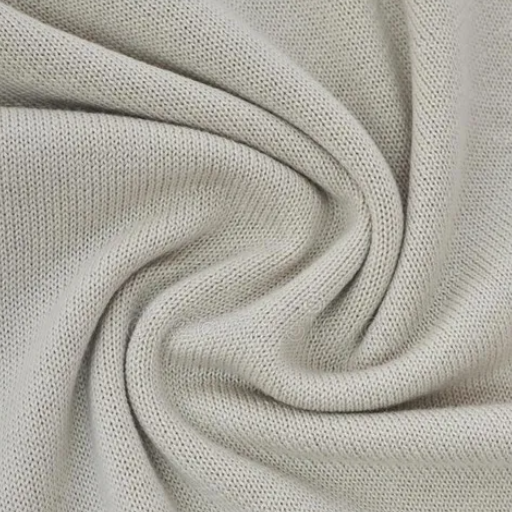

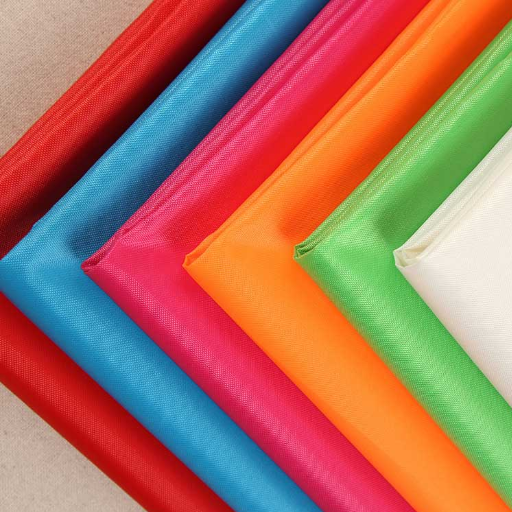


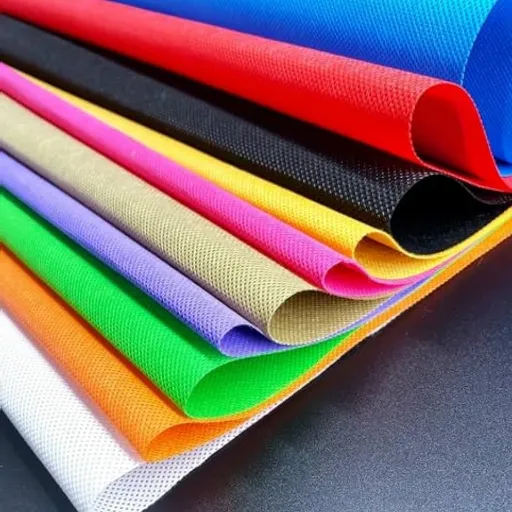
Polypropylene (PP) woven fabric is a multifaceted and long-lasting material that is immensely significant in various industries like construction, and even agriculture. It has the major characteristics of being strong, light, and tear-resistant, which models it as the fabric of choice for a wide range of applications. What makes PP woven fabric so special, though? And what are the benefits derived from its different weaves? The present blog post will be bringing out the prime characteristics of PP woven fabric, explaining the various weave types and through geotextile solutions, examining its crucial role. Regardless of whether you are a professional in the industry or an inquirer about new materials, this guide will certainly give you the reason why PP woven fabric is a winner in the case of modern engineering and infrastructure projects as well.
Introduction to Polypropylene Woven Fabrics
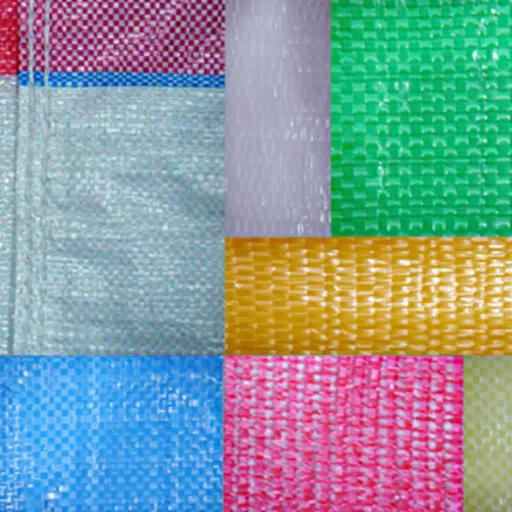
Definition and Overview of Polypropylene Woven Fabrics
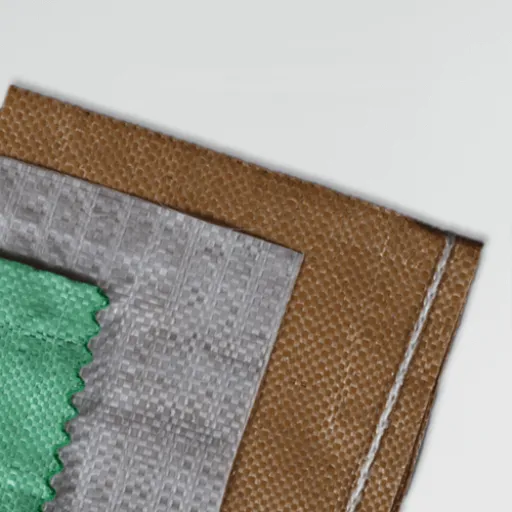
Polypropylene (PP) woven fabrics are primary textile materials composed of organized fibers or filaments of polypropylene in the form of a woven fabric that is strong and durable. These fabrics are famous for their tensile strength, extremely lightweight and versatility, which is why they are adopted in many industries like agriculture, construction, and packaging. The main constituent of the fabric is polypropylene, which is a type of plastic polymer offers excellent chemical resistance and durability.
PP fabrics get their high tear and puncture resistance from their woven structure and therefore can be used in applications that require very heavy materials. For instance, geotextiles made from PP woven fabrics are vital to construction projects by providing stabilization for the soil, controlling erosion, and drainage efficiency. The global polypropylene market size was approximately valued at $117 billion in 2022 and is forecasted to grow at a CAGR of 5.5% from 2023 to 2030. The main reason for this growth is increased demand for polypropylene woven fabric for the construction and packaging sectors.
Significance in Various Industries
- Agriculture
PP woven sacks have a major role in the agricultural industry for the purpose of storage and transport of grains, seeds, fertilizers, and animal feed. As per the industry reports, the agricultural sector was a key demand driver for PP woven materials, with the global agricultural packaging market expected to hit $5.02 billion in 2026, growing at a rate of 5.4% from 2021. Moisture, pests, and UV radiation resistances make them suitable for outdoor applications.
- Construction
The reliance of the construction industry on PP woven fabrics is apparent through the use of geotextiles, sandbags, and scaffolding covers. Such materials combine the properties of strength and flexibility which is essential in the infrastructure reinforcement. A report from MarketsandMarkets states that the geotextiles market will exceed $12 billion by 2027, with the fact that urbanization and infrastructure that incorporate PP woven materials are major boosting factors.
- Packaging
PP woven bags are king in the packaging sector especially in food, retail, and logistics applications where the durability and lightweight nature of the product are paramount. Global PP woven bag sales which were at $3.9 billion in 2022 are predicted to rise at a rate of 4.5% from 2023 to 2030. One of the reasons for the high recyclability of these bags is the fact that they are becoming more and more in line with the preferences of consumer and regulators regarding eco-friendly packaging solutions.
Properties of PP Woven Fabric
Chemical and Physical Properties of PP Woven Fabric
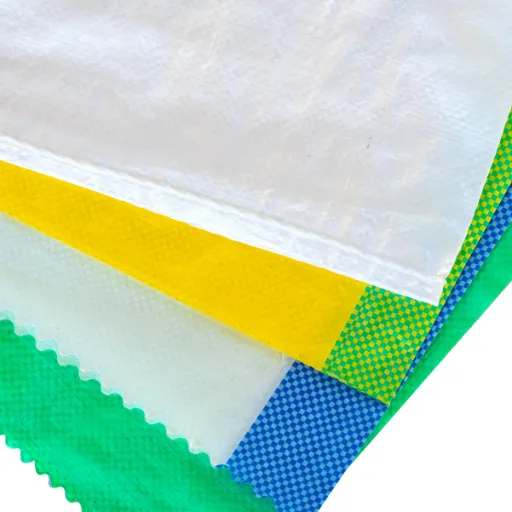
The polypropylene (PP) woven fabric is a highly versatile and durable fabric with a combination of chemical and physical properties that is applicable in many different aspects. Polypropylene, in a chemical way, is a thermoplastic polymer that has exceptionally good resistance against acids, alkalis, and organic solvents; thus, making it perfect for the safe use of various chemicals without the risk of degradation. Moreover, it is a harmless and nature-friendly material that keeps in line with the sustainability goals of today.
On the road, The PP woven fabrics are made of very light materials, this being one of the properties that facilitate their transportation and handling. They will not be heavy at all but on the contrary, they will have high tensile strength, be hard to lose during the process of abrasion and wear, and will not give up easy. These features make it the perfect choice for heavy-duty packaging and industrial uses. One of the other important aspects is that it has a very low moisture absorption which means that the fabric will not get ruined if it is humid or wet.
Durability and Strength
PP woven fabrics’ durability and strength are great and dominating factors that they are still used in so many areas. The wear and tear of the environment along with the stress on the fabrics are no longer issues, because they are going to last for a long time regardless of the conditions being tough. The tensile strength of PP woven fabrics ranges, on average, from 40 MPa to 55 MPa, and the elongation can be up to even 200%, depending on the thickness, weave pattern, and composition of the fabric. The advancements in the field of additive technologies, such as the use of UV stabilizers and anti-oxidants, have not only made fabrics more resistant to sunlight and oxidation but also their lifespan increased in outdoor applications.
Otherwise, research has indicated that a number of PP woven fabrics can endure -20°C to 80°C temperature fluctuations without major decline in physical properties and thus are able to provide versatile solutions even in extreme climates. The moisture absorption property further adds to the dimensional stability of such fabrics and also makes them resistant to mildew or mold. The above-mentioned fabric properties ensure that the fabric retains its structure and at the same time it is also a cost-effective alternative compared to other materials.
Weave Types of Polypropylene Fabrics
Common Weave Structures
Plain Weave
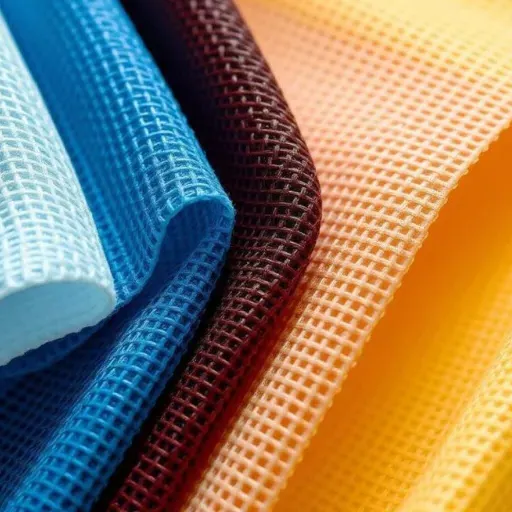
The plain weave is a very simple and it is most commonly used structure in the polypropylene fabrics. This type of weaving consists of one-over and one-under patterns that interlaced the warp and weft yarns. It leads to highly durable, tearing-resistant, and economical production. The applications of plain weave polypropylene are a wide range and it is commonly used for packaging bags, geotextiles, and light industrial materials owing to its uniform structure.
Twill Weave
Twill weave forms the surface of fabrics with a diagonal pattern by weaving the weft yarn over two or more warp threads and then passing it under one or more threads. This technique strengthens polypropylene fabrics by giving them increased flexibility, thus making them suitable for heavy-duty applications like barriers in construction, protective covers for machinery, and ground covers. Aesthetically, the diagonal pattern makes these fabrics more visually attractive.
Satin Weave
Satin weave polypropylene is less popular but still appreciated in specific applications. Satin weave has even fewer interlacings than the plain or twill weaves and thus provides a smoother surface. Consequently, drape is better and the fabric looks sleek. Satin weave polypropylene is particularly advantageous in situations that require smooth contact surfaces, like liners, industrial upholstery, and filtration systems.
Impact of Weave on Fabric Performance
Weave type and structure are decisive factors in the performance of heat-resistant polypropylene fabrics. Each weaving method has its own specific combination of strengths, permeability, ductility, and longevity that suit various applications.
For instance, the plain sample, characterized by its simple over-and-under pattern, is used in many cases for its balanced strength and smooth surface finish. This makes it perfect for geotextiles and packaging materials. Industry reports claim plain-woven polypropylene fabrics possess a tensile strength of 120 MPa that allows them to maintain good performance in different conditions.
Applications of PP Woven Fabric

Geotextile Fabrics in Construction
Geotextile fabrics, mainly the ones made of polypropylene (PP) woven fabric, have an important function in today’s construction. These fabrics are made to be very useful and to help with the various problems related to infrastructure and civil engineering such as separation, filtration, strengthening, drainage, and protection. PP woven geotextiles can, for example, be found in road building where they not only reinforce the surface but also stop mixing of the different layers under roads (subgrades and aggregates).
The recent figures are pointing to an increasing trend of their application for erosion control and slope stabilization. A market study in 2023 indicates that the worldwide geotextile market is going to be worth USD 13.8 billion by 2028; the annual growth rate would be more than 6.5% on average. A large part of this market will reasonably belong to PP woven geotextiles because they have excellent properties in other aspects like durability, resistance to chemical destruction, and being easy on the pocket.
Packaging and Transportation Uses
Besides their properties and versatility the geotextiles have been used a lot in packaging and transportation. The polypropylene (PP) woven geotextiles, for example, are the leading materials in the production of industrial sacks, bulk bags, and container liners that are used for the transportation of heavy goods like agricultural products, sand, and construction aggregates. Gaetextile’s high tensile strength gives its durability while the lightweight nature cuts down on transportation costs.
The industry has a very recent insight that tells the story that the demand for geotextiles in the logistics solutions is on the increase. A market report of 2023 mentions that the global consumption of geotextiles in packaging will grow at a rate of 5.8% per annum during the five years from 2023 to 2028, as a result of industrial and agricultural exports going up. Geographical-wise, Asia Pacific is where the growth is concentrated, mainly due to infrastructural projects and farming (like in India and China). Moreover, the development of recyclable and eco-friendly geotextiles is a response to the sustainability objectives that satisfy the environmental aspect and hence making the sector that using them more approachable.
Benefits of Polypropylene Woven Fabrics
Cost-Effectiveness and Accessibility
Polypropylene woven fabrics are remarkably recognized for their low cost and easy availability, hence they are a very popular choice for a large number of industrial and commercial applications. The production of these fabrics is done with the help of the least expensive raw materials like resin from polypropylene, which however is very affordable and available all over the world. The fact that polypropylene fabrics are of a light weight cuts down their transportation costs further, which is a great benefit economically.
Moreover, the complete production process of polypropylene woven fabrics is very efficient and able to produce lower costs of the fabrics without sacrificing quality and resistance. The global demand for polypropylene, according to recent forecasts, is to reach $169 billion by 2030, with a CAGR of 5.1% from 2023 to 2030. A large part of the market growth is attributed to the positive factors like the relatively low price and large scale of production of polypropylene including that of woven fabrics.
Lightweight and Versatile Nature
Polypropylene woven fabrics are recognized for their lightweight and versatile nature and therefore have become a key material for many industries and applications. Their lightweight does not only reduce but also makes it easier to sell them in the areas of packaging, textiles, and construction because they are less expensive and more convenient. The fabrics are lightweight but they still have fantastic strength; thus they can be used in places where it is hard to go without reliability and durability.
In addition, the versatility of polypropylene woven fabrics gives way to their adaptation in a wide range of applications from geotextiles and agricultural sacks to reusable shopping bags and promotional materials. Recent figures show a growing trend for these multifunctional fabrics and the increase of their use in agriculture is one of the sectors where they help positively by being employed for soil stabilization and erosion control. The report mentions that only the global consumption of polypropylene woven bags will be growing at a constant rate of 6.2% CAGR from 2023 to 2030. This growth not only indicates their importance in the gradual phasing out of less eco-friendly materials but also the economic and environmental benefits it would bring about.
Reference Sources
-
Self‐Reinforced Polypropylene Composites Based on Low‐Cost Commercial Woven and Non‐Woven Fabrics
This study explores the potential of polypropylene composites made from woven and non-woven fabrics, highlighting their cost-effectiveness and performance.
Read more here -
Experimental Investigation of Properties of Polypropylene and Non-Woven Spunbond Fabric
This research investigates the properties of polypropylene fabrics, comparing woven and non-woven types, and their suitability for various applications.
Read more here -
A Friction Model for Thermostamping Commingled Glass–Polypropylene Woven Fabrics
This article examines the frictional behavior of glass–polypropylene woven fabric composites during processing, providing insights into their mechanical properties.
Read more here
Frequently Asked Questions (FAQs)
Polypropylene woven fabrics are what and how exactly this textile is produced?
Woven fabrics are produced through polypropylene yarns which creates a stable structure; the process includes the extrusion of poly- to filaments or tapes, then weaving them into sheets for packages, building fabrics, upholstery fabric, etc. Besides, many applications would laminate the woven sheet or incorporate it with bopp coatings to provide the fabric with better barriers and more durability.
What properties and advantages of use make polypropylene woven fabrics a top-notch material?
The good things about polypropylene are its strength for being lightweight, water-resistance, chemical non-reactive, and UV stable which all together make the material last longer and thus be more versatile. Benefits and applications are: production of reusable sacks, paper poly bags, geotextiles for construction, and upholstery fabrics where stain resistance and cleanability are important.
How do polypropylene woven fabrics stack up against non-woven fabrics and nonwoven alternatives?
Woven PP is distinct from non-woven fabrics in its construction as well as in the performance it delivers: non-woven PP might be used for disposable medical, hygiene or filtration applications while woven PP is aimed at higher tensile strength, reusability and the like. The two solutions have their respective place in the applications depending on whether strength or single-use performance is a requirement.
Will polypropylene woven fabrics be an option for upholstery fabric and what about spills or soils the fabric?
Definitely! Polypropylene woven fabrics are suitable for outdoor furniture and heavy-use upholstery. The myth that polypropylene will never get dirty is untrue; however, along with many natural fibers, it resists stains and spills better. Furthermore, the fabric can go through further treatments like lamination or coatings to enhance its release of soil and water resistance characteristics.
Are there special kinds of polypropylene woven fabrics for food or other industries such as bopp or laminated types?
Polypropylene woven fabrics can be laminated with bopp film or other laminates to produce barrier properties for food packaging, woven sacks, or moisture-proof covers. The benefits of laminate layers include separation of various application areas through improving resistance to tearing, printability, and protection against moisture and contaminants.