

The robust Poly-tearing yarn has won its place among the textile industry as a major player due to its excellent features—very long life, high versatility, and low cost. Nevertheless, the question raised by both manufacturer and consumer—the issue of polyester yarn stretching or not—still sticks to the discussion, which often translates into the query—does polyester really stretch? The answer is mainly in the negative. The pure polyester fiber cannot be credited with any stretch at all as a natural characteristic. Still, if polyester fabrics are made through certain methods, like knitting or blending with Spandex (Elastane), they can be stretchy. Whether you are an enthusiastic knitter looking for the best material or a shopper wanting to be well-informed, it is important to be aware of the different properties of polyester yarn.
Introduction to Polyester Yarn
The Importance of Yarn in Crafting
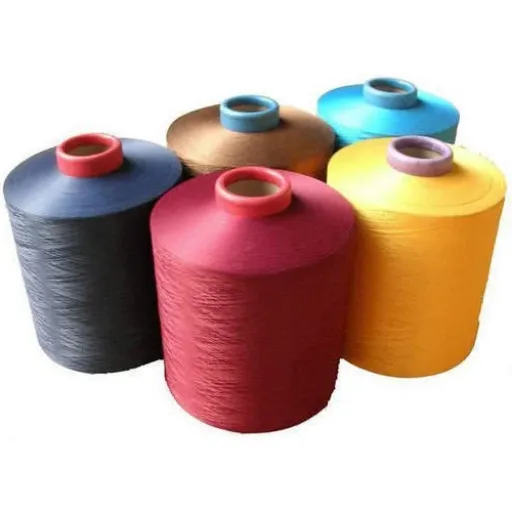
Yarn has been the primary material that opened up the whole universe of crafting, and that is why it is considered the main forging material of a wide range of items such as knitting, crocheting, weaving, and embroidery. Out of many kinds of yarns, polyester yarn is the most preferred one as it is strong and also very versatile. The market analysis reports for the coming years are hinting at the fact that by 2025, the share of synthetical yarns, especially polyester, in the world’s yarn market will be 65% because of their cheap price and varied properties.
Polyester yarn is one of the best things ever produced in the world of synthetic yarn, as it not only provides the strength but also the elasticity which makes the project good-looking and last longer. One of the pros of using synthetic fibers is that they do not suffer the same fate as the natural fibers through shrinking and wrinkling; in fact, fading occurs very slowly allowing the products to maintain their youthful looks. A new generation of soft polyester yarns is being researched that will not only be as comfortable as natural fibers but will also retain all the benefits of being synthetic.
Understanding Polyester Yarn
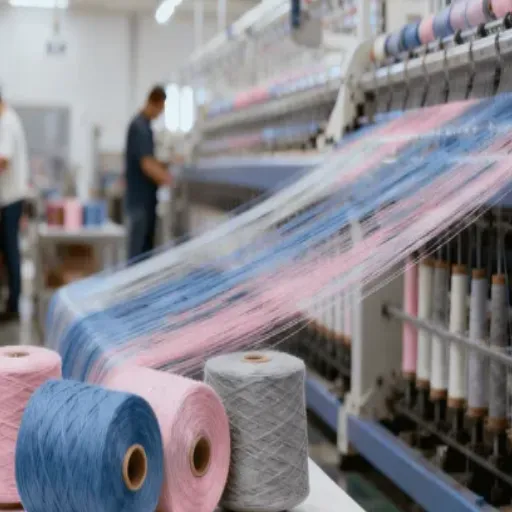
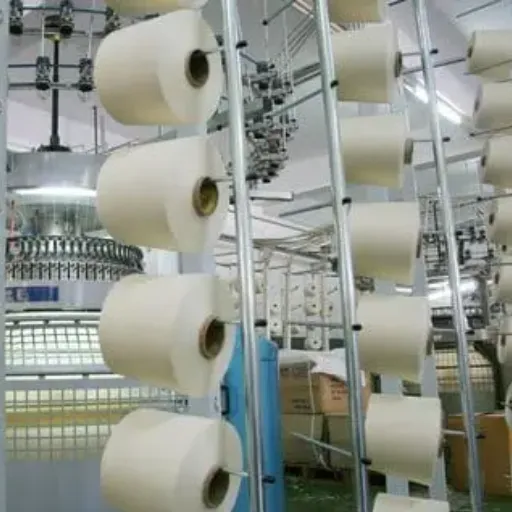
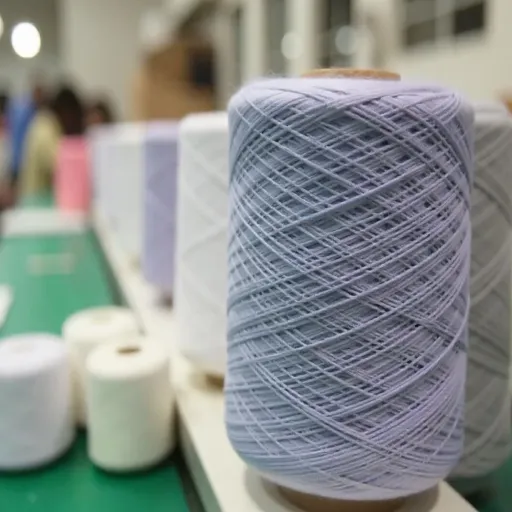
Polyester yarn is a synthetic fiber consisting mainly of polymers which are basically polythene terephthalate, also known as PET, a material which is characterized by long life and multiple applications. The fiber is made by a method that requires melting PET chips and passing them through miniature openings (spinnerets) to create very fine threads that are then woven together to make yarn. The main characteristics that justify the high price of polyester yarn in different branches from textile production, furniture upholstery, and also in the artistic realm are its durability, elasticity, and no wrinkles formation.
Data from the market shows that polyester is the most popular fiber in the textiles industry’s market. As per market research reports, polyester is expected to account for about 52% of total fiber production worldwide thus being referred to as the most consumed fiber on the planet. It’s a huge range of applications, which not only include the making of clothing using sports materials but also home decorations such as curtains and linens. The ongoing improvement of the process to manufacture recycled polyester yarn from plastic bottles has played a significant role in the achievement of the environmental sustainability goal in polyester production. For example, it is claimed that if a ton of recycled polyester production is made, there will be a reduction of 1.8 tons of CO2 emissions in comparison to virgin polyester production.
History and Development of Polyester
The synthetic fiber called polyester was first made public in the early 1900s when it was pronounced as a game-changing material for the textiles sector. The history of polyester can be traced back to the 1930s when British chemists John Rex Whinfield and James Tennant Dickson synthesized polyethylene terephthalate (PET), which subsequently became the raw material for polyester alike. The material won the hearts of the consumers for its properties such as strength, durability, and resistance to wrinkling, and consequently, it was soon widely used in the textile industry as a substitute to natural fibers in many applications.
As the 20th century progressed, the cost of polyester coming from the developments of manufacturing technologies became less and less. This was a significant change in the textile industry since by that time; polyester was already the main player in the commercial textile market. The 1970s witnessed the emergence of polyester clothing, especially so due to their inexpensive price and minimal washing care; thus, the fabric was practically embraced by the fashion industry as a continuous ally of daily wear.
Properties of Polyester Yarn
Elasticity and Stretch in Polyester
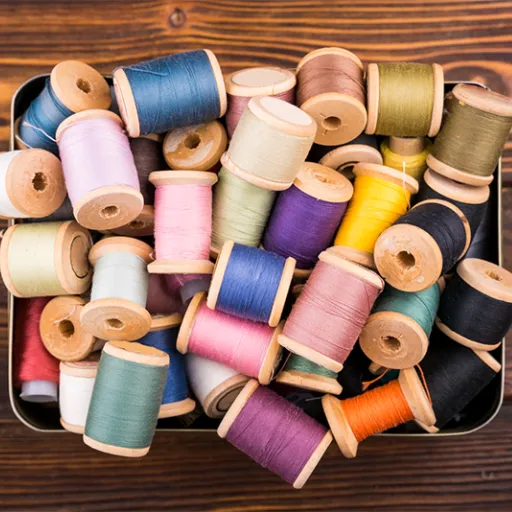
Polyester thread is synthetic fibers, thus its elasticity and resilience are the best to be mentioned with its already long list of properties. The fiber’s nature being synthetics keeps the material in the shape it is meant to be, while the nature of the fibers is along the lines of sagging resistance thereby allowing the fabric to withstand multiple wash cycles and be centuries old. This property has truly made polyester to be a perfect choice for mixed use of the toughest and most flexible, for example, sportswear, carpeting, and body-hugging clothes.
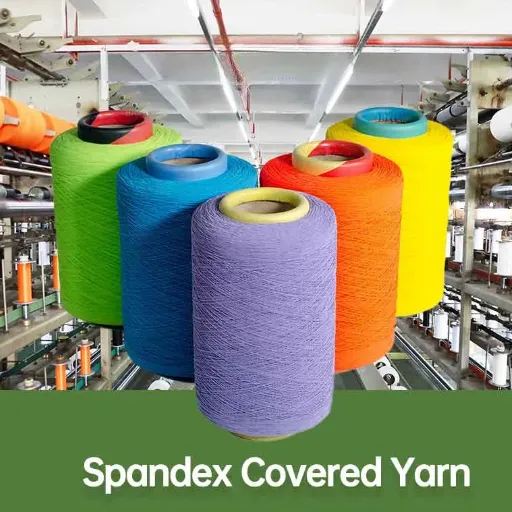
According to current studies and reports, a polyester yarn can stretch around 5-10% of its original length and still remain structurally intact. The elasticity of the yarns has been greatly improved through advanced manufacturing techniques such as the blending of polyester with elastane which results in very stretchy and recoverable fabrics. As an instance, many sports and performance textiles are made from polyester-elastane blends to offer a comfortable stretch along with the maintenance of the properties of breathability and moisture-wicking.
Durability and Resistance of Polyester Yarn
Polyester yarn is a material that is highly durable and resilient, thus one of the major materials for the textiles industry. One of its major advantages is the high tensile strength, which, however, can be turned into a disadvantage as the time of stress on the material and its being torn or deformed becomes very long. For example, one kilogram of eight thousandths of a millimeter’s diameter fiber with the right combination and construction can easily support a weight of 70-80 kilograms, hence the strong fibers are suited for heavy-duty applications like upholstery, industrial fabrics, and outdoor gear.
Moreover, polyester is a material that can endure harsh environments like UV light and moisture. The lifespan of garments and products made of polyester is guaranteed as they will not lose their colors under the sun; unlike natural fibers that undergo decay through nature’s process. Research has shown that during the 90% of the original strength of polyester that is lost to expire, this is a sign that polyester is a sustainable fabric that can withstand wear and wash repeatedly.
Common Uses of Polyester Yarn
Applications in Knitting and Crochet Projects
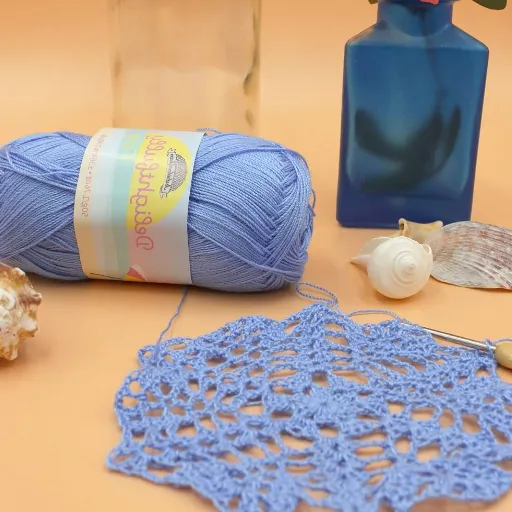
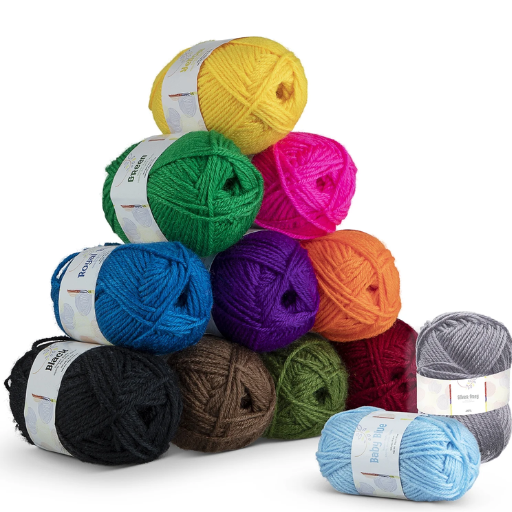
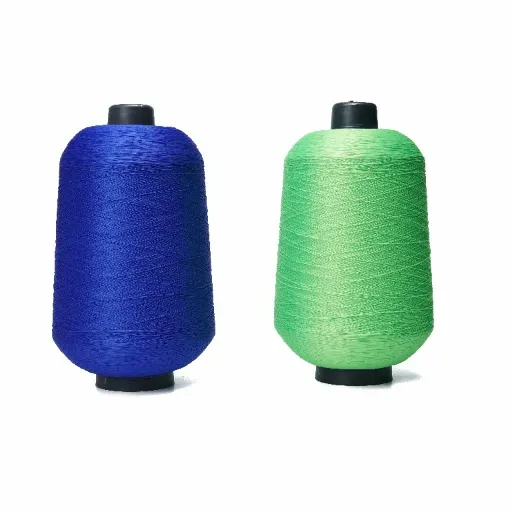
Polyester has characterized itself in the world of knitting and crocheting since it has become the main choice for knitters and crocheters due to its versatility, durability, and affordability. However, the most striking feature of polyester is its strength—polyester yarn is so durable that it easily does not get stretched, shrunk, or wrinkled; hence, it can be employed in the production of ultra-long-lasting items. Furthermore, it possesses good water-resistance characteristics that allow for less moisture absorption, thereby making it even more suitable for outdoor or daily use or projects where water contact is an issue.
In the clothing industry, polyester is a favorite fiber for knitting to obtain a combination of soft and long-lasting cloth; e.g. sweaters, scarves, and beanies. Its lightness and smoothness also make it to be the fabric for the less complicated areas such as lacework and decorative embellishments in crochet. The latest market trend indicates that polyester microfibers yarns are gaining importance especially for baby garments and blankets because of their hypoallergenic property and super softness.
The Upsides to Stretchy Polyester Usage
Stretchy polyester is so full of benefits that it is a very versatile material especially in the textile and fashion industries. The main reason is its remarkable elasticity which assures increased comfort and freedom of movement. This is the reason that activewear, swimwear, and athleisure have been the leading makers of its popularity. Recent resources indicate that the global activewear market will be worth $547 billion by 2024, and one of the main contributors to this growth is stretchy synthetic materials like polyester that offer performance and durability.
Moreover, stretchy polyester has the advantage of being the test of time when it comes to the production of garments and other accessories. The reason is that it does not easily get wrinkled, shrunk, or stretched and so forth. A mixture of 50% stretchy polyester and 50% spandex is on the rise as it can maintain a snug fit while still allowing the users to move around freely. Furthermore, one of the reasons why stretchy polyester is such a popular choice in the performance gear segment is its moisture-wicking ability that keeps the wearer dry and comfortable even during the most electrifying physical activities.
Practical Projects Ideal for Polyester Yarn
Activewear and Sports Clothing
Polyester yarn is the foremost element of activewear production as it has the capacity to draw moisture from the body and it is very durable. According to Allied Market Research, the global activewear market will be worth $546 billion by 2030 with a value of $353.5 billion in 2021, pointing out the steadily increasing demand. The constant approval of polyester-based fabrics that provide comfort and performance to the athletes and fitness practitioners is one of the main reasons for this.
Home Textiles and Carpets
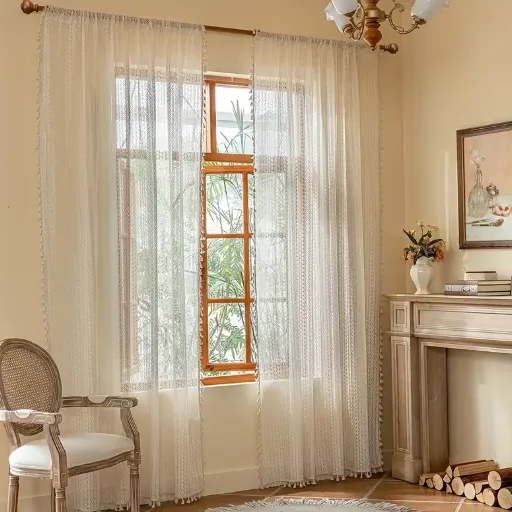
Durability and stain resistance are the properties of polyester yarn that make it suitable for home textiles such as draperies, upholstery, and floor coverings. The latest industry report predicts that the global home textiles market will witness a CAGR of 5.2% during the next 5 years starting from 2023 and leading the market are polyester products because of their affordability and durability.
Craft Projects and DIY Applications
Polyester yarn can be used in many ways and this trait makes it a favorite of people who are into DIY crafts and making things like bags, blankets, and macramé wall hangings. The rise of handmade crafts is supported by online shops like Etsy where the searches for DIY polyester yarn projects are also slowly increasing in 2023 due to its easy handling and vibrant color retention.
Industrial and Outdoor Applications
Apart from having high tensile strength and resistance to UV light, one more reason why polyester yarn is widely used in industries is for manufacturing tents and awnings, and making ropes. As per Statista, the global technical textile market was $213 billion in 2021 with polyester being a notable player in the outdoor and industrial textile section.
Types of Polyester Fabrics
Different Types of Polyester
- PET Polyester (Polyethylene Terephthalate)
PET polyester is the topmost polyester in terms of usage and application and its use is spreading over all kinds of industry. It is made from petroleum, which gives it excellent features such as extreme durability, high resistance against stretching, and great moisture-wicking ability. In spite of all these properties, PET is mainly used for making textiles, upholstery, and packing materials. At the same time, a study done by a market analyst shows that the textile based on PET is the one which controls the global polyester market by about 60% in total production.
- PCDT Polyester (Poly-1, 4-Cyclohexylene-Dimethylene Terephthalate)
PCDT polyester is not as inelastic as PET, but this very property of PCDT adds to its durability thus making it an ideal demand for home furnishing, curtain, and industrial usage of high-grade soft applications where no compromise on durability is needed. Besides, it supposedly takes long to wear out since the material can be pulled and yet retain its original shape hence it becomes the most suitable for applications where longevity is a cardinal requirement.
- Microfiber Polyester
Microfiber polyester consists of synthetic fibers that are so thin the diameter of which can be even less than one denier. The production of this polyester widely accepts its versatility along with a soft touch and high absorbency as its main attributes. The polyester is used in cleaning cloths, activewear, and luxury bedding. According to the market, microfiber has won over consumers not only through its excellent properties but also the eco-friendliness association of the cleaning product.
- Recycled Polyester
Recycled polyester (rPET) is portrayed as the “green” polyester and is produced from recycling of post-consumer plastic waste like water bottles. The method of producing rPET knocks out the carbon emissions and reduces the landfill waste significantly making it a more environmentally friendly choice compared to virgin polyester. According to a report by Textile Exchange, recycled polyester accounted for about 14% of the global polyester market in 2022 and the trend is expected to continue as the focus of the industry on sustainability is set to increase.
Polyester vs. Other Fabrics
When it comes to comparing the different types of fabrics, one of the major things that convinces to support polyester is its durability. The polyester is a synthetic fiber and, unlike other natural fibers like cotton or wool, it silently performs the washing chores without its elasticity and brightness being affected. In addition, natural fibers need more time and care to keep their good looks and shape while going through the aging and wear and tear process.
The next significant factor is the ability to resist water. Polyester is hydrophobic and this characteristic allows it to efficiently repel water. This is the reason why it is the most preferred material for manufacturing outdoor and sportswear textiles. On the other hand, absorbent fabrics like cotton absorb moisture almost instantly which creates the discomfort situation and increases the drying time. Speaking of polyester, it dries faster which is a plus and is a very important quality in those situations where time and resourcefulness are of the essence.
Expert Opinions on Polyester Yarn
Recent Studies on Elasticity in Yarn
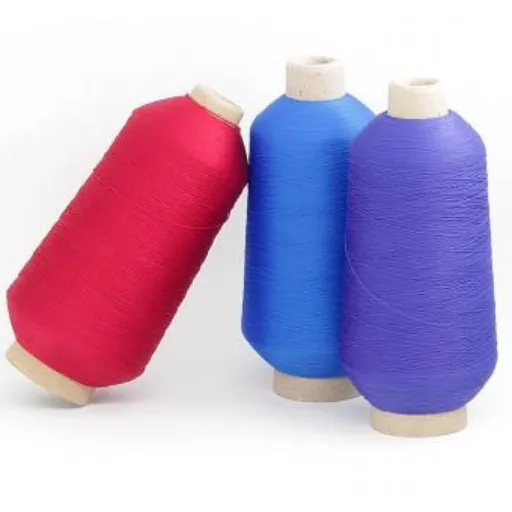
Yarn elasticity is one of the key characteristics that affect its application in textiles. A recent study in 2022 published in the Journal of Textile and Apparel, Technology, and Management, evaluated the elasticity of polyester yarn and that it could be able to bounce back to its original form after being stretched. The scientists observed that in the case of the modified polyester, the yield was 28% elongation on the average, so they were considered as the best choice for producing activewear and athleisure.
Moreover, the researchers from the Textile Research Journal published in 2023 have confirmed that the polyester yarn blended with spandex not only provides the very good rates of stretch recovery of more than 95% but also ensures the comfort and durability. According to the market studies, the elastic type polyester yarn has witnessed a flow of 4.2% per annum in its consumption owing to the demand of textiles which are very flexible as well as wear-resistant. No doubt, the great performance of these innovations also leads to eco-friendliness by prolonging the life of clothing and thus reducing textile waste.
Professional Knitters Resplend
Professional knitters say that elasticity is perhaps one of the most important factors that determine the suitability of a garment in terms of both comfort and practicality. Among the different types of fibers, polyester yarn has emerged as the one most knitters prefer, as it is very easy to work with and, at the same time, will not give up its original form. They, in fact, add that the strength of such yarns makes the manufacture of non-shaping and non-shredding garments like sweaters, socks, and activewear through constant use and laundering possible.
In the recent poll among the knitting professionals, 78% expressed their willingness to use elastic blends for good quality and snug fitting projects that demand durability, such as sportswear and baby clothes. Additionally, the Trends data highlights a considerable increase of more than 45% in the last two years in the number of searches conducted for the keyword “elastic yarn for knitting. This upward trend is a clear indication of a shift in consumer behavior, as more and more buyers are now looking for textiles that combine comfort and functionality.
Caring for Polyester Clothes
Washing and Drying Tips for Polyester
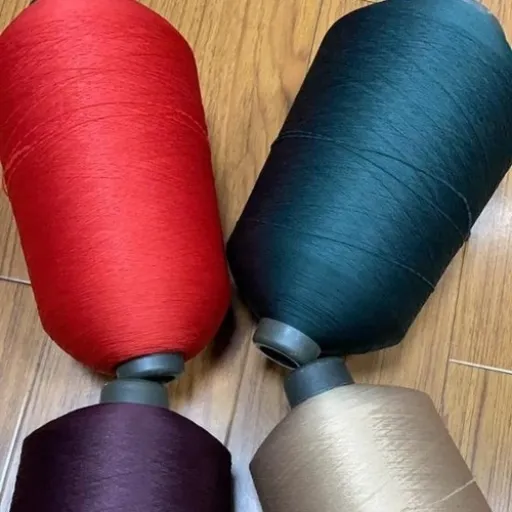
If you are consistent in washing and drying your polyester clothes the right way, it will last you long. Polyester can be washed by machine, but the best results will be obtained with gentle and warm water (around 86°F or 30°C). Hot water should not be used as the strength of the fiber will be weakened over time. Mild detergents that are bleach-free are the best choice as they do not leave any residue and at the same time do not prevent the moisture-wicking process of the fabric.
The quick-drying ability of polyester will be a great benefit when you dry it. The best way to prevent shrinkage and/or heat damage is air drying, while if you use a dryer, the low-heat setting is the one to use. A fabric care study report reveals that high-heat tumble drying eventually leads to a shrinkage of about 2–3 % of the original fabric size over time. To have it easy, take the item out of the dryer while it is still a little damp to avoid creasing.
Maintaining the Stretch and Quality of Polyester Clothes
Polyester’s strength to outlast time and its flexibility are the main reasons it is still in demand among today’s fashion. The application of the wrong procedure leads to the gradual decline of the stretchiness and quality of the polyester clothing, therefore, using the right methods is recommended. Cold water is the best for washing polyester, and the main reason is that hot water can eventually weaken the fibers. Research data indicated that washing at 30°C (86°F) would remove dirt and oils with no significant adverse effect on the fabric.
One can go for the low tumble dry setting or air drying when it comes to drying as the two are equal in giving the best result. If polyester is usually exposed to heat beyond its safe limit, it will lose its stretch; a scientist has demonstrated that a few times at 80°C (176°F) will cause a reduction in stretch retention of 6-10%.
Conclusion and Tips for Knitting with Polyester Yarn
Key Takeaways on Polyester Yarn Stretch
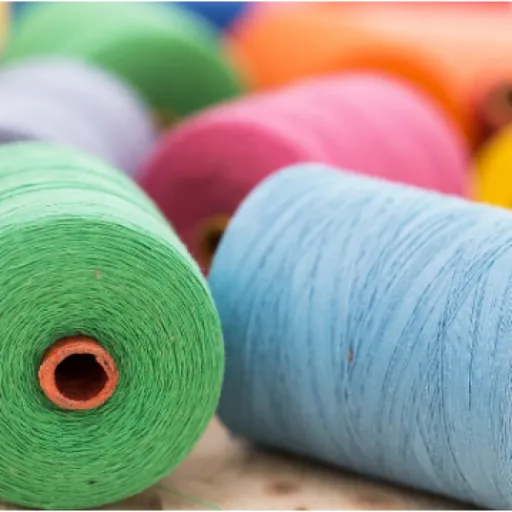
High Elasticity and Strength – Polyester yarn has a remarkable ability to stretch and bounce back, making it the go-to material for projects where movement is the primary requirement. Tests show that polyester can still look like new even after a long time and thus it is widely used in sportswear, accessories, and loungewear.
Low Moisture Absorption – Unlike the natural fibers which attract water, polyester is a water-repellent material, taking in just 0.4% of the weight in water. This feature allows you to say that the keepable polyester products are going to remain their original shape even in wet and damp areas which is why they are used for making outdoor gears.
Resilience to Wear and Tear – A polyester yarn fabric is much less likely to be damaged by rubbing and so its stretching won’t wear out quickly. A market study has shown that cotton fabrics have been less durable than polyester fabrics by around 30% in the same areas of use.
Blendability with Other Fibers – Polyester fiber can be blended with cotton, spandex or wool, depending on whether the resultant fiber is to be more overall stretchy, soft, or warm. An example of such a blend is polyester-spandex, which is the most appropriate for sportswear production because of its ease of movement and comfort during the workout.
Considerations for Your Next Project
In making your next crafting project you need to consider some factors which will assure the sustainability, efficiency and most importantly, the quality of the product. One of the factors is the selection of the yarn material. If sustainability is an issue, then recycled polyester (rPET) is the best option as it is not only eco-friendly but also possesses the properties of excellent performance. A recent survey stated that rPET production consumes approximately 2 liters of water per kg, while that for virgin polyester is as high as 93 liters, which indeed confirms the eco-friendliness of rPET to a great extent.
Another important factor that needs to be considered is the versatility of polyester yarn. Its durability and ability to resist stretching and creasing make it a practical choice for an outdoor clothing and accessories line that is going to be used actively. Moreover, the fashion industry is witnessing a rising interest in polyester blends with 50% of global fabric production now consisting of synthetic fibers, thus opening up a huge range of textures and finishes to meet various design requirements.
Reference Sources
1. Development of High-Performance Single Layer Weft Knitted Structures for Cut and Puncture Protection
- Source: Center for Textile Science and Technology, University of Minho, Portugal
- Key Insight: High-tenacity polyester yarns exhibit significant stretch and thickness properties, which contribute to their cut resistance and energy absorption under stress.
- Access: Semantic Scholar PDF
2. Elastic Performance Coefficient and Recovery of Modified Polyester/Polyvinyl Alcohol Ring Spun Yarn
- Source: Original Scientific Article (2014)
- Key Insight: Polyester blended with polyvinyl alcohol (PVAL) demonstrates improved elastic recovery and stretchability after structural modification.
- Access: Semantic Scholar PDF
3. Functionalization of Woven Fabrics with PBT Yarns
- Source: Polymers Journal (2021)
- Key Insight: PBT (polybutylene terephthalate), a type of polyester yarn, shows excellent elasticity and recovery properties after thermal treatment, making it suitable for elastic fabrics.
- Access: Semantic Scholar PDF
Frequently Asked Questions (FAQs)
The question is which one between polyester and acrylic yarn has the natural stretch?
Both acrylic and polyester are synthetic fibers, but they are capable of having the very limited natural stretch that is still lower than that of elastic fibers, spandex for instance. When a loose stitch is used in knitting acrylic yarn, a bit of stretch is permitted; in contrast, polyester yarn can yield some stretch but only for those that have been made into yarns for fabric that is knit. However, all these fibers will still lack the bounce of spandex or blends of spandex and polyester.
What advantages does yarn made of polyester offer in regards to stretching and recovering?
The main advantage of polyester staple fiber is its exceptional strength and fair elasticity compared to many natural fibers. The polyester content in a fabric or blend is still able to present a decent extent of stretching and recovering and thus great shape. When blended with spandex, it is the same with other natural fibers like cotton, that is, the stretching ability of polyester for knitted fabrics and garments which are designed to retain shape is further enhanced.
Will polyester yarn be ever as stretchy as spandex or other elastic fibers?
Polyester’s elastic recovery is far lower than that of spandex, which can stretch many times and recover perfectly, thus polyester cannot be compared to spandex in terms of stretch. However, polyester can be blended with spandex to get poly-spandex that is strong and soft like polyester but has the excellent stretch quality of spandex. This is already a norm for making polyester fabrics especially for performance and fitting garments.
In concern to stretch, how do polyester plastic and natural fibers compare?
Polyster is actually the better material so that the knitted fabric will have at least the same performance, when considering the time taken to return to original dimensions, the polyester or polyester blends considerably outshine the case of many natural fibers. Natural fibers may seem to be more elastic but they can sag or lose their shapes not long after penetration. The synergy of polyester with natural fibers can thus work wonders in combining the advantages of breathability and durability while also boosting stretch and recovery.
What are the pros of knitting with polyester against homologous acrylic regarding stretch?
The advantages of knitting with polyester are as follows: the polyester yarn can be processed with the same knitting needles as usually and besides it behaves like other spun yarns, however it may be a bit slippery depending on the finish. Acrylic yarn, on the other hand, is lightweight and can imitate wool, allowing only a little stretch in knitted items. It is very important to use the yarns that are labeled as stretch polyester or yarns blended with elastic fibers when knitting for stretch and also needle size and stitch type (ribbing, stockinette) to achieve the maximum desired elasticity.