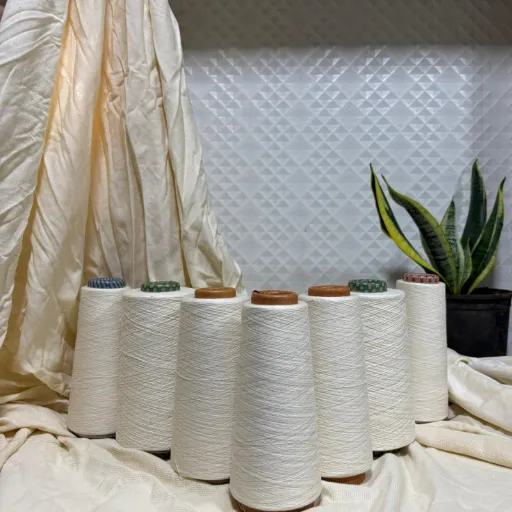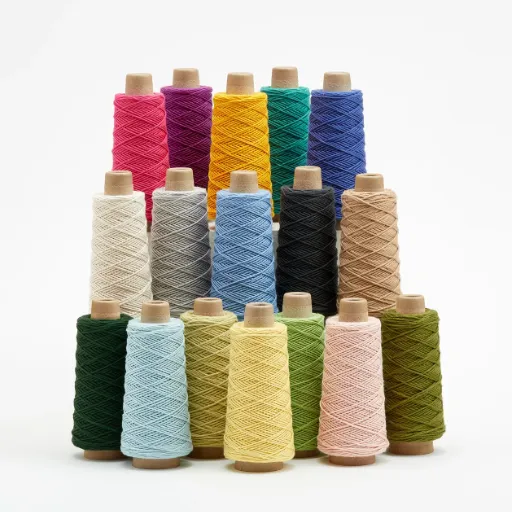


The best eco-friendly yarns for curtains are recycled polyester for durability and blackout performance, linen for natural drape and UV resistance, organic cotton for soft residential panels, and hemp for textured, heavy-duty drapes. The right yarn for curtains depends on the required drape, weight, light control, and whether the final product needs certification for sustainability claims.
What happens when a curtain collection looks beautiful on the rack but fails after one season of sun exposure? The fabric fades, the drape collapses, and the brand faces returns, or worse, reputation damage. Window treatments cover large surface areas and remain in homes for years, yet they are often treated as an afterthought in sustainability planning.
At Hebei Lida Textile Co., LTD, we supply curtain manufacturers and home textile brands with eco-friendly yarns that meet real performance standards, not just marketing claims. This guide explains how to select sustainable yarn for curtains, match fiber to function, and verify the certifications that protect your brand.
Key Takeaways
- Recycled polyester yarn is the top choice for blackout linings, hotel curtains, and high-UV window treatments because it resists fading and diverts plastic waste.
- Linen yarn delivers the best natural drape for premium residential curtains, with strong UV resistance and biodegradable end-of-life.
- Organic cotton works well for soft, breathable residential curtains but often needs a lining or blend for light control and longevity.
- Certifications like GRS, GOTS, OEKO-TEX, and GREENGUARD Gold separate verified eco-friendly curtain yarns from greenwashing.
- GSM weight, light transmission, and color batch consistency are just as important as fiber origin when specifying yarn for curtains.
What Makes a Curtain Yarn Eco-Friendly?
An eco-friendly curtain yarn reduces environmental impact through one or more of these paths: recycled content, organic or low-input natural fibers, closed-loop processing, or biodegradability at end of life. For curtains, sustainability also depends heavily on how long the textile lasts. A lightweight organic cotton sheer that disintegrates within two years creates more waste than a GRS-certified recycled polyester curtain that performs for eight.
The four criteria we use to evaluate sustainable curtain yarns are:
- Fiber source: Is the raw material recycled, renewable, or responsibly harvested?
- Processing impact: Does production use less water, energy, or harmful chemistry than conventional alternatives?
- Durability: Will the yarn withstand UV exposure, cleaning cycles, and daily handling?
- End of life: Can the material biodegrade, be recycled, or simply stay in use longer?
Many buyers assume natural fibers are always the greener choice. That is not always true. A south-facing window in Arizona will destroy an unlined organic cotton curtain in months. In that situation, a solution-dyed recycled polyester yarn is the more sustainable option because it lasts longer, blocks more UV light, and keeps plastic waste out of landfills.
Curtain Yarn Requirements: Drape, Weight, and Light Control
Before choosing a fiber, define what the curtain must do. Unlike apparel or upholstery, curtains are judged first by how they hang and how they manage light. The yarn selection determines both.
The video below from TED-Ed explains why textile waste and fiber choice matter for the environment. The same principles apply when selecting yarn for curtains.
Drape Quality
Drape is the way a fabric falls and folds under its own weight. Good curtain drape looks fluid and even; poor drape looks stiff or bulky. Fiber flexibility, yarn twist, and fabric construction all influence drape.
Linen and TENCEL™ lyocell produce some of the best natural drapes because their fibers are flexible and slightly heavy. Recycled polyester can also drape well when the yarn is fine and the weave is loose, though it tends to hold a crisper shape than natural fibers.
Fabric Weight (GSM)
Fabric weight for curtains is measured in grams per square meter (GSM). The right GSM depends on the curtain style:
| GSM Range | Weight Category | Best For |
|---|---|---|
| 80–150 | Lightweight | Sheers, voiles, light-filtering panels |
| 150–300 | Medium-weight | Standard lined curtains, living room drapes |
| 300–450 | Heavyweight | Blackout curtains, thermal drapes, hotel panels |
| 450+ | Extra-heavy | Stage curtains, acoustic panels, luxury formal drapes |
Lightweight curtains need fine, low-twist yarns. Heavyweight curtains need denser yarns or multiple plies to create the mass that blocks light and improves insulation.
Light Control
Curtain fabrics fall into four light-control categories:
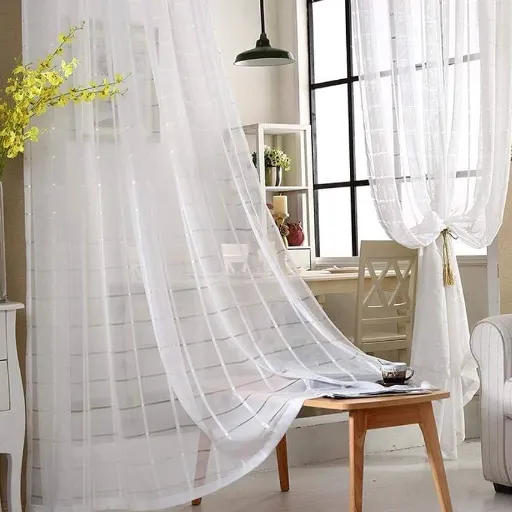
- Sheer: Allows most light through; used for privacy without darkness.
- Semi-sheer / light-filtering: Softens daylight while maintaining some privacy.
- Room-darkening: Blocks most light; good for bedrooms and media rooms.
- Blackout: Blocks nearly all light; requires dense weave, coating, or multiple layers.
The yarn density and weave structure matter more than the fiber itself for light control. However, some fibers make the job easier. Recycled polyester can be woven tightly and coated cleanly. Linen and cotton often need a separate blackout lining to achieve true darkness.
UV Resistance
Window treatments face constant UV exposure. Ultraviolet rays break down fibers over time, causing fading, embrittlement, and reduced tensile strength. This matters because curtains are a long-term product—replacing them every few years undermines any sustainability claim.
Linen has natural UV resistance. Recycled polyester and solution-dyed synthetics perform even better because their color is locked into the fiber and their molecular structure resists photodegradation. Organic cotton, by contrast, fades more quickly unless it is lined or treated.
Eco-Friendly Yarn Options for Curtains
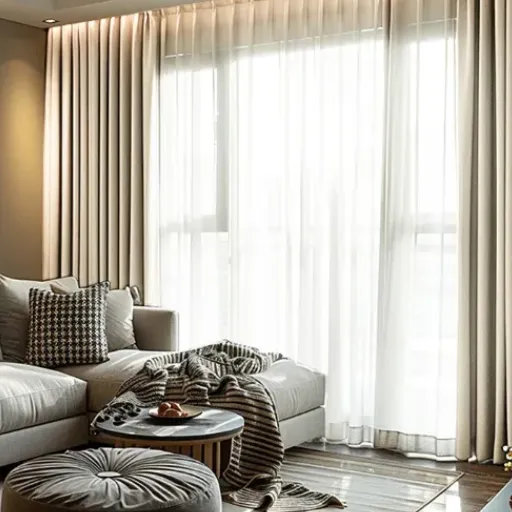
Each sustainable fiber brings a different balance of aesthetics, performance, and environmental profile. Here is how the most common eco-friendly yarns compare for curtain applications.
Recycled Polyester (rPET) Yarn
Recycled polyester is made from post-consumer plastic bottles or post-industrial polyester waste. It is the most versatile recycled polyester yarn for curtains because it combines strength, colorfastness, and UV resistance at a competitive price.
According to Goodrich Global, recycled polyester uses approximately 59% less energy and generates 32% fewer CO₂ emissions than virgin polyester. For curtain manufacturers, the practical benefits are clear. Recycled polyester yarn resists fading, holds deep colors, and can be woven into everything from sheer voiles to dense blackout fabrics. It also works well with solution dyeing, which improves color consistency and reduces water use.
Best for: Blackout linings, hotel and hospitality curtains, outdoor curtains, and high-UV residential windows.
Certifications to request: GRS, OEKO-TEX Standard 100.
Organic Cotton Yarn
Organic cotton is grown without synthetic pesticides or fertilizers and processed under standards like GOTS. It is soft, breathable, and biodegradable, which makes organic cotton yarns attractive for residential curtains and nursery window treatments.
The trade-off is performance. Organic cotton wrinkles easily, fades faster than synthetics, and offers less UV resistance. It performs best in low-to-medium light settings, decorative panels, or pieces with a protective lining. For better durability without losing the natural hand feel, consider an organic cotton-recycled polyester blend.
Best for: Soft residential curtains, nursery panels, and washable slipcovers.
Certifications to request: GOTS, OEKO-TEX Standard 100.
Linen Yarn
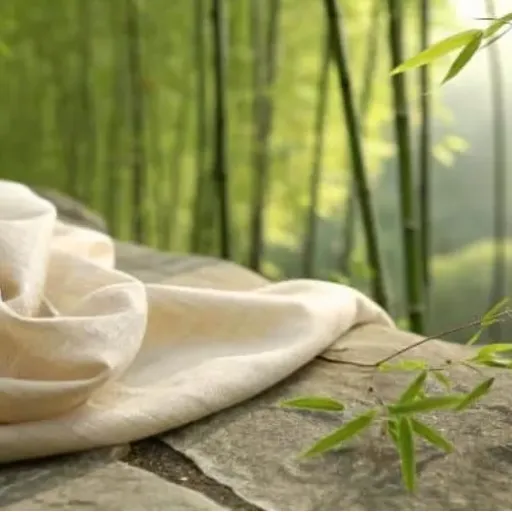
Linen is made from flax, a crop that thrives with minimal water and pesticides. It is biodegradable, naturally UV-resistant, and stronger than cotton by weight. Linen curtain yarns deliver a relaxed, premium look that high-end home textile brands favor.
Linen also produces exceptional drape. A medium-weight linen at 230–260 GSM falls cleanly and softens over time. Heavyweight linen at 350+ GSM creates the structured folds expected in formal drapes. The downside is wrinkling. Linen also stains more easily than synthetics unless treated or blended.
Best for: Premium residential drapes, sheer panels, and warm-climate window treatments.
Certifications to request: European Flax, GOTS, OEKO-TEX Standard 100.
Hemp Yarn
Hemp is one of the strongest natural fibers available for textiles. It requires little water, grows quickly, and needs no pesticides. Hemp yarn is naturally resistant to mold, UV light, and abrasion, making it suitable for rustic, heavy-duty curtains.
The fiber can feel coarse at first but softens with use. Its textured appearance works well in coastal, farmhouse, and industrial interior collections.
Best for: Heavy textured drapes, outdoor curtains, and rustic residential collections.
Certifications to request: Organic certification, OEKO-TEX Standard 100.
TENCEL™ and Lyocell Yarn
TENCEL™ lyocell is a regenerated cellulose fiber made from sustainably sourced wood pulp in a closed-loop process that recycles solvents. It feels silky, drapes beautifully, and is biodegradable.
TENCEL™ works best in curtains where softness and drape matter more than heavy light blocking. It is often blended with linen, cotton, or recycled polyester to improve durability and reduce cost for larger window treatments.
Best for: Modern residential drapes, silky sheers, and breathable light-filtering panels.
Certifications to request: FSC or PEFC for wood sourcing, OEKO-TEX Standard 100.
Blended Eco-Friendly Yarns
Blends can combine the best properties of multiple fibers:
- Linen + recycled polyester: Adds durability and wrinkle resistance while keeping a natural look.
- Organic cotton + recycled polyester: Softens the synthetic hand feel while improving fade resistance.
- Hemp + TENCEL™: Improves drape and softness while maintaining hemp’s strength.
When specifying blends, request clear fiber percentages. A curtain marketed as “eco-friendly” should not contain a hidden majority of conventional virgin polyester.
Matching Eco-Friendly Yarn to Curtain Type
Choosing the right sustainable yarn starts with an honest assessment of how the curtain will be used. A fabric that works for a hotel ballroom will not necessarily suit a nursery. The same fiber logic applies whether you are sourcing yarn for curtains or drapes.
Curtain Type Guide
| Curtain Type | Recommended Yarns | GSM Range | Key Properties |
|---|---|---|---|
| Sheer / voile | Fine linen, organic cotton, TENCEL™, fine recycled polyester | 80–150 | Light, airy, soft drape |
| Standard residential panel | Medium linen, organic cotton blends, recycled polyester | 150–300 | Balanced opacity and drape |
| Blackout / thermal | Heavy recycled polyester, dense linen blends | 300–450+ | Light blocking, insulation |
| Outdoor / sunroom | Solution-dyed recycled polyester, hemp | 200–350 | UV resistance, mildew resistance |
| Commercial / hospitality | High-durability recycled polyester, FR-treated wool or hemp | 300–450+ | Flame retardancy, abrasion resistance |
Natural vs. Recycled Synthetic
For brands prioritizing biodegradability and a natural aesthetic, linen, hemp, and organic cotton are strong candidates. For curtains that must survive intense sun, frequent cleaning, or high humidity, recycled polyester is usually the more sustainable long-term choice. The most sustainable curtain is often the one that stays in use longest.
Need help choosing the right fiber for your curtain collection? Our team at Hebei Lida can match your performance requirements to the right eco-friendly yarn. Contact us for a consultation.
Color Consistency and Dyeing for Eco-Friendly Curtain Yarns
Curtain collections rely on color consistency. A customer ordering panels for an entire home expects every panel to match. Inconsistent dye lots can ruin a product line and trigger returns.
Dyeing Methods Compared
| Method | How It Works | Best For | Sustainability Notes |
|---|---|---|---|
| Solution dyeing | Color added to molten polymer before extrusion | Recycled polyester curtains, outdoor fabrics | Minimal water, excellent colorfastness |
| Yarn dyeing | Yarn dyed before weaving | Patterned curtains, stripes, checks | Moderate water use; good batch control |
| Piece dyeing | Woven fabric dyed as a whole | Solid-color natural fiber curtains | Higher water use; risk of batch variation |
Solution dyeing is the most eco-friendly option for synthetic curtain yarns because it uses almost no water and produces colors that resist UV fading. For natural fibers, low-impact dyeing processes and waterless dye technologies reduce environmental impact.
Lightfastness Ratings
Always request lightfastness data. The Blue Wool Scale rates lightfastness from 1 (very poor) to 8 (excellent). For curtains near sunny windows, look for a rating of 6 or above. Solution-dyed recycled polyester often achieves ratings of 7–8.
Batch Consistency
When Elena, a product manager at a European home textile brand, switched to organic cotton for a spring curtain line, she discovered that harvest variation caused subtle color shifts between dye lots. By blending the organic cotton with a small percentage of solution-dyed recycled polyester, her supplier stabilized the color and reduced rejected rolls by 40%. Her story illustrates why testing multiple batches matters before committing to production.
Certifications That Matter for Curtain Yarns
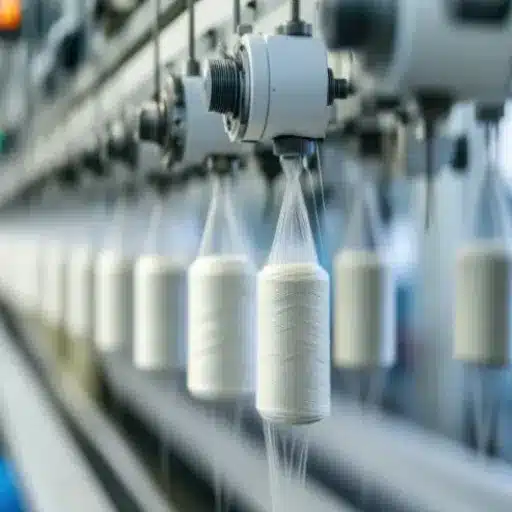
Certifications are the fastest way to verify that an eco-friendly curtain yarn—or any yarn for curtains—meets stated claims. Here are the most important ones for curtain and window-treatment brands.
GOTS: Global Organic Textile Standard
GOTS certifies organic fibers and tracks them through processing, manufacturing, and labeling. It covers environmental and social criteria. GOTS applies primarily to natural fibers like organic cotton, linen, and wool used in curtains.
GRS: Global Recycled Standard
GRS verifies recycled content, chain of custody, and responsible environmental and social practices. It is the leading standard for recycled polyester curtain yarns and recycled blends.
OEKO-TEX Standard 100
OEKO-TEX Standard 100 tests textiles for harmful substances. It does not certify sustainability directly, but it assures buyers that the yarn is safe for indoor use. It applies to both natural and synthetic curtain fibers.
Cradle to Cradle
Cradle to Cradle evaluates materials for circularity, including material health, renewable energy use, and end-of-life options. It is useful for brands positioning curtains as fully circular products.
GREENGUARD Gold
GREENGUARD Gold certifies low chemical emissions, which matters for indoor air quality in homes, schools, hotels, and healthcare facilities. This is especially relevant for blackout curtains with foam or coating layers.
How to Avoid Greenwashing
Greenwashing is common in sustainable textiles. Protect your brand by:
- Requesting certificate numbers and verifying them on the certifier’s website
- Checking whether the certification applies to the yarn itself or only to the mill
- Asking for exact fiber content percentages, not vague “eco” labels
- Demanding test data for lightfastness, colorfastness, and dimensional stability
Cost, Availability, and Sourcing Considerations
Eco-friendly yarn for curtains varies widely in price and supply stability. Understanding these factors helps brands plan realistic margins and production schedules.
Natural Fibers
Organic cotton, linen, and hemp often cost more per kilogram than conventional fibers. Harvests can vary with weather, which affects availability and pricing. Linen prices fluctuate with European flax yields. Plan for longer lead times and possible seasonal shortages.
Recycled Synthetics
Recycled polyester is increasingly price-competitive with virgin polyester. Supply chains are more stable because feedstock comes from post-consumer plastic and industrial waste. For large-volume curtain production, recycled synthetics often offer the best balance of cost, performance, and sustainability.
Minimum Order Quantities and Sampling
Most yarn manufacturers require minimum order quantities, especially for custom colors or blends. Always request lab dips, sample cards, and test reports before placing a bulk order. Sampling reduces the risk of color mismatches or performance failures in finished curtains.
Regional Sourcing from Hebei
Hebei Province is one of China’s largest textile manufacturing regions. Mills here produce recycled polyester yarns, organic cotton blends, and custom curtain yarns for export. Working with an established Hebei-based manufacturer can shorten lead times and improve quality control for global home textile brands.
Custom Eco-Friendly Curtain Yarn from Hebei Lida
At Hebei Lida Textile Co., LTD, we produce eco-friendly yarns for curtains across a range of fibers and certifications. Our capabilities include:
- GRS-certified recycled polyester yarn for blackout linings, sheers, and outdoor curtains
- Custom color matching to Pantone references and customer swatches
- Blended yarns combining recycled synthetics with organic cotton, linen, or hemp
- Yarn counts, twists, and deniers engineered for specific weaving and curtain constructions
- Quality control support including lightfastness, colorfastness, and GSM testing coordination
When a North American window-treatment brand approached us last year, they needed a sustainable blackout curtain yarn that could pass a retailer’s strict chemical-testing requirements. We supplied a GRS-certified recycled polyester with OEKO-TEX Standard 100 certification, matched their charcoal and navy shades across two sample rounds, and coordinated third-party lab testing. The collection launched on schedule and met every sustainability and performance standard.
Ready to source eco-friendly yarn for curtains? Request a sample card or custom quote and we’ll match your drape, weight, color, and certification requirements.
Conclusion
Eco-friendly yarns for curtains are not a one-size-fits-all choice. Recycled polyester leads for durability, UV resistance, and blackout performance. Linen offers the best natural drape and biodegradability. Organic cotton works for soft residential panels, while hemp suits textured, heavy-duty applications. Blends can bridge the gap between aesthetics and performance.
The most sustainable curtain yarn is the one that performs for its intended use. Drape, GSM weight, light control, color consistency, and certifications matter just as much as fiber origin. Curtain brands that verify claims and demand test data build trust with customers and avoid costly returns.
If you are sourcing yarn for curtains, start with the curtain type, window exposure, and certification requirements. Then request samples and test reports before committing to production. At Hebei Lida Textile Co., LTD, we help brands select, customize, and certify curtain yarns that meet both sustainability goals and performance standards. Contact our team today to discuss your next project.