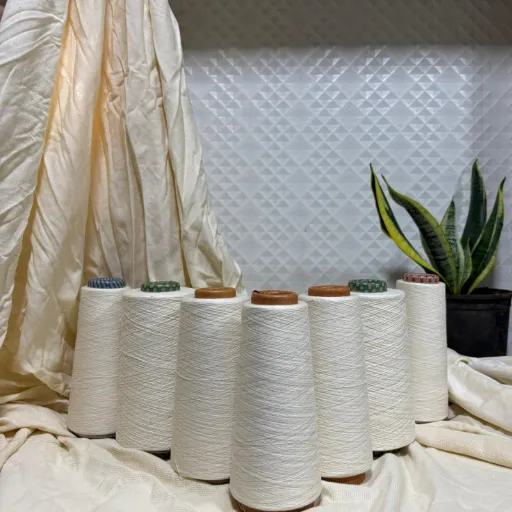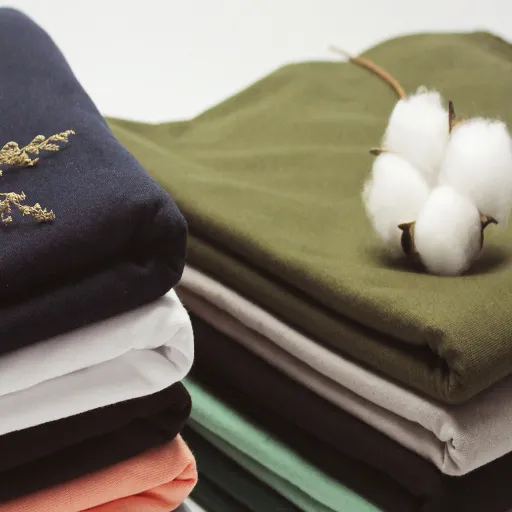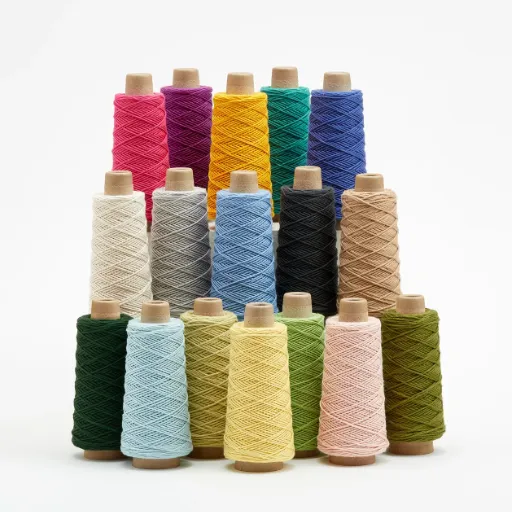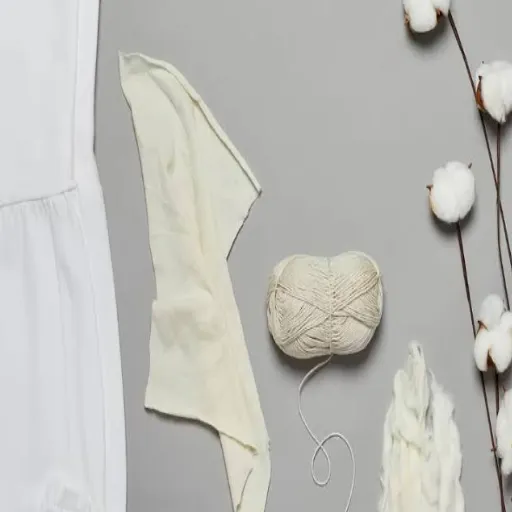

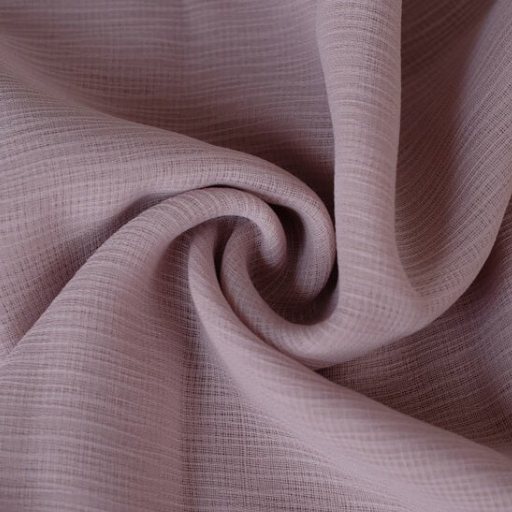


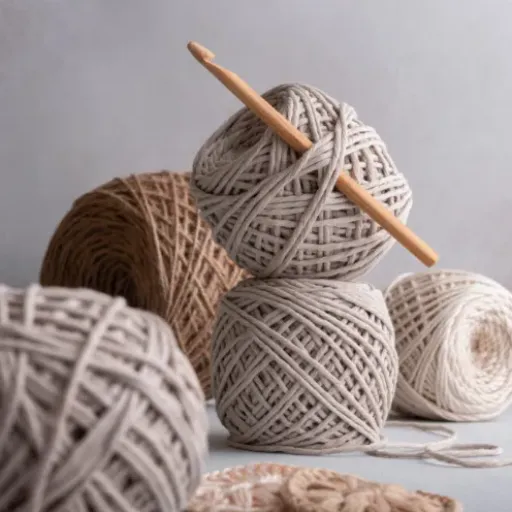
The best eco-friendly yarns for upholstery are recycled polyester for high-traffic furniture, hemp and linen for durability and biodegradability, wool for luxury and resilience, and organic cotton or TENCEL for softer residential pieces. The right choice depends on traffic level, required certifications, and whether you need a biodegradable or recycled fiber. Below is a practical guide to selecting sustainable upholstery yarns that meet real performance standards.
What happens when a sofa looks sustainable but falls apart in a year? The brand loses credibility, the customer returns the product, and the discarded furniture adds to landfill waste. Furniture buyers today expect both environmental responsibility and long-term durability. A truly sustainable upholstery yarn must perform under pressure, not just photograph well in a catalog.
At Hebei Lida Textile Co., LTD, we work with furniture brands, upholstery manufacturers, and designers who need eco-friendly yarns that pass lab tests, not just marketing claims. This article explains which sustainable fibers work for upholstery, how to verify certifications, and what performance benchmarks to demand from suppliers. Whether you’re developing sustainable apparel, home textiles, or industrial products, Hebei Lida Textile Co., LTD can recommend eco-friendly yarns that meet your performance goals.
Key Takeaways
- Recycled polyester yarn is the top choice for heavy-use furniture because it diverts plastic waste and withstands abrasion.
- Hemp and linen are the most durable biodegradable options for residential and commercial upholstery.
- Wool and recycled wool offer natural flame resistance and long-term resilience for premium furniture.
- GRS, GOTS, and OEKO-TEX certifications help buyers cut through greenwashing and verify sustainability claims.
- Martindale abrasion ratings, pilling resistance, and lightfastness tests separate upholstery-grade yarns from craft-grade alternatives.
What Makes an Upholstery Yarn Eco-Friendly?
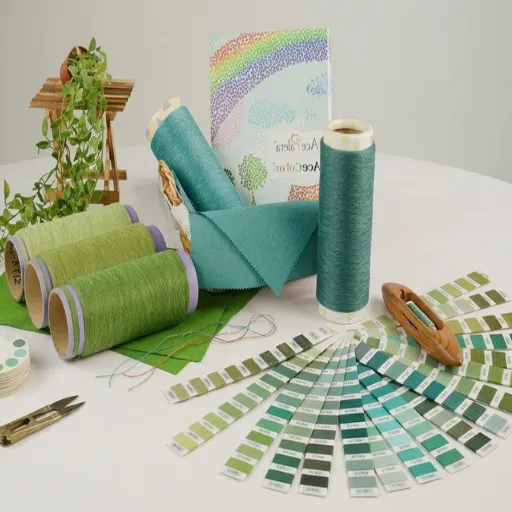
An eco-friendly upholstery yarn reduces environmental impact through one or more of these paths: recycled content, organic or low-input natural fibers, closed-loop processing, or biodegradability at end of life. The most sustainable option for a specific project also depends on how long the yarn lasts. A fiber that needs replacement every two years creates more waste than a slightly less “green” fiber that performs for ten.
The four criteria we use to evaluate sustainable upholstery yarns are:
- Fiber source: Is the raw material renewable, recycled, or responsibly harvested?
- Processing impact: Does production use less water, energy, or harmful chemicals than conventional alternatives?
- Durability: Will the yarn withstand the intended traffic level and cleaning cycles?
- End of life: Can the material be recycled, biodegraded, or kept in use longer?
Many buyers assume natural fibers are always better. That is not always true. A high-traffic airport lounge seat upholstered in untreated organic cotton may need replacement in months. In that case, a GRS-certified recycled polyester yarn is the more sustainable choice because it lasts longer and keeps plastic waste out of landfills. Want to learn more about our sustainable yarn production and quality standards? Contact Hebei Lida Textile Co., LTD to discuss the best eco-friendly yarn solution for your business.
Eco-Friendly Yarn Options for Upholstery
Recycled Polyester Yarn
Recycled polyester, often called rPET, is made from post-consumer plastic bottles or post-industrial polyester waste. It is the workhorse of sustainable upholstery because it combines strength, stain resistance, and colorfastness at a competitive price.
According to a 2024 life cycle assessment published in ACS Sustainable Chemistry & Engineering, recycled polyester staple fibers produce 48% lower global warming potential, 46% lower primary energy demand, and 33% lower water usage than virgin polyester. Carbonfact data shows mechanically recycled polyester carries a carbon footprint of 0.68–1.56 kg CO₂eq/kg, compared with 3.12 kg CO₂eq/kg for fossil-based virgin polyester.
For furniture brands, the practical benefits are clear. Recycled polyester upholstery yarn resists abrasion, pilling, and fading. It works well for family sofas, commercial seating, and outdoor furniture. One meter of recycled polyester upholstery fabric can divert 8–12 plastic bottles from landfill or ocean waste.
Best for: High-traffic residential, contract, hospitality, and outdoor upholstery.
Certifications to request: GRS, OEKO-TEX Standard 100.
Organic Cotton Yarn
Organic cotton is grown without synthetic pesticides or fertilizers and processed under standards like GOTS. It is soft, breathable, and biodegradable, which makes it attractive for residential furniture and slipcovers.
The trade-off is durability. Organic cotton stains and fades more easily than synthetic fibers. It performs best in low-to-medium traffic settings, decorative chairs, or pieces with removable, washable covers. For high-use furniture, consider a cotton-recycled polyester blend that balances comfort with abrasion resistance.
Best for: Soft residential upholstery, slipcovers, and eco-conscious baby or children’s furniture.
Certifications to request: GOTS, OEKO-TEX Standard 100.
Hemp Yarn
Hemp is one of the strongest natural fibers available for upholstery. It requires little water, grows quickly, and needs no pesticides. Hemp yarn is naturally resistant to mold, UV light, and abrasion, which makes it suitable for both indoor and covered outdoor furniture.
The fiber can feel stiff at first but softens with use. Its textured, rustic appearance works well in Scandinavian, coastal, and modern farmhouse furniture collections.
Best for: Heavy-duty residential upholstery, commercial seating with a natural aesthetic, and covered outdoor furniture.
Certifications to request: Organic certification, OEKO-TEX Standard 100.
Linen Yarn
Linen is made from flax, a crop that thrives with minimal water and pesticides. It is biodegradable, highly breathable, and stronger than cotton by weight. Linen upholstery yarns deliver a relaxed, premium look that appeals to high-end furniture brands.
The downside is wrinkling. Linen also stains more easily than synthetic fibers unless treated. For furniture that sees daily use, linen blends or performance finishes improve longevity without sacrificing the natural hand feel.
Best for: Premium residential upholstery, accent chairs, and warm-climate furniture.
Certifications to request: European Flax, OEKO-TEX Standard 100.
Wool and Recycled Wool Yarn
Wool is renewable, biodegradable, and naturally flame-resistant. It is also highly resilient: wool fibers can bend thousands of times without breaking, which helps upholstered furniture recover its shape after compression. Recycled wool extends these benefits while reducing the demand for virgin fiber.
For luxury furniture, wool upholstery yarn offers warmth, texture, and built-in fire safety. Look for Responsible Wool Standard (RWS) or ZQ-certified wool to ensure ethical animal and land management practices.
Best for: Luxury sofas, contract furniture requiring flame resistance, and cold-climate upholstery.
Certifications to request: RWS, ZQ, GRS for recycled wool.
TENCEL™ and Lyocell Yarn
TENCEL™ lyocell is a regenerated cellulose fiber made from sustainably sourced wood pulp in a closed-loop process that recycles solvents. It feels silky, drapes well, and is biodegradable.
TENCEL™ works best in upholstery where softness and moisture management matter more than heavy abrasion. It is often blended with cotton, linen, or recycled polyester to improve durability for seating applications.
Best for: Modern residential upholstery, bedding-style seating, and breathable furniture covers.
Certifications to request: FSC or PEFC for wood sourcing, OEKO-TEX Standard 100.
Emerging Options
Several newer materials are gaining traction in sustainable upholstery:
- SEAQUAL® yarn: Made from upcycled marine plastic, suitable for upholstery and automotive interiors.
- ECONYL®: Regenerated nylon from fishing nets, carpet fluff, and industrial waste.
- Cork fabric: Harvested from cork oak bark without cutting down trees; water-resistant and biodegradable.
- Bamboo lyocell: A more sustainable alternative to bamboo viscose, produced in a closed-loop system.
These options are worth considering for brands that want a distinctive sustainability story, but availability and minimum order quantities vary.
If you’re comparing different eco-friendly yarn materials, blends, or applications, Hebei Lida Textile Co., LTD is here to provide reliable technical advice and product recommendations.
How to Match Eco-Friendly Yarn to Upholstery Use
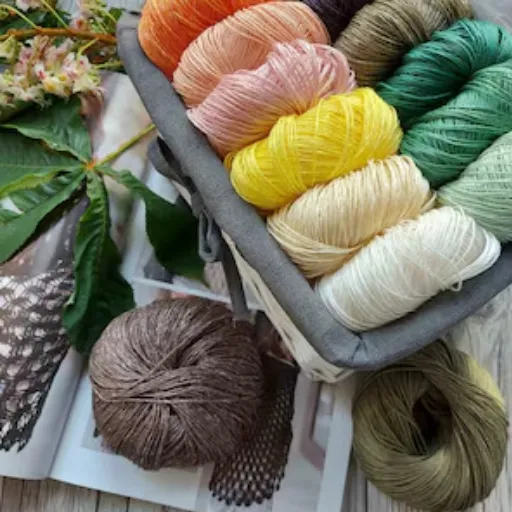
Choosing the right sustainable yarn starts with an honest assessment of how the furniture will be used. A fabric that works for a boutique hotel lobby will not necessarily suit a nursery rocking chair.
Traffic Level Guide
| Traffic Level | Typical Use | Recommended Yarns | Minimum Martindale Cycles |
|---|---|---|---|
| Light | Decorative chairs, cushions, headboards | Organic cotton, TENCEL™, linen | 10,000–15,000 |
| General domestic | Family sofas, dining chairs | Hemp, linen blends, recycled polyester | 15,000–25,000 |
| Heavy domestic | Pets, children, daily-use sofas | Recycled polyester, hemp, wool blends | 25,000–40,000 |
| Contract / hospitality | Offices, restaurants, hotel rooms | Recycled polyester, wool, high-performance hemp | 40,000+ |
| Heavy traffic public | Airports, healthcare, transport | Solution-dyed recycled polyester, contract wool | 80,000+ |
Natural vs. Recycled Synthetic
For brands prioritizing biodegradability and a natural hand feel, hemp, linen, wool, and organic cotton are strong candidates. For furniture that must survive heavy use, staining, and frequent cleaning, recycled polyester or recycled nylon is usually the more sustainable long-term choice. The most durable option is often the most sustainable because it stays in use longest.
Blending for Performance
Blends can combine the benefits of multiple fibers. For example:
- Recycled polyester + organic cotton: Adds strength and stain resistance to soft cotton.
- Hemp + recycled wool: Creates a textured, durable fabric with natural resilience.
- Linen + TENCEL™: Improves drape and softness while keeping a biodegradable core.
Durability and Performance Standards for Eco-Friendly Upholstery Yarn
A sustainability claim means little if the yarn fails under use. Furniture brands should request test data before committing to a new eco-friendly upholstery yarn.
Abrasion Resistance
The Martindale test is the most common benchmark for upholstery durability. It measures how many rubbing cycles a fabric can withstand before the two yarns break. Higher numbers indicate longer wear life.
- Light domestic use: 10,000–15,000 cycles
- General domestic use: 15,000–25,000 cycles
- Heavy domestic use: 25,000–40,000 cycles
- Contract use: 40,000+ cycles
- Heavy-traffic public spaces: 80,000–100,000+ cycles
Some suppliers use the Wyzenbeek test instead, which reports double rubs. The two methods are not directly convertible, so specify which standard you need when ordering samples.
Pilling Resistance
Pilling happens when loose fibers tangle into small balls on the fabric surface. The ISO 12945-2 test grades pilling on a scale, with higher grades indicating better resistance. For upholstery, look for a pilling grade of 3.5 or above.
Color and Light Fastness
Upholstery exposed to sunlight needs strong lightfastness. The Blue Wool Scale rates lightfastness from 1 to 8, with 6–8 recommended for furniture near windows. The ISO 105 series covers colorfastness to washing, rubbing, and perspiration.
Tensile Strength and Seam Slippage
These tests measure how much force the fabric can withstand before tearing and how much seams open under stress. They are especially important for contract and automotive upholstery.
Flame Retardancy
For contract, hospitality, and transportation seating, upholstery must meet flame resistance standards such as CAL TB 117, NFPA 701, or BS 5852. Some natural fibers like wool have inherent flame resistance, while synthetics may need treatment.
Reading a Supplier Test Report
When reviewing lab reports, confirm:
- The testing standard and year
- The exact fiber content tested
- Whether the results apply to the color and finish you plan to order
- The testing laboratory’s credentials
If a supplier cannot provide test reports, that is a red flag.
Interested in custom specifications or bulk orders for eco-friendly yarns? Reach out to Hebei Lida Textile Co., LTD for professional consultation and competitive manufacturing support.
Certifications That Matter
Certifications are the fastest way to verify that an eco-friendly upholstery yarn meets stated claims. Here are the most important ones for furniture brands.
GOTS: Global Organic Textile Standard
GOTS certifies organic fibers and tracks them through processing, manufacturing, and labeling. It covers environmental and social criteria. GOTS applies primarily to natural fibers like organic cotton, linen, and wool.
GRS: Global Recycled Standard
GRS verifies recycled content, chain of custody, and responsible environmental and social practices. It is the leading standard for recycled polyester and recycled nylon upholstery yarns.
OEKO-TEX Standard 100
OEKO-TEX Standard 100 tests textiles for harmful substances. It does not certify sustainability directly, but it assures buyers that the yarn is safe for human contact. It applies to both natural and synthetic fibers.
RWS and ZQ: Responsible Wool
RWS and ZQ certify ethical wool production, including animal welfare and land management. Use these for wool and recycled wool upholstery yarns.
GREENGUARD Gold
GREENGUARD Gold certifies low chemical emissions, which matters for indoor air quality in homes, offices, and healthcare settings.
How to Avoid Greenwashing
Greenwashing is common in sustainable textiles. Protect your brand by:
- Requesting certificate numbers and verifying them on the certifier’s website
- Checking whether the certification applies to the specific yarn or only to the mill
- Asking for fiber content percentages, not vague “eco” labels
- Demanding test data for durability and safety
Need help vetting certifications? Our team at Hebei Lida can guide you through GRS, GOTS, and OEKO-TEX requirements for your next upholstery project. Contact us for a consultation.
Cost, Availability, and Sourcing Considerations
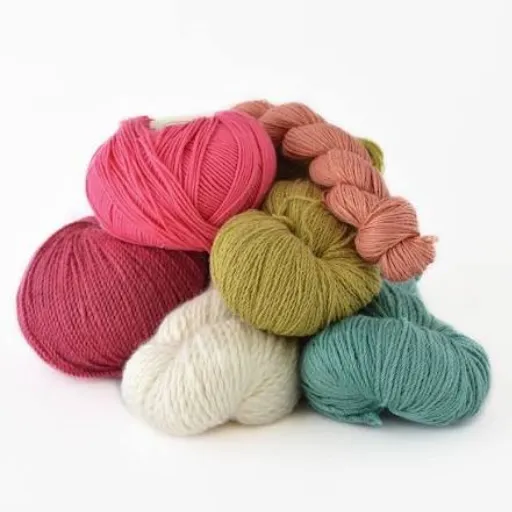
Eco-friendly yarns vary widely in price and supply stability. Understanding these factors helps brands plan realistic margins and production schedules.
Natural Fibers
Organic cotton, hemp, and linen often cost more per kilogram than conventional fibers. Harvests can vary with weather, which affects availability and pricing. Wool prices fluctuate with global commodity markets. Plan for longer lead times and possible seasonal shortages.
Recycled Synthetics
Recycled polyester and recycled nylon are increasingly price-competitive with virgin synthetics. Supply chains are more stable because feedstock comes from post-consumer plastic and industrial waste. For large-volume furniture production, recycled synthetics often offer the best balance of cost, performance, and sustainability.
Minimum Order Quantities and Sampling
Most yarn manufacturers require minimum order quantities, especially for custom colors or blends. Always request lab dips, sample cards, and test reports before placing a bulk order. Sampling reduces the risk of color mismatches or performance failures in finished furniture.
Regional Sourcing from Hebei
Hebei Province is one of China’s largest textile manufacturing regions. Mills here produce recycled polyester yarns, organic cotton blends, and custom upholstery yarns for export. Working with an established Hebei-based manufacturer can shorten lead times and improve quality control for global furniture brands.
Custom Eco-Friendly Upholstery Yarn from Hebei Lida
At Hebei Lida Textile Co., LTD, we produce eco-friendly yarns for upholstery across a range of fibers and certifications. Our capabilities include:
- GRS-certified recycled polyester yarn for high-traffic seating
- Custom color matching to Pantone references and customer swatches
- Blended yarns combining recycled synthetics with organic cotton, hemp, or linen
- Yarn counts and twists engineered for specific weaving and knitting processes
- Quality control support including abrasion, pilling, and colorfastness testing coordination
When a furniture brand approached us last year with a tight deadline for a sustainable sofa collection, we matched their recycled polyester yarn to a GRS-certified supply chain, delivered sample cards within two weeks, and helped coordinate Martindale testing. The collection launched on schedule and met the retailer’s sustainability requirements.
Ready to source eco-friendly upholstery yarn? Request a sample card or custom quote and we’ll match your performance specs, color, and certification needs.
Conclusion
Eco-friendly yarns for upholstery are not a one-size-fits-all choice. Recycled polyester leads for durability and waste diversion. Hemp and linen offer biodegradable strength. Wool delivers luxury and natural resilience. Organic cotton and TENCEL™ work best for softer, lower-wear residential pieces.
The most sustainable choice is the one that performs for its intended use. Durability, certifications, and test data matter just as much as fiber origin. Furniture brands that verify claims and demand lab reports build trust with customers and avoid costly returns.
If you are sourcing eco-friendly yarns for upholstery, start with your traffic level and certification requirements. Then request samples and test reports before committing to production. At Hebei Lida Textile Co., LTD, we help brands select, customize, and certify upholstery yarns that meet both sustainability goals and performance standards. Contact our team today to discuss your next project.