
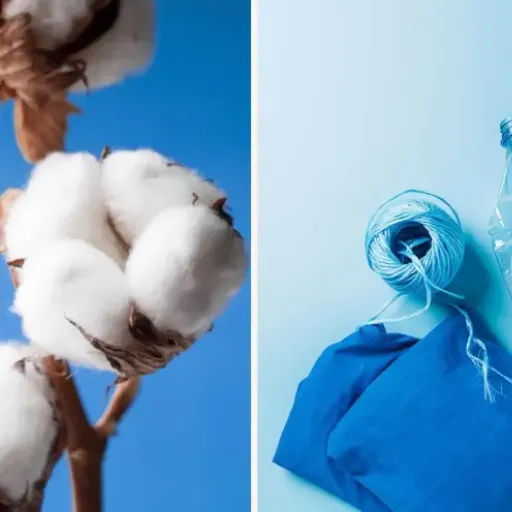


Custom yarn for fashion is yarn engineered to a designer’s exact specifications, covering fiber blend, count, twist, color, texture, and finish, so a collection looks, feels, and performs unlike anything available off the shelf. For fashion brands, it is the difference between a garment that blends in and one that becomes a signature piece customers recognize from across the room.
Yet many independent designers and boutique labels still believe custom yarn is reserved for luxury houses ordering thousands of kilograms. That assumption costs them one of the most powerful differentiation tools in apparel. In this guide, you’ll learn how custom yarn for fashion works at every scale, what you can realistically customize, how the sampling and production process flows, and how to choose a manufacturing partner who can turn your textile vision into a repeatable, runway-ready material. Whether you are developing custom yarn for apparel, knitwear, or accessories, the same principles apply.
Key Takeaways
- Custom yarn lets fashion designers control fiber blend, count, twist, color, texture, and finish for exclusive collection materials.
- Low-MOQ and small-batch sampling make custom yarn accessible to boutique brands and independent designers, not just large houses.
- Trend-responsive color and texture development helps designers align yarn with seasonal collections and Pantone forecasts.
- A clear design brief, sample approval process, and realistic timeline protect both quality and delivery dates.
- Sustainable custom options, organic cotton, recycled polyester, TENCEL, and certified dyes, are increasingly available without sacrificing performance.
What Is Custom Yarn for Fashion?
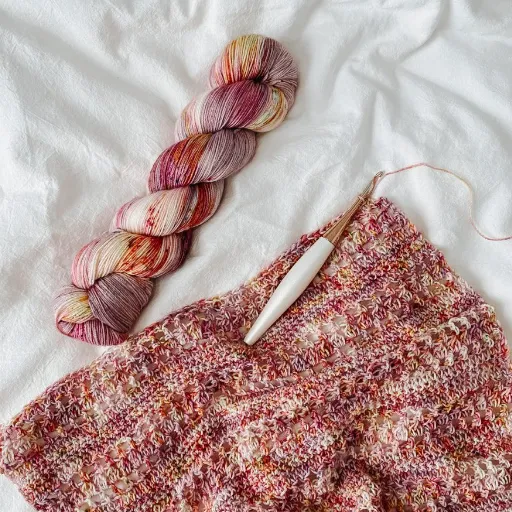
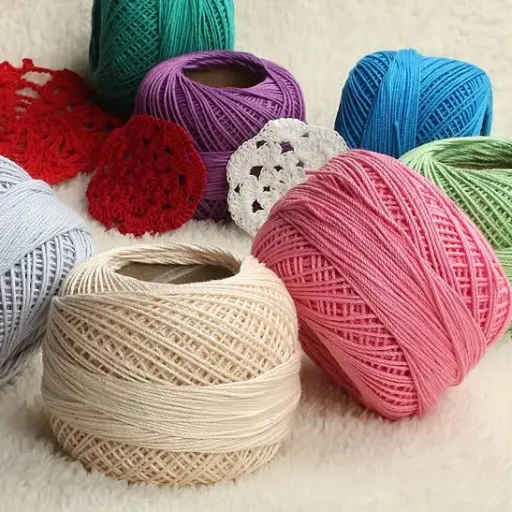
Custom yarn for fashion is yarn produced to a brand’s or designer’s specific technical and aesthetic requirements rather than selected from a manufacturer’s standard stock card. While stock yarn is pre-produced in fixed colors, counts, and fiber blends, custom yarn is developed from the ground up, or modified from a base recipe, to match a unique creative brief.
The most common customization levers for fashion include:
- Fiber blend, Combining cotton, wool, alpaca, silk, linen, recycled polyester, TENCEL, or nylon to achieve a specific hand-feel, drape, or performance profile.
- Yarn count and thickness, Controlling how fine or bulky the yarn is to suit lightweight knits, chunky sweaters, or fine-gauge jerseys.
- Twist and ply, Adjusting how tightly fibers are twisted and how many strands are plied together, which affects strength, elasticity, and surface texture.
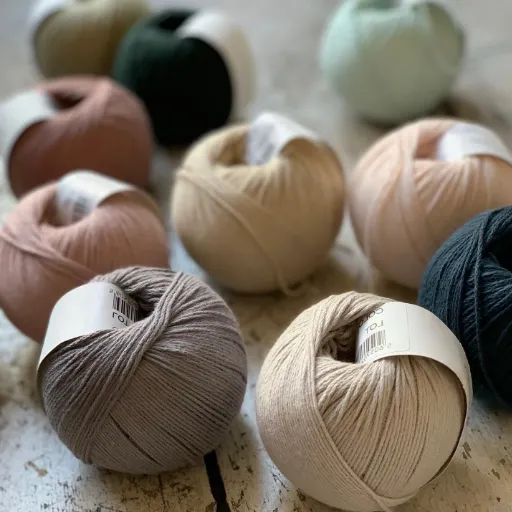
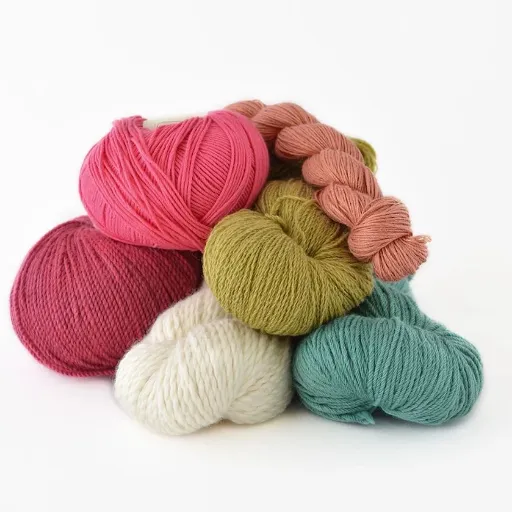
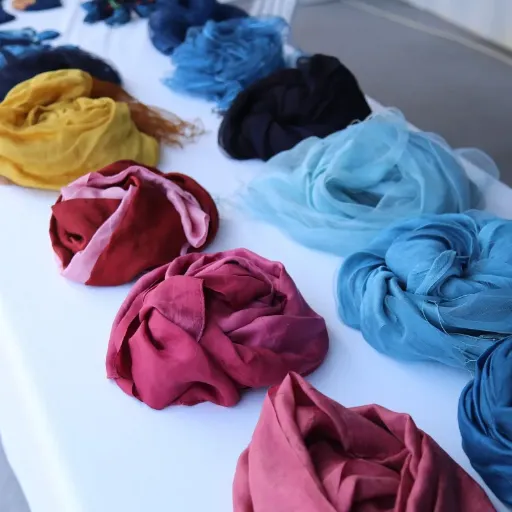
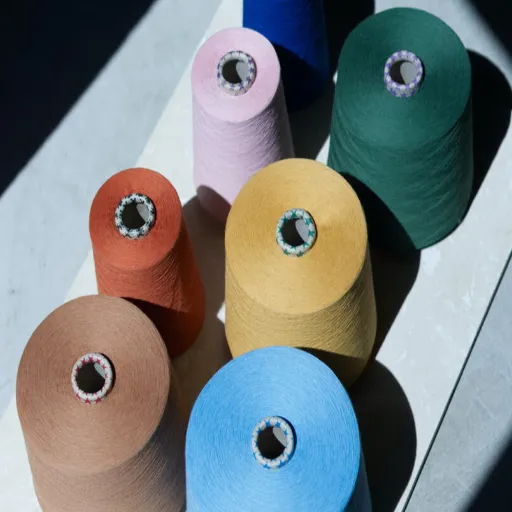
- Color, Dyeing to Pantone references, seasonal forecasts, or proprietary brand palettes, including heathers, marls, and space-dyed effects.
- Texture and finish, Creating bouclé, brushed, slub, neps, metallic, or recycled-look surfaces that give garments visual depth.
- Performance treatments, Adding softening, anti-pilling, water-repellent, or UV-resistant finishes where the application demands it.
For example, a knitwear designer developing an autumn collection might request a 2/28Nm merino-blend yarn in a custom heathered taupe, brushed for a soft halo effect, with enough twist to resist pilling on high-friction areas like cuffs and elbows. That level of specificity is exactly what custom yarn for fashion, including custom yarn for knitwear fashion brands, is designed to deliver.
Why Fashion Designers Choose Custom Yarn
Stock yarn can be beautiful, but it is also available to every other brand. When two competitors source the same color and count from the same catalog, differentiation becomes limited to cut and trim. Custom yarn for fashion designers removes that ceiling. Fashion yarn customization turns materials into a competitive advantage.
The core advantage of custom yarn for fashion is control over every variable that affects how a garment looks, feels, and performs.
Brand Exclusivity and Color Ownership
A signature color or texture can become as recognizable as a logo. By commissioning custom yarn, a designer locks in a shade or effect that competitors cannot simply reorder. This matters especially for direct-to-consumer brands building identity around a recognizable palette.
Performance Tuning by Garment Type
Fashion is not only about appearance. A yarn that looks perfect for a relaxed cardigan may be too soft for a structured blazer, or too heavy for a summer tee. Custom development lets designers optimize tensile strength, elasticity, moisture management, and drape for the exact garment type.
Sustainability and Storytelling
Modern buyers increasingly ask where materials come from and how they are made. According to a 2023 McKinsey survey on fashion consumer behavior, a majority of fashion consumers consider sustainability when making a purchase. Custom yarn allows brands to choose certified organic fibers, recycled content, or low-impact dyes, and then tell that story with confidence.
Cost Versus Value
Custom yarn carries a higher per-kilogram cost than stock yarn, but the total cost of ownership can be lower. Reduced waste from color mismatches, fewer rejected production batches, and stronger retail pricing power often offset the upfront premium. For designers building a brand around quality, custom yarn for fashion is an investment in positioning rather than a commodity expense.
Want to explore what is possible? Learn more about our broader custom yarn solutions for fashion and apparel and how they fit into a complete collection strategy.
Small-Batch and Sampling for Fashion Cycles
Small batch custom yarn for boutique brands has become increasingly accessible thanks to flexible manufacturer programs. Fashion runs on deadlines, and a designer cannot wait six months to see whether a yarn idea works. That is why sampling and small-batch production are central to custom yarn for fashion.
How Sampling Timelines Work
A typical sampling workflow begins with a design brief, often a fabric swatch, Pantone reference, or inspirational image. The manufacturer produces a small lab dip or hand sample, usually 50–200 grams, for color and texture approval. Once the direction is confirmed, a larger sample lot, often 1–5 kilograms, is produced for garment prototyping and wash testing. For a deeper look at milestones, see our overview of the custom yarn production timeline.
Low MOQ Options for Emerging Brands
Minimum order quantities have historically been the biggest barrier for small brands. Today, many manufacturers, including Hebei Lida Textile Co., LTD, offer flexible entry points. Depending on the fiber and construction, boutique orders can start as low as 50 kilograms per color.
This makes custom yarn for fashion realistic for emerging labels, capsule collections, and limited-edition drops. To see flexible entry points, explore our guide to custom yarn for small businesses and startups.
When Elena launched her independent knitwear label in Berlin, she assumed custom yarn was out of reach. Her first collection used stock yarn in a color close to her vision, but it never matched her mood board. After switching to a low-MOQ custom program, she ordered three colorways at 60 kilograms each, refined the blend through two sample rounds, and produced a 200-piece run that sold out in four weeks. The custom color became her brand’s signature and now appears in every collection.
A/B Testing Before Bulk Commitment
Sampling also lets designers test multiple directions before committing to bulk. A brand might develop two versions of a spring color, one brighter, one muted, produce sample garments in each, and choose the winner based on buyer feedback or pre-order data. This reduces the risk of being stuck with thousands of kilograms of yarn that does not resonate.
Trend-Responsive Color and Texture Development
Fashion moves fast, and custom yarn for fashion must keep pace. A color that feels fresh in February may feel tired by August. Custom yarn development must align with the seasonal calendar.
Working With Pantone and Seasonal Forecasts
Most designers begin with Pantone references or trend service reports from WGSN or Heuritech. A manufacturer translates those references into dye recipes, taking into account how the fiber absorbs pigment, how the color shifts under different lights, and how batch-to-batch consistency will hold across thousands of kilograms.
Custom Yarn Designs and Textures That Define Collections
Texture is where custom yarn becomes unmistakable. Common fashion-forward effects include:
- Bouclé, Looped yarns that create a nubby, tactile surface ideal for coats and cardigans.
- Brushed yarns, Soft, fuzzy surfaces that add warmth and luxury to winter knitwear.
- Slub and neps, Irregular thicknesses or flecks that create an artisanal, hand-spun look.
- Metallic and Lurex blends, Subtle shimmer for eveningwear and statement pieces.
- Recycled or regenerated effects, Marled, tweedy looks that signal sustainability without sacrificing sophistication.
Aligning Development With SS/AW Calendars
Spring/summer yarns often prioritize breathability, lightness, and UV resistance. Autumn/winter yarns lean into warmth, loft, and rich surface textures. By starting yarn development six to nine months before a collection ships, designers leave enough time for sampling, garment production, and photography.
At Hebei Lida Textile Co., LTD, our development team works backward from your target delivery date. If you need bulk yarn in hand by March for a June lookbook, sampling should typically begin the previous summer. Early planning protects quality and avoids rush premiums.
Collaborating With a Yarn Manufacturer on Design
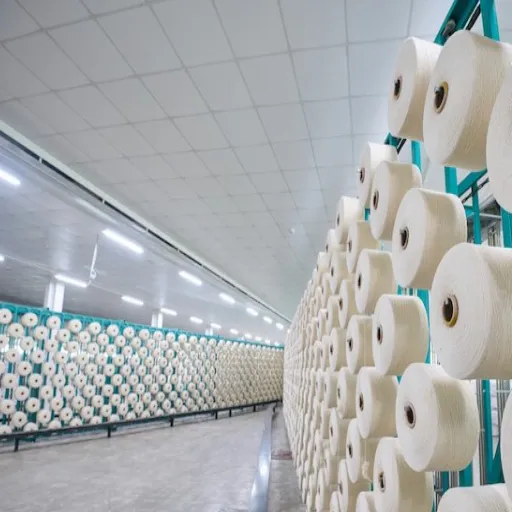
The best results in custom yarn for fashion come from clear communication between designer and manufacturer throughout the custom yarn production process. A well-prepared design brief saves weeks of back-and-forth and reduces the risk of expensive mistakes.
What to Include in a Yarn Design Brief
A strong brief typically covers:
- End use, Is the yarn for sweaters, scarves, activewear, accessories, or woven fabric?
- Target hand-feel, Soft, crisp, structured, stretchy, or lofty?
- Fiber preferences and restrictions, Desired fibers, fibers to avoid, sustainability requirements.
- Color reference, Pantone code, physical swatch, or high-resolution image.
- Yarn count and gauge, Thickness and the knitting machine gauge it must run on.
- Performance requirements, Pilling resistance, wash fastness, elasticity, tensile strength.
- Quantity and timeline, Estimated total order, color breakdown, and delivery deadline.
Translating Sketches Into Technical Specs
Manufacturers do not read minds. A mood board is useful, but technical success depends on translating inspiration into measurable specs. A good partner will ask about stitch density, garment weight, wash instructions, and how the yarn behaves during sewing or linking. They will also flag when a designer’s vision conflicts with machine capabilities or cost targets.
Sample Approval and Iteration
Custom development usually requires two to four sample rounds. The first confirms direction; later rounds refine color accuracy, texture, and performance. Each round should be tested in a real garment or swatch, not just admired on a cone. Wash testing is essential, a yarn that looks beautiful fresh can change dramatically after the first laundry cycle.
Common Mistakes to Avoid
- Vague color references, “dusty blue” means different things to different people. Use Pantone or send a physical swatch.
- Ignoring gauge and machinery, A yarn developed for a 12-gauge machine may not work on a 7-gauge machine.
- Skipping wash testing, Color bleeding, shrinkage, and pilling often appear only after laundering.
- Rushing sampling, Cutting sample rounds to save time usually creates bigger problems in bulk production.
Need help specifying your design? Our guide on how to specify custom yarn designs walks through the technical details designers need to communicate clearly.
Cost Structure and MOQs for Fashion Custom Orders
Pricing for custom yarn for fashion depends on more than fiber choice. Understanding the cost drivers helps designers budget realistically and avoid surprises.
Factors That Affect Custom Yarn Pricing
- Fiber cost, Premium fibers like merino, silk, or cashmere cost more than cotton or acrylic. Recycled and certified fibers may also carry premiums.
- Dyeing complexity, Solid colors are simpler than heathers, space-dyes, or multi-step finishes.
- Order volume, Larger orders spread fixed setup costs across more kilograms, lowering unit price.
- Texture and finishing, Brushing, bulking, or specialized coatings add processing steps.
- Sampling and development, Lab dips, strike-offs, and sample lots are often charged separately or amortized into bulk pricing.
Typical MOQ Ranges by Order Type
| Order Type | Typical MOQ | Best For |
|---|---|---|
| Lab dip / color sample | 50–200 grams | Color direction and approval |
| Sample lot | 1–5 kilograms | Garment prototyping and testing |
| Small-batch custom | 50–100 kilograms per color | Capsule collections and limited editions |
| Bulk custom production | 300+ kilograms per color | Large seasonal collections |
When to Choose Stock vs. Custom
Stock yarn is the right choice for basic colors, tight timelines, and cost-sensitive basics. Custom yarn for fashion makes sense when color accuracy, exclusivity, texture, or performance is central to the collection’s value. Many brands use a hybrid approach: custom yarn for hero pieces and signature colors, stock yarn for core basics.
From Yarn Sample to Runway: Timeline
Timing is everything in fashion. A delayed yarn delivery can cascade into missed photoshoots, late wholesale deliveries, and canceled orders. A realistic custom yarn for fashion timeline keeps the collection on track.
Step-by-Step Production Timeline
| Stage | Typical Duration | What Happens |
|---|---|---|
| Design brief and quotation | 3–7 days | Requirements reviewed, fiber and dye options proposed, price confirmed. |
| Lab dip / hand sample | 7–14 days | Initial color and texture sample produced for direction approval. |
| Sample lot production | 14–21 days | Larger sample knitted or woven into test fabric for garment trials. |
| Sample approval and adjustments | 7–21 days | Revisions based on garment testing and feedback. |
| Bulk production | 21–45 days | Full order manufactured, dyed, finished, and quality-checked. |
| Shipping and delivery | 7–21 days | Air or sea freight depending on urgency and budget. |
From first brief to final delivery, most custom yarn for fashion orders take eight to fourteen weeks. Complex textures, specialty fibers, or large volumes extend the upper end. Rush air freight can compress shipping but adds cost.
Buffer Time Protects Deadlines
Smart designers add two to three weeks of buffer between yarn delivery and garment cut date. This accounts for sampling revisions, dye lot variations, and shipping delays. Building that buffer into the calendar is one of the simplest ways to protect a collection launch.
Sustainable Custom Yarn Options for Fashion Brands
Sustainability is no longer a niche concern. Boutique brands and established labels alike now expect eco-friendly options. Fashion brands at every level are being asked about materials, certifications, and environmental impact. Custom yarn makes it easier to meet those expectations without compromising design intent.
Eco-Friendly Fiber Choices
- Organic cotton, Grown without synthetic pesticides, ideal for soft knits and jersey applications.
- Recycled polyester and nylon, Made from post-consumer plastic or industrial waste, suitable for activewear and outerwear.
- TENCEL lyocell, A regenerated cellulosic fiber with a smooth drape and lower water footprint than conventional viscose.
- Linen and hemp, Fast-growing, low-input fibers that add texture and breathability.
- Recycled wool and cashmere, Reclaimed fibers that reduce reliance on virgin animal fibers.
Certifications to Look For
When sourcing custom yarn for fashion with sustainability claims, request documentation for:
- GOTS, Global Organic Textile Standard, covering organic fiber processing.
- OEKO-TEX Standard 100, Confirms absence of harmful substances in dyed yarn.
- GRS, Global Recycled Standard, verifying recycled content and chain of custody.
- BCI, Better Cotton Initiative, promoting more sustainable cotton farming practices.
Balancing Sustainability, Performance, and Cost
Not every sustainable fiber suits every garment. Recycled polyester may not breathe as well as organic cotton. TENCEL can be slippery on certain knitting machines. A knowledgeable manufacturer helps designers balance these trade-offs and select the fiber system that delivers both the story and the performance the collection needs.
When sourced thoughtfully, custom yarn for fashion can become one of the most credible sustainability stories a brand tells.
At Hebei Lida Textile Co., LTD, we provide batch-specific certification documentation so brands can verify every claim they make to customers and retailers. Transparency builds trust, and trust builds repeat business.
Interested in eco-friendly customization? Explore our custom eco-friendly yarn solutions to see how sustainable materials can be tailored to your specs.
Frequently Asked Questions
What is custom yarn for fashion?
Custom yarn for fashion is yarn developed to a designer’s or brand’s specific requirements for fiber blend, count, twist, color, texture, and finish. It allows fashion labels to create exclusive materials that are not available from standard stock catalogs.
How do fashion designers get custom yarn made?
Designers typically start by sending a design brief with color references, fiber preferences, target hand-feel, and end use. The manufacturer produces lab dips and sample lots for approval, then moves into bulk production once the specs are confirmed.
What is the minimum order for custom fashion yarn?
Minimums vary by fiber and construction, but many manufacturers now offer low-MOQ programs starting at 50 kilograms per color. This makes custom yarn for fashion accessible to boutique brands and independent designers.
How long does custom yarn production take for fashion?
From brief to delivery, most orders take eight to fourteen weeks. Sampling, revisions, bulk production, and shipping each contribute to the overall timeline. Rush options are available but increase cost.
Can small fashion brands afford custom yarn?
Yes. Low-MOQ sampling, small-batch production, and hybrid approaches, using custom yarn for signature pieces and stock yarn for basics, make custom development affordable for smaller labels.
What fiber blends work best for fashion apparel?
The best blend depends on the garment. Cotton blends work well for soft tees and knits. Merino and alpaca blends excel in winter knitwear. Recycled polyester and nylon are common in activewear. TENCEL and linen blends add drape and breathability for spring and summer pieces.
How do I match Pantone colors to custom yarn?
Send the Pantone reference along with any physical fabric swatches. The manufacturer creates dye recipes and lab dips, then adjusts based on how the color appears on the actual fiber under standard lighting conditions.
Do custom yarn manufacturers offer sampling?
Yes. Custom yarn sampling for fashion startups and established brands is a standard part of the custom yarn for fashion process. It typically includes lab dips for color approval and larger sample lots for garment prototyping and wash testing.
Conclusion
Custom yarn for fashion gives designers a level of control that stock yarn simply cannot match. From exclusive colors and textures to performance-tuned fiber blends and certified sustainable options, custom development turns textiles into a strategic asset.
The key to success is preparation. A clear design brief, realistic timeline, and patient sampling process protect both quality and budget. For yarn for fashion designers at every stage, the right manufacturing partner makes the difference between a good idea and a garment that defines your label.
At Hebei Lida Textile Co., LTD, we specialize in custom yarn for fashion at scales that work for boutique brands and global labels alike. If you are ready to develop a yarn that belongs only to your collection, request a custom yarn sample and our team will guide you from brief to bulk production. You can also explore our complete custom yarn solutions for your collection to see how fashion, home, and industrial applications fit together.