


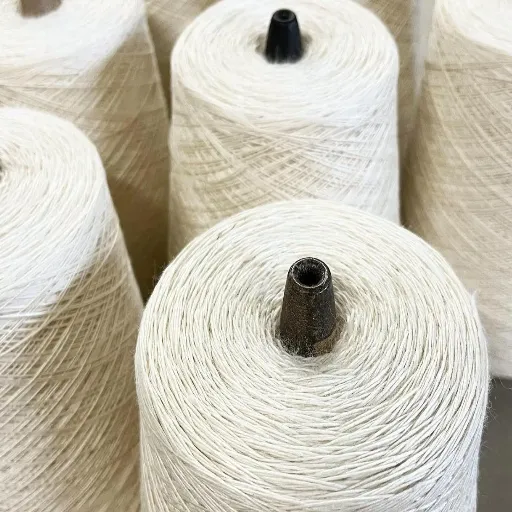
Custom yarn production is the process of making yarn to a buyer’s exact specifications. It covers fiber choice, blend ratios, yarn count, twist, color, and finish. Unlike stock yarn, custom yarn production is a partnership between you and the manufacturer.
Ordering custom yarn for the first time can feel uncertain. You may worry about minimum orders, sampling time, or whether the final bulk will match your approved sample. These concerns are valid. We have worked with designers, home textile brands, and industrial buyers who all need a clear workflow they can trust. In this guide, we walk through the full custom yarn production journey. You will learn what happens at each stage, how long each step takes, and how to choose the right partner. Need yarns with specific strength, texture, or functional properties? Hebei Lida Textile Co., LTD offers customized solutions developed to help manufacturers achieve superior end-product performance.
Key Takeaways
- Custom yarn production follows eight clear stages from inquiry to delivery. Sampling and approval are the most critical quality gates.
- Typical total lead time runs 5–8 weeks, including 1–3 weeks for sampling and 2–4 weeks for bulk production.
- MOQs usually start around 300–500 kg per color for custom dye lots and 1,000 kg+ for custom blends. Flexible suppliers also support smaller test orders.
- Physical sample approval prevents costly bulk mismatches. Always approve lab dips and pre-production samples in person, not from photos.
- A strong custom yarn partner offers transparent timelines, consistent sample-to-bulk quality, and clear communication throughout development.
What Is Custom Yarn Production?
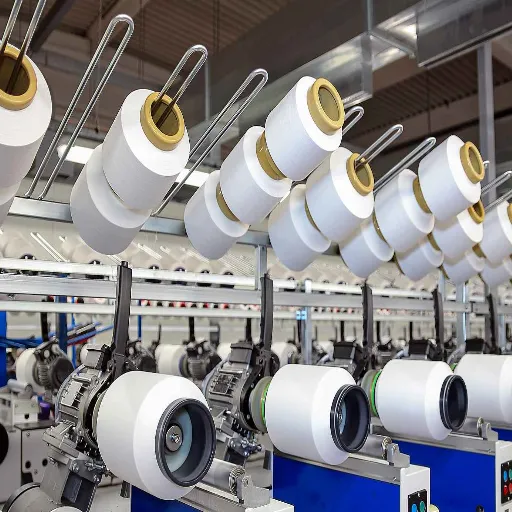
Custom yarn production is made-to-order manufacturing. Instead of picking a standard yarn from a catalog, you tell the manufacturer what you need. The supplier then develops, samples, and produces yarn built to your requirements.
Common customization options include:
- Fiber composition: 100% cotton, wool, polyester, viscose, or blends such as cotton-recycled polyester or merino-nylon.
- Yarn count and thickness: Ne 20/1, Ne 40/2, denier, tex, or other count systems.
- Twist level and direction: S-twist or Z-twist, low twist for softness or high twist for strength.
- Color: stock-dyed, yarn-dyed, solution-dyed, or undyed for later processing.
- Finish and function: anti-pilling, moisture-wicking, flame retardant, UV-resistant, or antimicrobial treatments.
- Packaging: cones, skeins, spools, or custom labeling for your production line.
This level of control makes custom yarn production valuable across many industries. Fashion designers use custom yarn designs to create signature textiles. Home textile brands rely on it for color-matched upholstery and curtain collections. Industrial buyers specify high-tenacity yarns for outdoor, automotive, or marine applications. For a broader view of how tailored yarns fit your sourcing strategy, see our guide to custom yarn solutions.
The Custom Yarn Production Process Step by Step
Most buyers want a simple answer: what happens after I send my specifications? The process of producing custom yarn can be broken into eight stages. Each stage has a clear purpose, and skipping any of them increases risk.
- Inquiry and requirements gathering
- Feasibility review and quotation
- Sample and lab-dip development
- Sample approval and specification lock
- Bulk production scheduling
- In-process quality control
- Final inspection and testing
- Packaging, labeling, and shipment
1. Inquiry and Requirements Gathering
You begin by sharing what you need. The more detail you provide, the faster and more accurate the response. Useful information includes the end-use of the yarn, target fiber content, yarn count, twist requirements, color references, expected order volume, delivery destination, and any required certifications such as OEKO-TEX, GOTS, or GRS.
A clear inquiry sets the tone for the entire project. Vague requests such as “I need strong yarn” lead to back-and-forth communication that extends timelines. Precise requests such as “I need a Ne 30/1, 85/15 cotton-recycled polyester yarn in Pantone 19-4052, certified to OEKO-TEX Standard 100, for a 2,000-piece knitwear run” move the project forward quickly.
2. Feasibility Review and Quotation
The manufacturer reviews your request against available fibers, machinery capabilities, and dye lot economics. They confirm whether the specifications are achievable and provide a quotation. A typical quote covers yarn development, sampling, bulk unit price, MOQ, lead time, and shipping terms.
At this stage, experienced manufacturers also flag potential issues. For example, a very dark shade on a light fiber may require multiple dye baths, adding time and cost. A specialized finish may require a partner facility. A good feasibility review prevents problems later.
3. Sample and Lab-Dip Development
This is where the physical work begins. The manufacturer produces small samples so you can evaluate color, texture, hand-feel, and performance before committing to bulk. The process usually includes:
- Lab dips: small yarn dye samples matched to your Pantone reference or physical swatch.
- Yarn swatches: short lengths of yarn showing structure, twist, and fiber blend.
- Knit-down or woven samples: small fabric pieces that show how the yarn behaves in your end product.
According to Yusheng Yarn’s development workflow, initial sampling typically takes 5–10 working days. Complex structures or multi-component blends may take longer.
4. Sample Approval and Specification Lock
Once you receive samples, evaluate them against your requirements. Check color under multiple light sources, not just on a screen. Test texture and strength in the intended application. Only approve a physical sample before locking the final specification.
This approval step is the most important control point in custom yarn production. Approving a photo instead of a physical sample, or rushing past this stage, is one of the most common causes of bulk rejection. A signed or formally confirmed approval protects both you and the manufacturer.
5. Bulk Production Scheduling
After sample approval and deposit payment, the manufacturer schedules bulk production. This involves sourcing the approved raw materials, preparing dye lots, setting up spinning parameters, and assigning machine time. Production scheduling depends on current capacity, order size, and raw material availability.
For buyers planning seasonal collections, this is the stage where realistic timelines matter most. A delay in sample approval almost always pushes back the bulk production window.
6. In-Process Quality Control
During bulk production, quality control happens continuously. Operators monitor tension, yarn breaks, twist consistency, and visual defects. Samples are taken from the production line and tested for count variation, strength, and color uniformity.
Modern mills use online testing systems to track evenness and hairiness in real time. This data helps catch deviations before they affect the whole batch. Consistent in-process monitoring is what separates premium suppliers from average ones.
7. Final Inspection and Testing
Once production is complete, the yarn undergoes final inspection. Common tests include tensile strength, colorfastness, shrinkage, and any specialized performance tests such as UV resistance or flame retardancy. Many buyers also request a pre-shipment sample pulled directly from the bulk lot.
The 4-point system is widely used in textiles to grade defects. Premium suppliers target defect rates below 2%, while the industry average often falls between 3% and 5%.
8. Packaging, Labeling, and Shipment
The finished yarn is wound onto the agreed package type, labeled with batch numbers and specifications, and prepared for shipment. Proper labeling supports traceability, which is especially important for buyers who need certification documentation or who plan repeat orders.
If you want to understand the technical manufacturing steps behind these stages, our yarn manufacturing guide explains how fibers move from raw material to finished cone.
Custom Yarn Production Timeline: What to Expect
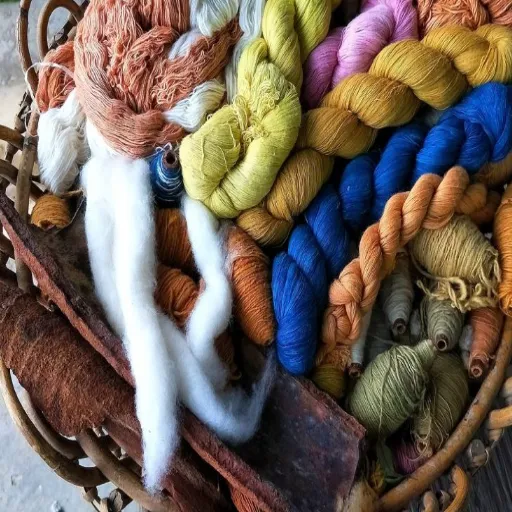
One of the first questions buyers ask is about custom yarn lead time. The honest answer depends on complexity, but most projects follow a predictable range.
| Stage | Typical Timeline |
|---|---|
| Inquiry and quotation | 2–5 days |
| Sample and lab-dip development | 1–3 weeks |
| Sample approval | 3–7 days |
| Bulk production | 2–4 weeks |
| Final inspection and shipping prep | 3–7 days |
| Total from deposit to dispatch | 5–8 weeks |
Most custom yarn production projects take 5 to 8 weeks from deposit to dispatch. Custom orders generally take 25–40% longer than stock yarn orders. Standard stock yarn may ship within 3–7 days, while custom dye lots or blends add 2–4 weeks because of setup, sampling, and dedicated production runs.
Several factors can extend the timeline:
- Custom colors requiring multiple dye rounds
- Specialty fibers with limited availability
- Complex blends needing additional R&D
- Multiple sample revision cycles
- Holidays or peak production seasons
Working with a transparent partner helps you plan around these variables. Reputable manufacturers build realistic timelines into their quotes and communicate proactively when issues arise.
Mini-story: When Elena, a home textile buyer in Portugal, planned her spring curtain collection, she assumed custom yarn would take the same time as stock yarn. Her first supplier quoted four weeks but delivered in seven, forcing her to air freight the shipment. On her next collection, she chose a partner who mapped out each stage in advance. The project took six weeks from deposit to dispatch, arrived by sea, and matched her approved color on the first bulk run. The difference was not speed alone. It was predictability.
Custom Yarn Production MOQs: What to Expect
Custom yarn MOQ is often the biggest concern for buyers exploring custom yarn production for small orders. Minimums exist for practical reasons. Custom dye lots, machine setups, and fiber blending all have economic thresholds. Below those thresholds, the per-unit cost becomes uncompetitive or the production run becomes inefficient.
Typical MOQ ranges include:
| Customization Type | Typical MOQ |
|---|---|
| Custom color dye lot | 300–500 kg per color |
| Custom blend or specification | 1,000 kg+ |
| Small-batch test or sampling run | 100–500 kg |
| Specialty finish or coating | 500–1,000 kg |
These ranges are not universal. Some suppliers specialize in low-MOQ textile manufacturing and can support startup brands with smaller test orders. Others focus on large-volume industrial clients and set higher minimums. Alibaba’s B2B sourcing guide notes that custom yarn typically costs 15–40% more than standard sizes because of setup and smaller runs.
If your first order is below a supplier’s standard MOQ, consider these strategies:
- Bundle multiple colors or SKUs into one production run to meet combined minimums.
- Start with a stock base yarn and add custom dyeing or finishing.
- Negotiate a phased agreement where a small pilot order leads to a larger follow-up.
- Choose a supplier with explicit custom yarn for small businesses programs or flexible sampling terms.
For buyers specifically interested in smaller volumes, our article on custom yarn for small businesses covers how to access custom production without committing to large quantities upfront.
Sampling and Approval in Custom Yarn Production
Sampling is not an optional step in custom yarn production. It is the gate that protects the rest of the project. A well-managed sampling phase includes three main approval points:
Lab Dip Approval
Lab dips are small yarn samples dyed to match your color standard. Always approve physical lab dips, not photos. Lighting, screen calibration, and camera quality can distort color appearance. Check lab dips under the same light source where your final product will be sold or used. Physical lab dips are the gold standard for custom color matching in yarn production.
Yarn Swatch Approval
Yarn swatches let you evaluate hand-feel, texture, twist, and fiber blend. This is where you confirm that the yarn feels right for your application. A knitwear designer might check elasticity. A curtain manufacturer might check drape and weight.
Pre-Production Sample Approval
The pre-production sample is made on the actual machines that will run the bulk order, using the same raw materials. It is the closest representation of the final product. No bulk production should begin without signed pre-production sample approval.
Mini-story: Marcus, a knitwear designer in New York, learned this lesson the hard way. He approved a lab dip photo to save time. When the bulk shipment arrived, the color was visibly different from his brand standard. The yarn was usable, but not for his collection. He ended up reordering and delaying his launch by six weeks. On his next project, he insisted on physical approvals at every stage. The bulk matched the sample exactly.
Common sampling mistakes to avoid:
- Approving digital images instead of physical samples
- Changing specifications after samples are approved
- Skipping the pre-production sample
- Allowing multiple decision-makers to delay approvals
A supplier confident in their quality will support a structured approval process rather than rush past it. Looking for a trusted custom yarn manufacturer? Contact Hebei Lida Textile Co., LTD to explore flexible production options designed to meet both quality standards and delivery schedules.
How Custom Yarn Differs From Standard Yarn Production
Understanding the difference between custom and standard yarn production helps set expectations. The technical yarn production process is similar in both cases, but the buyer experience of custom yarn production is quite different.
Standard yarn production uses existing specifications. The yarn is already developed, tested, and often held in inventory. You choose from a catalog, confirm availability, and place an order. Lead times are short, MOQs are lower, and pricing is stable.
Custom yarn production starts with your requirements. Development work is required before bulk manufacturing can begin. This means:
- Longer lead times because of sampling and setup
- Higher per-unit costs at low volumes due to smaller runs
- Greater control over fiber, count, twist, color, and finish
- Better batch traceability and documentation
- Stronger alignment with your end-use and brand standards
The trade-off is clear. You sacrifice speed and flexibility for precision and differentiation. For brands that rely on unique textures, colors, or performance characteristics, custom yarn production is often the only path to the right product.
Preparing for Your First Custom Yarn Production Order
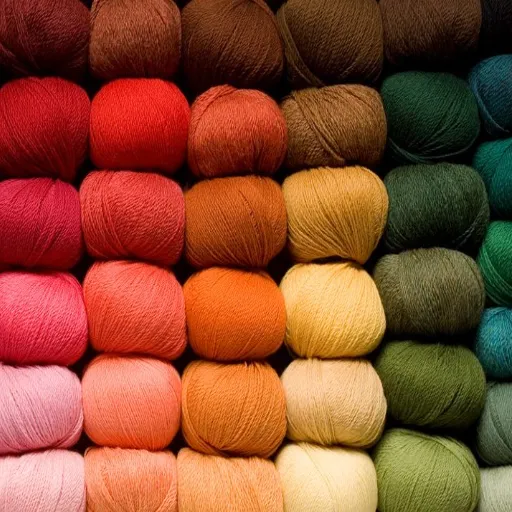
Preparation reduces risk and shortens development time. Before contacting a manufacturer, gather the following information:
- End-use and application: Will the yarn be used for knitwear, woven upholstery, curtains, or industrial products?
- Performance requirements: Do you need abrasion resistance, UV protection, moisture-wicking, or flame retardancy?
- Fiber and blend: Specify the exact fiber composition or request recommendations.
- Yarn count and twist: Provide the count system and target thickness.
- Color reference: Submit a Pantone code, physical swatch, or lab-dip sample.
- Expected volume: Share your estimated annual or per-order volume.
- Certifications: Confirm if you need OEKO-TEX, GOTS, GRS, REACH, or other compliance documents.
- Packaging and labeling: State how you want the yarn delivered and labeled.
- Timeline: Share your target delivery date and any seasonal constraints.
The more complete your brief, the faster the manufacturer can assess feasibility and provide an accurate quote. If you are unsure about technical specifications, a good supplier will guide you through the options rather than guess.
Choosing a Custom Yarn Production Partner
Not every yarn manufacturer is equipped for custom work. Evaluating custom yarn suppliers requires looking beyond price and catalog size. The right partner demonstrates technical capability, transparency, and consistent quality.
Key Evaluation Criteria
- Customization capability: Can they develop new blends, counts, and finishes? Do they have in-house R&D or sampling support?
- Sampling speed and flexibility: How quickly can they produce lab dips and pre-production samples? Are they willing to iterate?
- Quality consistency: Does the bulk order reliably match the approved sample? Can they provide test reports and defect-rate data?
- Transparent pricing and timelines: Are quotes itemized? Are lead-time commitments realistic?
- Certifications and compliance: Can they provide the documentation your market requires?
- Communication: Do they respond promptly? Do they ask clarifying questions before production?
Red Flags to Avoid
- Vague or changing MOQ policies
- Reluctance to provide physical samples
- Unwillingness to share test reports or certifications
- Excessive sampling fees without clear terms
- Poor sample-to-bulk consistency in past orders
- Communication gaps during development are a serious warning sign when evaluating custom yarn suppliers
For buyers prioritizing sustainability, our sustainable yarn suppliers guide explains how to evaluate eco-friendly options alongside custom capabilities.
Mini-story: The team at a Scandinavian outdoor furniture brand needed a UV-resistant yarn for marine-grade upholstery. Their first supplier promised fast delivery but could not produce consistent color across dye lots. After switching to a partner with documented batch control and retained samples, they reduced quality complaints by 80% over two seasons. The new supplier was not the cheapest, but the consistency saved far more in returns and rework.
Frequently Asked Questions About Custom Yarn Production
How long does custom yarn production take?
Most projects take 5–8 weeks from deposit to dispatch. Sampling adds 1–3 weeks, and bulk production adds 2–4 weeks. Complex colors, specialty fibers, or multiple sample revisions can extend the timeline.
What is the minimum order quantity for custom yarn?
Custom yarn MOQ typically starts at 300–500 kg per color for dye lots and 1,000 kg or more for custom blends. Some suppliers offer small-batch pilot runs of 100–500 kg for testing.
What is the difference between custom yarn and stock yarn?
Stock yarn is already manufactured and held in inventory. Custom yarn is made to your specifications, so it requires development, sampling, and a dedicated production run. Custom yarn gives you more control but takes longer and costs more at low volumes.
How do I ensure color consistency in custom yarn production?
Approve physical lab dips under the correct light source. Then approve a pre-production sample made on the same machines and materials that will run the bulk order. Never approve color from photos alone.
Can small businesses order custom yarn?
Yes. Many suppliers offer custom yarn for small businesses through low-MOQ programs, pilot runs, or stock-based customization. Bundling colors and negotiating phased agreements can also help smaller buyers meet minimums.
How do I choose a custom yarn manufacturer?
Look for clear communication, documented quality control, consistent sample-to-bulk matching, itemized quotes, realistic timelines, and the certifications your market requires. Avoid suppliers who resist physical samples or cannot explain their MOQ policies.
Conclusion
Custom yarn production is not a simple purchase. It is a structured partnership that rewards preparation, clear communication, and careful sample approvals. When you understand the full workflow, from inquiry through delivery, you can plan realistic timelines, manage MOQs effectively, and avoid the costly mistakes that derail many first-time buyers.
The most important takeaway from this guide to custom yarn production is this: sampling is your strongest quality control tool. Invest time in physical approvals, lock your specifications before bulk production, and choose a partner who treats transparency as a standard practice.
At Hebei Lida Textile Co., LTD, we guide buyers through every stage of custom yarn production. Whether you are new to custom yarn manufacturing or scaling an existing program, we can help you develop yarn that matches your exact specifications. Contact our team today to discuss your project or request a custom yarn production quote.