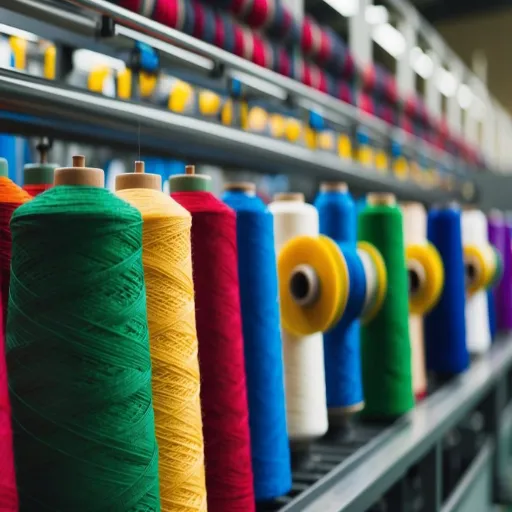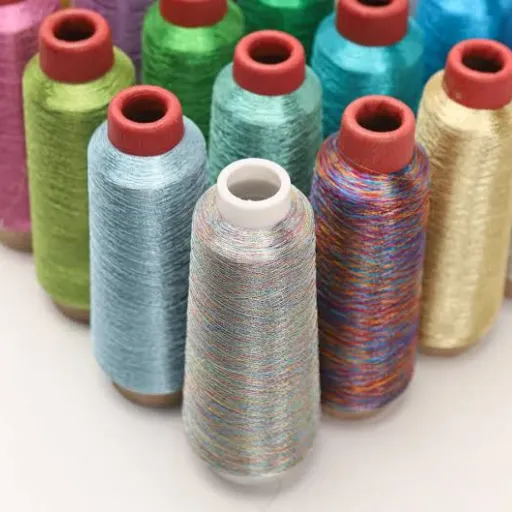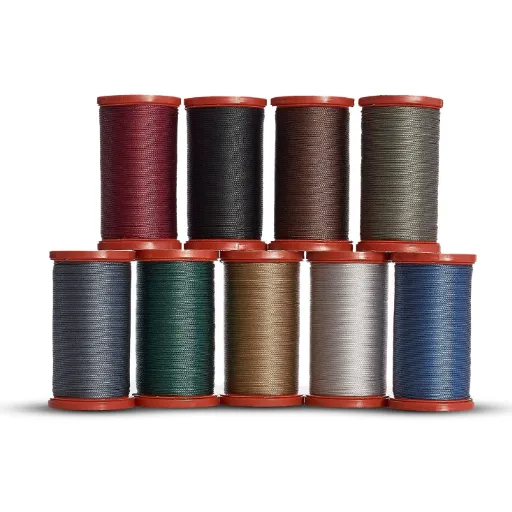



The best custom yarn for upholstery combines the right fiber, denier, twist, and finish to match how the furniture will actually be used. For residential sofas, that usually means a 3,500–5,000D polyester or polyester-cotton blend with 15,000+ Martindale rubs. For contract seating in hotels or airports, it means 5,000–6,000D yarn rated at 50,000+ rubs plus flame-retardant certification.
Most upholstery failures do not start at the frame. They start in the yarn. The wrong specification causes pilling, seam slippage, color fading, or premature wear long before a warranty claim ever appears. Yet many furniture brands and upholstery manufacturers know the look they want without knowing how to translate that vision into a specification a supplier can execute consistently.
This guide solves that problem as part of our broader custom yarn solutions resource. You will learn how to choose and specify custom upholstery yarn, from fiber selection and denier to abrasion testing and color matching. We will cover residential, commercial, outdoor, and automotive applications, plus the common mistakes that turn a promising sample into a costly bulk order. Get in touch with Hebei Lida Textile Co., LTD for expert assistance.
Key Takeaways
- Custom upholstery yarn lets you control fiber content, denier, twist, color, and performance treatments for a specific furniture application.
- Residential furniture typically needs 15,000+ Martindale rubs; contract furniture needs 50,000+ rubs plus flame-retardant compliance.
- Polyester and polyester-cotton blends dominate upholstery because they balance abrasion resistance, colorfastness, and cost.
- Solution-dyed yarns are the best choice for outdoor or marine upholstery because pigment is locked into the fiber before spinning.
- Always approve a lab dip and a production sample before committing to bulk; up to 30% of textile delays come from color-matching issues.
What Is Custom Yarn for Upholstery?
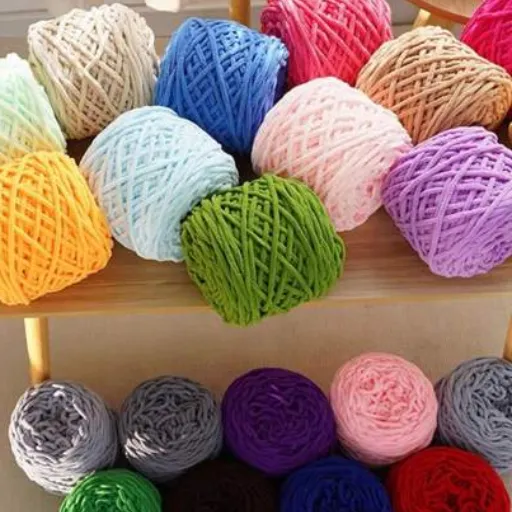
Custom yarn for upholstery is yarn engineered to meet the exact requirements of a furniture fabric. Unlike stock yarn, which forces designers to choose from existing colors and constructions, custom yarn is developed around the end use.
You can customize:
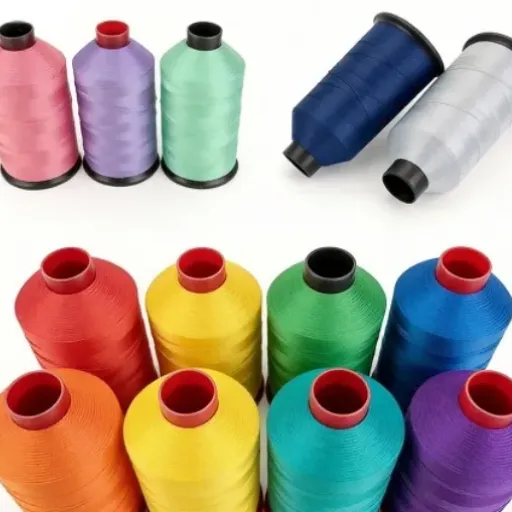
- Fiber content: cotton, polyester, wool, linen, nylon, acrylic, or recycled blends
- Denier: the thickness and weight of the yarn, typically 2,000–6,000D for upholstery
- Twist and ply: how fibers are spun together to control strength and hand feel
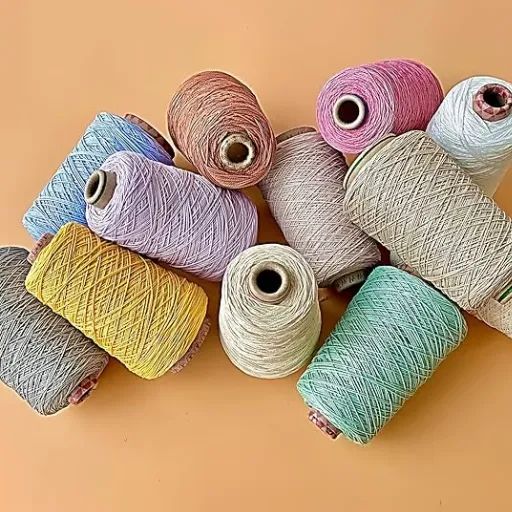
- Color: Pantone-matched shades, heather effects, or space-dyed patterns
- Texture and finish: softening, anti-pilling, water repellency, or flame retardancy
- Performance treatments: UV stabilization, antimicrobial finishes, or stain resistance
Furniture manufacturers, upholstery workshops, home textile brands, and contract furniture suppliers all use custom upholstery yarn when off-the-shelf options cannot deliver the right color, durability, or compliance.
Custom yarn also protects brand identity. A furniture line can own an exclusive color or texture that competitors cannot replicate from a catalog. That exclusivity matters in a global upholstery fabric market projected to reach USD 41.6 billion by 2033, according to industry analysis from Citius Textiles.
Why Upholstery Yarn Specifications Matter
Upholstery fabric lives a harder life than almost any other textile. It absorbs body weight, friction from clothing, spills, pets, sunlight, and repeated cleaning. The yarn inside that fabric must withstand all of it without pilling, stretching, or losing color.
Consider Elena, a product developer at a mid-sized furniture brand. Her team launched a dining chair collection using a beautiful stock yarn that looked perfect in the showroom.
Within eight months, customer service reported pilling along the seat edges and noticeable color variation between production lots. The returns cost more than the yarn savings.
When Elena moved to a custom yarn specification with defined abrasion and colorfastness standards, warranty claims dropped by 60%.
Specifications matter because they turn subjective preferences into measurable requirements. They help you:
- Predict durability with abrasion and tensile testing
- Control color consistency across dye lots and production runs
- Meet safety standards for flammability and indoor air quality
- Reduce returns and warranty claims caused by avoidable fabric failures
- Differentiate your brand with exclusive colors, textures, and performance features
If you are comparing stock versus custom options, start with how the furniture will be used. A boutique accent chair and a hotel lobby sofa need different yarn. That difference is what custom specifications solve.
Want to see how custom yarn performs in your application? Contact us to request a sample or discuss your project requirements.
Key Performance Requirements for Upholstery Yarn
Every upholstery yarn must pass a set of physical and safety tests. Understanding these tests helps you write a specification that a manufacturer can quote and produce accurately.
Abrasion Resistance
Abrasion resistance measures how well a fabric withstands repeated rubbing. The two main tests are the Martindale rub test (ISO 12947) and the Wyzenbeek double rub test (ASTM D4157).
- Residential use: 15,000+ Martindale rubs or 15,000+ double rubs
- Heavy domestic use: 25,000–30,000 rubs
- Commercial contract use: 50,000+ rubs
- High-traffic public spaces: 80,000+ rubs
The Martindale test rubs fabric in a Lissajous figure-eight motion against a standardized abradant. The Wyzenbeek test rubs fabric back and forth against a wire screen or cotton duck. Both give reliable results, but they are not directly comparable, so specify the test method your market expects.
Tensile Strength and Seam Slippage
Tensile strength measures how much force a yarn can withstand before breaking. Seam slippage measures how much the yarns shift at a stitched seam under load. Upholstery yarn needs enough strength to resist tearing at seams and tufting points.
Colorfastness
Colorfastness covers how well a color resists fading or bleeding. The main sub-tests are:
- Lightfastness: resistance to fading under artificial or natural light
- Wash fastness: resistance to color loss during cleaning
- Crocking/rubbing fastness: resistance to color transfer from friction
For furniture near windows or under strong lighting, specify a lightfastness rating of 4+ on the Blue Wool Scale.
Pilling Resistance
Pilling happens when loose fibers tangle into small balls on the fabric surface. It makes new furniture look worn. Tighter twist levels and anti-pilling finishes reduce this problem.
Flame Retardancy and Safety Standards
Flammability requirements vary by region and application. Common standards include:
- CAL 117 / CA TB 117-2013: California and US residential/commercial upholstery
- BS 5852: UK upholstery ignition standards
- NFPA 701: US drapery and decorative fabric flammability
- EN 1021-1/2: European upholstery ignition standards
If your furniture must meet a specific standard, state it in your yarn specification. The fiber choice must support the required treatment. For example, wool has natural flame resistance, while polyester usually needs a chemical finish.
UV and Weather Resistance
Outdoor and marine upholstery needs UV stabilization, mildew resistance, and water repellency. Solution-dyed yarns perform best here because the color pigment is added before the fiber is extruded, not applied afterward.
How to Choose the Right Fiber for Upholstery Yarn
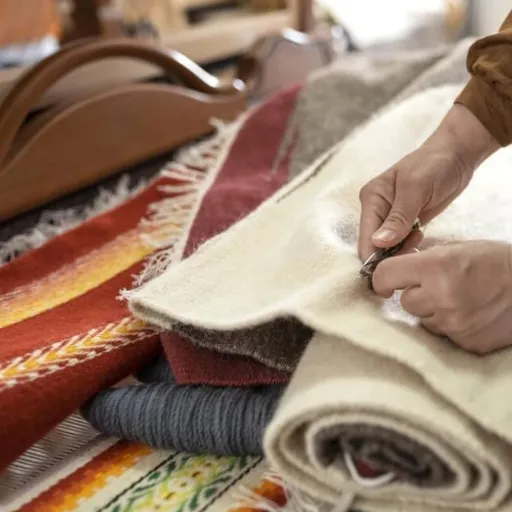
Fiber selection drives almost every other property. The right fiber balances durability, comfort, appearance, cost, and compliance.
Natural Fibers
Cotton is soft, breathable, and comfortable against the skin. It works well for premium residential upholstery where comfort matters more than extreme durability. Cotton can wrinkle and fade in direct sunlight, so it usually performs best in protected indoor environments.
Linen has a crisp, elegant drape and develops character over time. It is stronger than cotton by weight but less elastic. Linen suits light-to-medium upholstery and decorative accents rather than heavy-use seating.
Wool is naturally resilient, flame-resistant, and warm. It recovers well from compression, making it ideal for luxury seating. Wool blends are common in high-end contract furniture because they meet flammability standards more easily than synthetics.
Synthetic and Blended Fibers
Polyester is the workhorse of upholstery yarn. It resists abrasion, holds color well, and costs less than most natural fibers. Pure polyester is common in budget and mid-range furniture. It can feel less breathable than cotton, so many brands choose a polyester-cotton blend.
Polyester-cotton blends combine the durability of polyester with the softness and appearance of cotton. A 65/35 polyester-cotton blend is a popular starting point for commercial upholstery because it hits 40,000+ Martindale rubs while still feeling comfortable.
Solution-dyed acrylic and polyester are the top choices for outdoor upholstery. Because the pigment is embedded in the fiber, these yarns resist UV fading and stains far better than piece-dyed alternatives.
Nylon blends add extra abrasion resistance. They are often used in automotive upholstery and high-traffic commercial seating where maximum wear resistance matters.
Recycled and Sustainable Options
Recycled polyester (rPET), organic cotton, and marine-plastic yarns like SEAQUAL are increasingly popular. These options let brands meet sustainability goals without giving up performance. The global sustainable yarn market is projected to grow from 5.2 billion in 2026 to 10.1 billion by 2033, so offering eco-friendly upholstery options is becoming a commercial advantage, not just a niche choice.
If sustainability matters for your line, ask your supplier about custom eco-friendly yarn solutions with certifications like OEKO-TEX Standard 100, GRS, or GOTS.
Denier and Yarn Count: Matching Yarn Weight to Furniture Type
Denier measures the linear mass density of yarn. Higher denier means thicker, heavier yarn. For upholstery, denier directly affects fabric weight, durability, and hand feel.
| Denier Range | Best For | Typical Martindale Target |
|---|---|---|
| 2,000–3,500D | Dining chairs, accent seating, headboards | 15,000–25,000 rubs |
| 3,500–5,000D | Residential sofas, sectionals, loveseats | 20,000–35,000 rubs |
| 5,000–6,000D | Commercial and contract furniture | 50,000+ rubs |
| 6,000D+ | Heavy-duty outdoor, marine, automotive | 60,000+ rubs |
Higher denier does not always mean better. A very thick yarn in a loose weave can feel stiff and still fail at the seams. The best specification matches denier to the weave construction, furniture type, and expected use.
Yarn count, ply, and twist also matter. Ply is the number of strands twisted together. Two-ply and three-ply yarns are stronger and more stable than single-ply.
Twist level affects surface smoothness and pilling resistance. A higher twist level usually produces a smoother, more durable yarn but can reduce softness.
When you request a custom yarn design brief, include your target denier range, ply, and twist level. These details help the manufacturer recommend a construction that balances performance with the look you want.
Custom Color Matching and Sampling for Upholstery
Color is often the first thing buyers notice, and it is also one of the most common sources of production delays. Up to 30% of textile delays come from color matching and approval issues.
Pantone and Physical Reference Samples
Start with a clear color reference. Pantone TPX or TCX codes are the industry standard. If possible, also provide a physical reference sample. A physical swatch removes ambiguity because screens, printers, and lighting can distort digital colors.
The supplier will then produce a lab dip: a small dyed sample of your yarn submitted for approval. You evaluate the lab dip under standard lighting conditions (usually D65 daylight) and either approve it or request adjustments.
Sampling Timeline
Typical timelines for custom upholstery yarn are:
- Lab dips: 7–10 business days
- Yarn samples: 2–4 weeks
- Bulk production: 4–10 weeks depending on order size
Plan your product launch around these lead times. Rushing the sampling stage usually creates more problems than it solves.
Evaluating Samples
When you receive a yarn sample, evaluate:
- Color accuracy under multiple light sources
- Hand feel and surface texture
- Tensile strength and abrasion performance if tested
- How the yarn behaves in your intended weave or knit structure
Bulk Color Consistency
Once approved, the supplier should control dye lots to keep color within an agreed tolerance. Ask for a bulk color shade band or a production sample before the full run begins.
The custom yarn production workflow explains how sampling, approval, and bulk production fit together from order to delivery.
Custom Yarn for Upholstery by Application
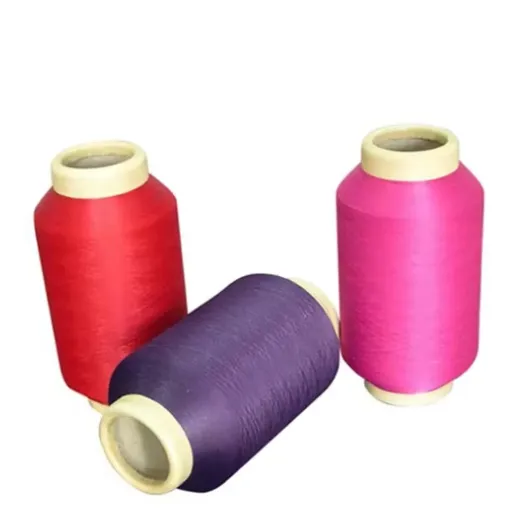
Different furniture applications place different demands on yarn. A specification that works for a boutique armchair may fail in a hotel lobby.
Residential Furniture
Sofas, sectionals, armchairs, and ottomans in homes need a balance of comfort, style, and durability. A 3,500–5,000D polyester or polyester-cotton blend with 15,000–25,000 Martindale rubs works for most living rooms. For homes with children or pets, consider stain-resistant or water-repellent finishes.
Commercial and Contract Furniture
Offices, hotels, airports, and restaurants see far more use than residential settings. Contract upholstery yarn usually needs 50,000+ Martindale rubs, higher denier, and flame-retardant compliance. Polyester and nylon blends are common because they withstand heavy traffic and frequent cleaning.
Marcus runs an upholstery workshop that refurbished seating for a boutique hotel chain. The original fabric looked elegant but pilled within six months. Marcus switched to a 5,500D solution-dyed polyester yarn rated at 60,000 rubs. Two years later, the hotel reported minimal wear and no color fading, even in sunlit lobby seating.
Outdoor and Marine Upholstery
Outdoor furniture needs UV resistance, mildew resistance, and water repellency. Solution-dyed acrylic or polyester yarns are the standard. These yarns resist fading from sunlight and dry quickly after rain. Marine upholstery adds salt resistance and mold prevention to the same requirements.
Automotive Upholstery
Automotive seating demands flame retardancy, abrasion resistance, heat stability, and low emissions. Polyester and nylon blends dominate this market, often with specialized back coatings to meet OEM standards.
If your project includes coordinating window treatments, read our guide on custom yarn for curtains to keep fiber, color, and performance consistent across the room.
Testing and Certifications for Upholstery Yarn
Testing turns assumptions into proof. Before you commit to bulk production, make sure your yarn specification includes the right tests and certifications.
Physical Performance Tests
- Martindale or Wyzenbeek abrasion: confirms durability
- Tensile and tear strength: confirms seam integrity
- Pilling resistance: confirms surface durability
- Colorfastness to light, washing, and rubbing: confirms color stability
Safety and Regulatory Certifications
- CAL 117 / CA TB 117-2013: common US upholstery flammability standard
- BS 5852: UK furniture ignition standard
- NFPA 701: US standard for drapery and decorative fabrics
- EN 1021-1/2: European upholstery ignition standards
Environmental Certifications
- OEKO-TEX Standard 100: confirms the yarn is free from harmful substances
- Global Recycled Standard (GRS): verifies recycled content and supply chain
- GOTS: applies to organic fiber content
- EU Ecolabel: confirms reduced environmental impact
Ask your supplier for test reports before approving bulk production. A reputable manufacturer will provide documentation from accredited labs.
Common Mistakes When Specifying Custom Upholstery Yarn
Even experienced buyers make these mistakes. Avoiding them saves time, money, and reputation.
- Choosing aesthetics over abrasion performance. A beautiful yarn that pills in six months is not a good yarn.
- Ignoring downstream finishing. Coating, lamination, or brushing can change hand feel and performance after the yarn is woven.
- Skipping wash and crocking tests. Colors that bleed during cleaning create customer complaints.
- Underestimating color matching. Dye lots vary. Always approve a production sample from the bulk lot.
- Selecting the wrong fiber for flammability standards. Some fibers need heavier chemical treatment than others to pass fire tests.
- Ordering bulk before sample approval. A small delay in sampling is cheaper than a full bulk rejection.
- Forgetting the end user. A fabric specified for a hotel must survive cleaning chemicals and high traffic, not just look good in a boardroom.
How to Choose a Custom Upholstery Yarn Manufacturer
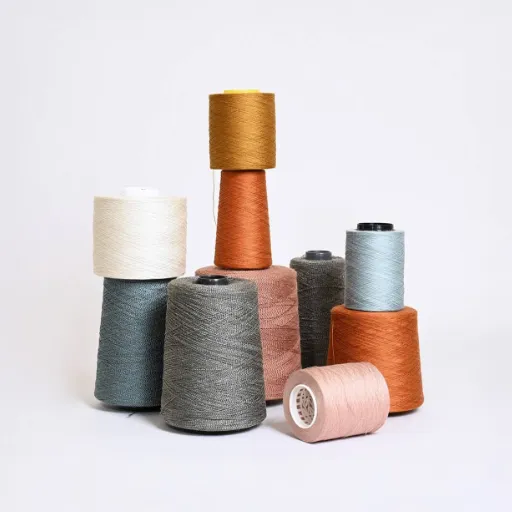
Not every yarn manufacturer can deliver consistent custom upholstery yarn. Evaluate suppliers on these criteria before you start sampling.
Custom Capability Assessment
Can the manufacturer support design development, or do they only execute provided specifications? Look for suppliers who ask about your end use, recommend fiber and denier options, and produce lab dips without excessive minimums.
Testing and Certification Support
Does the supplier have relationships with accredited labs? Can they provide Martindale reports, flammability certificates, and environmental certifications on request?
Quality Consistency from Sample to Bulk
The biggest risk in custom yarn is inconsistency between the approved sample and the bulk delivery. Ask how the supplier controls dye lots, twist levels, and finishing from batch to batch.
Scalability and Lead Time Transparency
A supplier who handles 100 kg sampling may not handle 10,000 kg bulk efficiently. Confirm that the manufacturer can scale with your forecast and communicate realistic lead times.
For a complete evaluation framework, read our guide on how to choose custom yarn suppliers.
Ready to specify your custom upholstery yarn? Contact our team to discuss your project, request samples, or get a tailored quote.
Conclusion
Custom yarn for upholstery gives furniture brands and upholstery manufacturers control over the properties that determine how long furniture looks and performs its best. The right specification for custom yarn for upholstery balances fiber, denier, twist, color, and testing standards against the real demands of the end use.
To recap:
- Match yarn denier and abrasion rating to the furniture application.
- Choose fibers based on durability, comfort, compliance, and sustainability goals.
- Specify tests like Martindale, colorfastness, and flame retardancy before production.
- Approve lab dips and production samples to avoid costly bulk mistakes.
- Partner with a manufacturer who can support custom design, testing, and scaling.
At Hebei Lida Textile Co., LTD, we help brands develop custom upholstery yarn that meets exact specifications for residential, contract, outdoor, and automotive applications. Whether you need a specific color match, a high-abrasion construction, or a sustainable fiber blend, our team can guide you from sample to bulk production. Contact us today to start your custom upholstery yarn project.
Frequently Asked Questions
What is the best yarn for upholstery?
The best yarn depends on use. Polyester and polyester-cotton blends are the most versatile for indoor residential and commercial furniture because they balance durability, colorfastness, and cost. Solution-dyed acrylic or polyester is best for outdoor upholstery because of superior UV resistance.
What denier is best for upholstery?
Most upholstery yarn falls between 2,000D and 6,000D. Dining chairs and accent seating typically use 2,000–3,500D. Residential sofas use 3,500–5,000D. Commercial and contract furniture usually needs 5,000–6,000D or higher.
What is the Martindale test for upholstery?
The Martindale test measures abrasion resistance by rubbing fabric in a figure-eight motion against a standard abradant. Results are reported in rubs or cycles. Residential upholstery typically needs 15,000+ rubs, while contract upholstery needs 50,000+ rubs.
How long does custom upholstery yarn sampling take?
Lab dips usually take 7–10 business days. Yarn samples take 2–4 weeks. Bulk production lead times range from 4–10 weeks depending on order size and complexity.
Can sustainable yarns be used for upholstery?
Yes. Recycled polyester, organic cotton, and marine-plastic yarns can all be engineered for upholstery performance. The key is matching the sustainable fiber to the right denier, weave, and finish so it meets durability and safety standards.