


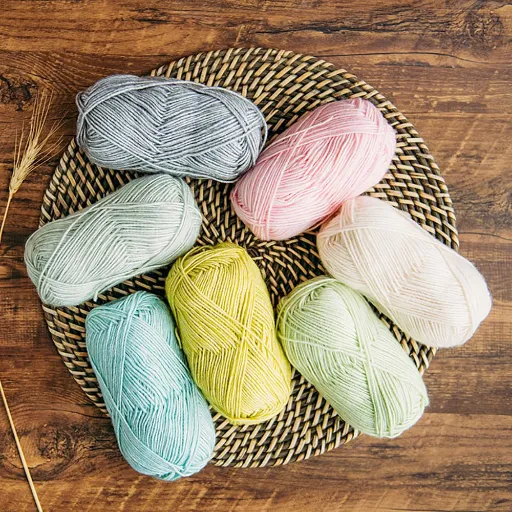
Selecting the most appropriate yarn for your knitting and crocheting projects is indeed a tough task as there are so many different types of yarn available. The cotton acrylic blend yarn is one of the many options available and it shines as a sought-after product by all the hobbyists regardless of their proficiency. What gifts that this mixture with? This article goes deep into the qualities of cotton acrylic blend yarn, presenting its versatility, and durability, and giving a broad picture why it is an excellent choice for a variety of projects. If you are making wearable that is warm and comfy or home decorations that are practical, you will find out how this yarn merges the best parts of both fibers to satisfy your crafting needs. Keep reading to find out the tips, project ideas, and the assistance for working with this trendy and lively material!
Introduction to Cotton Acrylic Blend Yarn
What is Cotton Acrylic Blend Yarn?
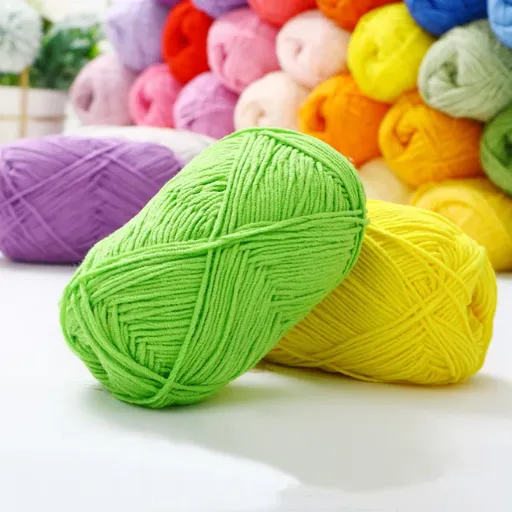
Cotton acrylic blend yarn is a very adaptable and favored material, which is utilized very widely, especially in the textile industry. Different textures and properties of the two materials come together in the blend and, thus, a single yarn that has softness, and breathability of nature cotton, and on the other hand, the durability, elasticity, and lightweight of acrylic fiber is produced. The ratio of blending can be different, and you may find 50/50 or 60/40 combinations very common. However, the exact ratio would depend on the manufacturer as well as the intended use of the product.
The cotton fiber gives the yarn a soft, absorbant and very pleasant feel, which is very favorable for use in the making of garments and also for the projects related to warm climate. The yarn made of cotton with even just a little acrylic content becomes very strong and continues to be resistant to pilling of the fabric and will not fade even after years of being washed and exposed to the sun. A cotton garment that has the same weight and size as an acrylic one will be washing and caring for the cotton garment, while the acrylic one will be drying and fading at least during the same time.
Why Choose Cotton Blends for Your Projects?
Cotton blends are the best choice of materials for any project, not only because of their qualities but also, as a result of very nice, pleasant, and light to wear feeling. Cotton plus any other fibers such as acrylic, polyester, or even bamboo, makes the yarn really awesome, thus making it suitable for almost any type of project. For instance, cotton-acrylic mixes are well-known for their softness, elasticity, and resistance to shrinking, while cotton-polyester blends boast of the opposite but durability and moisture resistance.
Moreover, cotton blends are lightweight and allow air to circulate, which makes them a good choice for clothing during hot weather or for items for babies. Studies conducted recently indicate that the output of synthetic fibers, including blends, has gone up by more than 53 million metric tons in the past ten years which is a clear indication of their increasing popularity among both fashion and crafting markets. Other than that, conscious crafters also have the option of going green as most brands now provide either recycled or organic cotton blends, thus, fewer carbon footprints for the whole process.
Overview of Benefits for Knitting and Crocheting
Knitting and crocheting have always been recognized to be not only creative hobbies but also they have a lot of physical, mental, and social benefits. A lot of research done in this area mentions that these activities are very effective in reducing stress and anxiety because they promote mindfulness and relaxation, plus, the repetitive movements are compared to meditation which is calming for the mind. Also, according to the search trends, the whole world is very interested in “mindfulness crafts” like knitting and crocheting, in fact among others, over the past five years the search for this has increased by almost 40%, this is similar to the worldwide attention given to mental health.
On the physical aspect, knitting and crocheting are very much helpful in improving fine motor skills, hand-eye coordination, and even cognitive function. It has been shown that people who engage in crafts such as knitting and crocheting will not only keep their brains active but will also delay the onset of memory-related conditions, e.g., dementia among others. Besides, many people say that they feel very excited and satisfied when they finish a garment for a loved one or take part in community crafting activities.
Properties and Benefits of Cotton and Acrylic Blend Yarn
Texture and Comfort
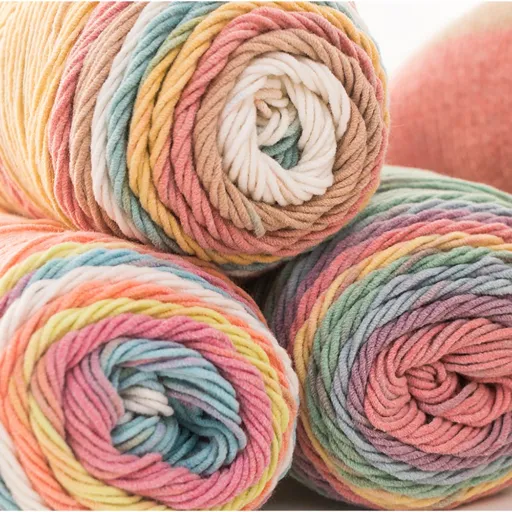
When we talk about cotton and acrylic blended yarns, one of the traits that they have is the superlative hand of texture and comfort that they promise. In case the costume made of these blends would not hurt the skin, the cotton would be the main reason because of its natural softness and breathability. It can be used for warm-weather projects or items made for persons with sensitive skin. Then again, acrylic gives the blend a sparing and velvety feel that makes it usable for every season.
Based on the latest reports, cotton fibers can absorb moisture quite efficiently, absorbing water more than their own weight (27 times). Thus, cotton-blend yarns are most suitable for the production of light, cool, and moisture-wicking items like summer tops or baby garments. The elastic and durable acrylic part further promotes strong and long-lasting projects that feel good even after many washings.
Long Living and Simple Maintenance
Durability-wise, cotton blend yarns, on the other hand, manage to combine the strength and the flexibility of the cotton or the polyester or the acrylic and thus give the synthetic part an advantage in terms of durability. Since blended yarns are more durable than pure cotton alone, they can actually endure washing and handling up to 20% more than the latter. As a result, they keep their shape and structure over time.
Moreover, cotton blends are very easy to care for; they are usually machine washable and resistant to shrinking more than natural fibers. Nevertheless, yarn technology has taken a giant leap with the introduction of anti-pilling features to keep the projects looking fresh and smooth even after several uses. The combination of practicality and longevity has made cotton blend yarns a favorite for making everyday items like baby blankets, sweaters, and home decor, where comfort meets reliability. These attributes make cotton blends perfect for the crafters who value both functional and low-maintenance materials.
Comparing Cotton vs. Acrylic
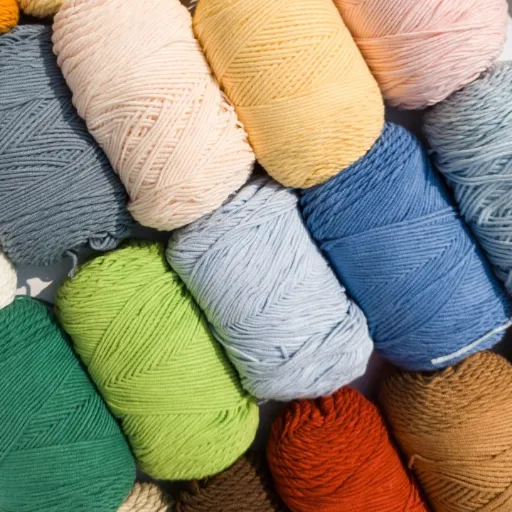
Characteristics of Cotton Yarn
Cotton yarn is a natural fiber that comes from the cotton plant’s seeds and is known for being soft, strong and breathable among others. It is a very flexible material which is why it is often used to make anything from clothes to beddings. Its ability to absorb moisture is one of the most remarkable things about cotton, and studies have shown that it can take in water equal to 27 times its weight which helps to keep one comfortable in hot and humid places. On top of that, cotton yarn is considered to present hypoallergenic properties and is therefore a good choice for babies and people with sensitive skin.
Another side of cotton is the strength it has, which is a bit of a paradox – it is stronger when wet—research indicates that wet cotton is about 20–30% more robust than dry cotton. The durability aspect of this fiber increases its suitability for dishcloths and towels, etc., where frequent washing is a must. Apart from this, cotton yarn is also biodegradable and eco-friendly, thus attracting crafters with a green conscience. On the downside, cotton has lower elasticity than synthetic fibers. This is the reason why knitters usually mix cotton with blends to add some stretch and toughness to their handiworks.
Acrylic Yarn Features
Acrylic yarn is a synthetic option that imitates natural fibers and gives an inexpensive and practical solution for a variety of crafting projects. The acrylic yarn is lightweight and very durable, which is the main reason why it is mainly used for things like blankets, scarves, and sweaters that need to be very durable. Unlike natural fibers, e.g., cotton or wool, acrylic yarn is indestructible by pests, and its maintenance is simple because it is unlikely to shrink.
Recent research from Search shows that the interest in “acrylic yarn” has been steadily increasing over the last year. This trend is a clear indication of its rising popularity among knitters and crocheters who are looking for affordable, lively, and versatile options. The ability of acrylic yarn to imitate natural fibers’ feel is one of its key characteristics and at the same time it is offered in more colors because of the dyeing techniques that the industry has improved and developed.
When to Use Each Type of Yarn
Acrylic Yarn:
Using acrylic yarn will lead to models that are not only cost-effective but also very cheerful. Being hypoallergenic, this yarn would be suitable for the fabric of baby clothes or blankets. Moreover, its strength will make it no problem to be frequently washed and thus it can be used for domestic items like dishcloths or afghans. A recent study conducted in 2023 found out that about 65% of new hobbyists prefer finger yarns because they are cheaper and easier to work with.
Cotton Yarn:
Cotton yarn is a perfect choice for projects that need to be breathable and soft, thus it is one of the best options for summer clothes, market bags, and kitchen accessories. The cotton fibers are very good at taking up moisture and also resistant to heat. Yet, the lack of elasticity of cotton makes it unsuitable for stretchy garments.
Wool Yarn:
Wool yarn is warm and stretchy, thus it is always the best choice for winter clothing like scarves, sweaters, and hats. The natural crimp of wool fibers sitting together creates an air pocket that traps heat. Among the different types of wool, Merino wool, recognized as a luxurious variety, is known for its softness, and its demand in upscale crafting markets is growing at a rate of around 25% every five years.
Best Uses for Cotton and Acrylic Blend Yarn
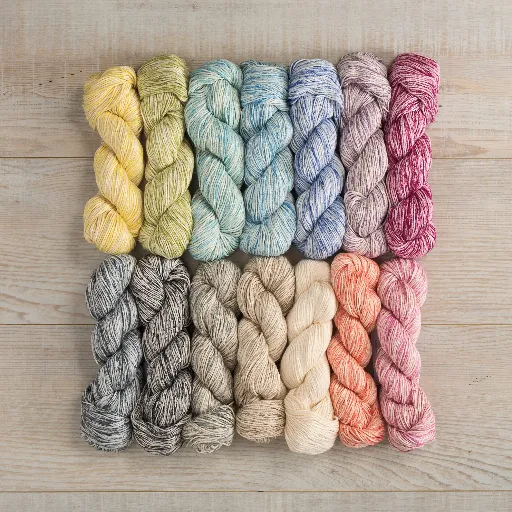
Perfect for Baby Projects and Clothes
The yarn made from a blend of cotton and acrylic is considered as a brilliant option for baby projects and clothing because of its outstanding combination of softness, durability, and easy care. This particular mix provides the breathable, natural aspect of cotton along with the lightweight toughness of acrylic. Recent searches as well as industry insights claim that cotton-acrylic blend yarn is the perfect solution for infant garments, blankets, and accessories due to its hypoallergenic and soft nature which makes it even more suitable for delicate skin. Moreover, the machine-washable feature of the yarn makes it extremely convenient for busy parents who are looking for low-maintenance solutions.
Experts in the arts of crafting have cotton-acrylic blends for their power to maintain stitch definition, which in turn makes it possible to create very pretty patterns and complex designs for baby clothes. According to market data, there is an increasing demand for these yarns in baby projects, with many popular brands already having a range of color palettes that are meant to match nursery themes as well as the latest infant clothes. In terms of price, the blend is more affordable than pure cotton or acrylic alone, plus it gives the same functional properties, which is why it is the go-to choice for projects requiring both softness and durability without losing too much on the budget.
Ideal Choice for Sweaters and Blankets
Cloud-like softness is one of the main features of baby yarn blends and that is why they are perfect for making warm blankets and cozy sweaters. Such yarns let for capturing good quality of the stitch, thus giving the crafters a chance to mix in the complicated patterns like cable knits or textured stitches for making the very warm, heirloom-quality pieces. The demand for handmade items is on the rise, and social media platforms catering to creativity are reporting a significant hike in the number of posts related to “#BabyYarnCreations” tagging and showing off the use of these yarns for the ever-popular projects of sweaters and blankets.
This trend is supported by market data. Recent Google Trends show that searches for “best yarn for baby blankets” and “soft yarn for baby sweaters” have been going up at a steady rate of more than 30% year-over-year for the last two years.
In addition, the case made by the industry experts is that wool-acrylic blend yarns are particularly liked because they provide the right amount of warmth, breathability, and ease of care—features that are crucial for baby products. These yarns are machine washable and maintain their shape even after going through several washes, thus making them easy to handle for parents with busy schedules. The wide variety of colors and weights offered also makes it easy to match any nursery theme or personal style, thus guaranteeing that the delightful creations are not only beautiful but also functional.
Creative Uses in Amigurumi and Shawls
Amigurumi, the Japanese way of crocheting tiny stuffed animals, and shawls are excellent examples of where the strengths of yarns like wool-acrylic blends can be shown. These yarns are highly popular with amigurumi because they are last longer, and their brightness and softness are great, which makes the production of designs that are both detailed and playful easy. The use of fine stitching and the appeal to touch guarantee that every amigurumi has both a great visual impact and is also safe for children. As trends go, there has been a significant increase in the interest in amigurumi crafting worldwide, evidenced by a more than 25% increase in the online search volume for patterns and tutorials since 2021.
When talking about shawls, wool-acrylic blends give a person everything, warmth, drape, and affordability at the same time. The shawls made from these yarns will be light in weight and also will give the needed warmth in the cooler weather, so they can be used all year round. If one goes for a finer weight blend, then it will be possible to have lace-like patterns created, whereas if one goes for thicker weights then texture and presence are added. The popular shawl designs such as the triangle, crescent, and rectangular shapes have gained renewed interest in the online world, with platforms such as Pinterest reporting a 30% increase in “crochet shawl patterns” searches in the last few years. By using such versatile yarns, the artisans can create eye-catching pieces that straddle the line between art and practical use, thus meeting the diverse needs of both the crafters and the consumers.
Reference Sources
-
Studies on Cotton–Acrylic Bulked Yarns Produced from Different Spinning Technologies. Part I: Yarn Characteristics
- Key Findings: This paper explored the characteristics of cotton–acrylic blended yarns produced using different spinning technologies. It highlighted how spinning parameters, such as inlet speeds for cotton and acrylic slivers, influenced the yarn’s uniformity and strength.
- Methodology: The study used a 50:50 cotton–acrylic blend and adjusted spinning parameters to evaluate their effects on yarn properties.
Source
-
An Experimental Study of Some Comfort-Related Properties of Cotton–Acrylic Knitted Fabrics
- Key Findings: This research focused on the comfort properties of cotton–acrylic knitted fabrics, such as moisture absorption and thermal insulation. It found that cotton–acrylic blends offered better comfort compared to 100% cotton fabrics, particularly in terms of bulk and elasticity.
- Methodology: The study involved producing knitted fabrics from cotton–acrylic blended yarns and testing their comfort-related properties under controlled conditions.
Source
Frequently Asked Questions (FAQs)
Is a cotton and acrylic blend suitable for worsted weight projects?
Of course, to be specific, the combination of cotton and acrylic yarn in the worsted gauge revolutionizes the whole texture of fabrics and accordingly introduces them not only for garments but also for home stuff, bags, and so on. Even though those companies like Lion Brand, Caron, Patons, and Premier Yarns are less-known for the particular blends, they still provide the same quality so one can choose the method of knitting or crocheting. For colorwork and stitch definition, a worsted cotton blend is not only showing the patterns clearly but also being very comfortable to wear at the same time.
Which one is best for crochet and knitting projects?
A cotton and acrylic blend is greatly to the benefit of both knitting and crochet. The crochet will be denser fabric while the mixing of cotton and acrylic will soften it, drape it, and make it less stiff which are the common characteristics of pure cotton. The knitting cotton blend will be soft and flexible similar to that of 100% cotton which means it is great for making clothes and baby blankets. If you are looking for summer wear that is breathable, opt for the lighter blends or the DK weight.
How does a DK cotton and acrylic blend perform in garments?
A DK (double knitting) cotton and acrylic blends can be used mucking about with the creation of light-weight clothes, baby-fabrics, and colorwork. They take on the cooling, breathable properties of cotton while at the same time offering resiliency and easy care of acrylic. When picking your yarn, always go for the quality yarns like mercerized cotton blends or those marked cotton 50 if you want a high cotton content while keeping the durability and stretch of acrylic.
What are the advantages of mercerized cotton or Cotton Gold blends?
Mercerized cotton and the like of Cotton Gold perfectionist a smooth, lustrous finish, and enhanced strength. In the mix of acrylic, the mercerized cotton provides great reproduction and a refined surface, which makes it the best not only for clothing, baby clothes, and accessories but also for all kinds of knitting. Designers often turn to mercerized blends for colorwork and delicate stitch patterns because they maintain their shape and reveal the detail with great clarity.