

Monofilament fabrics, notably nylon and polyester woven meshes, are fundamental across numerous sectors. Their exceptional characteristics and adaptability make them unavoidable, whether the application is filtration, screen printing or any industrial use. But what specifically differentiates these fabrics and how would you determine which one is suitable for your purpose? This manual plunges into the details of nylon and polyester woven mesh, revealing their weaves, strengths, and real-life uses. At the conclusion of this piece, you will be well-equipped with the knowledge of these materials and the advantages they could offer to your particular projects.
Introduction to Monofilament Fabric
What is Monofilament Fabric?
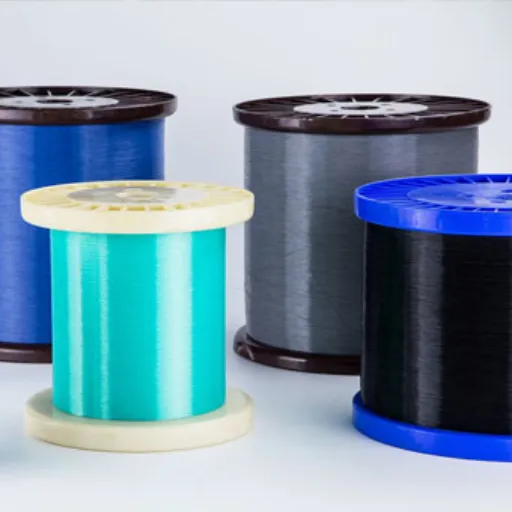
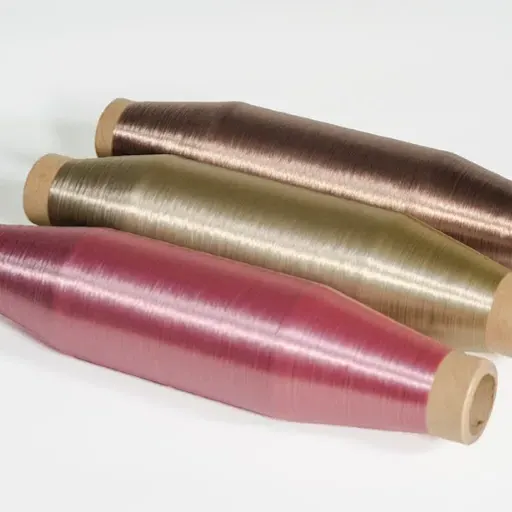
Monofilament fabric can be defined as a fabric that is produced by weaving together the synthetic fibers of nylon or polyester in single, uninterrupted lengths. In contrast to multifilament that are composed of many such smaller strands that are twisted together, monofilament threads are of one strong and durable strand only. The arrangement of the strands monofilament fabrics produce is one of their main properties and thus the basis of the application in areas where the strongest are required, for example, in the laundry.
The fabric made of monofilament fibers embodies the most distinctive property of the material being a surface that is very smooth and uniform all over. At the same time, the material does not become too soft and is ideally suitable for applications where accuracy and reliability are demanded, for example, in the industrial area of filtration where the pore size and structure of the fabrics need to be exact, so they do their job of accurately filtering and separating things. There is a lot of use of monofilament fabrics in the medical field as well, such as in surgical mesh, and in screen printing, where their dimensional stability allows for the production of high-quality prints.
Monofilament Fabric’s Impact through Different Sectors
Automotive Industry
Monofilament fabrics are widely used in the automotive industry filtration systems to filter fuel and oils precisely, thus in the application of filtration industries. Recent reports forecast that the demand for automotive filters will grow at a CAGR of nearly 4.8% from 2023 to 2030, which points to the need for the reliable material monofilament fabric, among others. The ability of these fabrics to bear extreme heat and also to be chemical resistant guarantees them an extended life span even when used in high-pressure settings.
Healthcare and Pharmaceuticals
Precision and contamination control are paramount in healthcare and pharmaceutical sectors. For example, monofilament fabrics are the main materials of medical filtration products like surgical masks and liquid filtration systems. The global healthcare filtration market’s projection of surpassing $25 billion by 2030 illustrates the critical role that high-performance filtration fabrics, including monofilament, will play in ensuring sterility and safety in the healthcare sector.
Agriculture and Aquaculture
Monofilament fabrics are considered to be of utmost importance in agriculture, especially for soil stabilization, irrigation filtration and pest control. Besides, the aquaculture industry takes advantage of these fabrics’ durability in nets because of their excellent resistance to damage due to exposure to UV rays and humidity. Thus, time and money spent on farming inputs can be reduced while also having the double benefit of increased crop production and fisheries sustainability.
Manufacturing Process of Monofilament Fabrics
Raw Materials and Sourcing
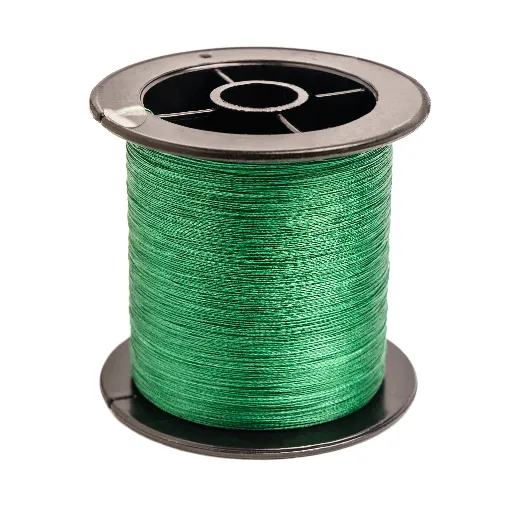
Monofilament woven fabrics have their primary production involving the two main raw materials: nylon and polyester. Nylon, the synthetic polymer that boasts enormous versatility along with its desirable qualities such as toughness, is one of the most sought-after monofilament fabric makers’ lures. The other material, polyester, is highly appreciated for its longevity, tamper-proofing against shrinking and stretching, and first-rate chemical resistance. Accordingly, both materials have their pros and cons and the final option depends on the application’s requirements.
The sourcing of the two raw materials starts from the petrochemical industry where the two products, crude oil and natural gas, are mainly used to make nylon and polyester polymers. Sometimes, polyester production goes through polymerization of purified terephthalic acid (PTA) and monoethylene glycol (MEG). On the other hand, nylon is manufactured from petrochemical derivatives, which give rise to the production of caprolactam or hexamethylenediamine and adipic acid. Recent market data indicate that the global polyester fiber market was worth around $91 billion in 2022, which is expected to grow at around 4.3% during the period 2023-2030, thus reinforcing its importance in many industries.
Manufacturing Techniques and Processing
Newer manufacturing methods and processing are not only influencing but are also taking the lead in the field of green materials. One such method is biotechnological approaches, which include fermentation, to make bio-based polymers like polylactic acid (PLA) and bio-polyethylene. These methods work with renewable feedstock, such as corn, sugarcane or cellulose, thus slowly but surely phasing out nonrenewable sources and reducing carbon emissions. For instance, the latest research in this area indicates that the production of PLA can lead to a carbon footprint reduction of up to 75% as compared with traditional plastics.
The other major breakthrough is the dual approach of physical and chemical recycling. Physical recycling, which is frequently applied to the manufacturing of high-volume materials such as PET (polyethylene terephthalate) and HDPE (high-density polyethylene), entails a series of steps including shredding, washing, and re-melting of materials in order to make new products. Conversely, through chemical recycling, polymers are disintegrated into their molecular components, which in turn makes possible the manufacturing of raw materials of high quality that are suitable for many applications.
Key Properties of Monofilament Fabrics
Physical Properties: Diameter and Size
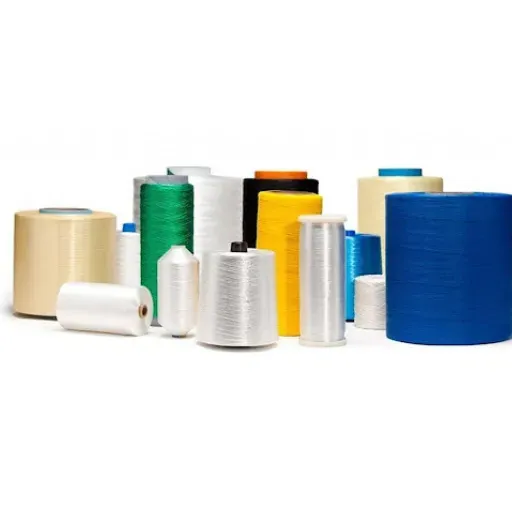
The diameter and size of the monofilament fabrics are the main factors that determine their performance and application. The monofilaments are generally evaluated with respect to their diameter, which can be as little as 0.03 mm or more than 1 mm, depending on their use. For example, precision and flexibility are some of the qualities of the finer diameters that are frequently used in medical applications, such as sutures and filtration.
To achieve uniformity of size and diameter in the production, a standard classification method is applied. As per the latest information from the industry, the majority of industrial applications use monofilament diameters between 0.20 mm and 0.35 mm, and this is good because those characteristics are neither too tough nor too flexible. The manufacturer can produce high-quality products according to the stringent standard set by using the lasers in the measurement systems.
Chemical Resistance and Durability
Monofilament fibers are well-known for their superb chemical resistance and long life which are the reasons they are widely used in most of the industrial applications. Fibers made from high quality polyester, nylon or polypropylene are especially made for harsh chemical environments that include acids, alkalis and solvents. One of the examples is polypropylene that is very good at resisting most acids and bases which makes it suitable for the chemical processing and filtration systems industries.
Research performed recently show that monofilament products have the ability to withstand temperatures of -40°F to 175°F depending on the type of polymer used. The use of advanced coatings and additives has made the fibers to be more resistant to UV degradation and oxidation which in turn has greatly extended their lives in the outdoors. For example, UV-treated polyesters can last in the sun for up to 5 years longer than untreated alternatives.
Benefits of Using Monofilament Fabrics
Advantages Over Traditional Fabrics
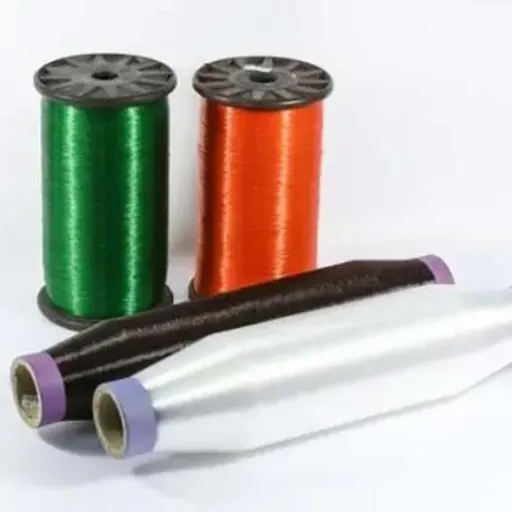
Monofilament fabrics, as well as their counterparts of the fabric family, provide a variety of benefits that are responsible for being an insurmountable material in today’s industrial sectors. To start with, their incredible strength-to-weight ratio, which is responsible for the delivery of a powerful performance without the addition of bulk that is not needed, is one of the main advantages. The tensile stress that monofilament polyester fabrics can bear is up to 1100 N/mm², which is a great leap forward compared to fiber alternatives that are traditionally used.
One more very important advantage is the very high resistance of the fabrics made out of monofilament to chemicals, UV rays, and water. Monofilament fabrics are not sensitive to harsh environmental conditions; rather, they perform just as well as conventional fabrics and even keep their structures, which is the reason why they are perfect for such applications as filtration, medical devices, and industrial laundering that are very demanding, besides others.
Flexible in Uses
The range of application of the monofilament fabrics is not only evident but also very significant, hence they are very important in numerous sectors. Their elusiveness and precision filtration abilities have made them fit for food processing, pharmaceuticals, and many more. For example, in the medical field, the use of surgical meshes constructed from monofilament fibers in procedures like hernia repairs is due to their compatibility with human tissues and also to their strength.
Recent market statistics indicate that the global monofilament market has grown substantially with a remarkable compound annual growth rate (CAGR) of 5.3% from 2023 to 2030 projected. The industry’s upward trend is led by increased use of monofilament filters which are key in accurately separating solids from liquids in the wastewater treatment sector. In addition, another study points out that over 60% of the filtration solutions in industrial wastewater systems currently incorporate the use of monofilament-based materials due to their dependability and affordability.
Current Trends and Advancements in Monofilament Fabrics
Innovations in Synthetic Monofilament Technologies
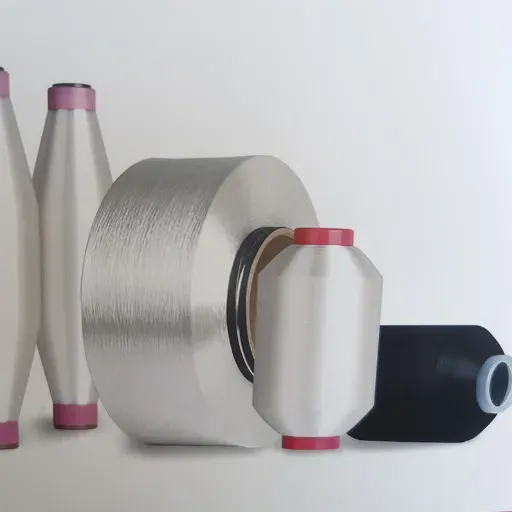
The latest synthetic monofilament technologies have changed the scenario of the whole industry by improving the properties of the materials and the range of applications. The major innovations the creation of high-performance polymers like polyesters, polyamides, and polyethylene which are not only very strong but also very flexible and resistant to high temperatures. The new filaments are made to last even in the most extreme environments and are thus used in aerospace, automotive, and medical industries.
There has been a lot of progress in precision manufacturing as well. The new spinning and extrusion technologies are in a position to produce monofilaments with diameters as small as 10 microns, while the mono or uniformity is still unmatched. Treatment of filtration systems that require high flow rates and specific particle retention particularly value this development. It has been reported that monofilaments with advanced microstructures can enhance the efficiency of filtration by as much as 30%, thereby resulting in less energy usage in the industrial process.
Case Studies: Successful Applications in Different Industries
1. Renewable Energy Sector
A prominent example of synthetic monofilaments used in wind turbine manufacturing is the case study of the industry. Wind turbine blade manufacturers are increasingly using synthetic monofilaments in the production of turbine blades due to the monofilaments’ high tensile strength, lightweight characteristics, and environmental stress resistance. For example, one of the top renewable energy producers declared a 15% rise in turbine efficiency after the company resorted to monofilament-reinforced materials, which resulted in better aerodynamics and durability.
2. Healthcare and Medical Industry
The healthcare sector has been greatly benefited from synthetic monofilaments, with surgical sutures and catheter manufacturing being the key areas of use. Monofilaments exhibit great biocompatibility, little tissue reaction, and long-term tensile strength, thus being most suitable for medical applications. A recent incident brought to light the use of monofilament sutures in minimally invasive surgeries which got 25% of wound healing time in comparison to traditional multi-filament sutures.
3. Textiles and Apparel Manufacturing
The textile industry has been transformed by synthetic monofilament technology. The use of synthetic monofilaments in high-performance fabrics allowed the manufacturers to create moisture-resistant, light-weight, and durable materials suitable for the markets of activewear and outdoor gear. For instance, one of the world’s leading sporting goods brands has launched a new line of athletic shoes using monofilament upper material, which has made the product 20% lighter while maintaining its strength and comfort.
Reference Sources
-
A Comparative Study on the Mechanical Properties of Polymeric Monofilaments
- Published in: SAGE Journals
- Key Insights: This study examines the mechanical properties of polymeric monofilaments, including the effects of heat setting methods on their performance in spacer fabrics.
- Source
-
Brief History of Fibers from Synthetic Polymers
- Published in: Taylor & Francis
- Key Insights: Provides a historical perspective on synthetic polymer fibers, including the development and regulation of synthetic fabrics, such as monofilaments.
- Source
-
Synthetic Textile Fibres: Polyolefin, Elastomeric, and Acrylic Fibres
- Published in: ScienceDirect
- Key Insights: Discusses the properties and applications of synthetic fibers, including polypropylene monofilaments, and their role in non-woven fabric formation.
- Source
Frequently Asked Questions (FAQs)
What role do mesh opening and pore size (micron rating) play in filtration efficiency?
For both liquid and air applications the filtration efficiency is directly controlled by mesh opening, pore size and micron rating. Pore and mesh opening dimensions depend on the number of threads per inch or monofilament diameter; a tighter per inch count and smaller monofilament will result in lower micron ratings and higher particle retention. Precision woven monofilament fabrics with equal mesh opening and plain weave patterns guarantee predictable particle capture that is why they are used for filter bags and industrial filtration where specific requirements for micron retention are required.
What are the advantages of using polyester monofilament rather than those of nylon woven monofilament in industrial filtration?
Polyester monofilament usually presents better chemical processing resistance, rubber-like dimensional stability when dry, and lower elongation while nylon woven (polyamide) has higher resistance to abrasion and flexibility. The decision is made based on the application: polyester monofilament is the choice for filter bags and liquid filtration networks where hydrolytic stability and smoothness of the surface result in reduced clogging; nylon woven may be the option in applications that require greater toughness against gravel or abrasive solids.
What are the main aspects that need to be considered with respect to handling and finishing of synthetic monofilament fabric?
Synthetic monofilament fabric handling necessitates concern for roll length, edge stabilization, and finishing. The rolls might come with different lengths and widths to accommodate the production demand; precision woven fabrics usually are given a specialized finish – for example, calendaring or heat-setting – to improve their dimensional stability and provide a smooth surface. During the handling process, avoid creating sharp bends that may cause damage to the monofilament yarn; for sewing or cutting take care to use tools and methods that are compatible with the fabric’s composition in order to keep the warp and weft directions and prevent fraying.
What steps are involved in the production of woven monofilament and what does extrude mean in this process?
Woven monofilament is produced by initially extruding the molten polymer through a spinneret to create monofilament yarn followed by the cooling and drawing of the yarn to obtain the desired diameter and mechanical properties. The term extrude in this context means forcing the polymer through the dies in the melted state to make continuous filaments. After the extrusion process, the yarns may be texturized or heat-set before they are woven into plain weave or precision woven cloth with the controlled mesh opening and per inch thread counts to fit the specific requirements for filtration or geotextile application.