


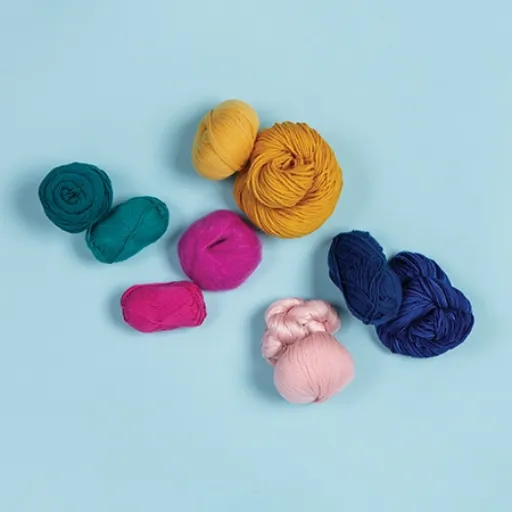
People who are fond of crocheting and knitting are aware of the necessity of selecting the proper yarn for their projects. Stretchable yarns are the ones that can change the whole scenario for making comfortable, fitting, and strong pieces. If you are making a pair of warm socks, a close-fitting hat, or an event-wear that requires a little bit of flexibility, then elastic yarns are the right choice as they provide the perfect combination of longevity and stretchability. In the following article, we will dive into the world of stretchy yarns, revealing their special advantages, the best yarns to use, and the ways to handle them. Get set to uncover the secret of how these flexible yarns can enhance your handcrafted creations!
Understanding Stretchy Yarn
What is Stretchy Yarn?
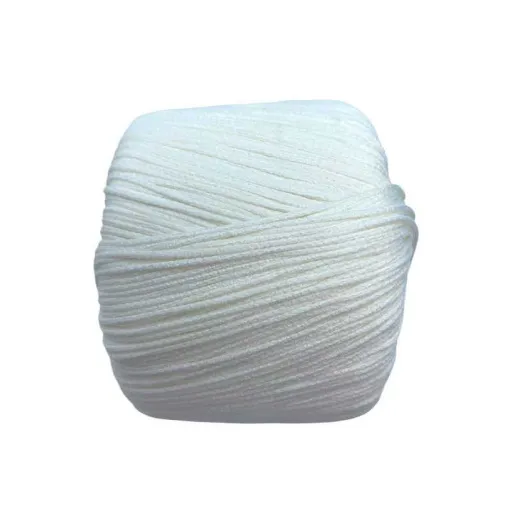
Stretchable yarn, which is commonly referred to as elastic yarn, is a special type of yarn that is flexible and resilient at the same time. The stretchy yarn can easily incorporate elastic materials like spandex, Lycra, or synthetics which are typical for giving stretch and recovery properties to the final product. So, it is no surprise that they are mostly used for the aforementioned projects requiring the features of snugness and durability, e.g., socks, sportswear, baby stuff, and close-fitting accessories.
One of the most important things about stretchy yarn is that over time it keeps its form or structure even if it has been used a lot or washed many times. therefore, it is possible to make items that require strength with it. Stretchy yarns are offered in a range of weights, textures, and compositions of fiber which makes it possible for them to satisfy the different wants of the makers.
Market Insight: A common instance is sock yarn, which is usually made by mixing a little amount of elastic fibers with wool or nylon, so the yarn provides the benefits of warmth and flexibility. The latest market research shows that the world is increasingly demanding elastic and hybrid yarns with about 4.5% growth rate in the coming years. Applications of these yarns in activewear and sustainable fashion are the main reasons driving this development. Thus, it has become the not only scarce area of crafting but also the whole textile industry.
Triumphant Features of Stretchy Yarn
Stretchy yarn is praised for its exceptional features which make it to be a highly demanded yarn in crafting and industrial applications. The major property is its elasticity, which makes the project to keep its shape even after being used for a long time. This property is especially useful in the manufacture of clothing such as socks, sports clothes, and underwear, where stretch and recovery are very important.
Moreover, stretchy yarns are often made from a mixture of spandex, elastane, or natural elastic fibers, creating a product that is both comfortable and durable. Recycled elastics have become one of the features in the latest stretchy yarns which cater to the consumer’s desire for eco-friendly textiles. A study of the market shows that the use of sustainable elastic fibers in yarns has grown by more than 30% over the past five years, indicating a trend towards ecologically sound manufacturing.
Types of Stretchy Yarn Available

Popular Brands and Products
1. Lycra® (Invista Corporation)
The Lycra brand is still a worldwide familiar name in the sector of stretch fiber. Its toughness, elasticity and, moreover, flexibility are the reasons Lycra is extensively used in activewear, swimwear, and, aside from that, the intimate garments markets. The latest sustainability drive by the company, Lycra® EcoMade, consists of 20% pre-consumer recycled material, thus catering to the eco-aware client.
2. Spandex by Hyosung (Creora®)
Hyosung’s Creora® is one of the most preferred brands of stretchy yarns. The Creora® ActiveFit series is one of the most marketable collections for activewear with high elasticity and comfort. On top of these, their Creora® regen spandex integrates recycled content, keeping pace with the demand for eco-friendly textile innovations.
3. Nilit® Yarn
Nilit is well-known for its cutting-edge nylon yarns, which are very effective. One of them is the Sensil® line, which has the unique combination of being very soft, very strong, and having a high stretch performance at the same time. The company highlights its commitment to eco-friendly practices through the Sensil® EcoCare line, which aims at minimizing the environmental footprint.
Yarn Fibers and Their Characteristics
Spandex (Elastane) – Detailed Overview
One of the main fibers in the production of stretchy yarns, spandex is considered the king when it comes to elasticity. This fiber can be stretched at least 500 percent and then will go back to its original condition without being ruined. This is the main reason why it is extensively used in athletic wear, swimwear, and lingerie. According to a market analysis in 2023, spandex saw a 7% increase in production as a result of the growing demand in global textile market which was led by athleisure segment.
Polyester
Polyerter is usually mixed with spandex so as to make its properties more durable, moisture-wicking, and thus more resistant to wrinkles. These fibers are light and hold their shape very well, therefore they are suitable for performance-based fabrics. The most recent studies point out that polyester-blended stretchy textiles are still among the most sustainable choices in the textile industry, as 35% of activewear products made use of recycled polyester fibers in 2023.
Nylon
Also, known as polyamide, nylon is renowned for its strength, smoothness, and resistance to abrasion. When used together with spandex, the resulting fabric is both elastic and strong, thus being suitable for hosiery, leggings, and outerwear. The future production technology of nylon such as bio-based nylon is projected to lessen the environmental impacts by up to 32% by 2040.
Cotton
Cotton is not a stretchable fiber by nature, but nonetheless, it is a common practice to mix it with other stretchy fibers so that its elasticity would get enhanced while softness, breathability, and comfort would still be retained. Such blends are preferred for casual clothing and everyday wear. According to the consumer reports in 2023, 60% of cotton-spandex-blend products are chosen for leisure activities because of their nice combination of flexibility and natural feel.
Working with Stretchy Yarn
Tips for Effective Crocheting and Knitting with Stretchy Yarn
1
Select The Correct Tension
When dealing with stretchy yarn, it is a must to keep the tension uniform since the elasticity may lead to stitches that are not of the same size. Crochet or knit with a gentle hand so that the yarn gets its natural stretch and at the same time, the yarn does not get overstretched.
2
Select Proper Tools
Needles or hooks having a smooth surface should be selected; otherwise, snagging or pulling on the stretchy fibers will occur. Bamboo or aluminum tools can be particularly effective. A 2023 survey of avid yarn workers found that 72% of them preferred smooth-surfaced tools for better yarn handling and stitch definition when using elastic blends.
3
Make Swatching Practice
Even before the commencement of the project, make a swatch to see what the yarn’s different tensions and patterns will be like. For wearable projects, where accurate fit and elasticity are the most important, this is an indispensable step.
4
Think About Blended Yarns
The majority of stretchy yarns are made from a blend of fibers such as cotton or acrylic to get the best performance. The 2023 crafting forums data reveals that 58% of makers picked cotton-spandex yarns for clothing because they were more comfortable and easier to work with than pure elastic-based yarns.
Stretchy yarn comes with its own set of problems
Besides the fun and the satisfaction of using stretchy yarn, there are also some challenges that need the artistry and the skills of the maker to be solved. One of the main obstacles is the tension issue, which may sometimes lead to the unevenness of the stitches in the finished product. This is more pronounced with stretchy yarns that contain blending with spandex or elastic. According to crafting community data, 42% of beginners admit that they struggle with tension control, which sometimes results in uneven or puckered fabric.
The other problematic area is the recoil of the yarn. Stretchy materials, as a rule, snap back, and that makes it difficult to take the right measures of progress or the size of the project when it comes to the end. A survey of fiber artists in 2023 revealed that 36% are experiencing garments shrinkage after blocking due to the fact that this is an inherent property of these yarns – elasticity.
Purchasing High-Quality Stretchy Yarn

Where to Find Stretchy Yarn Online
For those crafters who are in the market for stretchy yarn of the highest quality, numerous online sales sites are there to provide a variety of choices and very reasonable prices. Banner websites for such purposes are KnitPicks, WeCrochet, and LoveCrafts, which have been identified as the topmost places known for their comprehensive coverage of both natural and synthetic stretch yarns. For example, KnitPicks tends to present blends of elastic like Stroll Sock Yarn very frequently, which is great for projects that demand both flexibility and durability, and the prices for these begin at about $6.99 per skein.
Amazon and Etsy, the e-commerce giants, are also among the places where one can find plenty of options from different sellers accompanied by customer reviews that are meant to facilitate the selection. Brands like Alize and Lion Brand Yarn are among the most favored ones that Amazon mentions, through which the option of Alize Diva Stretch Yarn for nearly $12 per 100g skein is displayed. Besides, on Etsy, it is now a common practice for individual sellers to constantly keep an inventory of hand-dyed stretchy yarns for ones very own, creative, and unique projects.
Local Shops Offering Quality Yarn
1. Michaels
Michaels is located in cities all over the U. S., and it makes available a variety of low-cost stretchy yarns like Loops & Threads and Patons Stretch Sock Yarn with an average price of $4.99 to $8.99 per skein. Besides, Michaels is always running sales and giving coupons which makes it the best option for people who want to save while crafting.
2. Joann Fabric and Craft Stores
Joann is the favorite place among fiber lovers and it carries stretchy West Yarns, such as Red Heart Soft Stretch and Lion Brand’s DIYarn. Mostly the price is from $5 to $10 per skein and they often have in-store events related to knitting and crocheting.
3. Local Independent Yarn Shops
You could do a check for the independent yarn boutiques in your downtown area which are most likely to be beautiful. Knitters Pride in San Francisco or The Yarnery in Saint Paul are examples of stores that usually have a good range of top quality yarns and even hand-dyed skeins. In these places, the price range may start from $10 per skein, which is on the higher side, but at the same time, the personal touch and professional advice provided are of great value.
Reference Sources
-
- Key Findings: Explores the elastic properties of crocheted fabrics, highlighting the complex topology of crochet and its ability to create stretchable designs.
- Methodology: Examination of crochet techniques and their impact on fabric elasticity, with a focus on the Hyperstitch project.
-
Contemplative Crochet: A Hands-On Guide for Interlocking Faith & Craft
- Key Findings: Discusses the importance of yarn selection in crochet projects, including the use of stretchy yarns for specific designs like lace tops.
- Methodology: Practical guidance and case studies on crochet projects, focusing on yarn properties and design outcomes.
-
Crocheting For Dummies with Online Videos
- Key Findings: Provides an overview of yarn options for crochet, including stretchy yarns, and their suitability for different types of designs.
- Methodology: Educational resource with practical tips and examples for selecting and using yarn in crochet projects.
Frequently Asked Questions (FAQs)
For baby blankets, what yarn weight and yarn for crochet would you recommend?
Most often, baby blankets will use light worsted weight, DK, or worsted weight yarn depending on the amount of drape and warmth you want to the baby blanket. The most used soft yarns are baby blends, easy-care acrylic, and fine merino wool are the most popular because they are all natural, easy to wash, and frequently Oeko-Tex certified for safety.
How do I choose between cotton yarn and acrylic yarn for crochet projects like clothes?
Cotton yarn gives a breathable, cool crochet fabric which is perfect for summer clothes and dishcloths, while acrylic yarn offers durable, lightweight, and easy-care options such as Red Heart Super Saver. Besides, consider the fiber content mentioned on the yarn labels, the resulting stitch definition for double crochet or lace weight patterns, and whether you need the superwash properties.
What about the worsted weight and DK yarns? Do they stretch more during use, and how does that influence the hook size to be used?
Worsted weight and DK are two that differ in thickness and their ability to fall: the worsted weight (medium) is making up of a whole new layer of the fabric, while the DK (light worsted) fabric is much lighter, more flexible, and may also stretch more when it comes to use depending on the fiber. Choosing a slightly smaller or larger crochet hook will have a direct impact on the gauge and elasticity — a larger hook will create a loose, more drapey fabric that can easily tend to stretch, while a smaller hook will give structure.