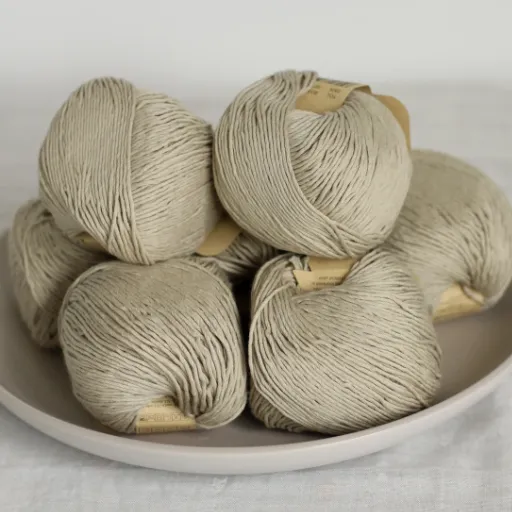
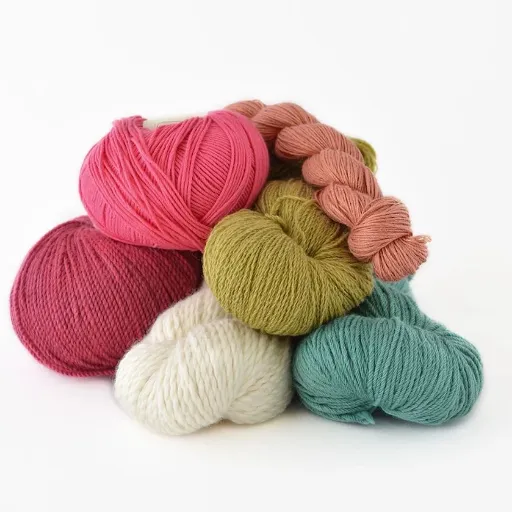
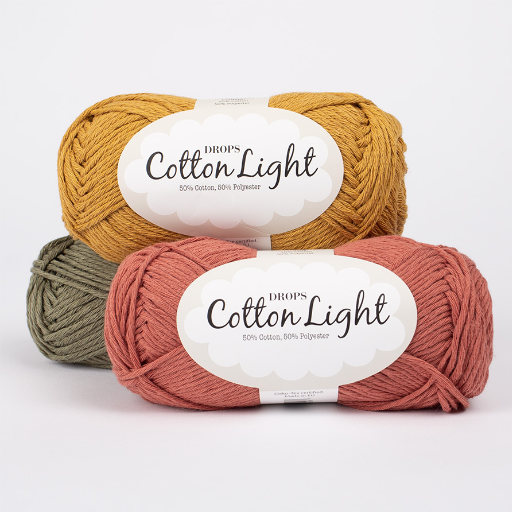

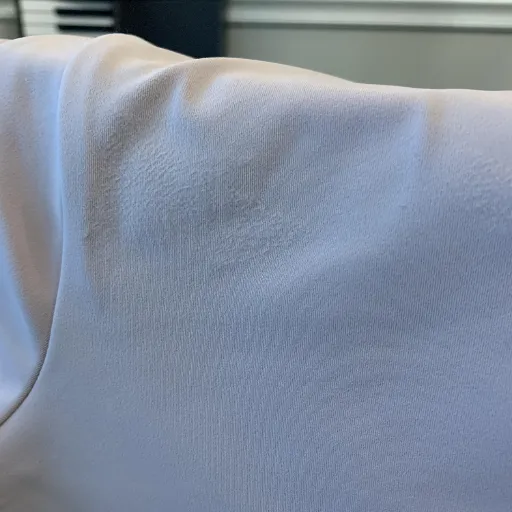
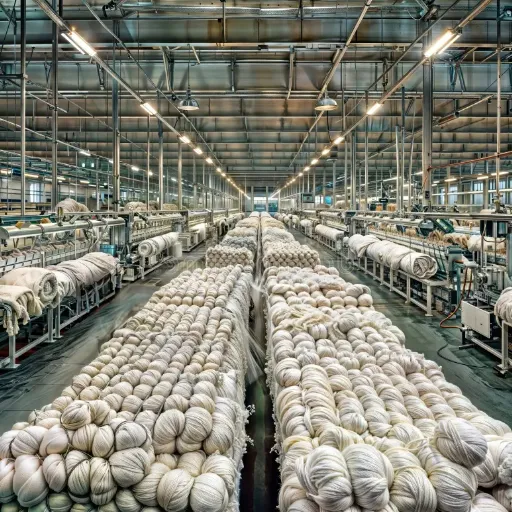


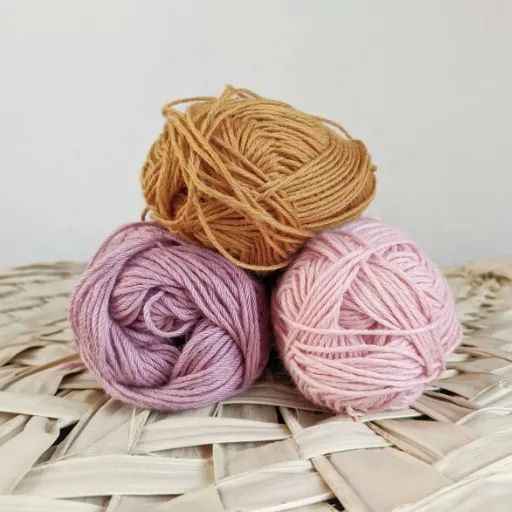
Bamboo yarn is a regenerated cellulose yarn spun from bamboo pulp, prized for its silky softness, breathability, and natural antibacterial properties. For fashion designers, home textile brands, and eco-conscious buyers, it has become one of the most requested eco-friendly yarn options on the market.
There is a good reason for that demand. Bamboo is one of the fastest-growing plants on earth, with some species growing up to a meter per day and reaching maturity in three to five years, according to the International Bamboo and Rattan Organisation (INBAR). Compare that to the decades required for timber or the heavy irrigation cotton demands, and the appeal is obvious.
Yet bamboo yarn also carries confusing claims. Is it a genuine eco hero, or greenwashed rayon? This guide gives you a clear, honest answer. You’ll learn how bamboo yarn is made, its real benefits and drawbacks, how it compares to cotton, and how to source the right type for your project. Ready to source high-performance eco-friendly yarns from an experienced manufacturer? Hebei Lida Textile Co., LTD welcomes your inquiry and looks forward to supporting your sustainable textile business.
Key Takeaways
- Bamboo yarn is made from bamboo cellulose through three main processes: viscose (chemical), closed-loop lyocell, and mechanical (bamboo linen).
- Its core benefits include silky softness, breathability, moisture-wicking, antibacterial properties, and a fast-growing, low-input raw material.
- Honest drawbacks include higher cost than cotton, reduced elasticity, lower wet strength, and heavy chemical use in the standard viscose process.
- Bamboo-cotton and bamboo-polyester blends solve most pure-bamboo weaknesses for fashion, upholstery, and curtain applications.
- Look for OEKO-TEX certification, closed-loop processing, and FSC-certified bamboo sourcing when evaluating suppliers.
What Is Bamboo Yarn?
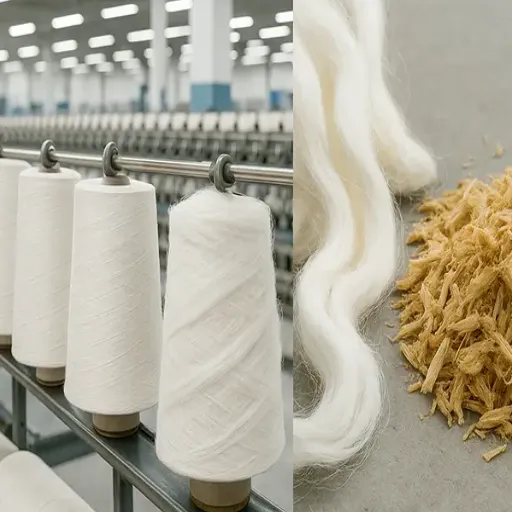
Bamboo yarn is a yarn produced from the cellulose of the bamboo plant. The stalks are broken down into pulp, the cellulose is extracted and regenerated into fiber, and that fiber is spun into yarn for knitting, weaving, and industrial textile production. Most commercial bamboo yarn is bamboo viscose, with smaller shares of bamboo lyocell and mechanically processed bamboo linen.
Three types of bamboo fiber yarn exist, and the difference between them matters more than most marketing admits:
- Bamboo viscose (bamboo rayon): The most common type. Bamboo pulp is dissolved in chemicals, then extruded and regenerated into soft, silky fiber.
- Bamboo lyocell: Made with a closed-loop solvent process that recovers and reuses most of the chemicals, reducing environmental impact.
- Bamboo linen: Produced mechanically, like traditional linen, by crushing and combing the stalks. Rare, textured, and the most natural option.
Looking for premium eco-friendly yarns for your next textile project? Contact Hebei Lida Textile Co., LTD to explore sustainable yarn solutions tailored to your needs.
How Bamboo Yarn Is Made
Understanding the production process helps you evaluate supplier claims and price differences. The same raw plant can become yarn through very different routes.
The Viscose Process
In the viscose process, bamboo leaves and stalks are crushed, soaked in sodium hydroxide, and treated with carbon disulfide to create a viscous solution. That solution is pushed through spinnerets into an acid bath, where it solidifies into fibers that are then spun into bamboo yarn.
The result is exceptionally soft and affordable to produce at scale. The concern is chemical management: poorly controlled viscose plants can release carbon disulfide into air and water. Responsible manufacturers use recovery systems and wastewater treatment to contain these chemicals.
The Closed-Loop Lyocell Process
Bamboo lyocell uses an organic solvent (N-methylmorpholine N-oxide) in a closed-loop system that recovers over 99% of the solvent for reuse. A life-cycle analysis of bamboo viscose fabrics shows closed-loop processing significantly reduces emissions and chemical discharge compared to conventional viscose.
The trade-off is cost. Lyocell processing requires specialized equipment, which pushes prices above standard bamboo viscose yarn.
The Mechanical Process (Bamboo Linen)
The mechanical route skips chemicals almost entirely. Workers crush the woody stalks, use natural enzymes to break down the cell walls, then comb and spin the remaining fibers. The resulting bamboo linen yarn is strong, textured, and breathable, with a hand feel closer to flax linen than to silk.
When Daniel, a sourcing manager at a European home textile distributor, requested quotes for “100% bamboo yarn” last year, he received prices 40% apart from two suppliers. The cheaper offer was standard viscose; the premium offer was mechanically processed bamboo linen with full traceability.
Once he understood the processing difference, the price gap made sense. He chose the viscose option for cushion covers but the linen for a premium table linen line.
Benefits of Bamboo Yarn
Bamboo yarn benefits span comfort, performance, and environmental profile. Here is what the fiber genuinely delivers.
Silky Softness and Elegant Drape
Bamboo fiber has a smooth, round cross-section, which gives bamboo yarn a softness often compared to silk or cashmere. Fabrics drape fluidly, making bamboo popular for flowing garments, scarves, and luxury bedding.
Breathability and Moisture-Wicking
The fiber’s micro-gaps pull moisture away from the skin and release it quickly. Wearers stay cooler in summer and drier during activity, which is why bamboo yarn appears so often in summer knits, underwear, and activewear blends.
Antibacterial and Hypoallergenic Properties
Bamboo contains a natural bio-agent that resists bacterial growth, and laboratory tests show bamboo fabrics retain antibacterial performance better than cotton after repeated washing. Combined with its smooth fiber surface, this makes bamboo yarn a strong choice for sensitive skin, babywear, and bedding.
A Fast-Growing, Low-Input Crop
As a raw material, bamboo needs no pesticides, little irrigation, and no replanting after harvest, since it regrows from its own root system. It also absorbs more carbon dioxide per hectare than many tree species. These agricultural advantages are real and well documented.
Want the bigger picture? Our guide to sustainable yarns compares bamboo against organic cotton, hemp, and recycled polyester across the full life cycle.
Drawbacks of Bamboo Yarn to Consider
Honest evaluation matters more than marketing claims. Bamboo yarn has real limitations:
- Higher cost than cotton: Processing bamboo into fiber costs more than ginning cotton, so expect a price premium of 20-40% over comparable cotton yarns.
- Reduced elasticity: Pure bamboo yarn has less natural stretch and memory than wool or acrylic. Garments can grow out of shape without blending or careful construction.
- Lower wet strength: Bamboo viscose loses significant strength when wet, so gentle washing and flat drying are essential.
- Splitting: Fine bamboo yarns can split under needles and hooks, which matters for hand knitting and high-speed machine knitting alike.
- Greenwashing confusion: Much “eco bamboo” is conventionally processed viscose. The crop is sustainable; the process determines the final footprint.
Maya, a product developer at a boutique apparel label, learned the elasticity lesson directly. Her first collection used 100% bamboo yarn for relaxed-fit tees. Within three months, customers reported stretched necklines, and returns hit 9%.
She reformulated with a 70/30 bamboo-cotton blend, which kept the softness while adding structure. Returns dropped below 2% the following season.
Want to learn more about our sustainable yarn production and quality standards? Contact Hebei Lida Textile Co., LTD to discuss the best eco-friendly yarn solution for your business.
Bamboo Yarn vs Cotton Yarn
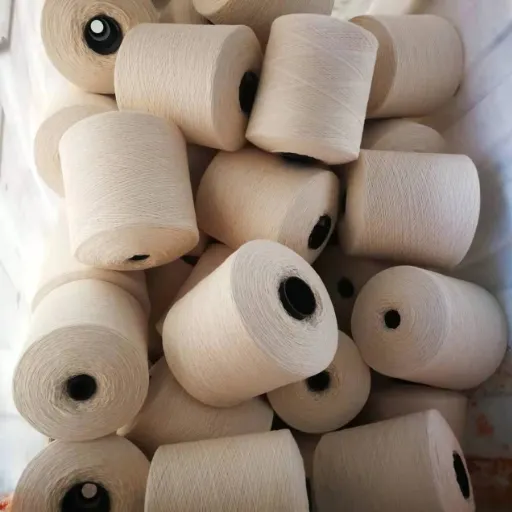
Bamboo yarn vs cotton yarn is one of the most common comparisons buyers ask for. Neither wins outright; the right choice depends on your application.
| Property | Bamboo Yarn | Cotton Yarn |
|---|---|---|
| Softness | Silky, smooth | Soft, matte |
| Breathability | Excellent | Very good |
| Moisture-wicking | Excellent | Moderate (holds moisture) |
| Antibacterial | Natural resistance | Low |
| Durability (wet) | Weaker when wet | Stronger when wet |
| Elasticity | Low | Low to moderate |
| Water use (crop) | Low | High |
| Price | 20-40% premium | Baseline |
| Best uses | Summer wear, babywear, bedding, drapey fabrics | Everyday apparel, denim, towels, workwear |
Choose bamboo yarn when softness, drape, moisture management, and antibacterial performance drive the design. Choose cotton when you need rugged washability, structure, and the lowest cost per kilogram. For many products, a bamboo-cotton blend delivers the strengths of both, as our eco-friendly yarns guide explains in more detail.
Types of Bamboo Yarn and Blends
Blending solves most of pure bamboo’s weaknesses while keeping its signature softness. Here are the four formats you will encounter most.
100% Bamboo Yarn
Pure bamboo yarn maximizes softness, sheen, and drape. It suits scarves, shawls, lightweight tops, and luxury bedding where structure matters less than hand feel. Handle it gently in production, and design for its low elasticity.
Bamboo-Cotton Blends
The most versatile option. Ratios like 70/30 or 50/50 bamboo-cotton add cotton’s strength, washability, and memory to bamboo’s softness and breathability. This blend works for t-shirts, babywear, bedding, and everyday knitwear.
Bamboo-Polyester Blends
Bamboo-polyester combines comfort with durability and abrasion resistance. It is a practical choice for upholstery, curtains, and home textiles that face daily wear, and it holds color well in dyeing. Our guides to eco-friendly yarns for upholstery and eco-friendly yarns for curtains cover blend selection for these applications in depth.
Bamboo-Linen Blends
Bamboo-linen blends pair two mechanically processed fibers for premium home textiles with texture, strength, and excellent breathability. They cost more and suit high-end table linens, bedding, and summer suiting.
Best Uses for Bamboo Yarn
Fashion and Summer Garments
Designers choose bamboo yarn for summer collections because it stays cool against the skin and drapes beautifully. T-shirts, dresses, loungewear, and activewear blends all benefit from its moisture management.
Home Textiles, Curtains, and Upholstery
Bamboo-blend fabrics bring softness and natural antibacterial properties to bedding, towels, and cushion covers. For window treatments and furniture, bamboo-polyester blends provide the drape and durability these products demand.
Babywear and Sensitive-Skin Applications
The fiber’s smooth surface and antibacterial behavior make bamboo yarn a frequent choice for baby clothes, swaddles, and products for people with eczema-prone or sensitive skin. Certifications like OEKO-TEX Standard 100 matter most in this category.
Is Bamboo Yarn Sustainable?
The honest answer: the crop is highly sustainable, but the finished yarn’s footprint depends on processing. Bamboo grows fast without pesticides or heavy irrigation, sequesters carbon, and regenerates after harvest. Those advantages are genuine.
The complication sits in the viscose process. As the Sustainability Award’s analysis of bamboo fabric notes, chemically intensive processing can undercut the crop’s benefits if manufacturers skip recovery and treatment systems. Regulators agree: the U.S. Federal Trade Commission has fined brands for marketing rayon as “eco-friendly bamboo” without disclosing the chemical processing.
When evaluating bamboo yarn suppliers, look for:
- OEKO-TEX Standard 100: Confirms the finished yarn is free from harmful chemical residues.
- Closed-loop or lyocell processing: Recovers solvents and sharply reduces discharge.
- FSC-certified bamboo sourcing: Verifies responsible forest and plantation management.
- Transparent labeling: Suppliers who disclose their process honestly are safer long-term partners.
For a broader framework on verifying sustainability claims, see our guide on how to choose eco-friendly yarns.
How to Choose and Source Bamboo Yarn
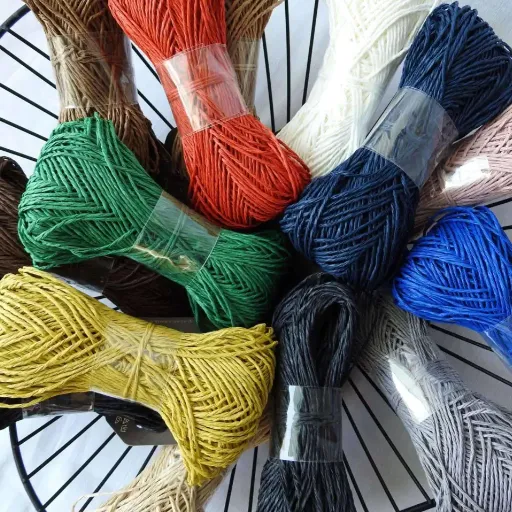
For production-scale buyers, the right bamboo yarn starts with clear specifications:
- Yarn count and ply: Finer counts suit lightweight knits; heavier counts and multiple plies add strength for weaving and upholstery.
- Blend ratio: Match the ratio to the application’s demands, from 100% bamboo for luxury hand feel to 50/50 blends for durability.
- Processing method: Specify viscose, lyocell, or mechanical bamboo linen based on your sustainability commitments and budget.
- Dyeing behavior: Bamboo takes dye well and holds color; request lab dips before committing to bulk.
- Certifications: Require OEKO-TEX documentation and, where relevant, FSC or closed-loop verification.
- Samples and testing: Always test shrinkage, colorfastness, and pilling before full production.
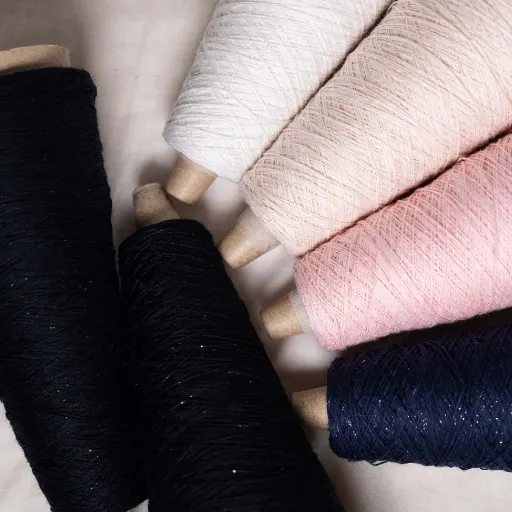
Ready to evaluate bamboo yarn for your next collection? Request sample cones and blend swatches from our team, and we will help you match count, blend, and processing to your application. Contact us to request samples.
Bamboo Yarn FAQs
Is bamboo yarn good for knitting?
Yes. Bamboo yarn knits into soft, drapey fabric with a subtle sheen, and bamboo-cotton blends are easier to work with than pure bamboo, which can split under needles. Choose a plied construction for better stitch definition and durability.
Is bamboo yarn warm?
Bamboo yarn is temperature-regulating rather than warming. It feels cool in summer and comfortably warm in mild conditions, but for deep winter garments, wool or wool-bamboo blends provide better insulation.
Is bamboo viscose toxic?
Finished bamboo viscose yarn is not toxic when produced responsibly. The concern is chemical handling during manufacturing, not the fiber itself. OEKO-TEX Standard 100 certification confirms the yarn contains no harmful residues.
How do you wash bamboo yarn fabrics?
Wash bamboo fabrics in cool or warm water on a gentle cycle with mild detergent, then lay flat or line dry. Avoid high heat, wringing, and tumble drying, since bamboo viscose weakens when wet and can shrink under heat.
Every sustainable textile begins with the right yarn. Contact Hebei Lida Textile Co., LTD to discover eco-friendly yarns designed for durability, quality, and environmental responsibility.
Conclusion: Choosing Bamboo Yarn with Confidence
Bamboo yarn earns its popularity: silky softness, breathability, antibacterial performance, and a genuinely low-impact raw material. But the smartest buyers look past the “eco” label to the processing method, blend ratio, and certifications behind each cone.
The key points to remember:
- Three processes, three footprints: Viscose, closed-loop lyocell, and mechanical bamboo linen differ sharply in environmental impact and price.
- Blends solve weaknesses: Bamboo-cotton adds structure; bamboo-polyester adds durability for home textiles.
- Certifications protect your brand: OEKO-TEX, closed-loop processing, and FSC sourcing separate verified suppliers from greenwashers.
- Match the yarn to the application: Fashion, curtains, upholstery, and babywear each demand different specs.
At Hebei Lida Textile Co., LTD, we produce bamboo yarns and bamboo blends engineered for consistent quality at scale, with customizable counts, colors, and blend ratios. Contact us today for free samples and a quote, and let our team help you select the bamboo yarn that fits your product, your budget, and your sustainability goals.