
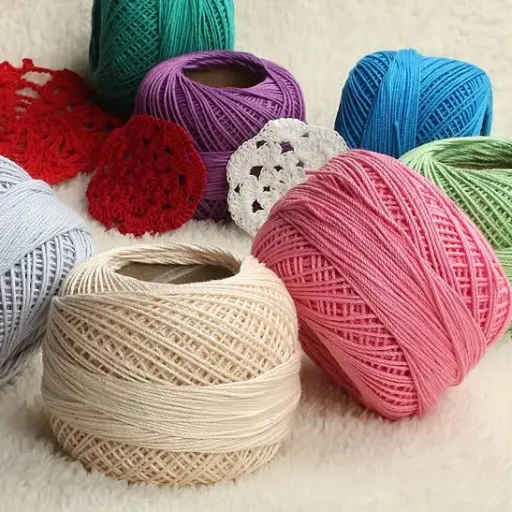

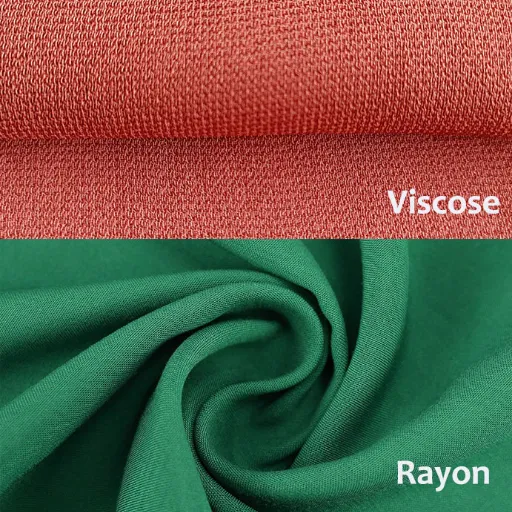
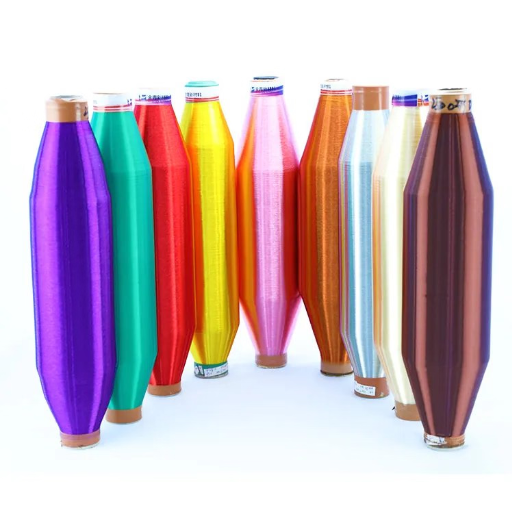
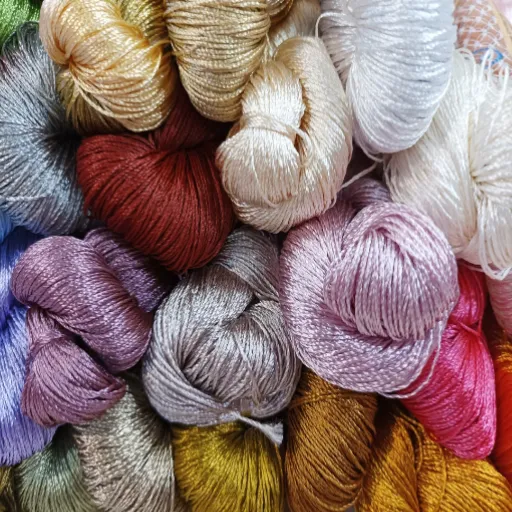


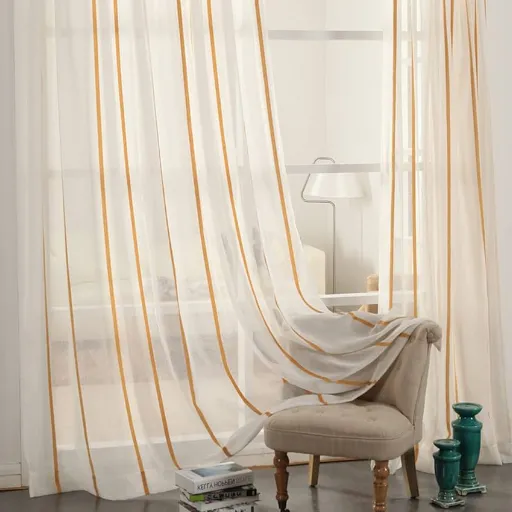
Custom yarn for curtains gives home textile brands, interior designers, and curtain manufacturers control over drape, durability, color, and performance from the fiber up. Instead of settling for stock fabrics that may miss a brand’s exact color or functional requirements, buyers can specify yarn that matches their design vision and performs reliably for years. In this guide, we’ll explain what makes custom curtain yarn different, which specifications matter most, and how to work with a manufacturer to turn your requirements into production-ready fabric.
When the team at Westfield Home Textiles prepared their spring 2025 collection, they struggled to find a stock sheer that matched their signature sage green across multiple dye lots. After switching to custom yarn for curtains, they locked in a Pantone-matched fiber blend and reduced color-related returns by 34%. That is the practical difference custom yarn makes.
You will learn how curtain type, fiber choice, denier, weave, and finish affect the final product. We will also walk through the custom production process, quality standards, and what to look for in a supplier. Transform your textile ideas into reality with custom yarn solutions from Hebei Lida Textile Co., LTD. Contact our team to discuss specifications tailored to your production requirements.
Key Takeaways
- Custom yarn for curtains lets brands control color consistency, drape, opacity, UV resistance, and hand feel from the fiber level.
- Sheer curtains typically use 550–1200 denier yarn, standard curtains 1500–4000 denier, and blackout curtains 4000–9000 denier.
- Polyester and polyester blends dominate curtain manufacturing because of durability, color retention, and easy care, but cotton, linen-look, and recycled options are growing.
- The custom production process moves from requirements review and sampling to lab-dip approval, bulk production, and quality control.
- Look for suppliers with sampling flexibility, clear communication, consistent sample-to-bulk quality, and relevant certifications such as OEKO-TEX or GRS.
Why Custom Yarn Matters for Curtains

Curtains do three jobs at once. They control light, insulate spaces, and define how a room feels. Yet many brands still start with finished fabric swatches that limit what they can achieve. Stock fabrics force compromises on color accuracy, texture, opacity, or long-term performance.
Custom yarn for curtains changes the starting point. Instead of choosing from pre-made fabrics, you specify the yarn itself: the fiber, denier, twist, ply, color, and finish. This approach is especially valuable for brands that need consistent color across product lines, performance features such as blackout or UV resistance, or unique textures that stand out in a crowded market.
The global home textiles market is valued at over $115 billion, and curtains remain one of the largest segments. As consumers expect more personalization, brands that can offer made-to-order window treatments gain a clear edge. Custom yarn makes that personalization possible at the manufacturing level.
Want to see how custom yarn fits into a broader product strategy? Explore our guide to custom yarn solutions for fashion, home textiles, and industrial applications.
Key Specifications for Custom Curtain Yarn
Specifications determine how curtains look, drape, and last. When you order custom yarn for curtains, you are not just picking a color. You are defining the physical properties that become the finished fabric.
Yarn Denier and Curtain Performance
Denier measures yarn thickness and weight. It is one of the most important numbers in curtain specification.
- Sheer and voile curtains: 550–1200 denier. Lightweight, translucent, soft drape.
- Standard drapery: 1500–4000 denier. Balanced opacity, structure, and durability.
- Blackout curtains: 4000–9000 denier. Heavy, opaque, light-blocking construction.
A lower denier creates airy movement. A higher denier adds weight, body, and blocking power. The right choice depends on the curtain’s purpose and the window size it must cover.
Fiber Content and Blends
Fiber choice controls hand feel, durability, care requirements, and sustainability. Common options include:
- 100% polyester: Strong, colorfast, wrinkle-resistant, easy to clean.
- Polyester-cotton blends: Softer hand feel with added durability.
- Linen-look polyester: Mimics natural linen with better dimensional stability.
- Recycled polyester: Made from post-consumer plastic, often GRS-certified.
- Cotton or organic cotton: Natural feel, breathable, but more prone to fading and shrinkage.
Each fiber behaves differently under tension, heat, and light. Your manufacturer should help you match fiber content to the curtain’s end use.
Twist Level and Ply
Twist refers to how tightly fibers are spun together. Ply is the number of strands twisted into one yarn. Higher twist levels generally produce stronger, smoother yarn. Lower twist creates softer, loftier yarn with more texture.
For curtains, twist and ply affect draping, seam strength, and how the fabric hangs over time. A tightly twisted two-ply yarn holds its shape well in long panels. A softly twisted single-ply yarn may drape more fluidly but can be less durable.
Weave Construction
Weave determines the fabric’s surface, opacity, and structure. Common curtain weaves include:
- Plain weave: Simple, durable, versatile.
- Yarn-dyed jacquard: Pattern woven in, not printed on.
- Blackout weave: Tight construction with or without foam backing.
- Wide-width weave: Seamless fabric for large windows.
The weave works with the yarn, not independently of it. Even the best yarn will underperform if the weave does not match the application.
Finishing Treatments
Finishes add functional properties after weaving. Popular options for curtain fabrics include:
- UV protection: Reduces fading from sunlight.
- Flame retardancy: Required for hospitality, healthcare, and public spaces.
- Water repellency: Useful for outdoor curtains.
- Soil release: Makes cleaning easier in high-traffic settings.
These treatments extend the useful life of curtains and help them meet industry-specific safety standards.
Matching Yarn to Curtain Type
Not all curtains need the same yarn. The best specification depends on where the curtain will hang and what it must do.
Sheer and Voile Curtains
Sheer curtains soften light without blocking it. They need lightweight yarn that drapes softly and does not look stiff. A 550–1200 denier polyester or polyester-viscose blend works well. UV resistance matters because sheers often sit in direct sun for hours each day.
When Lila Chen, a Los Angeles-based interior designer, specified custom sheer yarn for a coastal condo, she chose a 900-denier polyester with a UV-stabilized finish. Two years later, the panels still held their original ivory tone despite daily sun exposure.
Blackout and Room-Darkening Curtains
Blackout curtains need heavy, opaque yarn. A 4000–9000 denier construction blocks light and provides thermal insulation. Many blackout fabrics use a layered approach: a face fabric, a black yarn middle layer, and a backing finish.
Hotels and hospitals often require blackout curtains with flame-retardant finishes. In these cases, the yarn specification must balance opacity, safety certification, and wash durability.
Decorative Drapery and Valances
Decorative curtains prioritize texture, sheen, and visual interest. Chenille, slub, boucle, and metallic yarns add dimension. These yarns are often used as accent threads or in combination with base yarns to create depth without sacrificing structure.
Outdoor and Sun-Protection Curtains
Outdoor curtains face sun, wind, and moisture. They need UV-resistant, mildew-resistant, and quick-drying yarn. Solution-dyed polyester is a common choice because the color is locked into the fiber before spinning, improving fade resistance.
Popular Fiber Choices for Custom Curtain Yarn

The fiber is the foundation of every curtain. Choosing the right one means balancing aesthetics, performance, cost, and sustainability.
Polyester and Polyester Blends
Polyester is the workhorse of curtain manufacturing. It resists wrinkles, retains color, and stands up to repeated cleaning. Polyester-viscose and polyester-cotton blends add softness or a more natural look while keeping most of polyester’s practical benefits.
For brands that need durability and easy care, polyester-based custom yarn for curtains is usually the safest starting point.
Cotton and Cotton-Rich Blends
Cotton offers breathability and a soft, natural hand feel. It works well for relaxed, residential spaces. However, pure cotton can fade in sunlight and shrink when washed. Cotton-rich blends reduce these issues while keeping the organic look many buyers want.
Linen-Look Engineered Yarns
Natural linen has a beautiful texture but can be unpredictable. It wrinkles easily, shrinks, and varies between batches. Linen-look polyester yarn delivers the same aesthetic with consistent width, stable dimensions, and lower maintenance. This makes it popular for commercial projects where repeatability matters.
Recycled and Sustainable Options
Sustainability is no longer optional for many brands. Recycled polyester, organic cotton, and bio-based fibers are increasingly available for custom curtain yarn. The sustainable yarn market is projected to grow from 5.2 billion in 2026 to 10.1 billion by 2033, driven partly by demand in home textiles.
Specialty Yarns
Chenille, slub, nep, boucle, and metallic yarns add texture and visual interest. These are often used in accent layers or decorative trims rather than as the full curtain body. They require careful specification to ensure the finished fabric performs as expected.
The Custom Curtain Yarn Production Process
Ordering custom yarn for curtains is not the same as buying stock fabric. It is a collaborative process that moves from concept to sample to bulk production.
Step 1: Requirements Review
The manufacturer reviews your application, target market, and performance needs. Questions usually cover curtain type, fiber preference, color, denier, width, finish, and expected order volume.
Step 2: Fiber and Specification Selection
Based on the requirements, the technical team recommends fiber blends, denier ranges, twist levels, and weave options. This is where experience matters. A knowledgeable supplier will flag potential issues before sampling begins.
Step 3: Sampling and Lab Dips
A lab dip is a small sample of dyed yarn that shows how the color will appear in the chosen fiber. Buyers compare the lab dip to their color standard, often a Pantone reference or a physical swatch. Up to 30% of textile production delays come from color matching and approval issues, so clear communication at this stage saves time later.
Step 4: Performance Testing
Samples are tested for properties such as tensile strength, colorfastness to light, abrasion resistance, and shrinkage. For FR curtains, the fabric must pass standards such as BS 5867 or NFPA 701.
Step 5: Bulk Production and Quality Control
After sample approval, bulk production begins. Quality control checkpoints monitor yarn count, color consistency, width, weight, and finish application. Reputable manufacturers keep sample yardage from the approved batch to compare against bulk output.
Step 6: Packaging and Delivery
Finished fabric is rolled, labeled, and packed for shipment. Custom labeling, such as private-brand tags or care instructions, can often be added at this stage.
Curious about the full custom yarn workflow? Read our overview of the custom yarn production process from inquiry to delivery.
Customization Options for Curtain Yarn
Custom yarn for curtains goes beyond color. Brands can customize several elements to differentiate their products.
Color Matching and Yarn-Dyed Effects
Pantone matching is standard for most custom orders. Yarn-dyed fabrics, where the yarn is dyed before weaving, offer richer color depth and better pattern definition than piece-dyed alternatives. Multi-color and heather effects can also be engineered at the yarn level.
Texture and Surface Effects
Slub, nep, boucle, chenille, and metallic accents create tactile and visual interest. These effects are controlled during spinning and are built into the yarn itself, so they remain consistent across production runs.
Width and Construction Customization
Wide-width fabrics, often 280 cm or more, reduce or eliminate seams in large curtain panels. This is a major selling point for high-end residential and commercial installations.
Functional Finishes
Blackout backing, thermal linings, antimicrobial treatments, and flame retardancy can be added based on end-use requirements. These finishes should be selected alongside the yarn specification to ensure compatibility.
Quality Standards and Certifications
Quality standards protect both the brand and the end user. When you order custom yarn for curtains, specify which tests and certifications the fabric must meet.
Colorfastness Standards
Light fastness measures how well color resists fading from sun exposure. Wash fastness and rubbing fastness test color stability during cleaning and daily use. A rating of 4 or higher on a 1–5 scale is generally acceptable for residential curtains.
Flame Retardancy
Public spaces, hotels, hospitals, and transportation interiors often require flame-retardant curtains. Common standards include BS 5867, NFPA 701, and CPAI-84. The yarn and finish must be selected together to meet the required standard.
Sustainability Certifications
Certifications help buyers trust environmental claims. OEKO-TEX STANDARD 100 tests for harmful substances. The Global Recycled Standard (GRS) verifies recycled content and supply chain practices. GOTS applies to organic cotton.
Performance Testing
Abrasion testing, tensile strength testing, and pilling tests predict how the curtain will wear over time. These tests are especially important for commercial applications where curtains face daily handling.
How to Choose a Custom Curtain Yarn Supplier
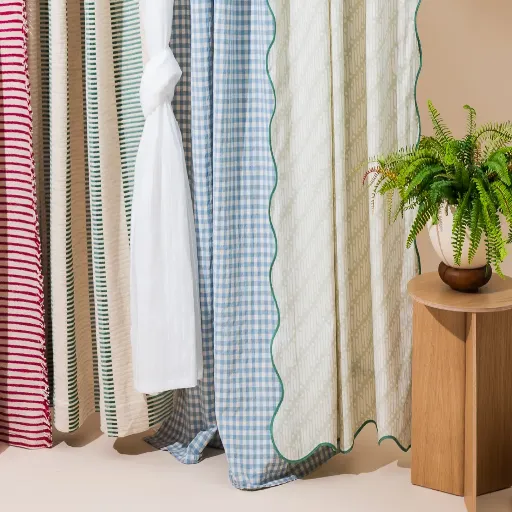
The right supplier does more than take an order. They translate your design intent into a manufacturable product and deliver consistent quality at scale.
Custom Capability Checklist
Look for a manufacturer that offers:
- Technical support during specification
- Sampling and lab-dip programs
- Flexible minimum order quantities
- Multiple fiber and finish options
- Clear sample-to-bulk quality control
Communication and Responsiveness
Custom orders require back-and-forth communication. A supplier that responds slowly during sampling is unlikely to improve during bulk production. Pay attention to how questions are answered before you commit.
Quality Consistency Between Sample and Bulk
The biggest risk in custom yarn is not cost. It is inconsistency between the approved sample and the bulk delivery. Ask how the supplier preserves reference samples, controls dye lots, and inspects bulk fabric.
Lead Times and Logistics
Custom curtain yarn typically requires more time than stock fabric. Ask for realistic timelines and confirm whether the supplier can meet your seasonal or project deadlines. Global distributors should also confirm packaging and shipping standards.
Red Flags to Avoid
- Vague answers about fiber content or sourcing
- No sampling process
- Refusal to share test reports or certifications
- Pressure to skip lab-dip approval
- Inability to explain sample-to-bulk quality control
When Meridian Hospitality sourced blackout curtain yarn for a 200-room hotel renovation, they initially chose a supplier with the lowest quote. The bulk fabric arrived two shades darker than the approved sample, forcing a costly reorder. Their second supplier provided lab dips, test reports, and a retained sample for every dye lot. The project finished on time.
Need help specifying custom curtain yarn for your next project? Contact Hebei Lida Textile Co., LTD to discuss your requirements or request a sample.
Frequently Asked Questions
What is custom yarn for curtains?
Custom yarn for curtains is yarn manufactured to a buyer’s exact specifications for fiber, denier, twist, color, texture, and finish. It is then woven into curtain fabric that matches the brand’s design and performance requirements.
What yarn is best for blackout curtains?
Blackout curtains perform best with heavy, opaque yarn in the 4000–9000 denier range, often combined with a black yarn interlayer or foam backing. Polyester is the most common fiber because of its strength and light-blocking properties.
How do I specify UV-resistant curtain yarn?
Request solution-dyed or UV-stabilized polyester yarn. Also ask for light fastness test results. A rating of 4–5 on the standard blue wool scale is appropriate for curtains in direct sunlight.
What MOQ is typical for custom curtain yarn?
Minimum order quantities vary by fiber, construction, and color. Many manufacturers start at 500–3,000 meters for custom orders, though some offer lower MOQs for sampling or small-batch programs.
How long does custom curtain yarn production take?
Sampling typically takes 1–3 weeks. Bulk production can range from 2–6 weeks depending on order size, fiber availability, and finishing requirements. Clear communication during specification helps prevent delays.
Conclusion
Custom yarn for curtains gives brands control over the properties that matter most: color consistency, drape, opacity, durability, and finish. By understanding denier, fiber choice, weave, and production workflow, you can specify curtain yarn that performs as well as it looks.
Start with a clear requirements brief. Work with a supplier that understands sampling, testing, and sample-to-bulk consistency. And do not overlook certifications and functional finishes that protect your product and your customers.
At Hebei Lida Textile Co., LTD, we help home textile brands, designers, and manufacturers develop custom curtain yarn that meets exact specifications. Whether you need sheer, blackout, decorative, or sustainable curtain yarn, our team can guide you from concept to production-ready fabric.
Ready to get started? Contact us today to discuss your custom curtain yarn project or request a sample.