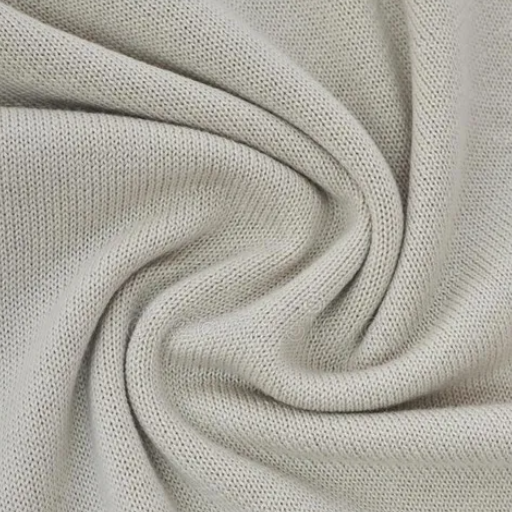
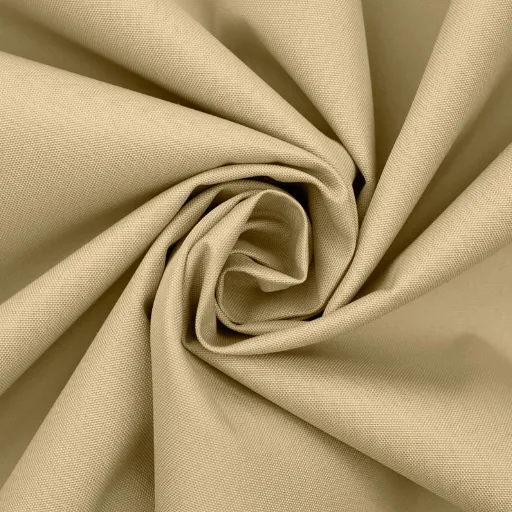
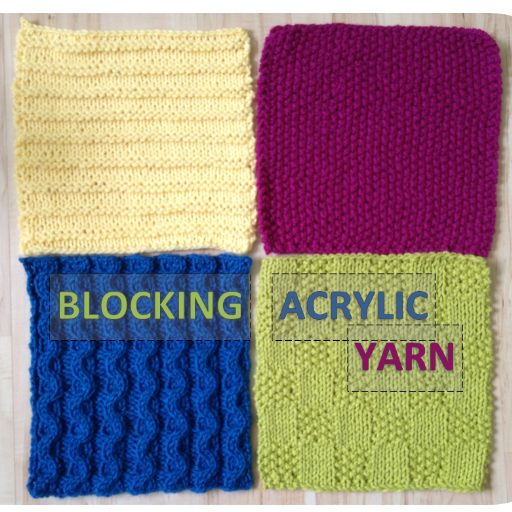
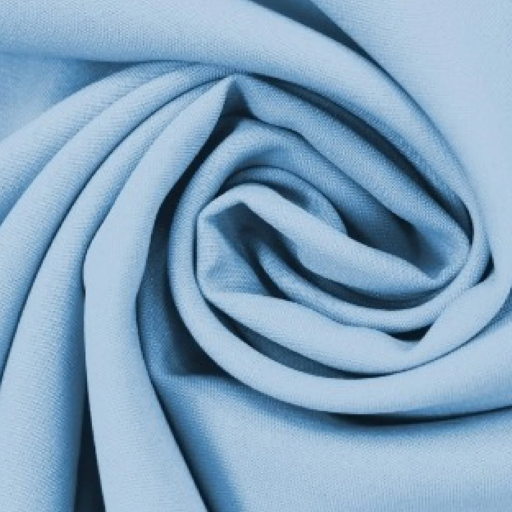


Modern textiles depend on polyester fabric which has become an essential material because of its exceptional strength and flexible nature and economical pricing. Designers need to use pure polyester when making stylish clothing and creating strong home decoration products because it provides them with perfect visual and practical benefits. The article shows all the features that make polyester a popular choice throughout different industries by describing the material’s benefits and manufacturing advancements and its status as a mainstay in fashion and home design.
Understanding Polyester Fabric
What is Polyester?
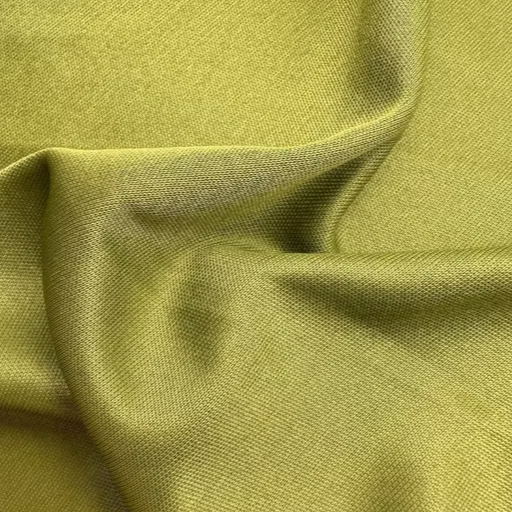
The synthetic polymer fabric known as polyester originates from petroleum-based materials which undergo chemical processing involving coal and petroleum and air and water. The process begins with ethylene glycol and terephthalic acid being polymerized to create polyethylene terephthalate which manufacturers use to produce threads and fabrics. Polyester material serves multiple purposes in textile production because it offers exceptional durability and protection against stretching and shrinking and its ability to withstand wrinkles and dry quickly.
Key Production Components:
- Ethylene Glycol – Primary chemical component
- Terephthalic Acid – Essential polymerization element
- Polyethylene Terephthalate (PET) – Final polymer product
Properties of Polyester Fabric
The fabric of polyester contains unique characteristics which enable it to serve multiple purposes across different fields. The material provides exceptional durability which includes resistance against abrasion while retaining its full strength capacity during wet conditions. Polyester displays hydrophobic properties which enable it to repel water, resulting in rapid drying and protection against mold and mildew formation.
| Property | Characteristic | Benefit |
|---|---|---|
| Durability | Abrasion resistance, wet strength retention | Long-lasting performance |
| Hydrophobic | Water repellent, rapid drying | Mold and mildew protection |
| Thermoplastic | Heat-moldable for permanent pleats | Shape retention, decorative options |
| Shape Stability | Wrinkle, shrink, and stretch resistant | Easy maintenance and cleaning |
Benefits of Using Polyester Material
The material known as polyester provides multiple advantages which make it suitable for various purposes across different industries. The material exhibits outstanding durability which includes tear resistance and shape retention throughout extended usage periods. The lightweight and moisture-wicking properties of polyester make it suitable for activewear and outdoor fabrics because it keeps users dry and comfortable throughout their activities.
✓ Outstanding Durability
Tear resistance and shape retention for extended use
✓ Moisture-Wicking
Keeps users dry and comfortable during activities
✓ Color Resistance
Resists fading from sun exposure for longevity
✓ Eco-Friendly Options
Affordable production with uncomplicated recycling
Applications of Polyester Fabric
Polyester in Apparel
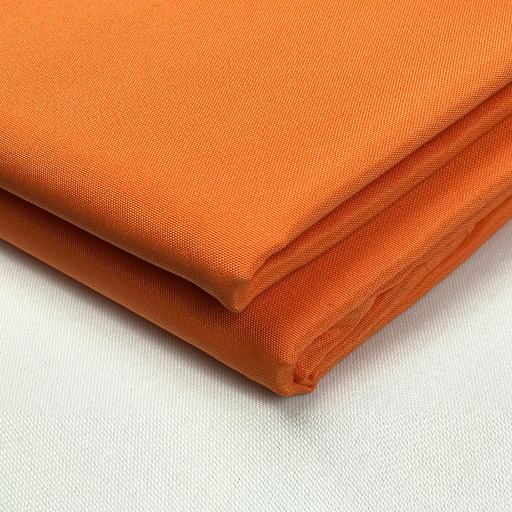
Polyester has become a popular fabric choice for clothing because it offers both flexible design options and long-lasting durability with simple maintenance needs. Designers usually combine it with cotton and other natural materials to create fabrics that offer enhanced strength and improved resistance to wrinkles and better dimensional stability. The fabric becomes highly preferred for activewear and sports uniforms and outdoor clothing because it effectively removes moisture from the skin and dries quickly.
👕 Popular Apparel Applications
- Activewear & Sports Uniforms – Moisture-wicking performance for athletes
- Outdoor Clothing – Quick-drying properties for adventurers
- Everyday Wear – Soft textures with better airflow
- Functional Fashion – Maintains structure and color through multiple washes
Polyester for Outdoor Use
The outdoor environment requires durable materials that can withstand moisture and protect against extreme weather conditions which makes polyester an ideal choice for this purpose. The synthetic fibers of the material provide water resistance while enabling airflow which makes it suitable for outdoor equipment like jackets and tents and backpacks. The introduction of recycled polyester through current technological progress enables improved environmental sustainability while maintaining original performance attributes.
🏕️ Outdoor Equipment Applications:
- → Jackets – Water resistance with breathability
- → Tents – Moisture protection and durability
- → Backpacks – Lightweight strength
- → UV Protection – Temperature control for various settings
Home Decor and Upholstery
Home decor and upholstery manufacturers use polyester because it provides durable performance with wrinkle resistance and easy maintenance. The material functions well for curtains and cushions and upholstered furniture because it prevents fading from sunlight while enduring regular use. Modern polyester fabrics can also mimic the texture and appearance of natural materials like silk or wool, making them a versatile choice for a variety of interior design styles.
| Home Decor Item | Key Benefits | Design Versatility |
|---|---|---|
| Curtains | Fade resistance, easy maintenance | Various styles and textures |
| Cushions | Wrinkle resistance, durability | Mimics silk or wool appearance |
| Upholstered Furniture | Endures regular use, sunlight resistant | Adaptable to design styles |
| Eco-Friendly Options | Sustainable materials available | Recycled polyester products |
Choosing the Right Polyester Fabric
Types of Polyester Fabrics
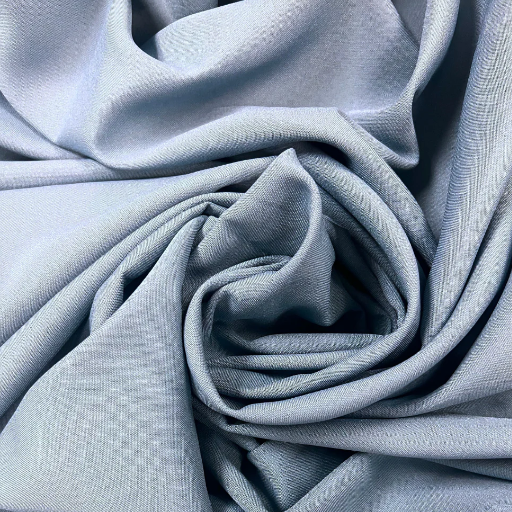
The textile industry offers multiple polyester fabric types which manufacturers create to fulfill their specific operational needs. The most common varieties include PET (Polyethylene Terephthalate), PCDT (Poly-1, 4-cyclohexylene-dimethylene terephthalate), and microfiber polyester.
PET (Polyethylene Terephthalate)
Usage: Most commonly used polyester
Applications: Clothing items, furniture products, outdoor equipment
Key Feature: Dependable strength and versatility
PCDT
Usage: Lower usage rates than PET
Applications: Heavy-duty textiles for demanding conditions
Key Feature: Enhanced flexibility and strength
Microfiber Polyester
Usage: Specialized applications
Applications: Cleaning materials, high-end fashion
Key Feature: Ultra-fine fibers, soft and lightweight
Buying Polyester Fabric by the Yard
The selection process for polyester fabric requires people to assess three main criteria which include the weight of the fabric and its texture and the ways people plan to use it. Polyester fabric exists in multiple weight categories which range from lightweight materials designed for clothing to heavy fabric products which designers use for outdoor equipment and furniture upholstery.
🛒 Buying Guide Checklist:
- Fabric Weight: Lightweight for clothing to heavy for upholstery
- Denier Count: Determines fabric durability
- Product Descriptions: Study dimensions and specifications
- Fabric Swatches: Request samples for testing
- Sustainability: Look for recycled polyester options
- Special Features: Waterproofing, stain resistance
💰 Price Range Information
Typical Cost: $5 – $20 per yard
Pricing varies based on quality levels and special features including waterproofing and stain resistance.
Popular Retailers: Joann, Fabric.com, Etsy
Evaluating Fabric Quality: Oeko-Tex Standard 100
The Oeko-Tex Standard 100 certification which operates globally certifies that textiles undergo testing for dangerous materials to verify their compliance with health and environmental protection regulations. The products that display this label have undergone extensive chemical testing which examines pesticides and heavy metals and formaldehyde according to established scientific standards.
🏆 Oeko-Tex Standard 100 Certification
✓
Chemical Testing
✓
Health Compliance
✓
Environmental Standards
✓
Non-Toxic Verification
Sewing and Crafting with Polyester
Tips for Sewing Polyester Fabric
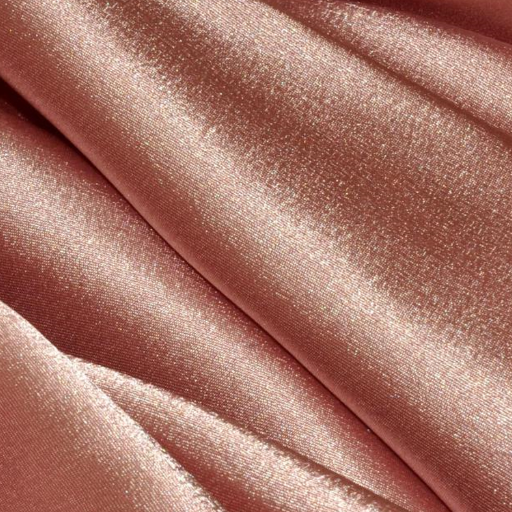
The sewing process for polyester fabric requires appropriate tools and techniques which must be used together to achieve the best possible results. The polyester fabric needs to be cut with sharp scissors or a rotary cutter because it tends to fray.
✂️ Essential Sewing Tips
- Cutting: Use sharp scissors or rotary cutter to prevent fraying
- Thread Selection: Choose polyester or all-purpose thread
- Needle Type: Use ballpoint or universal needle (size 70/10 or 80/12) for synthetic fabrics
- Stitch Settings: Adjust tension and use 2.0-2.5mm stitch length to prevent puckering
- Fabric Control: Apply fabric clips or basting for slippery material
- Pressing: Use low-heat iron with pressing cloth to prevent melting
Craft Projects Using Polyester
The durable and easy-to-care-for properties of polyester make it a suitable material for multiple craft projects. The fabric serves as an ideal base material for creating decorative items which include throw pillows table runners and curtains because it maintains its shape while protecting against both wrinkles and fading.
🏠 Home Décor Projects
- • Throw pillows
- • Table runners
- • Curtains
🧣 Comfort Items
- • Blankets
- • Jackets
- • Scarves
👜 Practical Items
- • Tote bags
- • Pouches
- • Reusable shopping bags
🎨 Advanced Techniques: The combination of polyester blends with embroidery and sublimation printing techniques enables users to create home décor and wearable items which display bright, enduring designs.
Accessories Made from Polyester
Polyester serves as the main material for manufacturing various accessories because it combines strength with flexible design and long-lasting protection against damage. The fabric serves as a base material which manufacturers use to produce items such as handbags and backpacks and wallets and luggage because it provides both high strength and low weight.
| Accessory Type | Primary Benefits | Popular Uses |
|---|---|---|
| Bags & Luggage | High strength, low weight | Handbags, backpacks, wallets, luggage |
| Wearable Accessories | Moisture management, fast drying | Hats, belts, gloves |
| Eco-Friendly Options | Sustainable, visually appealing | Reusable shopping bags, tech cases |
Care and Maintenance of Polyester Fabrics
Washing and Drying Polyester
The best way to wash polyester fabrics entails using warm water and a gentle cycle because this method helps preserve their strength and their original shape. The use of mild detergent should be preferred because it helps safeguard the delicate fibers from harm. High heat should be avoided during drying because polyester material becomes vulnerable to shrinkage and structural damage when exposed to excessive temperature.
🧺 Best Practices for Washing Polyester
Step 1: Water Temperature
Use warm water with gentle cycle
Step 2: Detergent
Choose mild detergent for fiber protection
Step 3: Drying
Low heat tumble dry or air dry
Step 4: Stain Treatment
Test stain remover on synthetic fabrics first
⚠️ Important Reminder
Always check the care label for precise handling directions, as different materials require special treatment.
Stain Resistance and Durability
The exceptional stain resistance and durable nature of polyester make it an ideal choice for multiple uses which include both clothing and upholstery. The synthetic material composition of the product prevents most water-based stains from sticking to its surface while its tightly woven structure blocks liquids and dirt from invading its base.
🛡️ Stain Resistance
- Prevents water-based stains from sticking
- Tightly woven structure blocks liquids and dirt
- Special coatings enhance oil resistance
💪 Durability Features
- High tensile strength
- Protection against stretching and shrinking
- Resistance to abrasion
💡 Maintenance Tip: The material needs immediate cleaning for spills and the user must follow the product care instructions to maintain its characteristics.
Storage Tips for Polyester Fabric
The best way to maintain polyester fabric for a long time requires storage in a temperature-controlled area that maintains dryness while protecting fabric from direct sunlight exposure because sunlight will cause yellowing and fabric breakdown through time.
📦 Storage Best Practices
- Environment: Store in temperature-controlled, dry area away from direct sunlight
- Containers: Use breathable storage bags (avoid plastic to prevent moisture buildup)
- Cleanliness: Ensure fabric is completely clean and dry before storage
- Folding: Use tissue paper to protect fold areas from sharp creases
- Regular Use Items: Use hangers to maintain shape and minimize wrinkles
❌ What to Avoid
- Direct sunlight exposure (causes yellowing and breakdown)
- Plastic storage boxes (traps humidity and promotes mold)
- Storing with oils or stains (becomes permanent over time)
References
-
Polyester Perks and Pitfalls – BYU
This article from Brigham Young University discusses the production and characteristics of polyester compared to natural fibers.
Read more here -
Researchers Separate Cotton From Polyester in Blended Fabric – North Carolina State University
A study by NC State University researchers on separating cotton and polyester in blended fabrics using enzymes.
Read more here -
Super-Hydrophobicity of Polyester Fabrics – PMC
A research article on creating superhydrophobic polyester fabrics using sustainable methods.
Read more here
Frequently Asked Questions (FAQ)
Ready to Explore Polyester Fabric?
Whether you’re creating fashion pieces, home decor, or outdoor gear, pure polyester fabric offers the perfect combination of durability, versatility, and affordability to bring your projects to life.