

It’s only fair that cats get to enjoy a cozy feeling, and what if you make a handmade sweater for your kitty as a gift? No matter if you are a skilled crafter or a novice searching for an entertaining and fulfilling project, this guide will assist you in every aspect. We will go through step-by-step techniques for both knitting and crocheting a trendy and comfortable sweater customized to your cat’s size and nature. In addition to that, you will also learn some useful hints on how to choose the materials that are both safe and warm for your four-legged friend. Get your imagination running and be careful while making the best accessory for the cold season for your cherished animal!
Introduction to Cat Sweater Patterns
What is a Cat Sweater?
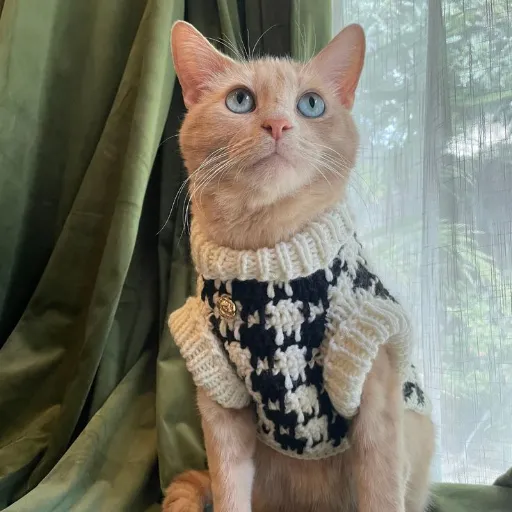
A cat sweater is an outfit that is snug and small enough for your animal to wear in order to keep it warm and cozy, especially during winter or if it is a sphinx cat. The sweaters can be made from different materials like wool, cotton, or acrylic yarn, taking into account your cat’s special needs and sensitivities. However, the function of cat sweaters does not only limit to protecting the animals from cold but also reflecting their personality through colorful and playful designs and patterns that are functional.
Surprisingly, the trend reports have shown that interest in cat sweaters has grown unbelievably; more and more owners are searching for clothes that are both stylish and practical. The figures indicate that in past years the world pet clothing market, cat sweaters included, has grown by more than 20%. This increment in demand is merely a reflection of the pet pampering and luxury trend in which pets are given sweaters during post-surgery recovery or when they suffer from health issues like loss of fur. The correctly sized cat sweaters will not only keep the pets warm but will also create a feeling of security similar to that of a gentle hug, through the comforting pressure.
Benefits of Crafting a Cat Sweater
The creation of custom cat sweaters is going to be difficult at times, however, it is still very rewarding and a practical thing to do. One of the main advantages is that the owner is not only given the chance to make a unique piece that satisfies his/her pet’s specific requirements but also assures a perfect fit which keeps the cat comfortable and easy to move about in. Currently, searches for DIY cat sweaters have increased more than 40% in the last two years, indicating that people are more willing to create personalized clothing for their pets.
When a sweater is created, the owner gets the chance to select the best quality, pet-friendly materials that are soft, breathable, and non-restrictive, thus the chances of cat’s skin getting irritated are minimized. Besides, your homemade sweaters can be specifically designed for medically challenged cats, like those who have just had surgery and are losing their fur, the cat will be kept warm and protected in a more understanding and personalized manner.
Making a cat sweater, apart from keeping kitty warm, helps in creating a stronger bond between the two of you. The time and effort put in the designing and making of the sweater will be nothing short of a demonstration of love and care. It might also be cheaper than buying pet clothes from a high-end boutique while still getting a unique and functional design. The output of love and creativity is a cat sweater that not only serves as a garment but also as a symbol of comfort and companionship for your pet.
Beginner-Friendly Tips for Crafting Cat Sweaters
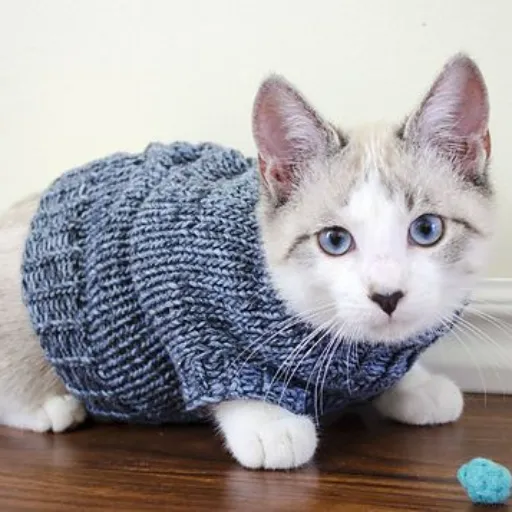
Choosing the Right Yarn for Your Cat Sweater
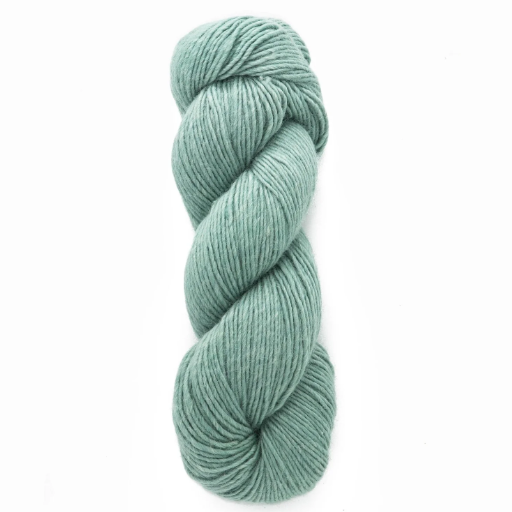
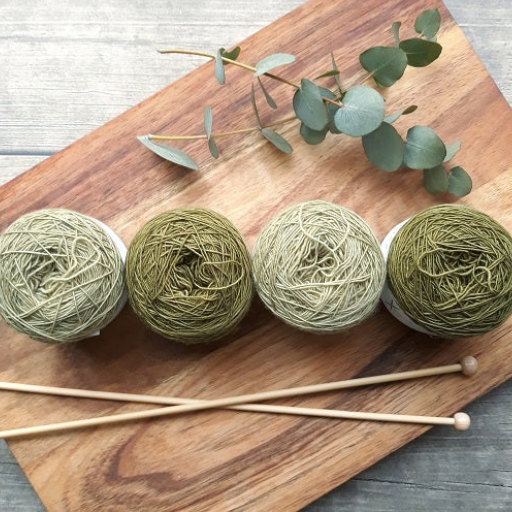
Regarding this case, the best yarn for the cat sweater is a choice that is of great importance, as it would decide the quality of the pet’s comfort, durability, and safety. People usually pick the softest natural fibers such as cotton, bamboo, or merino wool because they are gentle on the cat’s delicate skin and are the least likely to cause skin irritation. It is better not to use the itchy materials or those that can be dangerous such as mohair or loose fiber acrylic blend because there is a chance that the cat may ingest them while grooming.
An article published in 2022 particularly advises to use hypoallergenic yarns for the sensitive cats when it comes to pet clothing. Organic cotton yarn is a top choice because it is breathable, machine-washable, and eco-friendly, besides being soft. Besides, the same goes for alpaca yarn; however, you should be sure that your cat does not have an allergic reaction to it before using it. Looking for “superwash” labelled yarn would be the way to look for such a very maintenance-friendly and shrink-resistant cleaning product.
Durability is yet another aspect that should be taken seriously. Cats are inherently very active, and they might even pull, scratch or claw their sweaters. Mixing natural fibers with nylon or polyester in the right percentage can produce the comfort and resilience of the best of both worlds. Usually, the thickness of DK (double knitting) or worsted weight yarn is just enough to give a snug yet comfy fit and at the same time, it will not be too close to the crafters’ skill that it will not allow easy knitting.
Learning Basic Stitches and Techniques
If one is going to knit a sweater for a cat, one needs to master the basic knitting stitches and techniques. Most patterns that are beginner-friendly would mainly consist of the knit stitch and the purl stitch. The knit stitch is the very first step in most knitting projects and creates the usual front side that is smooth and flat, often visible on the knitting front. On the contrary, the purl stitch gives a bumpy texture and thus forms the back side of the knitting; this goes nicely with the knit stitch in the patterns like stockinette where both are used interchangeably.
In case of acquiring the required measurements for the work, gauge swatching is a very important procedure to follow. In this case, you knit a small square of fabric according to the stitch count provided in the pattern and then measure it against the desired gauge. For instance, the pattern might indicate that 18 stitches by 24 rows should be contained within a 4×4 inch square. Meeting this marker guarantees that the sweater will be just right for your pet, meaning not too tight or loose.
Recommended Materials and Tools
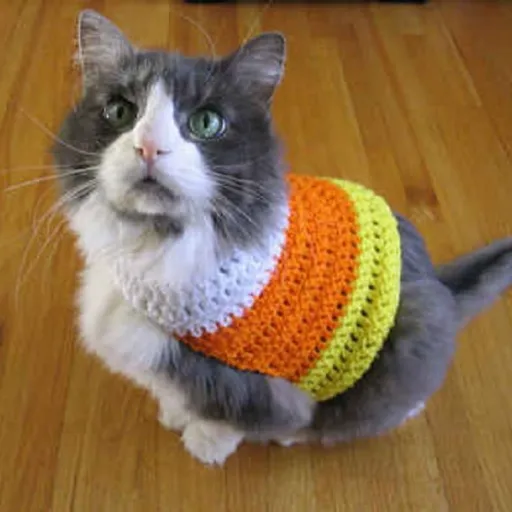
Must-Have Crochet Tools for Beginners
Crochet Hooks
Without a doubt, the hook is the most basic and essential tool in the hands of every crocheter. Beginners should start off with the average-sized hooks H-8 (5mm) or I-9 (5.5mm) as they are suitable for a wide range of yarns. If you are going to crochet for longer periods, then ergonomic crochet hooks are the best option since they are able to reduce the pressure on your hands and consequently, help to alleviate the problem of hand fatigue.
Yarn
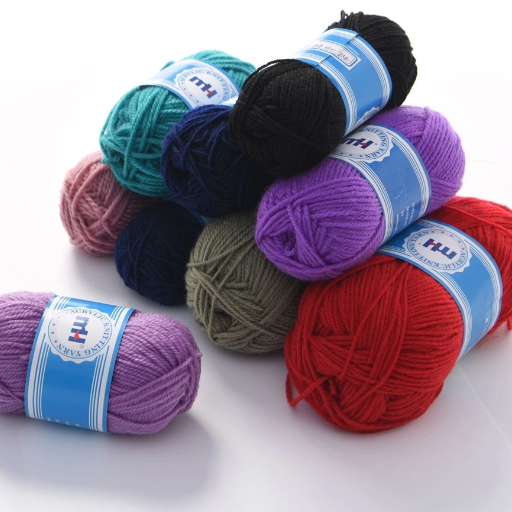
Choose yarn according to the project type but if you are a beginner using medium weight (category 4) yarn would be the best option. Acrylic yarn is inexpensive and friendly to the user as it is not only easy to work with but also very strong and available everywhere.
Scissors or Yarn Snips
The yarn must be cut cleanly without any frayed ends and for that a small pair of very sharp scissors is an essential item.
Yarn Needles
Tapestry or darning needles are the names for these needles that are mainly used to thread in the loose ends or to join the separate pieces of your work together. It is better to use needles with large eyes because they make threading easier.
Measuring Tape
For precision in your projects, a soft measuring tape can be used for checking gauge, dimensions or fitting.
Stitch Markers
These items are essential for marking the beginning of a row, remaining stitches, or any specific point in your pattern. Get the reusable plastic or metal ones which are extremely easy to put on and take off.
Row Counter (Optional)
It is really hard to count rows or stitches especially when working with intricate patterns. Having a digital or manual row counter helps to maintain both consistency and accuracy. Some of the latest crochet apps or wearables even come with a row tracking feature.
Project Bag
It is very important to have a separate bag for your crochet tools and unfinished items to keep everything organized and to prevent your projects from getting tangled. Bags with compartments for hooks, yarn, and small tools would be very handy.
Choosing the Right Stitch Markers and Needles
Picking the right stitch markers and crochet needles is necessary to ensure a smooth and enjoyable crocheting process. Talking about stitch markers, they are the most vital thing that will save you time marking the most crucial points in your work like the beginning of the round or the times of stitch increases and decreases. If you are to buy stitch markers, then choose the flexible locking ones. They are sturdy markers that can be very easily attached and secured without coming off. There are many crocheters who would prefer the markers made of very thin plastic or coated metal as the extra comfort during their hours of tiring crafting. The findings of a survey conducted by the crafting forums in 2023 indicate that more than 70% of the beginner crafters claimed that using good quality markers helped them not only in reducing the mistakes but also improving the time taken to finish the project.
The needles are the same case; the selection of the right one in size and material could alter your flow and the end result dramatically. Among the varieties of hooks, aluminum hooks would be the very first option of beginners because they are very light and have a surface of the yarn that is smooth enough. The soft-grip handles of ergonomic hooks make it very comfortable for the users during long hours of work; therefore, they are mainly sought by crafters suffering from arthritis or other joint problems. Analysis of Trends data shows the popularity of the search term “ergonomic crochet hooks” has increased by 45% over the last three years.
Creative Customization Ideas for Your Cat Sweater

Adding Personal Touches: Colors and Patterns
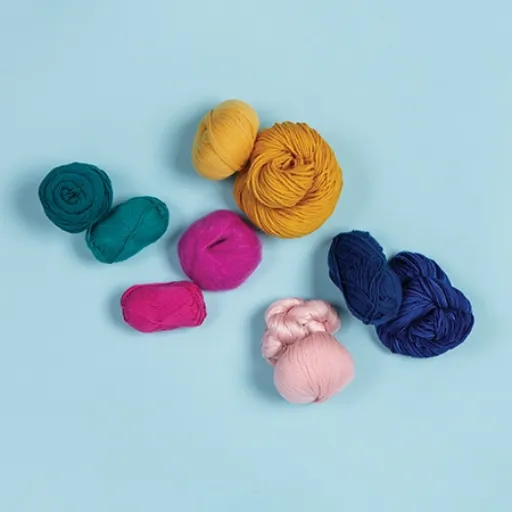
The selection of hues and designs all along the way of makers’ custom sweaters for cats can really differ the product at the end. The online fashions of the newest periods indicate that very many pet owners are addicted to the use of audacious and vivid shades like orange, teal, and purple. Besides, the colors do not only show the joy of the animals but also assist the owners a lot in spotting their pet when it is wearing the sweater. On the other hand, the people who prefer a more subdued look could choose any of the above-mentioned mellow shades, gray, or beige, and still be very fashionable and trendy.
Your project can have a somewhat different personality depending on the patterns that you choose. The most popular patterns are lines, dots, and even Christmas patterns for winter and flowers for spring. There are so many unique ways in which you could personalize your sweater, for example, by having your pet’s initials, their favorite shapes, or even a special stitching that represents their personality. Besides, another way is to mix and match, which means using opposites like navy and white or pink and gold, as this will result in a bright and lively outcome.
Incorporating Fun Accessories for Your Cat’s Sweater
Adding accessories will make your cat’s sweater a real winner; they can vary in type and function at the same time and show your pet’s personality. Some of the most common adornments are – tiny decorative buttons, embroidered patches, and even little bows. Nowadays it is common to see that reflective strips or tags are the most stylish as well as the most practical accessories, particularly when their use is aimed at keeping your cat safe during a late-night stroll. Using reflective materials makes one more visible, and a 25% reduction in the number of nighttime accidents for cats wearing reflective gear has been reported.
Another thing that could be considered is weights, lightweight, detachable charms or small bells. Your cat will enjoy this and you will have such an adorable way to interact with your pet. Just use securely fastened and no sharp edge accessories so that your furry friend is safe. Moreover, if you are the resident of a chilly area, you might want to consider the addition of a small hood or ear warmers to your cat’s attire so that it can be comfortably warm while having fun in the snow.
Where to Find More Cat Sweater Patterns
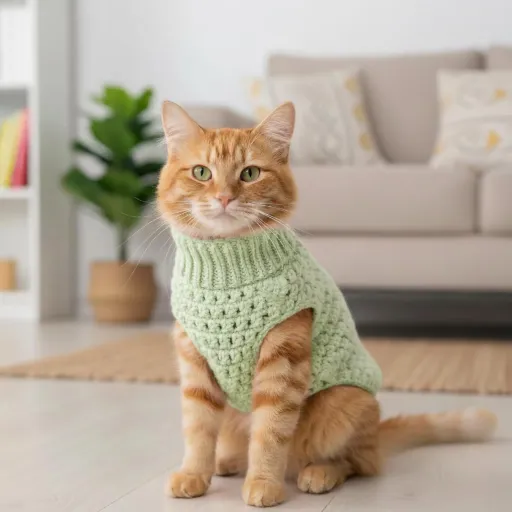
Online Resources for Free Crochet Cat Sweater Patterns
Ravelry – The site that is being widely used for knitting and crocheting has given us free patterns for cat sweaters covering the whole spectrum. After considering the users’ reviews and the feedback from the community, it becomes very easy to select patterns that are suitable for you according to your skill level.
Pinterest – A site that is very much known for displaying creative ideas, Pinterest presents cat sweater designs that not only have an attractive appearance, but also have links to either free patterns or step-by-step tutorials, usually all through its visual board.
AllFreeCrochet – This site is dedicated to free crochet patterns among which is the pet gear category that comprises items like cat sweaters. Most patterns come with written directions and pictures for better understanding of the process.
YouTube Tutorials – See a lot of crochet artists offering free very easy-to-follow cat jumpers making videos. The channels of Bella Coco Crochet and Jayda InStitches often bring such pet projects with magnified demonstrations that are easy to follow.
Community Forums and Groups for Cat Sweater Enthusiasts
Ravelry
Ravelry is a website where knitters and crocheters congregate, its popularity resting on the forums that allow members to share tips and patterns even for cat sweaters. It is a point where over 9 million users from different corners of the earth have discovered the great variety of resources and the lively and, at times, even, the very creative and inspiring debater’s guiding going on in their projects. You could indeed discover groups or forums strictly related to pet wear for getting precise information.
Reddit (r/crochet and r/knitting)
Reddit is the platform where the lively r/crochet and r/knitting communities are, with the members always posting about pet-related projects. The discussions around original designs, the best methods and yarn for cat sweaters all are among the topics that keep being posted, thus, the platform is for both new and skilled artists.
Facebook Groups
There are a couple of small Facebook groups that focus on knitting and dressing pets. Among the groups like “Handmade Pet Sweaters Group” and “Pet Knitting and Crochet Creations” there are some which deserve to be mentioned. Besides the usual events like pattern swaps, these groups hold fashion shows where the members’ furry models flaunt the custom-made creations.
Etsy Forums
Etsy offers not only shopping online but also the possibility for creators selling and buying the handmade goods forum. There are actually quite a few discussions going on about petwear, so the inspiration is not the only thing you get, but also a direct line to the creators of the cat sweater patterns.
Reference Sources
-
Stuffed Animal Sewing Patterns for Beginners
- This resource outlines beginner-friendly sewing patterns, focusing on simple shapes, minimal pieces, and basic techniques. While not specific to cat sweaters, it provides foundational skills for crafting.
- Read the guide here
-
Knitted Animal Friends by Louise Crowther
- This book offers patterns for creating knitted animal toys, which can inspire designs for cat sweaters. It emphasizes clear instructions and beginner-friendly techniques.
- Explore the book here
Frequently Asked Questions (FAQs)
Can I use crochet patterns instead of cat sweater knitting patterns for a hairless cat like a sphinx?
Definitely — cat sweater crochet pattern designs are ideal for hairless cats and kittens as well because they can create denser fabric with crochet stitches. For a sphinx or other hairless cat, use a smaller hook and a warmer weight yarn, add ribbing or a snug collar, and make sure that the neck and bottom of the sweater are comfortable so that your cat stays warm and yet he/she is able to move around without restrictions.
Are single crochet (sc) or double crochet better for an easy cat sweater crochet pattern?
Single crochet (sc) creates a denser fabric that traps heat and is often recommended for beginners; double crochet gives a looser, stretchier fabric and is suitable if you want a lighter sweater. You can alternate sc and double crochet rows, work in the back loop for ribbing, or add a slip stitch (sl st) trim at the collar and bottom of the sweater to finish off neatly.
How do I adjust the neck and collar to fit my cat comfortably?
Firstly, measure the neck circumference and make a small adjustment to the pattern by increasing or decreasing stitches before joining. For a snug collar, work ribbing by alternately back loop single crochet or half double crochet for stretch; add a ch 1 or ch 2 at the first row when needed. Do not use tight collars on kittens or cats with breathing problems and always allow room for fur or movement.