

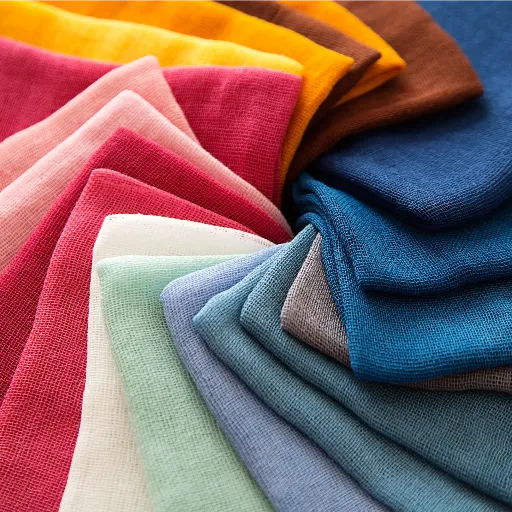
Polyester blend fabric is among the most preferred choices fabric when it comes to making clothes, beddings, or covering furniture. The question, however, remains, how does it compare to the natural cotton? Each of the materials offers its unique set of advantages which makes it difficult for the consumers to decide which one suits their needs the best. This article presents a discussion of the pros of polyester blend fabric in comparison with cotton, thereby facilitating your decision-making process on the grounds of durability, comfort, maintenance, and overall value. Whether the purchase is for casual, breathable, everyday wear or tough, long-lasting textiles, learning about each fabric’s strengths will lead you to the right choice. As we highlight the main disparities along with the advantages of cotton and polyester, do not miss a thing.
Introduction to Cotton and Polyester
What Are Cotton and Polyester?
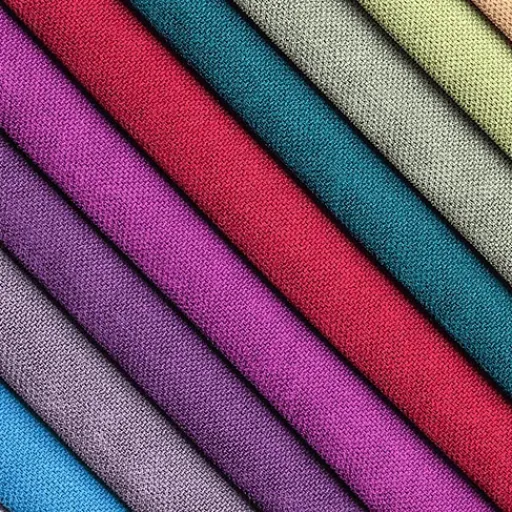
Cotton is recognized as a natural fiber that is obtained from the seed coat or fiber of the cotton plant. Cotton has been one of the major sources in the textile industry for many centuries because of its quality of being soft and its ability to let air pass through easily. The main reason for its high absorbency is its natural source, which makes it comfortable to wear in hot places. Moreover, organic cotton fabric is biodegradable and eco-friendly when grown and processed in the right way.
On the contrary, polyester is a synthetic fiber which is chemically produced from the substances derived from petroleum. Polyester was first made available in the early 1900s and has since then become a widely accepted fabric due to its long life, no-wrinkle feature, and low price. In comparison to cotton, polyester is a non-absorbing textile, which means that it dries faster and keeps its form for long periods of time. On the other hand, the traditional production of polyester has brought about the issue of its negative impact on the environment, as it is non-biodegradable and energy-consuming to manufacture.
The Rise of Blended Fabrics
Blended fabrics are considered to have the best qualities of two or more fibers, and this is the main reason why their use has increased a lot in recent times. Such fabrics are produced by combining natural fibers, such as cotton or wool, with artificial ones like polyester or spandex. The end product is a fabric that offers not only great strength but also soft touch and practicality, besides being frequently cheaper than pure textiles.
A classic example of blends is the cotton-polyester mix, which combines the breathability and the comforts of cotton with the durability and maintenance-free attributes of polyester. Recent statistics reveal that there has been a huge rise in the global demand for cotton-polyester mixtures particularly from industries like fashion, sportswear, and home textiles. To illustrate, it has been suggested that blended fabrics are now responsible for nearly 30% of the total global textile market.
Properties of Cotton and Polyester
Understanding Polyester Fiber
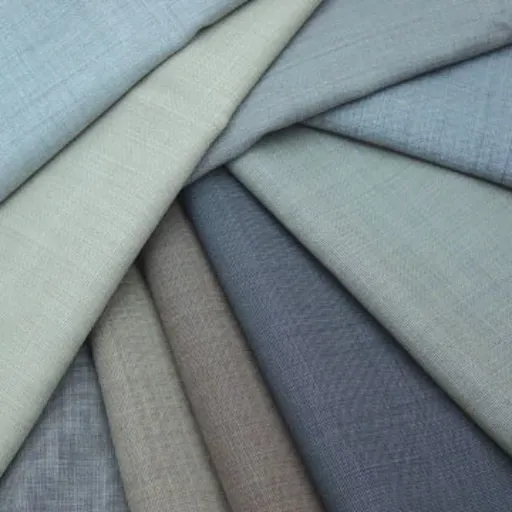
Polyester fiber is, without a doubt, one of the most utilized synthetic fibers in the textile sector mainly due to its strength, adaptability, and low price. It is a product of a chemical reaction where petroleum-based substances are used, and the result is a very soft and light fiber that is remarkably resistant to shrinking and creasing.
Recent statistics show that the production of polyester constitutes about 52% of the worldwide fiber market, thus positioning it as the leading material in the textile sector. The factor that most contributes to its demand is the cheapness that comes with its production plus its capability to be mixed with cotton and other natural fibers to enhance performance. Polyester has been lauded for its fast drying property, hence, ideal for production of sportswear and camping equipment, but it still brings with it some environmental issues.
Comparative Analysis of Polyester Properties
Polyester has the characteristics of a synthetic fiber and is highly durable, low priced, and very versatile. When compared to natural fibers like cotton, polyester is a winner in strength which means lesser resistance to wear and tear. Also, it has the fastest moisture-wicking property which makes it a good candidate for activewear and camping/ outdoor gear fabrics. On the other hand, cotton behaves like a natural fiber which is breathable, biodegradable and has a smaller environmental footprint.
Polyester is a better thermal insulation fiber than cotton being able to trap heat in and quickly dry up perspiration thus making it very suitable for cold climates. One of the disadvantages associated with polyester is its water-resistant nature which may lead to the foul smell of sweat being retained. On the contrary, cotton and wool fibers do not have this problem as they are more breathable and absorbent thus odor lessening. As per the recent industrial stats, the synthetic market is polyester-dominated as it accounts for nearly 57% of global fiber production while other materials both natural and synthetic have significantly lesser portions.
Benefits and Drawbacks of Each Material
Advantages of Cotton Fabric
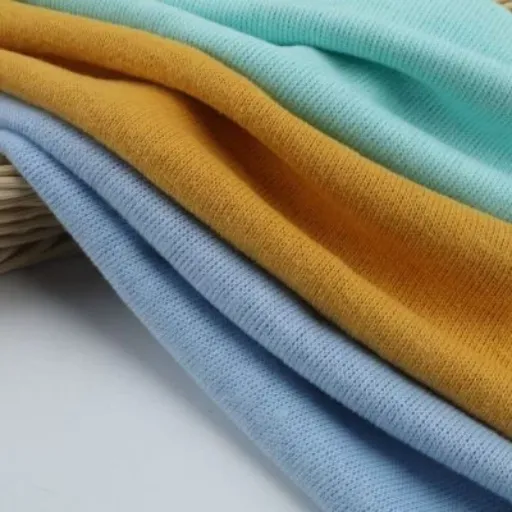
Cotton fabric has been a favorite for a very long time in the textile industry. One of the main reasons for its popularity is its breathability. The air can circulate in and out of the fibers of cotton with great ease, thus, keeping the body cool and dry, which is very important for the hot areas and for people who lead an active lifestyle. Notably, the Cotton Incorporated Lifestyle Monitor states that cotton for its comfort and softness is still preferred by more than 80% of the world’s consumers.
Next to breathability, the hypoallergenic nature of cotton is another major reason why it is so widely used.and this also makes it suitable for persons with sensitive skin or allergies. Synthetic fibers are mostly the source of skin irritation, but cotton very seldom when the skin, hence, it is a safe and comforting alternative for both adult and children clothing, bedding, and baby product.
Benefits of Polyester Fabric
Polyester fabric has become extremely popular because of its excellent durability, versatility, and the fact that it can be used in various applications. Natural fibers, in contrast, are not very durable; stretching, shrinking, and wrinkling are the very things that polyester is able to resist because it is synthetic. As of 2023, 54% of the global fiber production is attributed to polyester, which is one of the most used materials worldwide. It is the very character of its structure that accounts for its strength, thus, it will be long-lasting even when used in tough conditions.
Another major benefit of polyester is that it conducts moisture very well. Therefore, it is the primary choice for activewear and outdoor gear, as it effectively draws sweat away from the skin, thereby keeping the wearer dry and comfortable. On the other hand, its low absorbency means it dries quickly which adds to its convenience and practicality. Moreover, polyester shows great color retention as it does not easily fade even when exposed to sunlight or when washed repeatedly.
Comparing Durability, Comfort, and Sustainability
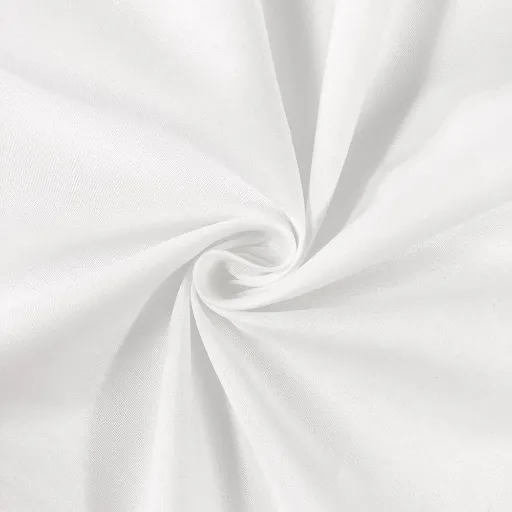
Durability: Cotton vs. Polyester
It is during the durability comparison of cotton and polyester that the differences are magnified enough to even accommodate different uses and preferences. Polyester is a synthetic fiber that is very carefully created for its hardness and durability. Its filaments are all the time difficult to be stretched, shrunken, or worn out, thus making it very suitable for outdoor gear, athletic wear, and upholstery where long-lasting performance is highly critical. Without losing shape or structure, polyester garments can go through several washing and drying cycles and thus they are longer lived than cotton in the end since they do not undergo a hard wearing process like cotton.
Important Note: Contrary to that, cotton is a natural fiber that is always considered the top choice in terms of softness and comfort but unfortunately lacks the durability that polyester has inherited. Cotton fabrics become less and less resistant over time depending on how often they undergo washing and drying. Furthermore, cotton is more likely to pill, fade, and shrink. Data shows that after about 50 washes, cotton clothing is likely to have lost up to 20% of its tensile strength while polyester’s strength drops only by 10%, retaining approximately 90% of its original strength during the same time span.
Comfort Levels of Cotton and Polyester
When the major issue is comfort, cotton and polyester add to each other and also offer different experiences thanks to their respective properties. Cotton is very soft and breathable and these are the two properties which explain why it is the favorite choice for making clothes especially in hot weather areas. The air circulation is better due to the natural fibers and a cooler body as well as less sweat are the advantages of this feature. Also, cotton is not allergy-causing thus anyone with sensitive skin can wear it without any problem. Studies have it that the consumers are usually rating cotton very high concerning comfort due to its flexible and soft texture.
In contrast to that, polyester is purposely made to be very light and to resist moisture. Not-too-distant technology developments in the textile industry have led to great polyester blends that are prepared for the job of pulling moisture away from the skin. It is very much true that some athletic fabrics do consist of polyester blends and they can dry 50% faster than cotton. Polyester may however not be as soft as cotton for day-to-day wear and may also be more heat-retaining over a long duration of wearing thus, definitely not preferable in a hot weather condition area.
Practical Applications of Cotton and Polyester Blends
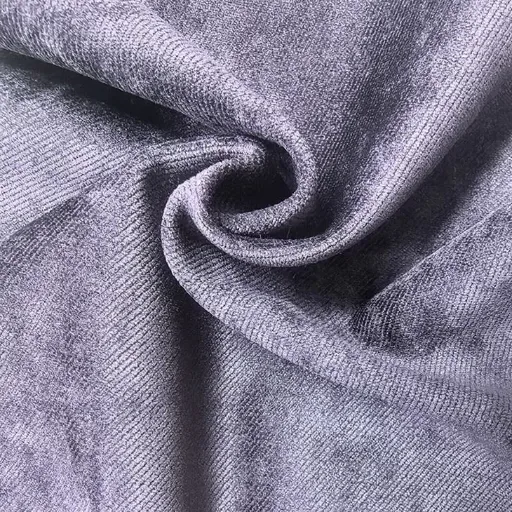
Fashion Industry Trends: Cotton-Polyester Blends
The fashion world has cotton-polyester mixes as its main material because of their wide application and the conjunction of their pleasantness, sturdiness, and versatility. A study conducted in recent times suggests that the overall clothing industry will be developing at a compound annual growth rate (CAGR) of 5.1% during the years 2023 to 2028, and it will be partly due to the blended fabrics like cotton-polyester whose participation will be more than just nominal. These mixes made their way to the top of the list in quite a few different classes of garments including casual delights and performance outfits because they carry the cotton’s breathability and softness along with the polyester’s strength and wrinkle resistance.
The increasing popularity of activewear and athleisure has been another factor that propelled the use of cotton-polyester blends. Data shows that searches on terms such as “cotton-polyester activewear” and “sustainable fabric blends” have remarkably increased over the last year, reflecting the consumers’ inclination towards materials that are functional and comfortable. When talking about main brands, they are utilizing these blends for creating sport-specific apparel because of their moisture-wicking and quick-drying properties.
Home Goods: Choosing the Right Fabric
It is very important to think of the fabric’s durability, comfort and aesthetics while making the choice of materials for home goods like upholstery, curtains or bedding. People still choose cotton-polyester blends because they are durable and easy to clean. The mix consists of cotton’s softness and ability to breathe plus polyester’s strength and resistance to wrinkling all in one. Recent statistics reveal that around 60% of upholstery fabric on the market that is combined with synthetic fibers such as polyester is due to the fact that it enhances the fabric life and makes it able to withstand daily wear and tear.
Blending polyester or linen with lightweight fabrics is a smart choice for curtains because it ensures that the room gets enough light and air besides being fashionable. Polyester curtains are a good example of this because they are fade-proof and the maintenance is also easy so they can be used in areas that receive a lot of sunlight. On the other hand, top-notch cotton-linen blends might not be able to let in as much light but they sure bring a natural and elegant look to the living areas.
Reference Sources
-
Merchize:
- Article: Polyester vs. Cotton: Which is Best for Your Business?
- This source discusses the characteristics, benefits, and applications of both cotton and polyester, making it a great reference for understanding their target audiences.
-
Printful:
- Article: Guide to Cotton, Polyester, and Blended Fabrics
- This guide provides a detailed comparison of cotton and polyester fabrics, including their properties, uses, and appeal to different consumer groups.
-
Iconic Apparel House:
- Article: How to Define Target Audience for Clothing Store?
- This resource offers insights into identifying and understanding the target audience for clothing, which can be applied to cotton and polyester products.
Frequently Asked Questions (FAQs)
What is a cotton polyester blend and why is it fashionable?
A cotton polyester blend is a commonly used term for cotton poly or polycotton blends consisting of fibers derived from cotton and synthetics such as polyester. These blends are produced primarily for their comfort, softness, and absorbency of cotton, alongside the robustness and low maintenance characteristics of polyester.
What’s the main characteristic differentiating cotton and polyester fabrics?
Origin and performance are the two areas where cotton and polyester diverge the most; cotton is derived from an eco-friendly source providing the top-grade softest, absorbent and comfortable fabric in the form of organic cotton while polyester is portrayed as strong in shrink-resistance, quick-drying, and stretching-resistance. The choice of fabric becomes a matter of personal preference based on softness and breathability versus durability and easy care.
Is it cotton or polyester that is better for t-shirts and hoodies?
For t-shirts, cotton t-shirt lovers appreciate soft and absorbent fabric whereas polyester and cotton blends are the choice for durable, low-maintenance tees, and performance hoodies. A blend containing polyester and cotton can truly be the optimum fabric for casual wear since it unites comfort and durability plus wrinkle-resistance and no-shrink qualities of cotton apparel.
What is the recommended care for cotton polyester blends to maintain their nice appearance?
Care for garments made of cotton and polyester blends by washing them with cool or warm water, by avoiding drying at high temperature, and preservation of the cotton quality through the use of gentle detergents. The blend gives maintenance benefits compared to pure cotton and since polyester is not easy to shrink, mixed fabrics tend to be tolerant during the regular wearing and washing process.
Are poly-cotton blends really more eco-friendly than pure cotton?
Sustainability is very much contingent on production: sustainable, organic cotton, and long fibers such as pima cotton lessen the environmental impact, while polyester, a petroleum-based synthetic fabric, is made from fossil fuels. When combined, recycling of fabrics can get complicated but using options that have recycled polyester or certified sustainable cotton can offer an eco-friendly cotton-polyester blend fabric.