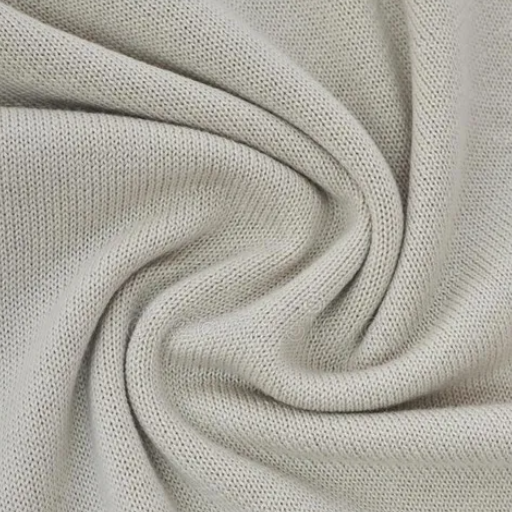
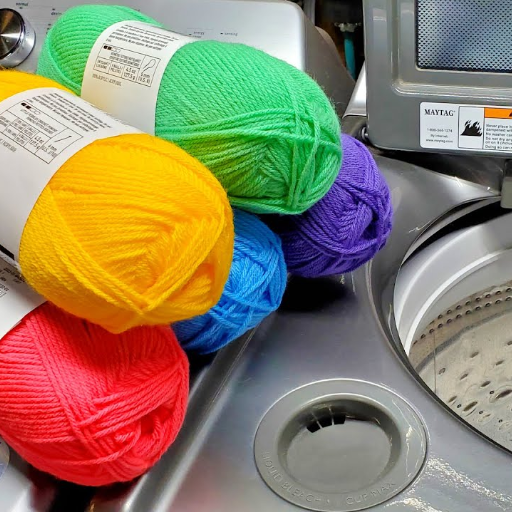
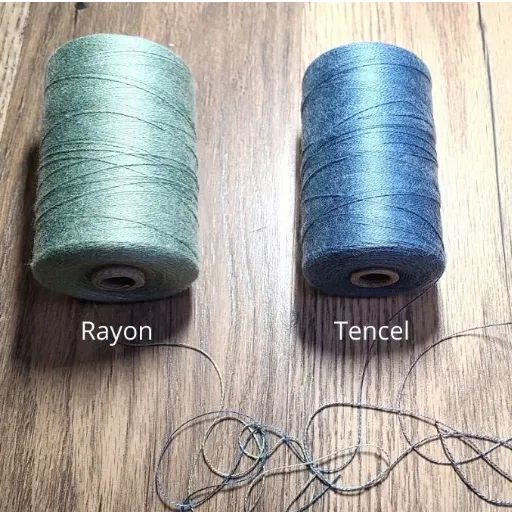


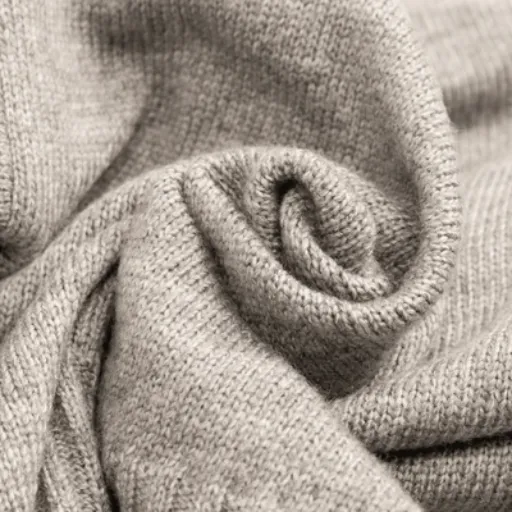
Acrylic fabric is one of the most outstanding and long-lasting materials that has won a lot of love from the designers, crafters, and DIY enthusiasts and is still a favorite among them. Its tough nature, lively colors, and velvet-like feel are all reasons why one can only highlight acrylic fabric as the appropriate choice for a wide range of applications from warm clothes to elegant home furnishings. However, what actually differentiates acrylic fabric from its peers? In case you are the one looking for the top fabric for your next project or just want to know more about it, this article is for you as it unfolds all the secrets of buying acrylic fabric in meters.
Overview of Acrylic Fabrics

What is Acrylic Fabric?
Acrylic fabric is a type of synthetic textile which is produced from polymer fibers that are made from acrylonitrile, a chemical compound used in numerous industrial processes. The fabric was developed to imitate the properties of natural wool but it became even more popular because of its excellent durability and versatility. Its low weight, resistance to creasing, and its retention of bright colors are some of the characteristics that have made it a favored material for various applications from apparel to furniture.
New findings indicate that acrylic fabric has a long life and resistance to fraying which makes it a good choice for demanding applications such as patio furniture protection and activewear. It is also impervious to water and dries fast which gives a reason for its use in swimwear and performance apparel. Moreover, acrylic fibers can be mixed with other materials such as polyester or cotton to improve their quality and function.
History of Acrylic Fibers
The first invention of acrylic fiber can be traced back to DuPont, a synthetic materials pioneer, who was working on it in the 1940s. In 1950, the company launched “Orlon,” the trademark under which it marketed the fiber. It then came to be accepted as a faux wool for its blending properties and its affordability compared to the wool competitors. The rapid growth of acrylic fibers was supported by technological innovations and the fact that the material was suitable for fast and large-scale production making it cheaper for consumers.
These days, advances in spinning, dyeing, and other techniques contributed to the commercialization of acrylic fibers with a wide range of applications. The 1970s saw the fiber being embraced by both the clothing and home textiles sectors. Based on historical data, the production of acrylic fibers worldwide had doubled to about 6 million metric tons by the end of the 20th century, with Asia being the main production area, especially in China and India.
Production Process of Acrylic Fabrics

Raw Materials Used in Acrylic Fiber
Acrylonitrile, a chemical compound obtained from propylene, which in turn is a byproduct of oil and gas refining, is the main raw material for acrylic fiber production. This compound has a minimum of 85% share in the making of acrylic polymers and at the same time it is responsible for their characteristic properties like good durability, resistance to sun, and light-weight. Some co-monomers, like methyl acrylate or vinyl acetate, are frequently added in very low quantities (5-15%) to improve certain characteristics, such as softness and dyeing.
The global demand for acrylonitrile has been steadily increasing, supported by its wide application, including acrylic fibers, as per the latest information from Search in 2023. It has been reported that almost 40% of the total global production of acrylonitrile is directed towards the textile industry for making acrylic fibers. Besides this, the progress in production techniques and the implementation of recycling programs are making the environmental impact of these raw materials lesser, thereby making acrylic fibers more environment-friendly in comparison to other synthetic fabrics.
Acrylic Fibers Manufacturing Methods
Wet Spinning
Wet spinning is the predominant technique used, especially for mass production. The copolymer is dissolved in the solvent, preferably dimethyl formamide (DMF) or other suitable organic solvents, and is subsequently extruded through spinnerets into a coagulating bath. This bath results in the solidification of the polymer solution which then takes the form of fibers. Wet spinning is preferred because it is capable of producing very fine and uniformly textured fibers.
Dry Spinning
In the dry spinning process, the polymer solution is first dissolved in a volatile solvent, e.g., acetone, and then the spinnerets through which the solution is passed are placed inside the chamber where the solvent evaporates. Although this method is less frequently used, it allows the manufacture of certain fiber grades with distinctive properties. Dry spinning innovations are centered around the recovery of solvents to make the process greener.
Key Characteristics of Acrylic Fabrics

Durability and Strength of Acrylic Fabrics
Acrylic fabrics are known for their extraordinary durability and strength, and thus they occupy a special place among the wide-range applications of materials from clothing to outdoor furniture. Acrylic one of the most significant advantages is the resistance against wear and tear to which the life of the product made of this material gets prolonged. On average, the tensile strength of acrylic fibers falls between 2.0 grams and 3.0 grams per denier that show they are very strong and durable by nature.
Moreover, acrylic has top-notch resistance to environmental factors such as ultraviolet light and moisture. As an example, research shows that acrylic fabrics are able to retain as much as 90% of their original strength even when subjected to direct sunlight for long periods of time, thus making them perfect for outdoor use. Acrylic, unlike many natural fibers, is also mildew and mold resistant which adds to its durability in wet or humid conditions.
Color Retention and Dyeing
Acrylic fabrics are acknowledged for their great color retention and therefore they are frequently used, in among others, areas where the light and strong colors are of utmost importance. Thanks to their peculiar chemical structure, the acrylic fibers are able to absorb the dyes during the production process very effectively and thus the coloration is very deep and uniform. In particular, the case of solution-dyed acrylic fibers, which is the method wherein color pigments are added during fiber production, can be considered as the best one in terms of resistance to fading.
This amazing property of acrylic fabrics recommends them for outdoor furniture, the production of awnings, and marine applications where UV would be very high and the acceptance of the factor as a concern is not very pronounced. Moreover, the process of dyeing has come a long way and, through the application of advanced technology, it is now possible to get acrylic fabrics in the widest range of hues and patterns that different industries might demand and the liveliness and the duration of the color would be the same throughout.
Benefits of Acrylic Fabric Compared to Other Fabrics
Comparison with Natural Fibers
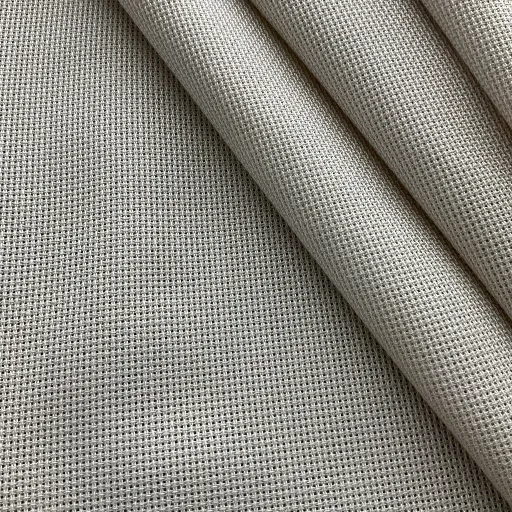
Acrylic fabric has several advantages over and considerations with regards to its comparison with cotton and wool, which are the most common natural fibers. One of the main characteristics of acrylic fabrics is that they are intended to be weather-resistant and strong compared to natural materials. For instance, the natural fibers like cotton, despite being breathable and soft, will eventually absorb water, thus leading to the growth of mildew in outdoor areas.
Furthermore, the resistance of acrylic fabrics to color loss is much greater than that of the natural fibers. Cotton and wool products can lose their colors or suffer from quality degradation when placed outdoors for a long time, while acrylic fabrics have been developed to be strong against UV radiation and preserve their bright colors for longer. For example, research has indicated that high-grade acrylic fabrics maintain up to 90% of their initial color saturation after 1,000 hours of UV light exposure, while cotton fabric has the tendency to lose 35-40% of its color under similar exposure conditions.
| Fabric Type | Color Retention After 1,000 Hours UV Exposure | Water Resistance | Mildew Resistance |
|---|---|---|---|
| Acrylic | Up to 90% | High | Excellent |
| Cotton | 60-65% | Low | Poor |
| Wool | 70-75% | Moderate | Moderate |
Economic Benefits of Acrylic Fabrics
Acrylic fabrics are a major source of economic benefits in every sector of the economy from manufacturing to the market. Cost-effectiveness is one of the most important of these benefits. Acrylic fibers, though not as cheap as cotton, can still be produced at a lower cost than natural fibers like wool, while still being as soft and warm. Recent data from the industry indicate that the production of acrylic fibers globally is expected to increase at a CAGR of about 4% from 2023 to 2028, which will be mainly due to the use of acrylic in the markets of apparel, home furnishing, and outdoor products.
Moreover, the fact that acrylic is a lightweight material also means that it incurs lower shipping costs, hence this is a very economical choice for both the manufacturers and the retailers. There are reports suggesting that in countries with a huge textile industry like China and India, acrylic is becoming more and more popular because of its capability of being transformed into low-priced but good-quality textiles that would be suitable for a wide array of products.
Common Uses of Acrylic Fabrics
Fashion and Apparel Applications
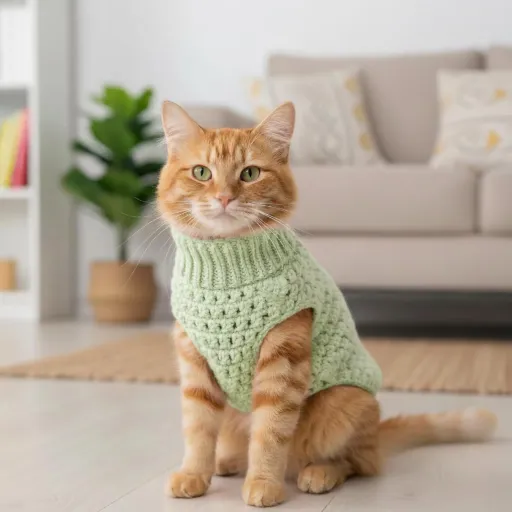
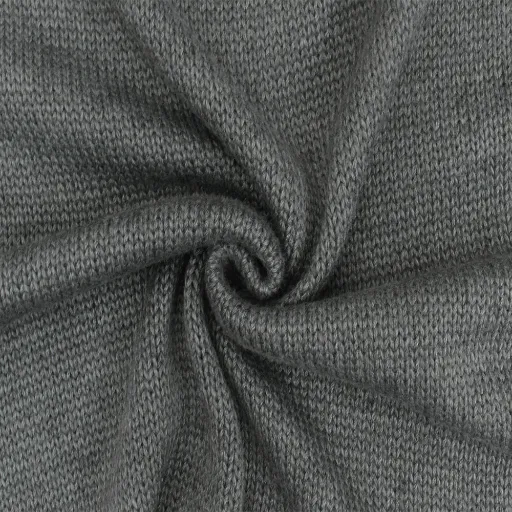
Acrylic textiles have guaranteed their stronghold in the world of fashion and apparel because of their wide use and low price. Besides being extremely similar to wool in feel and softness and having excellent color retention, the acrylics are also the number one choice for producing a variety of garments, such as sweaters, scarves, socks, and coats. In addition to being used in the textile industry and keeping their advantages for the end consumer, they are famous for being very light, which allowed layering and manufacturing in larger quantities while still being warm and comfortable.
Lately, the demand for synthetic fabrics like acrylic has been on the rise, according to market trends. Fortune Business Insights cites that the global acrylic fiber market was worth about $4 billion in 2022, and the market is expected to grow at a steady pace until 2030, mainly due to the fashion industry and home décor materials. Currently, designers and brands associated with fast fashion depend on acrylic to a great extent for being able to imitate different types of natural fibers, produce vivid, long-lasting colors, and even bring through new innovate designs without a big hike in cost.
Popular Acrylic Apparel Items:
- Sweaters and cardigans
- Scarves and winter accessories
- Socks and hosiery
- Coats and outerwear
- Activewear and tracksuits
- Hats and beanies
Home Decor and Upholstery
The choice of acrylic fabric for home decoration and upholstery is mainly due to its durability, flexibility, and low cost. Acrylic, being known for its resistance to wear and tear, finds its way into creating furniture coverings, throw blankets, and decorative pillows that are able to take the daily usage. The fabric’s ability to look like nature’s finest, such as wool, is an attractive feature for consumers who are looking to decorate their homes without spending a fortune.
One of the major attractions of acrylic in upholstery is its capacity to resist fading that results from exposure to sunlight. A series of experiments has recently been done on this topic, and the conclusion is that acrylic fabric can keep its bright colors and strength for a very long time, which is the reason why it is being used as the perfect material for both indoor and outdoor furniture. For instance, Sunbrella, a brand that leads the market in performance fabrics, takes advantage of this property of acrylics and uses them to produce furniture fabric that lasts long and is resistant to weather changes for patios and gardens.
Reference Sources
-
ModaKnits
- Title: “Acrylic Fabric – Qualities, Uses, and Sustainability”
- URL: modaknits.com/acrylic-fabric
- Why it’s reliable: This source provides detailed insights into the characteristics, applications, and environmental impact of acrylic fabrics, making it a valuable reference for understanding their versatility and market relevance.
-
PubMed Central (PMC)
- Title: “Recent Advancements in Acrylic Fabric Applications: A Comprehensive Review and Future Trends”
- URL: pmc.ncbi.nlm.nih.gov/articles/PMC11314402/
- Why it’s reliable: This peer-reviewed article discusses the technological advancements, functionalization, and future trends in acrylic fabric applications, offering a scientific perspective on its feasibility and innovation potential.
-
LinkedIn Pulse
- Title: “United States Acrylic Fibers Market By Application | Trends & Size 2026-2033”
- URL: linkedin.com/pulse/united-states-acrylic-fibers-market-application-trends-o7uke/
- Why it’s reliable: This market analysis highlights the growth, applications, and emerging trends in the acrylic fibers market, providing a business-oriented perspective on its feasibility and demand.
Frequently Asked Questions (FAQs)
What is the position of acrylic textile in relation to wool and other fibers?
The acrylic textile has been created to imitate the wool in texture and appearance but is at the same time lighter and less expensive in general. Acrylic is not a natural fiber like cotton or linen but counts among synthetic fibers and thus it has the characteristics of polyester and nylon. It is resistant to moths and dries quickly; however, it can still be a problem due to pilling and its highly flammability compared to wool unless treated for flame retardancy as in case of blends with modacrylic being employed for protective clothing.
Will I be able to get acrylic knit fabric by the yard for my clothing projects?
Definitely, various fabric shops and online fabric sellers offer acrylic knit fabric sold by the yard, which is appropriate for clothing fabrics like tracksuits, sweaters, and leggings. The acrylic knit is a good choice for making garments that require both stretch and warmth; likewise, acrylic yarn in different weights and colors can also be found for both hand and machine knitting projects.
Are acrylic yarn and filament safe concerning flammability and use in protection?
Generally, the case of acrylic yarn and filament is such that they are more flammable compared to many natural fibers, however, the modacrylic variations provide a better flame retardant ability and therefore, they are used for protective clothing and wigs where flame resistance is required. In scenarios that need stringent fire performance, treated modacrylic or acrylic substitutes have to be considered.
What are the most common usages of acrylic fiber in clothing and household textiles?
Among different usage of acrylic fiber is its application in the manufacturing of garments such as knitted garments like sweaters, jogging suits, hats, and scarves, as well as in making blankets and providing vibrant and soft outdoor upholstery and awning fabric. In addition to this, acrylic is also used as a carbon fiber precursor in industrial applications and its filament properties are the reason behind its use in hair extensions and wigs.