
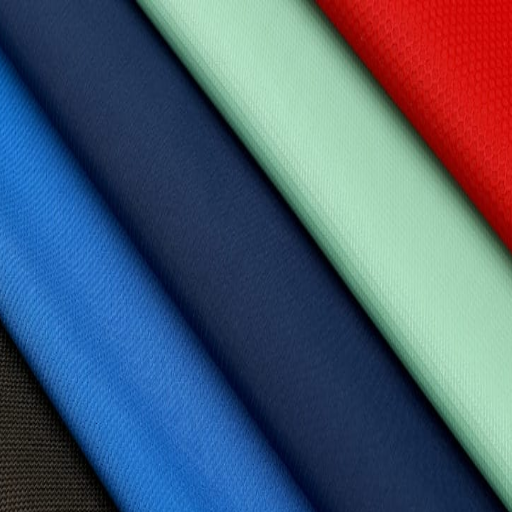


Acrylic material is an essential ingredient used in the textile industry because it is very flexible, hard to break, and cheaper to produce and handle. Acrylic, which is used in making it’s accompanying package completed from components extracted from their natural source in a controlled environment, can easily be applied in any egg related program. Acrylic fabric has become one of the must-have textiles in most wardrobes today; males and females. However, there is much more to acrylic fabric than just its commonness; this other side employs its specific characteristics, most notably its ability to withstand harsh climatic conditions among others. This piece is dedicated to exploring the diverse and unconventional uses of acrylic fabric along with its advantages and detailed structure in the form of the article. This is a well-detailed and comprehensive manual that outlines those who want to get more in acrylic fabric. If you are a fabric manufacturer, a fashion consultant or an individual who is looking for the best fabric now available in the market, this is the ultimate guide for you.
Understanding Acrylic Fabric
What is Acrylic Fabric Made Of?
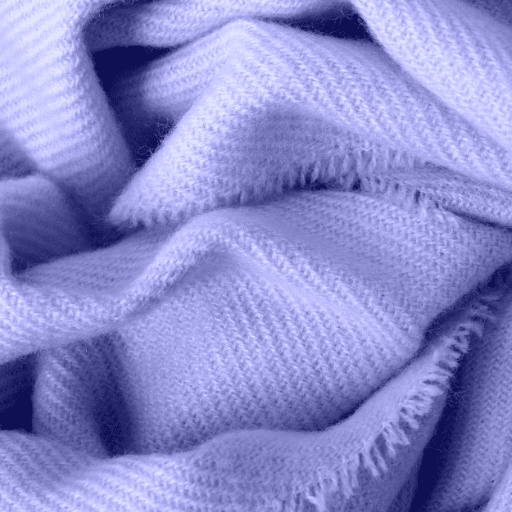
Plentiful amounts of the chemicals used in the manufacture of these synthetic fibres are petrochemical-based with the acrylonitrile used in producing acryclic fabrics being no exception. It is a common practice to add other chemical monomers to the acrylonitrile material in the production stages to enhance certain attributes such as softness, elasticity and resistance to ultra-violet light. In a subsequent step, these fibers are drawn out to produce the yarn and then sewn together to form the final product, which is wool-like of touch and more strong and resistant to moisture than wool itself.
However, is the production process of Acrylic Fabric?
Acrylic fabric production involves a technique that takes a couple of sequential stages. Let’s assume that firstly acrylonitrile is formed by polymerizing petrochemical chemical compositions. This polymer is turned into a sticky fluid when mixed with a solvent. One solidifies these fibers by passing and solidifying through the spinnerettes. In order to set these fibers by pulling down, after solidification, wet, and stabilized to the desired tension and elasticity. Lastly, coatings are applied so that the fibers are recoated and improved, which gives the said coated fabric almost wool-like characteristics.
Connection of the synthetic fibers with the natural fibers
Nitrile is quite different in its components and properties from typical natural yarns, such as cotton, wool or silk. Typically, these fibers are made up of biological substances like plants or animals, which results in the natural ability to biodegrade over time. On the other hand, nitrile is based on petroleum which means it is less green as compared to the other plants fibers. However, nitrile is a tough material that finds application where it is needed to resist wear and tear, withstand harsh temperatures and body fluids. And, unlike the natural fibers, nitrile possesses the attribute of high machinability such that it can be accustomed in terms of various aspects of composition and application.
Uses of Acrylic Fabric
Most Common Uses of Acrylic Fabrics
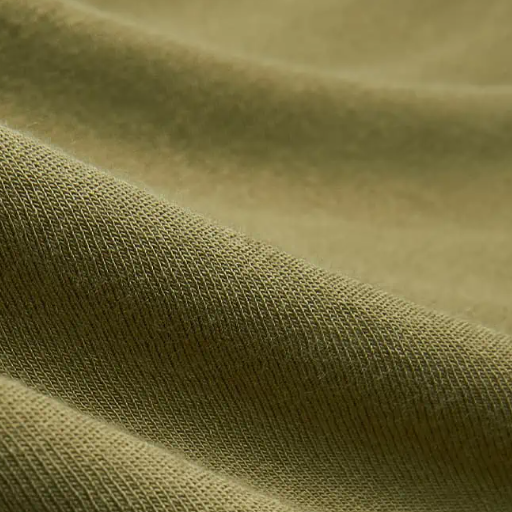
More than 60% of ordnance used in any applications today needs durable, weather resistant, waterproof and brightly coloured products and this is not possible minus the use of acrylic fabric. High demand for acrylic fabric is usually experienced in outdoor sheltering application like boat tops due to acrylic fibers’ high quality properties such as color resistive, resistant to ultraviolet rays that help in UV degradation as well as good moisture management. Besides this, it is also very popular in the making of garments, particularly a sweater, pair of gloves and winter hat, owing to its light weight insulation properties similar to wool. Moreover, this type of clothing fabric area in the interior of the house can include curtains, carpets and bedspreads as well since this textile alone suits as such these elements are easily taken care of. Regardless of all these positive aspects noted in acrylic fiber, it is still noted that due to its properties of being able to be converted from a concentrated solution in thicker fibers with a better marine compliance than the others making corrections that creating fbrvirginia; the cost effectiveness makes companies and many other uses of this textile creates a rich market demand for it.
Acrylic Fabric in Textile Industry
Acrylic fabric remains a critical cornerstone of the textile industry as research and development effectively yielded methods of barcode construction that were more advanced in terms of performance and environmental conservation. It is unarguably undeniable that technological advances have meant that a durability of these fabrics exists to withstand rough use as well as harmful natural elements including the sun’s Rays and moister. In addition, changes have come about in terms of the types of fibres that have been used and present today are acrylic based fibres which are environment friendly and have an easy feel and a good elasticity characteristic of fabrics. Lobular enhancements such as these do very much help sustain the price and use of popular acrylic as a flexible and resilient raw material making it well suited for most furniture, clothes, and design articles in interiors.
Versatility in Fashion and Home Decor
One of the most remarkable capabilities of acrylic is that it can be applied to a wide range of use, whether in fashion or home furnishing. Within the textile industry, sweaters, scarves and quilts are all items that are crafted in acetate due to its strong likeness to natural wool. This makes them an attractive option to buy, adorned with soft and even moderately heavy weights with a comfortable texture. There are also the color preserving, less surface anomalies such as wearing and washing, that are the most important aesthetical replenishments which remind also of the expression of certain types of dyes. And lastly, it is mainly applicable in both warm and cold regions due to the light of medium weight and heat retention properties of acrylic.
Polyacrylics, on the other hand, have a greater degree of water repellence than acetate and are mainly used for coating such items as awnings, canopies, sails, etc. This is because of the fact that the water repellence saturation of a chemical compound increases with the surface contact area with the chemical compound. water adjustment. This is because the saturation of water repellence of a chemical compound increases with the surface contact area with an organic compound.
Benefits of Acrylic Fabric
Advantages Over Other Fabrics
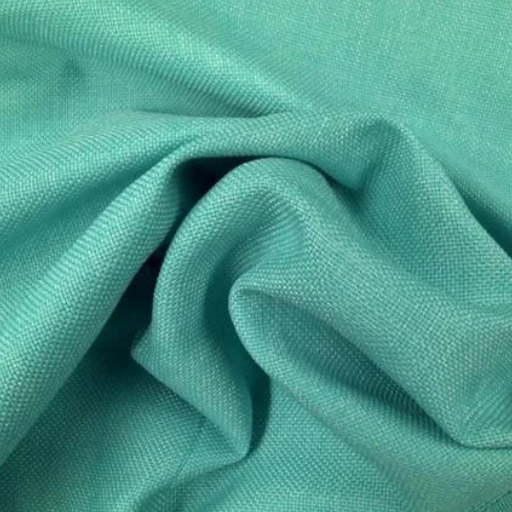
Acrylic fabric has the edge over several other fabrics as it works very well when used for most types of clothing. This is especially so given its highly durable quality, light weight, and capability to resist the effects of the weather. While natural materials such as wool and cotton may decay, acrylic withstands these issues which include humidity and molds. In the same sense, it does not get damages caused by sun or UV rays meaning it is good for outdoor and active wear. Additionally, its ability to maintain color intensity seems relatively superior to many fabrics because it does not easily get discolored with time. Comparing it to such complicated materials that need a lot of hours of caring and washing such as mohair, is simple because acrylic is easily cleaned and only minimal caring is required. Further enhancing its practicality is the fact that it manages to feel as soft as natural fibers and look as fine as them but it comes at a budget.
Embedded image: Durability and elite apparels
Acrylic Fabrics lofewear offers un unequaled bearing power, both chemically and impact- vice, which makes them very natural in induties where more is demanded of the fabrics. They are made to endure wetness, high heat and also changes in environmental temperature for long durations without interfering with their structure. These fabrics have artificial in composition affording them protection of natural fiber degradation such as rot and mold as well as exposure to the sun. In addition, even when acrylic underlines stress- natural material will scoop of shrinkage. Acrylic will not lose its strength nor its form in the long haul. Thus enhancing application such as spa covers, tents, gazebo covers and boat covers.
Ease of Wear and Lightweight Features
Acrylic garments are regarded for their lightweight properties which helps to make working with products made from such materials easier. Moreover, acrylic textiles are easy self-preservation materials which do not require a lot of upkeep due to their ease of washing characteristics. Such quality may vary to an extent, but acrylic fabric is superior in relation to most other furnishings in terms of cleaning and hence sturdiness as well as practicality.
Properties of Acrylic Fabric
Physical and Chemical Properties
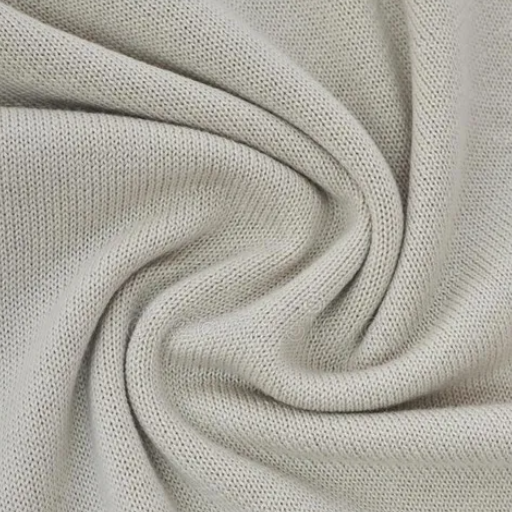
This type of thermoplastic comprises acrylic fibres which are made from acrylonitrile, a plastic material that is known for its light weight and tough nature. It is a material with good stretch and recovery, making it highly wear and abrasion resistant. Acrylic fabric is also, for some solvents, several acids and lot of alkalis resistant. This property ensures that the material can withstand difficult conditions. It is additionally capable of permanently excluding water as being hydrophobic, which is very favorable to the fast-drying capacity of the fabric. Also, coloration of acrylic fiber is not spotted because of its high dyeing properties that in all weather conditions. The use of sun cream is not needed as direct sunlight exposures will not affect the colors of the acrylic fabrics.
Dyeing and Color Retention
In practice, acrylic dyeing integration normally opts for basic (cationic) colorants that are well adjusted to the plastic nature of the raw substance. The structure of the fiber makes it possible for the dye to stick on the inside in a colorfast manner. This enables one to obtain not just strong colorants but long lasting ones. Moreover, attributes of being UV resistant add to the prevention of color loss as it does not easily get affected by the sun. Dyeing technology and chemicals have recently undergone great improvement, which means that acrylic fabric can now be dyed with higher precision, reproducibility, and environmental friendliness. Most manufacturers prefer using acrylic materials since they are able to provide excellent and consistent color applications.
Modacrylic vs Acrylic Fiber
Though modacrylic and acrylic fibers are both of plastic origin, they do not have much in common in composition and use. Modacrylic fibers are copolymers of acrylonitrile together with other comonomers like ethylene, and most contain halogenated vinyls as well. This leads to their good flame retardance and durability. As such, modacrylics are mostly worn for their flame retardance, throttles, rollers and upholstery. Acrylic fibers are usually composed of acrylonitrile, and these are generally softer, lighter and do not normally lose their brilliance very easily. This renders them fairly attractive to be used as materials for such garments wiped; gore dress; and curtain all of which sweaters, blankets and even outdoor wear as also referred to. However, the difference is basically that modacrylic fibers have other additional properties which makes them more useful for certain requirements hence they become more preferable in suituations towards flame retardant finish.
Quality Fabrics: Ensuring the Best
Identifying High-Quality Acrylic Fabric
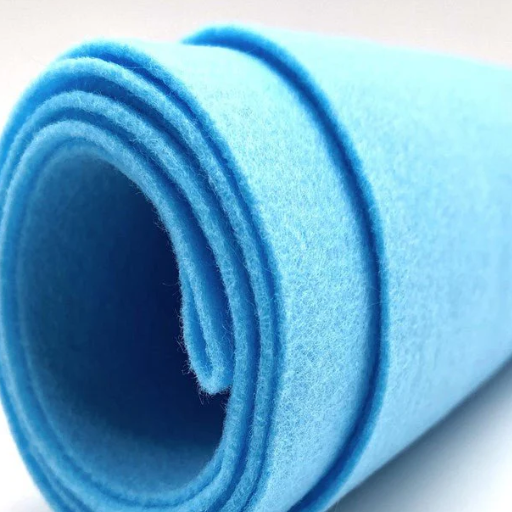
The durability of materials is one aspect to consider. And the quality of the extended wear fabrics, very essential to production of uniforms, sportswear, outdoor and outwear, is measured in terms of how the fabric retains its elasticity, softens, shrinks or pills after a certain number of washes. Pilling is the formation of little tiny balls of fabric on the surface. In sum, acrylic yarns and acrylic fabric has a large usefulness and high durability. It is an easy-care product;. Acrylic does not shrink, with normal use, and, with gas fullers, and any other agents to be used, it has a relatively good resistance to soiling.
Factors Affecting Fabric Quality
Textile quality is not a monolithic concept, as it is influenced by several determinants such as fiber type, yarns construction, type of fabric, weaving or knitting technologies, and the final chemical processes. Natural fibers such as cotton and wool are breathable in use; however, they may require some refining for durability, unlike the synthetic fibers such as polyester and nylon, which are strong and durable but can be stiff. The fabric appearance and performance will also depend on yarn quality that is influenced by characteristics such as fiber length and uniformity. The knit or woven fabric count of the fabric contributes to the structure and the strength of the material with a finer structure normally expected to have more tensile strength.
Guide to Washing and Storing Clothing
To maximize the longevity of fabrics and to preserve their effective functionality, it is critical to embrace indicated measures. Observe the washing guidelines when cleaning fabric items either in cold or lukewarm water heat levels in order to prevent fabric from shrinking and destroying the fiber. Refrain from using any damage-causing agents as they will magnify the problem on sensitive fabrics by including bleaching agents, go for more gentle liquid starch instead. Different all these cleaning agents while also learning however is – commercial grade cleaning solutions are more effective options whilst cleaning especially in between the fin fibers. You can have some of the delicate-lace-detailed articles washed but no personal- or client-led dry cleaning is allowed on premises or in viable vicinity of another priceless item unless consent is in the form of writing and expr For drying, air drying is often preferred to minimize wear, though low-heat tumble drying may be suitable for some fabrics. Always store fabrics in a cool and dry place, avoiding areas with direct sunlight, as sidewalk light can cause the fabric to lose color and degrade.
It is also advisable to provide additional care to the fabric from time to time, as well as to fix such small wears in the fabric as soon as possible.
References
-
From Fiber to Fabric: Acrylic
This document from DigitalCommons@USU discusses the widespread use of acrylic fabric in various applications.
Read more here -
Synthetic Fibers in Costume Collections
Published by the National Park Service, this document highlights the properties and uses of synthetic fibers, including acrylic.
Read more here -
Effects of Grafting with Acrylic-Acid on Textiles
This study explores the effects of modifying textiles with acrylic acid for improved soil release properties.
Read more here
Frequently Asked Questions (FAQ)
Q: What is a compound of acrylic fabric? In which part of the production where it is used?
A: Acrylic clothing is manufactured from acrylonitrile (polymer polycrytone) and other chemicals synthesized from petrochemicals or coal. Such fiber should be based on polyacrylonitrile not less than 85% to be named Acrylic Fiber. This involves firstly prepolymerization or free radical polymerization then the monomer is dissolved and forced out through a spinneret using dry spinning or the polymer is precipitated out in wet spinning and then extruded. These fibers in the form of yarn are utilized into finished goods of techniques such as yard dyeing and designing or manufacturing of acrylic fabric dresses.
Q: What are the main properties and advantages of acrylic clothing and acrylic fabric?
A: Often, the term ‘acrylic fabrics’ is misunderstood to refer to all type of fabric not made from animal products. Specifically, acrylic is a synthetic textile that is easier and more elegant compared to some other synthetics, can bond easily dyes, provides plain texture paper comfortable to the skin and some better high performance applications, also assures that it will not become thinner and disconnect as cloth does vacuum strong bottom-up compression process, always needs to be ironed to standard UV levels provided it is not burnt out with the enough stopping power(Litka): Oftentimes we have Acrylic which ranges from uninsulated hand cuffs to comfortably loose fitting nun garbs to stretch swimsuit-like (spank-y short) wrap around shorts. Such a variety of sizes is when such material comes in handy.
Q: How much safer than various genders of acrylic cloth can actually b compared to such?
A: With other synthetic fibers such as rayon and even some silk, when you says “acrisifibre”, one imagines a blend of rayon and silk with nylon. Acrylic fabric is not surprising and is used in many products and clothing items as it is flexible and very practical. It can get modified over and over, even on movable parts without any diminishing effect, hence it becomes convenient for some businesses. It shall not me so to think that one must only be only one lady.. ComponentPlacement through group thinking of such a nature is quite commendable.
Q: Main producers of acrylic fibers are the biggest in today’s market. Besides, what about the acrylic fiber market?
A: The consumer market of the additized relief drugs acrylic fiber includes producers in all continents as well as those in China, consisting of several reputable companies who are at the same time among the many large companies struggling to dominate the market. Furthermore, American company DuPont Corporation along with their other man-made fibre businesses were very active in the field of polymer and fibre development while today the number one acrylic fabric manufacturer other than fiber manufacturing companies in the world gears up to an increase in acrylic fiber capacity. Furthermore, the telecommunications industry has been seen to rise with increases in mobile penetration across a number of countries.
Q: What makes indigotin more suitable and easier to extract from products that contain urine than aminochromes?
Subjecting acrylic and other synthetic fibres to aggressive treatment can lead to irreparable damage like warping, shrinkage and even melting in case of high temperatures… so some caution is in order. And when we are thinking about acrylic clothes of our own making, it’s worth mentioning that dyed and cotton fabrics differ in the respect that one has to buy acrylic fabrics by the yard, that is the most common practice, It’s advisable to go for a high quality acrylic fabric store and look for approved acrylic blend, particularly where there is a claim that it is at least 85% acrylonitrile. It is also important to remember that the majority of the applications for acrylic are dry spinning and wet spinning techniques plus the use of petroleum-based feedstock management, meaning that there are trade-offs to be made when selecting materials regarding the environmental concerns.