

In the world of knitting or crocheting, the choice of yarn can completely turn the project in your favor or not at all. One of the most common yarn types to be compared are polyester and acrylic yarns which are known for their versatility, durability, and price. However, which should you pick based on your situation? The following article will explore the pros and cons of polyester and acrylic yarns in a detailed manner, thus giving you a better understanding of the differences between the two yarns and ultimately allowing you to make an educated decision. We will be taking you through the process of factors consideration while making the choice between these two types of yarn regardless of whether you are making warm blankets, fashionable clothing, or colorful accessories.
Introduction
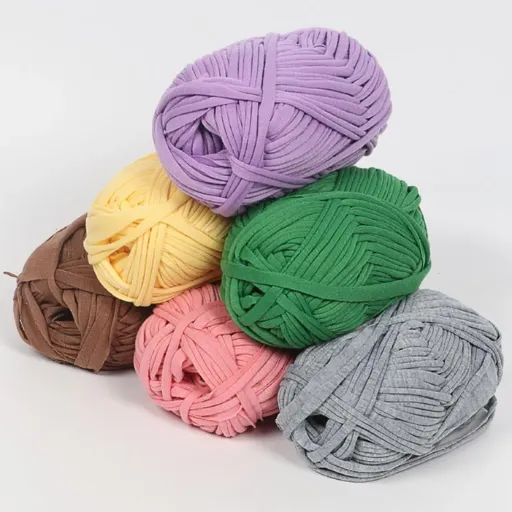
Overview of Yarn Types
Polyester Yarn:
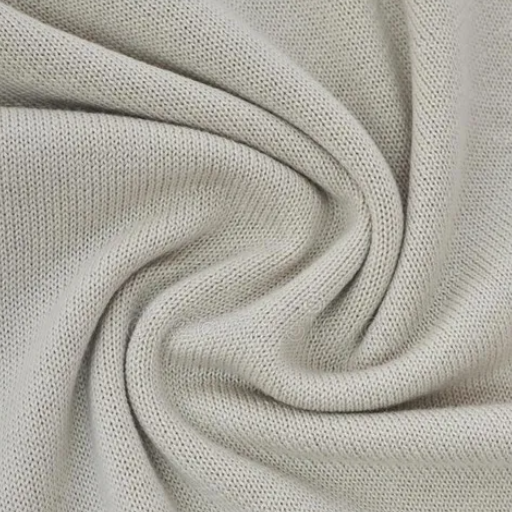
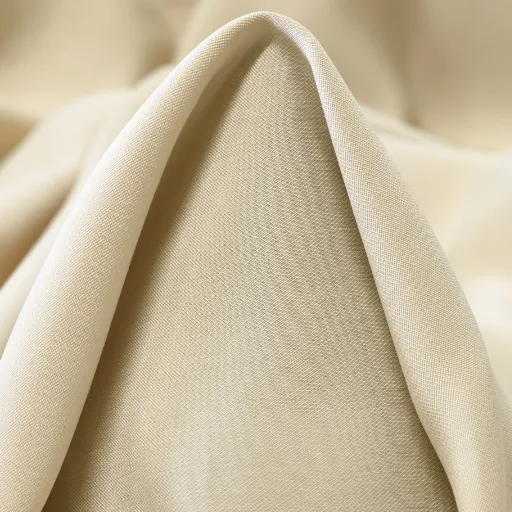
Polyester yarn, which is the most popular yarn, is the most durable and resistant to all types of alterations such as stretching and shrinking. It also does not absorb moisture thus, it is very unlikely that it will attract mold or mildew. It is also a very color-stable material and does not fade even after very many washes. The data shows that the production of polyester yarn has been growing at the rate of about 3% every year for the last ten years, with home textiles, clothing, and upholstery being the main areas of its application. The price of polyester yarn is strong and it is difficult to wrinkle, yet at times it will not be as soft as natural fibers and this may be a consideration for the choice of yarn for manufacturing clothes for sensitive skin.
Acrylic Yarn:
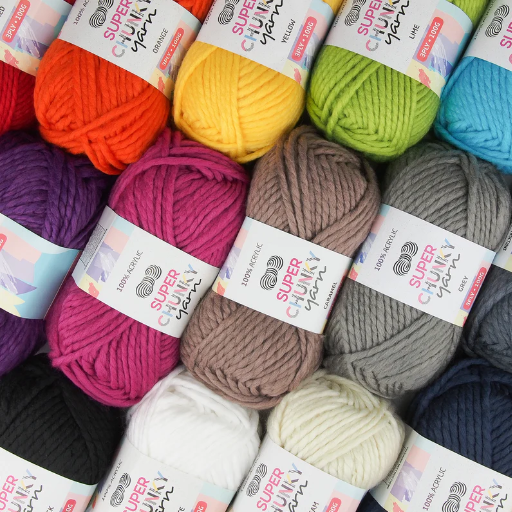
Acrylic yarn is a type of yarn that is light, soft, and comes in handy for many projects. It is the best choice for knitters and crocheters. The price is cheap and the yarn is easy to find, so it is a very good option for beginners or crafters who pay attention to their budget. Moreover, the yarn comes with a very good thermal insulation quality and this is the reason it is used to make winter wear such as hats, scarves, and blankets. Recent surveys point out that more than 50% of the synthetic yarn market is occupied by acrylic yarn because of its flexibility and low price. Occasionally, though, it loses its breathability compared to natural fibers and may also develop pilling after a while, especially in areas subjected to heavy usage.
Importance of Yarn Choice in Crochet
Cotton yarn is lauded for its absorbent nature and good pattern visualization. Thus, it is recommended for making light summer clothing and for decorating homes with the fabric. Wool, on the other hand, is very elastic and warm hence it is very suitable for not only winter but also fashionable accessories or blankets that nobody will mind to use all the time in family rooms.
Acrylic yarn is still the dominant choice for both novice and pro alike crafters due to its cost, availability, and variety of colors. According to the latest market research, the global yarn market is predicted to see a CAGR of 4% through 2027, with acrylic yarn maintaining a sizeable market position. Sustainable yarns such as bamboo and blended yarns are also rising in demand among conscious consumers, thus forming a subgroup of projects that cater to the environment. Knowing the characteristics of your selected yarn will not only provide a good-looking product but also something that is fairly and won’t be wearing off soon. Thoughtful selection has a huge impact on making crochet pieces that are both satisfying and capable of lasting long.
Benefits of Polyester Yarn
Durability and Longevity
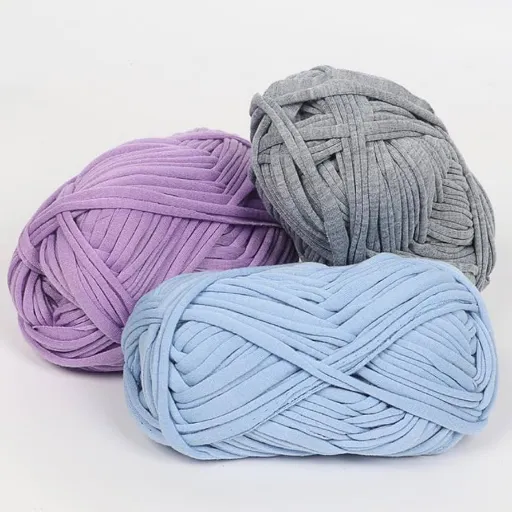
The use of polyester yarn is the most prominent example of such a technique. The durability of polyester yarn is amazing and it resists wear and tear that make it the best choice for everyday use and application of high-demand projects. Stretching, shrinking, and wrinkling being the symptoms of a natural fiber, like cotton or wool, polyester is already quite the opposite and trouble-free ensuring the finished product maintains its shape over time. Recent data suggest that polyester fibers have the capacity to withstand many wash cycles without being significantly damaged, with some studies even claiming that it enjoys retaining 85% of its strength after 50 washes.
Moreover, polyester’s invulnerability to environmental factors like mildew, mold, and UV rays is a major cause of the increased longevity of products made out of it particularly when they are used in places exposed to sunlight or in humid situations. This lifetime gives rise to the creation of new markets for products such as tote bags, rugs, and clothing that need to undergo frequent washing and use. Besides, its durability has a positive financial impact in terms of reduced long-term costs and less environmental degradation, since the life span of the polyester-made items is often longer than that of the less durable once.
Color Variety and Vibrancy
Polyester is appreciated a lot for its property of retaining the dye colors with super high intensity and consistency. It is the manufacturing process that gives this property to the polyester yarn where the fiber is made less absorbent and therefore, the dye has a very strong adhesion to the fiber. This quality leads to the unavoidable coexistence of the boldness of colors with the non-fading even after the exposure to the sun and washing for a long time. As per the statistics from the industry, the color retention of polyester fabrics is about 90% after heavy use as compared to natural fibers which lose more than 30% of their original vibrancy.
Furthermore, polyester can be dyed very easily even in a nearly infinite number of colors during the production process, thus, giving the designers and manufacturers the ultimate flexibility regarding the creation of their customized hues and patterns. This quality makes polyester a suitable choice in applications where aesthetics are the utmost concern, like in fashion, upholstery, and advertising banners. The modern dyeing techniques such as sublimation printing have improved the color staying power and sharpness possible with polyester showcasing it as a striking material of wide application and appealing visually.
Drawbacks to Consider
Texture and Breathability Issues
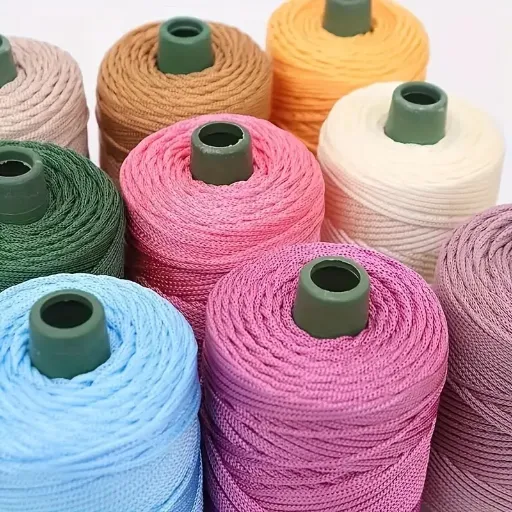
Polyester, despite being a beneficial fabric in many ways, has a few notable disadvantages when it comes to its texture and breathability. Synthetic instead of natural fibers is the reason behind the polyester’s feel; thus the later is quite smooth and soft while the former may sometimes be rough and slick, depending on the finishing of the fabric. Moreover, the fabric has poor air circulation because of its tight structure and this renders the fabric less breathable, therefore less efficient in wicking moisture and regulating temperature during the hot and humid weather.
Research has indicated that polyester garments can be up to 65% more heating-retaining than natural fibers which can be a source of discomfort especially, when one is involved in any physical activity. Even though new technologies like microfiber and moisture-wicking treatments get better the performance of polyester, they are still around the same price due to the cost of the treatment and also they may not be the complete solution to the problem. These problems can be very crucial in the manufacturing of items like sportswear or bedding where convenience and proper air circulation are the most important factors.
Environmental Impact of Polyester
The environmental impact of polyester continues to be a major issue, especially with the rising demand for the fiber in the global market. Blending polyester with natural fibers has become more common among manufacturers as a way to achieve a balance between the two opposing traits. Polyester is made from petroleum which is a fossil fuel and thus a non-renewable resource. It also goes through an energy-intensive process which is a major contributor to greenhouse gas emissions. A recent study concluded that the production of one metric ton of polyester fabric releases carbon dioxide equivalent to 9.52 metric tons, ranking polyester as one of the most pollutant textiles.
Plastic pollution is another serious matter that finds polyester as a contributor. Most of the plastic fibers that pollute the water bodies come from the washing of polyester fabrics. This means that synthetic fibers including the most common one polyester are part of 35% of the microplastics in the ocean thus posing threats to marine life and the food chain.
Comparison with Other Yarns
Polyester vs. Acrylic Yarn
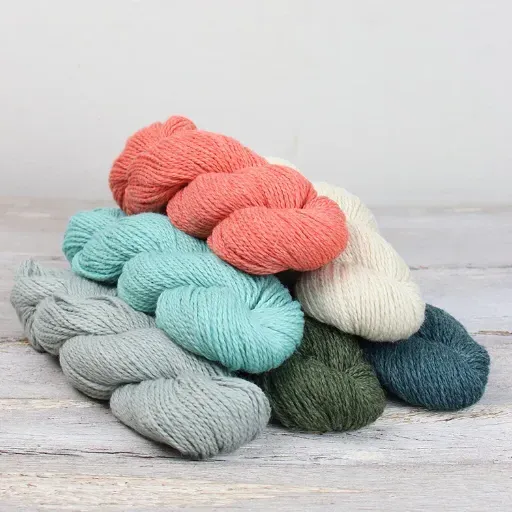
Polyester has the great quality of being very strong and not easily stretched or shrunk, moreover it does not lose its color for a long time. It can be found in a wide range of products such as clothes, furniture, and even in some industrial sectors. At the same time the process of making polyester takes a lot of energy and even more so, it can release from 5 to 9.52 tons of CO2 per ton produced as mentioned before. In addition, polyester is responsible for releasing microfibers into the ocean during washing, which in turn leads to pollution.
One side presents acrylic fibers from polyacrylonitrile and likable because of its softness, and reminiscent of wool in touch, so sweaters, blankets, and knitting will be made of it. Energy consumption is lower in the case of acrylic, which is made from non-renewable sources, but the environmental concerns it causes by its non-degradability and shedding of microplastics during washing are still there. It has been found that acrylic fibers release microplastics at a greater rate per wash than polyester, thus contributing more to the already existing marine pollution problem.
Polyester vs. Cotton Yarn
Though having some similarities, the polyester and cotton yarns are characterized by distinct differences with regard to their properties, usages, and effects on the environment. Synthetic polyester yarn, which is made from petroleum, is famous for being very strong, light, and not easily shrunk or stretched. Polyester garments are also moisture-wicking, leading to their great use in sports and outdoor activities. Yet, the fact that polyester is non-biodegradable and causes environmental pollution through the microplastic release during laundering is a downside; to be more specific, billions of microplastic particles are believed to enter water systems every year because of this.
Conversely, cotton yarn is a natural fiber that comes from the cotton plant’s seeds. It is not only breathable and soft but also hypoallergenic, which makes it the main choice for sensitive skin in terms of clothing. Being biodegradable, cotton yarn is considered a sustainable option, especially when it is from organic cultivation and processing. Yet, conventional cotton farming often takes a heavy toll on the environment due to the extensive use of water and pesticides. For instance, around 2,700 liters of water are required to cultivate cotton for just one T-shirt, really pointing out the water-intensiveness of cotton production.
Practical Tips for Crocheting with Polyester Yarn
Choosing the Right Crochet Patterns
Choosing the right crochet pattern is a skillful process and it depends on various factors such as skill level, type of yarn and project purpose. The crochet patterns are versatile ranging from beginner to advanced levels along with their respective designs for simple home decor to even more detailed garments or accessories.
In case you are working with polyester yarn, then patterns that are capable of giving a hard-wearing and washable results should be kept at the top of your list. Polyester is a good selection for such items as tote bags, rugs, and outdoor accessories because of its feature of being stain and wear resistant. For illustrating, one of the best-recognized polyester yarn patterns is the “Granny Square Tote Bag” that unites practicality and style. Furthermore, as per the latest trends, a lot of people are also using environment-friendly polyester yarn made from old and recycled PET bottles in creating sustainable projects.
Polyester Yarn Working Techniques
Control Over Tension
It is very important to keep tight and even tension when working with polyester yarn because the yarn has a very smooth and sometimes slippery texture. If the tension is very loose or uneven then the stitches might lack structure, and the finished piece might look uneven.
Selection of Needles and Hooks
Use needles or hooks with a slightly textured grip, this will help you to avoid slipping while working. The sizes might differ depending on the yarn weight, but a recommended range for worsted-weight polyester yarn is typically a US size G/4mm to I/5.5mm for crochet hooks, or US size 6/4.0mm to 8/5.0mm for knitting needles.
Keep Away From High Heat
Polyester yarn is sensitive to heat and when exposed to high heat it can either lose its shape or change its texture. While blocking or finishing a project, use steam only occasionally and place a damp cloth between the iron and the fabric as a protection against melting.
Sewing and Merging
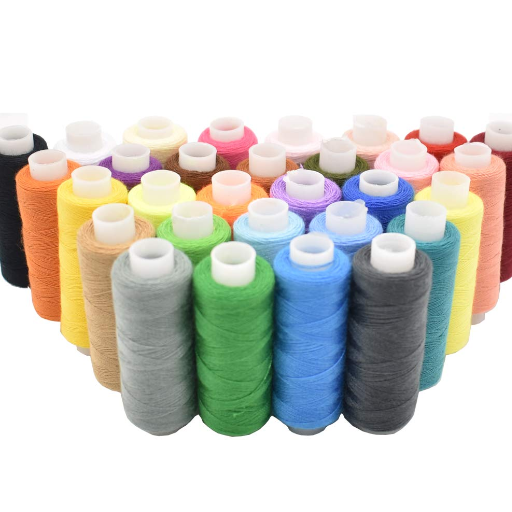
When you are sewing seams or joining parts of polyester, then you should use strong, non-slippery thread that will help you make connections that are not only strong but also seamless. Whipstitching or crocheted seams are good examples of techniques that work particularly well for tote bags or rugs.
Reference Sources
-
- Key Findings: Polyester composites reinforced with crocheted miriti fibers demonstrated enhanced mechanical properties, showcasing the potential of crochet techniques in creating durable materials.
- Methodology: Experimental investigation of mechanical properties using crocheted miriti fibers in a polyester matrix.
-
Sustainable Fabric Manufacturing: The Crochet Experience
- Key Findings: Polyester fibers consume less water compared to cotton, making them a more sustainable option for crochet projects.
- Methodology: Comparative analysis of water consumption and environmental impact between polyester and cotton fibers.
-
- Key Findings: Handcrafted multidirectional fabrics using crochet techniques with polyester resin composites showed promising structural integrity.
- Methodology: Development and testing of crocheted miriti fiber fabrics within a polyester resin matrix.
Frequently Asked Questions (FAQs)
Is polyester yarn a good “type of yarn” for crochet projects?
Polyester yarn is a very suitable option for a variety of crochet projects due to its low price, the convenience of being machine washable, and the vast array of colors and variegate options that it comes in. It usually gives a very good definition of the stitches, so your crochet is not lost, and combining soft and strong qualities of polyester-blend yarns, in addition to offering the plain ones, is also an option. But, as it’s the case with every other thing in nature, polyester has different characteristics so you may have to weigh things like the project’s drape, breathability, and heat retention when choosing polyester.
How does polyester compare to a natural fiber like cotton or other “fiber” options?
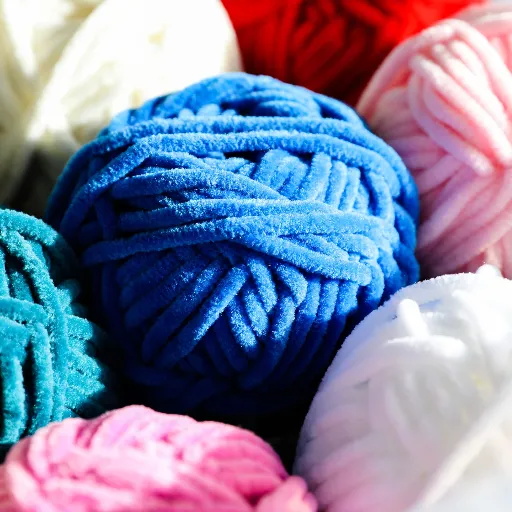
When compared to natural fibers like cotton, polyester is less breathable and doesn’t wick moisture as good, but it is more shrinking and stretching resistant and easy care. On the other hand, polyester can be super soft (especially with chenille yarn or polyester-blend yarn) and is mostly mixed with other fibers like acrylic and nylon which share good qualities: acrylic and polyester blends are similar to acrylic in feel but usually more durable, while acrylic and nylon blends add strength for items that need to hold their shape very well.
Can polyester yarn be used instead of a “natural fiber” for baby items and delicate projects?
Polyester can be a good choice for baby items because many polyester and polyester-blend yarns are machine washable and hypoallergenic, so they are very easy to take care of. For delicate items or projects where the natural feel and breathability are the priorities, classic cotton yarn or natural fibers like wool or cotton may be the better choice. For babies, many crocheters prefer soft, non-irritating polyester or blends that are labeled safe for infants.
Is “t-shirt yarn” polyester — and is it good for crochet?
T-shirt yarn is typically made from recycled cotton or cotton-blend fabric; however, some versions contain polyester or polyester blends. It is a perfect yarn for bulky projects such as rugs, baskets, or large blankets that require support and can be used to create durable home items. If your pattern has called for t-shirt yarn, verify that the yarn size consists of; the proportion of polyester will determine the amount of stretch, how the piece will be draped, and how well it will maintain its shape.